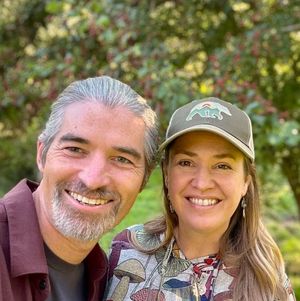



Though July 12 is not a cardinal or cross-quarter point in the Wheel of the Year, for Trystin and me it always serves as a point of reflection on our life here on Whidbey Island.
It's the day we moved to these 6 acres in 2020 - in the throes of a pandemic and at the start of a challenging season for our families. These acres have been both refuge and teacher in the 6 years since.
The embrace of nature has held us through painful times, and its resilience has been a constant inspiration. And, as we’ve nurtured our relationship with the land through attentive observation, manual labor, and deep listening, we’ve come to appreciate the specialness of this place.
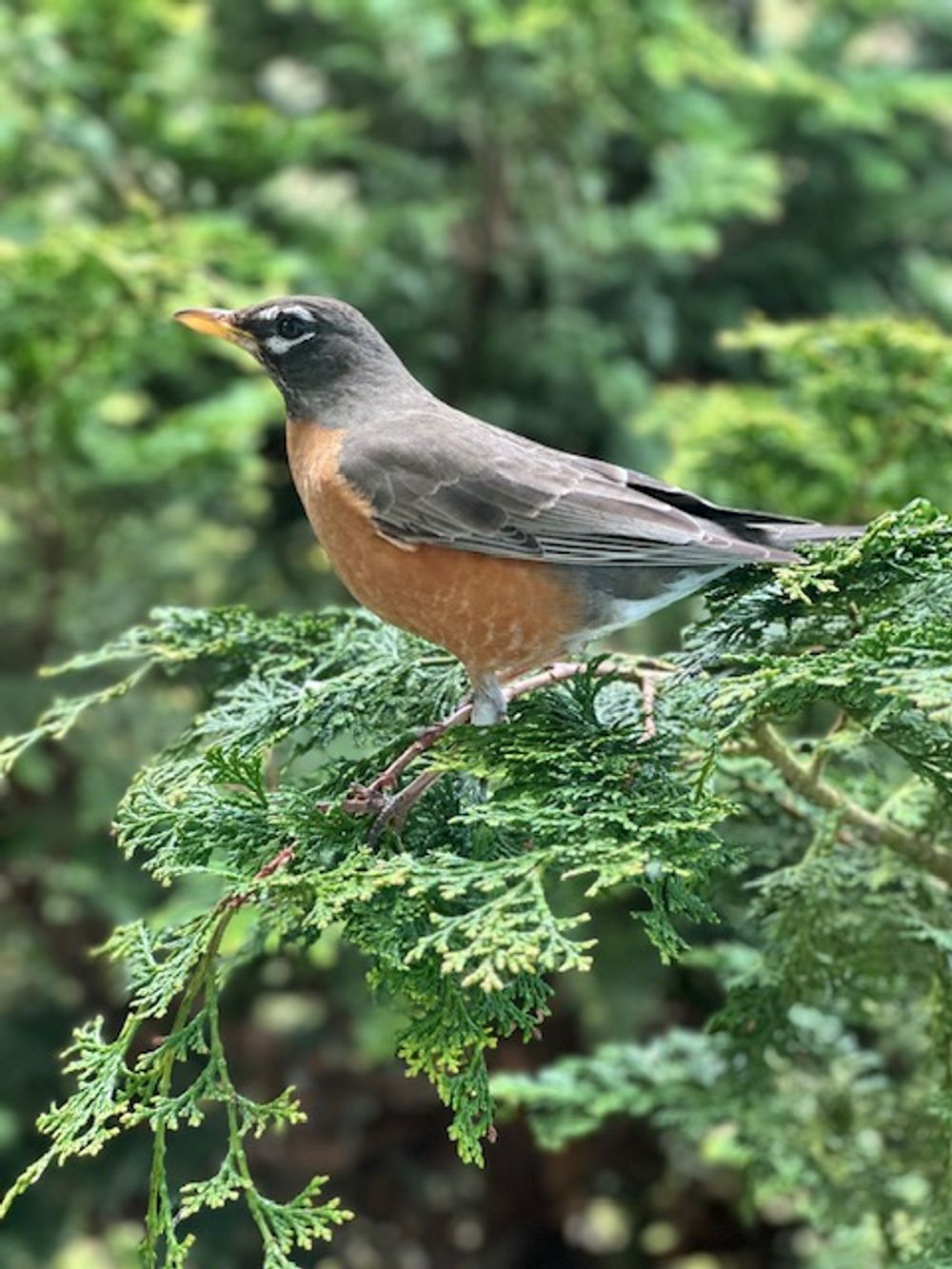
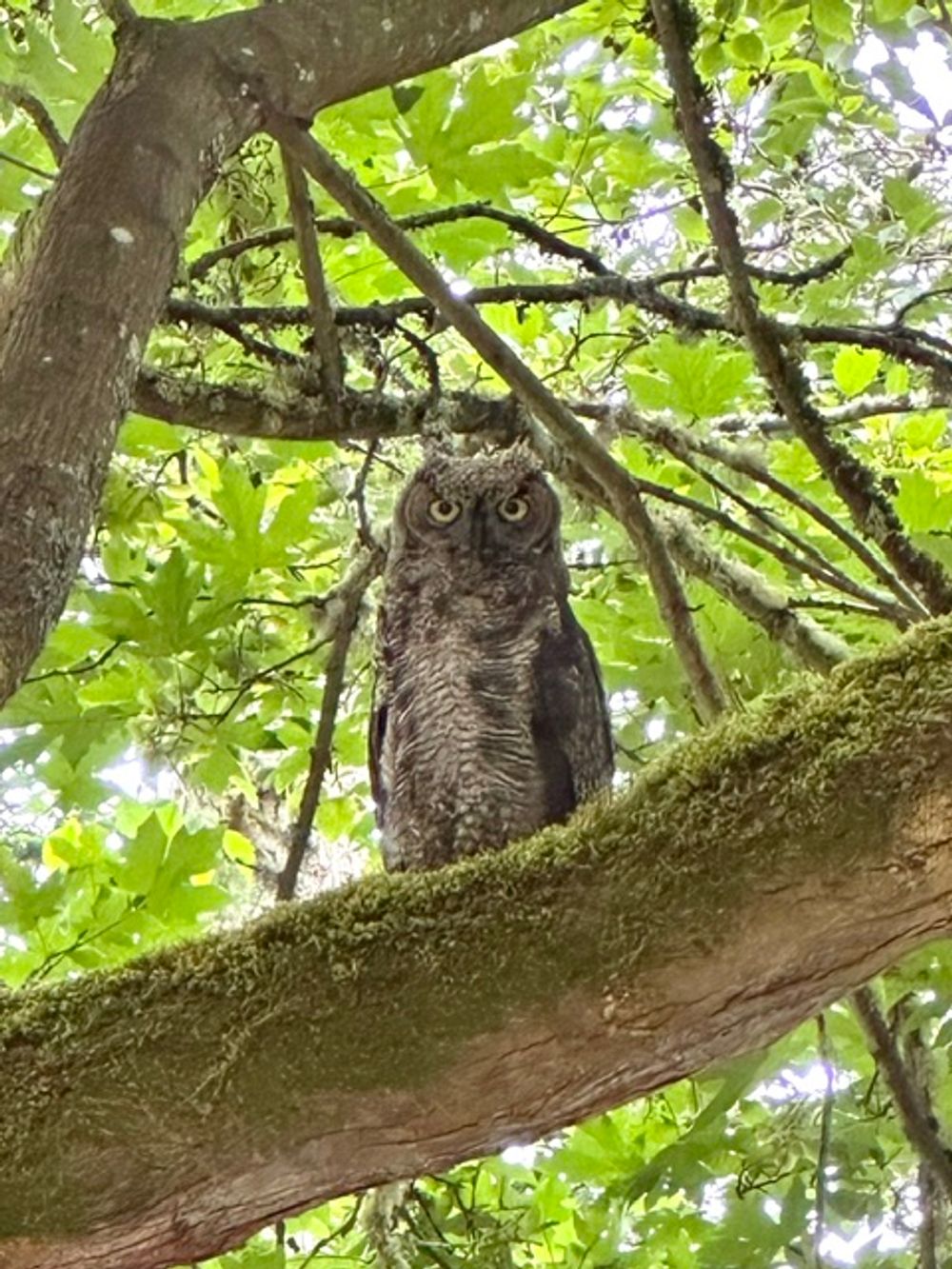
For me, the gateway to this deeper understanding was (of course) the birds. Not only their abundance, but their variety! With 108 distinct species of birds now observed (the latest being the tree swallow), I continue to be gratefully stunned by the wild range of feathered friends that visit and nest on these 6 acres.
From hummingbirds to herons and kinglets to kingfishers, you just never know what flash of feathers or snippet of song will wing its way into your day. And with the many owls, even the night is blessed with whisper whooshes and haunting songs.
As our understanding of these acres has deepened, the source of this rich avian biodiversity has become more clear: it’s the diversity of the land itself.
In just 6 acres we have six distinct ecozones, and Trystin and I invite our community to experience them during our upcoming Trail & Garden Day on the weekend of August 8 and 9. All supporters and patrons will receive the invite with more details near the end of the month. If you are not a supporter yet, I invite you to become one through one of our two platforms: Patreon (ideal for monthly support) and BuyMeACoffee (ideal for a one-time gift). Or, if you’d like to support offline - through resources, work, or expertise - please message me!
Now, here’s a summary of the 6 special zones on these 6 acres.
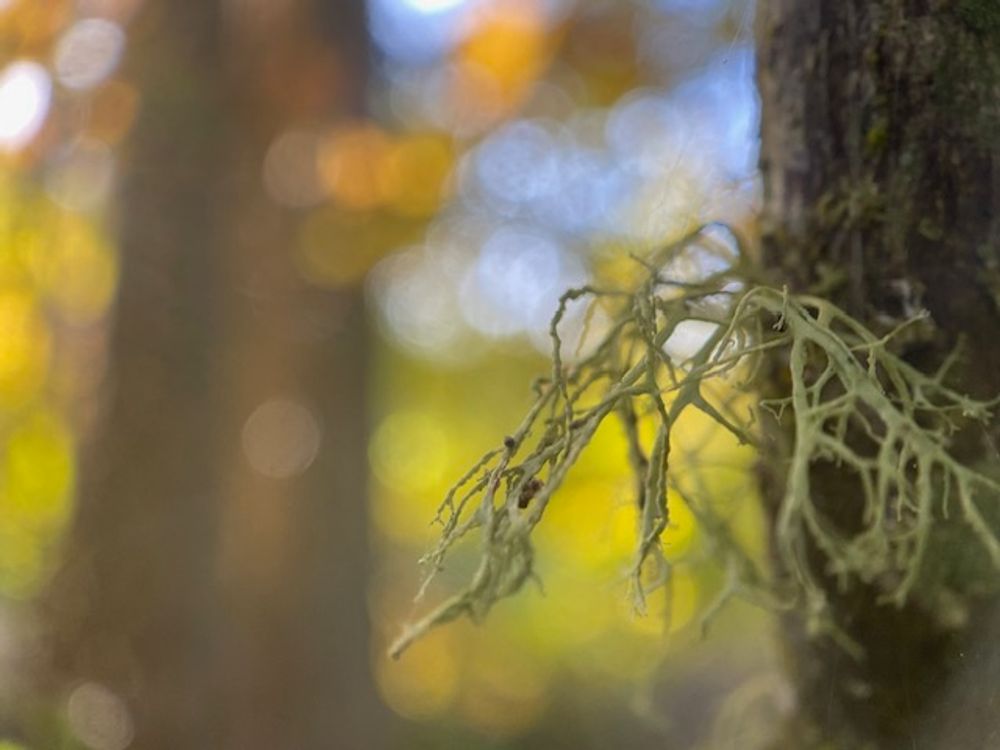
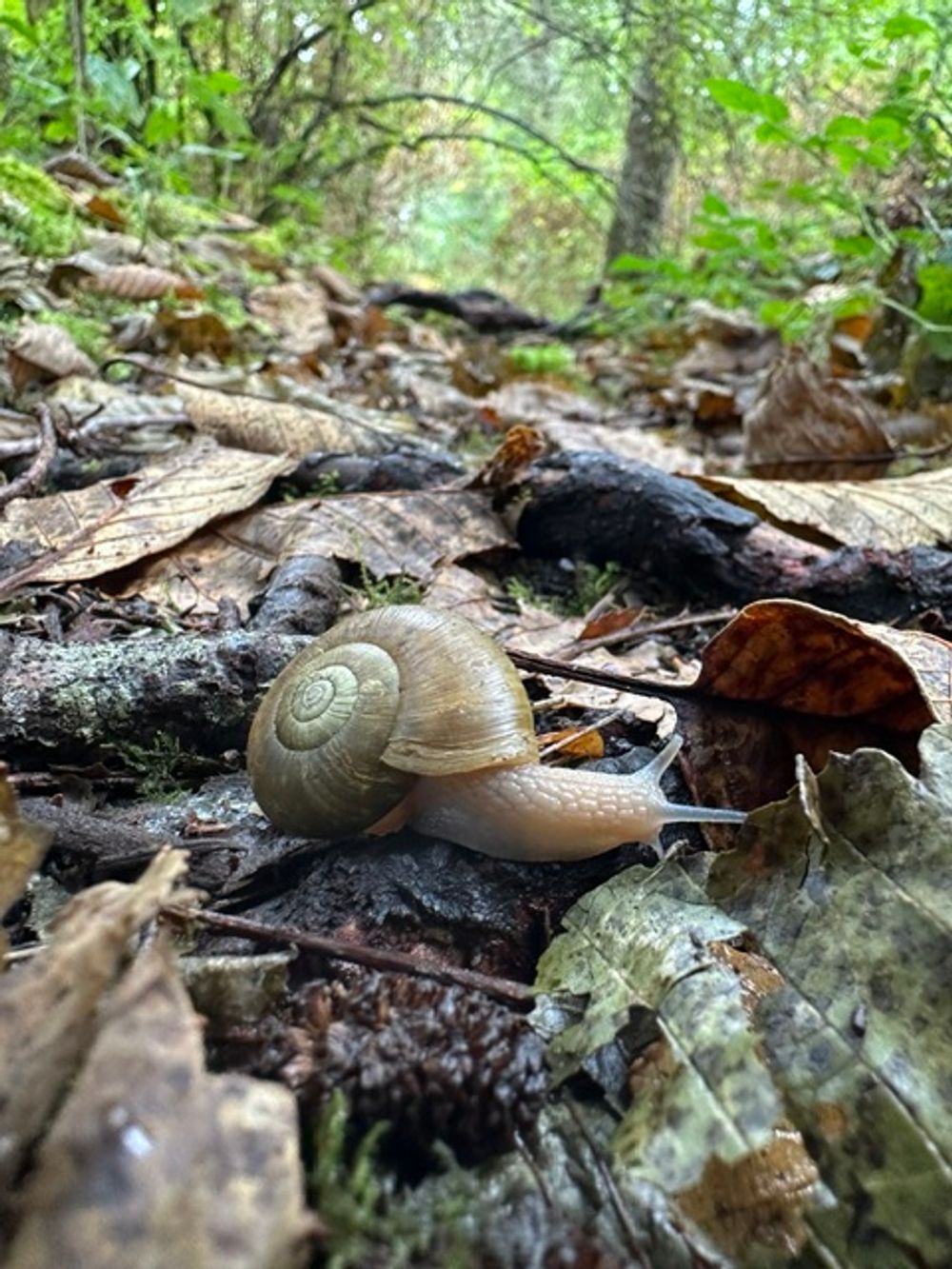
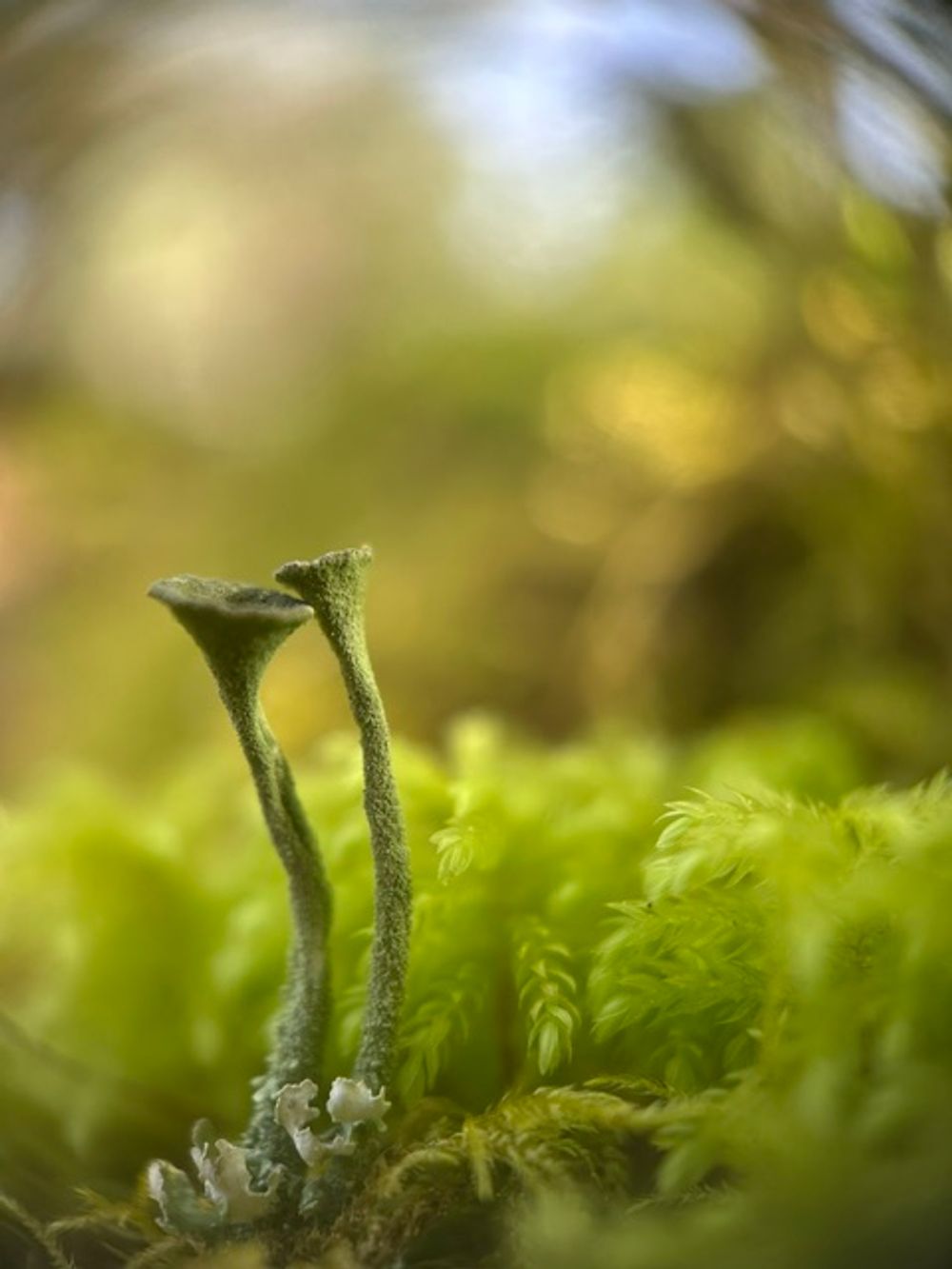
Forest: There are several pockets of true forest where the tree cover is thick and the shade nurtures mosses and lichens below. Douglas fir, alder, and big-leaf maple are the most common trees, but we are nurturing the return of western red cedar.
Woodland: The presence of the stream and history of logging coalesce to make woodland the dominant ecozone. Not dense tree cover like forest, but a balance of leafiness and openness populated primarily with deciduous trees and large shrubs.
Fen: Perhaps an unfamiliar ecosystem to many, fens are uncommon here and take centuries to develop. Therefore, I’ve been hesitant to apply that title to the southeast corner of these 6 acres, but after deep observation and careful research, fen really seems to match the characteristics of the land: peaty soil, minimal tree cover, a high water table fed at least in part by groundwater, and often with rolling or mounded soil. It’s a special spot, rich in biodiversity, so we’ve given it a name to suit: Deerfeather Fen.
Grassland: What we often call “the field” is essentially a grassland. Grasses and wildflowers dominate and mammals abundantly graze. Honestly, it’s the element of the acres we are most uncertain about – it’s predominantly introduced species (and some invasive) managed mostly by mowing. However, a closer look reveals this introduced landscape is fertile feeding and breeding ground for countless creatures!
Meadow: Edges of our grassland are turning into meadow, and we believe that’s exactly what should happen with much of the field. Meadows and prairies are (unusually) abundant on Central Whidbey, and we are helping our meadow gradually grow by adding native plants and will soon expand our corner of meadow deeper into the grassland zone.
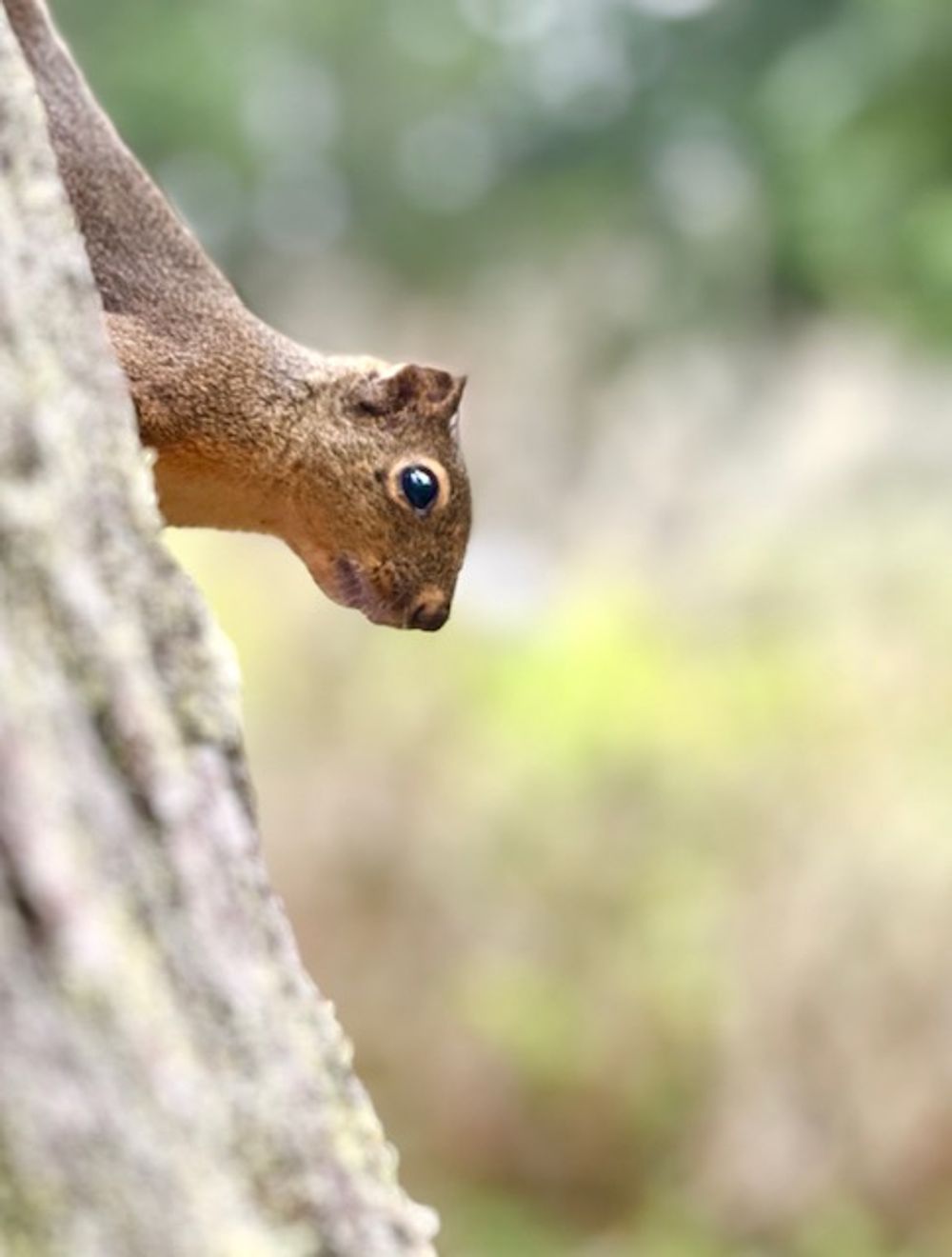
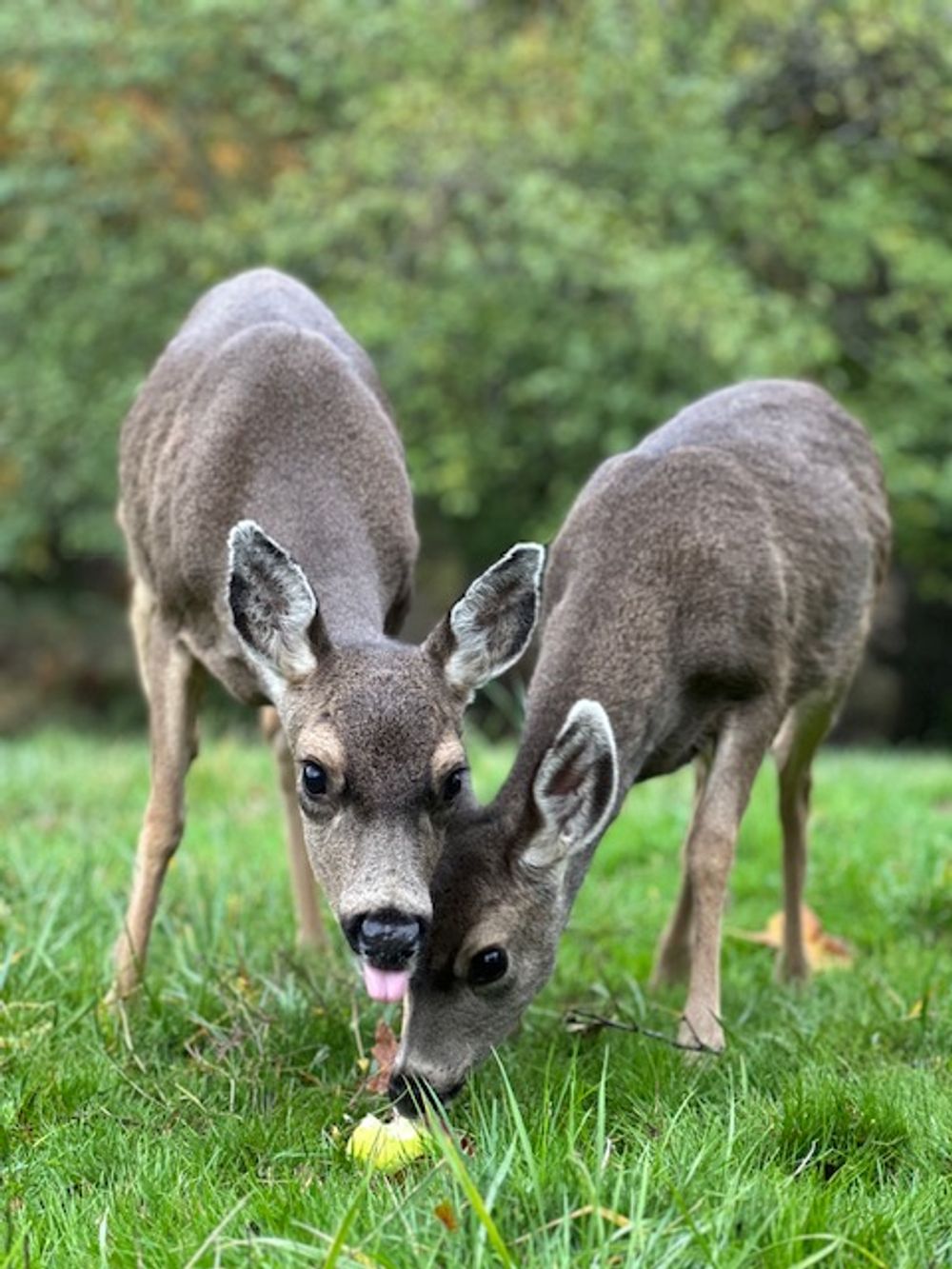
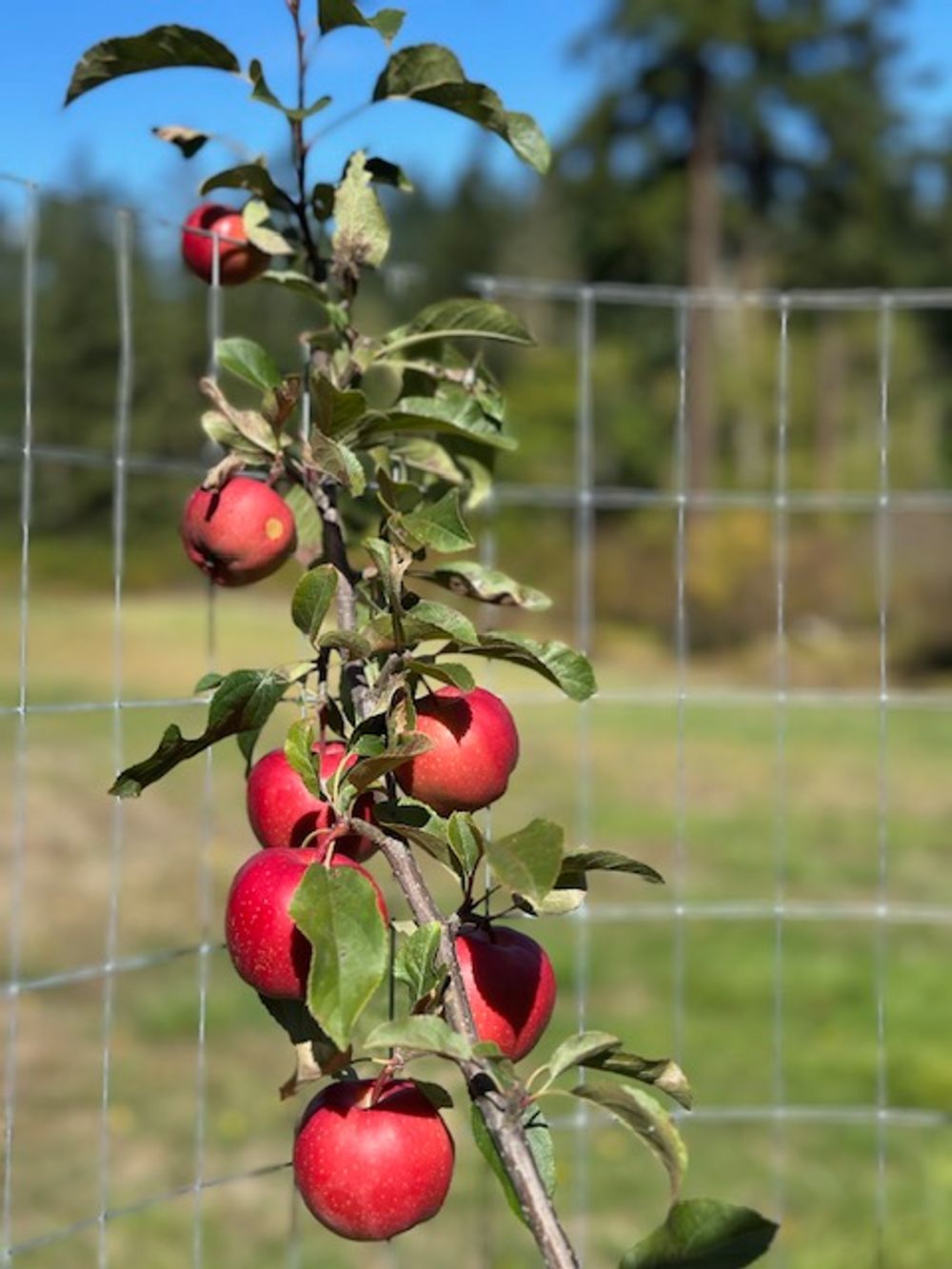
Garden: Though perhaps not an ecosystem, the human designed spaces of the acres also nurture wildlife. For example, our new garden is bustling with birds, and the small grove of apple trees feeds not only our human community, but also bees, birds, squirrels, and deer!
It’s unusual to have such a variety of habitats in just 6 acres, especially the presence of a seasonal stream and a spring-fed fen. And the spaces where these habitats touch bring even more diversity and vitality to the wildlife here. Not only does shade and structure vary greatly, but the varying levels of water and light allow for an unusual array for plants to grow – providing food though blossom, fruit, leaf, and seed for so many creatures through every turn of the Wheel of the Year.
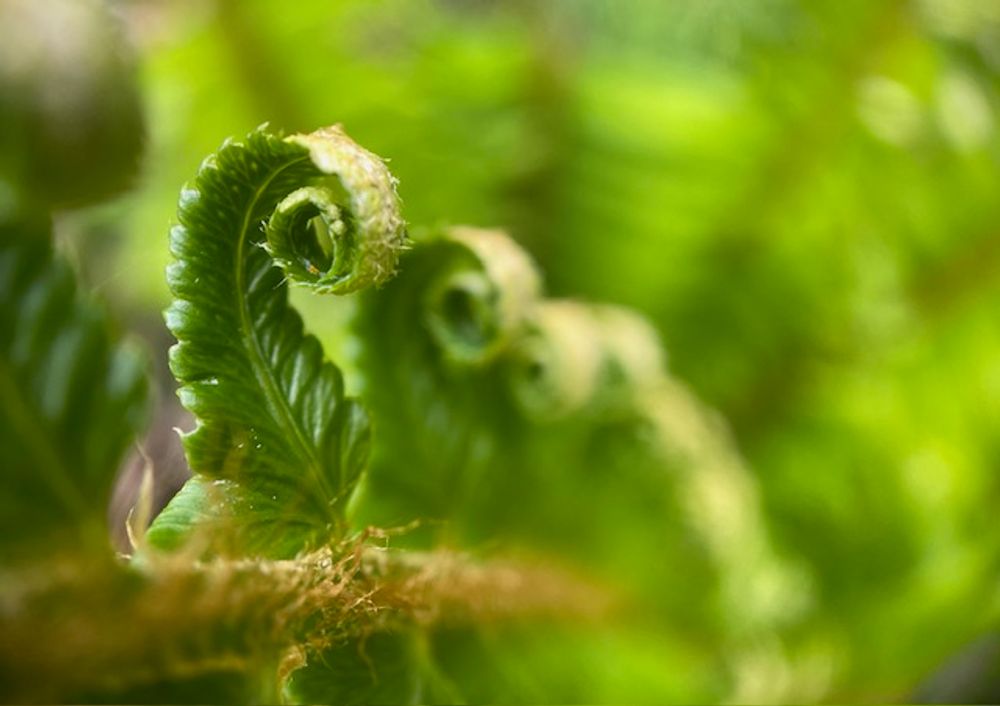
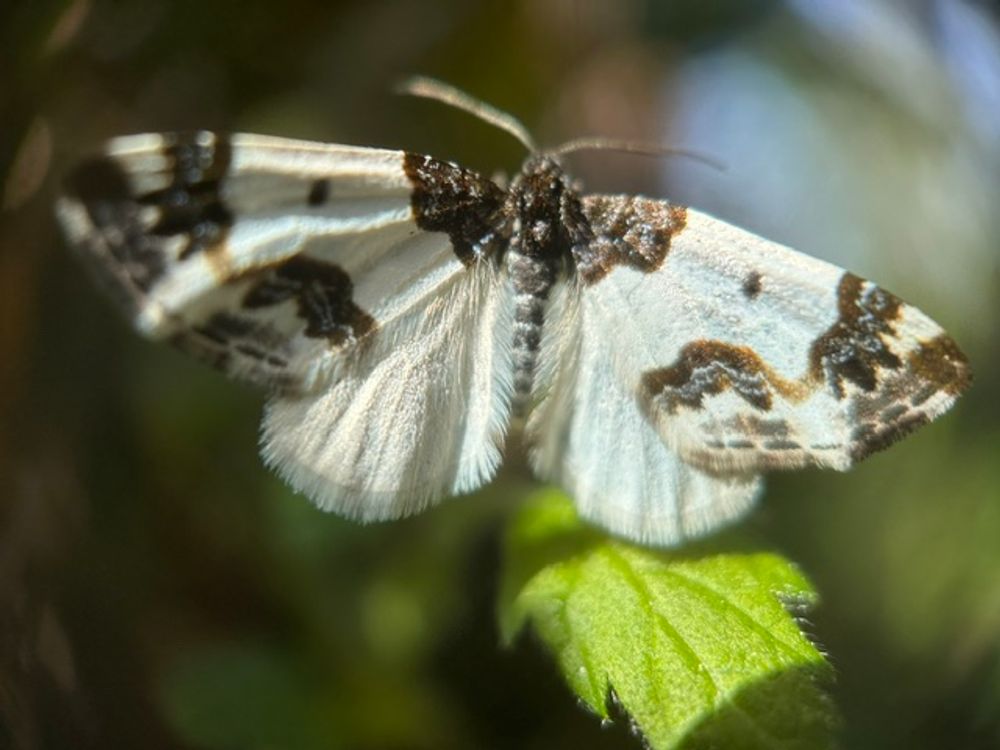
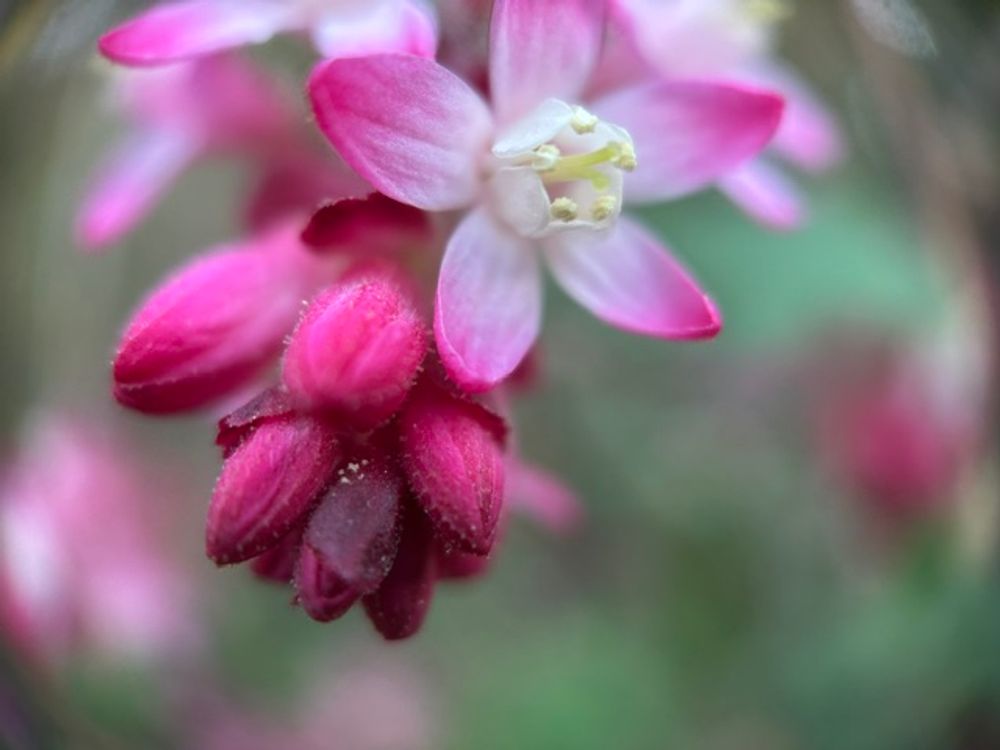
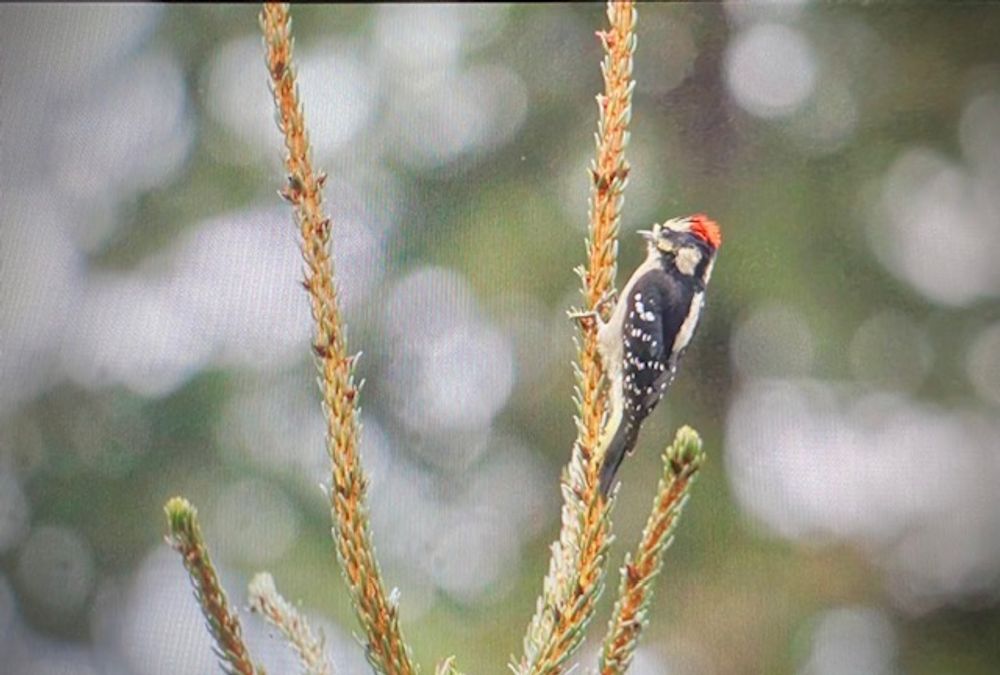
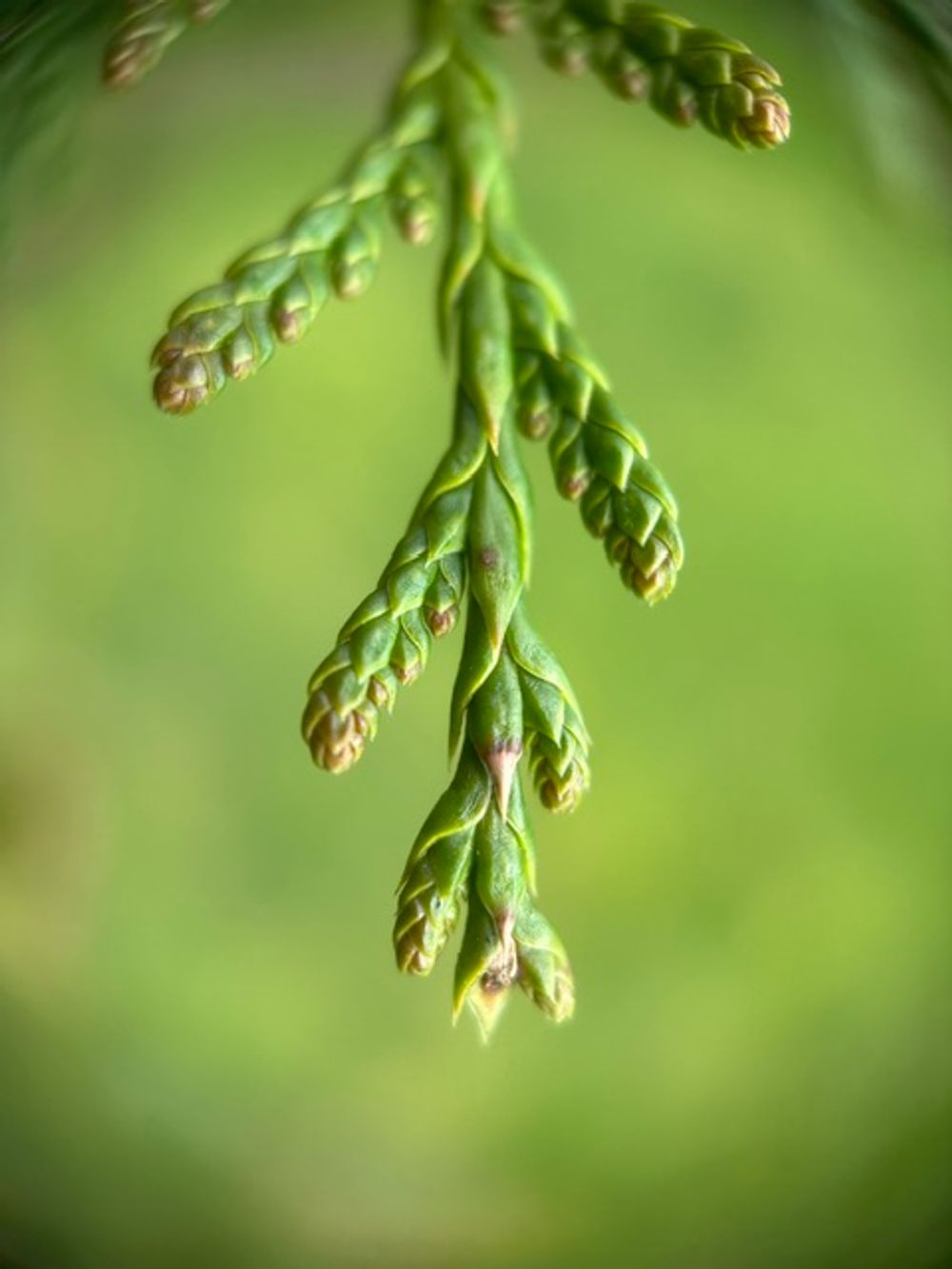
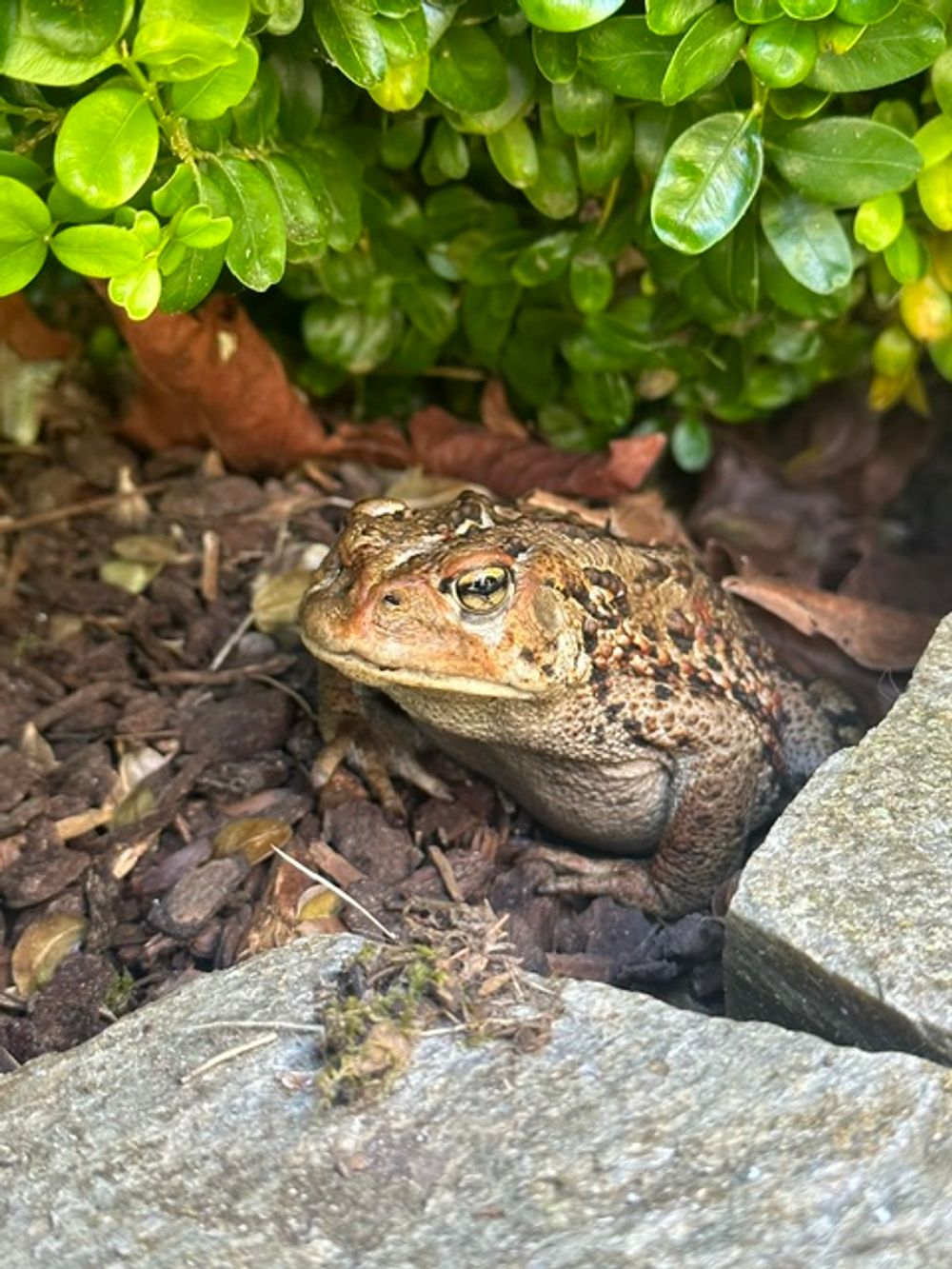
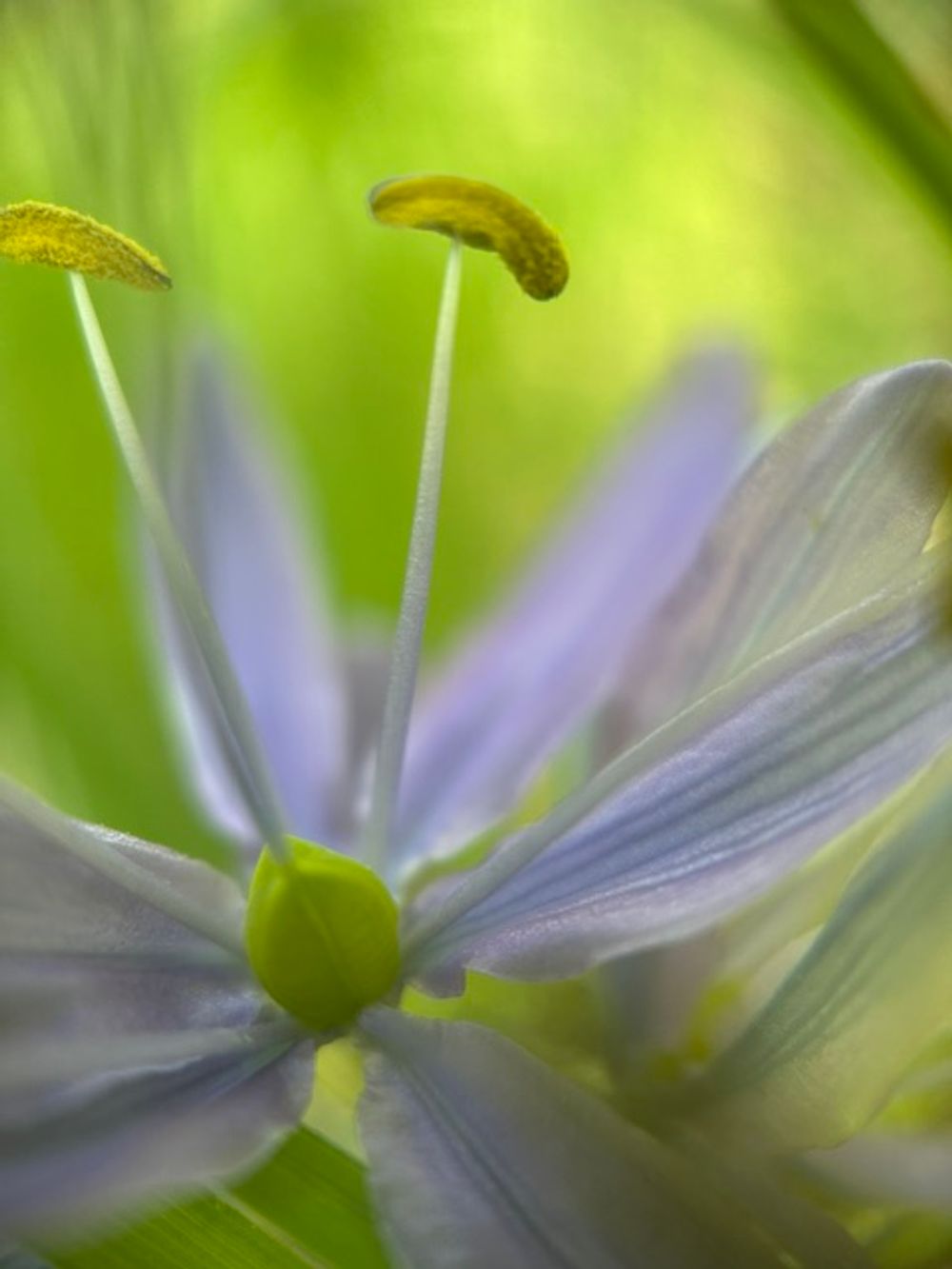
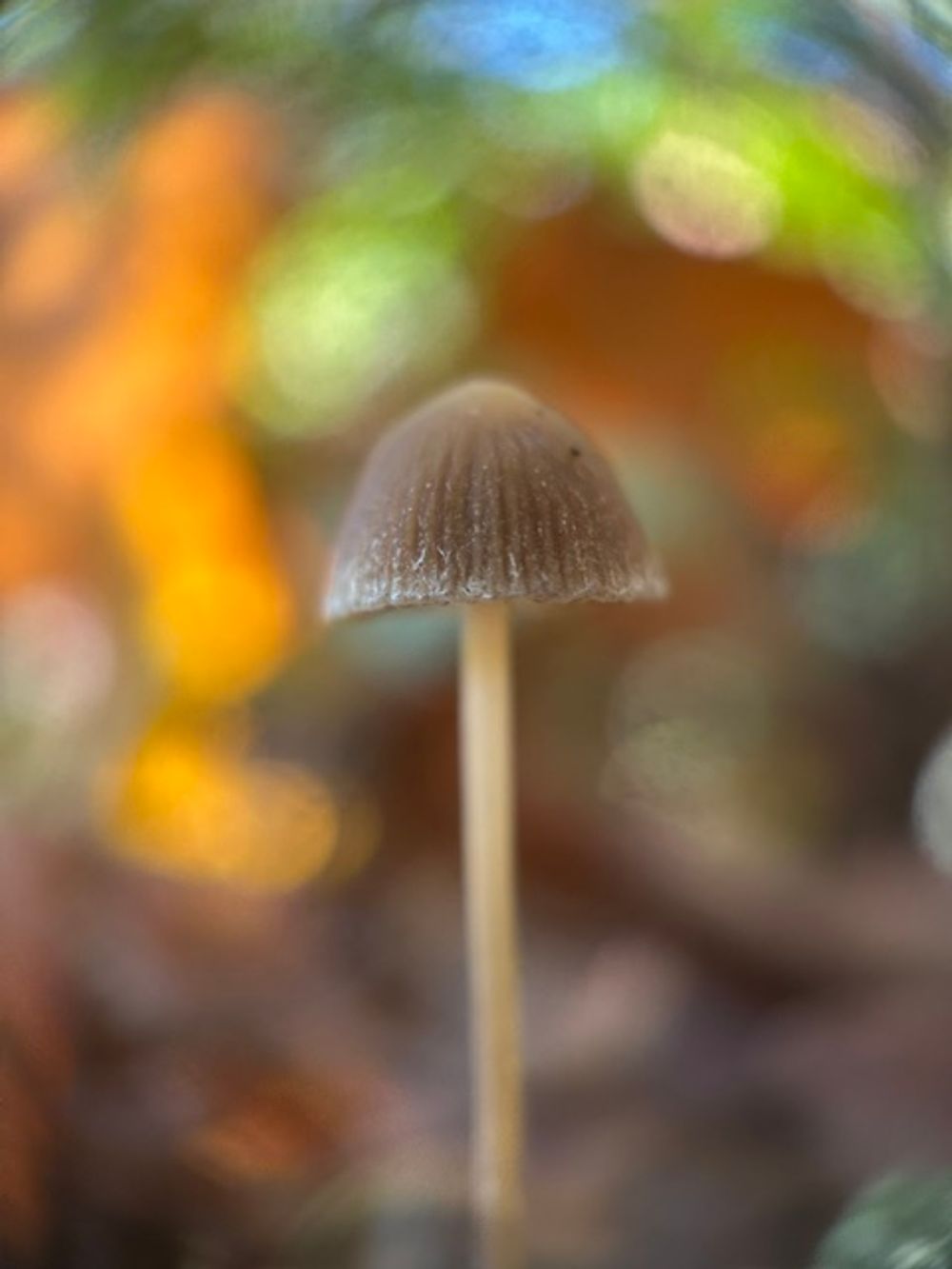
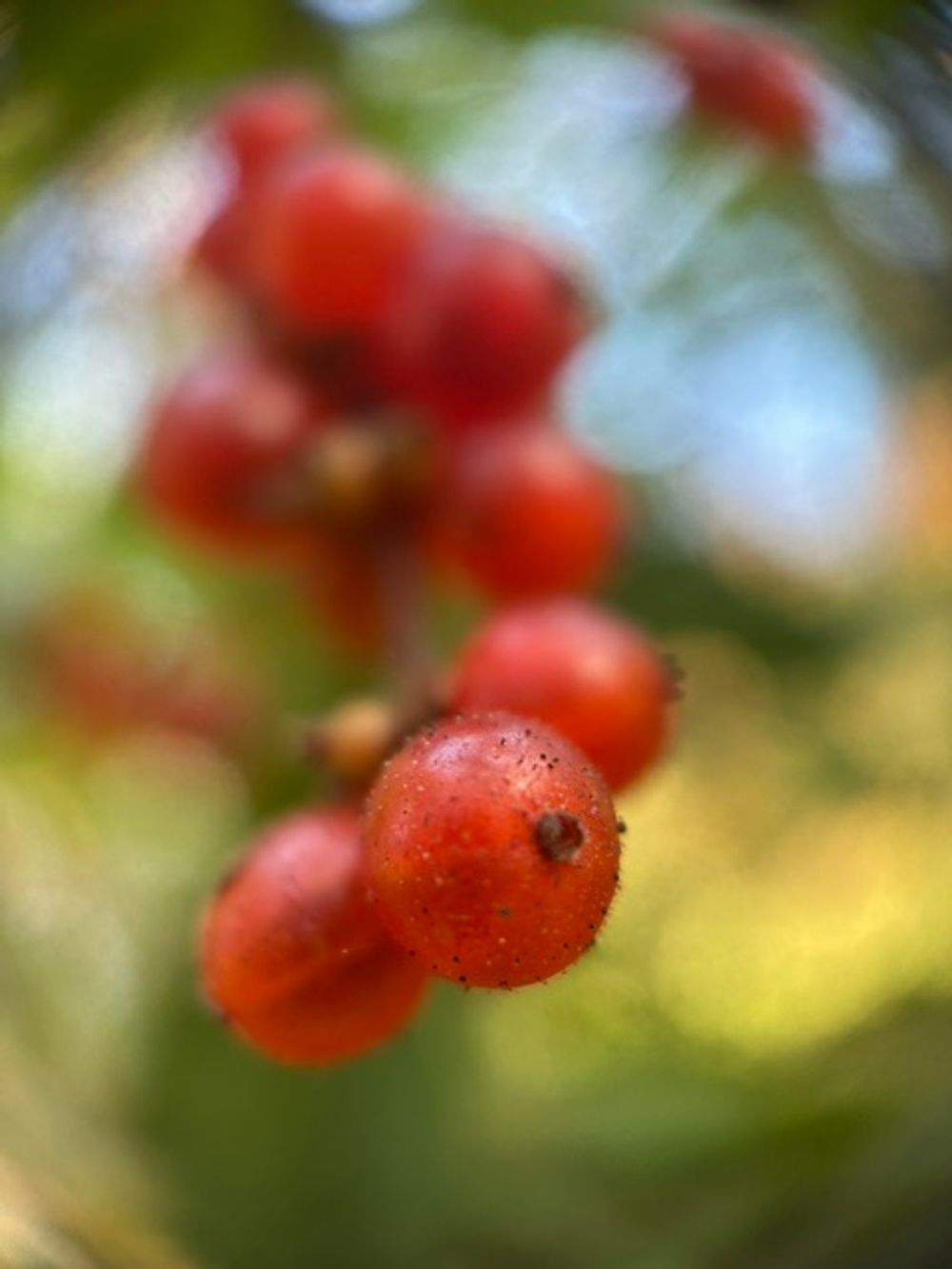
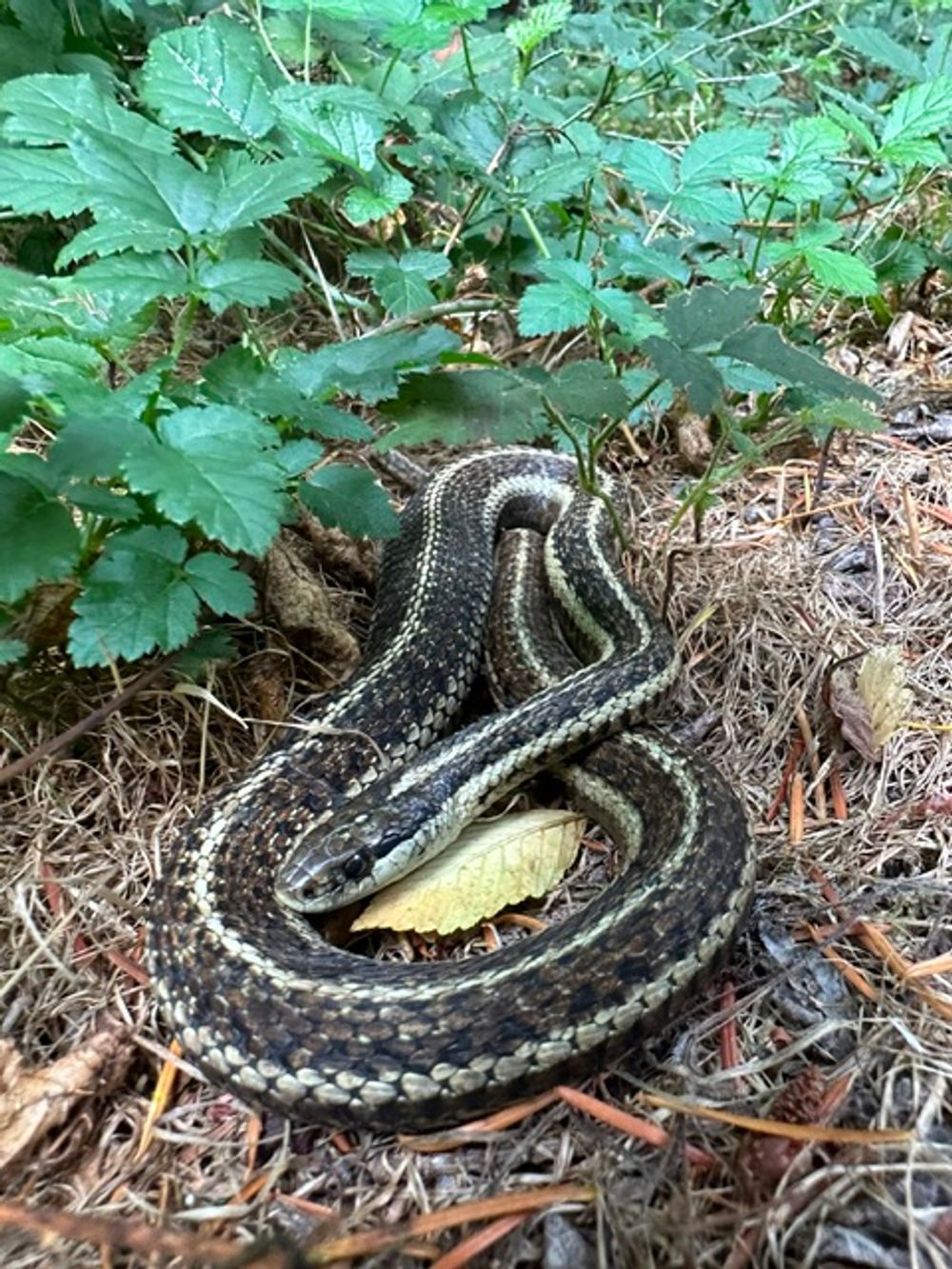
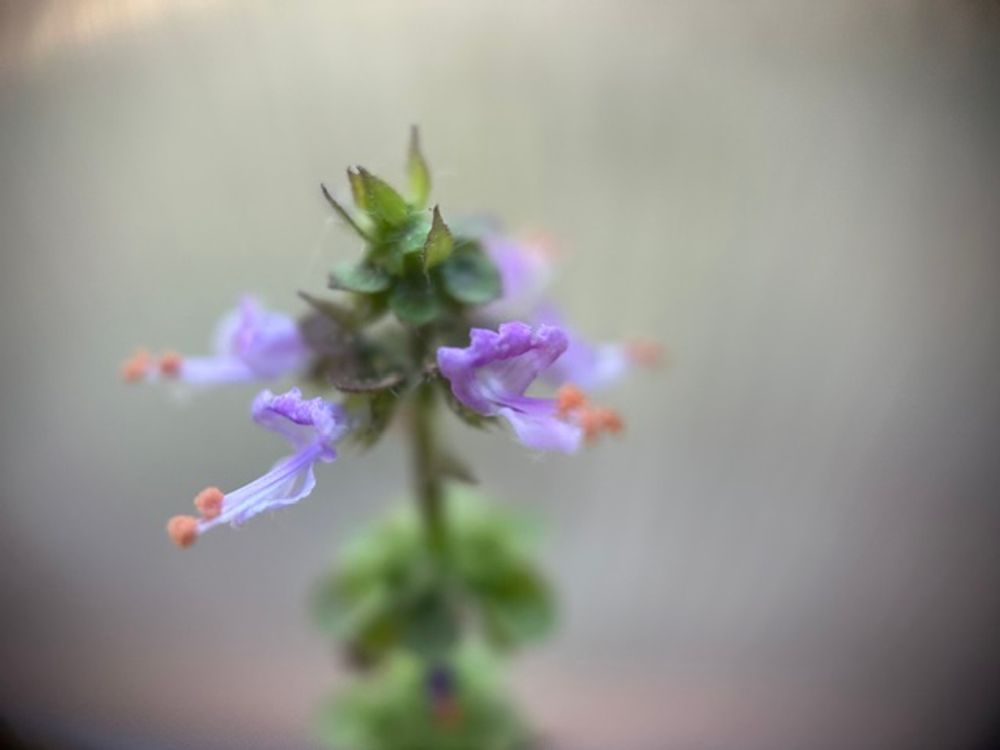
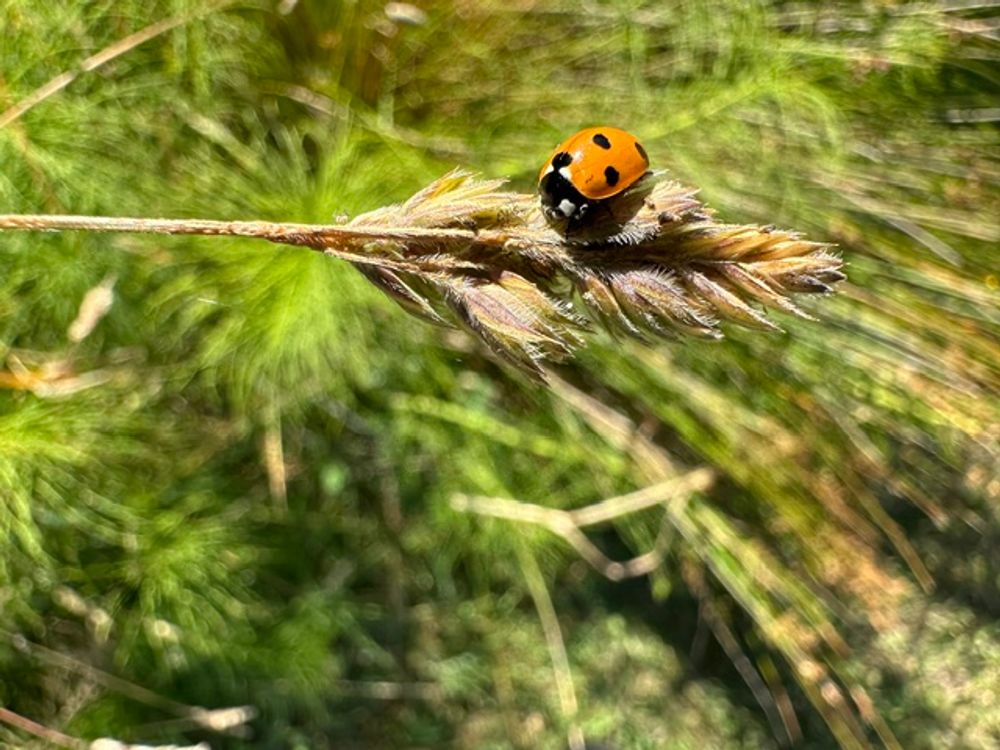
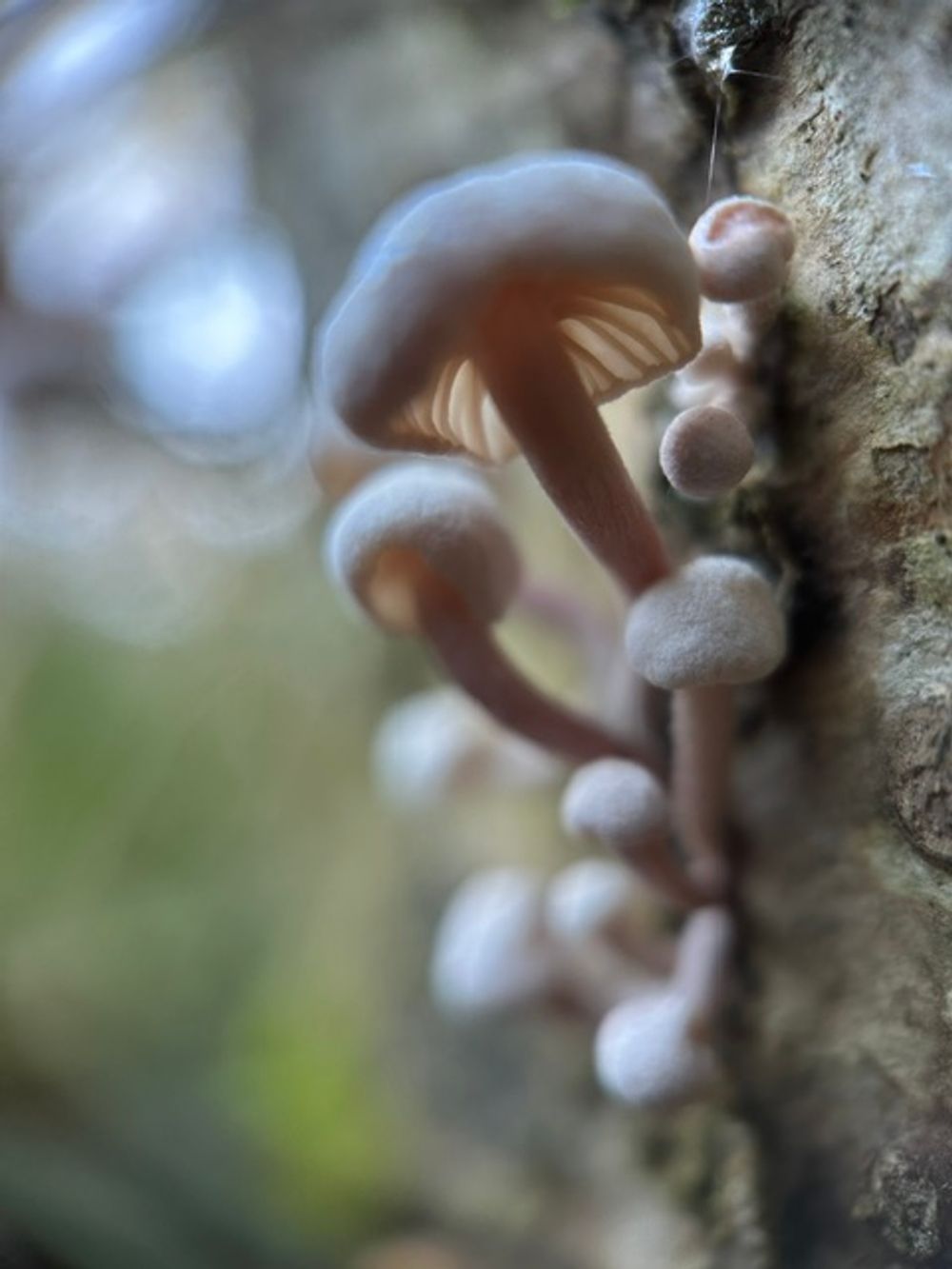
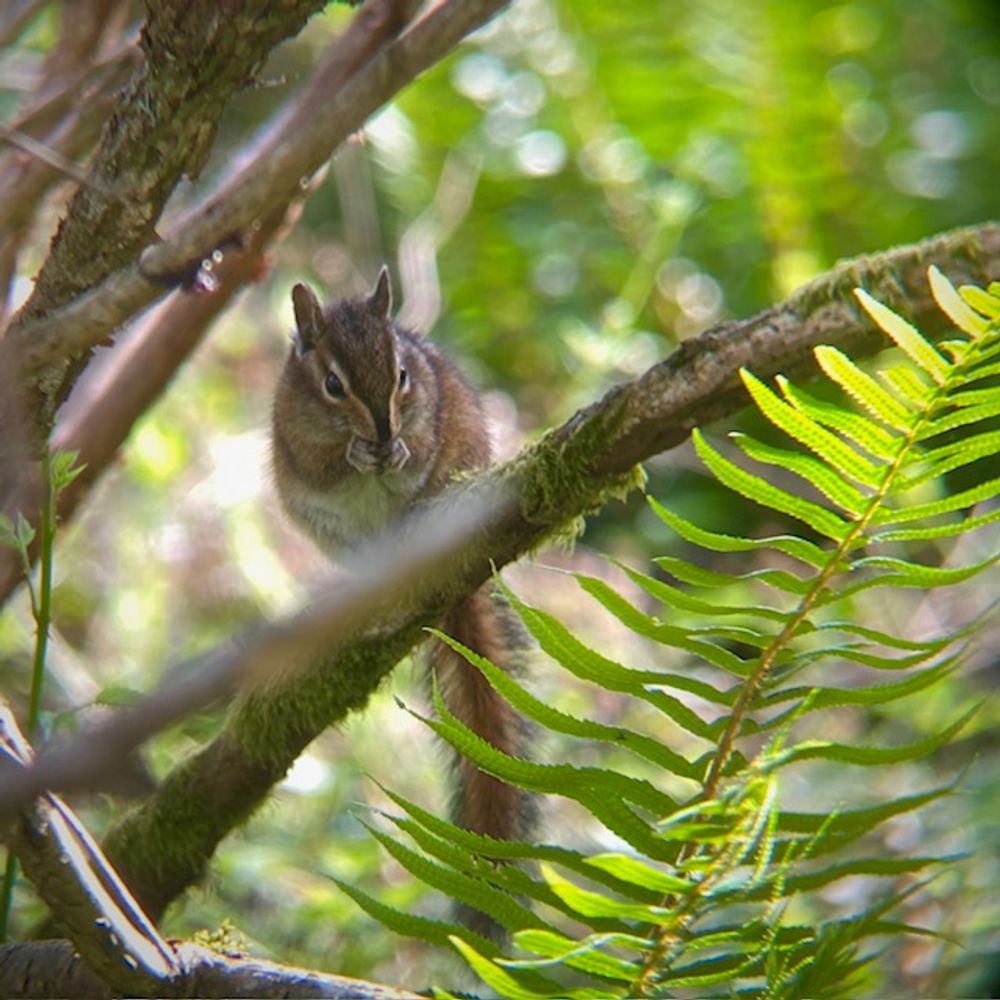
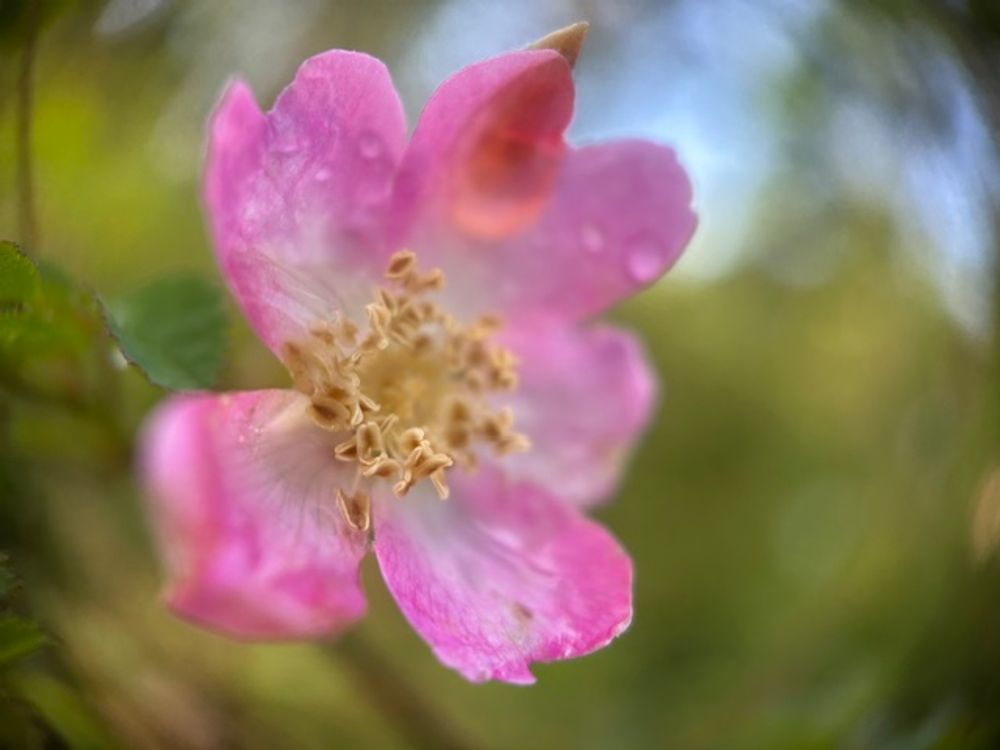
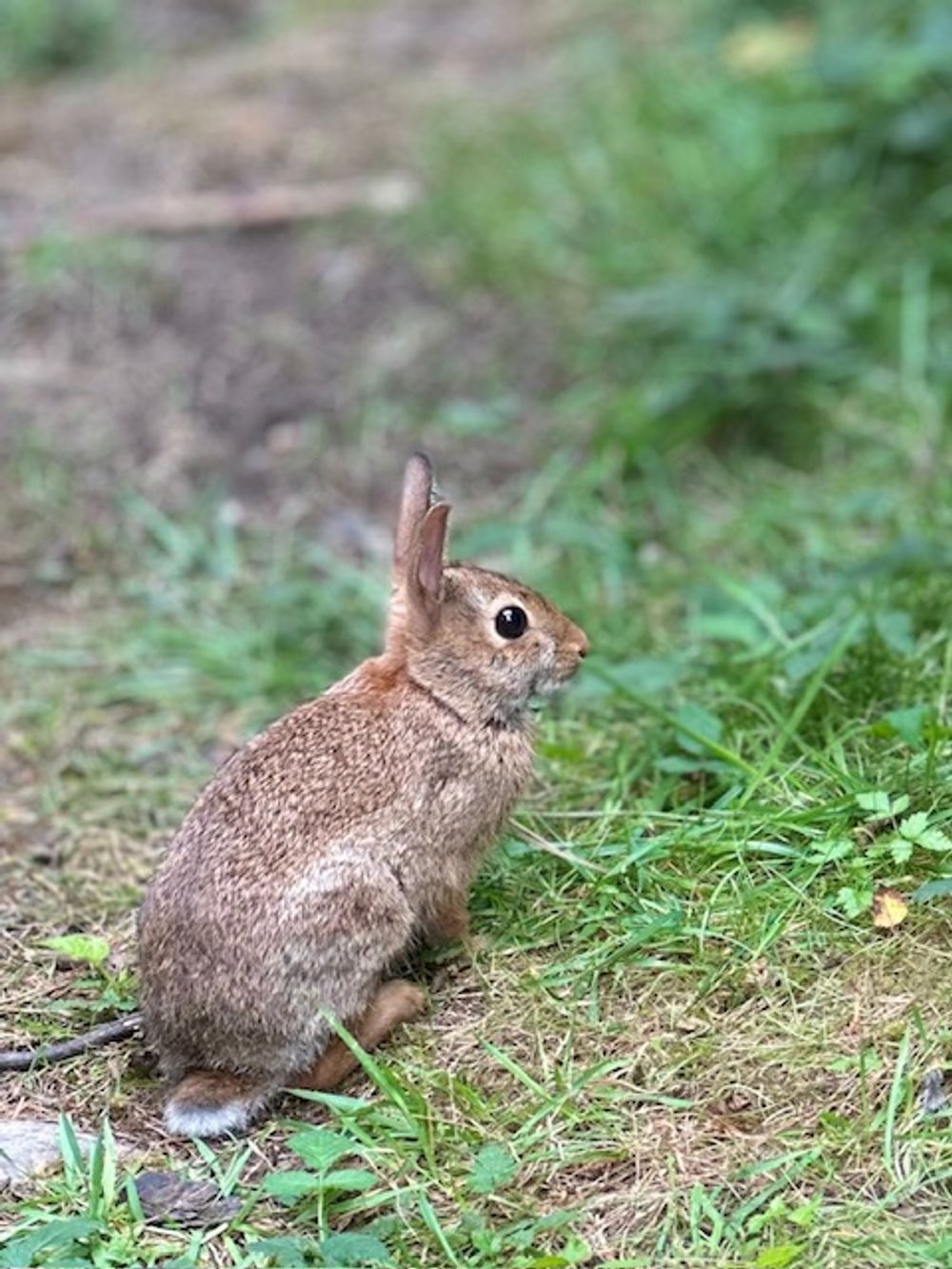
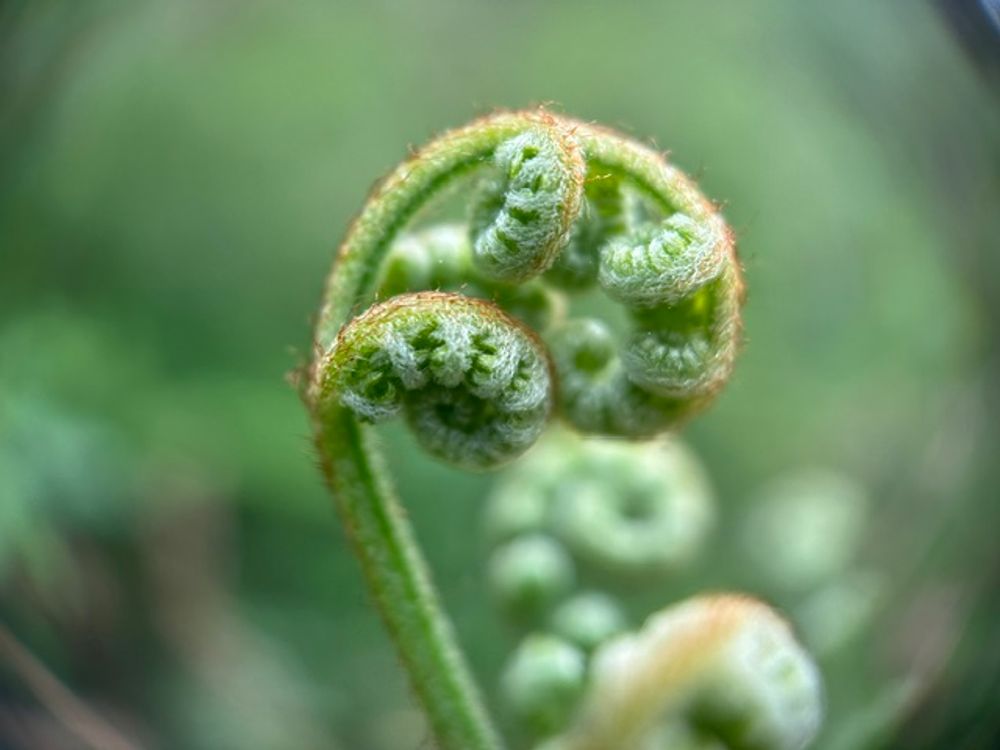
A gallery of the diverse community we share this land with is included with this reflection, I invite you to explore, enjoy, and reach out if you’d like to learn more about the 108 birds or countless other species that reside on these 6 acres.
As I walked the trails today, encountering thrushes, squirrels, flickers, rabbits, snakes, sparrows, bumblebees and deer, I truly felt blessed. In reflecting on all the vision and effort, of ours and our community, I am amazed by how beautifully these acres have changed in the last 6 years. They seem so much healthier – more vibrant, robust, and biodiverse – and it’s a testament to what can happen when humans remember we too are part of the ecosystem - we are nature, we are Earth on two legs.
Thank you for all your ideas, support, and presence over the years, and we look forward to seeing many of you at our upcoming Trail & Garden Day. For now, enjoy the gallery, consider supporting our vision for growing community and ecological abundance on these 6 acres (thank you if you already do!), and love the Earth, be the Earth, wherever you are right now.
In gratitude,
🌲Zach & Trystin