

Part of keeping reptiles is having a good, trustworthy vet that not only treats exotics, but also knows how to properly care for them. You want a vet that doesn't look at a PetSmart starter kit and say it has everything you need to get started. You want a vet that tells you that variety is important in an animal's diet and crickets should be part of it, not the only thing you feed. I have one of those vets! Dr. Schwartz is awesome, even if he is sometimes surprised that I do a little bit more than the basic care in those crappy PetSmart care guides.
In March of 2021, I got Zipper, a Mack Super Snow [morph] leopard gecko.
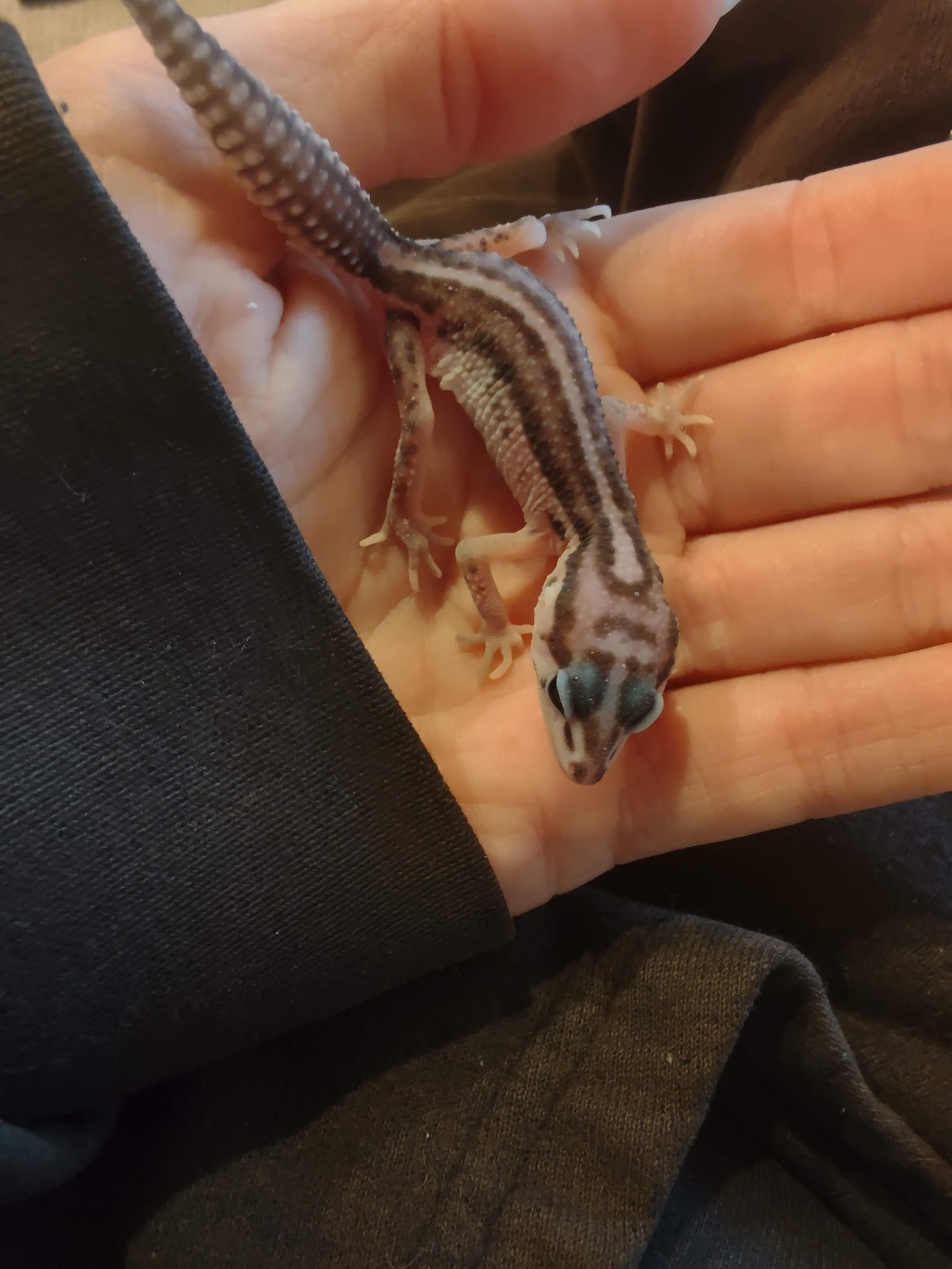 I set him up in a quarantine setup to monitor his eating and bathroom habits, as one should be doing with new additions. He was eating great, he moved around just fine, and nothing was amiss with the other end of his digestive system, all good signs. I wanted to take him out of the quarantine enclosure and set him up bioactive, but aver six months, there was still something holding me back.
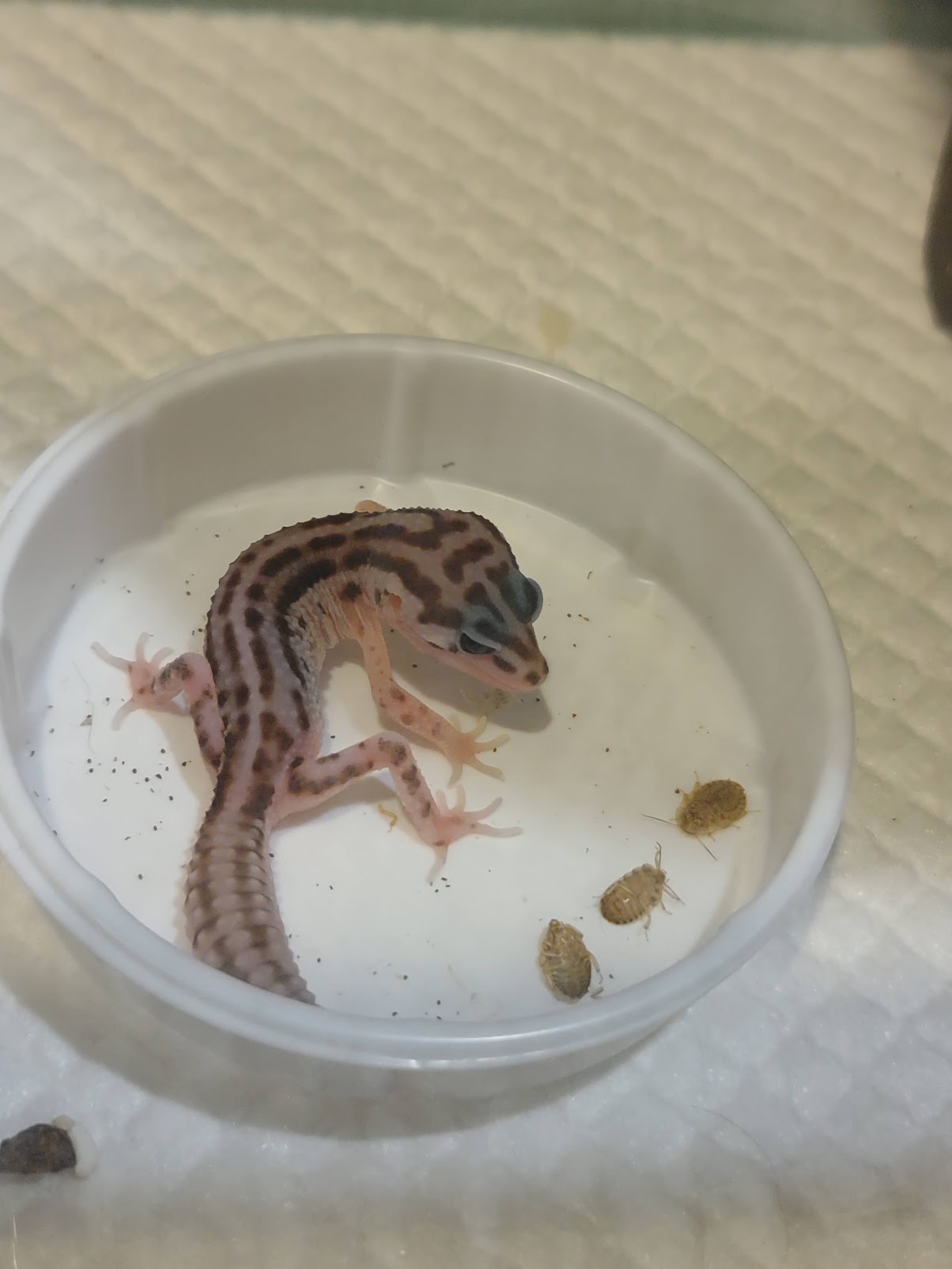
Zipper was still not much bigger than a hatchling! He had barely grown at all! He was losing his baby patte4rning, he was still eating well. He ate a variety of bugs; Dubia Roaches, mealworms, wax worms, soldier fly larvae. Zippy never met a bug he wouldn't eat! I scheduled an appointment with Dr. Schwartz and raised the concerns about him not growing. I wanted to upgrade his enclosure and put him in a bioactive, but only if it was safe to do so.
"He's not underweight," he told me. I agreed. We discussed his setup, his temperatures, his humidity, I even brought photos of the enclosure. He said I had already done more than most just by bringing Zipper in, but also that his care was spot on. So why wasn't Zipper growing?
The vet had a few suggestions. "He could have had an infection while in the egg" was his main concern. "If that's the case, then when he absorbed the yolk sac, he would have also absorbed that infection. He would spend his whole life fighting that infection. He may only live to be around 3 years old." (spoiler alert: Zipper is nearly 5 now) Other ideas? "He could have a touch of some dwarfism, but that's not likely." When I asked the most likely scenario, he said "Super Snows are prone to some problems and among those is stunted growth. He'll never be an adult size."
As far as having a solid reason for Zipper's diminutive build, he's too small for the tests they would need to run and figure it out. So Dr. Schwartz said to adjust his feeding schedule to maintain his weight. I had been feeding him daily, because he was still the size of a baby and the logic was "if baby sized, feed like baby" but the vet made a good point; he's not a baby and he no longer has the baby metabolism. He would become obese from overfeeding. He told me to feed Zipper on the same schedule as my adult leopard geckos.
I went home, updated a few people following Zipper's status why he was still tiny, and changed his feeding routine. He still got the vitamins and calcium supplements, but fewer feedings during the week. After a few weeks, Zipper was very thin, underweight and appeared malnourished. He was still eating, he waws still alert, he was still active. nothing in his habitat changed, and it was only his weight that was an issue. I did what any animal owner would do and offered more food on those in-between days. It's a lot harder to put weight back on an animal than for them to lose it.
Even after several weeks, Zipper was still thin, but he was storing some fat back in his tail. I continued feeding Zipper like a baby, almost daily feedings with that variety of bugs. Months later, when I brought a rescue gecko in to see him, he asked how Zipper was doing and I told him.
I said, "He's doing well, he's putting some weight on. We had to up his feedings back up to 5-7 days a week because he had lost weight so quickly." He was so small that he didn't really have much to lose!
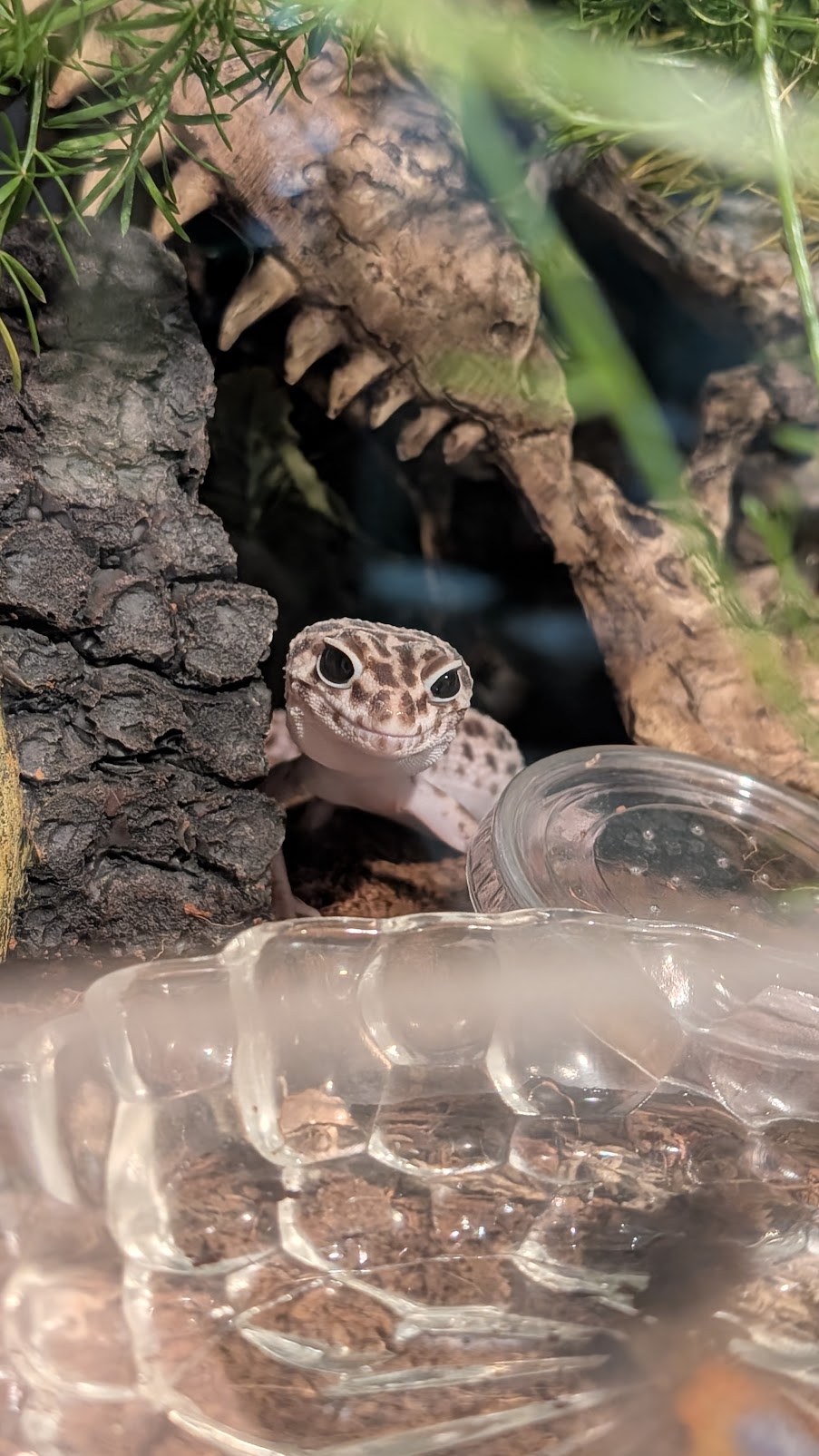
While Zipper wasn't a good fit for a bioactive, he did get an enclosure upgrade and uses all of the space he has in a 50-gallon PVC enclosure. The point here is that you know your animals. The vet sees them every now and then and may know their health, but you know their day-to-day. You know their personalities, their behaviors, and when something is off. Dr. Schwartz agreed that I had made the right choice to increase Zipper's feeding frequency. Listen to your vet, but also listen to your gut.