
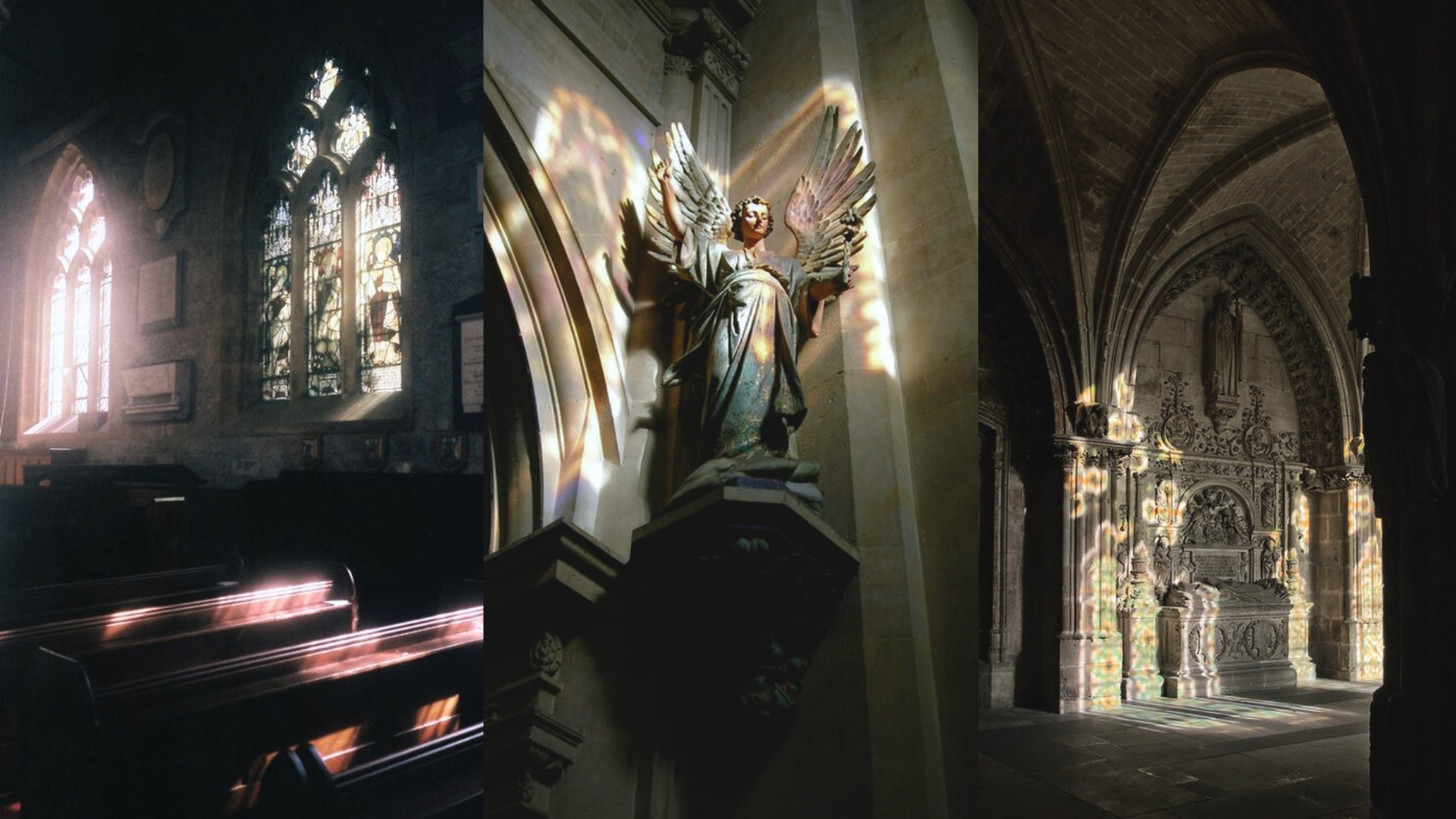
A man set off into a forest in search of his wife’s missing earring. He was thankful for the task as the couple had just had an awful fight which shut the curtains on their sunny afternoon, and he was only too grateful to escape. As the sun had already started to set, he took an electric flashlight to light his way, but the battery soon died, and he was left to find his way by the diffuse shafts of dusky sunlight falling through the forest canopy.
After a while of futile searching, he decided with a heavy sigh to quit and go home. He took a moment to orient himself and startled when he heard a scuffle through a bush not too far away. A great deer suddenly leaped into view and froze at the sight of him. The two stood still, apprehending each other for what could not have been a minute but felt like an hour, before the deer carefully turned and disappeared back into the forest.
The man returned with no earring but two piercing eyes burning still as bright in the back of his mind. Upon entering the house he discovered, to his shock, those very eyes, as wild and as bright, in the head of his wife. The expectant and routine experience of returning home had suddenly struck him with the same wild and sudden surprise as the deer in the forest had a few moments before…
The Disenchantment of the World
In an increasingly disenchanted and disenchanting world, creative resistance lies not in mere dissent, but in the cultivation of a radical openness to wonder. The smaller acts of resistance, the political and the avant-garde, often tend towards the same reductions and certainties that led to our disenchantment in the first place. What we need now is a re-enchanting art; an art that revitalises our relationship with Life.
Max Weber blamed the disenchantment of the world on our increasing certainty that everything can be calculated, which has led to the loss of mystery, of magic and of myth, as a real presence in our lives. This does not mean that mystery has left our lives, but that we had simply ceased to look for it. The world has not become disenchanted – our relationship to it has. We’ve painted our windows black in the bright of our electric lights and convinced ourselves that there is no more sun outside – we’ve made the translucent world opaque.
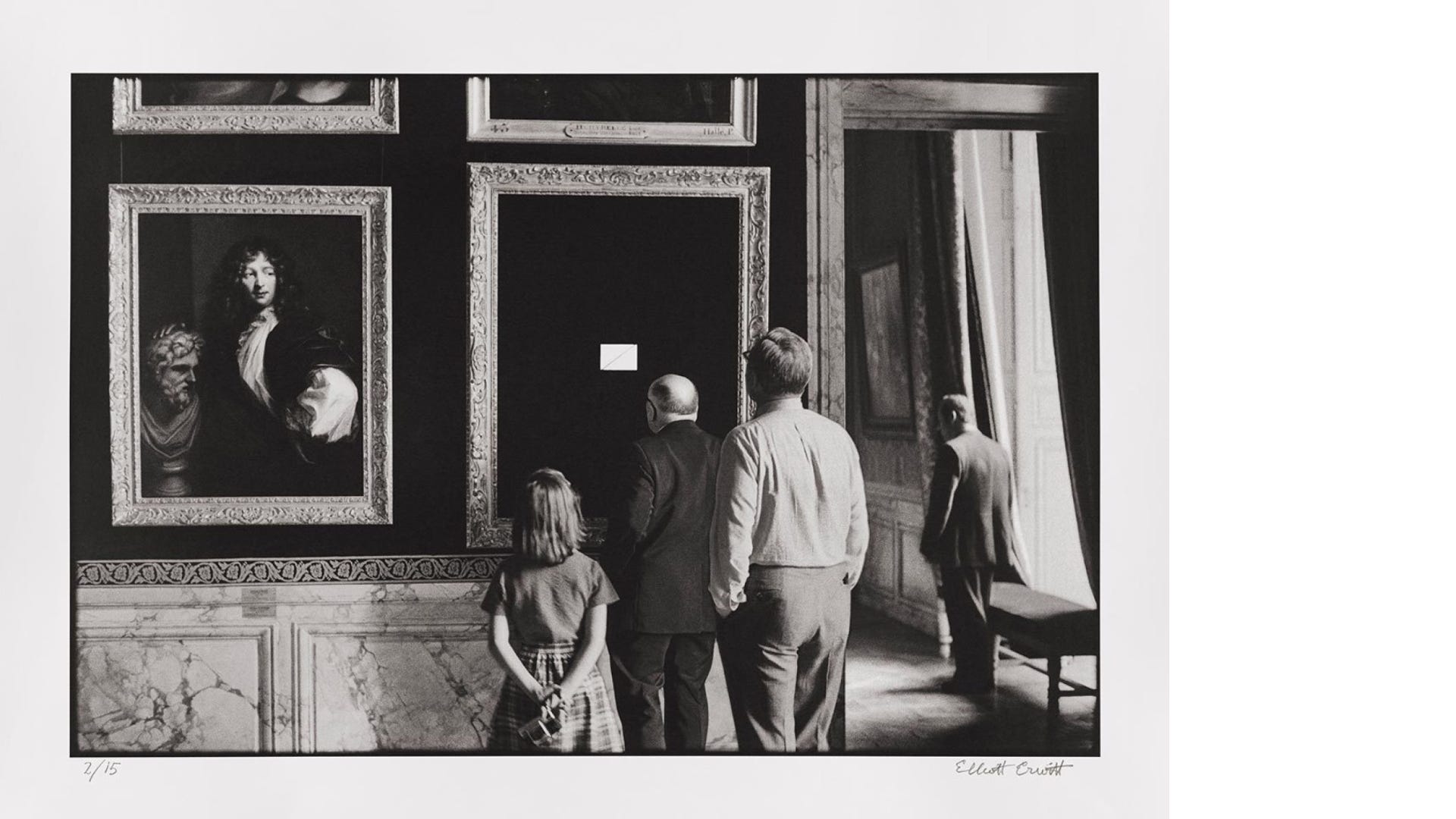
Percy Shelley believed the job of poetry to be the piercing of the veil that has settled over our eyes – to give us “a naked look at the mystery of the world”. The experience of enchantment does not take us away from the world but closer.
As Chesterton would have it:
“Fairy tales say that apples were golden only to refresh the forgotten moment when we found that they were green. They make rivers run with wine only to make us remember, for one wild moment, that they run with water.”
What is Enchantment?
Enchantment is the experience of wonder, of awe, an experience overflowing with a meaning which is impossible to pin down or explain away. It is a feeling of an un-possessive love towards the world and all it contains, towards Life. Enchantment is an experience of joy, not happiness or pleasure, but empathy and intense delight. It is a refreshing drink from the wellspring of life.
Nabokov describes an experience of enchantment in a wild landscape while butterfly hunting: “This is ecstasy, and behind the ecstasy is something else, which is hard to explain. It is like a momentary vacuum into which rushes all that I love. A sense of oneness with sun and stone. A thrill of gratitude to whom it may concern―to the contrapuntal genius of human fate or to tender ghosts humouring a lucky mortal.”
Patrick Curry distinguishes between three degrees of wonder; charm, delight, and deep enchantment. The experience of true, deep, and enchanting wonder is wild and cannot exist without an element of fear – the fear we might feel when looking up at an immense mountain, across a vast expanse of ocean, or down an endless cliff. The sensations of immense distance and an incredible intimacy mixing in our chests. A simultaneous and sublime shrinking at the immensity of the world and an infinite expansion upon the recognition of ourselves as a part of the ever-extending world.
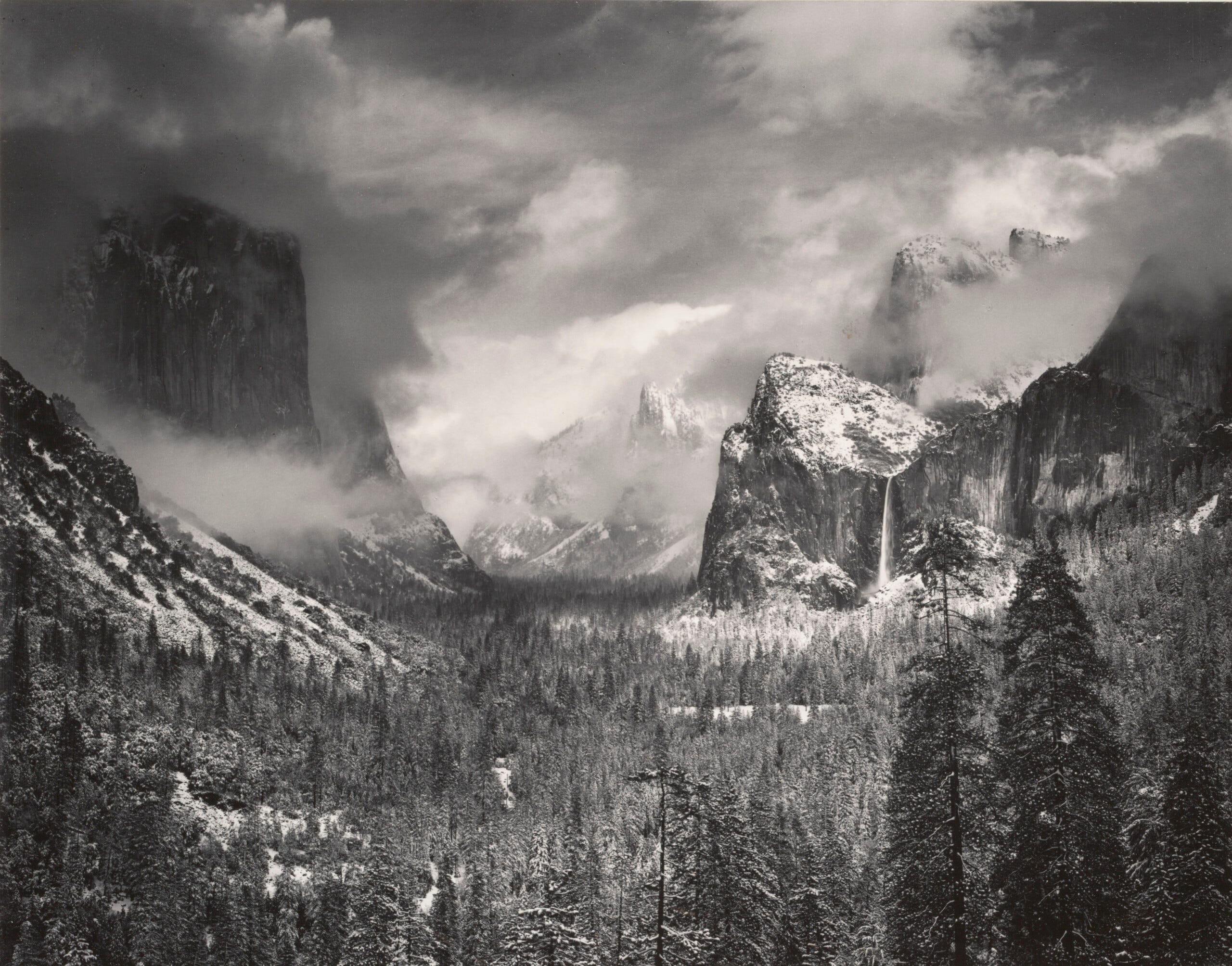
We most often encounter enchantment in our experiences with nature, art, and sacred ritual, with exceptional food and drink, and, of course, with love.
Encountering Enchantment
The most important aspect of enchantment is its relational nature – something created by an encounter between two. A crucial aspect of the enchanting encounter is the unexpected meeting between the one and the other. The enchanting object becomes alive to us, whether it is a piece of music or a painting. The object becomes subject; there is a distinct feeling that while we are looking, the enchanting object looks back at us. We imagine ourselves as part of a piece of music, discover ourselves inside of a painting.
Susan Sontag believed that classical art invited a look while modern art, the art of the disenchanted world, engenders a stare. In Emerson enchanting art “seems almost to call you by name”.
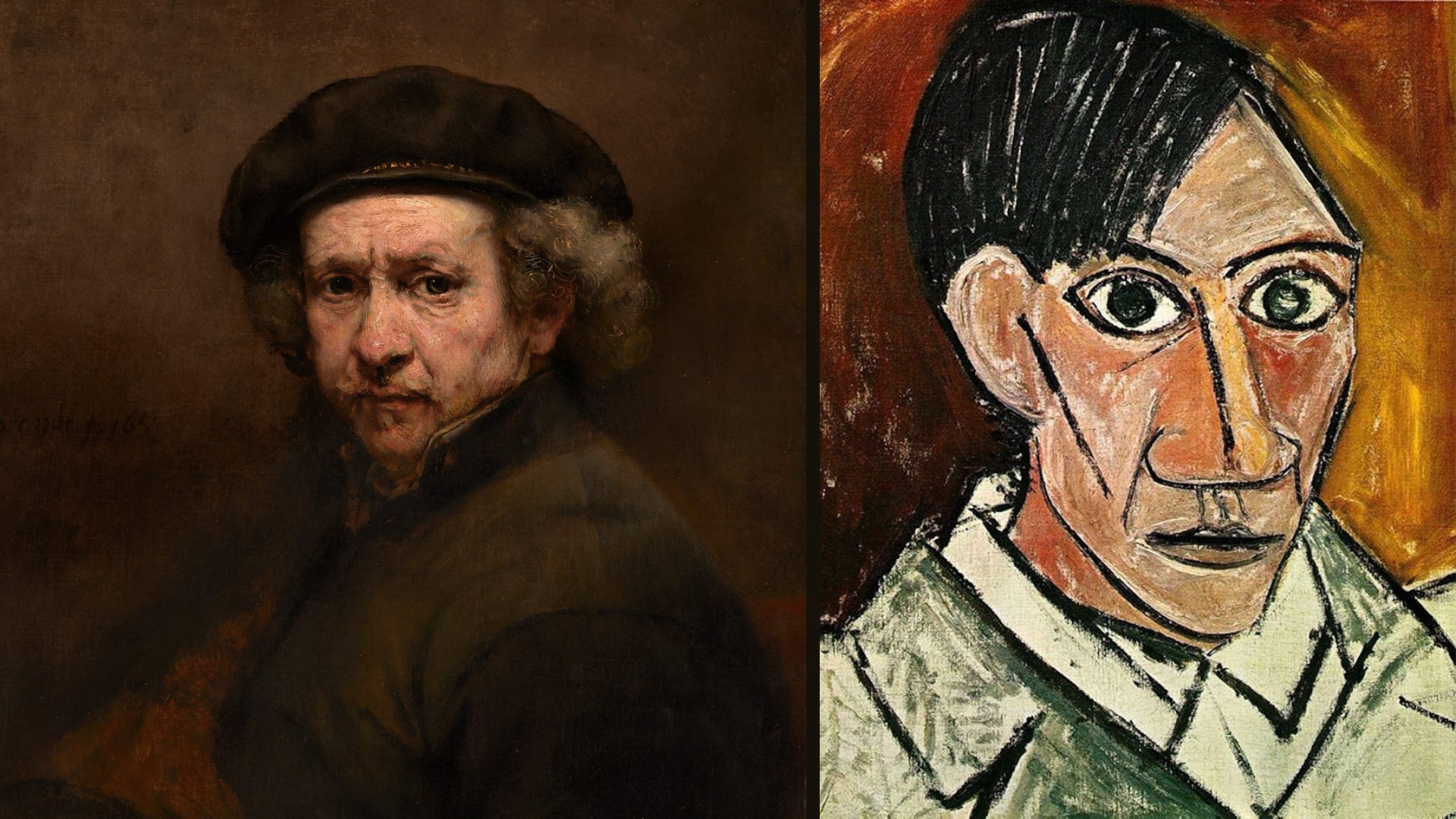
The word comes to us, via French, from the Latin for being in song; the enchanting experience can only occur when there is a distinction (but not a division) between the enchanted and the enchanter. It is the feeling of becoming one, but never being one – as when we dance, we move as one, but never lose the distinction between two. It is through the sudden transcendence of the boundaries between the one and the other that we experience enchantment, not by obliterating them.
“’Tis distance lends enchantment to the view” – Thomas Campbell
As with dancing, the enchanting relationship is participatory. As we are affected by the experience, we feel that we too are affecting the enchanting object. We are not passive observers but co-creators of wonder; in the words of William Blake, we become “life delighting in life”. The significance of a chance encounter with a deer in the woods is that the deer sees us too.
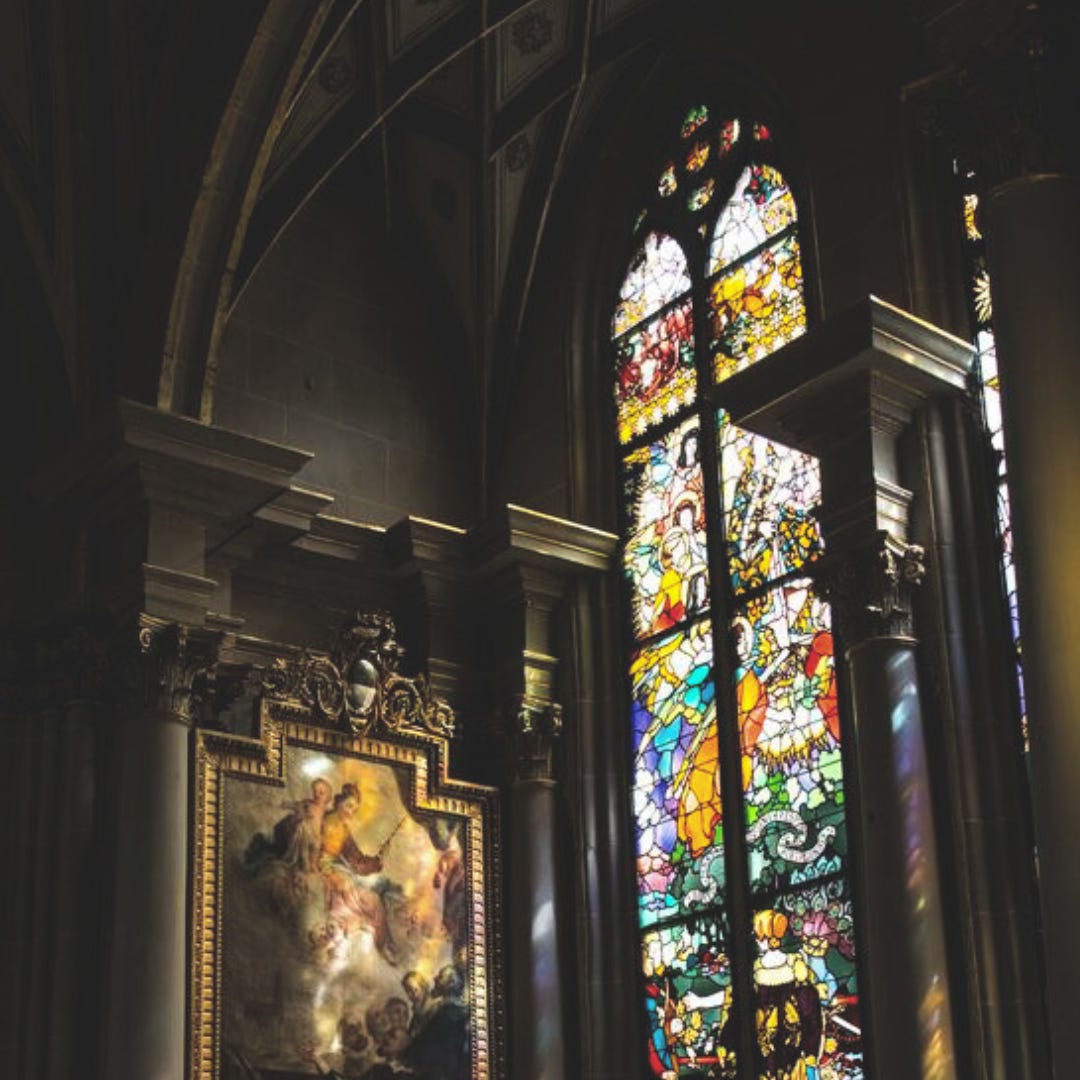
It is as if, looking at a stained-glass window, we suddenly experienced the sensation that we ourselves are the sun illuminating the scene which casts its colours back on us.
We cannot, however, create enchantment or choose to be enchanted anymore than we can choose to fall in love. But just as we can open ourselves to the possibility of falling in love, we can create the conditions for enchantment through a way of attending to the world.
The Conditions for Enchantment
a) Humility: if we wish to open ourselves to the possibility of enchantment we must learn to let go of our need for control. Wonder is the opposite of will, and enchantment requires the ability to surrender to experience. As soon as we attempt to grab at wonder, it will disappear. I wonder if the element of fear inherent in enchantment might not also speak to our fear of relinquishing control and the consequences that might bring? Perhaps part of the cause of our world’s disenchantment is our fear for what wonder might show us?
b) Openness: to court wonder we need to open ourselves to its possibility. This requires a second naivety – not by pretending not to know what we know, but accepting the limits of what we do know and what we can know and believing in the possibility that something greater lies in the mysterious mists outside the realms of our knowledge.
We also open ourselves to wonder when we attend to the world with the disinterested daylight of the mind[1]; if we wish to encounter the deer in the forest our flashlight will only serve to scare him off.
c) Presence: an enchanting encounter happens in a concrete moment in space and time, usually short and deep – we cannot be enchanted while getting lost in the mazes of our own thoughts. It is not an abstract experience but an embodied one – enchantment affects us physically. We cannot merely look at the map, we need to step into the landscape.
It is only through the physical, the eminent, and the unique that we can reach the universal. Just as the bread and the wine are crucial elements in the use of the Eucharist to reach the spiritual, the real presence of the spiritual, so an enchanting encounter can only happen with something that is concrete and unique. Metaphor, therefore, is essential to our understanding of enchantment. The enchanting object is both the physical and unique thing we encounter at a specific moment in space and time, and a translucent shape through which we look at the naked mystery of the world.
The enchanting encounter is also often bittersweet as it includes a sensation of melancholy longing – even when we are in the moment, we, aware of the constant process of life, already pre-empt its absence.
Enchantment, Entertainment & Ecstasy
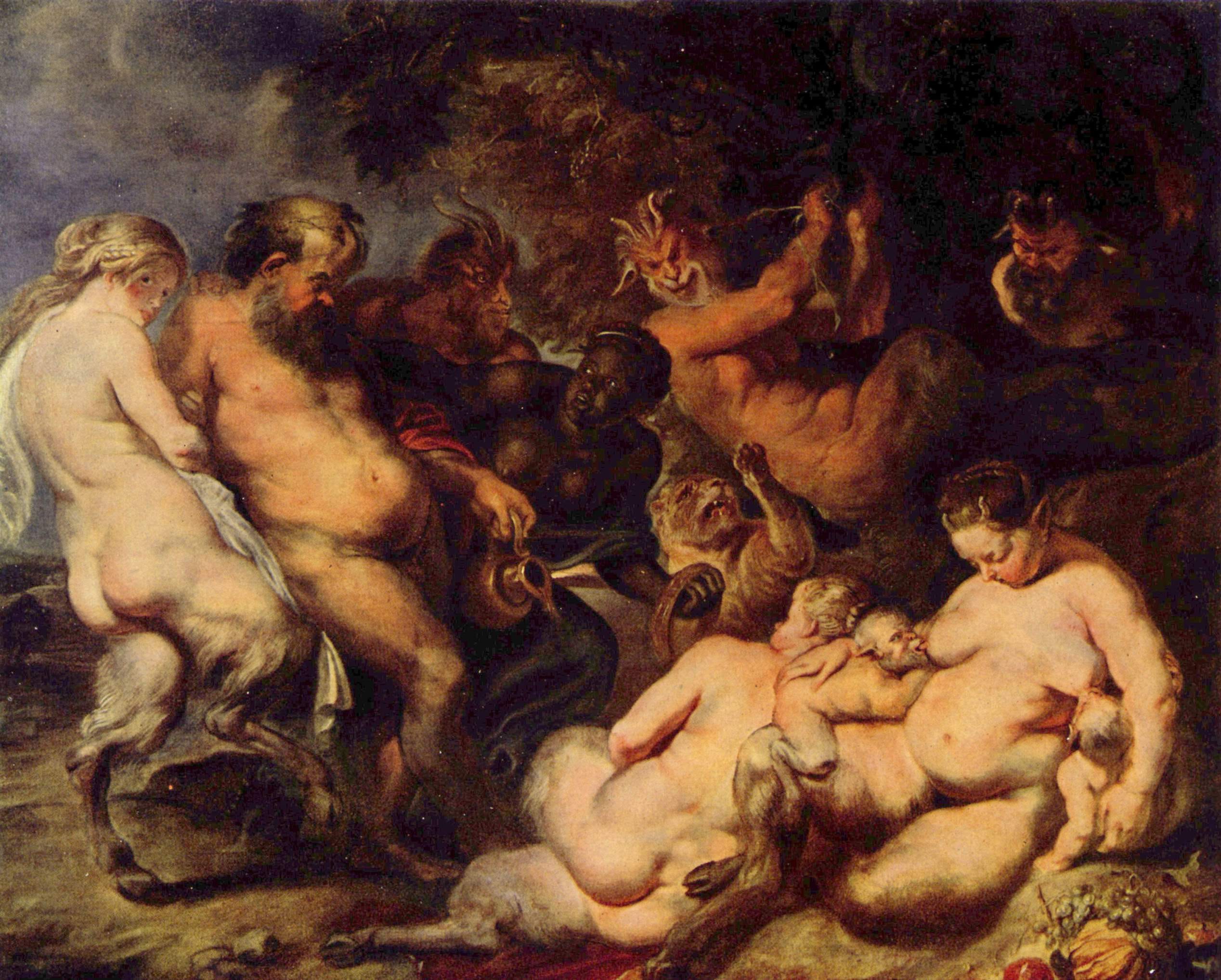
The enchanting relationship is neither Dionysian nor Apollonian in nature, although it contains both. The Dionysian experience of pure ecstasy depends on the obliteration of boundaries while the Apollonian demands the maintenance of maximum distance, but it is exactly the transcendence of the boundaries between the enchanted and the other which causes awe and wonder. The enchanting relationship is dependent on the participation of both parties, which is why I believe we find so little possibility for pure wonder in modern entertainment.
Modern entertainment offers us pleasure without requiring any participation, maintaining a maximum distance between us and the entertainment, or else (and less often) obliterating the boundaries that keep us in this world, taking us away for a time as brief as the entertainment lasts. Dancing under the stars gives way to Dancing with the Stars.
This is not to call entertainment a bad word. Entertainment opens us and, if done well, it keeps us present. Shakespeare is more likely to start us off with a trio of witches, a ghastly ghoul, or a furious tempest, than a slice of a-day-in-the-life…[2]
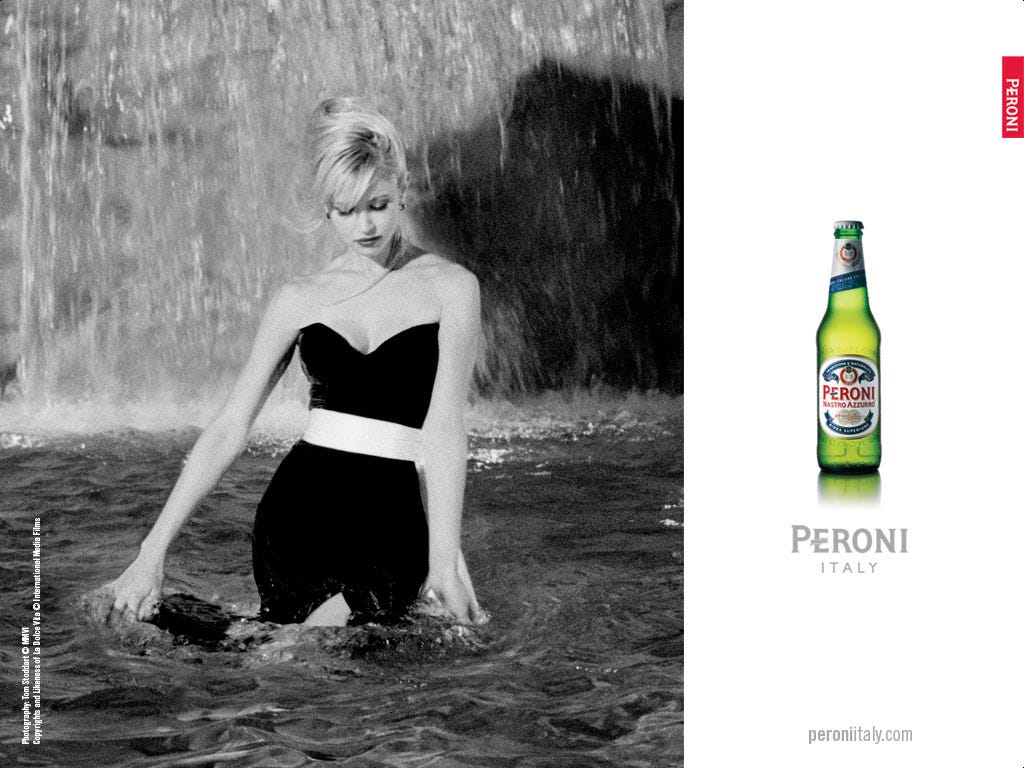
According to Curry our capacity, and indeed our need, for enchantment gets cynically exploited by the world of advertising in its use of glamour. Glamour is the profane kept opaque – nothing is able or allowed to shine through, there is no light from us which could illuminate the glamorous object and reflect its colours back to us. It is little shocks of ecstasy exciting us at a great and increasing distance.
The Sacred & Profane
Botho Strauß believed in our essential need for art as sacred experience. He identified the sacred as the sudden intervention of the foreign into the mundane – a quiet rupture in the veil of the everyday. It is the sudden appearance of the deer which had caught the man off guard, vulnerable to the experience of wild wonder. We must therefore, as with the dance, emphasise the importance of the distinction between the sacred and profane as essential for this rupture, which allows us to transcend the space between, to occur.
The Modern World’s commitment to making all things equal (for if everything can be calculated everything can be equal) has de-sanctified art, made all art profane, which deprives it of its ability to transcend the gap between the sacred and profane – in the words of Hegel; “the statues have become stone corpses from which the soul has flown”.
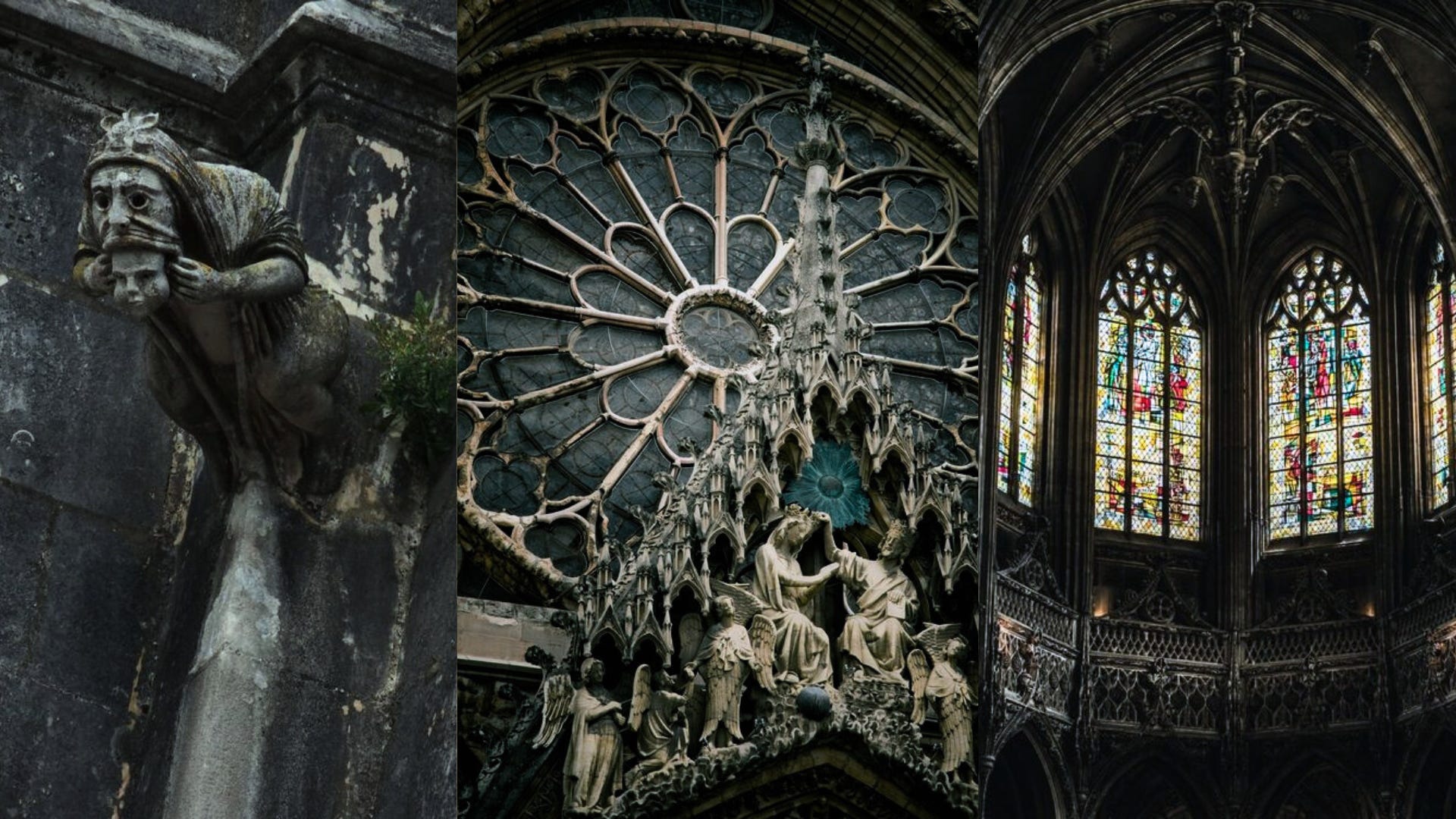
We cannot look the sun directly in the eye; we see the sacred through the coloured glass of the profane reality, “dusky and opaque”, which becomes translucent as it lets the light through:
“In the almost startling inspiration which we call stained glass, [medieval man] discovered something that is almost more coloured than colour; something that bears the same relation to mere colour that golden flame does to golden sand. He did not, like other artists, try in his pictures to paint the sun; he made the sun paint his pictures. He mixed the aboriginal light with the paints upon his palette.” – G. K. Chesterton
It is important for the object of enchantment to be specific and unique – and that it remains so while becoming translucent. Curry refers to an experience reported by Aldous Huxley who, when looking at a vase of flowers, had the sensation that he was looking at the entire universe, as if for the first time:
“I was not looking now at an unusual flower arrangement. I was seeing what Adam had seen on the morning of his creation - the miracle, moment by moment, of naked existence...”
He does however emphasise the importance of the specific vase of flowers, which he goes on to describe in great detail. Without the initial stimulation, being “struck by the lively dissonance of its colours”, the viewer might never have been opened to the possibilities of wonder alive in the vase of flowers.
The Art of Re-enchantment
“We are immersed in beauty, but our eyes have no clear vision”. – Emerson
It is important, in conclusion, to restate that it is not Life itself that has become disenchanted, but our perception of and relationship to it. We cannot enchant the world, but we can re-enchant the way we attend to it.
Chesterton again: “Before the time of Shakespeare, men had grown used to the Ptolemaic astronomy, and since the time of Shakespeare men have grown used to the Copernican astronomy. But poets have never grown used to stars; and it is their business to prevent anybody else ever growing used to them. And any man who reads for the first time the words, ‘Night’s candles are burnt out,’ catches his breath and almost curses himself for having neglected to look rightly, or sufficiently frequently, at the grand and mysterious revolutions of night and day.”
[1] For more on attending to the world with a disinterested mind, see our essay “The Road Untraveled.”
[2] This topic, the use of both entertainment and ecstasy for the courting of enchantment, will be further explored in our next post: “The Enchanted Storyteller”.