
Conor McGregor Travelled to Mexico for This Psychedelic Treatment. Donald Trump Wants More Research. So Could Ibogaine Really Change Addiction Recovery?
Introduction
Traditional addiction treatment has saved millions of lives. Detoxification, residential rehabilitation, one-to-one and group counselling, medication-assisted treatment for opioid and alcohol use disorder, Alcoholics Anonymous, SMART Recovery, and years of quiet, unglamorous long-term support — these are the tools that most people in recovery, myself included, have leaned on. They work. Not perfectly, not for everyone, but they work.
The problem is what happens to the people they don't work for. Relapse remains stubbornly common, particularly among those with severe alcohol or opioid dependence, and a meaningful minority of people cycle through detox, rehab and mutual-aid meetings for years without finding lasting stability. That gap — the space between "evidence-based treatment exists" and "evidence-based treatment hasn't worked for me" — is where researchers have started looking at approaches that would have seemed unthinkable in addiction medicine a generation ago.
Which is how a plant used for centuries in West African spiritual ceremonies has ended up, in 2026, at the centre of American drug policy debate, Stanford neuroscience labs, and a booming medical tourism industry on Mexico's Pacific coast. Psychedelic-assisted therapy is now one of the most closely watched, and most contested, areas of addiction research, and among the substances being studied, ibogaine has drawn particular attention — not just from scientists but from policymakers, and increasingly from public figures willing to talk about it openly. In November 2025, UFC star Conor McGregor told his millions of followers that he had travelled to a Tijuana clinic for ibogaine treatment, describing it as an intense, life-changing experience tied to years of accumulated trauma. Then, in April 2026, US President Donald Trump signed Executive Order 14401, "Accelerating Medical Treatments for Serious Mental Illness," directing federal agencies to speed up research and regulatory pathways for psychedelic medicines — with ibogaine named explicitly, twice, in the text of the order. Suddenly, a treatment that had existed for years on the margins of addiction medicine was front-page news.
So what actually is ibogaine, and does the evidence live up to the attention? This article sets out to answer that as plainly as possible: what ibogaine is, what the science does and doesn't currently show, what a real treatment episode involves, why Mexico's Baja California region became a global hub for it, and where the serious risks lie. It is not a recommendation to seek treatment, and it is not written by someone who is personally drawn to psychedelics. It's written because the topic keeps coming up, deserves a straight answer, and the straight answer is more complicated — and more cautious — than most headlines suggest.
What Is Ibogaine?
Ibogaine is a naturally occurring psychoactive alkaloid extracted from the root bark of Tabernanthe iboga, a shrub native to the rainforests of Central West Africa, particularly Gabon. For centuries it has been used by the Bwiti spiritual tradition in initiation ceremonies, where large doses are taken to induce a prolonged visionary state understood within that tradition as a form of death and rebirth.
Western science first isolated the compound in 1901, but it remained a niche pharmacological curiosity until 1962, when Howard Lotsof, a 19-year-old heroin user in New York, took ibogaine recreationally and noticed something unexpected: his opioid withdrawal symptoms and cravings largely disappeared. Lotsof spent much of the rest of his life advocating for ibogaine's investigation as an addiction treatment, and his experience is generally credited as the starting point of modern ibogaine research.
Chemically and experientially, ibogaine is a different animal from the psychedelics that tend to dominate headlines. LSD and psilocybin primarily act on serotonin 2A receptors and typically produce experiences lasting four to eight hours. Ibogaine engages a much broader and messier set of receptor systems, and a full ("flood") dose produces an experience that commonly lasts 24 to 36 hours, moving through an intensely visionary, dream-like phase followed by a longer period of low energy, physical discomfort and introspection. It is this unusual duration and physical toll — alongside its distinct effects on opioid withdrawal — that first drew researchers' interest in ibogaine specifically as an anti-addictive agent, rather than simply another psychedelic.
How Does Ibogaine Work?
That unusually long, physically demanding experience raises an obvious question: what is it actually doing in the brain and body? The honest answer is that ibogaine's mechanism of action is genuinely complex, and it's worth being upfront that some of what follows is well-established pharmacology, while other parts remain working theories that researchers are still testing.
Well-supported mechanisms start with ibogaine's effect on a brain receptor called NMDA, a property it shares with other anti-craving medications. In simple terms, blocking this receptor appears to interfere with the brain circuitry that keeps addictive drug-seeking going. Ibogaine and its main active by-product, noribogaine, also act on opioid receptors — noribogaine appears to partly activate the same receptors opioids do, which may explain why it can ease opioid withdrawal, while also affecting a separate set of receptors linked to mood and craving. Ibogaine additionally influences the brain's serotonin and dopamine systems, chemicals involved in mood and reward, and binds to what are known as sigma-2 receptors — though scientists understand the clinical importance of these effects less well than the NMDA and opioid ones.
More theoretical, but actively researched, mechanisms include ibogaine's apparent ability to encourage neuroplasticity — essentially, the brain's ability to form new connections and adapt — and early laboratory evidence that it may boost two proteins, GDNF and BDNF, both linked to the growth and repair of brain cells. Some researchers have gone further and proposed that ibogaine triggers a kind of "neurobiological reset" in the circuits underlying addiction. That's a genuinely interesting idea, but it remains a hypothesis rather than an established finding, and it's an area where marketing language has sometimes outpaced the underlying evidence.
Patients frequently describe the ibogaine experience as involving vivid, autobiographical, dream-like imagery — sometimes described as reviewing formative or traumatic memories in rapid sequence. Whether this constitutes genuine "memory reconsolidation" in the neuroscientific sense, or is better understood as a subjectively meaningful but mechanistically distinct experience, is not yet settled. What's clearer is the practical, reported effect: reduced acute opioid withdrawal severity and reduced short-term cravings, which is the finding most consistently replicated across the (still limited) research base.
Evidence for Addiction Treatment
Understanding the biology is one thing; knowing whether it translates into real-world results is another matter entirely, and this is where the evidence needs to be handled with real care. The honest summary is this: ibogaine research shows a consistent, moderately encouraging signal, especially for opioid withdrawal, built almost entirely on open-label, observational and retrospective studies rather than the randomised, placebo-controlled trials that would normally be required before a treatment is considered established.
Opioid addiction has the largest evidence base. An open-label case series of 191 patients receiving medically monitored ibogaine detoxification found reductions in opioid withdrawal symptoms and cravings with no serious adverse events in that cohort. A twelve-month observational follow-up study from New Zealand found that a single ibogaine treatment reduced withdrawal symptoms and helped many participants reduce or stop opioid use — though that same study recorded one participant death, which a coroner later linked to inadequate duty of care by the treatment provider rather than to ibogaine itself. A separate ascending-dose safety study of noribogaine in opioid-dependent patients has also been published. Reviewers who have pooled the available research note that of roughly a dozen published ibogaine-for-opioid-use-disorder studies, the great majority are uncontrolled, and about half didn't even measure opioid use as a follow-up outcome — a significant limitation that tempers how much weight the existing evidence can bear.
Alcohol dependence has a smaller but growing evidence base, including a completed open-label, escalating-dose trial at the University of São Paulo examining ibogaine's tolerability and effects in alcoholism, alongside earlier case reports and observational data.
Cocaine and methamphetamine addiction have been studied primarily through the same early case series that examined opioid outcomes, with reported reductions in craving, but with even less dedicated, substance-specific research than exists for opioids.
Nicotine dependence and behavioural addictions remain the least studied applications, with evidence limited mostly to anecdotal and patient-reported outcomes rather than structured trials.
Two newer strands of research deserve mention because they've generated genuine excitement, cautiously expressed, among scientists: Stanford Medicine researchers have published peer-reviewed findings on magnesium-ibogaine treatment in Special Operations veterans with traumatic brain injury, reporting improvements in PTSD, depression and cognitive function alongside neuroimaging data on cortical changes. This isn't an addiction study per se, but it has substantially raised ibogaine's profile and helped drive both scientific and political interest, including specific mentions of veteran advocacy in the run-up to the 2026 Executive Order.
Behind these numbers are individual stories, and it would be dishonest to leave them out entirely. In interviews and in the observational studies themselves, many participants describe a noticeable drop in cravings in the days after treatment, or an experience that brought long-buried memories and past trauma to the surface in a way that felt, to them, clarifying rather than distressing. Others describe coming away with a different, more distanced perspective on their addiction — as though they'd been able to look at it from the outside for the first time. These accounts are genuinely part of the picture, and dismissing them outright would be as misleading as accepting them uncritically. But they are exactly that: individual accounts, gathered after the fact, from people who knew what treatment they'd received and often hoped it would work. That's precisely the kind of evidence that's most vulnerable to bias, and it's why researchers keep returning to the same conclusion — these stories are a reason to keep investigating seriously, not a substitute for the large, randomised, controlled trials needed to know whether ibogaine reliably helps more than it harms.
It bears repeating: none of this constitutes proof that ibogaine is an effective, reliable addiction treatment in the way that, say, buprenorphine is proven for opioid use disorder. Sample sizes are small, most studies lack control groups, follow-up periods are often short, and publication bias (positive results are more likely to be written up and published than null or negative ones) likely inflates the apparent effect size in the existing literature. Addiction medicine specialists have specifically warned that framing ibogaine as a substitute for evidence-based opioid agonist treatment, such as methadone or buprenorphine, carries a real risk — including elevated overdose risk if patients discontinue effective maintenance medication in favour of an unproven alternative.
What Happens During Treatment?
In a properly run, medically supervised setting, ibogaine treatment is a multi-day process, not a single dramatic event.
It typically begins with a thorough medical assessment, including a detailed substance use and psychiatric history, current medications, and physical health screening. This is followed by an ECG to check the heart's electrical activity, particularly the QT interval (explained below), blood tests covering electrolytes, kidney and liver function, and a liver screening, since ibogaine is metabolised primarily through the liver. A medication review is essential, because several common drug classes — including some antidepressants, antipsychotics, certain heart medications, and methadone — can dangerously interact with ibogaine.
Where a patient is dependent on opioids or another substance, some form of detox preparation or tapering is usually managed beforehand, since active intoxication or unmanaged withdrawal complicates both safety and dosing.
Reputable programmes then give a small test dose, monitoring the response for signs of unexpected sensitivity, before proceeding — if appropriate — to a full treatment dose, administered under continuous medical monitoring, including cardiac telemetry.
The psychological experience itself, as noted, typically unfolds over roughly 24 to 36 hours: an initial, often intense visionary phase, followed by a longer "grey" or low-energy phase involving fatigue, nausea, light sensitivity, and continued introspection. Patients commonly describe vivid, personally significant imagery, though descriptions vary enormously between individuals, and not everyone reports a profound or positive experience.
Recovery in the days following treatment usually involves rest, hydration, nutritional support and gradual re-engagement with normal activity, since fatigue and mild coordination difficulties can persist. Well-designed programmes then offer some form of integration therapy — structured conversation with a therapist or counsellor to help make sense of the experience — and an aftercare plan, since ibogaine treatment on its own, without follow-up support, is not considered a complete recovery pathway by any serious researcher or clinician in the field.
The Risks
All of that assumes best practice at every step. Not every provider delivers it, which is exactly why this is the section that matters most, and it should not be softened.
Ibogaine's best-documented and most serious risk is cardiac. The compound can cause QT interval prolongation — a change in the heart's electrical cycle that increases the risk of a specific, potentially fatal arrhythmia called torsades de pointes. This is the mechanism most strongly implicated in the documented cases of sudden death associated with ibogaine use, several dozen of which have been recorded globally, disproportionately in unsupervised or inadequately monitored settings. Seizures have also been reported, along with elevated risk in people with pre-existing liver disease, given ibogaine's hepatic metabolism.
Drug interactions are a major concern. Combining ibogaine with methadone, certain antidepressants, antipsychotics, or other QT-prolonging medications significantly raises cardiac risk, and inadequate medication review before treatment has been implicated in past fatalities. There are also important psychiatric contraindications — ibogaine is generally considered unsuitable for people with a personal or strong family history of psychosis, bipolar disorder, or certain other serious mental health conditions, given the risk of triggering or worsening symptoms. Beyond physical risk, the experience itself can cause significant psychological distress, and some patients report difficult, frightening, or destabilising experiences during or after treatment.
Because of all this, the presence of emergency medical equipment — a functioning defibrillator, resuscitation capability, and continuous cardiac monitoring — and experienced physicians, not just "facilitators," is not a luxury add-on; it is the baseline requirement for treatment to be conducted with any real margin of safety. Reviews of ibogaine safety events consistently find that the highest-risk scenarios involve unsupervised, underground, or inadequately screened administration — precisely the settings where none of the above safeguards exist.
To be unambiguous: ibogaine should never be attempted alone, without prior medical screening, or outside a setting with genuine emergency medical capability. This is not a treatment that can be made safe through good intentions or careful reading alone.
Donald Trump's Executive Order (2026)
Those risks are exactly why the regulatory picture matters so much — and why 2026 has been such a pivotal year for it. On 18 April 2026, President Trump signed Executive Order 14401, "Accelerating Medical Treatments for Serious Mental Illness." The order directs the FDA to prioritise review of certain psychedelic compounds, instructs federal agencies including the FDA and Drug Enforcement Administration to identify and reduce regulatory barriers to research, and allocates $50 million in federal funding to match state-level investment in psychedelic research. It specifically directs the FDA and DEA to establish an access pathway — building on the existing "Right to Try" framework — for eligible patients to use investigational psychedelic drugs, including ibogaine compounds, that have met basic safety requirements while still under FDA review.
Within days of the order, the FDA announced its first National Priority Vouchers under the new framework, going to psilocybin programmes from Compass Pathways and the Usona Institute, and to a methylone-based PTSD treatment from Transcend Therapeutics — none of which were ibogaine-specific, underlining that the order's practical early effects have so far concentrated on other psychedelic compounds even as ibogaine received prominent political attention.
Psychedelic medicine has become something of a genuinely bipartisan issue in the US in recent years, driven substantially by veteran advocacy around treatment-resistant PTSD and traumatic brain injury, alongside broader frustration with existing options for serious mental illness. Several US states, including Texas — which committed $50 million to a public-private ibogaine research partnership in 2025 — had already begun funding FDA-regulated clinical trials before the federal order, alongside legislative moves in states such as New York and Washington to support ibogaine research.
It is important to be precise about what the Executive Order does and does not do. It does not approve ibogaine, or any psychedelic, for medical use in the United States. Ibogaine remains a Schedule I controlled substance under US federal law, illegal to manufacture, possess or administer outside an approved research context. Health policy analysts, including experts at the University of Pennsylvania's Leonard Davis Institute, have described the order's practical significance as largely symbolic in the near term — a strong signal of political and White House support that may accelerate investment and research momentum, without itself changing the underlying safety and efficacy evidence the FDA requires, or fast-tracking any drug through the rigorous, multi-phase clinical trial process that federal approval still demands.
Current Scientific Research
The most substantive recent ibogaine data has come from veteran-focused research rather than dedicated addiction trials. Stanford Medicine researchers have published peer-reviewed studies examining magnesium-ibogaine treatment in Special Operations veterans with traumatic brain injury and co-occurring PTSD, depression and substance use, including neuroimaging work on cortical activity and connectivity, published in journals including Nature Medicine and Nature Mental Health.
Johns Hopkins University's Center for Psychedelic and Consciousness Research, alongside groups such as MAPS (the Multidisciplinary Association for Psychedelic Studies, now largely operating as Lykos/Resilient Pharmaceuticals for its MDMA programme) and various university and military-affiliated brain injury programmes, continue to research psychedelics more broadly for mental health and, in some cases, addiction applications, though much of this work concentrates on psilocybin and MDMA rather than ibogaine specifically.
At present, the strongest, most rigorous evidence in the wider psychedelic medicine field sits with MDMA-assisted therapy for PTSD and psilocybin for treatment-resistant depression, both of which have been through — or are currently undergoing — formal FDA-regulated Phase 2 and 3 trials, even though neither has yet secured full FDA approval. Ibogaine research, by contrast, remains earlier-stage: promising, increasingly well-funded, but still substantially reliant on observational and open-label data rather than the large, controlled trials regulators require.
Mexico's Unique Position
While US researchers work through the slow, formal machinery of FDA trials, a very different kind of ibogaine access has developed just across the southern border. Mexico, and Baja California specifically, has become the best-known global destination for ibogaine treatment, and understanding why requires looking at both geography and law.
Ibogaine is not a scheduled or controlled substance under Mexican federal law, which means clinics can operate and administer it openly, provided the facility itself is properly licensed. That licensing runs through COFEPRIS, Mexico's health regulatory authority — broadly analogous to the FDA — which oversees sanitary standards, staffing requirements and facility registration for medical establishments. This creates a genuinely different situation from the US, where ibogaine's Schedule I status pushes any use underground; in Mexico, it's legally possible to build a clinic with cardiac monitoring, licensed physicians and emergency protocols, operating in the open.
Geography did the rest. Baja California sits immediately across the border from Southern California — Tijuana and Rosarito are roughly a 30 to 45-minute drive from San Diego International Airport — making it the most accessible option for the large population of Americans seeking treatment unavailable at home. Over roughly two decades, this combination of legal permissibility and proximity allowed a genuine treatment industry to develop in the Tijuana–Rosarito–Ensenada corridor, alongside a newer, growing cluster of clinics around Cancun, Playa del Carmen and Tulum on Mexico's Caribbean coast.
It's worth being precise about terminology here, because the distinctions matter. Legal means COFEPRIS-licensed and operating within Mexican health regulations. Unregulated describes facilities operating without proper licensing, oversight or verified medical staffing — these exist alongside licensed clinics and are considerably harder for patients to distinguish from the outside. Officially approved as an addiction treatment is a different claim entirely, and not one that applies to ibogaine anywhere, including Mexico: COFEPRIS licensing a clinic to operate is not the same as any regulatory body formally endorsing ibogaine's efficacy for addiction. Current regulatory oversight of the sector remains, by most independent accounts, inconsistent — licensing exists, but the degree of ongoing inspection, enforcement and standardised protocol varies considerably between facilities.
A Quick Note Before We Go Further
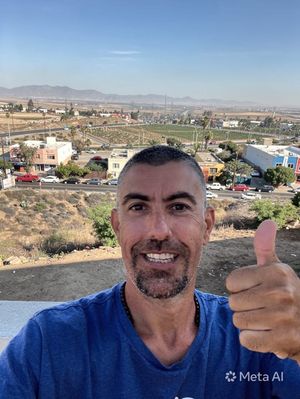
I live in Baja California, so before I describe what's actually happening on the ground here, I want to be completely transparent: nothing in this section is an endorsement of any clinic, in this region or anywhere else. I have no affiliation with the ibogaine treatment industry, and Stay Sober Anyway doesn't recommend, refer to, or profit from any provider mentioned or implied in this article.
The point of what follows is simply to describe the evidence, the current research and the real, on-the-ground realities of this industry as accurately as I can, so that anyone reading this — whether they're considering treatment for themselves, researching it for someone they love, or just trying to understand the topic — has the information to make their own informed decision.
The Reality of Ibogaine Clinics in Baja California
Anyone researching treatment in this region will quickly find enormous variation in quality, and that variation is the central fact worth understanding before anything else.
At the more rigorous end, clinics operate with board-certified physicians, continuous ECG and cardiac telemetry throughout dosing, on-site emergency equipment including defibrillators, structured pre-treatment screening (bloodwork, ECG, full medication and psychiatric history review), residential, multi-day programmes that include medically supported detox where needed, dedicated psychological support, and structured integration therapy alongside aftercare planning. Costs at legitimate, well-resourced facilities commonly range from roughly $5,000 to $12,000 or more for a full inpatient programme, and industry commentary broadly suggests that prices significantly below this range should raise questions about what corners are being cut on safety.
At the other end, facilities exist with minimal or no genuine medical oversight, "facilitators" without medical qualifications administering doses, inadequate or absent cardiac monitoring, and no meaningful emergency response capability — precisely the conditions researchers have linked to the majority of documented ibogaine-related deaths. There is, as things stand, no single universal, independently enforced regulatory standard that patients can rely on across the sector; COFEPRIS licensing is a floor, not a guarantee of clinical excellence, and it is entirely possible for a facility to be technically licensed while still operating with significant safety gaps.
Success claims deserve particular scepticism. Figures like "80% cured in a single dose," which circulated widely in the media following comments made in the Oval Office around the time of the 2026 Executive Order, are not supported by any published clinical study — independent fact-checkers examining that specific claim found no research base for it. Genuine outcome data, where it exists, is far more modest, more caveated, and far less dramatic than marketing language from individual clinics often suggests.
None of this is an endorsement or a criticism of any specific clinic, and this article does not recommend one. What it does say plainly is this: if someone is seriously considering ibogaine treatment anywhere, including Mexico, the single most important step is extensive, sceptical due diligence — verifying COFEPRIS licensing directly, confirming the medical qualifications (not just titles) of everyone involved in screening and dosing, asking specifically about cardiac monitoring equipment and emergency protocols, requesting the screening process in writing, and treating vague or evasive answers as a serious red flag rather than something to look past.
Other Psychedelic Treatments Being Studied
Ibogaine sits within a much broader field of psychedelic medicine research, and it's useful to see how it compares.
Psilocybin, the active compound in "magic mushrooms," acts primarily on serotonin 2A receptors and has the most robust modern clinical trial evidence of any classic psychedelic, particularly for treatment-resistant depression, with growing but earlier-stage research into alcohol use disorder. It received an FDA National Priority Voucher in 2026 and is further along the formal regulatory pathway than ibogaine.
Ketamine, unlike the others discussed here, is already legally available in the US and UK for clinical use (as esketamine for depression, and off-label or through specialised clinics more broadly), with a reasonably established safety profile relative to other psychedelics, though its role specifically in addiction treatment remains under active study rather than settled.
MDMA-assisted therapy has the most mature formal clinical trial history among these compounds, having gone through full FDA review for PTSD — a 2024 application was declined, with the FDA requesting further study, and the programme (now under Resilient Pharmaceuticals, formerly Lykos) continues to pursue re-submission. Its evidence for addiction specifically is much thinner than for PTSD.
Ayahuasca, a plant-based brew traditionally used in Amazonian ceremonial contexts, contains DMT and has a growing body of observational and qualitative research suggesting potential benefit for depression and substance use, but very little in the way of controlled clinical trial data, and it carries its own significant drug interaction and psychiatric risk profile.
5-MeO-DMT, sometimes derived from the Sonoran Desert toad or produced synthetically, produces an extremely short but intense experience and has the least developed formal research base of the substances discussed here, with most available evidence limited to observational and self-report data.
Across all of these, the pattern is consistent: real, in some cases genuinely promising, preliminary evidence; a regulatory and research process that is still years, not months, from producing definitive answers; and a wide gap between the excitement in media coverage and the caution in the underlying peer-reviewed literature.
Ethical Questions
The rapid growth of psychedelic medical tourism raises questions that go beyond individual clinical safety.
Commercialisation of an emerging, unproven-but-promising treatment creates obvious incentive problems — clinics competing for patients have a financial interest in optimistic marketing that may outpace the evidence. Medical tourism itself raises questions about continuity of care: what happens to a patient's follow-up, aftercare, or emergency needs once they return home from a facility in another country. Vulnerable patients, including people in acute crisis or with limited financial resources spending significant sums on unproven treatment, deserve particular protection and honest communication about uncertainty. Informed consent is only meaningful if patients are given an accurate, un-hyped picture of both the evidence base and the risks — something that isn't guaranteed across a largely self-regulated industry.
There are also questions about indigenous knowledge and the relationship between Bwiti spiritual tradition, from which ibogaine's therapeutic use originates, and its commercial Western medicalisation, alongside genuine concern about the sustainability of iboga harvesting, as demand for the plant has grown faster than conservation efforts in parts of Central Africa. Finally, there are broader questions of cost, accessibility and equity — treatment running into thousands of dollars is simply out of reach for most people who might otherwise benefit, and the current landscape, without stronger, consistent international regulation, risks becoming a treatment available mainly to those who can already afford good healthcare.
My Personal Perspective
Having laid out the science, the politics and the ethics as objectively as I can, it feels only fair to be equally upfront about where I personally stand. I was never a drug person, and most drugs have always scared me a little — particularly mind-altering psychedelics. That fear isn't rooted in judgement of anyone who's used them; it's just always been there. Because of that, psychedelic treatment is not really a path I would personally consider going down, and I'd be lying if I pretended otherwise while writing several thousand words about it.
My own recovery didn't come through anything remotely like this. It came through rehabilitation, and then through the much slower, less dramatic work of actually changing my life afterwards — rebuilding routines, rebuilding trust, rebuilding a sense of who I was without a drink in my hand. It came through commitment I had to renew most days, not just once. It came through accountability, to myself and to other people, at times when it would have been far easier to have neither. And it's still coming, now, through the ongoing, unglamorous habit of continuing to work on myself, because I don't think recovery is something you finish and file away. That's the version of this that I know first-hand, and it's the lens I can't help reading all of this research through.
But knowing my own path doesn't make me blind to the fact that it isn't everyone's path. I can understand the logic behind exploring something like ibogaine, even from a distance. Addiction is genuinely, maddeningly complex, and I've seen enough of other people's recovery up close to know that conventional treatment doesn't land the same way for everyone. Some people do everything "right" by the standard playbook — detox, meetings, therapy, medication — and still can't get free. If a carefully researched, medically supervised treatment can help some of those people reduce cravings, process trauma they've been unable to access any other way, or interrupt a pattern that's had them stuck for years, then I think that deserves serious, rigorous scientific investigation rather than either blanket dismissal or breathless hype.
What I don't buy, and won't pretend to buy, is any version of ibogaine — or any psychedelic — as a miracle cure. Nothing about the actual research supports that framing, and the "80% cured in one dose" claims that got airtime this year aren't backed by a single published study. Recovery, whatever route gets you there, still needs commitment, honesty, support around you, and years of unglamorous work — that was true for me through rehabilitation and everything that came after it, and nothing in the ibogaine literature suggests it stops being true for anyone else. A powerful 36-hour experience, however meaningful, doesn't replace any of that.
So this is where I land: my own discomfort with psychedelics isn't a reason to wave away the science, and I'll happily read and share honest research on this even though it's not a path I'd walk myself, and isn't how my own recovery happened. I stay open to the evidence. I stay clear-eyed about the risks. And I think anyone reading this considering it seriously owes themselves the same combination — genuine curiosity about the science, paired with real scepticism about the marketing.
Ibogaine Is Not a Cure
That personal view aside, there's one point in this whole article I'd ask every reader to hold onto above all others. It's worth stating plainly, more than once, because the marketing around this field so often implies otherwise: addiction is a chronic condition, not something that resolves permanently after a single intervention, however dramatic. Recovery is an ongoing process, and psychedelic therapy — ibogaine included — is, at best, one possible tool within that process, not a replacement for it.
Whatever short-term reduction in cravings or withdrawal a treatment like this might produce, lasting recovery still requires the same foundations it always has: ongoing therapy, real lifestyle change, community and social support, accountability, a genuine relapse prevention plan, and sustained, long-term recovery work. As one clinician working in this field has put it: "Ibogaine may open the door — but you still have to walk through it."
The Future
With that caveat firmly in place, it's still worth asking where this field is actually heading. Several things are worth watching over the next few years. FDA-regulated clinical trials into ibogaine, alongside psilocybin and MDMA, are likely to expand meaningfully following the 2026 Executive Order and the state-level funding that preceded it, particularly through Texas's public-private research partnership and similar initiatives elsewhere. Whether this translates into formal regulatory approval for any addiction indication remains genuinely uncertain and, realistically, years away even under an accelerated timeline — larger, controlled studies are still needed, and ibogaine's cardiac safety profile in particular will need to be much better characterised before any regulator seriously considers approval.
Questions around future insurance coverage, standardised medical protocols, and whether psychedelic-assisted therapy becomes a genuinely mainstream, integrated part of addiction medicine rather than a medical tourism niche, all remain open. What does seem likely is that the scientific and political momentum behind this field, in the US at least, is not going to reverse in the near term — which makes continued rigorous research, honest public communication, and stronger international regulation all the more important.
Conclusion
So, back to the question in the title: can ibogaine change recovery? Perhaps, for some people, in time, and only within a much stronger scientific and regulatory framework than currently exists. Addiction recovery is deeply personal, and there has never been one path that works for everyone — that's the whole premise this platform is built on, and nothing in the ibogaine research changes it. Psychedelic-assisted therapies, ibogaine included, may eventually earn a genuine, well-defined place within evidence-based addiction medicine. But that will only happen if the promise is matched by rigorous science, consistent regulation, and real medical supervision — not by Oval Office soundbites or clinic marketing copy.
If you're exploring emerging treatments, for yourself or someone you love, the most useful thing you can do is stay informed, ask hard questions, and talk to a qualified healthcare professional before acting on anything you've read here or anywhere else — including this article.
I'd genuinely love to hear your thoughts on this one. If psychedelic-assisted therapy eventually becomes proven, well-regulated and medically supervised, would you consider it? Or do you feel, like me, that it simply isn't the path you'd choose? Recovery looks different for everyone, and I think honest, respectful conversations like this one are how we all learn from each other.
Frequently Asked Questions
Is ibogaine legal in the United States?
No. Ibogaine is a Schedule I controlled substance under US federal law, meaning it's illegal to manufacture, possess or administer outside an approved research setting, even though it isn't scheduled in some other countries, including Mexico.
Is ibogaine FDA-approved for addiction treatment?
No. Despite growing research interest and the 2026 Executive Order encouraging accelerated study, ibogaine has not been approved by the FDA for any medical use, including addiction treatment.
Does Trump's Executive Order mean ibogaine is now approved?
No. The Executive Order directs federal agencies to prioritise and accelerate research and regulatory pathways for psychedelic medicines, including ibogaine, but it does not itself approve any drug or guarantee future approval.
Is ibogaine safe?
Ibogaine carries serious risks, most notably heart rhythm disturbances that have caused documented deaths, particularly in unsupervised or inadequately monitored settings. It should only ever be considered, if at all, under full medical screening and continuous cardiac monitoring.
Can ibogaine cure addiction in one dose?
No. Claims of extremely high one-dose "cure" rates are not supported by published clinical research. Available evidence suggests possible reductions in withdrawal symptoms and cravings for some people, not a cure.
Why do people travel to Mexico for ibogaine treatment?
Ibogaine is not a controlled substance in Mexico, and COFEPRIS-licensed clinics can legally administer it. Baja California's proximity to the US border, particularly to San Diego, has made it one of the most accessible destinations for this treatment.
Are all ibogaine clinics in Mexico safe?
No. Clinic quality varies enormously, from well-resourced facilities with full cardiac monitoring and licensed physicians to unregulated operations with minimal medical oversight. Independent verification of licensing and medical qualifications is essential.
What does ibogaine treatment involve?
A properly run programme includes medical and psychiatric screening, ECG and bloodwork, a test dose, a monitored full dose (with effects typically lasting 24–36 hours), a recovery period, and follow-up integration therapy and aftercare.
Is ibogaine research just for addiction?
No. Recent research, particularly from Stanford Medicine, has also examined ibogaine for PTSD and traumatic brain injury in military veterans, which has contributed significantly to its rising political and scientific profile.
Does ibogaine replace therapy or long-term recovery support?
No. Every serious researcher and clinician in this field describes ibogaine, at most, as one potential tool. Long-term recovery still depends on therapy, lifestyle change, community support and ongoing relapse prevention work.
This article is for educational purposes only and does not constitute medical advice. If you're struggling with addiction or considering any treatment, please speak with a qualified healthcare professional.
Jimmy — That Sober Anyway Guy. Track your sobriety journey at stay-sober-anyway.web.app (https://stay-sober-anyway.web.app). If this helped, you can buy me a coffee (https://buymeacoffee.com/staysoberanyway).