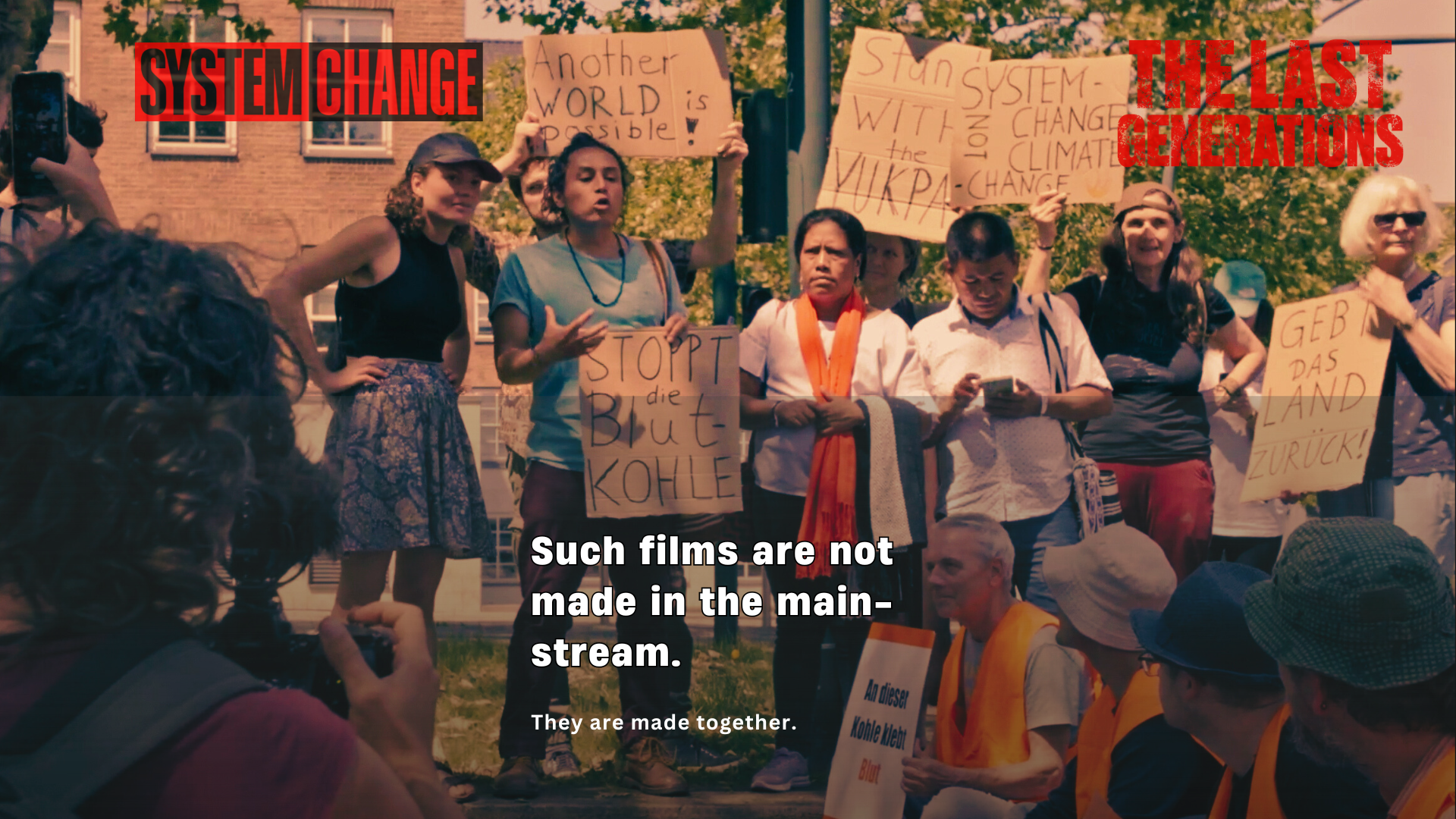

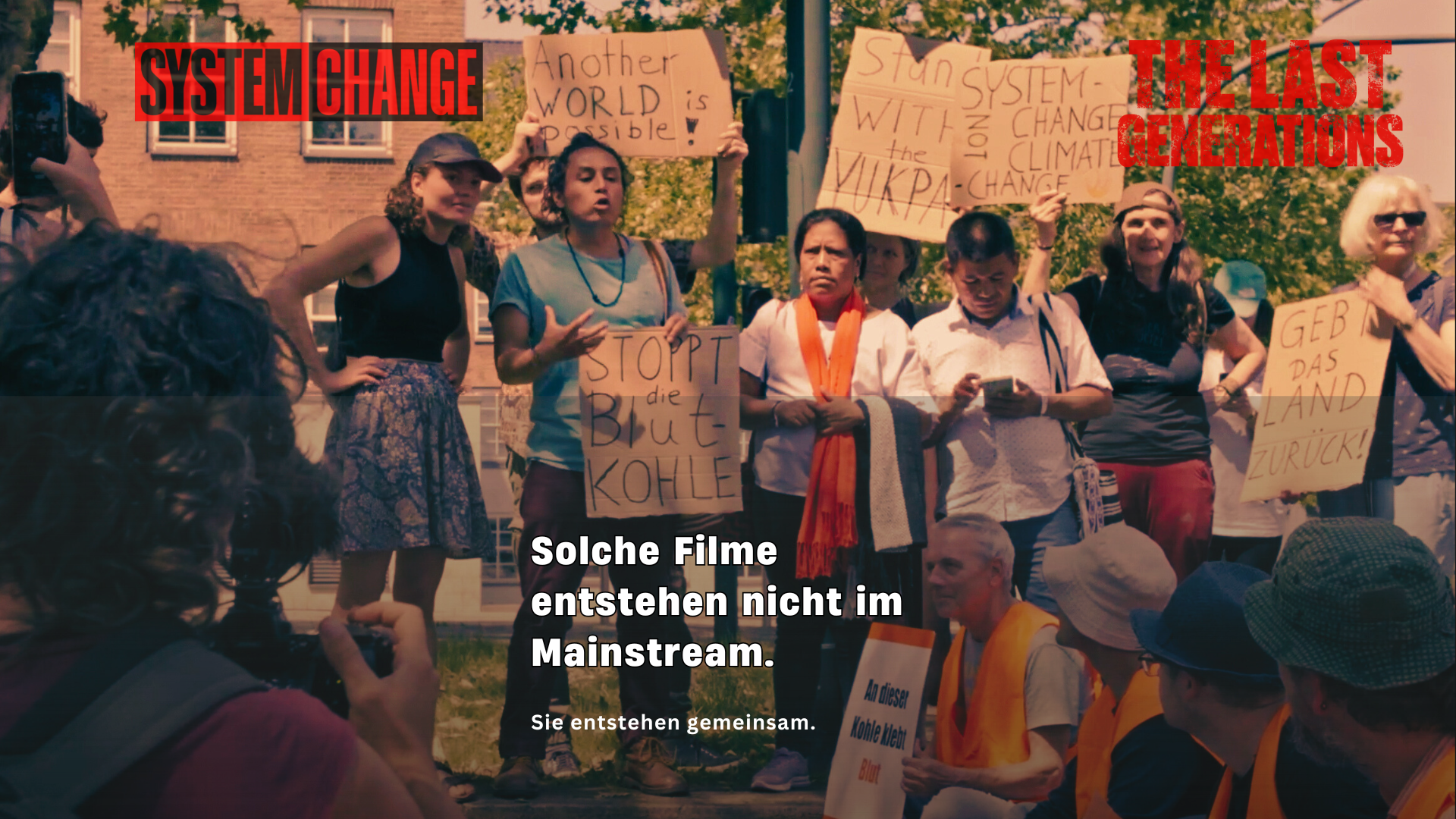
 Blut-Kohle aus Kolumbien
Auch heute stammt ein erheblicher Teil der in Europa verbrannten Steinkohle aus Kolumbien. 2024 gingen rund drei Millionen Tonnen nach Deutschland; auf EU-Ebene bleibt Kolumbien ein zentraler Lieferant. Ein Großteil dieser Kohle kommt aus El Cerrejón, einem der größten Tagebaue der Welt, betrieben vom Rohstoffkonzern Glencore. Trotz angekündigter Reduktionen lag die Förderung zuletzt bei rund 19 Millionen Tonnen jährlich.
Für das indigene Volk der Yukpa ist diese Förderung dort und an anderen Orten in Kolumbien existenziell zerstörerisch. Ihr Territorium wird durch Tagebaue, Wasserumleitungen und Umweltverschmutzung fragmentiert, ihre Lebensgrundlagen systematisch untergraben. Das kolumbianische Verfassungsgericht stuft die Yukpa weiterhin als akut vom Aussterben bedroht ein – als direkte Folge der Rohstoffextraktion.
Die Kohle wird exportiert, die Schäden bleiben. Energieversorgung, industrielle Stabilität und Profite konzentrieren sich im globalen Norden, während soziale und ökologische Kosten im globalen Süden externalisiert werden. Europäische Energieunternehmen, Stahlkonzerne, Banken und Investoren sind strukturell in dieses Modell eingebunden – durch Abnahmeverträge, Finanzierung und politische Absicherung. Diese Ordnung ist kein historisches Überbleibsel, sondern Kern europäischer Rohstoffpolitik. Blut-Kohle bezeichnet genau dieses Verhältnis: eine koloniale Struktur, die bis heute funktioniert.
_____________________________
Wenn du diese Arbeit unterstützen willst, gibt es verschiedene Wege:
durch Solidaritätsbeiträge,
durch VoD
oder indem Du diese Inhalte teilst.
Alle Support-Optionen findet ihr hier:
👉 https://buymeacoffee.com/southernxfilms/system-change-vimeo-demand
👉 Vimeo-Portfolio: https://vimeopro.com/southernxfilms/world-in-crisis
👉 Alle weiteren Links zur Film-Webseite und VoD im Bio meines Instagram-Kanals: @southernxfilms
Ich werde weiter Filme machen, die gegen den Strom erzählen, Verdrängtes offenlegen und über gesellschaftliche Barrieren hinweg wirken.
Dafür braucht es eine solidarische Gegenkultur jenseits des Mainstreams.
Danke an alle, die diesen Weg mitgehen.
Blood Coal from Colombia
Even today, a significant share of the hard coal burned in Europe comes from Colombia. In 2024, around three million tonnes were shipped to Germany; at the EU level, Colombia remains a key supplier. Much of this coal comes from El Cerrejón, one of the largest open-pit mines in the world, operated by the commodities giant Glencore. Despite announced cutbacks, production recently stood at around 19 million tonnes per year.
For the Indigenous Yukpa people, this extraction—there and elsewhere in Colombia—is existentially destructive. Their territory is fragmented by open-pit mining, river diversions, and environmental pollution; their livelihoods are systematically undermined. Colombia’s Constitutional Court continues to classify the Yukpa as acutely threatened with extinction—directly as a result of resource extraction.
The coal is exported; the damage remains. Energy supply, industrial stability, and profits concentrate in the Global North, while social and ecological costs are externalized to the Global South. European energy companies, steel producers, banks, and investors are structurally embedded in this model—through offtake contracts, financing, and political backing. This order is not a historical relic but a core feature of European resource policy. “Blood coal” precisely names this relationship: a colonial structure that still functions today.
________________________________
If you would like to support this work, there are several ways:
through solidarity contributions,
through video-on-demand,
or by sharing this content.
You can find all support options here:
👉 https://coff.ee/southernxfilms
👉 https://buymeacoffee.com/southernxfilms/system-change-vimeo-demand
👉 Vimeo portfolio: https://vimeopro.com/southernxfilms/world-in-crisis
👉 All other links to the film website and VoD are in the bio of my Instagram account: @southernxfilms
I will continue to make films that tell stories against the current, bring suppressed realities to light, and resonate across social barriers.
For that, we need a culture of solidarity beyond the mainstream.
Thank you to everyone who walks this path with me.