

WHEN DO WORDS BECOME DANGEROUS?
Part 1: Amiri Baraka
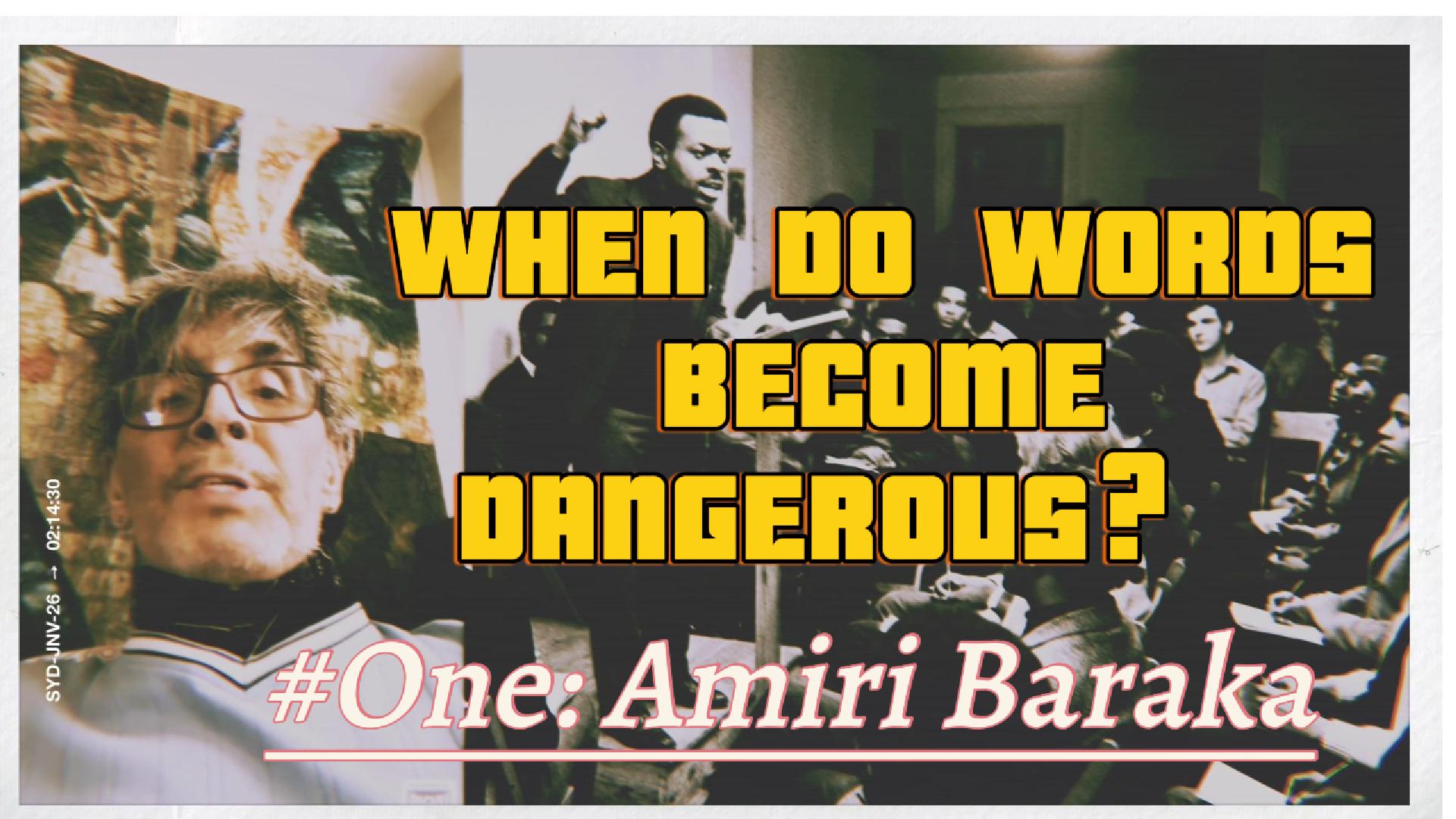 What happens when a poem becomes more dangerous than a weapon?
When a collection of words can threaten a government, land a publisher in court, ignite a national controversy, or give an entire generation the language to fight back?
We like to imagine poets as quiet observers. Sensitive souls sitting in dimly lit rooms, contemplating love, loss, beauty, and the occasional existential crisis.
But history tells a rather different story.
Some poets have been accused of obscenity. Others have challenged governments, confronted racism, exposed political hypocrisy, and questioned the very foundations of the societies in which they lived. Some paid for their convictions with exile. Others found themselves dragged into court. And some became so controversial that the authorities decided the easiest solution was to silence them.
But here is the interesting part.
Sometimes the scandal outlives the outrage. Sometimes the attempt to suppress a poem turns it into a legend. And sometimes the words a society desperately wants to silence become the very words that change it.
Today, we're stepping into the uncomfortable territory where poetry meets politics, where artistic expression collides with public morality, and where the written word becomes a battlefield.
From a modern political firestorm to a landmark obscenity trial, from revolutionary exiles to the intellectual resistance against colonialism, these are the stories of scandalous poets, secret politics, and banned books.
Because sometimes the most revealing thing about a poem isn't what it says.
It's what happens when somebody powerful decides they don't want you to read it.
***************************
Community
Podcast
https://bit.ly/SocialYetDistanced
YouTube
https://bit.ly/SociaYetDistancedlVids
Supported By: