

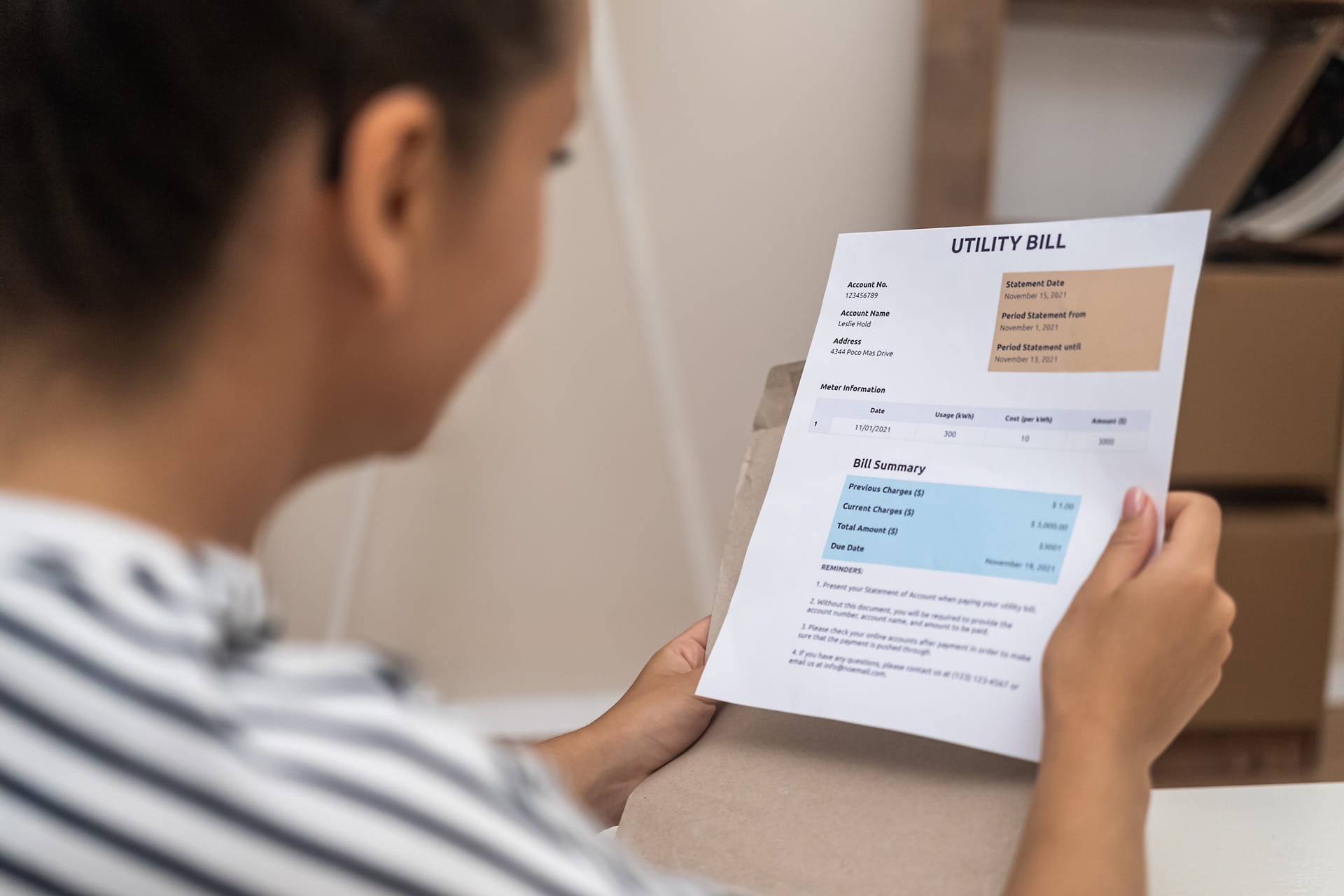
 Air conditioning costs often rise steadily, leaving homeowners puzzled when monthly charges grow larger than expected. An A/C system can operate longer than necessary when airflow weakens, indoor heat accumulates, or routine upkeep gets delayed. Many households search for manageable ways to regain control while keeping living spaces comfortable. Tropical Air Kare shares that “lower bills usually come from several thoughtful adjustments working together rather than one major change.” Understanding how cooling systems respond to everyday conditions and timely AC repairs make those adjustments easier to apply.
Lowering Air Conditioning Bills
Homeowners frequently notice recurring patterns during warmer seasons when cooling demand increases and systems remain active for extended periods. One house may feel evenly cooled while another deals with warm spots and climbing expenses, even though both systems seem comparable. Practical experience shows that household habits, airflow direction, and indoor heat sources heavily influence how much effort the system must produce. Identifying these patterns helps homeowners pinpoint where energy use quietly increases.
Cooling costs often mirror daily routines
Small airflow restrictions can extend runtime
Indoor heat gain usually drives higher monthly usage
1. Thermostat Settings That Drift Lower
Thermostat choices directly affect how long an A/C system operates each day. Lower temperature settings stretch cooling cycles, especially during afternoon hours when outdoor heat intensifies. The U.S. Department of Energy explains that modest set point changes can noticeably influence energy use over time. Consistent settings allow the system to maintain steadier operation.
Lower temperatures increase total runtime
Frequent adjustments can prolong cooling cycles
DOE guidance supports stable thermostat control
2. Limited Airflow Inside the Home
Air must move smoothly through vents and returns for cooled air to reach every room. Furniture placement, area rugs, and closed interior doors can restrict circulation and trap cooled air in certain areas. Reduced airflow forces the system to run longer to meet thermostat demand. Comfort becomes uneven across rooms.
Obstructed vents weaken circulation
Closed doors interrupt airflow balance
Limited movement raises system workload
3. Dirty Air Filters Reducing Cooling Strength
Air filters protect internal components by trapping dust and debris. When filters become clogged, airflow slows and cooling output drops. The Department of Energy identifies dirty filters as one of the most common contributors to reduced system performance. Regular inspections help avoid unnecessary stress.
Clogged filters restrict air passage
Slower airflow increases operating time
DOE resources link filter buildup to higher costs
4. Sunlight Raising Indoor Temperatures
Direct sunlight can increase indoor temperatures quickly, especially through windows exposed to afternoon sun. Heat enters faster than the system can remove it, forcing longer operation. EPA guidance explains that solar heat gain strongly affects cooling demand. Managing sunlight reduces pressure on the system.
Sun exposure raises indoor heat levels
Afternoon rays often drive peak demand
Window coverings can reduce cooling strain
5. Indoor Heat From Normal Activities
Cooking, electronics, lighting, and everyday household tasks release heat throughout the home. Each activity adds warmth that must be removed by the cooling system. DOE materials show that appliances contribute measurable indoor heat. Reducing internal heat allows the system to stabilize more easily.
Cooking releases short bursts of heat
Electronics emit ongoing warmth
Lighting selection influences temperature buildup
6. Leaky Ductwork Losing Cooled Air
Ductwork carries cooled air to living spaces, yet small openings can send that air into attics or wall cavities. The EPA estimates many homes lose a significant portion of cooling through duct leakage. Escaped air increases runtime and reduces comfort in distant rooms. Sealing ducts helps cooling reach intended spaces.
Leaky ducts waste conditioned air
Air loss increases daily demand
EPA guidance supports duct sealing
7. Missed Maintenance Allowing Wear to Grow
Routine upkeep keeps systems operating smoothly across long cooling seasons and can help you to avoid an A/C replacement instead of A/C repairs. Dirty coils, clogged drains, and loose electrical connections gradually raise operating strain. DOE resources connect routine care with steadier system performance. Maintenance distributes wear rather than concentrating stress on one component.
Clean coils support consistent heat removal
Drain inspections prevent moisture problems
Ongoing upkeep limits surprise strain
Why These Issues Build Gradually
Cooling systems rarely struggle because of one isolated concern. Heat gain, airflow limitations, and maintenance gaps often combine slowly, forcing longer daily operation. Tropical Air Kare explains that higher bills usually reflect several small inefficiencies working together rather than one major defect. Addressing multiple areas at the same time helps restore comfort and control expenses.
Minor problems accumulate over time
Extended runtime increases monthly costs
Hidden strain develops without clear warning
Key Takeaways on Lowering Air Conditioning Bills
Lowering air conditioning bills often starts by limiting how much heat enters the home before the system responds. Airflow quality, sunlight exposure, insulation performance, and daily habits all influence how hard cooling equipment must work. Simple steps like filter checks and vent clearance provide immediate improvement, while duct sealing and window shading offer longer-term relief. Combined efforts help cooling remain steady without pushing energy use higher.
Heat control reduces system workload
Improved airflow supports even cooling
Regular maintenance helps limit rising expenses