

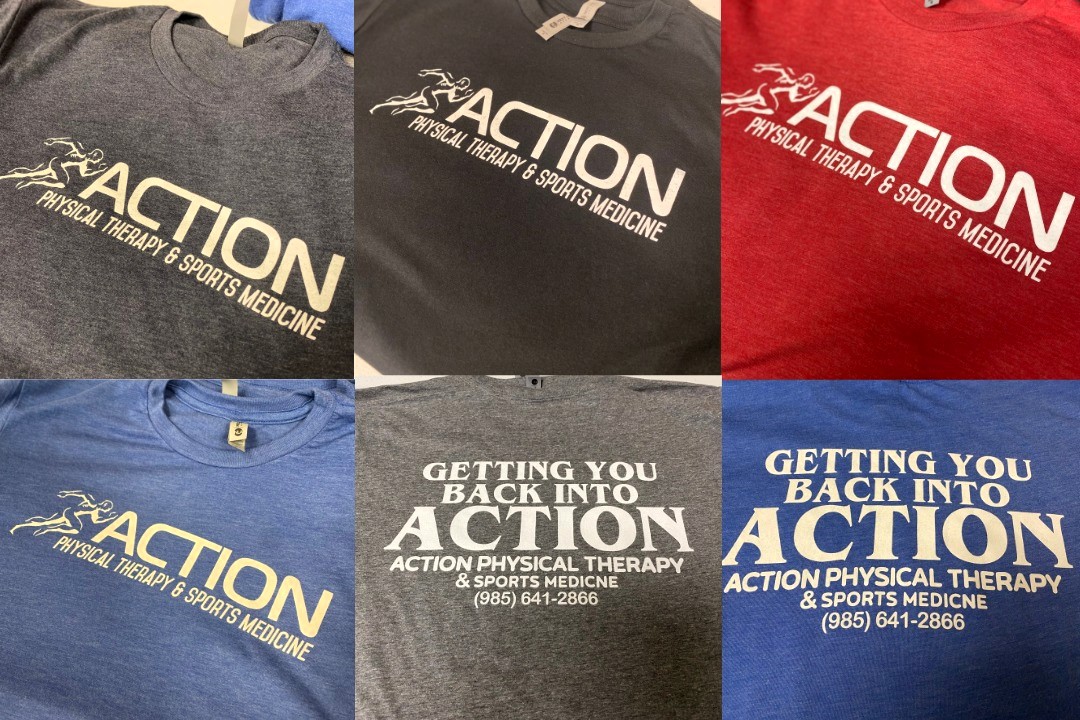
Marketing With Screen Printed Merchandise
Small businesses often need promotional materials that stay visible without creating another advertising expense each time someone notices them. Marketing ideas for small businesses utilizing screen printing services can turn shirts, uniforms, tote bags, and event merchandise into lasting brand reminders that move through workplaces, stores, schools, festivals, job sites, and community gatherings. “A printed item performs best when the design gives people one focused idea to remember, because adding every phone number, service, slogan, and social account often creates visual clutter instead of recognition,” a representative of Magna Screen Printing said. The U.S. Census Bureau reported 5.58 million American firms had employees but fewer than 500 workers in 2023, showing why smaller companies need distinct and practical ways to stand apart in busy markets.
• Choose one central message for each printed item.
• Keep the business name readable from several feet away.
• Match the garment style and design to the intended audience.
Screen Printing Marketing Ideas
A neighborhood contractor, for example, might give each crew member two branded shirts and begin hearing customers mention the company after seeing employees at supply stores, lunch counters, gas stations, and nearby job sites. The shirt still serves as everyday workwear, yet it also creates repeated public exposure wherever the employee travels during the week. “Magna Screen Printing encourages owners to plan merchandise around genuine customer habits, because a comfortable screen printed t-shirt worn several times a month carries more marketing value than an elaborate item that remains folded in a drawer,” the representative said. The U.S. Small Business Administration business guide encourages owners to consider market research, competitive analysis, business planning, and marketing strategy, which creates a useful starting point for the first approach.
• Identify where customers are most likely to see the merchandise.
• Select items people can use during familiar daily routines.
• Track which designs generate comments, website visits, calls, or inquiries.
1. Branded Employee Apparel
Branded employee apparel helps a small company present a polished and recognizable identity during service calls, deliveries, installations, meetings, store shifts, and public events. Screen printing services can place the same logo, colors, contact details, and wording across T-shirts, polos, sweatshirts, aprons, or work shirts, creating dependable visual consistency even when employees perform different jobs. A clear design also helps customers identify workers faster, which can reduce uncertainty at crowded locations and make staff members easier to approach. The Occupational Safety and Health Administration requires workplace hazard assessments and suitable personal protective equipment when hazards are present, so branded clothing should support workplace safety rather than replace protective garments required for a specific task.
• Print job titles on the back when customers need quick assistance.
• Order garment weights suited to indoor, outdoor, or seasonal work.
• Keep logo placement consistent across shirts, jackets, aprons, and polos.
2. Promotional Event Shirts
Community festivals, grand openings, trade shows, charity events, school functions, and vendor markets give businesses a strong reason to produce promotional event shirts. Staff members become easier to locate, volunteers appear more organized, and photographs from the event continue displaying the company name across social media long after attendees return home. Effective event designs may include the date when the shirt is intended as a keepsake, while reusable staff shirts usually perform better without time-sensitive wording that limits future use. The Small Business Administration recommends seasonal marketing methods such as social media, special promotions, email communication, and public relations, and one thoughtfully planned event shirt can provide original visual content for several of those channels.
• Create a staff version that looks noticeably different from attendee shirts.
• Use large lettering that stays readable in group photographs and videos.
• Order a modest range of extra sizes beyond confirmed attendance needs.
3. Customer Giveaway Merchandise
Customer giveaways tend to work better when the prize has a meaningful connection to the business rather than feeling like a random promotional object. A gym might offer workout shirts, a restaurant could print reusable tote bags, and a home-service company may distribute shirts during a referral campaign, the format changes but the merchandise continues carrying the brand into homes, stores, parks, and community spaces. Small businesses using screen printing services should establish clear rules that explain who qualifies, when the promotion closes, how winners are selected, and whether a purchase is required. The Federal Trade Commission requires advertising endorsements to be truthful and not misleading, which matters when free merchandise is exchanged for reviews, recommendations, posts, or other public exposure.
• Connect the giveaway to a referral, contest, event, anniversary, or customer milestone.
• Publish clear eligibility requirements, deadlines, and selection details.
• Ask permission before reposting customer photographs or comments.
4. Seasonal Printed Designs
Seasonal screen printed designs give established customers something fresh to notice without forcing the company to replace its core visual identity. Businesses can create artwork for holidays, annual festivals, school seasons, sports events, anniversaries, weather changes, or local celebrations, then produce a measured quantity based on expected demand. Limited production can reduce leftover inventory and storage problems, though owners should review previous sales, attendance figures, customer requests, and size patterns before deciding how many pieces to print. The Census Bureau provides small-business data that entrepreneurs can use when studying industries and markets, while a company’s own order records often offer the most direct information for planning merchandise quantities.
• Retain the primary logo even when seasonal artwork changes.
• Estimate quantities from prior sales, preorders, and customer requests.
• Avoid printing dates when leftover items may need to be sold later.
5. Local Partnership Apparel
Co-branded apparel allows two organizations to share an audience while dividing some of the promotional work, production costs, and event responsibilities. A coffee shop and bakery could print shirts for a joint tasting event, or a landscaping company might support a school fundraiser with a shared design, and both names gain exposure through the same coordinated campaign. Each participant should approve the artwork, print quantity, garment selection, distribution plan, ownership of the design, and financial responsibilities before production begins. The Small Business Development Center network offers counseling and training for entrepreneurs who need guidance related to business planning, partnerships, budgeting, marketing, agreements, or expansion.
• Give each partner balanced visual space within the design.
• Put printing costs, sales splits, and distribution duties in writing.
• Select a partnership that feels relevant to both customer groups.
6. Social Media Shirt Campaigns
Printed apparel can supply weeks or months of social media material when a business photographs sketches, production stages, staff members, customers, events, and finished merchandise. One shirt might appear in a design preview, employee feature, giveaway announcement, customer photograph, behind-the-scenes video, and event recap, allowing the company to create varied content without building a new campaign every few days. Screen printing services also make it possible to assign different shirt designs, colors, or codes to departments, locations, or promotions so owners can compare which version receives more attention. The FTC social media disclosure guidance says people should clearly disclose brand relationships when they receive free products, payments, discounts, or other incentives for endorsements.
• Photograph the merchandise in realistic business and community settings.
• Create a short branded hashtag that customers can remember.
• Disclose free items, discounts, or paid relationships clearly.
7. Branded Customer Gifts
Customer gifts can recognize an anniversary, completed project, major purchase, membership renewal, referral, or long-standing relationship without relying on generic promotional items. A carefully selected shirt, hoodie, apron, or tote bag feels more personal when its fabric, fit, color, and design reflect the customer’s interests and the company’s work. Owners should reserve higher-cost garments for relationships that justify the expense, while broader campaigns may call for simpler items ordered in larger quantities and distributed through a consistent process. The Small Business Administration recommends tracking redeemed customer offers, so companies can attach a unique coupon, referral code, QR code, or landing page to each gift campaign and measure whether it produces additional sales.
• Choose gifts that fit the customer relationship and occasion.
• Include sizing questions in loyalty, membership, or customer profiles.
• Pair merchandise with a handwritten note, discount, or useful offer.
Screen Printing Campaign Planning
Strong merchandise campaigns begin with a defined purpose rather than an unplanned garment order. Employee apparel supports recognition, event shirts create shared visibility, giveaways encourage participation, seasonal designs renew interest, partnerships broaden reach, social campaigns provide visual material, and customer gifts recognize valuable relationships. Magna Screen Printing can help businesses compare garment types, artwork placement, ink choices, color counts, order quantities, size ranges, and production considerations before a design reaches the press. The SBA recommends setting specific and trackable business metrics, which means owners should record distribution numbers, promotional codes, inquiries, sales, website visits, and repeat orders whenever possible.
• Assign one measurable purpose to each merchandise campaign.
• Calculate the complete cost per printed and distributed item.
• Review campaign results before repeating or expanding an order.
Key Takeaways for Screen Printing Marketing
Marketing ideas for small businesses utilizing screen printing services work best when every printed item has a defined audience, distribution method, campaign goal, and method for measuring response. A shirt worn by an employee serves a different role than a customer giveaway, while a seasonal design requires different quantity planning than an everyday uniform or event shirt. Owners also need to consider comfort, readability, brand consistency, legal disclosures, workplace safety, garment quality, production timing, and long-term usefulness before placing an order. The U.S. Census Bureau reported 36.4 million employer and nonemployer businesses in 2023, reinforcing the need for small companies to build clear and memorable identities instead of adding more visual noise to an already crowded marketplace.
• Print merchandise people will genuinely wear, carry, or reuse.
• Keep the central message clear, visible, and easy to recognize.
• Connect every order to a measurable marketing objective.