
Practice, practice, practice.
Of all the Single-handed Sailing techniques this is the one most often to cause consternation or trigger unsuccessful decision making.
The 2 examples below are both in the public domain so I'm sure the skippers concerned will forgive me while I attempt to use their lessons as a helpful aid memoir here.
Golden Globe Race 2018
Skipper Kevin Farebrother. Retired on 15 July 2018, ‘disillusioned by solo sailing and lack of sleep’
Golden Globe Race 2022
Skipper Guy de Boer’s fell asleep in the cockpit of his boat after passing through the first of the event’s photo gates in Lanzarote on 18th Sept. Guy retired after his boat founded on the rocks at Fuerteventura
- Both events took place barely 2weeks into the 9month long races.
- Both sailors were seasoned & had both spent years preparing for their separate races.
Misaligning a sleep Strategy is not uncommon.
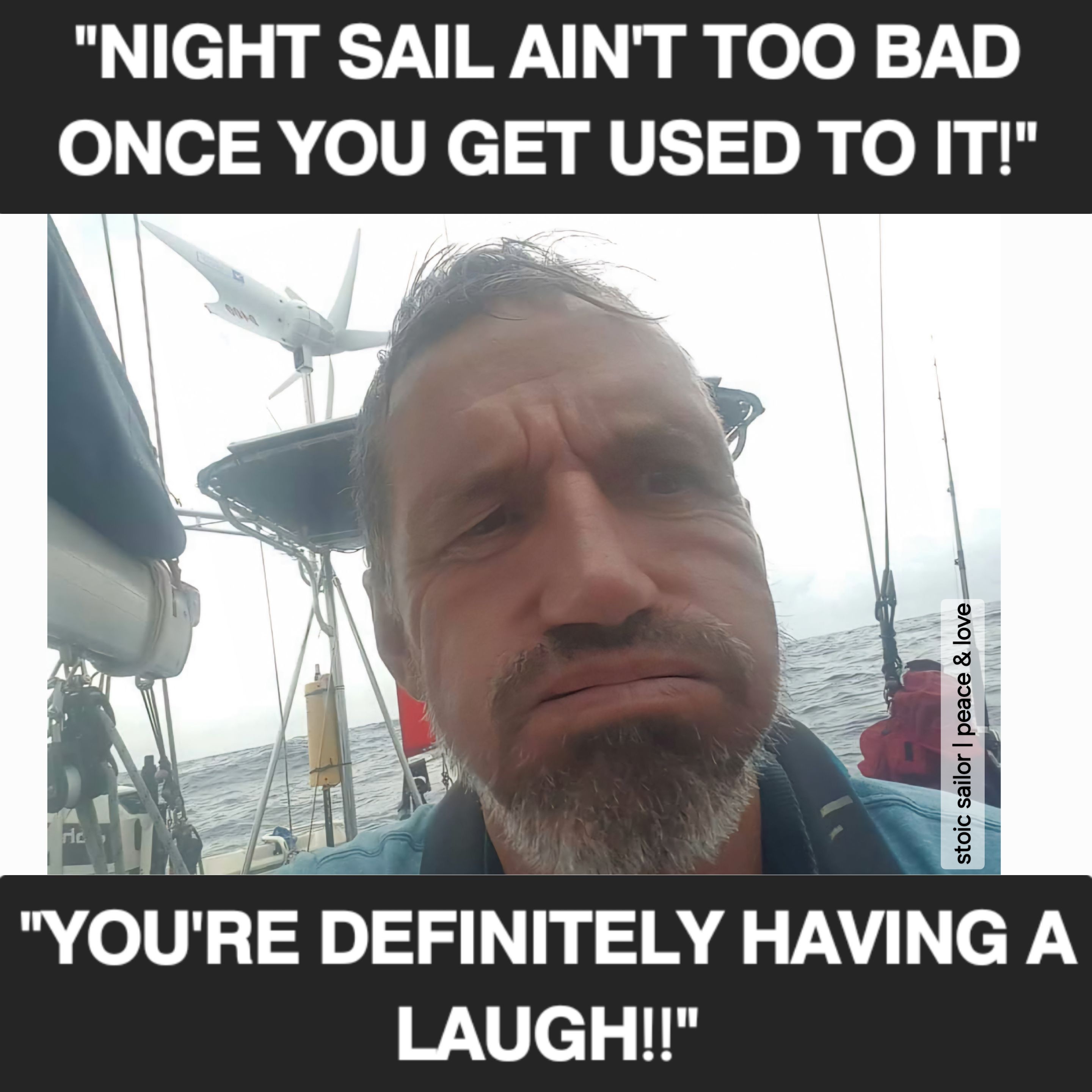
Sleep deprivation is a significant challenge in solo sailing, impacting fatigue, impaired cognitive function, performance and increased risk of accidents.
A more bullet proof approach could be; Practice, practice, practice & a robust passage strategy that accounts for fatigue & rest intervals
If a sailor has previous experience with; broken sleep patterns, shift work, erratic & extended hours & the challenges with cognitive Impairment, then that sailor will more likely be equipped to avoid the pitfalls?
We need to practice it, we need to recognise attention lapses, slower cognitive processing, and impaired decision-making. Even for the most watchful the problems can be significant.
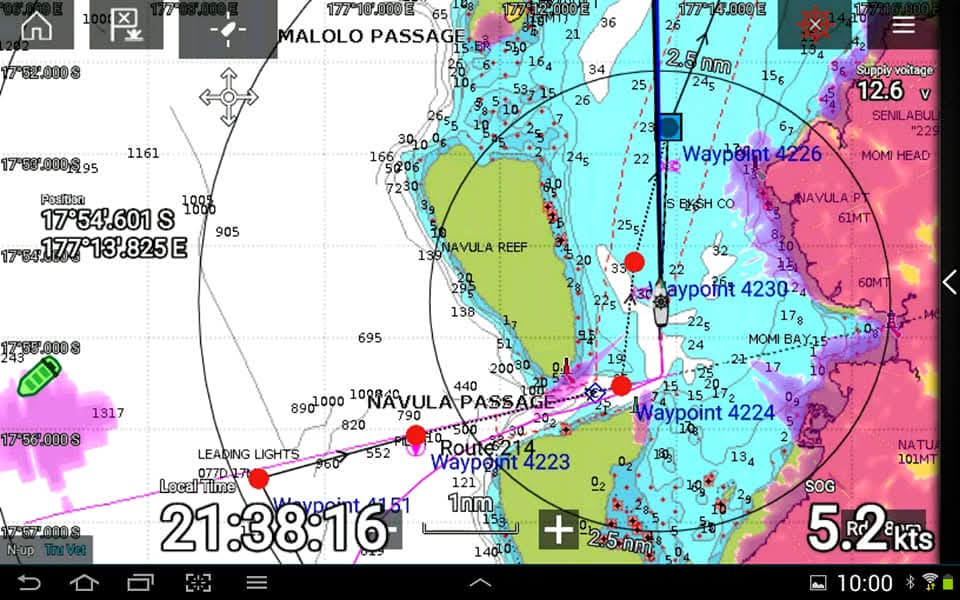
Personally, I have felt on top form & still got it completely wrong. A few years ago following a Panama Canal transit & 4 days of intermittent rest. I decided to tidy up some wiring on passage & in error removed the cabling for my depth sensor! Doh!
Separately, after a successful two week passage across the Coral Sea. I completely ignored a planned rest stop & committed to a 30hrs non-stop passage around Cape York.
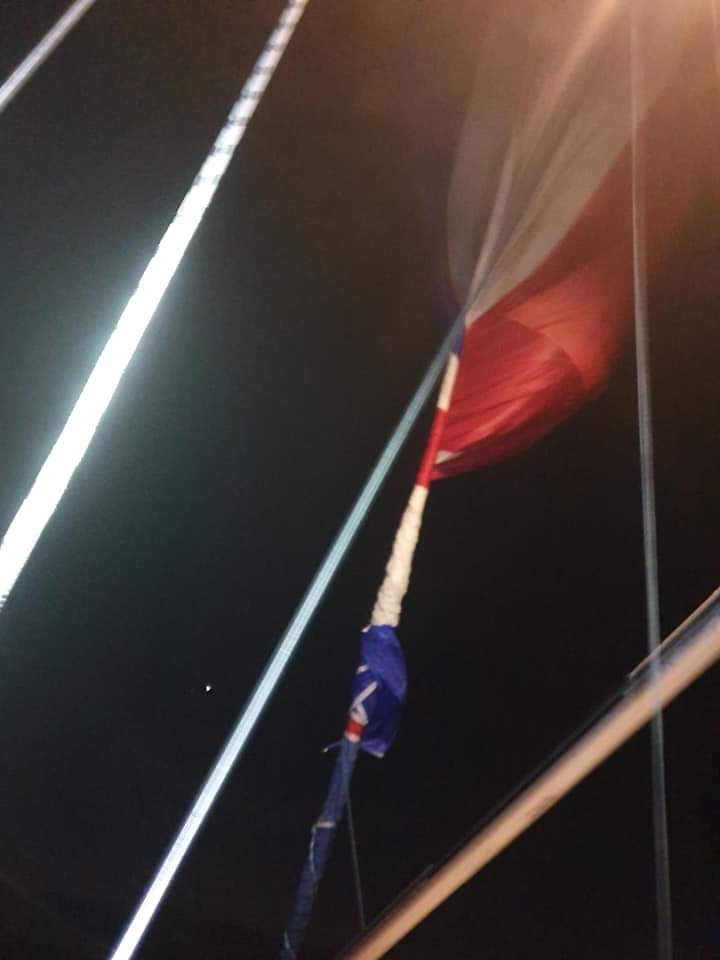
On both counts; Impaired decision making due to fatigue was the culprit.
On those occasions I rode my luck, easily the outcome could have been much different.
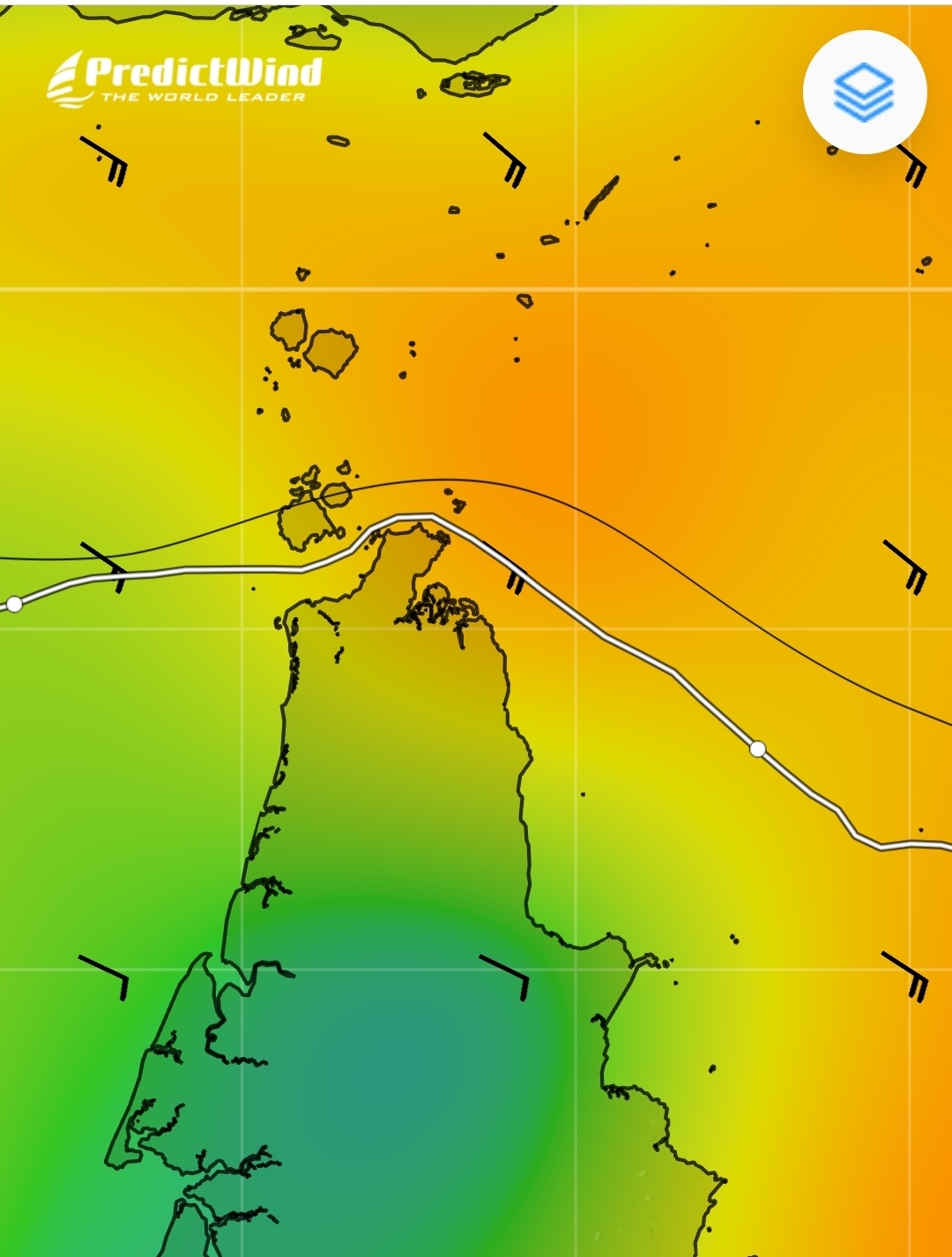
Physical & Mental health:
The biggest impact needless to say is how we respond to boat or hazardous sailing evolutions. Physical exhaustion aside, the psychological affects can be as troublesome.
Hearing voices or fleetingly mistaking shapes in the gloom is not uncommon. Personally, I have had a dog barking from atop the mast. Likewise, a yell from the gloom & a manifesting head disappearing over the next wave routinely tortured me during my first ocean crossing. It happens, being aware of ones own personality disposition is key.
A passage making strategy that accounts for adequate Rest.
Learn how sleep deprivation affects you personally by practicing in a safe environment. Stay awake for extended periods at anchor or alongside, where you can’t injure yourself or anyone else for that matter.
It would be a mistake to believe you can do this en-route.
Sleep Banking
Practise Sleep Banking. This fits well for me. Getting my boat maintenance out of the way in the mornings & resting or Cat Napping for the next 18hrs during extended passages.
Practise Cat Napping on Deck
Practicing napping works well for me personally. I prefer avoiding shipping lanes or inshore congested areas as the best strategy. If there is little need to be in a shipping lane, I often opt to move away from the hazards & allow for extended rest periods.
Sometimes this is just not possible but it rarely extends beyond 24hrs.
Optimising a Route Plan to Suit Rest Periods
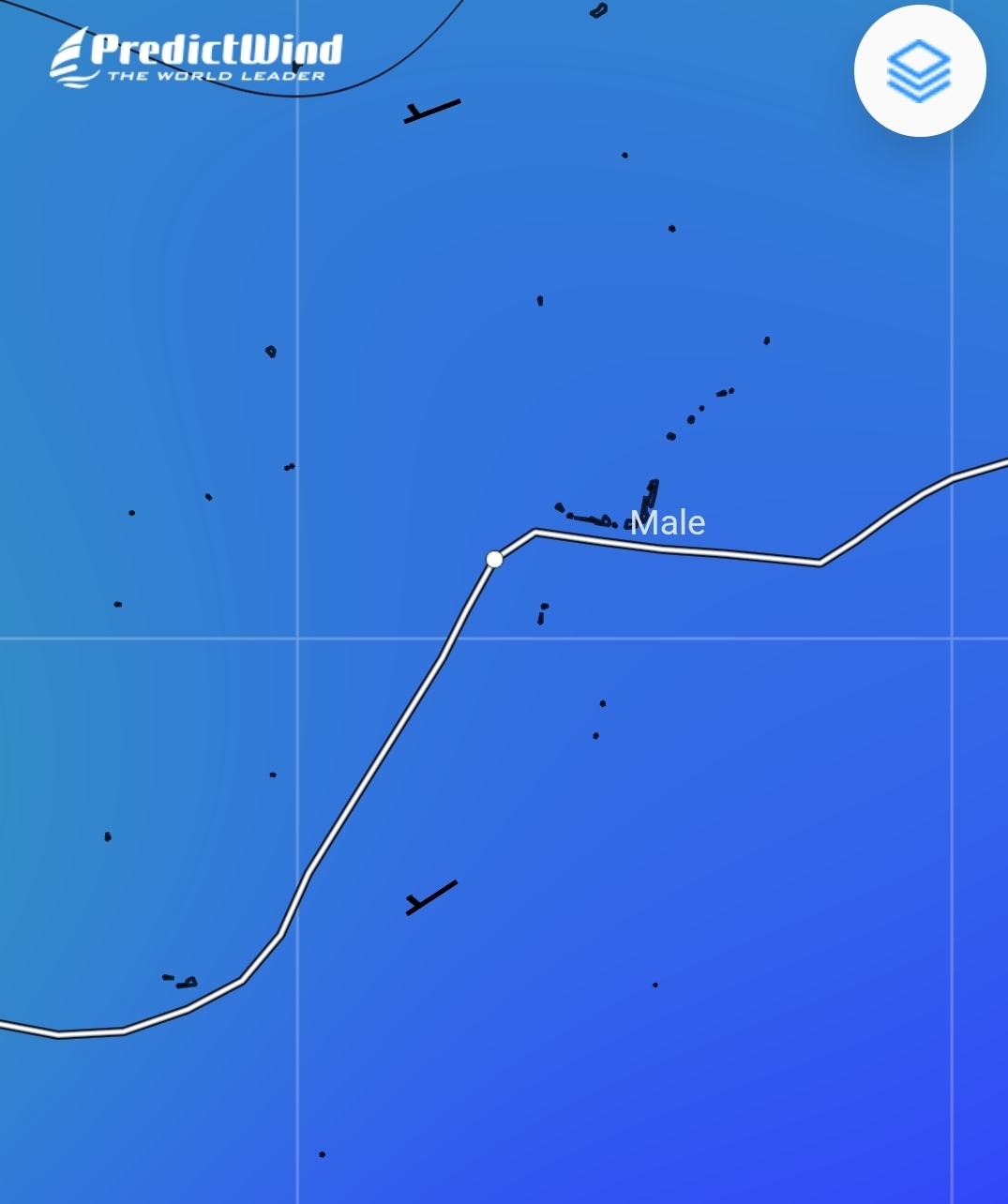
Large Congested Marine Zones & Multiple Traffic Separation Zones/TSS; even the Straits of Singapore & Malacca can be effectively managed utilising periodic anchorages with extended daylight pilotage.
Solo Sailor Friendly 21st Century Technology
High tech Plotter alarm zones for AIS/GPS & radar contacts can be ‘helpful’. But I could never fully delegate the responsibility to keep the boat safe to electronics.
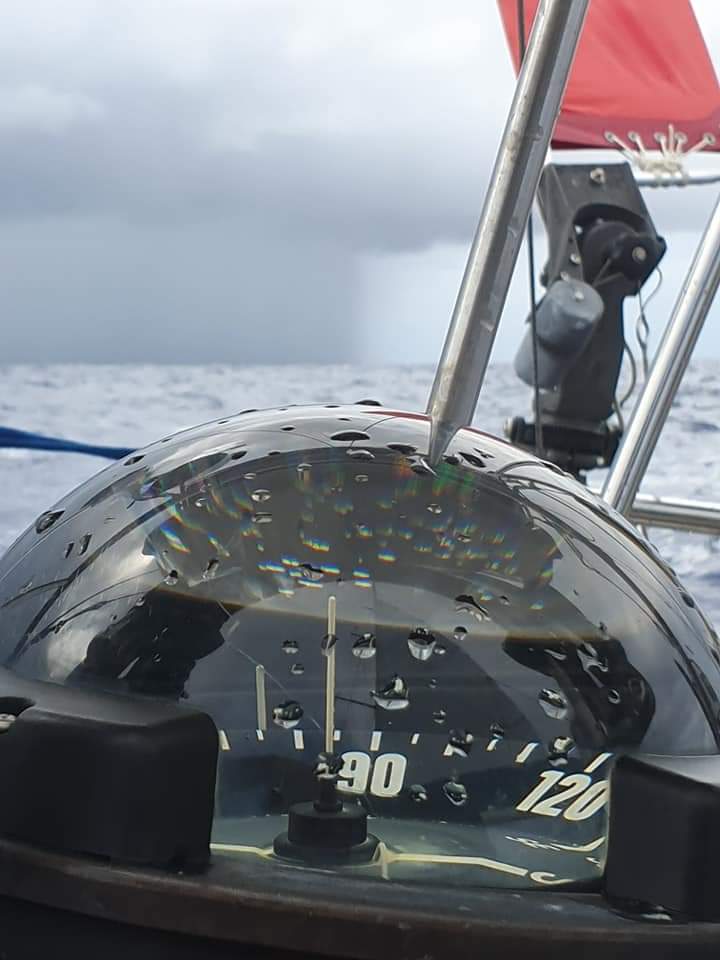
That would be foolish!
Avoid Overlapping Challenges.
Sleep deprivation is a significant challenge on it’s own. The successful Single-handed Sailor will avoid overlapping other challenges such as:
TSS or Congested Marine Zones.
Extended Inclement weather or becalmed conditions
Port approaches or extended pilotage
Shallow water approaches, Reefs & non visual or unreliable navigation references.
Take the easy option. Unless fully prepared for extended challenges: stay well away. Put a strategy together that gives you the best possible likelihood of success.
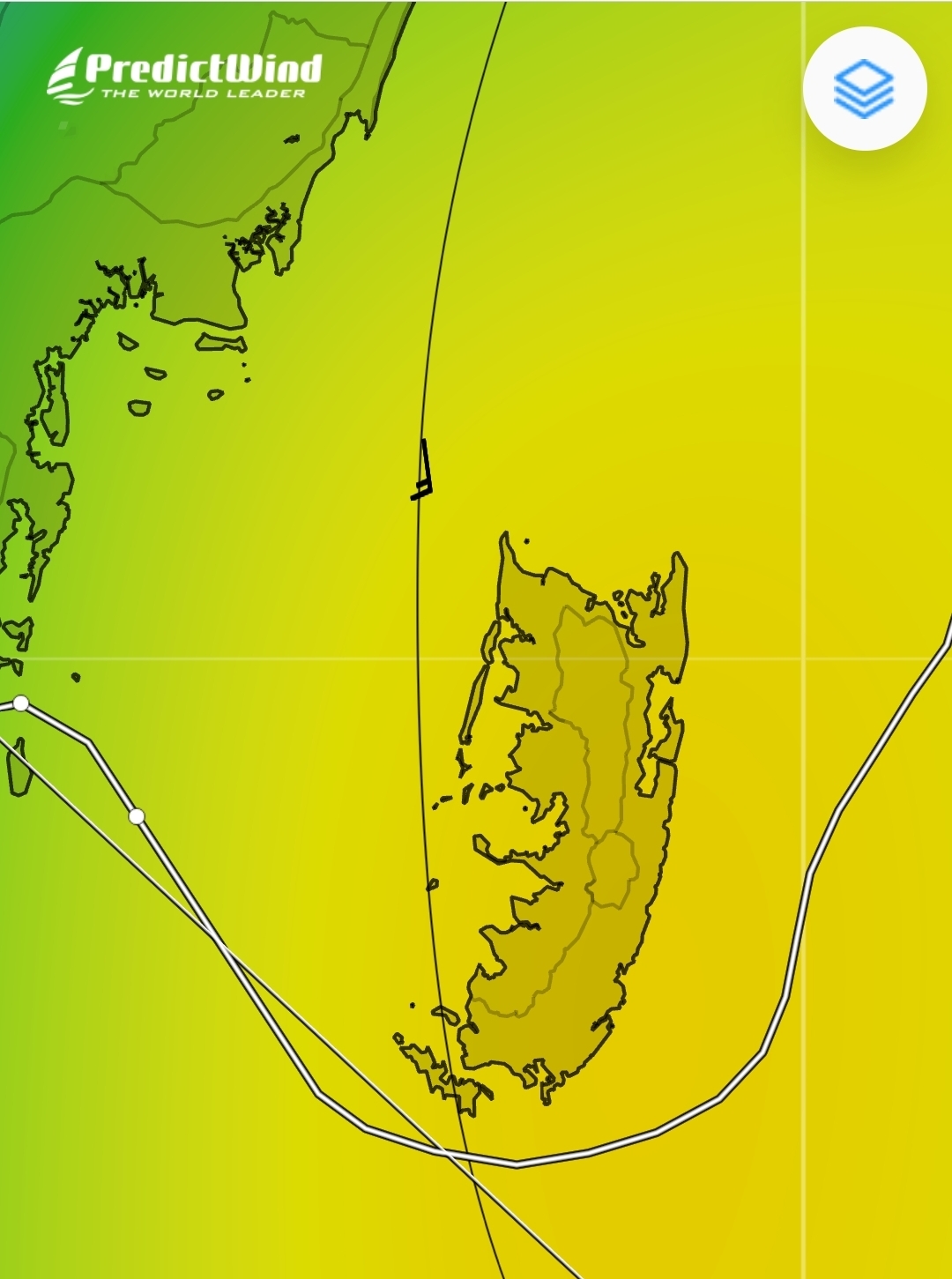
In summary; extended multi-day solo sailing requires careful management of rest periods. While sleep banking, cat napping and electronic watch systems can be helpful, solo sailors should remain mindful of the ‘actual’ risks and adjust their strategies based on individual needs and the ever changing environmental factors.
Manage rest periods & passage making to achieve the best possible outcome.
Don’t push your luck.
.