

A Simple Story About Property, Gender, and Control
Note: This blog was originally published on Medium on [8 Jul 2025]. Sharing it here for my BMC readers too 🤍
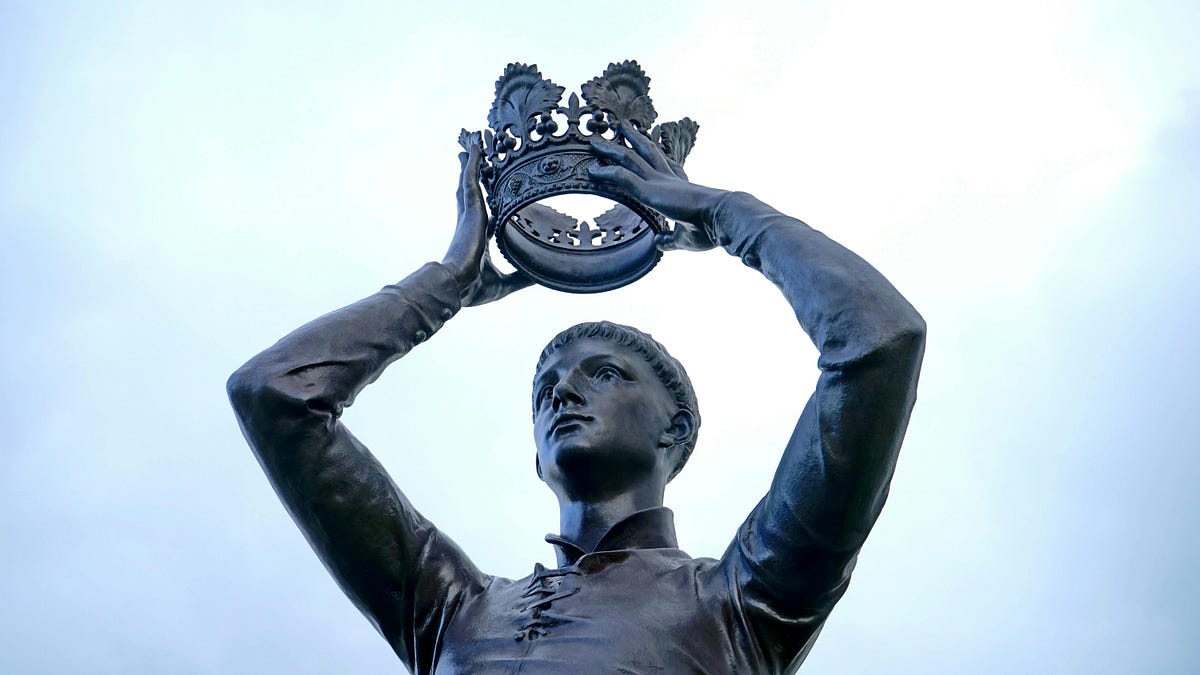
Ever wondered why men are seen as decision-makers or breadwinners in most families? Or why we say things like, “That’s a man’s job”? Did you ever stop and think — where did this idea even come from? Why has gender inequality lasted for so long? And what would you say if a child asked you, “Why do women have fewer rights?”
A few days ago, I started reading The Origin of the Family by Friedrich Engels. Suddenly, I had answers to some of these questions — and more importantly, I had new questions I never thought to ask. So, I’m sharing with you what I learned.
Life Before Property Had Owners
There was a time when no one owned land. Everything belonged to the community. People lived in groups and shared what they grew or hunted. Women worked just as much as men. They farmed, made pots, wove cloth, and raised children. Their efforts were essential. They nourished families and sustained daily life.
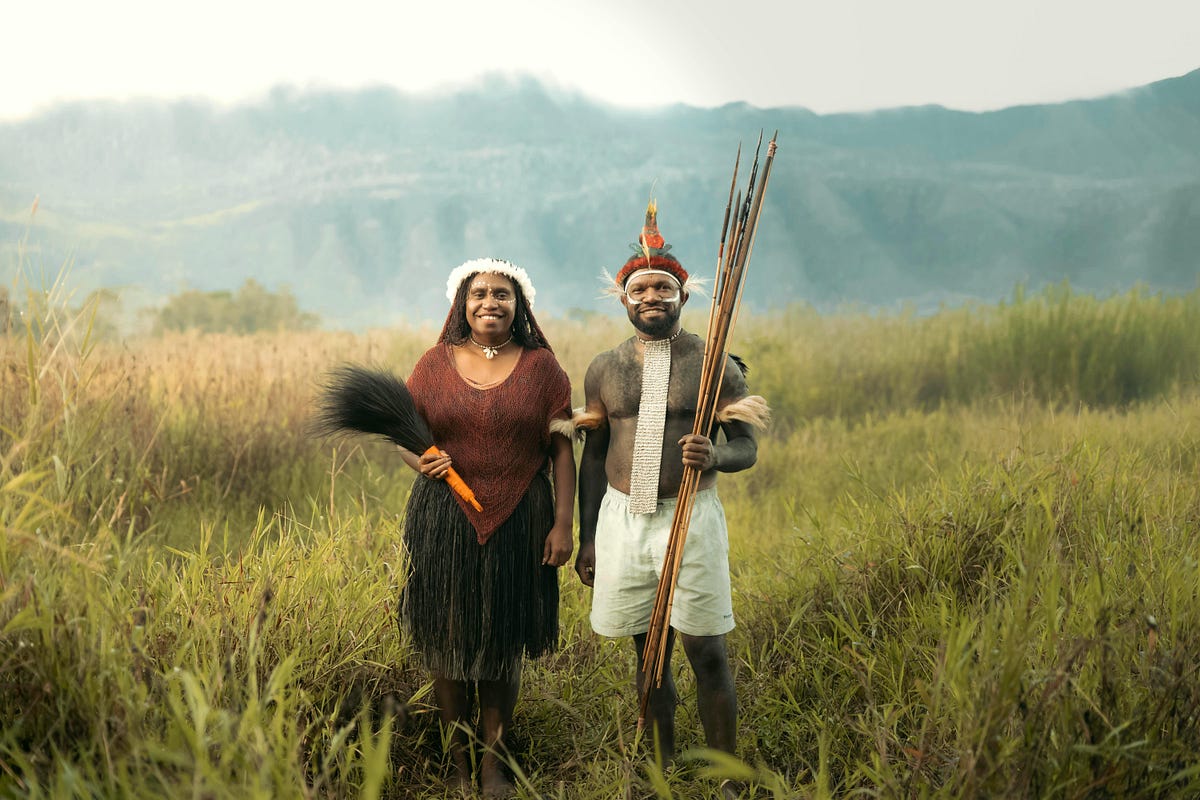
Photo by Asso Myron On Pexels
Males engaged in hunting or fishing activities. Females performed tasks close to home. Nonetheless, both contributed to the survival of the community. There wasn’t much difference in value between the two.
Back then, tools were simple — just digging sticks, stones, and basic plows. Anyone could use them. And because the land was shared, there wasn’t any fight over who it “belonged” to.
But that didn’t last.
When Tools Got Stronger, Power Shifted
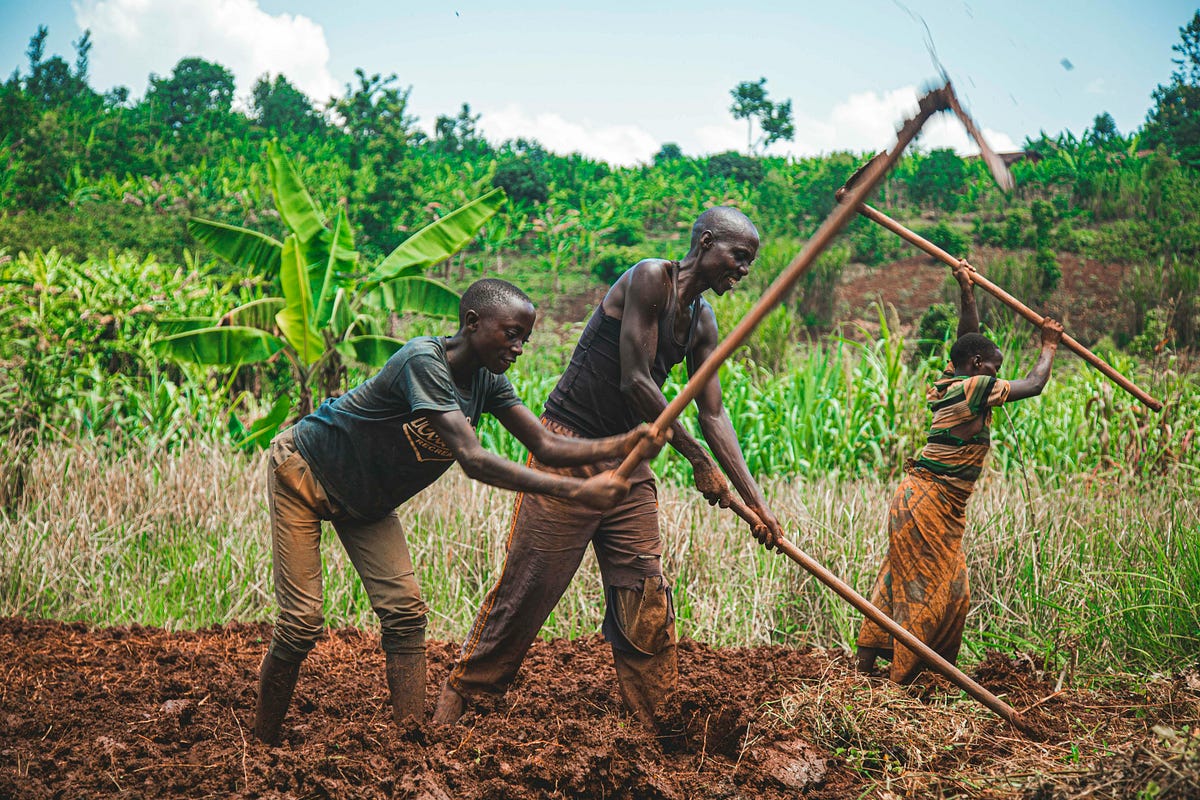
Photo by Safari Consoler On Pexels
As people discovered copper, bronze, and later iron, tools became stronger. Plows changed how farming worked. Now, it took more strength to clear forests and grow crops. Men took on that work — and they brought in slaves to help. More labor meant more food. More food meant more wealth.
And suddenly, land had value. Whoever controlled the land controlled the food. Whoever controlled the tools controlled the people.
That’s when private property started. People stopped sharing land. It became someone’s “own.” Mostly men.
Now comes the big question: if a man owned land, who would get it after he died? He wanted his son to inherit it. But to be sure the child was his, he needed control over the woman.
And that’s where patriarchy was born.
The Rise of Patriarchy
To keep their property in the family, men needed to be sure the woman didn’t have other partners. That meant controlling her body, her choices, and her freedom. Women were no longer seen as equals. They became part of the property, just like land or animals.
Their role shrank. They were told to stay home, take care of kids, and serve their husbands. Their voice disappeared from decision-making. They were no longer producers. They became dependents.
This was what Engels called the “great historical defeat of the female sex.”
Rules for Men, Rules for Women
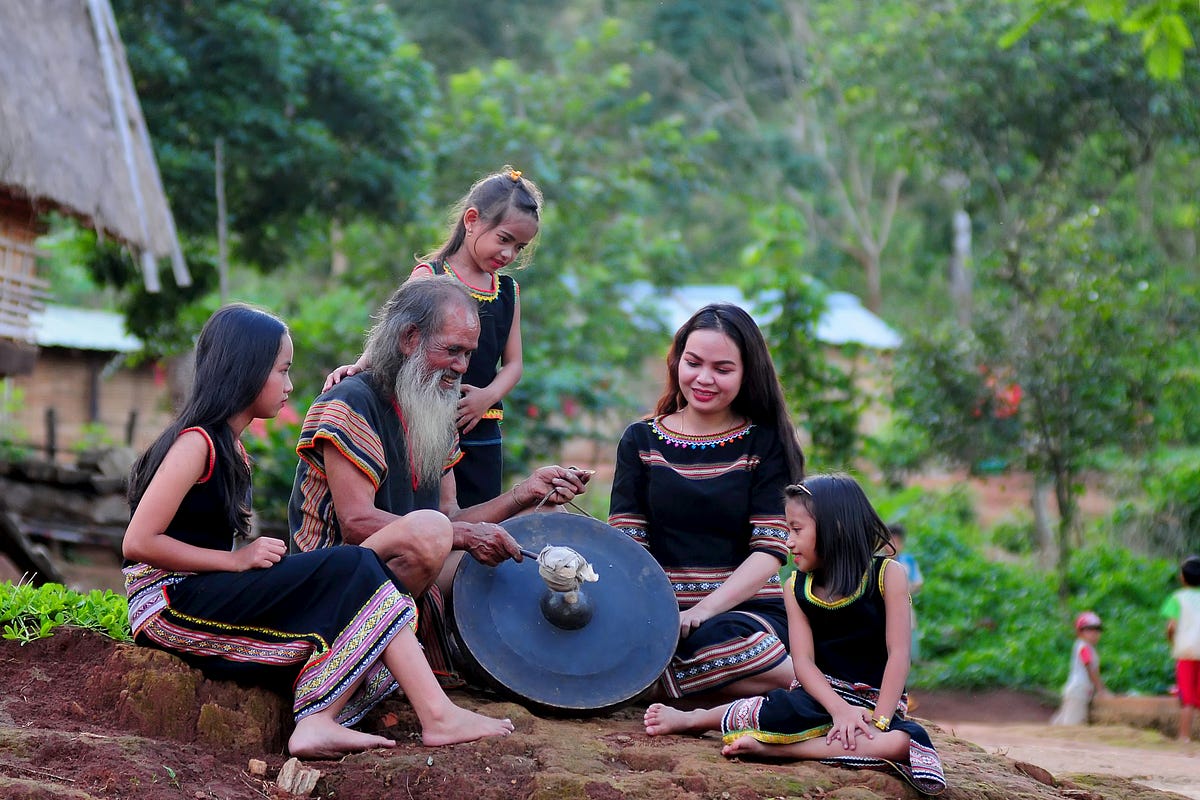
Photo By Thotran ibr On Pexels
Men were free to do what they wanted sexually. They had many partners — wives, slaves, mistresses. No one judged them.
But women had strict rules. They were punished for doing the same things men did freely. In time, some women used adultery as a form of quiet protest. It was the only power they had. Still, it didn’t free them.
Real Equality Needs Real Work
Engels said women won’t be free unless they are part of public work — factories, businesses, farms. As long as they’re stuck doing unpaid work at home, men will always have more power.
Modern industry, according to Engels, needs women. In the Soviet Union, women were brought into the workforce. There, they were not just “wives” or “mothers.” They were workers — just like men.
He believed this was the road to gender equality. When everyone works and shares resources, power also gets shared.
But Engels Missed Something Big
Engels gave us facts. But he skipped a big question: Why did private property start in the first place? Why did owning something become so important to men?
He assumed men just “wanted it.” But why?
The Need to Belong to Something
Think about it. Every person, deep down, wants to feel unique. We want to say, “I matter.” But how do we prove that to ourselves?
We build a house — and say, “This is mine.”
We plant a tree — and say, “I grew this.”
We make something — and say, “I created this. It’s part of me.”
People look at what they own and see a piece of themselves. Ownership isn’t just about control. It’s about identity.
We aren’t just using land, or tools, or homes. We’re putting our sense of self into them. That’s why losing these things hurts so much. It feels like losing part of who we are.
Women Got Cut Out of That Identity
Men tied their identity to land and work. But women, pushed out of the labor world, had no such link. They couldn’t say, “This is mine,” because they weren’t allowed to own. And if you can’t own, you can’t claim your space in the world.
And if your work — like raising kids or cooking — doesn’t get counted as “real,” then your identity gets erased.
Why It Still Matters Today
Even now, many women don’t inherit land. Many are still unpaid for their labor. We praise working men and call women who stay home “lucky” or “idle.” But the truth is, unpaid domestic work runs the world. Without it, no one could go to school or work or thrive.
This inequality isn’t just about money or jobs. It’s about being seen.
Let’s End With This:
Gender equality isn’t just a goal for laws to solve. It’s a question of how we see people’s worth.
It’s about asking:
Who gets counted?
Who gets to say, “This is mine”?
Who gets to be heard?