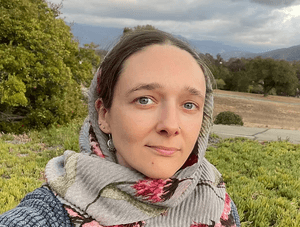

In the final year of my mother's life, there were a couple things I noticed. As my mother's treatment continued, and chemo made her feel foggy, I would go to appointments with her and take notes.
The doctors and other medical professionals often addressed me and ignored my mother. When they did speak to her, they treated her like someone with a diminished mental capacity. This made her angry, and understandably so.
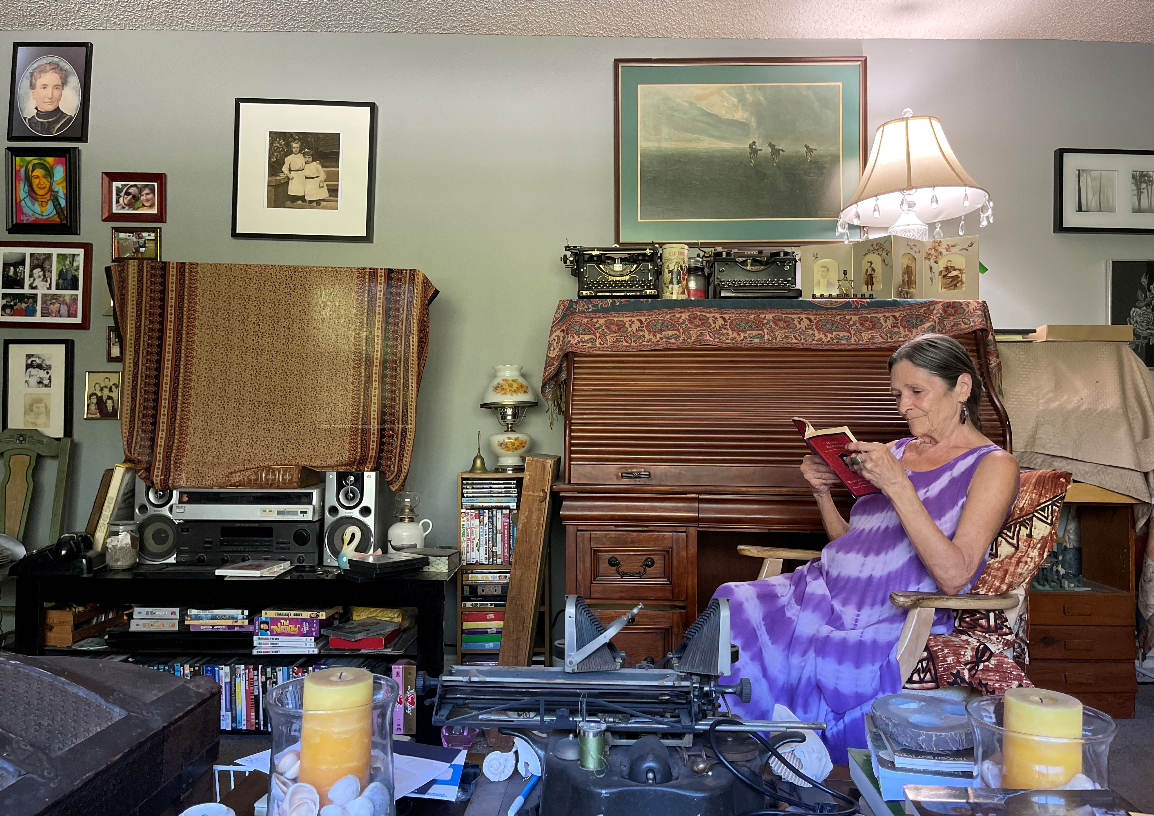
Below: Mama reading in our living room.
 Here's something else I noticed.
While my mother was in hospice care, here at home, a social worker assumed my mother didn't want her condition discussed in front of her. This observation brings up a lot of complex possibilities. A person's cultural background might be such that their illness is not discussed in front of them. Another possibility is that the dying person has expressed a wish to not hear about their situation. Or maybe their specific illness makes it difficult to talk about it in front of them.
But instead of asking about my mother's wishes, the social worker made an assumption. I could tell by her body language and her attempt to leave the room before speaking. Perhaps most of the people she met with had a lot of difficulty talking about death in general. This is likely. As a death and grief educator, I want to help people become more comfortable with these important conversations.
I found myself telling her, "It's okay. Mama and I talk about everything. We're very open about her situation."
Every aspect of end-of-life care is a delicate balance. As a society, I feel we could do a much better job caring for people—throughout our lives, not just at the end.
What are your thoughts on this? I welcome your comments.
In the meantime, thank you for being.