

(Photo by ThisisEngineering on Unsplash)
If you are using JavaScript you might have figured out that JS is a whole new world. Understanding JS is not everyone’s cup of tea and it is not less than a big achievement.
Working in JS can be very much overwhelming especially when you are looking for efficiency in your code. Let’s explore some powerful additions to the JS array.
I will be using RunJS online JavaScript playground for enhanced look.
You can visit RunJS here: https://runjs.app/play
1) Array.prototype.at()
The at() method of JS provides a neater way to access the array elements especially when you are working with negative indices.
Old way

New way

Output

In both ways, the output is same, but if you notice, the at()` is much neater and efficient way without having to write extra bits and pieces which could be confusing.
2) Array.prototype.flatMap()
In JavaScript, you might knowing there is a concept called map()` and flat()`. The flatMap()` does exactly the same what you are thinking. It combines the map and flat methods into a single operation. This way, transforming and flattening of data is done in a single step.
Old way

New Way

Output

The flatMap() can be used in nested API responses, text processing and most importantly, data transformation with empty results.
3) Array.prototype.group()
This is not yet implemented in JS, but this upcoming method will allow grouping array elements by a key.
Current Way

New Way

Output

The New Way is not yet released yet, but if it gets released, you can expect the syntax to be that mentioned in it. The output would be the same.
4) Array.prototype.findLast() and findLastIndex()
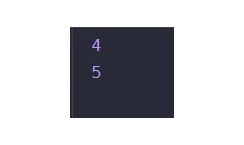
If you want to search the array methods from the last element, you can use these methods.

Output
Ending Note
Modern array methods does provide cleaner ways to write our code efficiently. But we must be cautious with large arrays when using methods that create new arrays.
By understanding these methods, you can achieve the efficiency you need in your code. This would make it more readable for not only you, but to those who will work on that project in future (perhaps in your absence). These tips should be used considering factors like readability, performance, and browser support.
Thank you for reading! 😊
Like It?
If you enjoy it, feel free to read, clap, and share your thoughts in the comments. Your feedback means a lot!
Buy Me A Coffee ☕
If you’re able, you can buy me a coffee here. It’s a small gesture that helps us keep the lights on and continue creating content that matters to you. Thank you for considering, and for being part of our community!
Here’s the link 👉 buymeacoffee.com/rohanraobhb
Want to connect on Social Media?
LinkedIn: https://www.linkedin.com/in/rohan-rao-8344a7b0/
Substack: https://substack.com/@rohanrao2