
Hello my friends! I think we are long overdue for this particular breakdown on this particular item that many of us ask you for. In this post I will go over in detail what an IFAK is, what is in it, and why we need them. Buckle up y'all, it's about to be a long one!
Nearly all of these items can be found here in my amazon wishlist: https://www.amazon.com/hz/wishlist/ls/3QM0WCUA0PBK2?ref
HOWEVER, do not buy tourniquets on Amazon because they can be fake and that is the last thing we want! I have included purchase links for the majority of this list as well under each entry.
So, what IS an IFAK anyway?
Well, IFAK is an acronym that stands for Individual First Aid Kit. It is also called a JFAK in the US military (Joint First Aid Kit). IFAKs are designed to address life threatening injuries like massive bleeding, compromised airways, chest/respiration injuries, hypothermia, etc. in accordance with the MARCH protocol.
IFAKs come in many shapes, sizes, and content varieties:
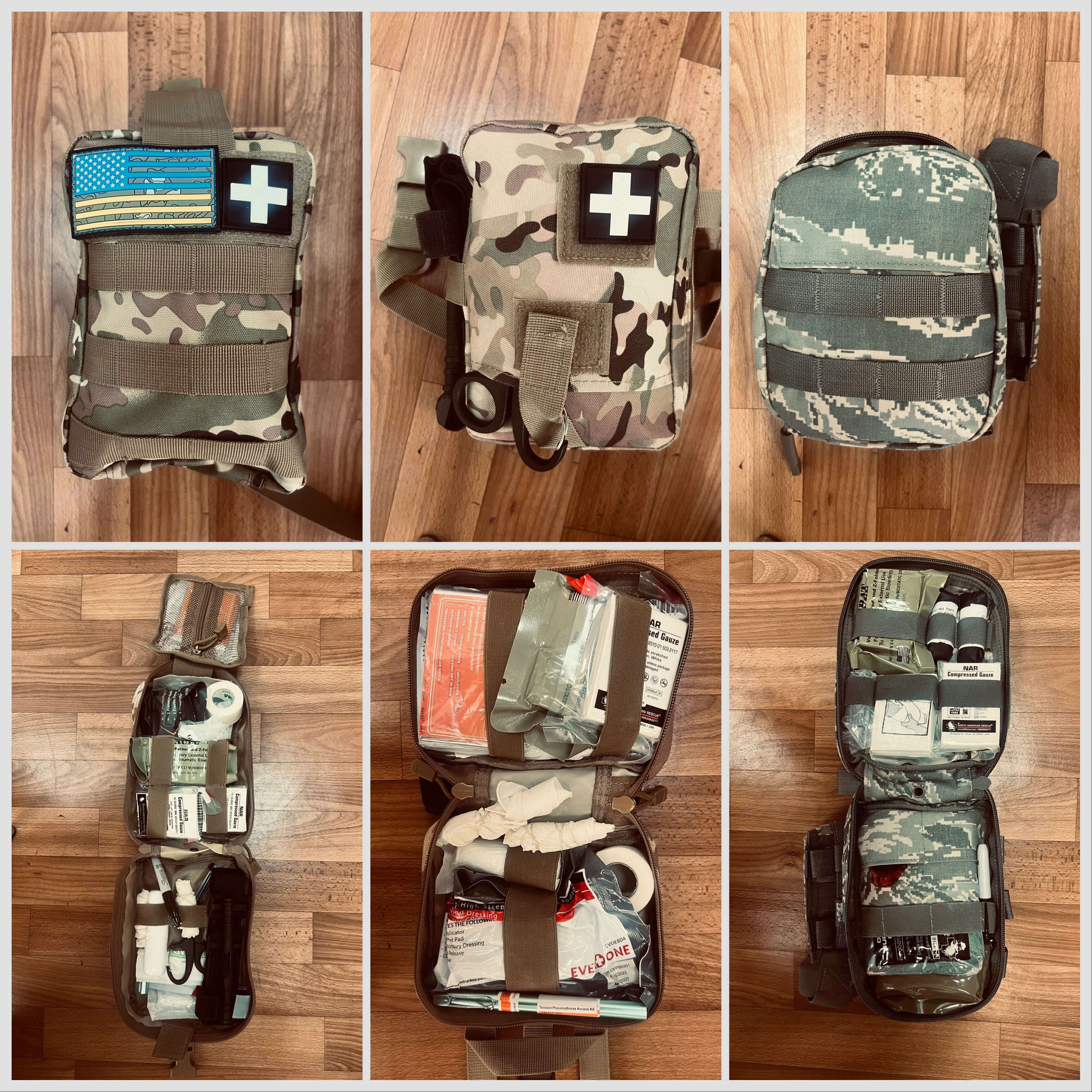
So let's dive right in:
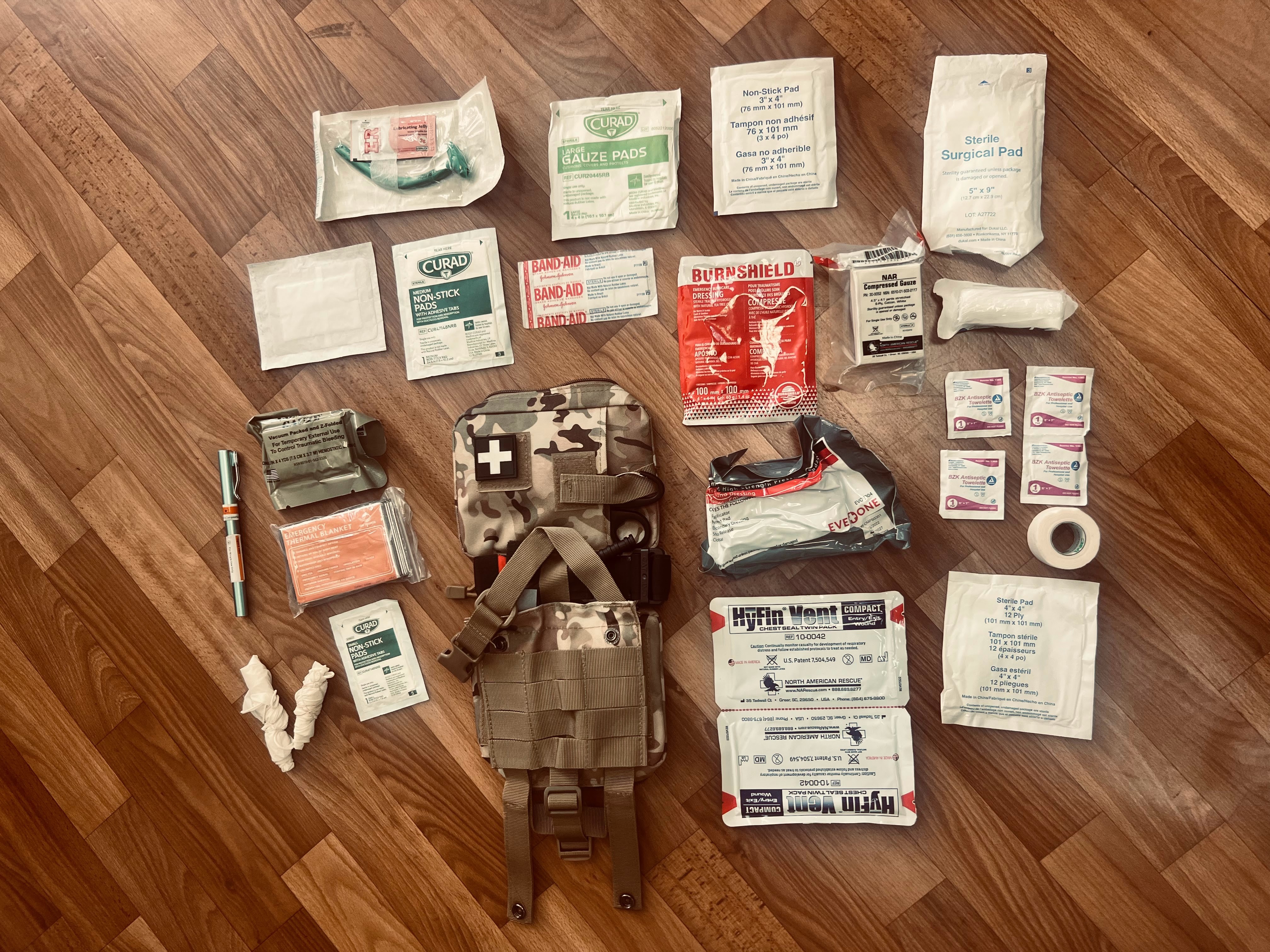
IFAK contents should include the following:
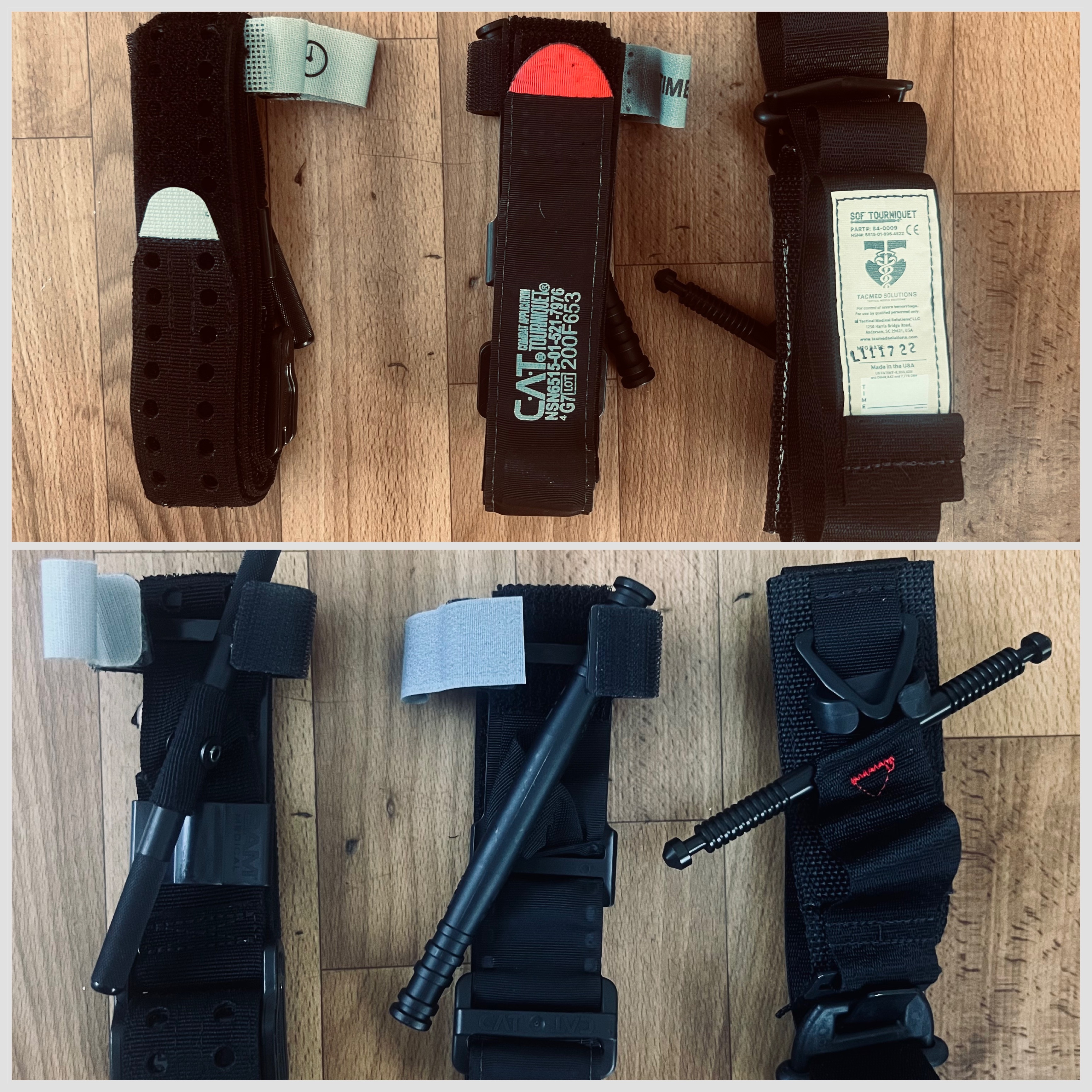
1) CAT Generation 7 Tourniquet:
This device is used to stop massive bleeding from the limbs. CAT specifically is the gold standard that holds up the best.
Other tourniquet options are SAM or SOF-T tourniquets. Ukrainian option: SICH tourniquet
Where to buy:
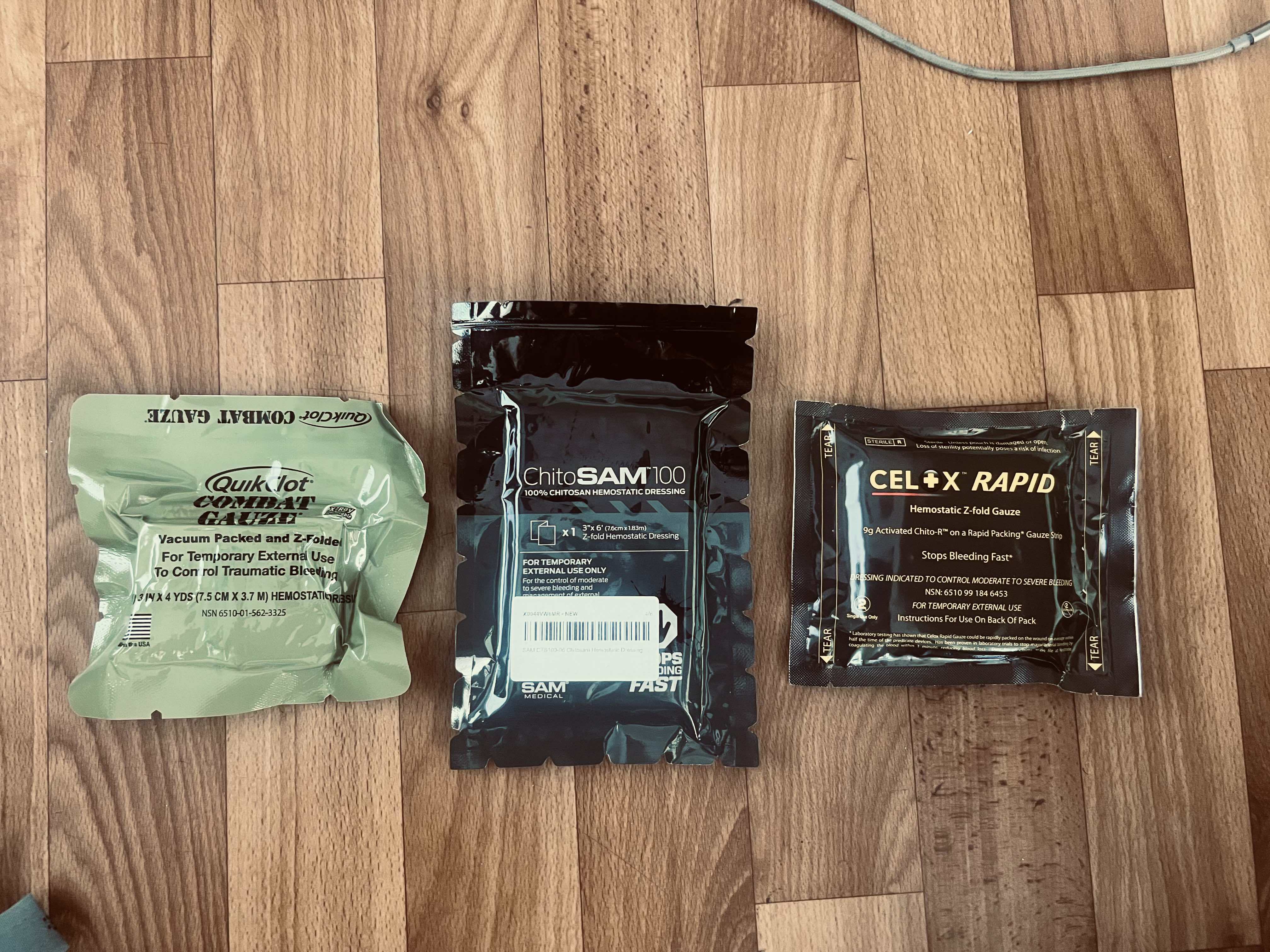
2) QuikClot Combat Hemostatic Gauze:
Hemostatic gauze is a special gauze coated in a special hemostatic agent that accelerates your body's natural clotting process, clotting blood five times faster than if you used regular gauze. This is vital for controlling bleeding in wounds that cannot be helped with a tourniquet.
Other options for hemostatic gauze: Sam CHITO gauze and Celox hemostatic gauze
Where to buy:
QuikClot Combat Gauze: https://www.narescue.com/combat-gauze.html
Sam CHITO gauze: https://www.sammedical.com/products/chitosam-100
Celox gauze: https://www.narescue.com/hemostatic-dressing-celox-rapid.html
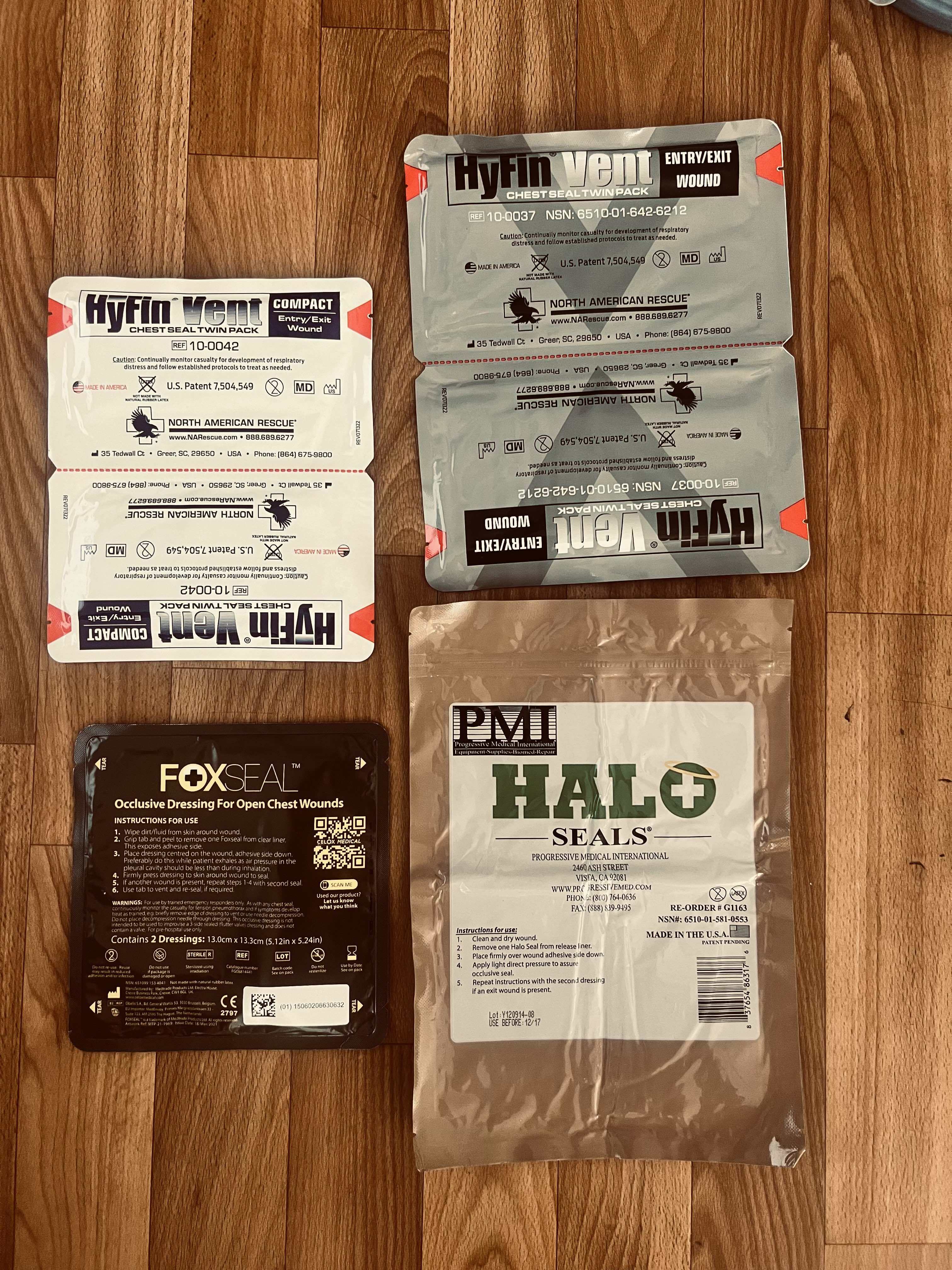
3) Hyfin Chest Seal:
Chest seals (also known as occlusive dressings) are designed to treat and seal penetrating wounds to the chest from gunshots or shrapnel.
Other options for chest seals are SAM, Fox, or Halo chest seals
Where to buy:
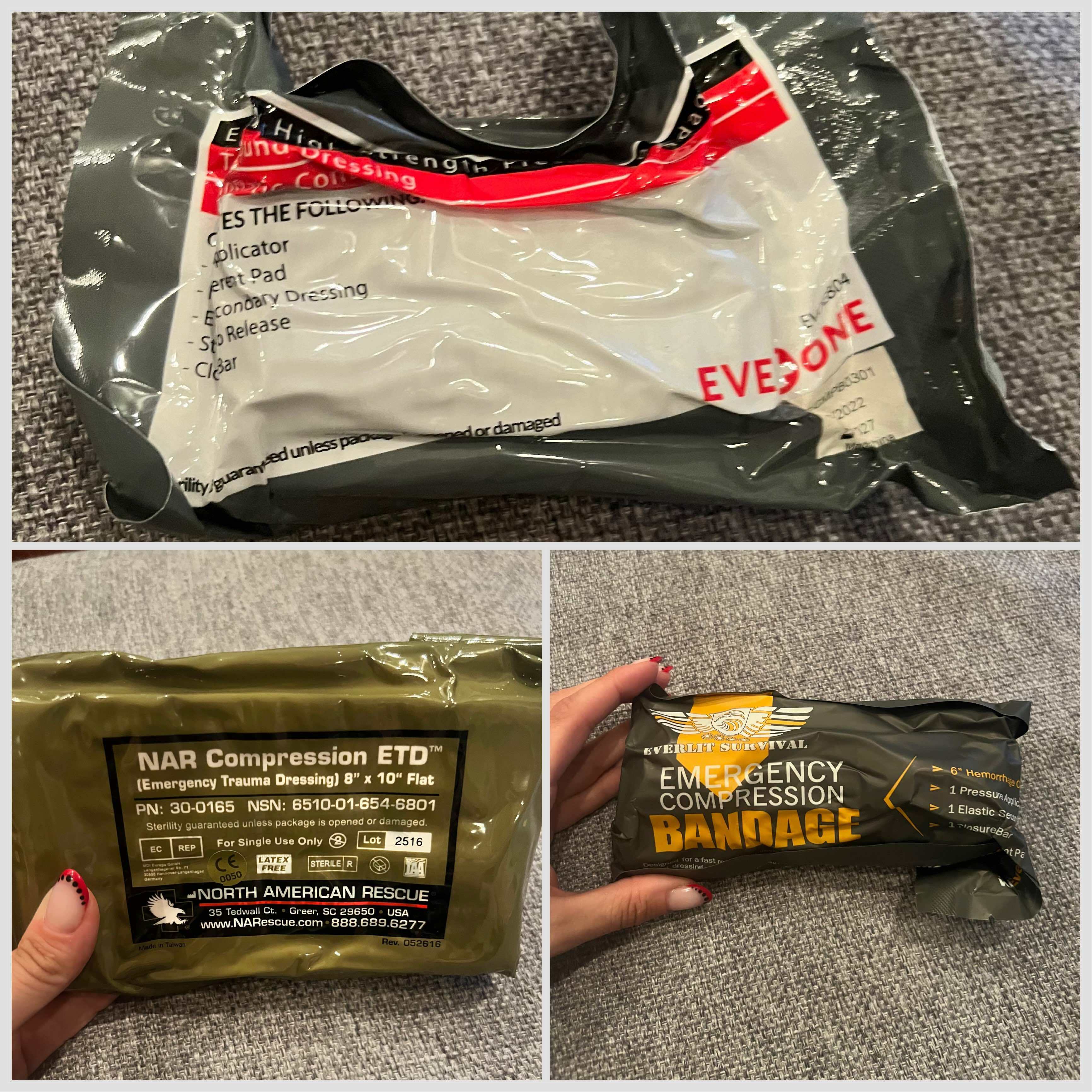
4) Trauma (Israeli) Bandage either 4 inch or 6 inch:
A trauma bandage is a specially designed bandage used to work together with hemostatic gauze to stop bleeding from massive wounds.
There are many options out there but Olaes and North American Rescue make great ones.
Where to buy:
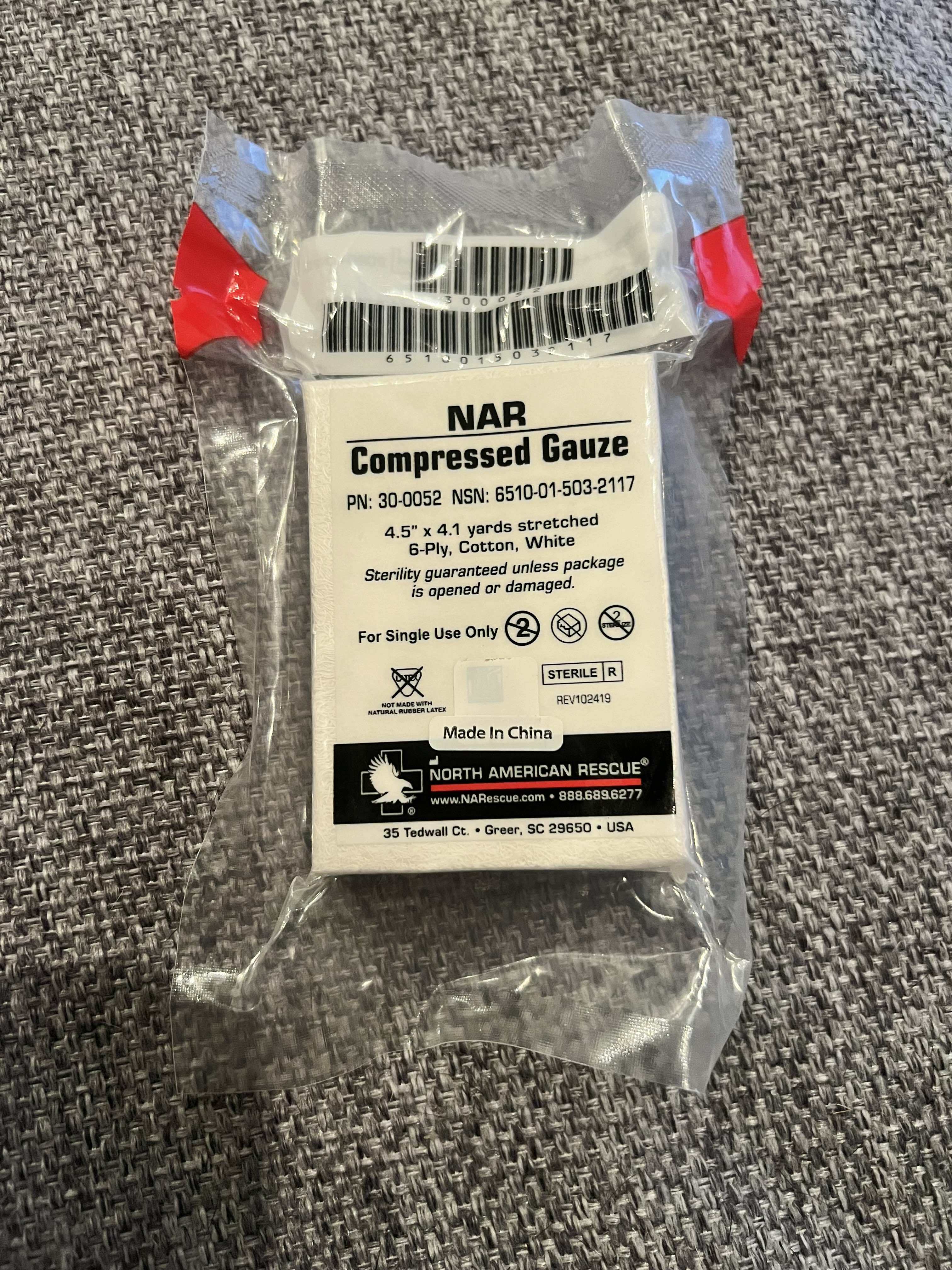
5) Compressed Gauze:
Compressed gauze is a sterile, absorbent, and vacuum-packed gauze that expands to cover large wounds when opened. It's often used together with a compression bandage to control bleeding from moderate to severe wounds. Compressed gauze can also be used as backing gauze for hemostatic dressings or for wound bandaging. The only thing missing is the hemostatic agent. You have to hold pressure for a longer time until blood clots naturally.
There are many types, North American Rescue is the most common.
Where to buy:
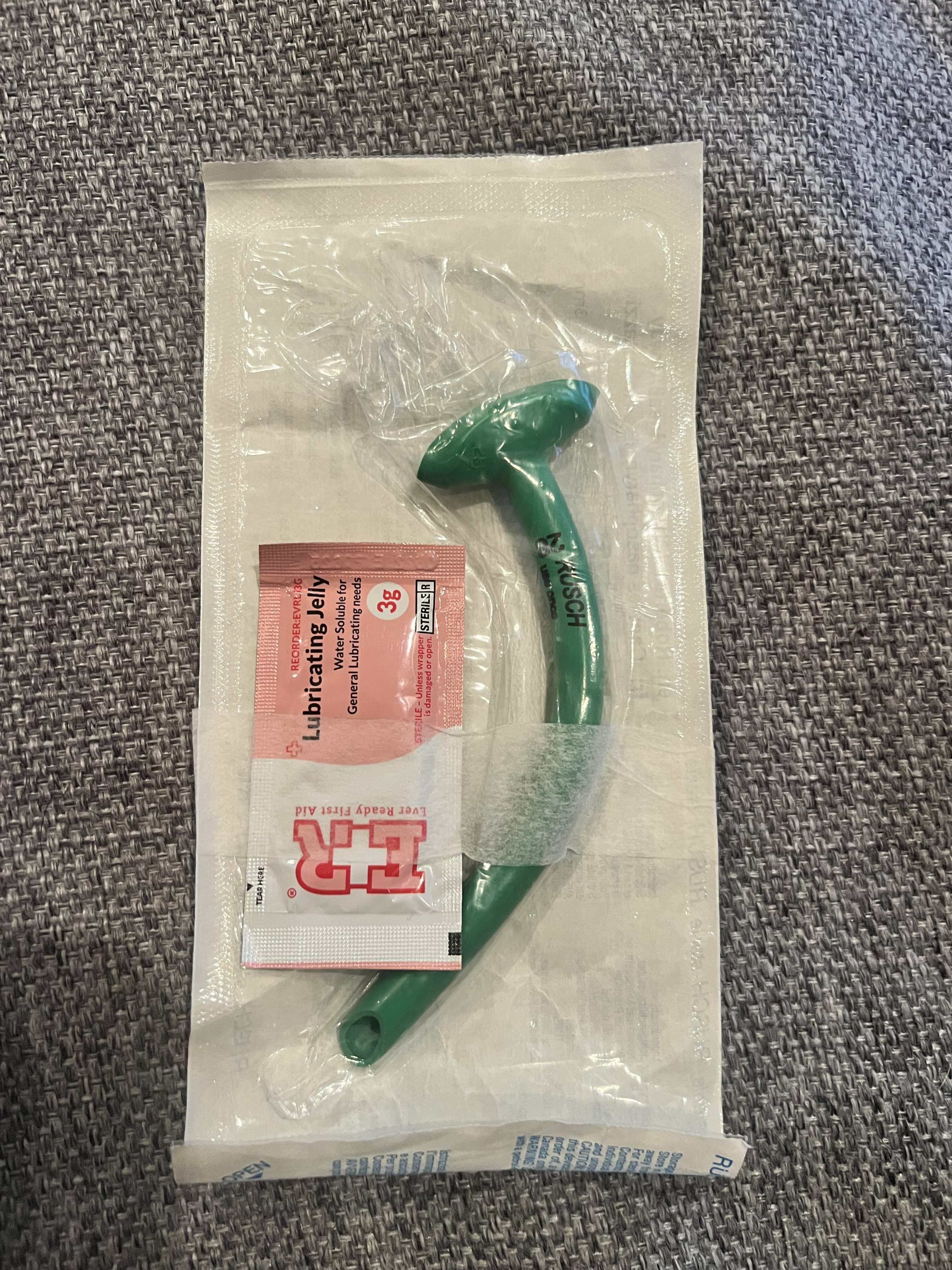
6) Nasopharyngeal Airway (NPA):
An NPA is a tube used to keep an airway open by inserting it through the nasal passage into the back of the throat. It's a thin, flexible, clear tube made of soft rubber or plastic. NPAs can improve ventilation and oxygenation when bag-valve-mask (BVM) ventilation is ineffective. The new TCCC guidelines say to use an NPA and a BVM together. A BVM does NOT go in an IFAK, it goes into a medic bag. Standard size is 28F.
There are many makers of NPAs, which one you get doesn't really matter. Just make sure the lubricant packet is included.
Where to buy:
7) Decompression Needle:
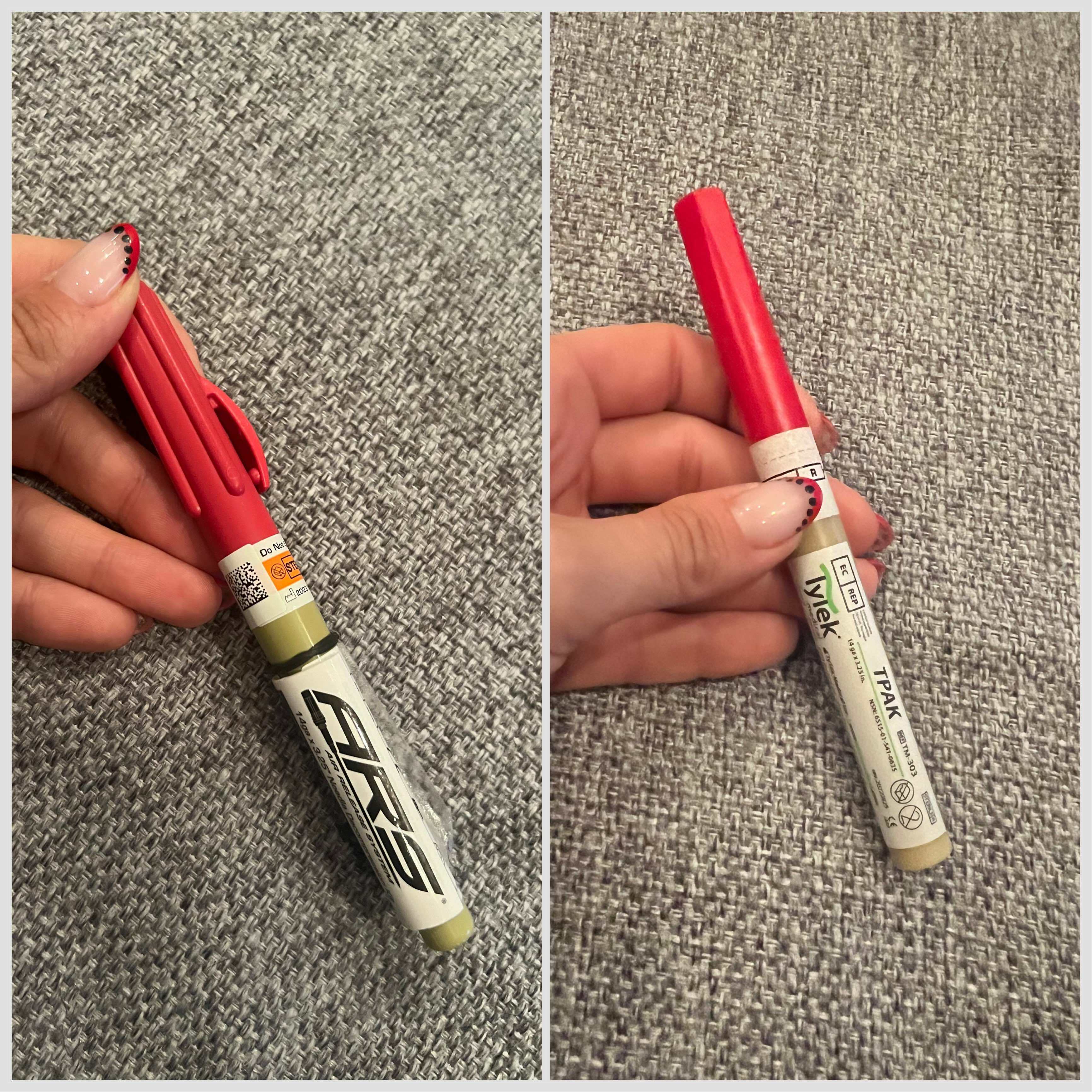
A decompression needle is a needle or catheter that's inserted into the chest cavity (pleural space) to relieve a condition called tension pneumothorax, the second leading cause of preventable death on the battle after massive bleeding. This life-threatening condition occurs when air builds up between the lung and chest wall, causing the lung to collapse and putting pressure on the heart and other organs. It can be caused by blast injury or penetrating trauma to the chest.
Decompression needles should be either 10 or 14 gauge in size. The most common one used here is made by North American Rescue and it is called the ARS or Air Release System needle kit.
Where to buy:
8) Cravat/Triangular Bandage:
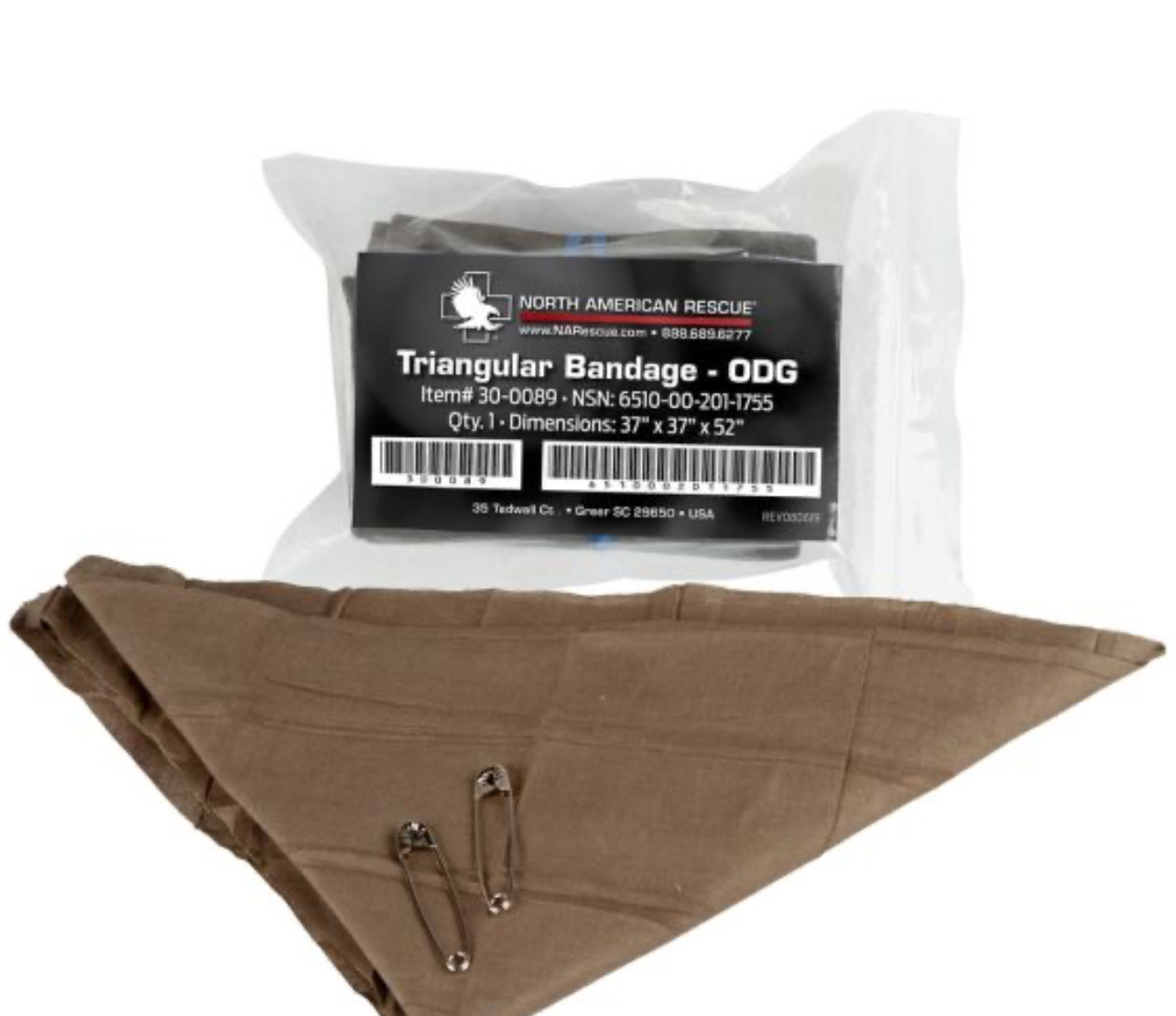
A triangular bandage, also known as a cravat, is a large cloth triangle used in first aid for a variety of purposes. It can be used to:
Control bleeding
Immobilize injuries to bones or joints
Cover a head dressing
Bind a splint
Make a sling
Any brand will do when it comes to purchasing one of these
Where to buy:
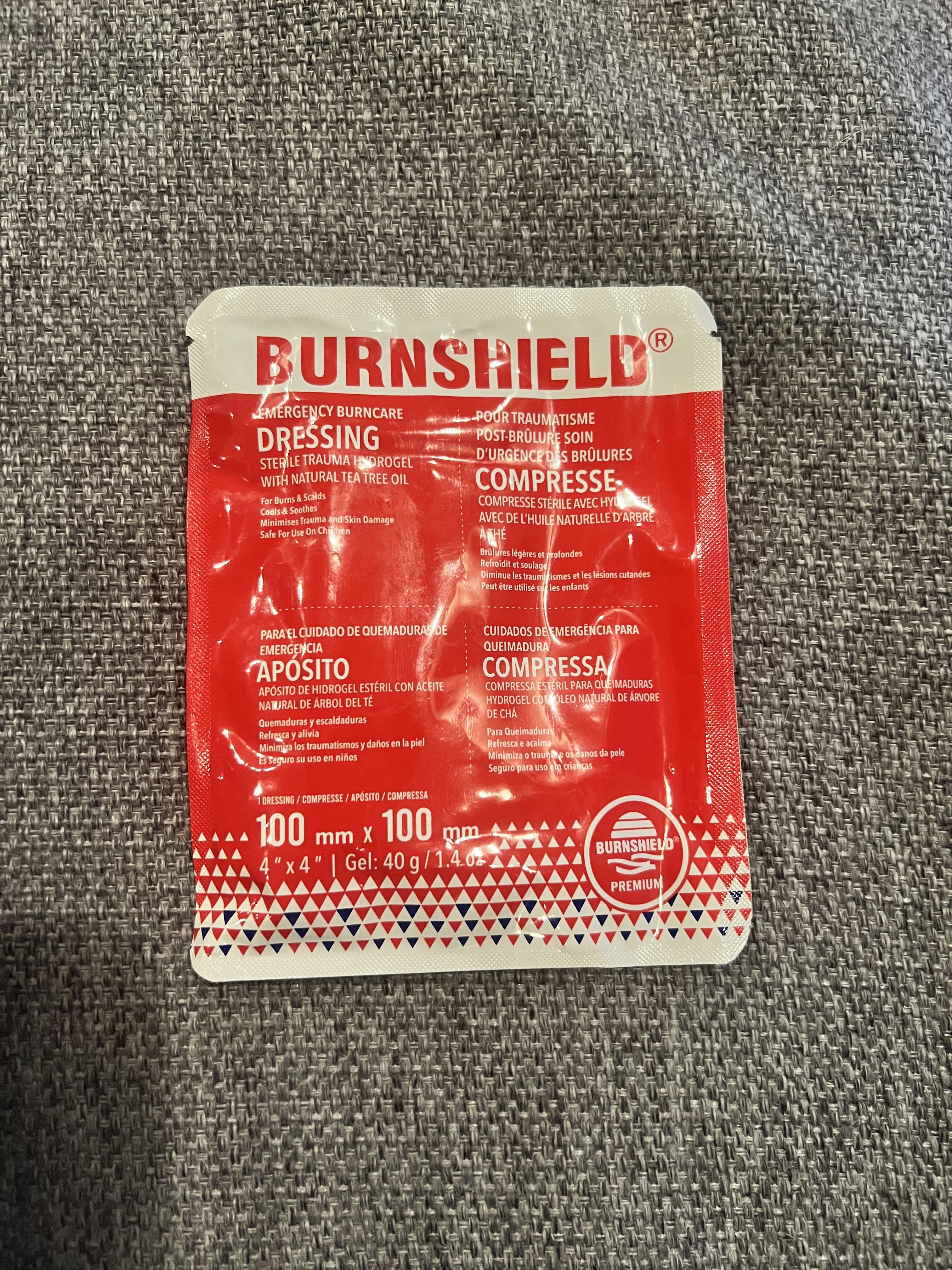
9) Burn Dressings:
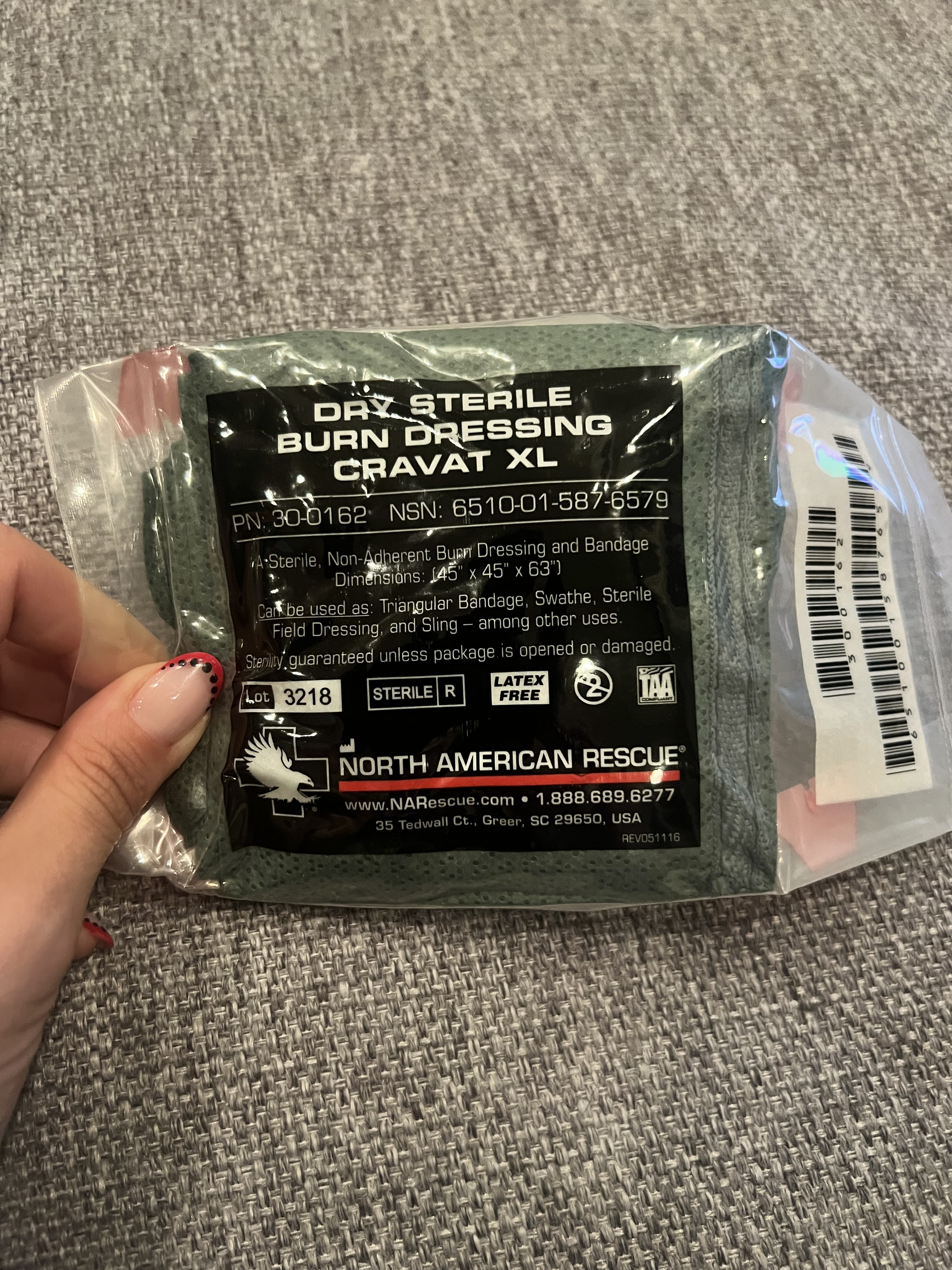
A burn dressing is a special type of dressing that helps protect and soothe burns while the body heals naturally. The ideal burn dressing is non-adhesive, absorbent, retains moisture, is inexpensive, and has antibacterial or antiseptic properties. Burn dressings can be bandages, gauze wraps, or gels, and the type of dressing used depends on the burn's severity and type. Out here because of the prevalence of chemical burns from white phosphorous munitions, hydrogel burn dressings are preferred. For thermal burns you would use a dry dressing.
Types you can purchase are BurnShield and BurnTec
Where to buy:
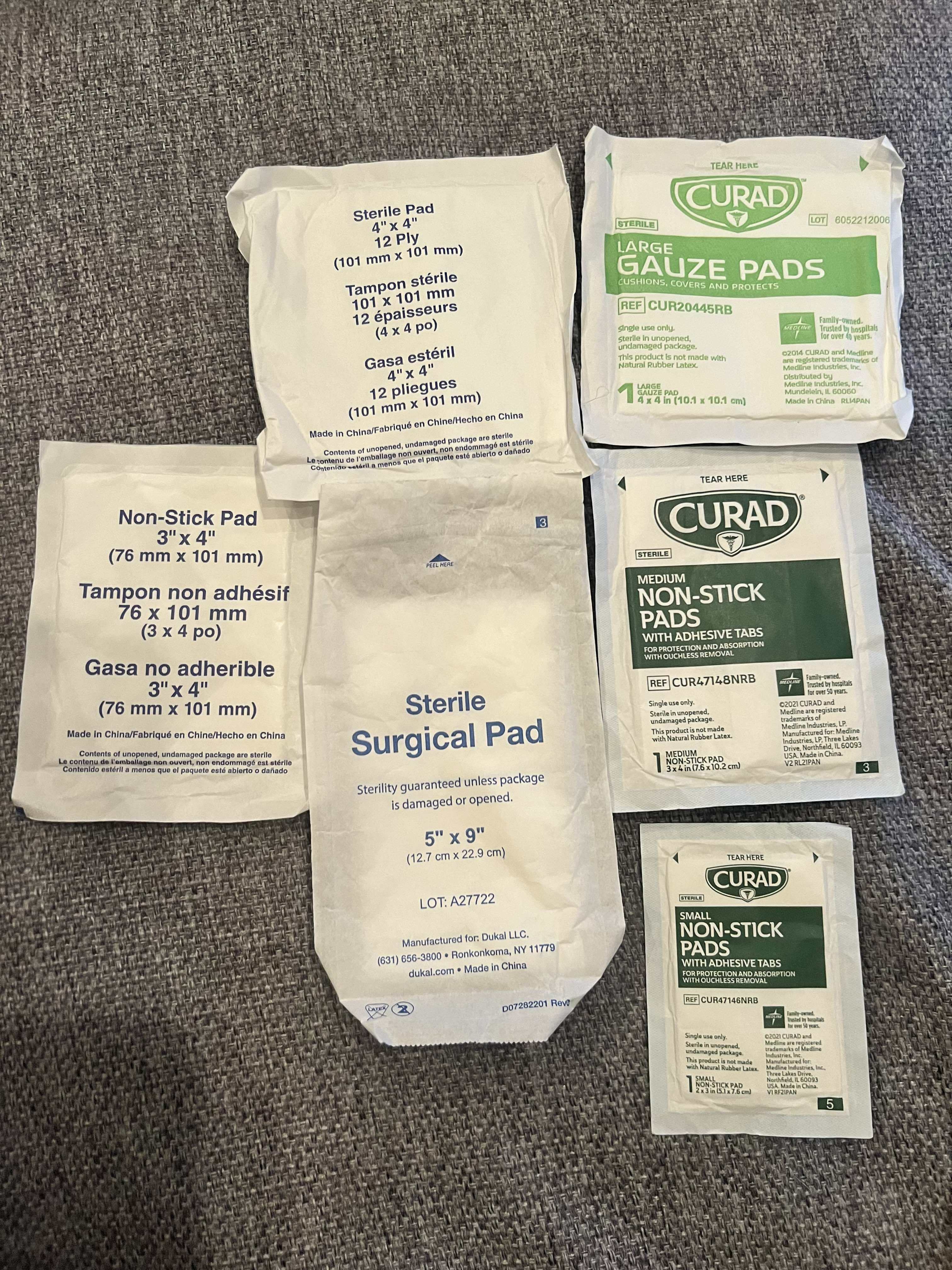
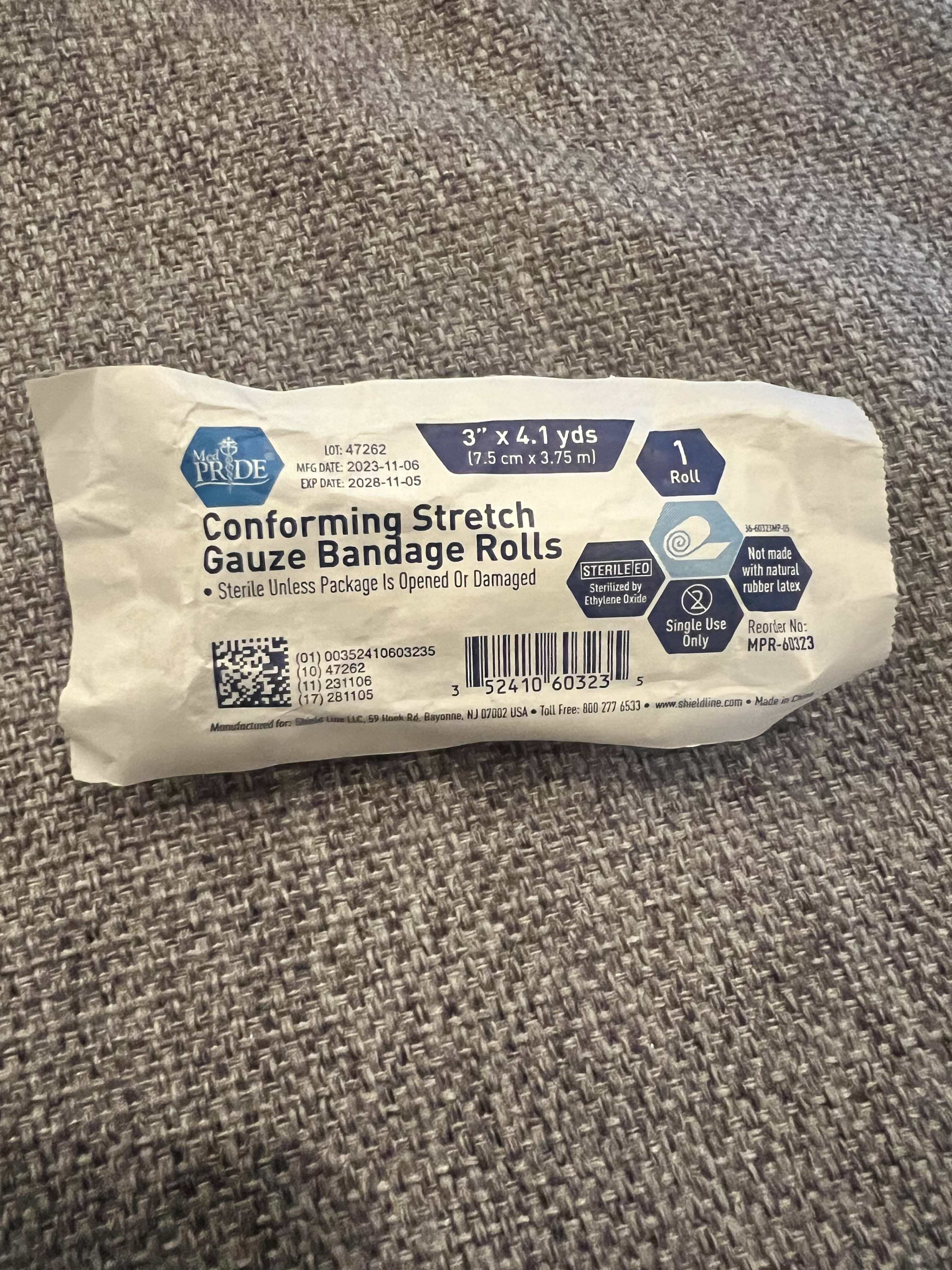
10) Gauze and wound pads-types and sizes:
Gauze pads are used for a variety of scrapes, lacerations and for cleaning wounds.
3 inch gauze rolls (2)
4 inch x 4 inch gauze pads (2)
2 inch by 3 inch gauze pads (1)
2 inch by 2 inch gauze pads (1)
combine/surgical pads (2)
ultra absorbent dressing (1)
Where to buy:
https://www.amazon.com/100pc-Large-Sterile-Gauze-Wounds/dp/B09VPRMM4K/ref=sr
https://www.amazon.com/Medline-PRM21408CZ-Caring-Non-Sterile-Sponges/dp/B074N8ZX1P/ref=sr
https://www.amazon.com/Band-Aid-Protection-Scrapes-Non-Adhesive-Dressing/dp/B00LITXTXM/ref=sr
https://www.amazon.com/Medpride-Conforming-Bandages-Dressing-Non-Adherent/dp/B08R7XNRVN/ref=sr
https://www.amazon.com/MED-PRIDE-Sterile-Absorbent-Abdominal/dp/B09YVPCT6N/ref=sr
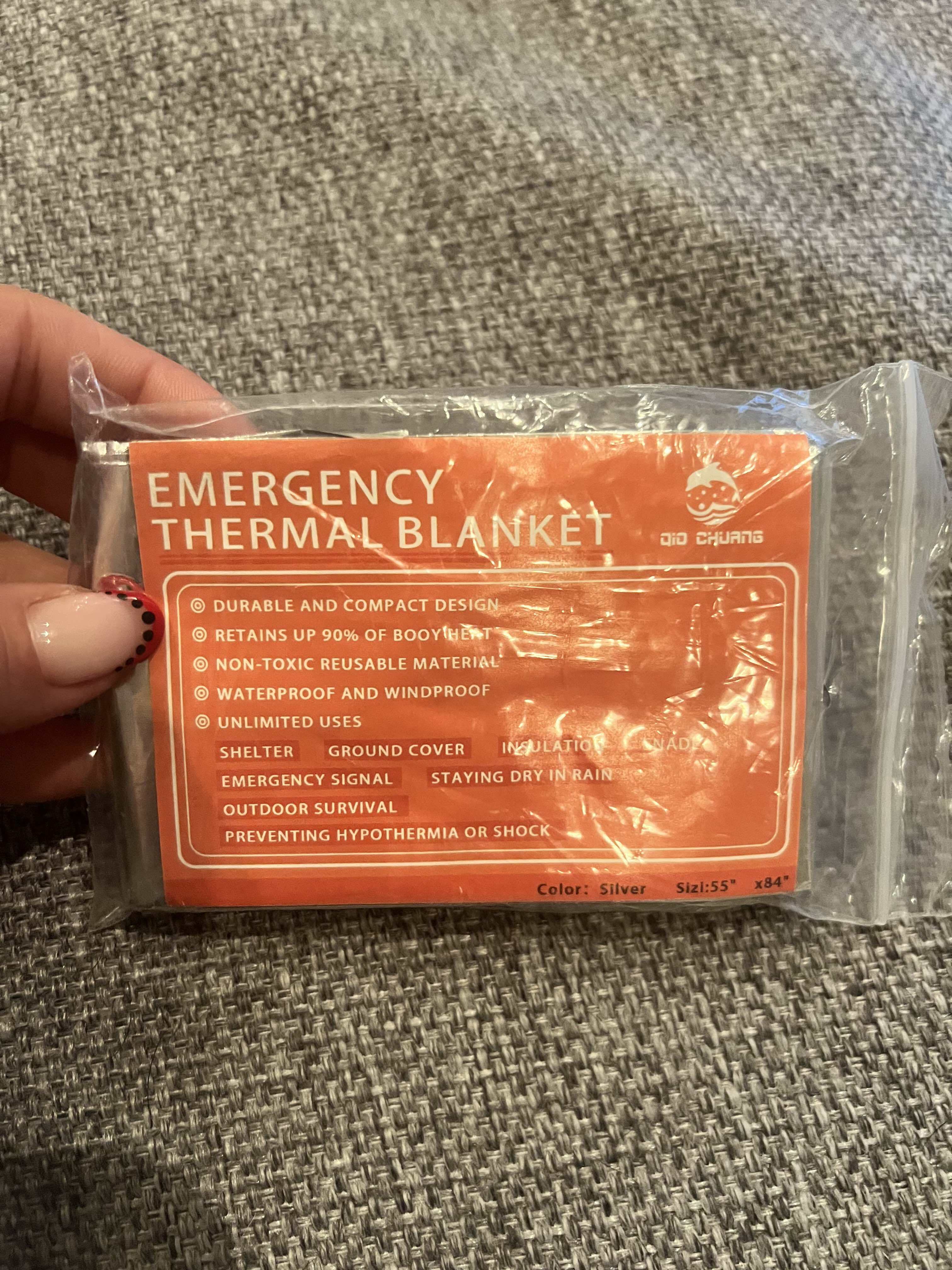
11) Emergency Blanket (space blanket):
A space blanket, also known as an emergency blanket, is a lightweight, thin, and reflective plastic sheet that traps body heat to help regulate body temperature. Space blankets are made of mylar and coated with aluminum. They are waterproof, windproof, and can reflect up to 80% of body heat.
There are many manufacturers that make space blankets, you can purchase from any one.
Where to buy:
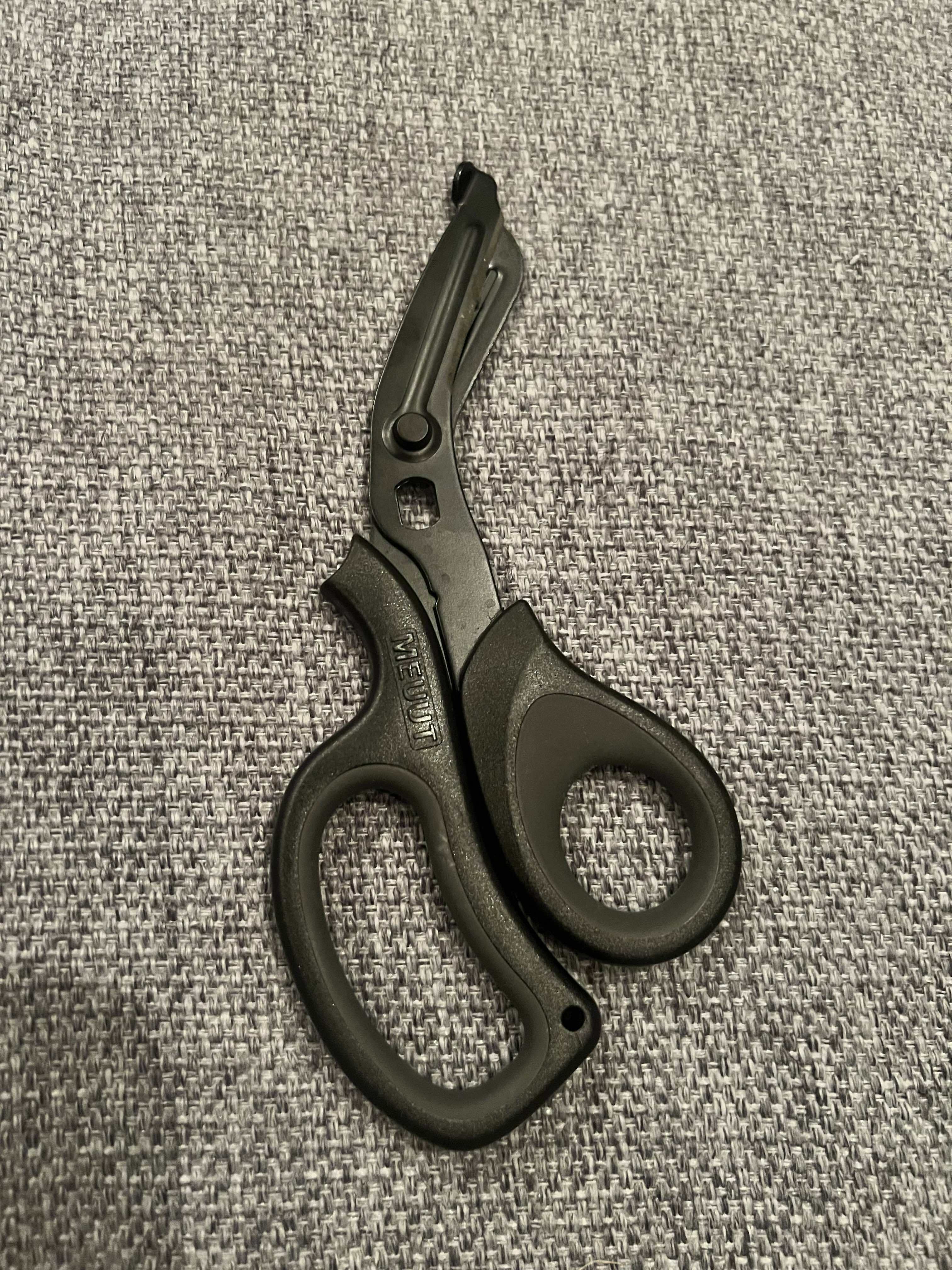
12) Trauma Shears:
Trauma shears are heavy duty scissors that can cut off clothing and some boots but have a curved side so as to not cut the casualty.
Make sure to buy large sized ones like in the photo.
Where to buy:
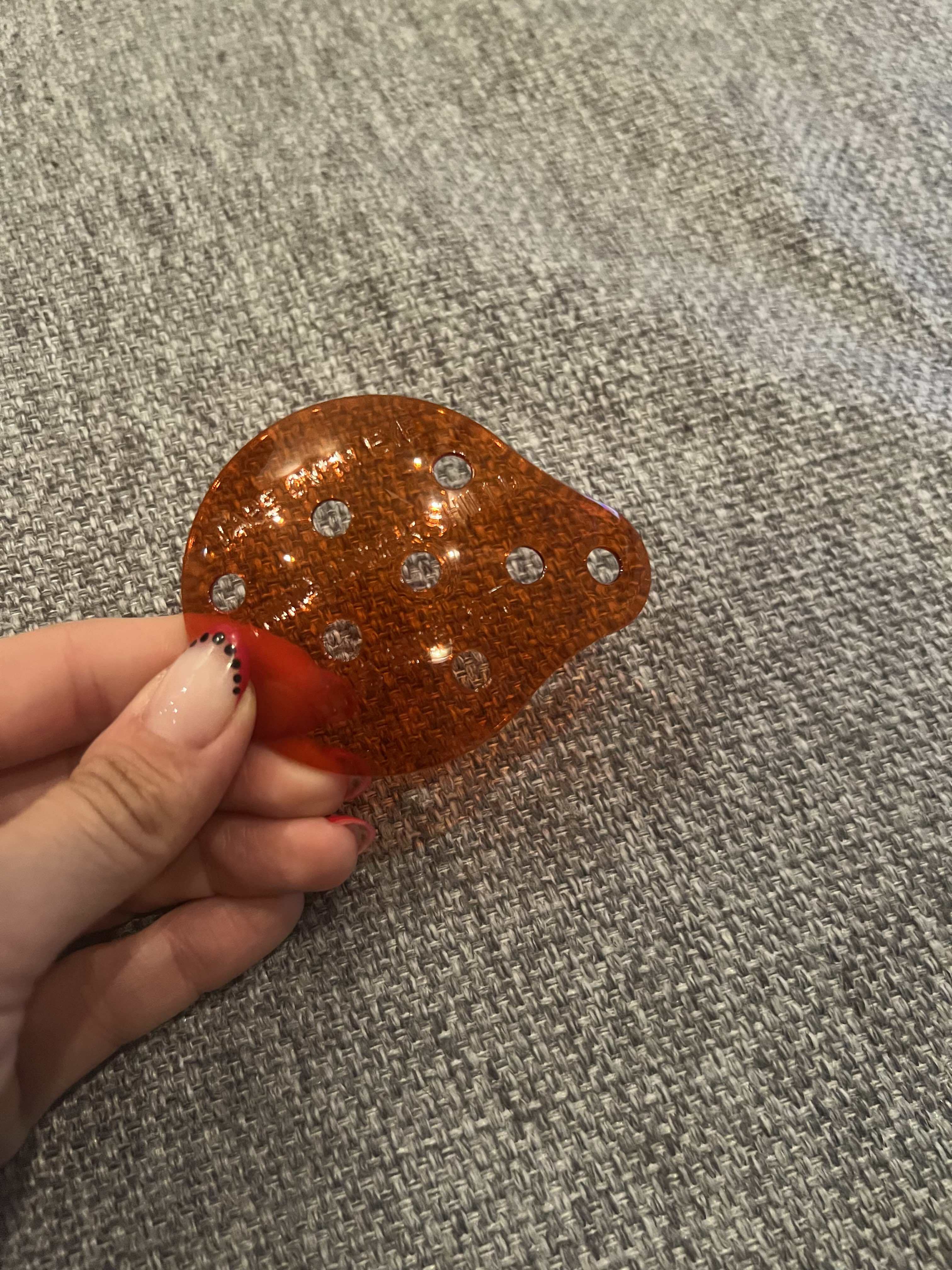
13) Rigid Eye Shield:
These are either plastic or metal and are used to cover injured eyes from further injury.
You can buy from a variety of manufacturers, examples below in the photo
Where to buy:
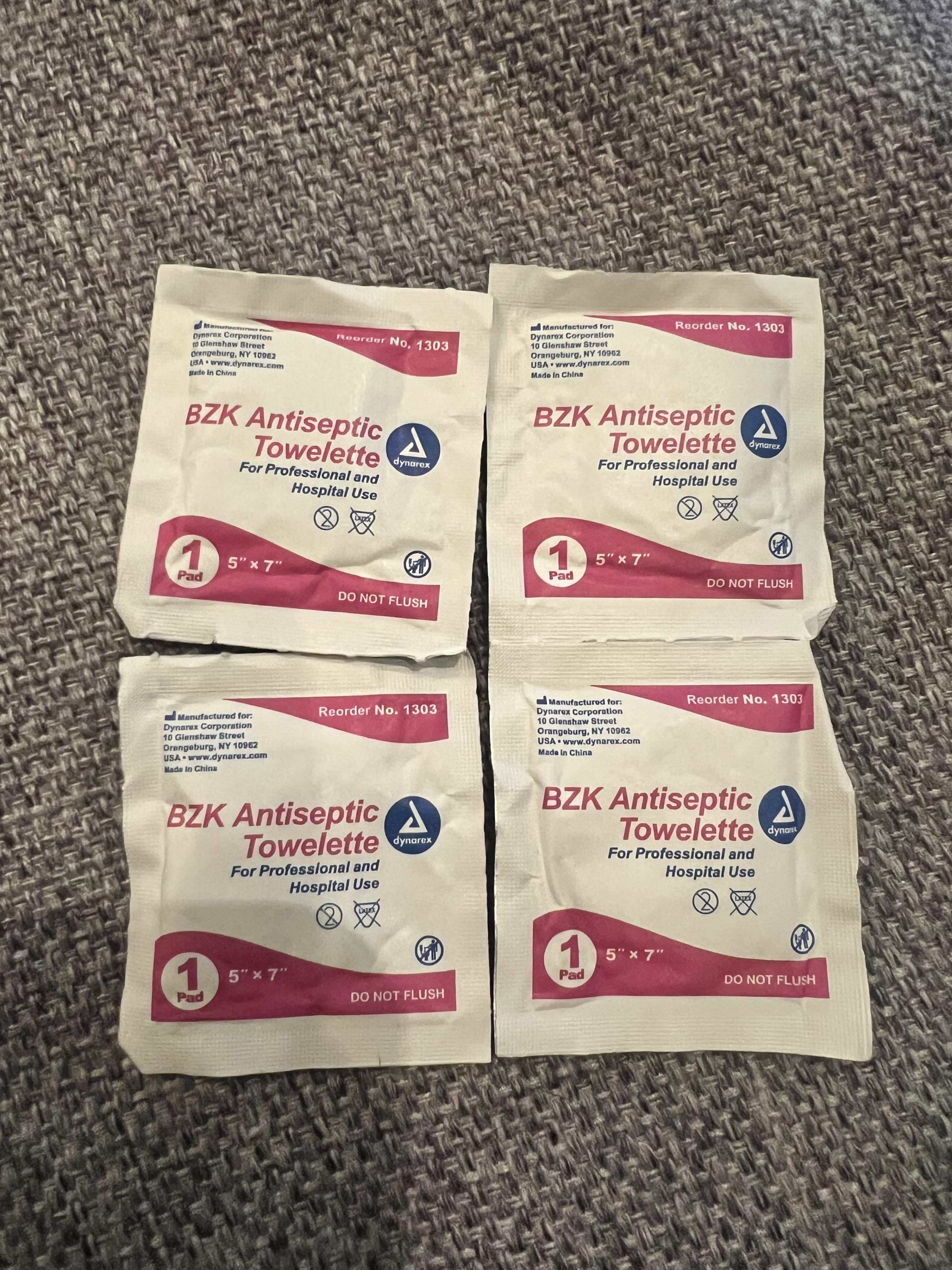
14) Antiseptic wipes or alcohol wipes:
These are used to disinfect minor wounds
Any brand also works here
Where to buy:
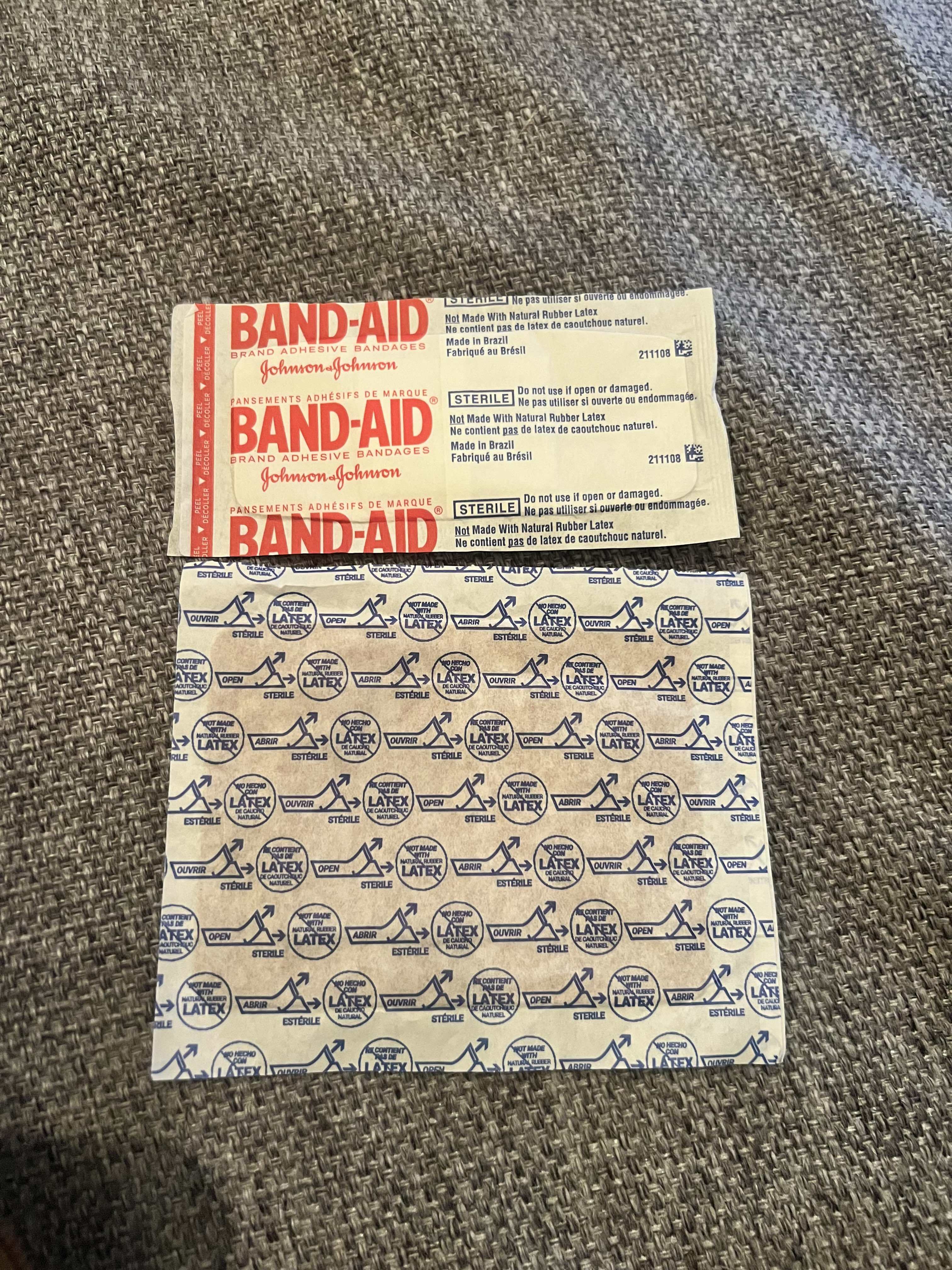
15) Bandaids of varying sizes:
For small cuts
Any brand works, but the cloth bandaids like tough strips are more durable and don't fall off as fast as the plastic ones.
Where to buy:
16) Gloves (non-latex):
Gloves are necessary to protect yourself when dealing with bodily fluids
Any brand works but make sure they are NOT black, it is hard to see blood in the dark with black gloves. Also size large.
Where to buy:
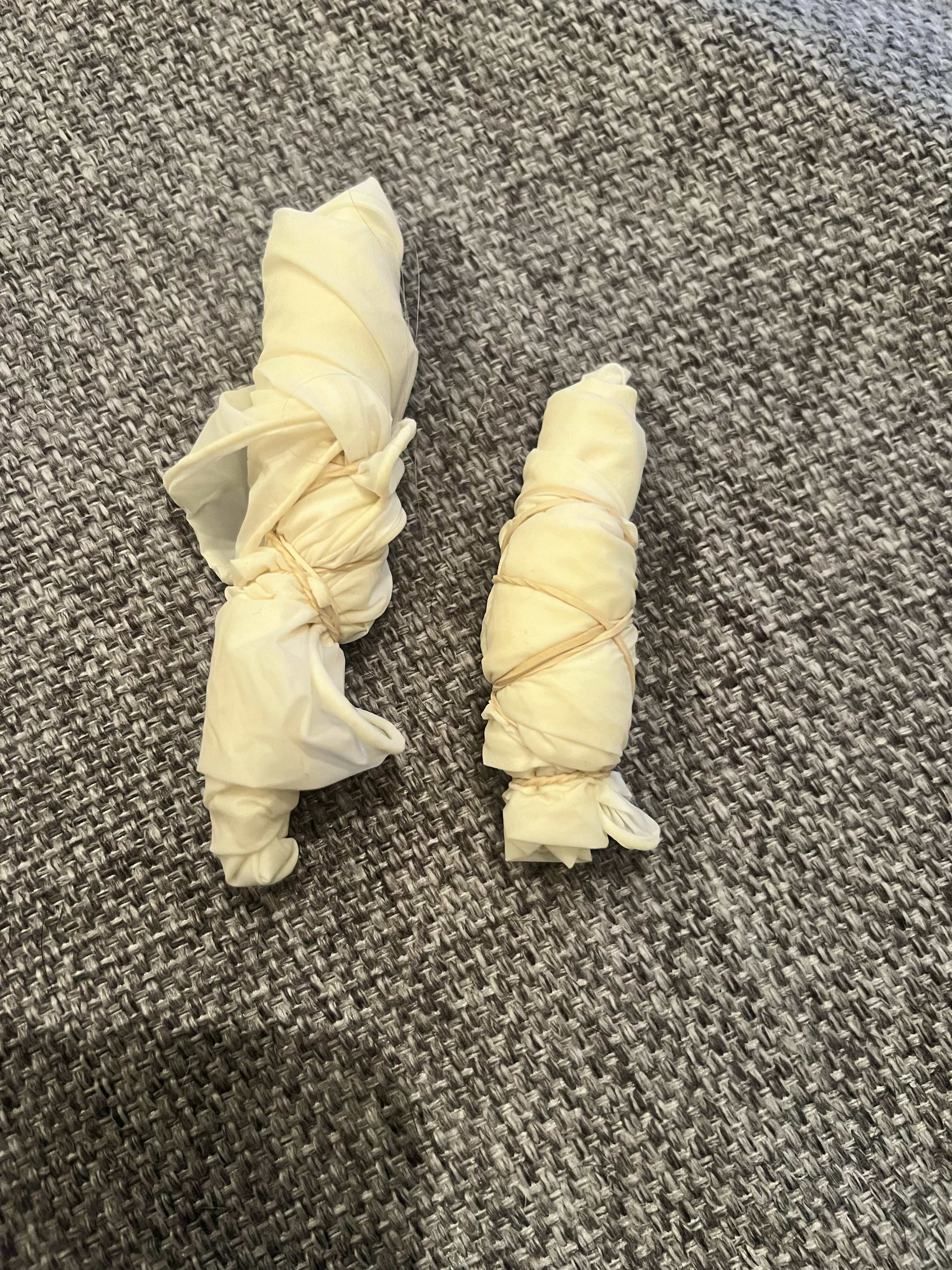
17) Medical Tape:
Used to secure bandages, gauze pads, eye shields, etc.
Any brand will work here, ones that are easy to tear like the clear tape is better for ease of use.
Where to buy:
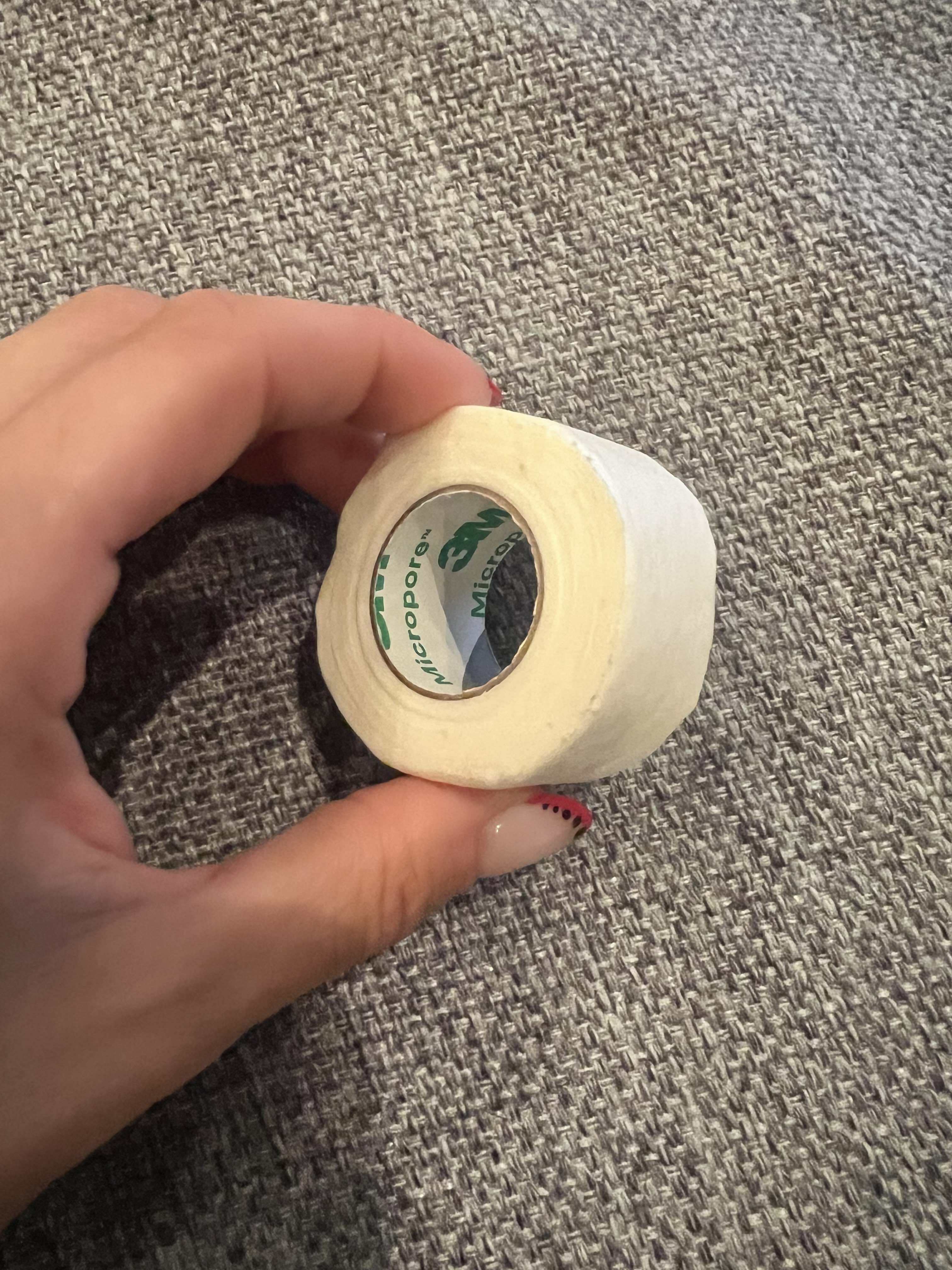
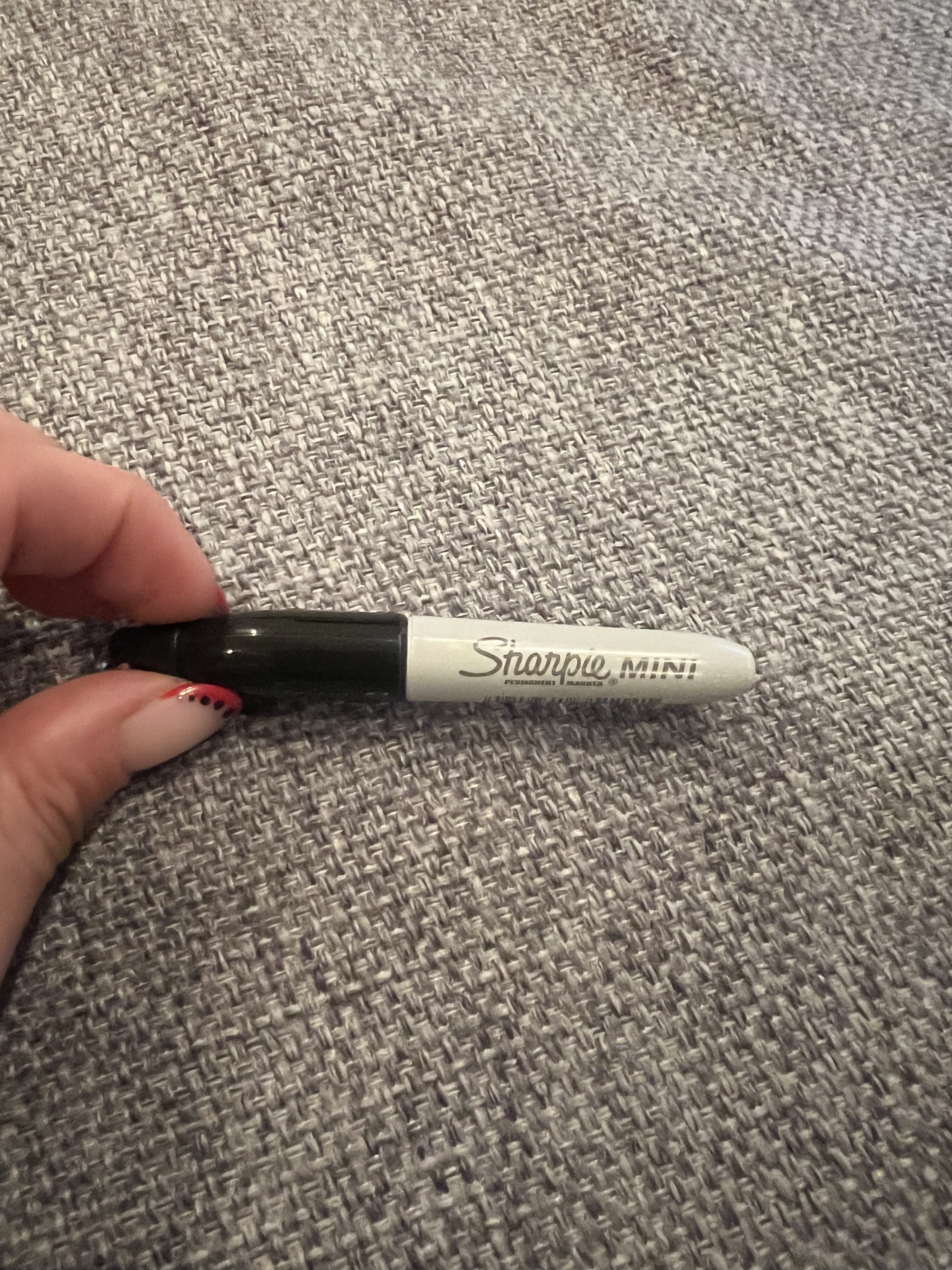
18) Permanent marker/Sharpie:
Needed to write on tourniquet/casualty card
Any brand will work
Where to buy:
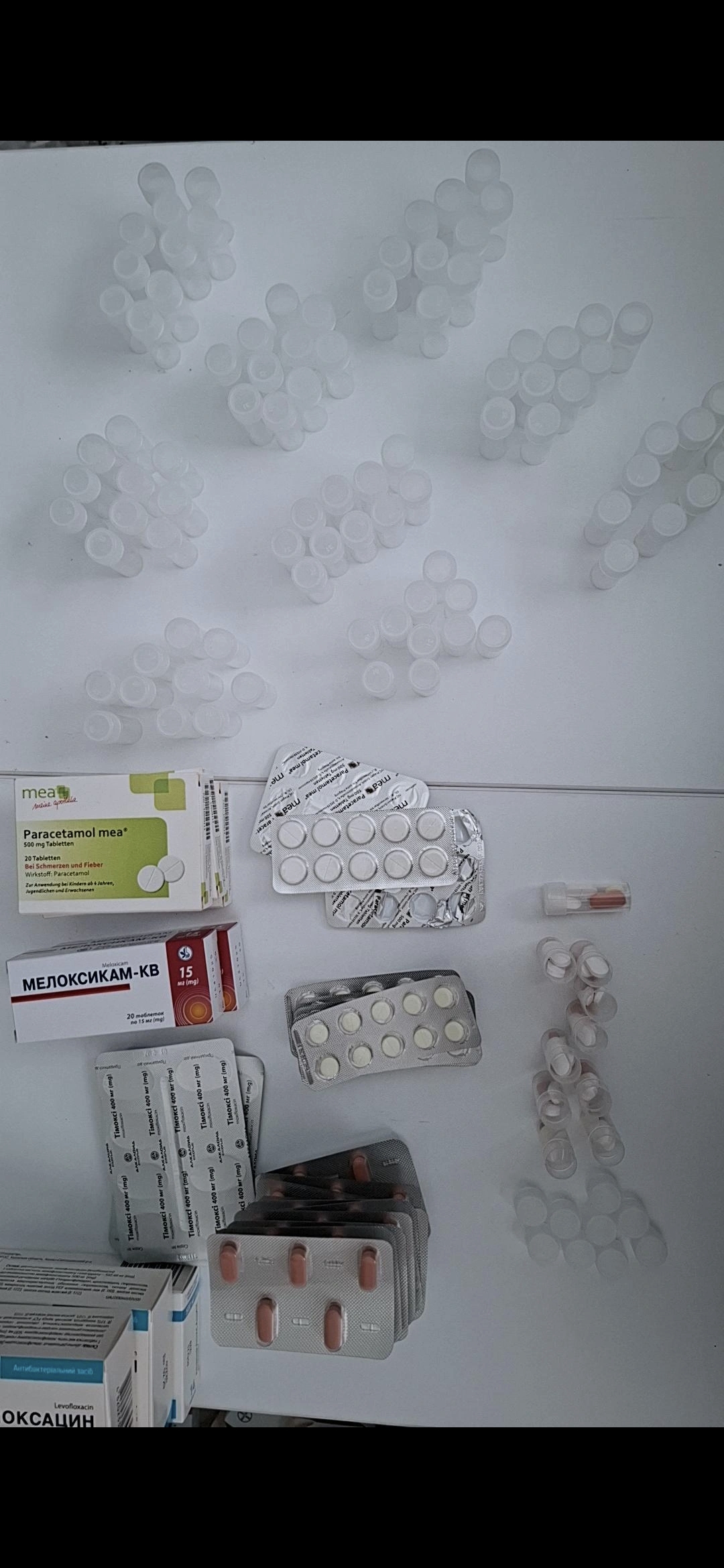
19) Combat Wound Medication Pack (Pill pack)
The pill pack is used for light to moderately injured conscious/able to swallow casualties that can still fight.
It consists of a pain medication, an anti-inflammatory, and and an antibiotic. Specifically:
1) Paracetamol (acetaminophen) 1000mg
2) Meloxicam (Anti-inflammatory) 15 mg
3)Moxifloxacin (antibiotic) 400mg
That’s all folks, please don’t hesitate to leave questions in the comments!