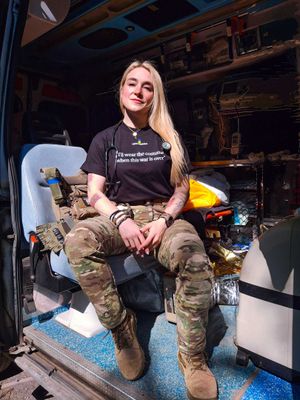

Now I know it's not Monday, but...
A few weeks ago, a friend asked why I had stop the bleed supplies in my purse when I'm off duty. As a medic enlisted/working/living in an active warzone, even going to a "safer city" in the West has its risks. This has become more evident in the relentless bombings and drone attacks on Kyiv this month. While most take place during the night, it can happen in daytime as well. I think we are passed the point that it is ok not to have a tourniquet on you, even as a civilian.
Before I go into any carry layouts, the FIRST THING you must do as a civilian in the city you live in is find a Stop the Bleed course (https://www.stopthebleed.org/). You should know how to use these pieces of medical equipment already when you start carrying them. I will go through the minimum pocket/fanny pack/purse up through a first aid kit bag/backpack.
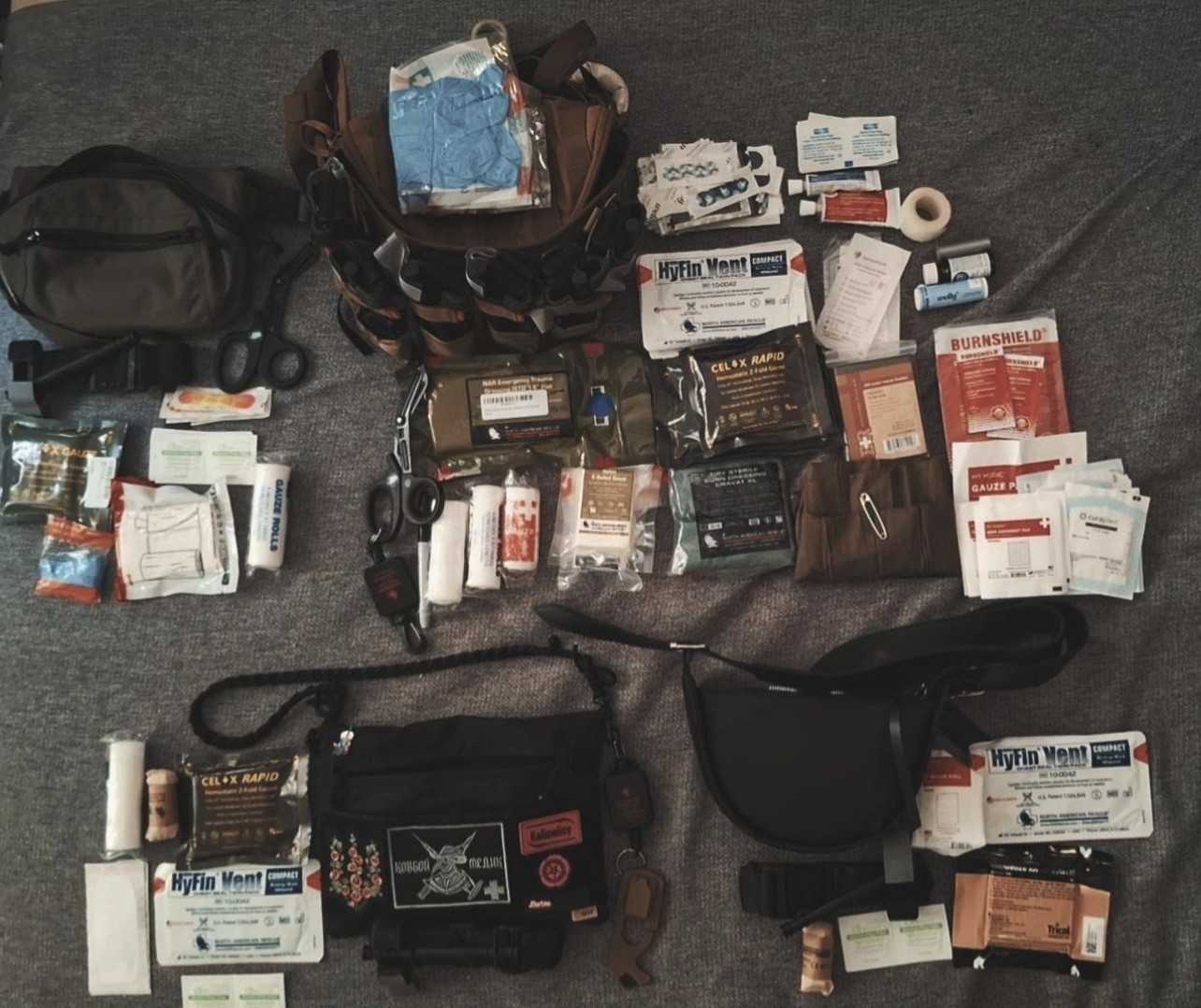
AT MINIMUM:
CAT 7 tourniquet
Celox/QuickClot/Centapharm hemostatic gauze
rolled gauze
gloves
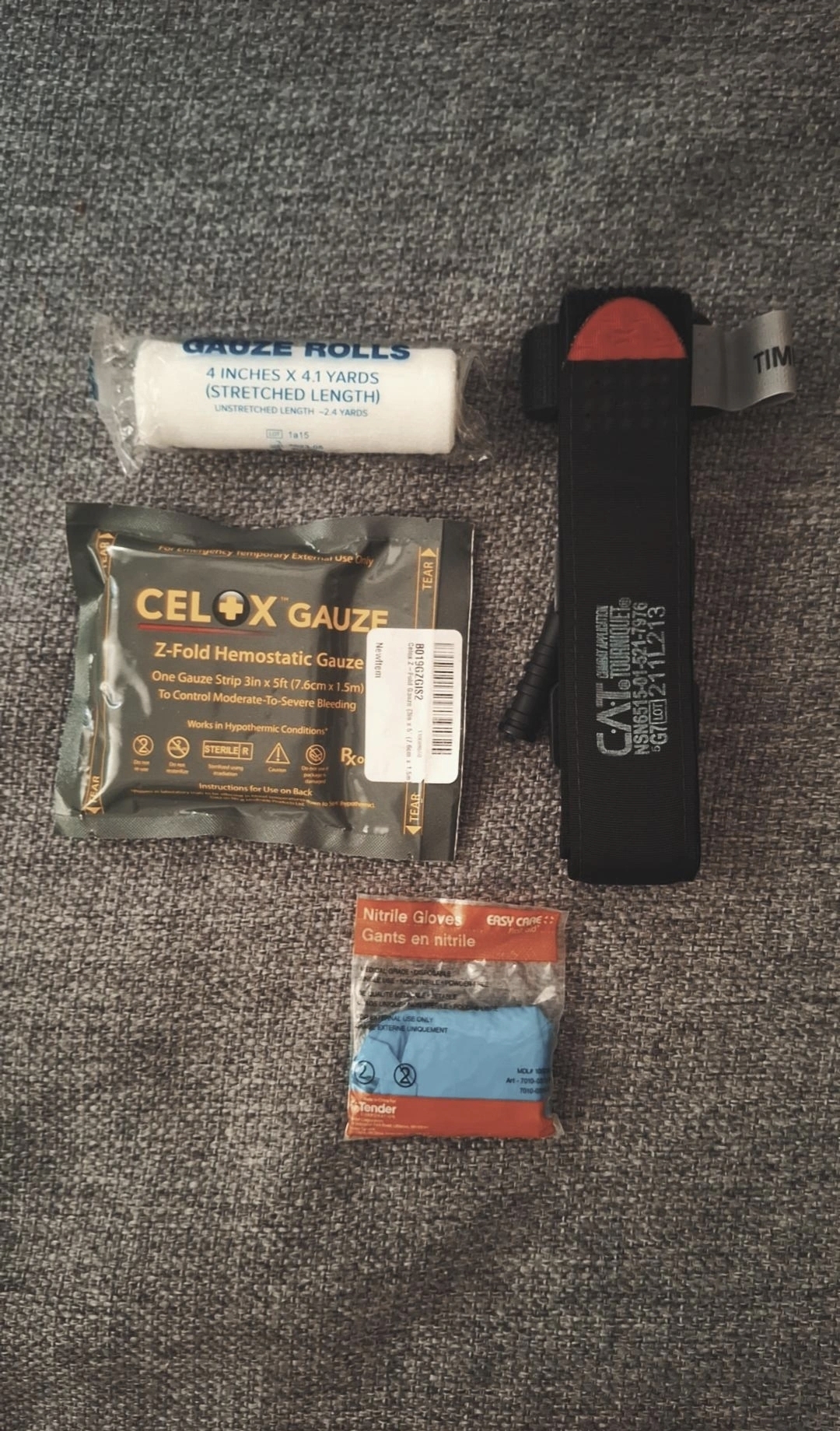
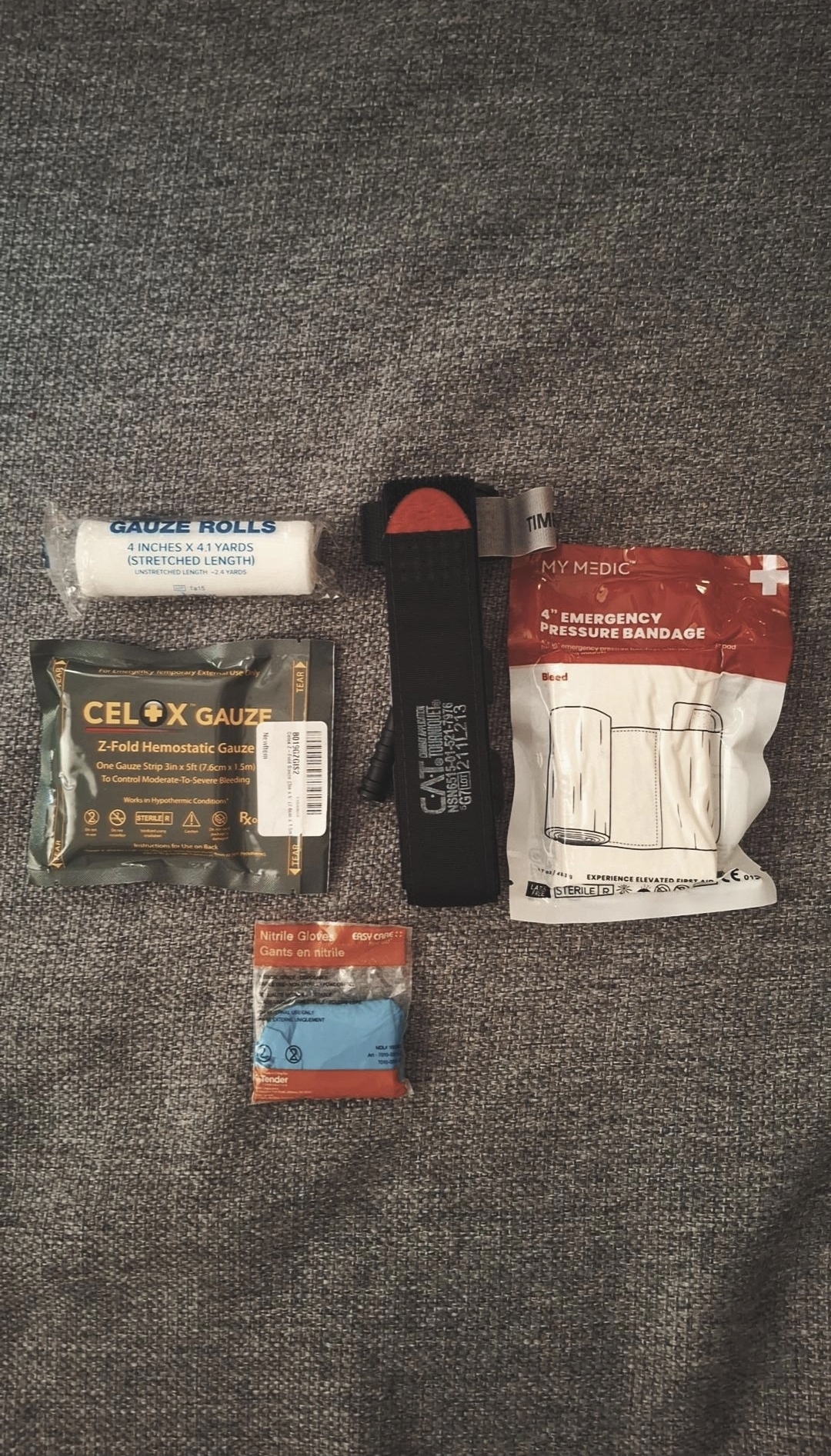
2 options here, the second adding a trauma bandage
Ladies, we all carry purses right? So here is what I fit in mine:
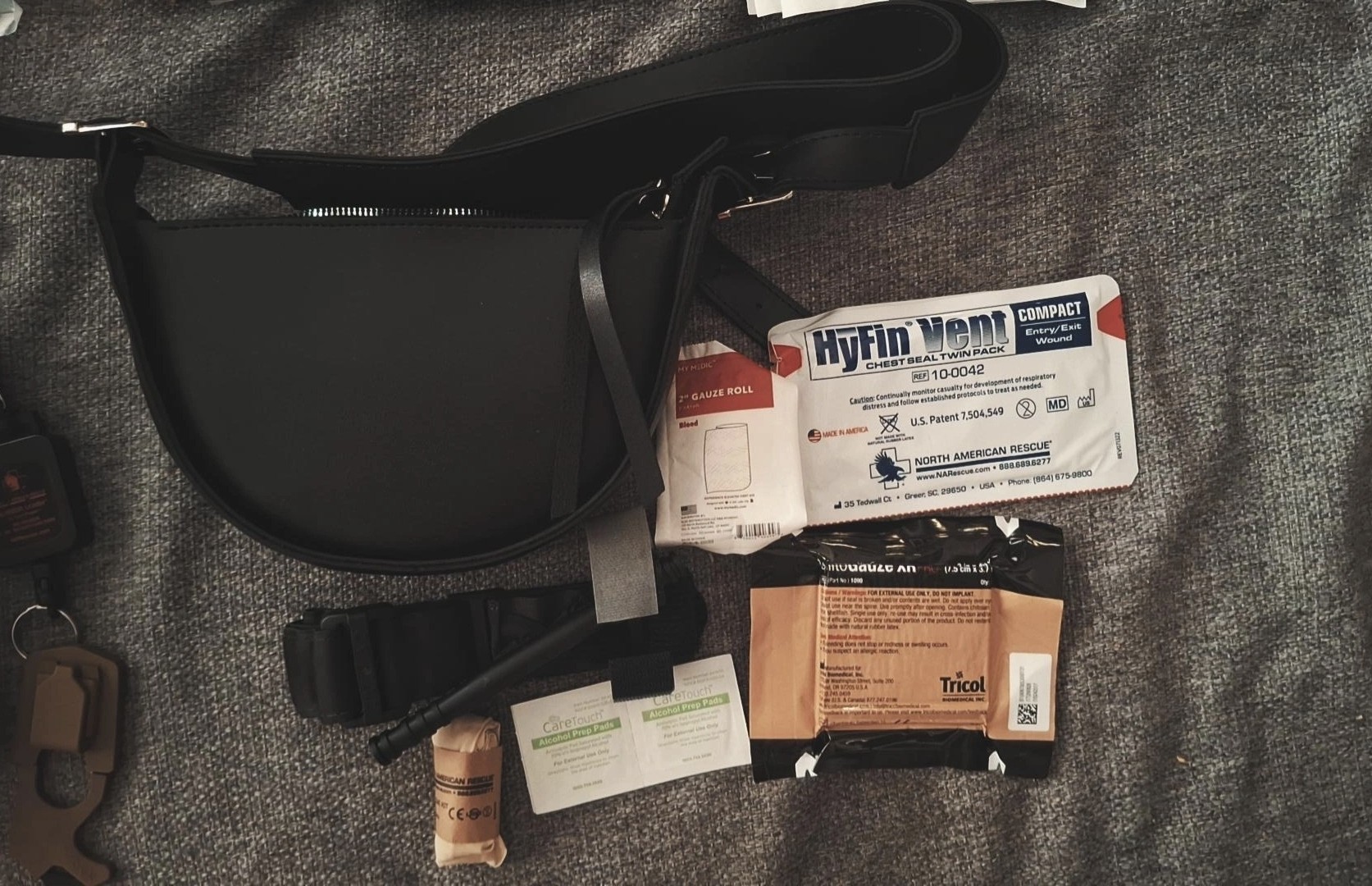
1 CAT 7 tourniquet, 1 hemostatic gauze, 1 rolled gauze, alcohol pads and gloves
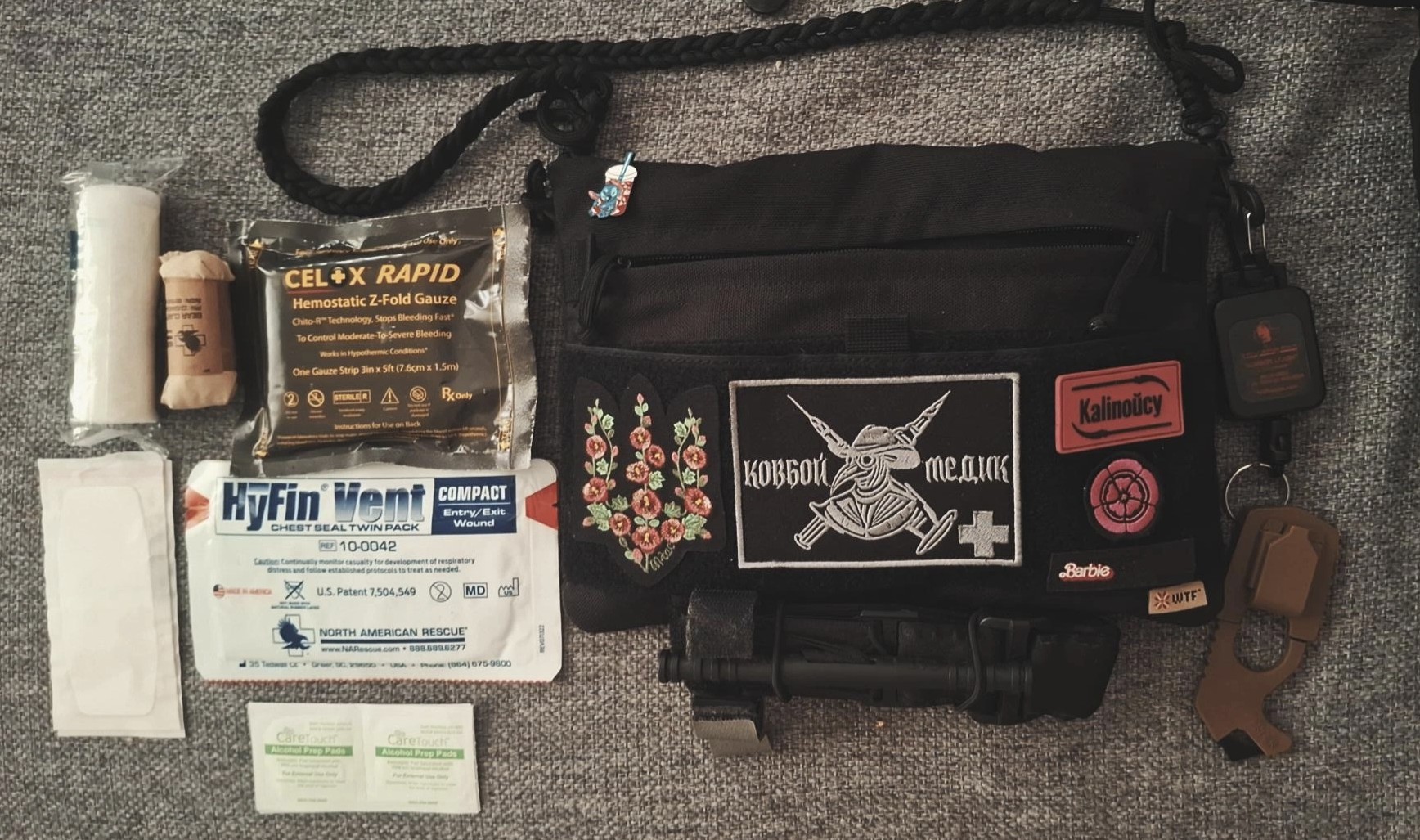
Another popular unisex bag option. Addition of a strap cutter.
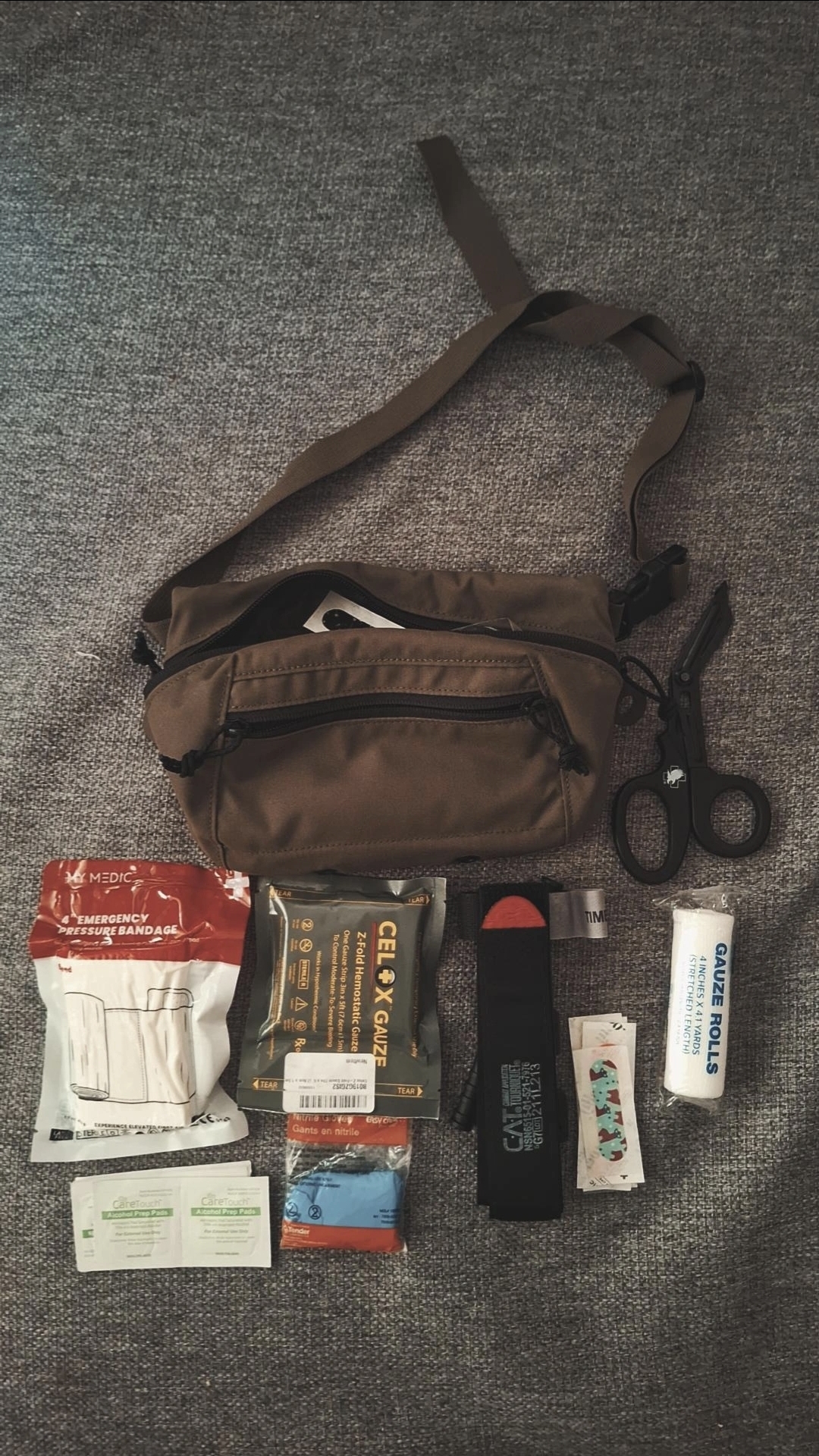
The beloved fanny pack. You can fit all this plus your wallet keys and phone.
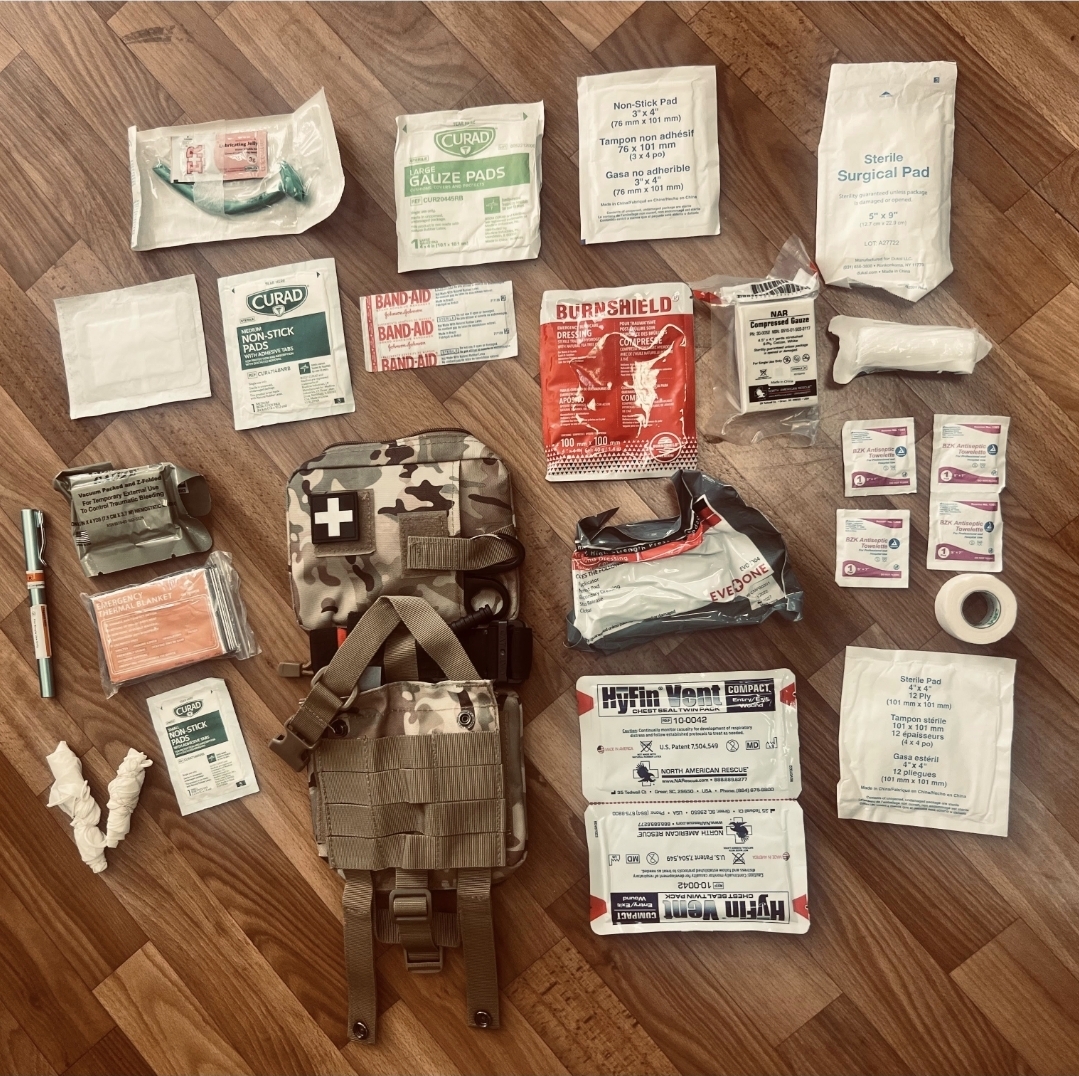
The full IFAK kit
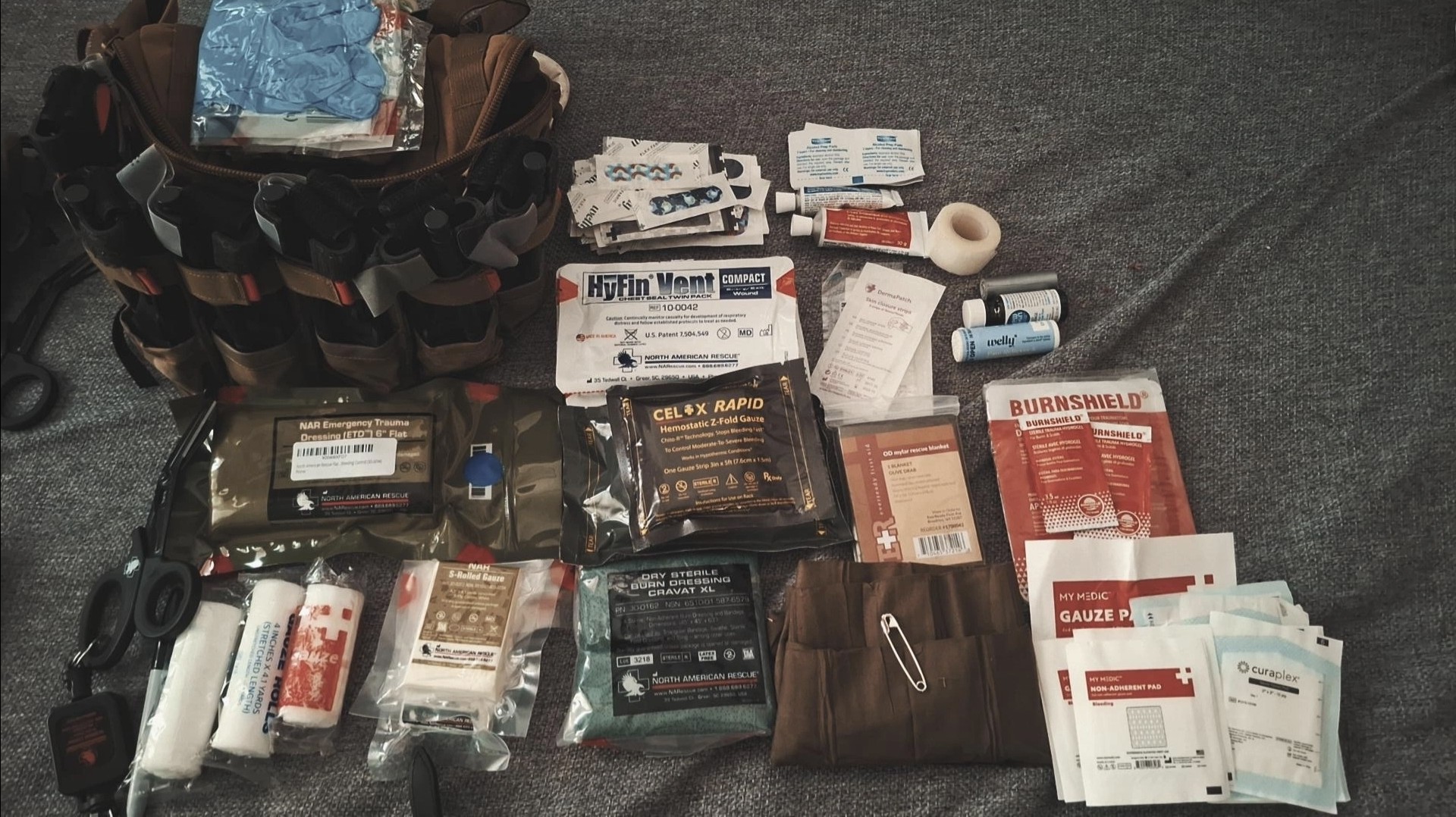
The in car or in home first aid kit has a larger quantity of bleed stop items, chest seal, thermal blanket, triangle bandage plus first aid items like bandaids, burn gel, antibiotic ointment, alcohol pads, acetaminophen, gauze pads/rolls, etc.
Whatever you choose to carry, again, please make sure you get the training to understand how and when to use this medical equipment.