
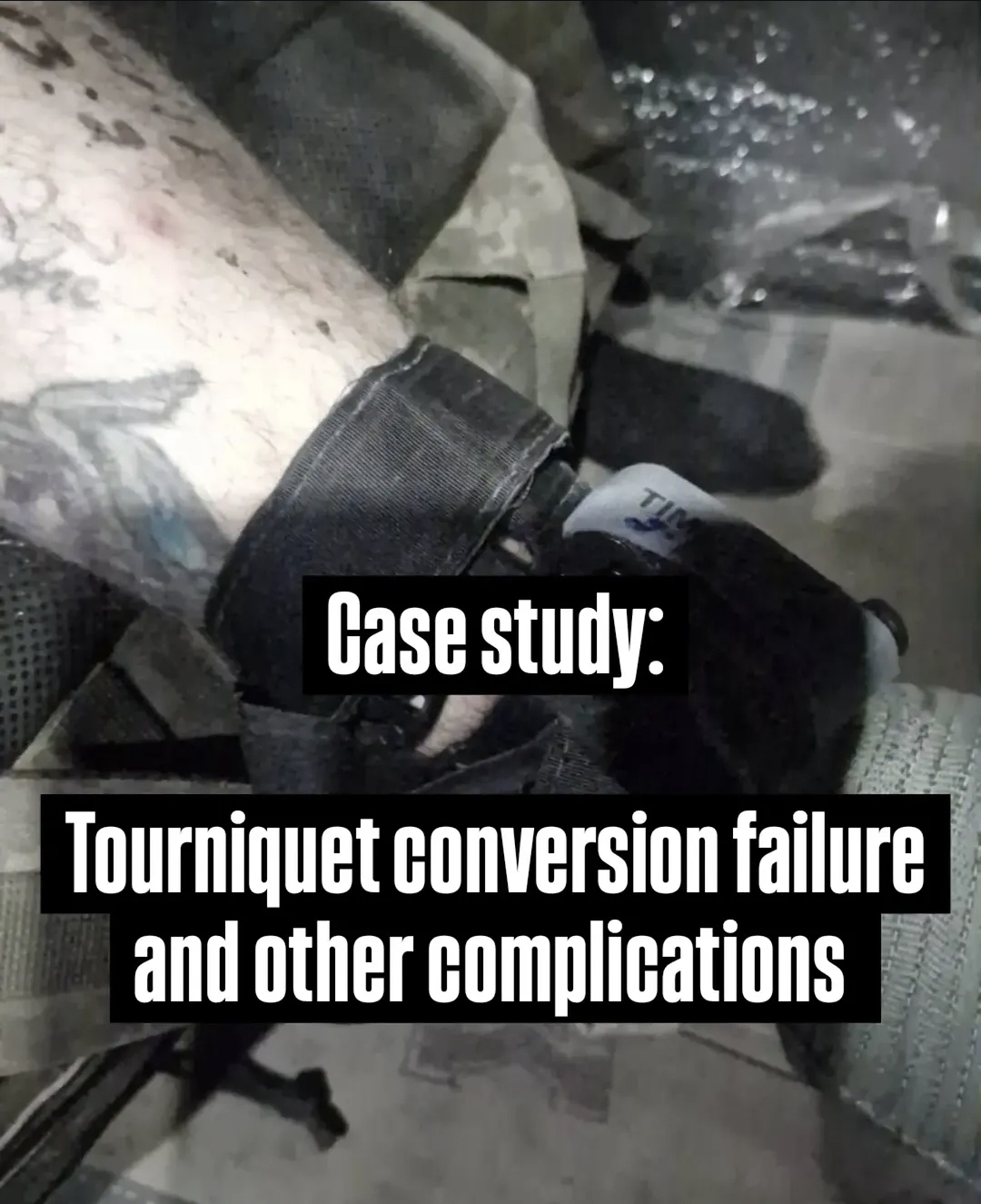
A case study from our previous medevac that started as a telemedicine case for me.
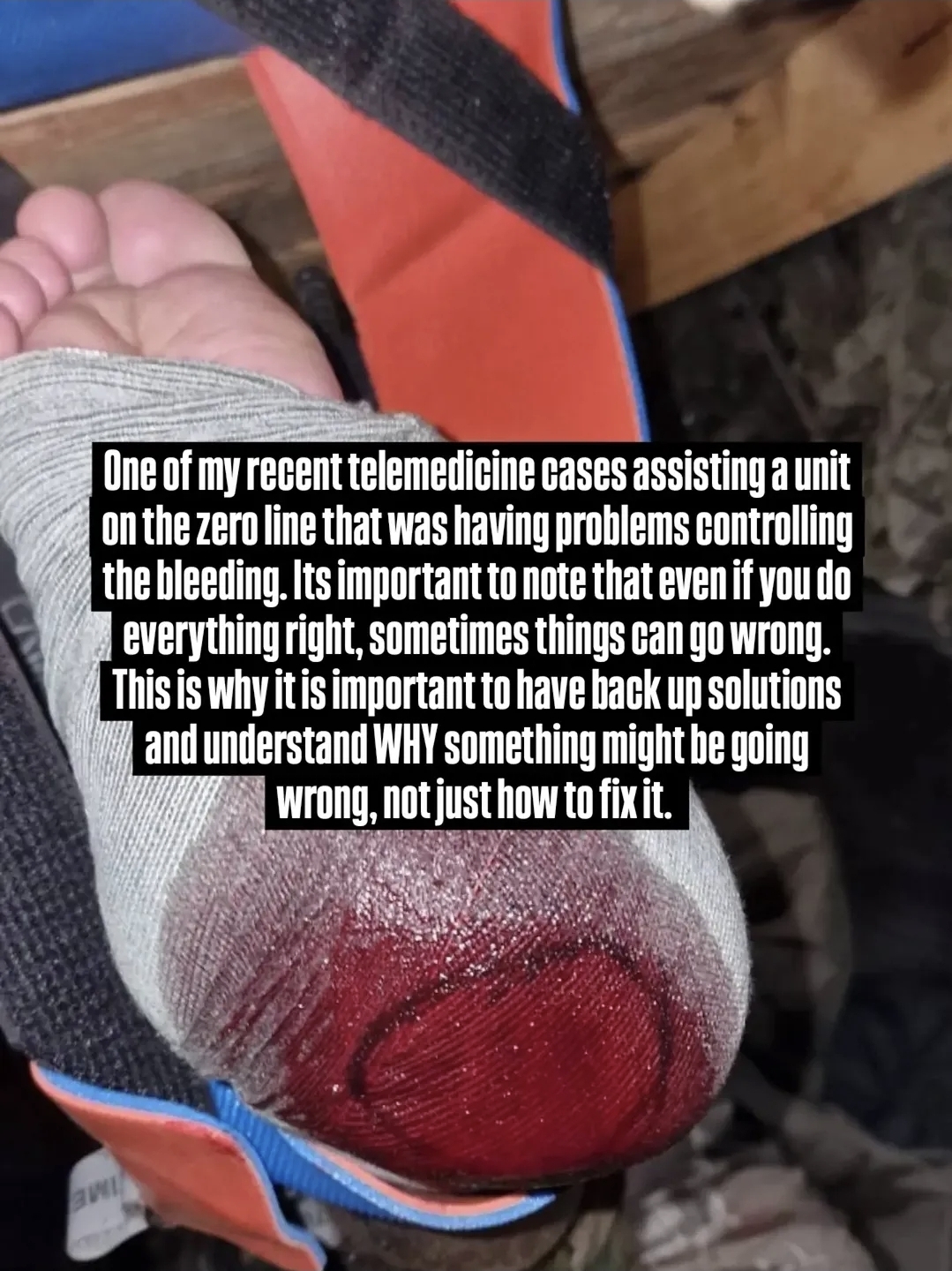
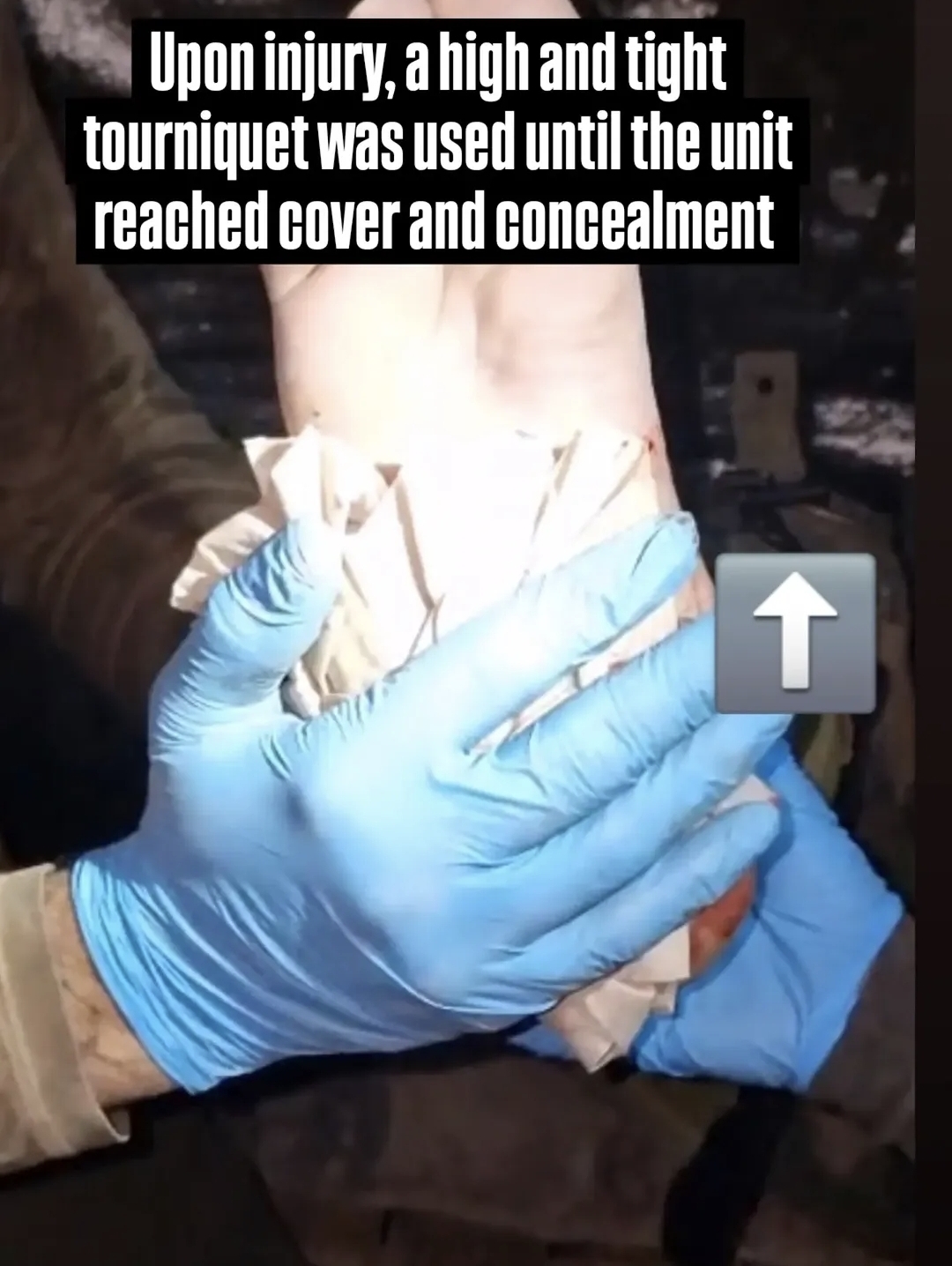
The reason why it is so important to have more than basic level medical training is because the interventions we are trained to do can fail. Knowing and understanding that complications can happen or the intervention that you have done could fail is important to be able to come up with backup solutions for these issues. Its important to understand, especially with tourniquet skills, what the solutions are if they don't work and to be mindful of the contraindications.
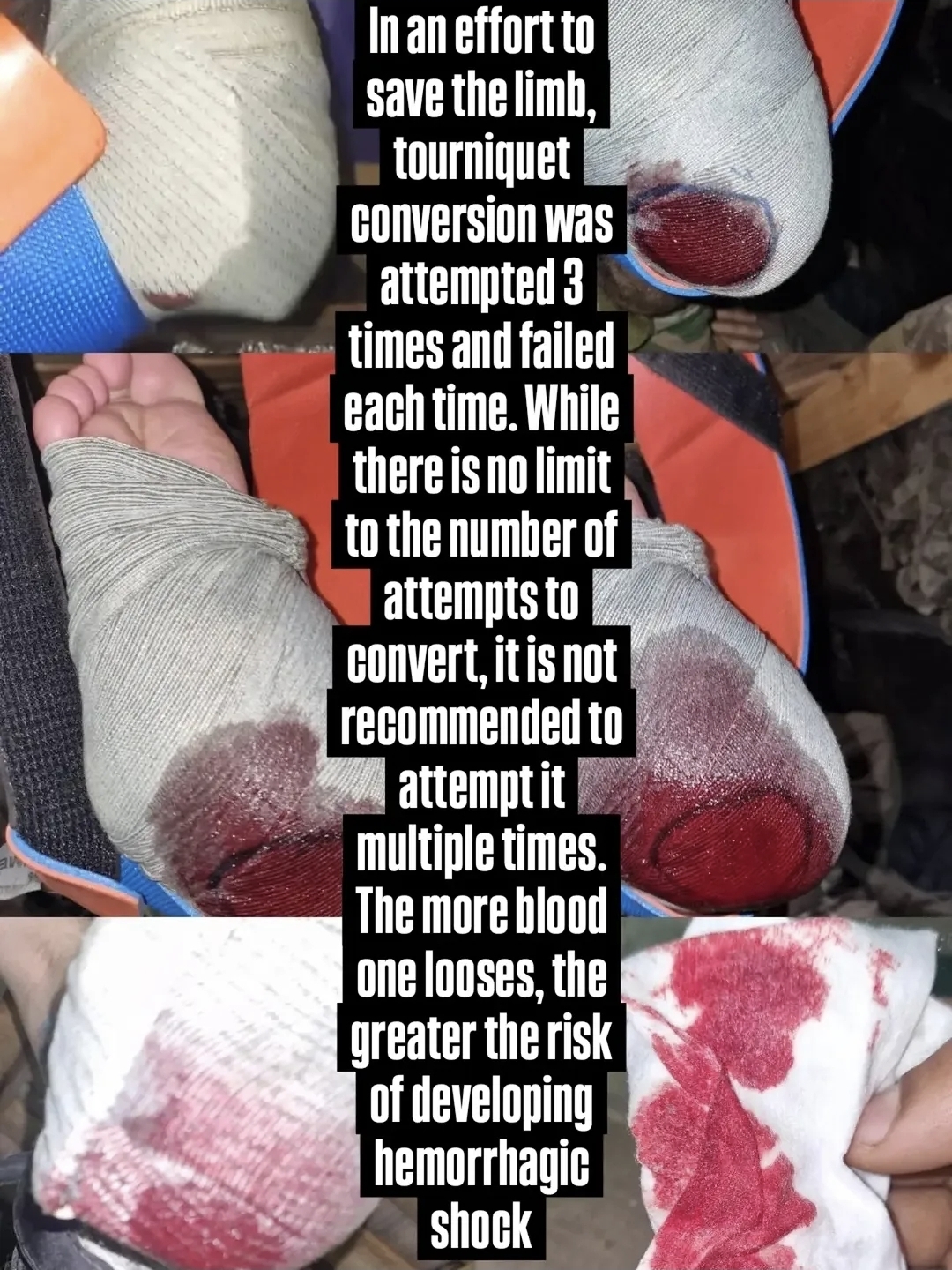
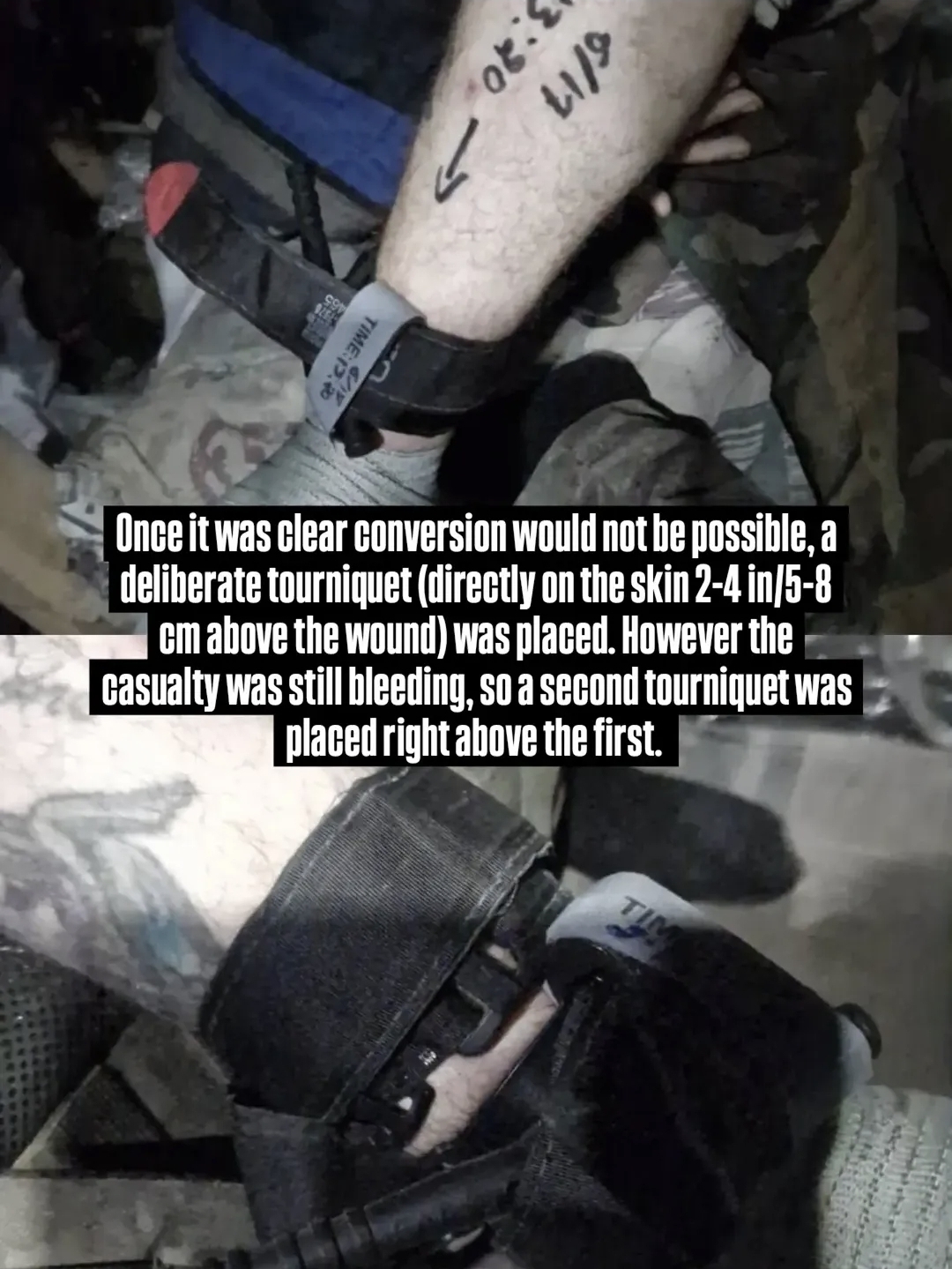
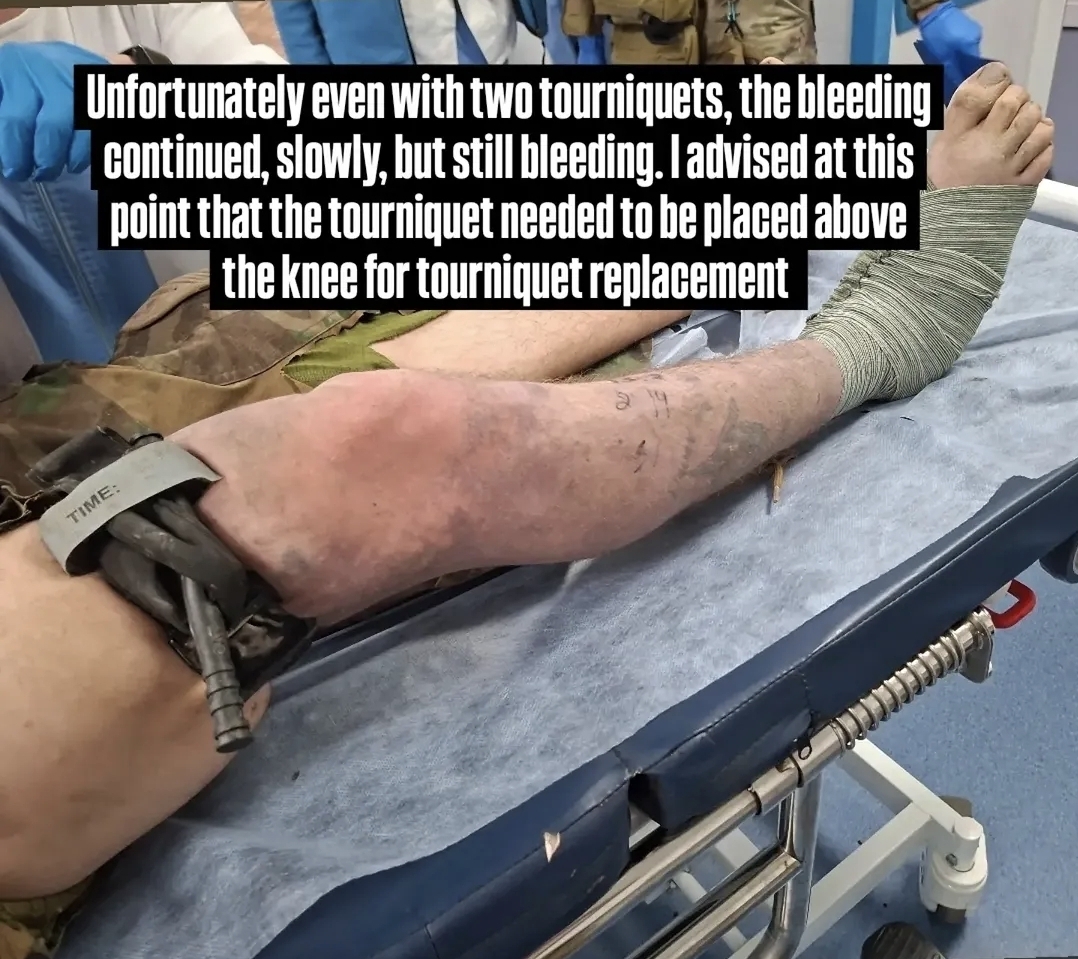
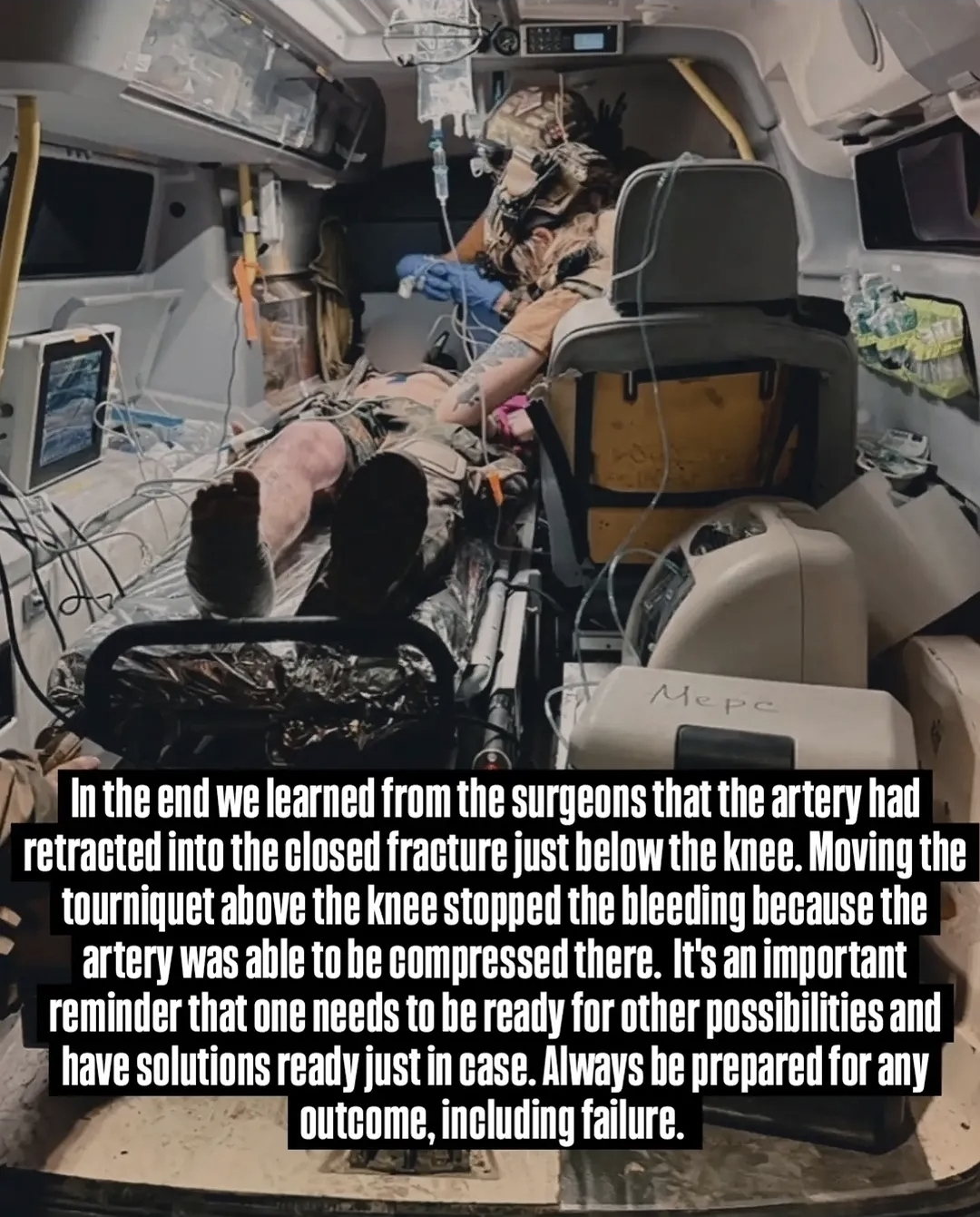
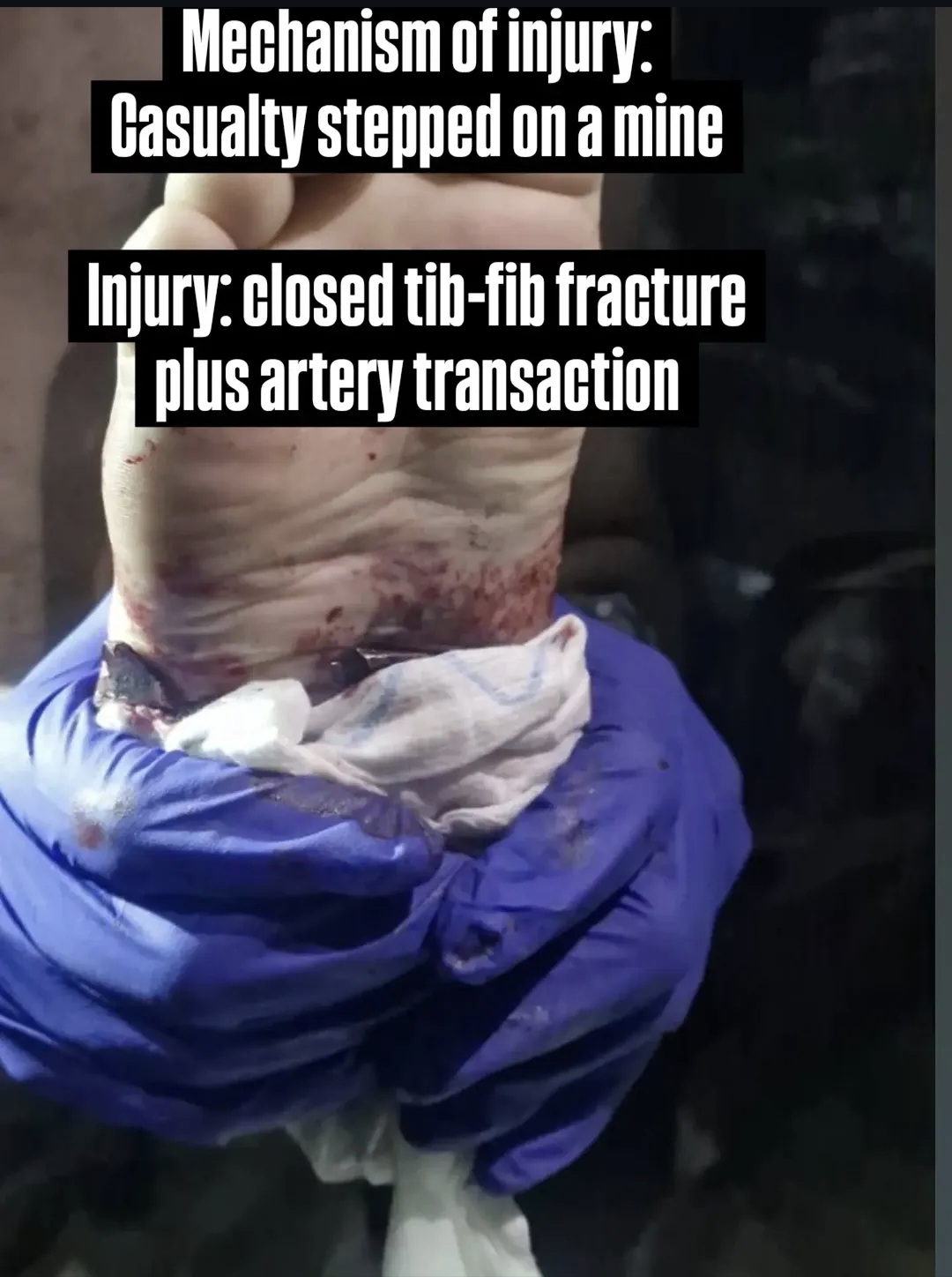
In this case, the artery retracted into the closed fracture higher than the 2-4 inches/5-8 centimeters above the wound and required a tourniquet further up the leg in order to be to be compressed fully.
It took over 15 hours to complete extraction which these days is on the shorter side. We received him to our medevac and began protocol, we did another check for any other injuries, I established IV access to administer necessary medication namely stronger antibiotics and pain medication, my brother in arms began the monitoring process for our casualties vitals, heart, blood pressure, SPO2, and pulse. Once these tasks were completed we evacuated the casualty to the next level of care for surgery. He survived surgery and is currently recovering.