

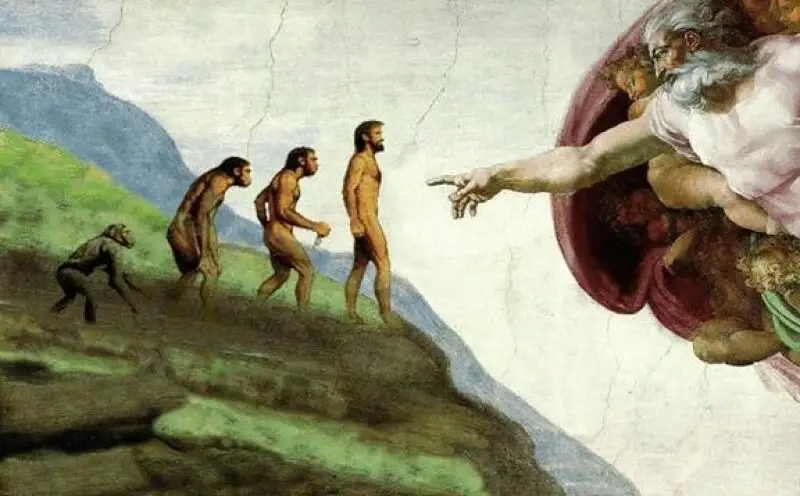
 When did we first look up at the stars and wonder if someone was watching back? Not as a practical question about survival or navigation, but as something deeper, a question that couldn't be answered with stone tools or fire.
The answers stretch back further than most of us imagine, to times when our ancestors weren't even entirely human by today's standards. Neanderthals, those evolutionary cousins we shared the earth with until about 40,000 years ago, did something remarkable that suggests they grappled with the same mysteries we do today. They buried their dead with ceremony and intention, placing flowers beside bodies, arranging loved ones as if they were merely sleeping, surrounding them with tools and food as though death was simply a journey to somewhere else. This wasn't just disposal of remains; this was the first whisper of belief in something beyond the visible world.
Where Stories Became Sacred
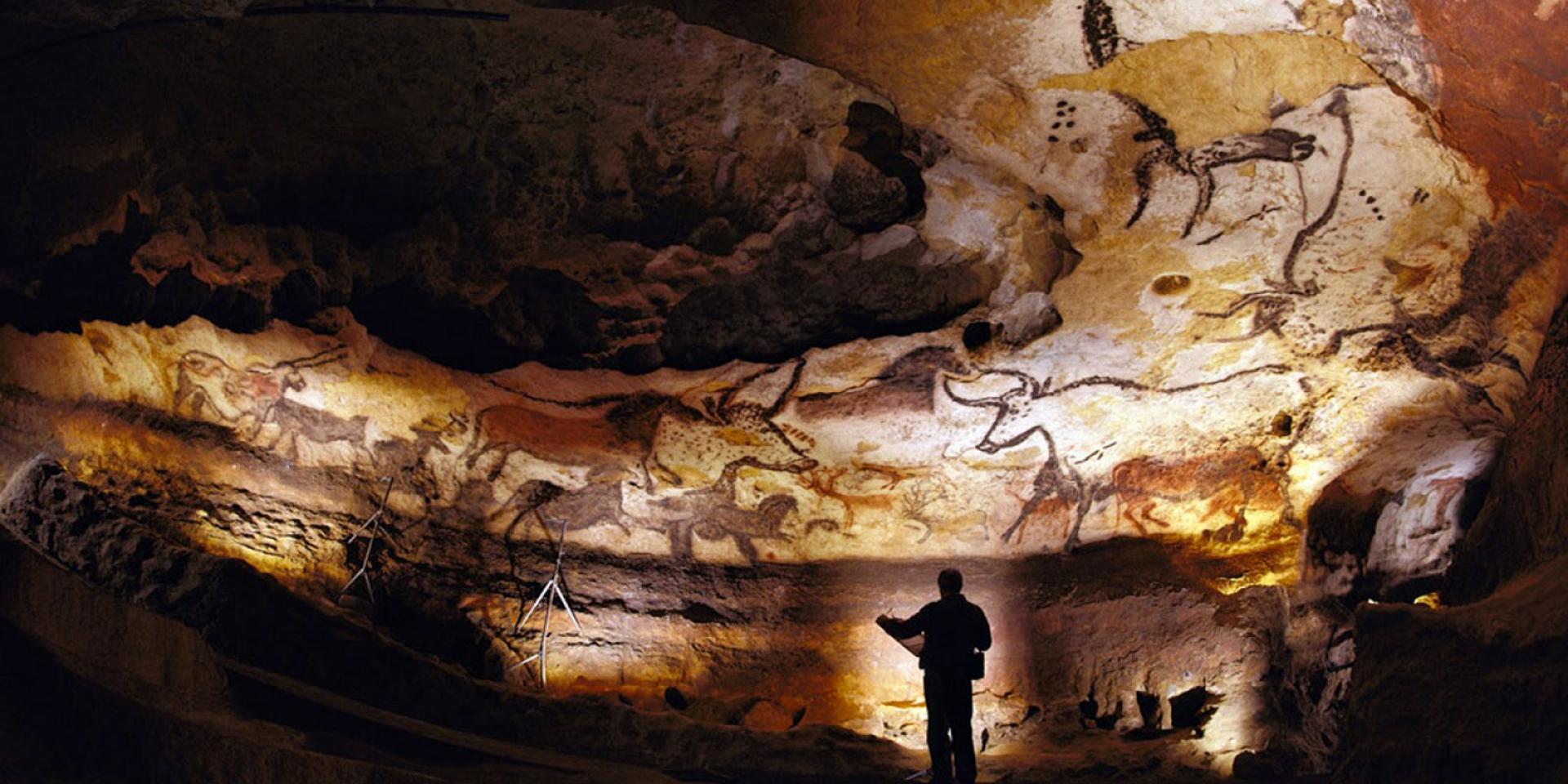
Deep in the caves of Lascaux, 17,000 years ago, our direct ancestors painted something extraordinary on limestone walls lit only by flickering torchlight. The Hall of Bulls isn't just art... it's humanity's earliest attempt to capture the invisible, to give form to ideas that couldn't be touched or proven. These weren't simple hunting records; they followed deliberate patterns, seasonal sequences, cosmic rhythms that suggest our ancestors were creating shared meanings, symbolic languages that bound communities together. Here, in darkness and pigment, abstract belief took its first breath.
Then came the leap that changed everything. Around 70,000 years ago, something shifted in the human brain, we developed the capacity to believe in things that don't exist, to create shared stories about gods and nations and moral codes. This wasn't a weakness; it was our superpower. While other species relied on strength or speed, we learned to cooperate in unprecedented numbers by believing in the same invisible truths. These shared fictions allowed strangers to trust each other, to build societies, to construct meaning from chaos.
From Sun Discs to Singular Gods
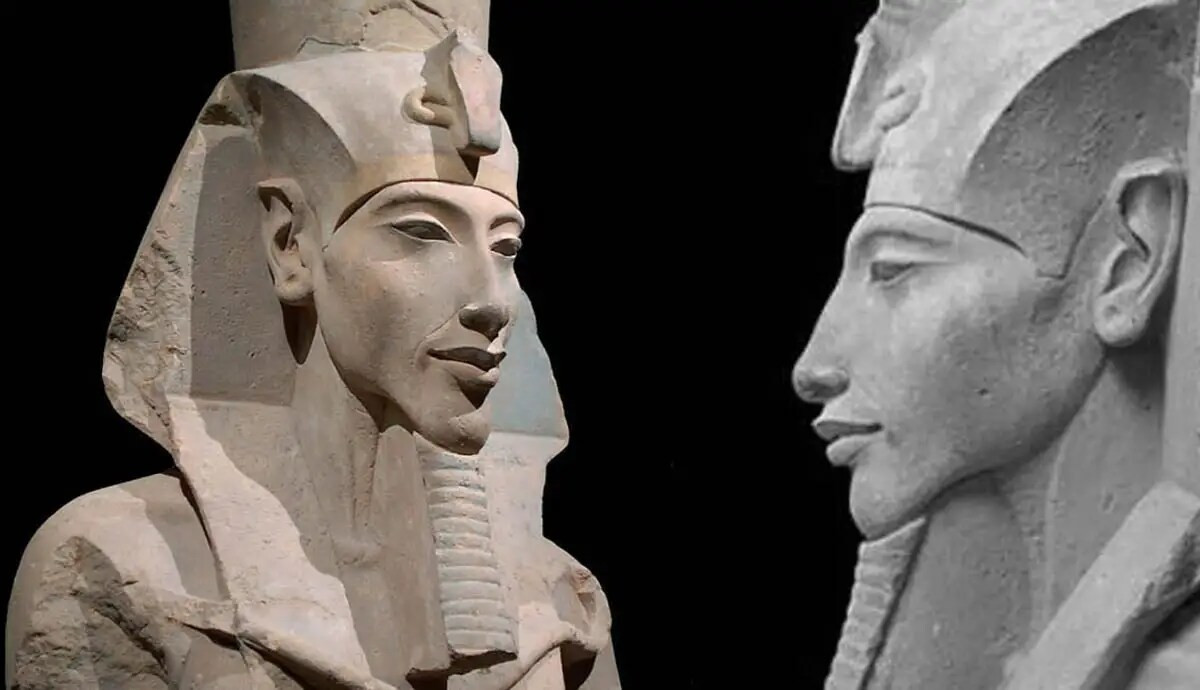
Fast forward through millennia of polytheistic traditions, ancestor worship, and nature spirits, and you arrive at a revolutionary moment in ancient Egypt. Pharaoh Akhenaten didn't just introduce a new god: he introduced the only god, establishing Atenism as history's first documented monotheistic religion. This radical idea that divinity could be singular rather than plural would ripple forward through time, fundamentally shaping Judaism, Christianity, and Islam; the three Abrahamic faiths that would eventually claim billions of followers.
What makes belief so powerful isn't its truth or falsity, but its ability to coordinate human action across vast distances and generations. A Buddhist temple in Thailand, a Gothic cathedral in France, and a mosque in Morocco each represent architectural expressions of invisible ideas - physical manifestations of faith that shape the communities who build them and those who encounter them. These structures don't just house worship; they actively mold the consciousness of everyone who passes through their doors.
Tracing the Blueprint
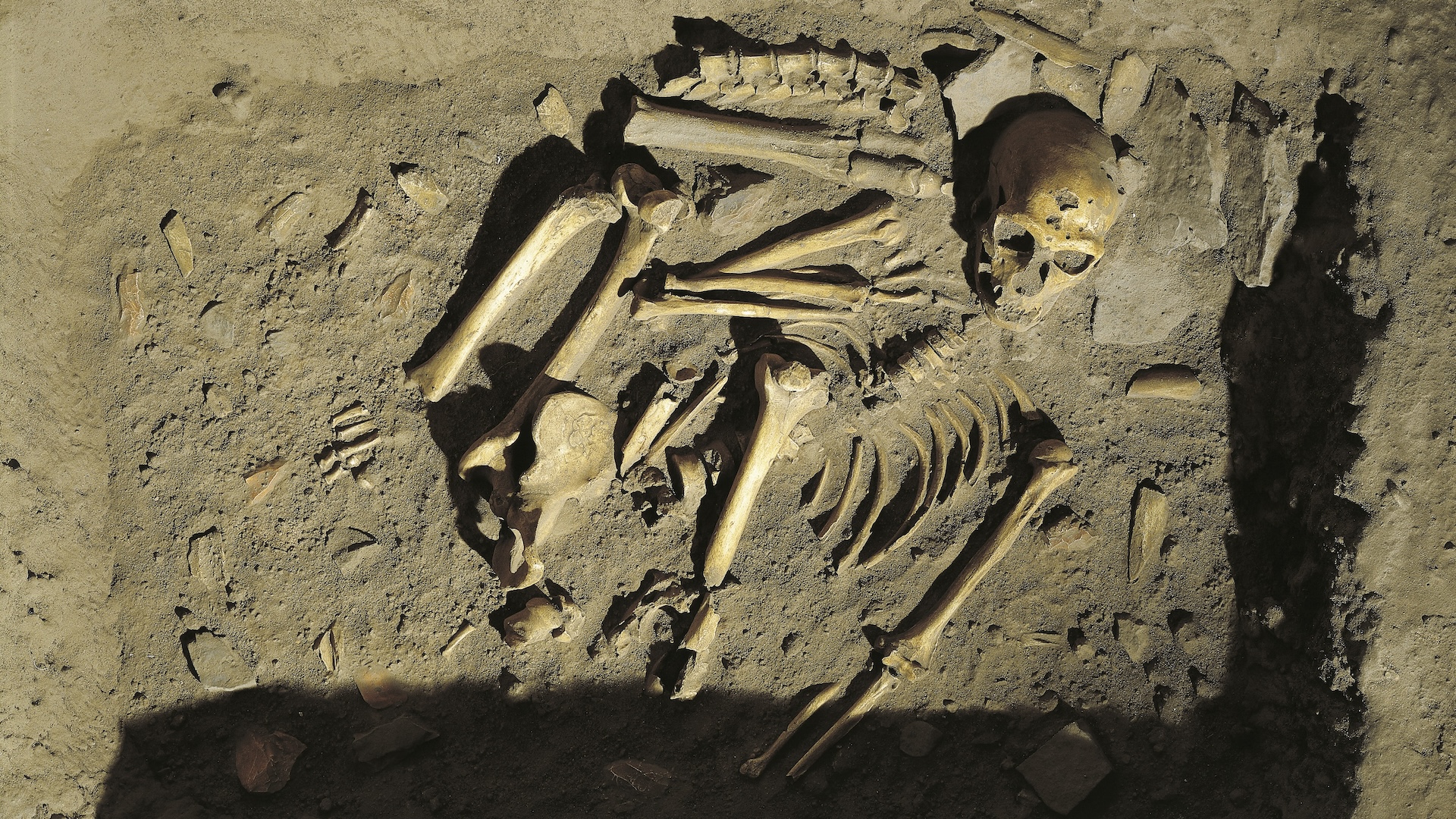
Architecture of Faith: A Global History of How We Believe follows this extraordinary thread from those flower-strewn Neanderthal graves to the rise of massive theocratic empires. It explores how religion became entangled with power, how spiritual yearning manifested in stone and doctrine, and how belief systems from every corner of the globe emerged from the same fundamental human need to make sense of existence. This isn't a book about what's true, it's about why we believe, how those beliefs evolved, and what they reveal about the species we've become.
From the symbolic petroglyphs of indigenous cultures to the philosophical sophistication of Eastern traditions, from shamanic rituals performed in firelight to the systematic theologies of organized religion, this journey connects dots most of us never knew existed. Each chapter reveals how geography, climate, cultural contact, and historical accident shaped the gods humans created and the structures they built to honor them.
The story of faith is, ultimately, the story of consciousness itself, of minds sophisticated enough to conceive of worlds beyond the immediate, to create meaning where none inherently exists, to find comfort in ritual and solidarity in shared myth. Understanding this history doesn't diminish the power of belief; if anything, it makes it more remarkable that creatures of flesh and survival instinct learned to build cathedrals of thought.
If you've ever wondered why humans across every continent independently developed concepts of the sacred, why we build monuments to invisible forces, or how the earliest glimmers of spiritual thought in our ancestors evolved into the complex religious landscape of today, Architecture of Faith offers a comprehensive, accessible answer. This is the blueprint of belief - get your copy and trace the foundations of humanity's most enduring creation.