
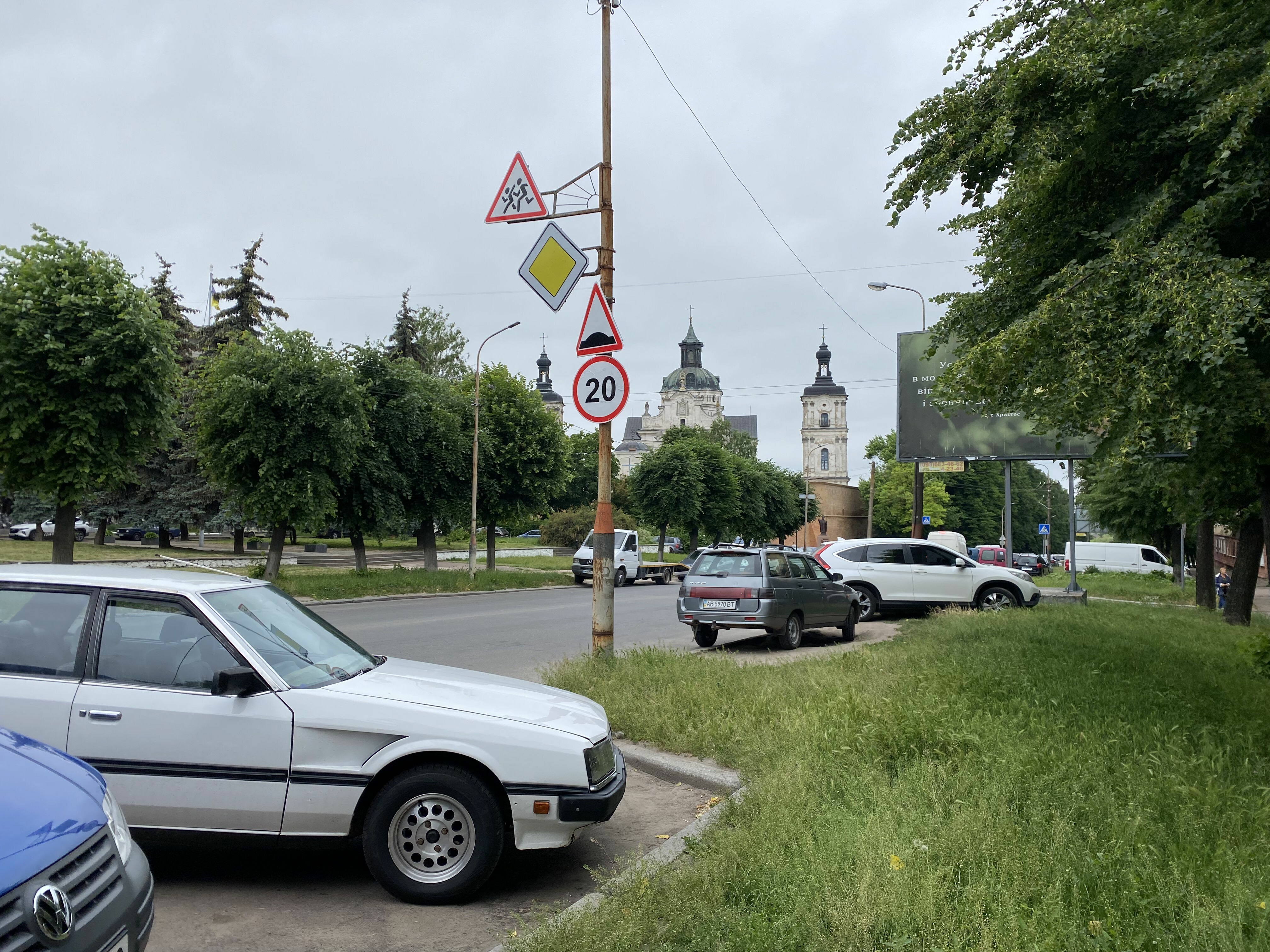
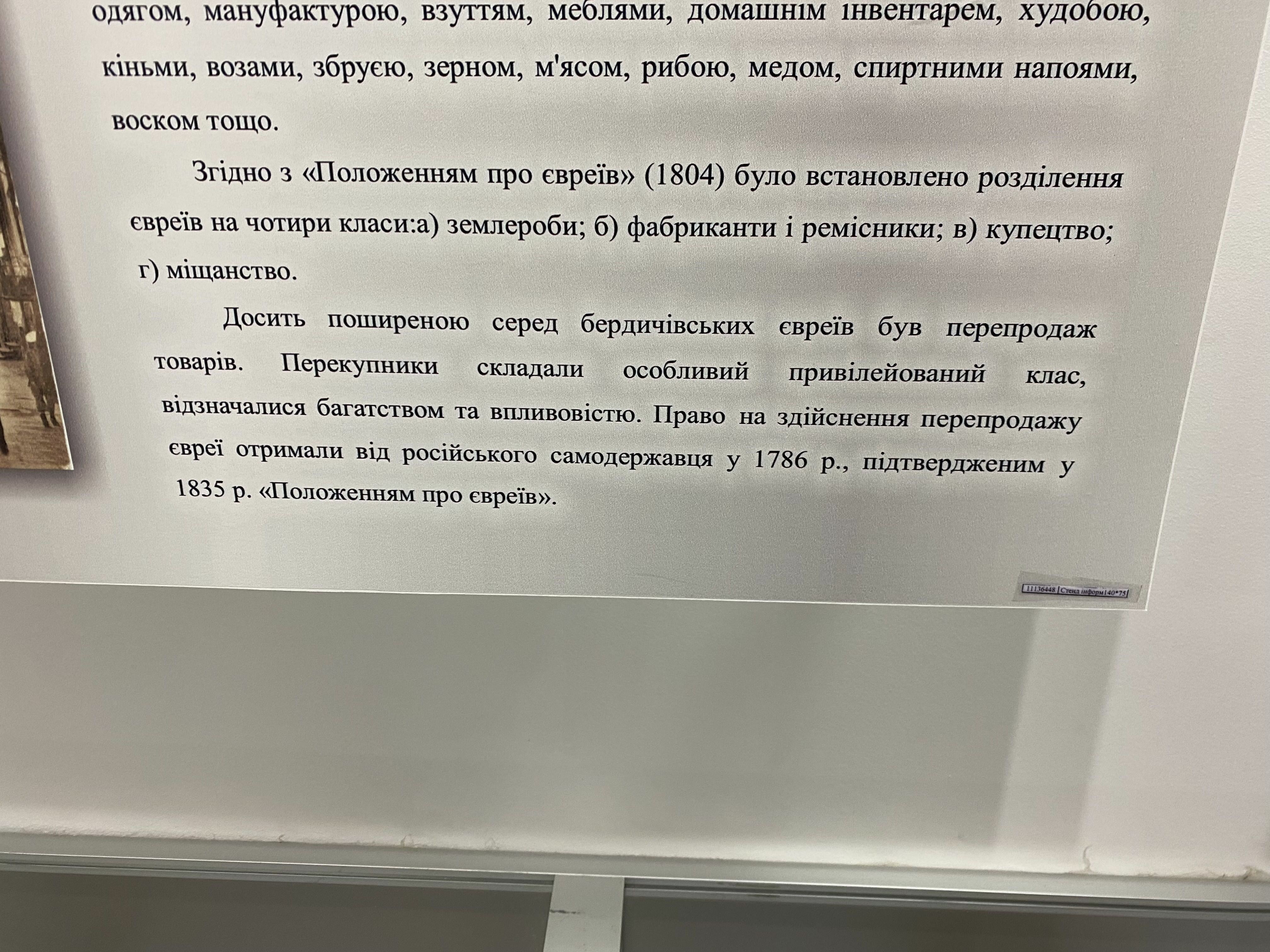
Berdychiv is a city in Zhytomyr Region. The population is about 90 thousand. It is the second largest after the regional center. In the 19th century, Berdychiv was one of the largest trade and industrial centers of Ukraine. The population of the city then reached 70 thousand. 80% of the population were Jews.
There is no unequivocal opinion about the first mentions of Berdychiv, in the book "Berdychev and Berdychevskiy uezd" (1901) by A. Kosych and in the "Encyclopedia of Ukrainian Studies" (edited by V. Kubiyovych) it is said to be 1320. But in the written sources of the first half XIV century there is no mention of the Berdychiv.
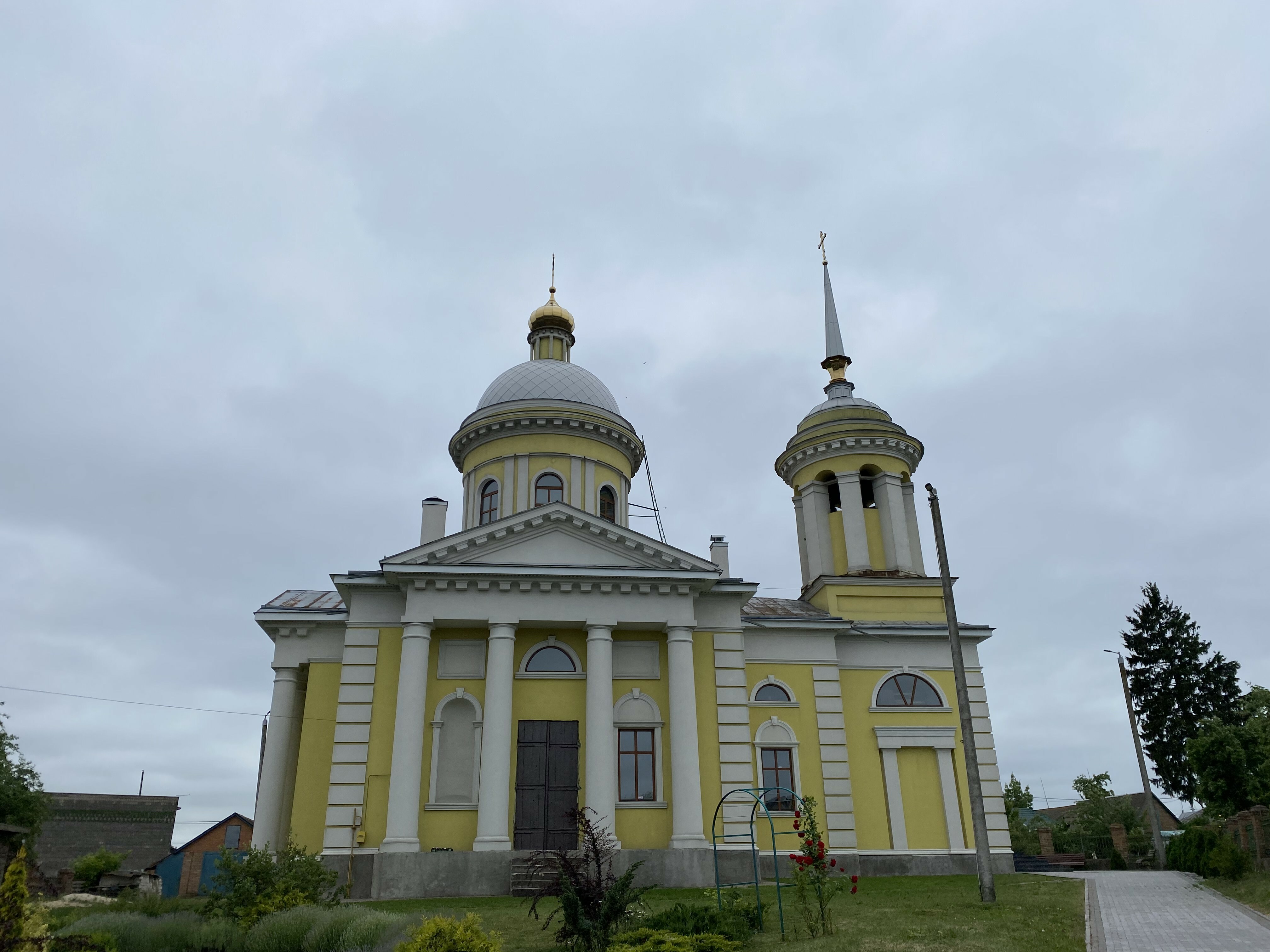
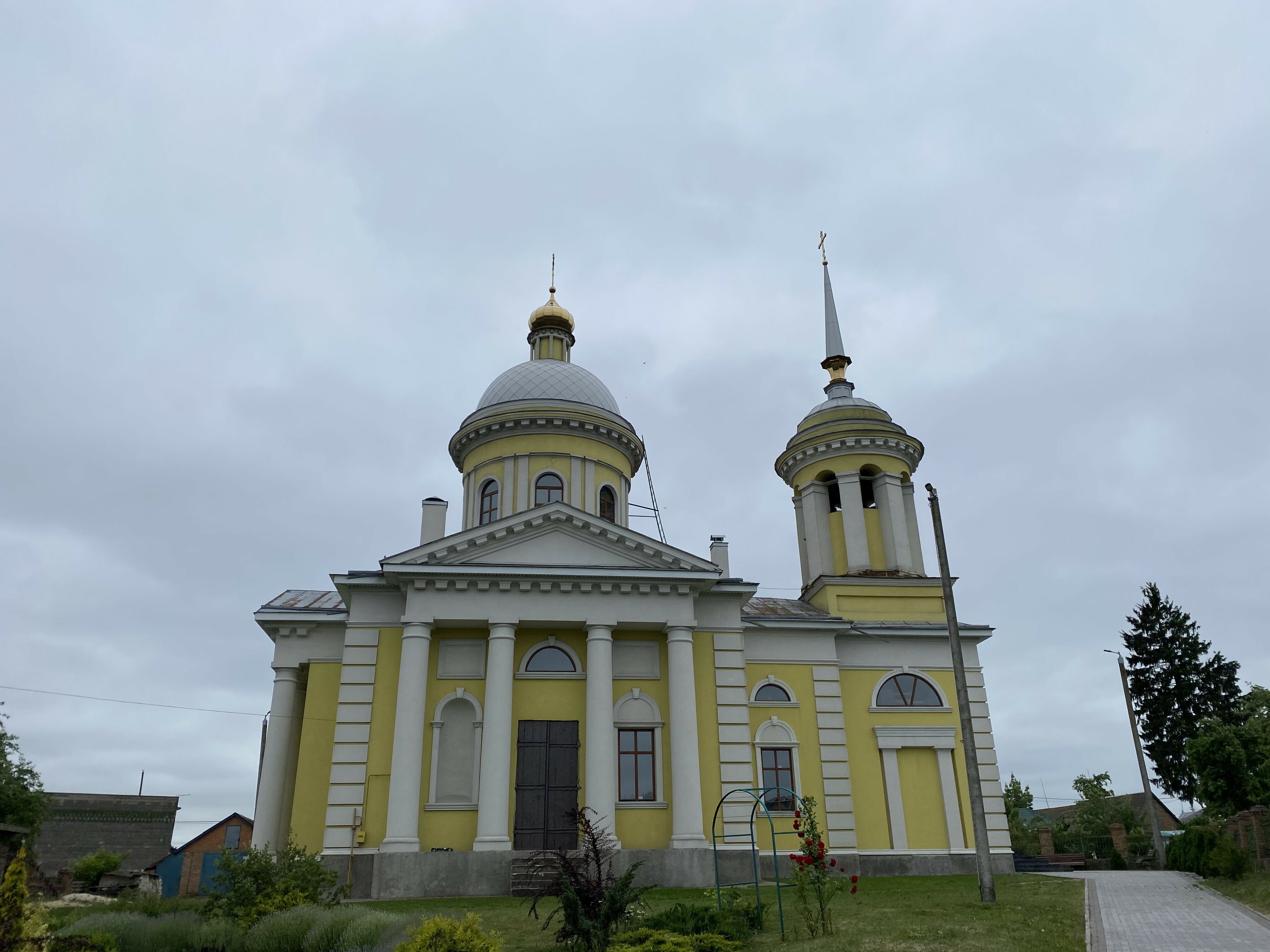
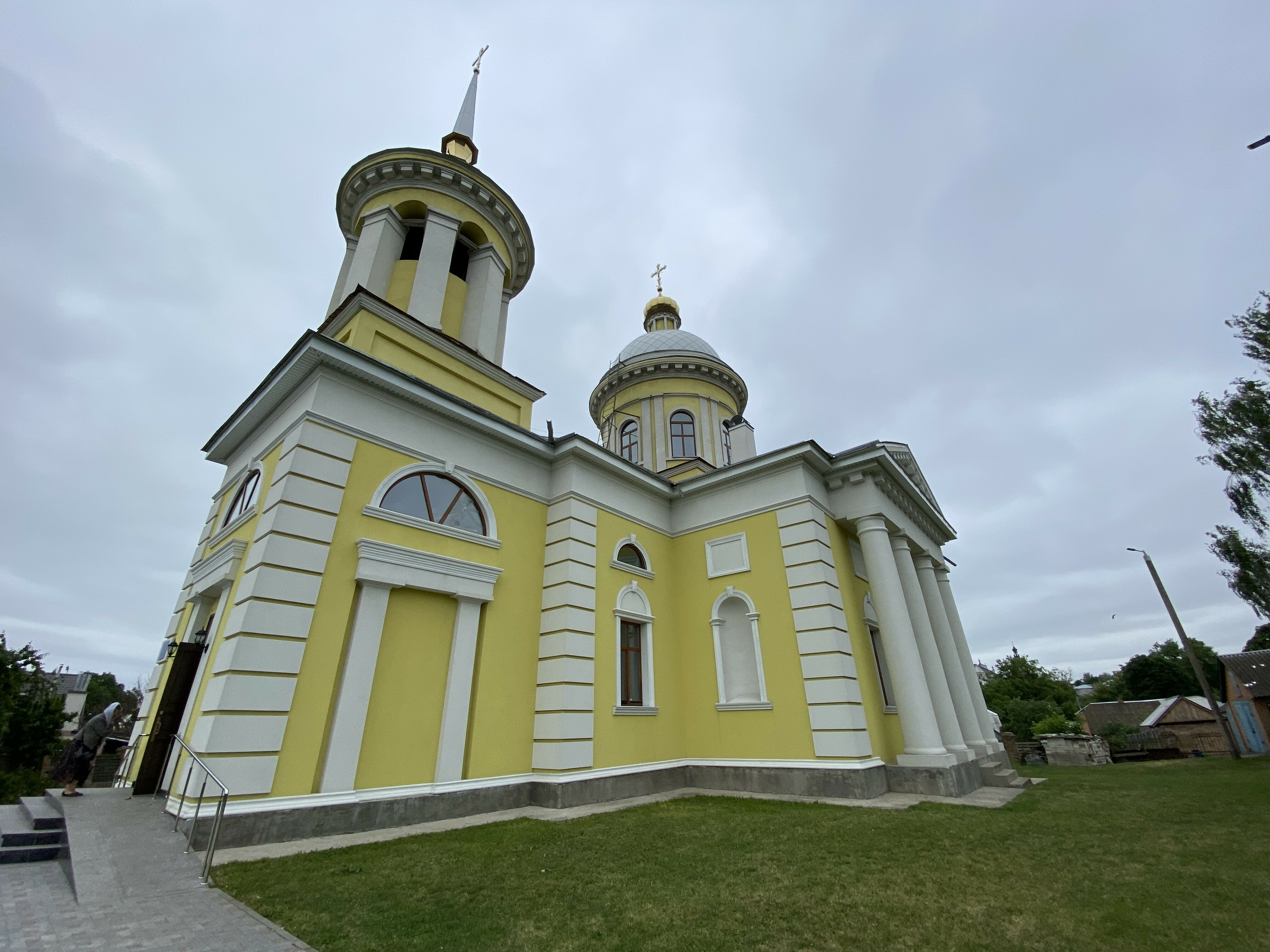
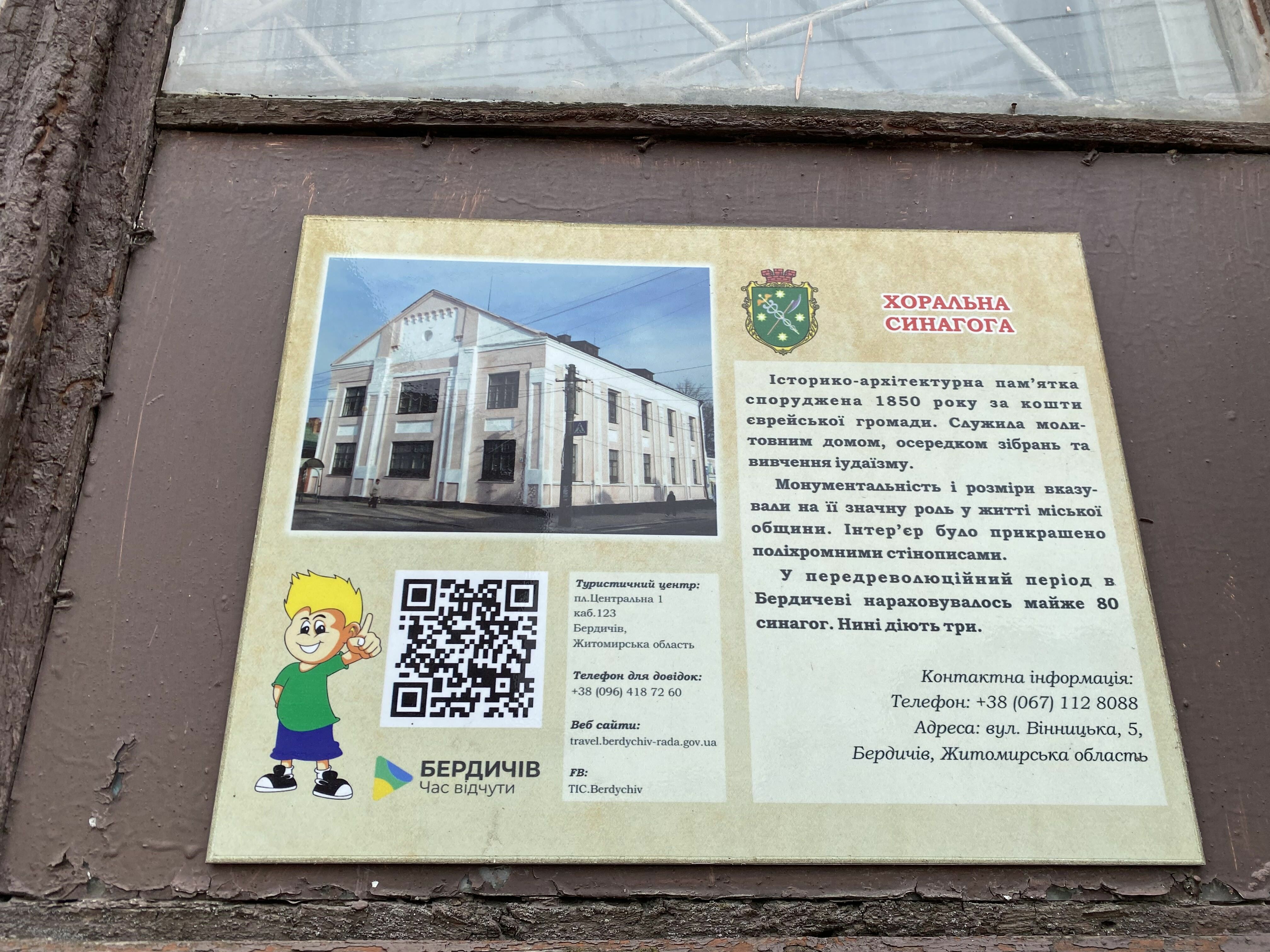
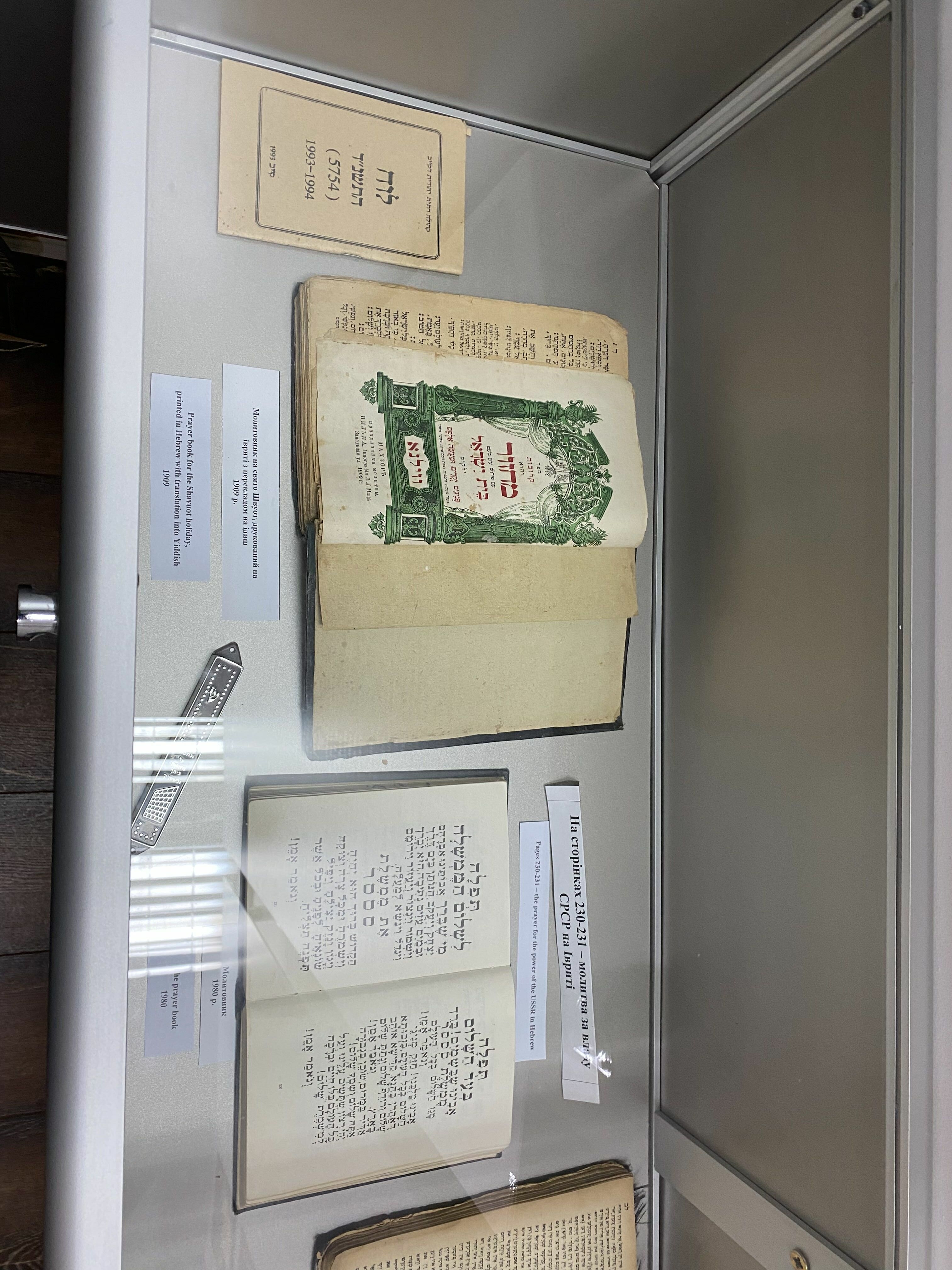
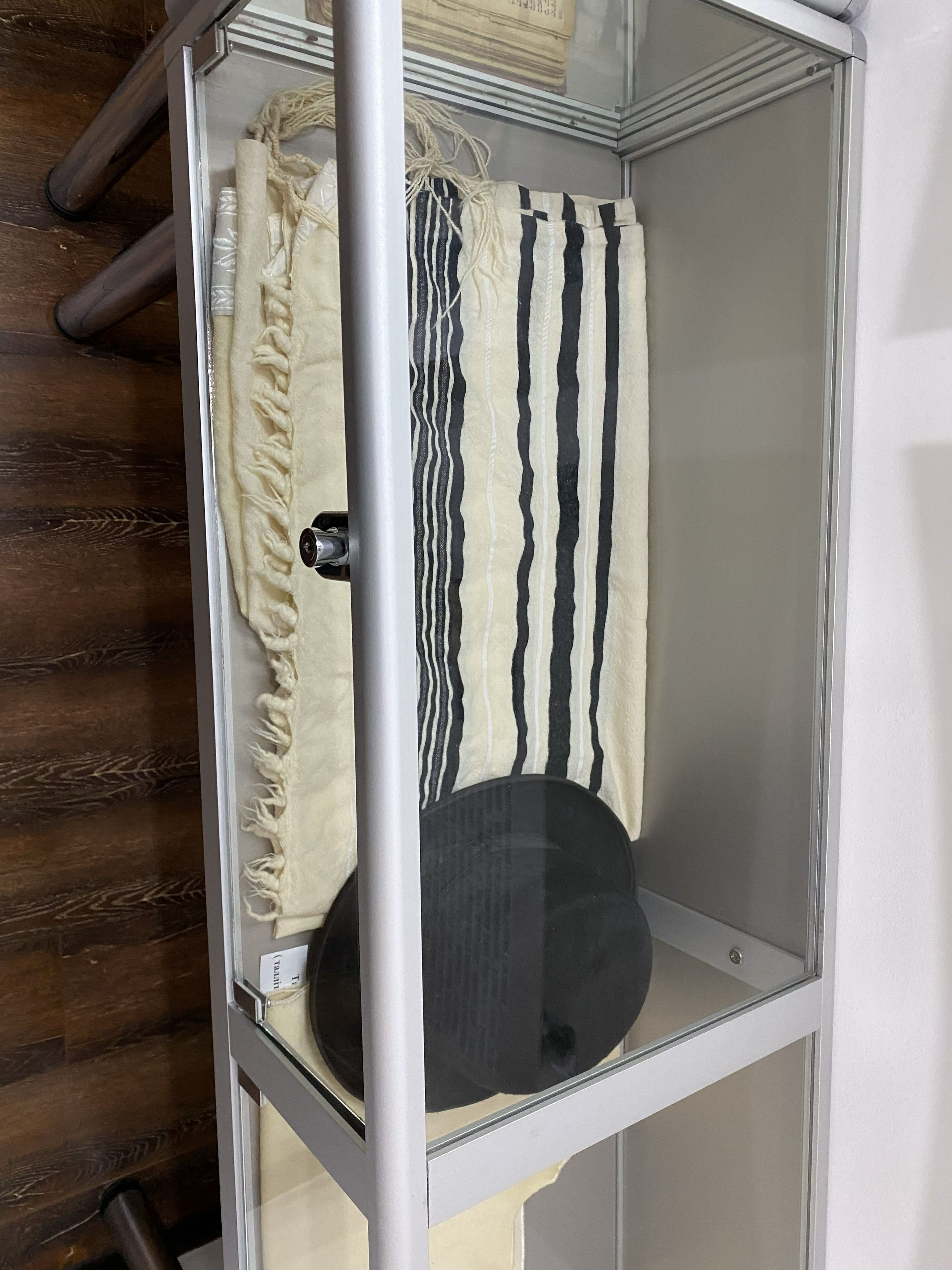
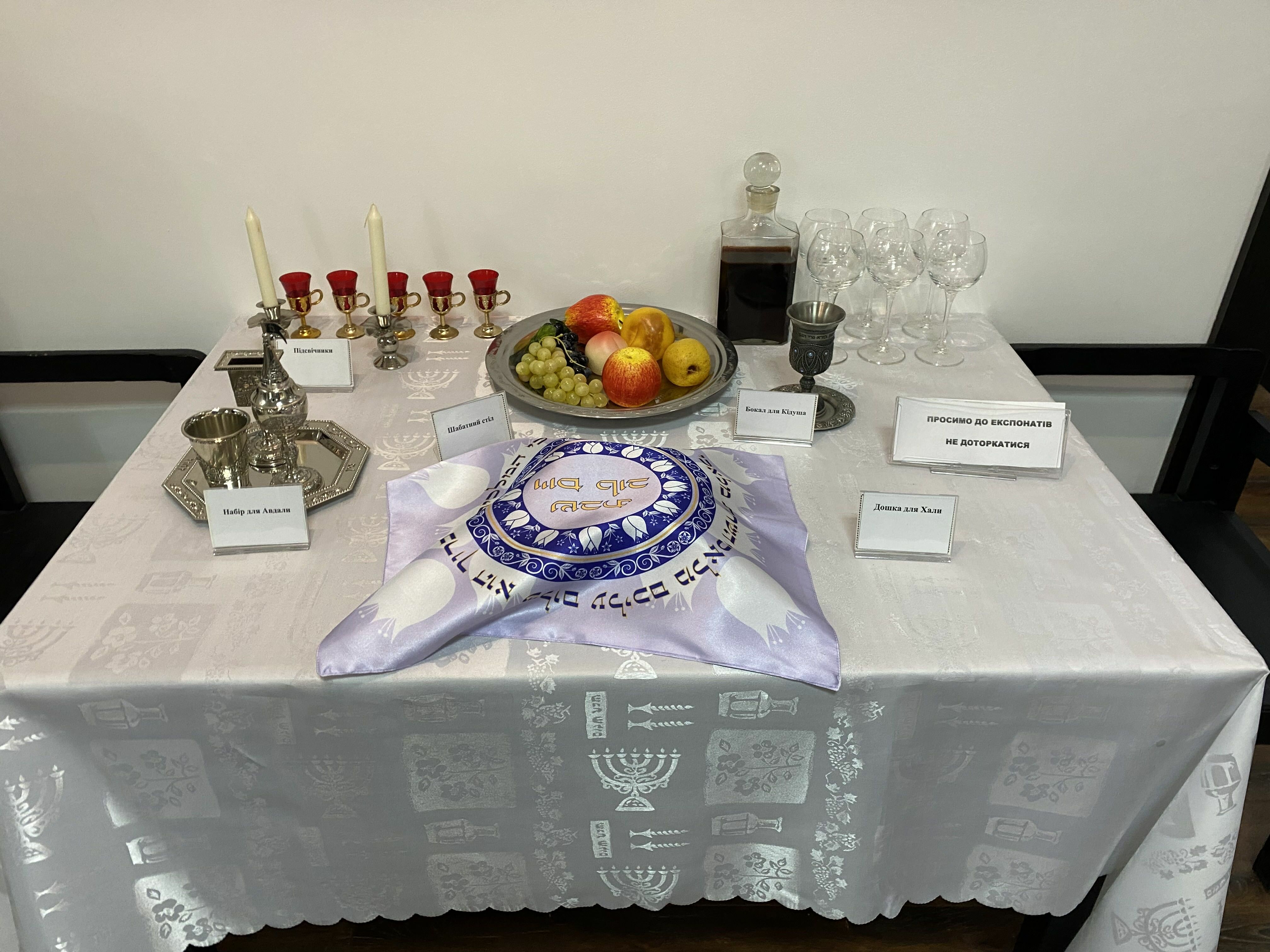
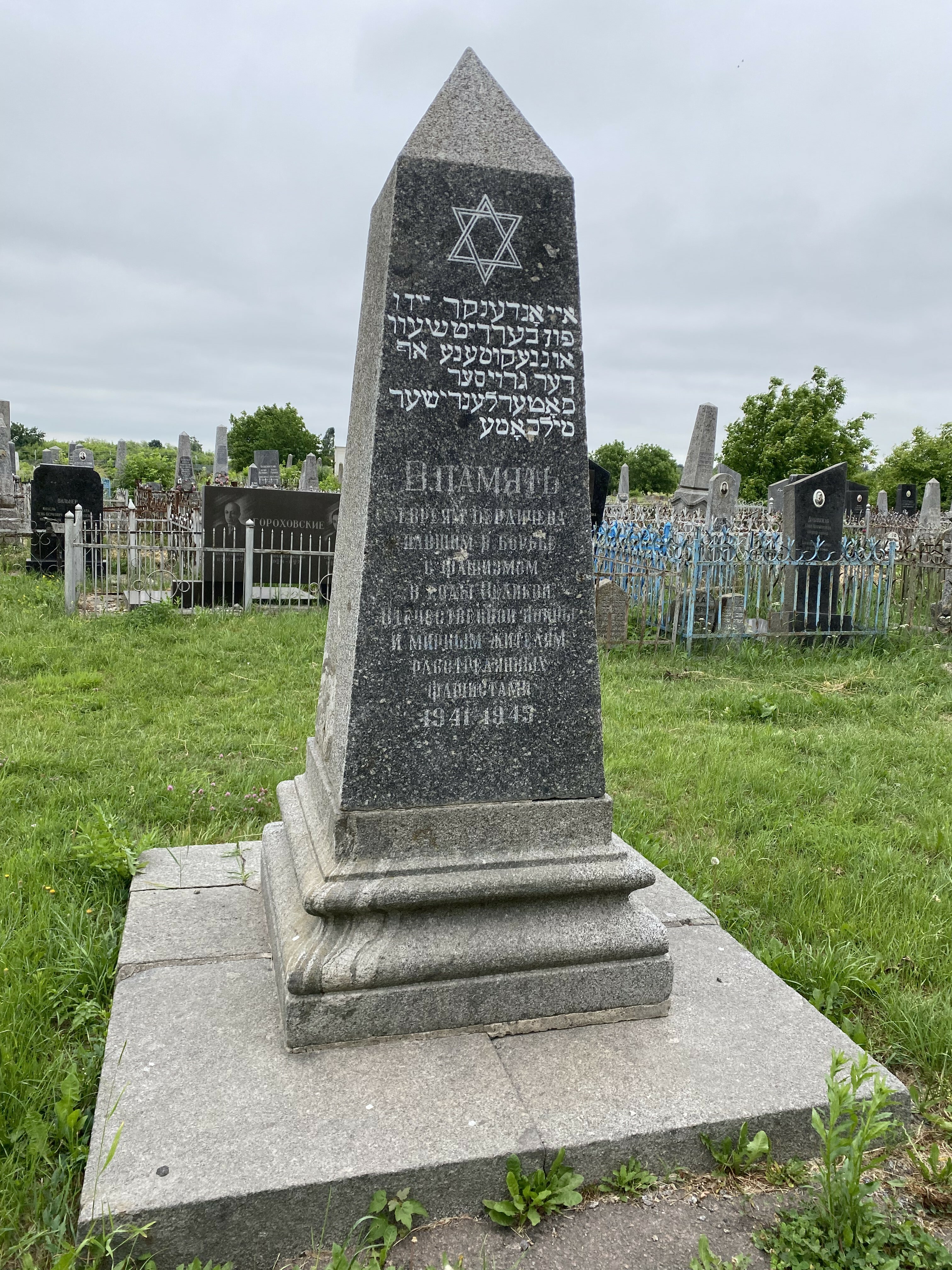
And Berdychiv was a Jewish town. There was no such number of Jews in relation to non-Jews (60 to 10 thousand) in any city of the world, outside of Israel. Jews lived here as in their own country. It was not for nothing that Berdychiv was called the Jerusalem of Volyn.
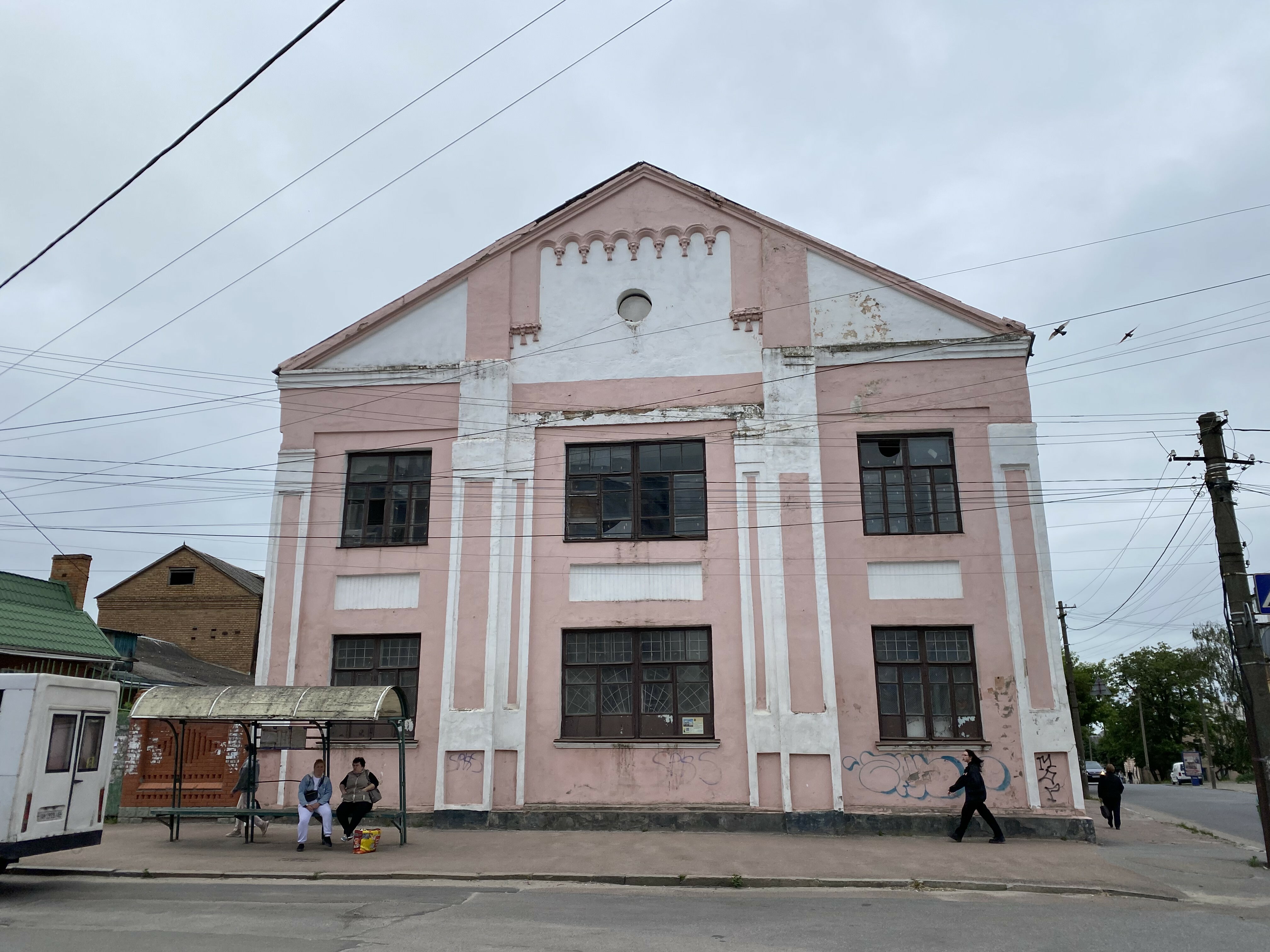
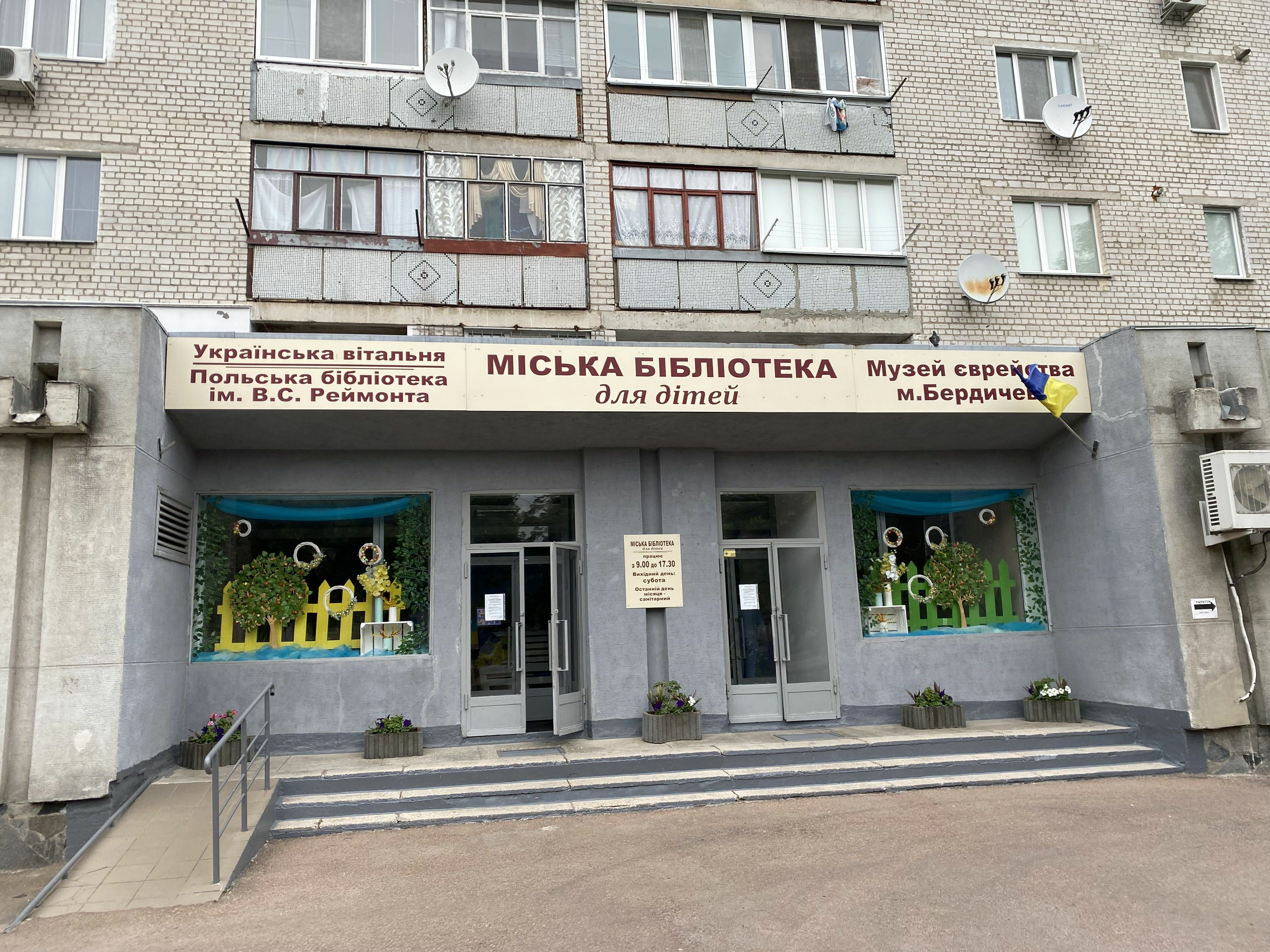
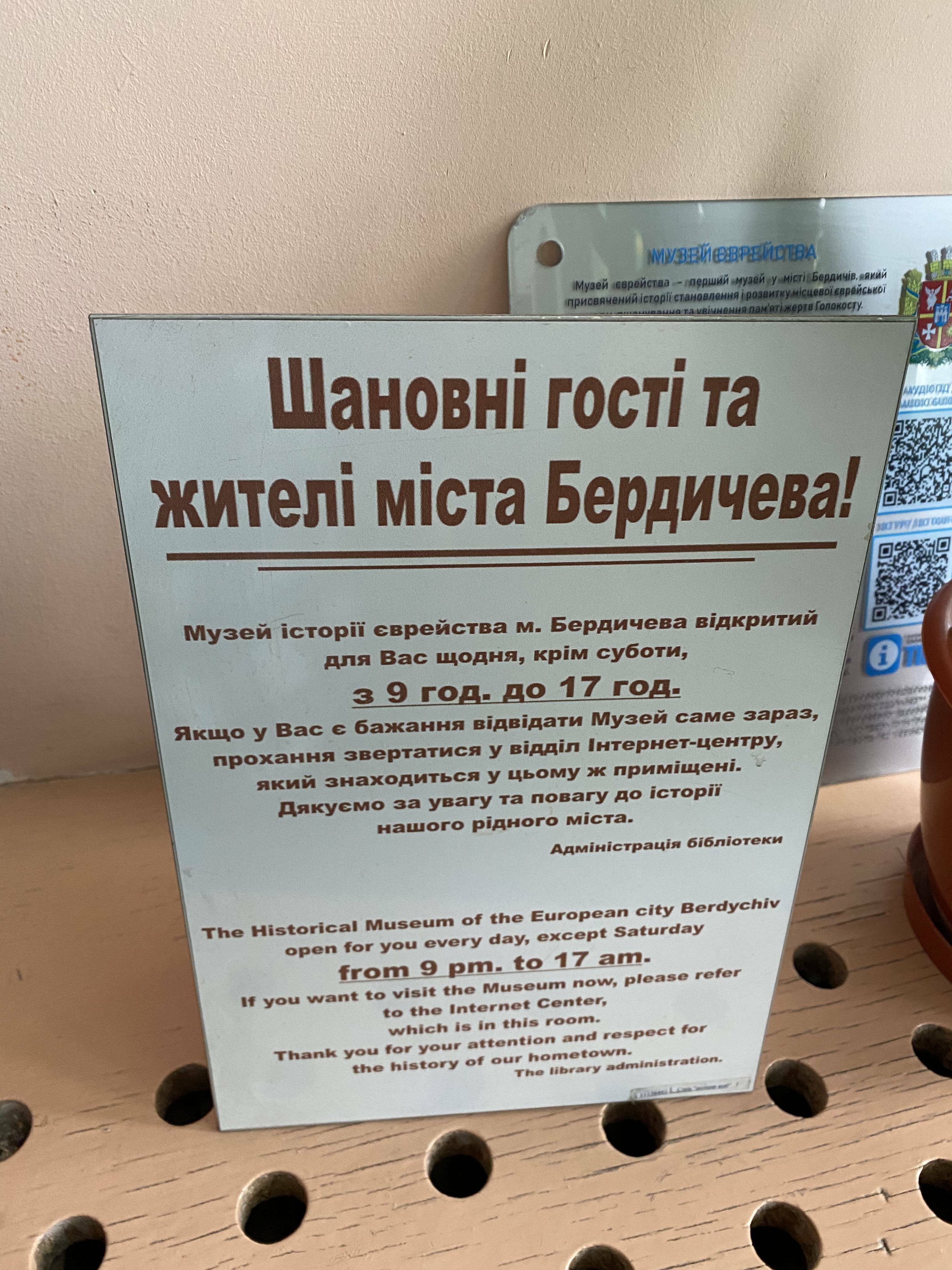
One of the most outstanding Hasidic tzaddiks, the "advocate of the Jewish people", Levi Yitzhak Berdychivskyi is buried here.
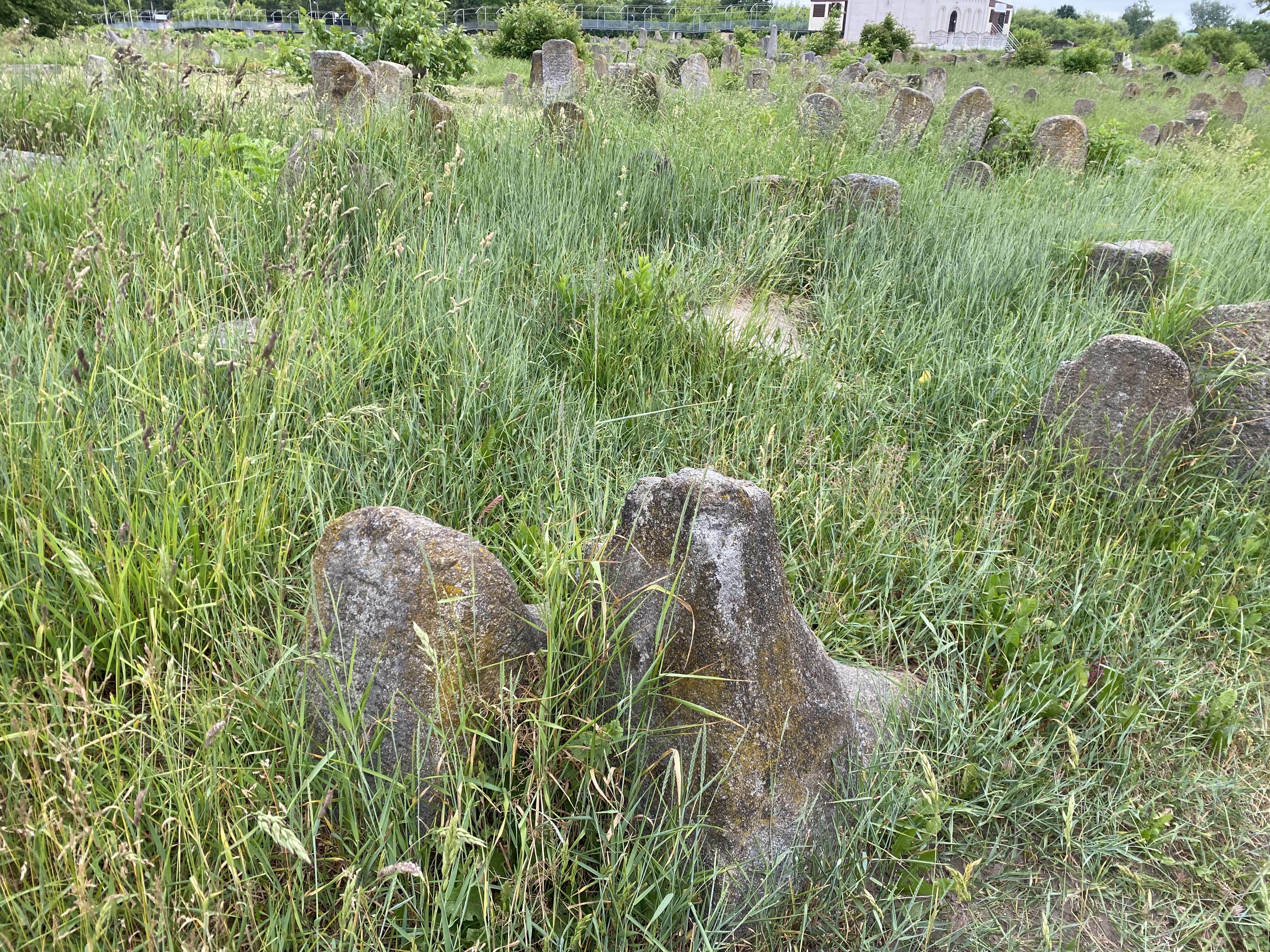
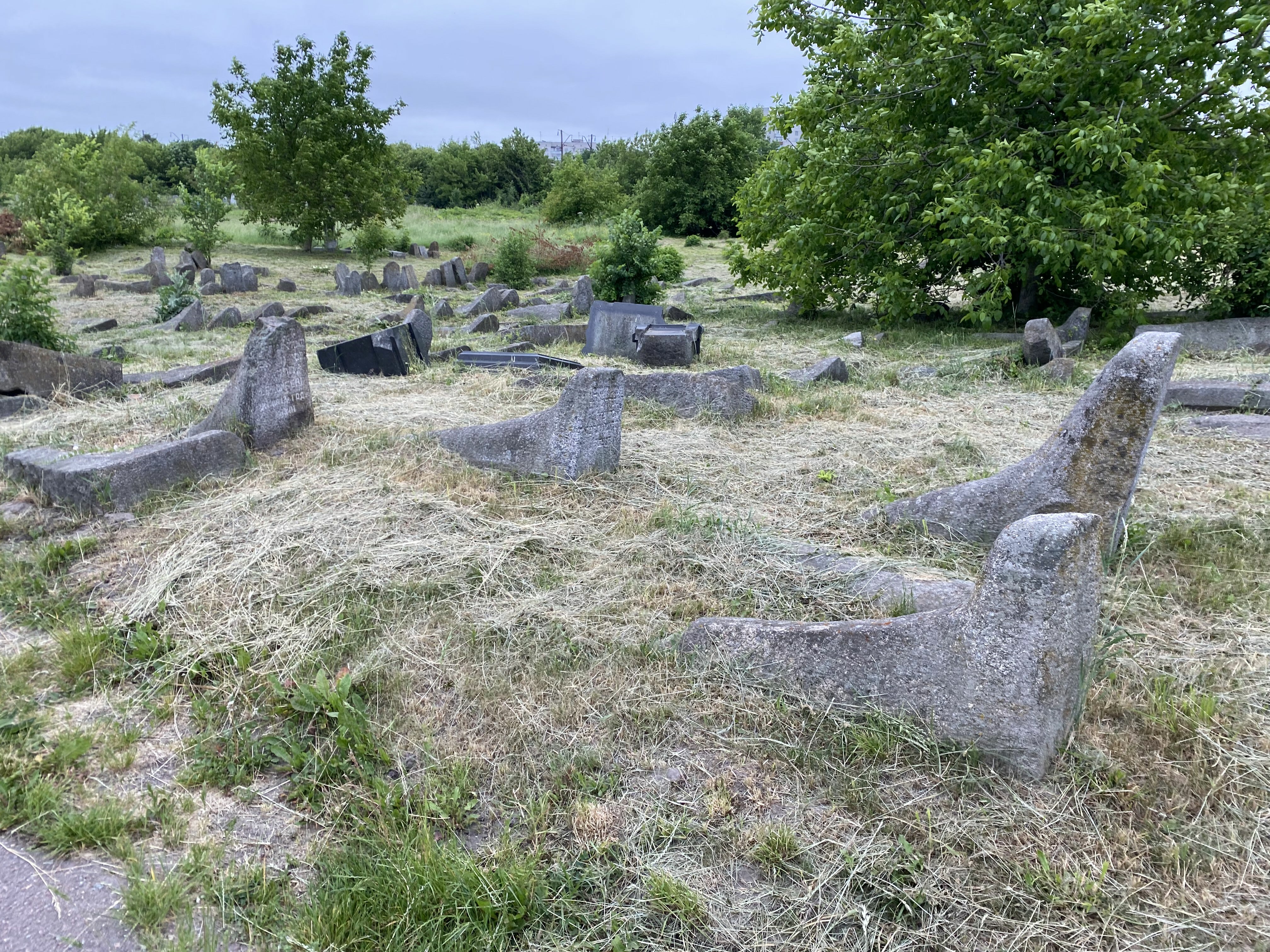
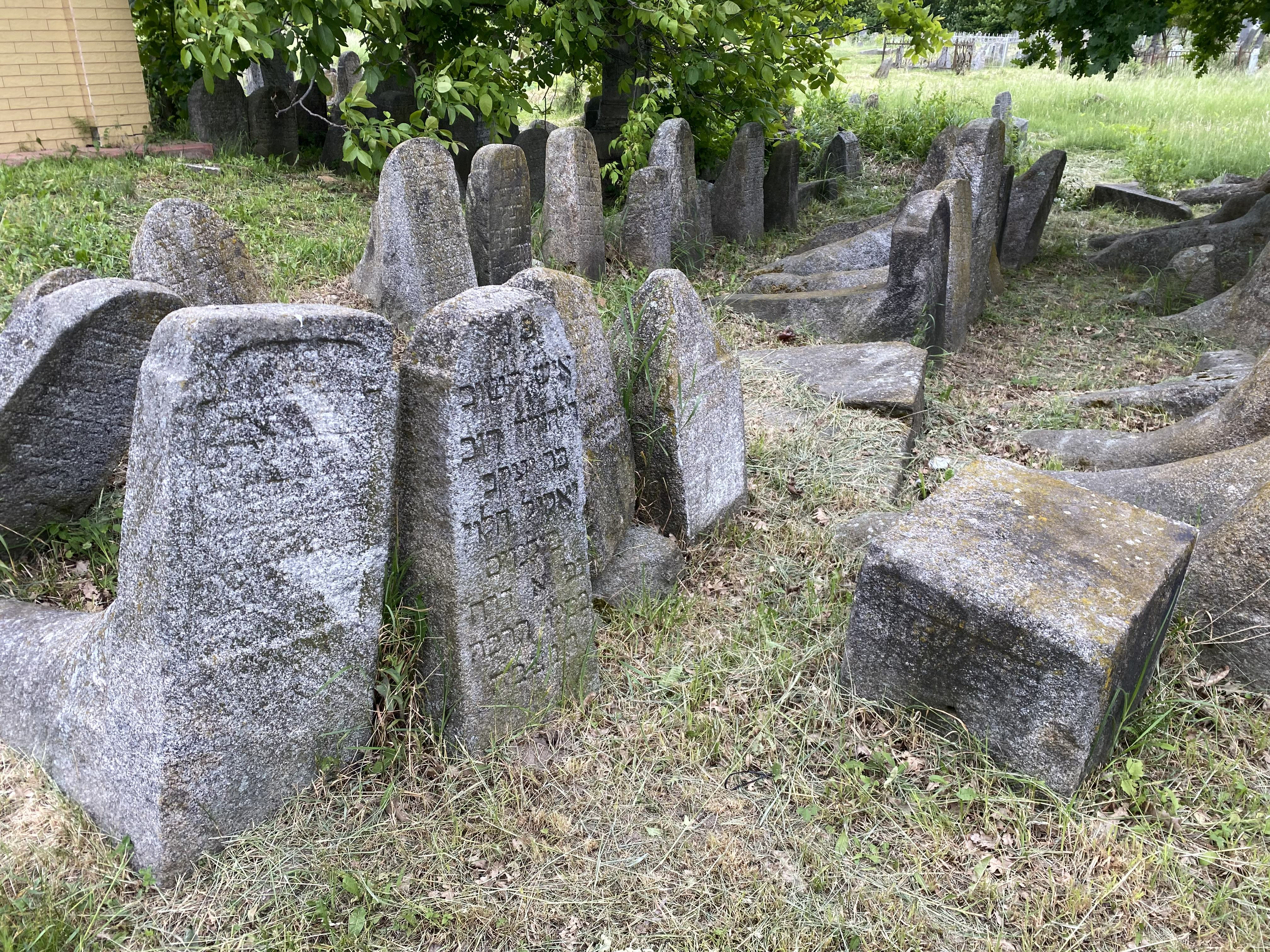
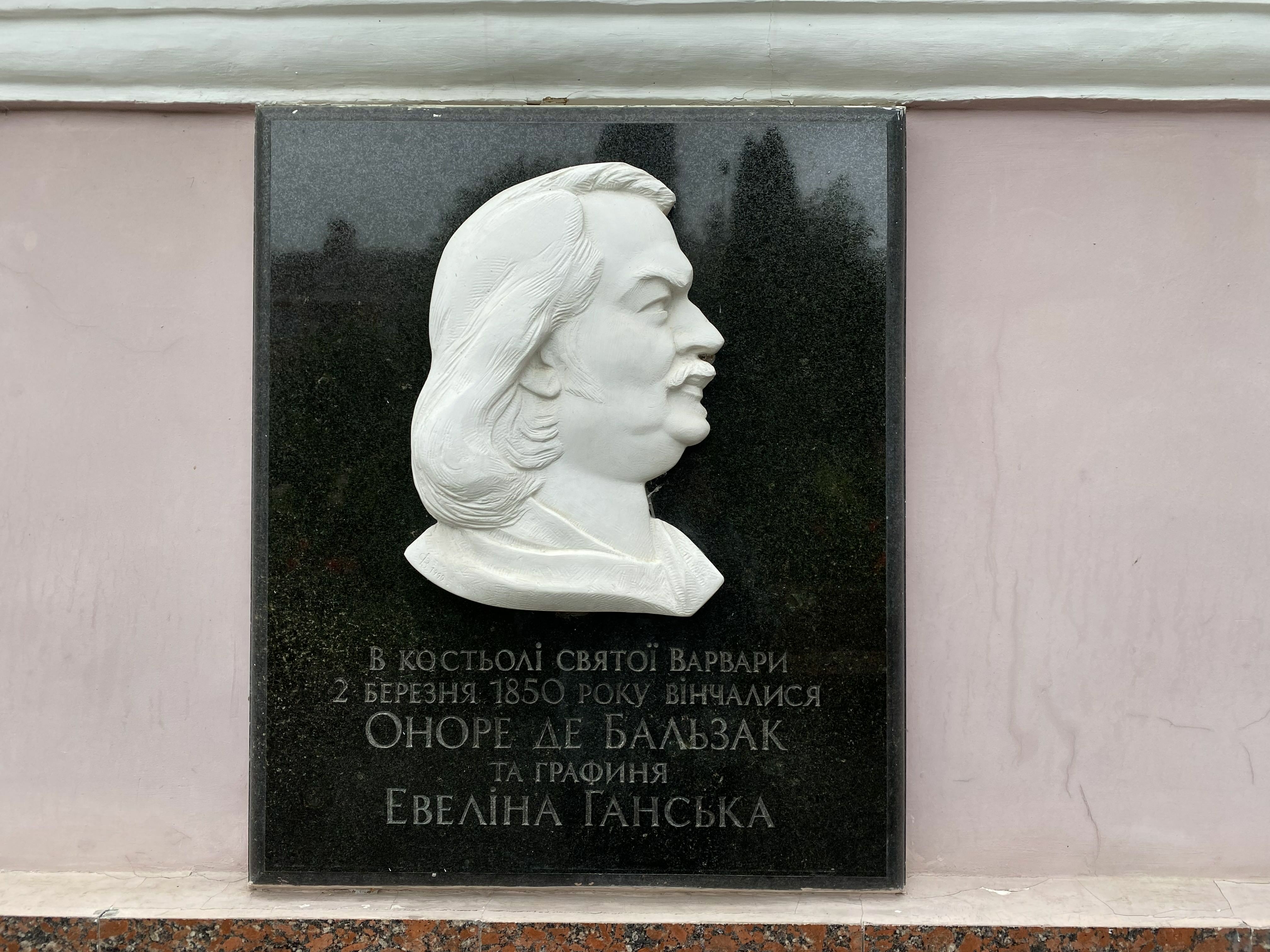
Berdychiv is also close to the people of France, because the French genius Honoré de Balzac was married here.
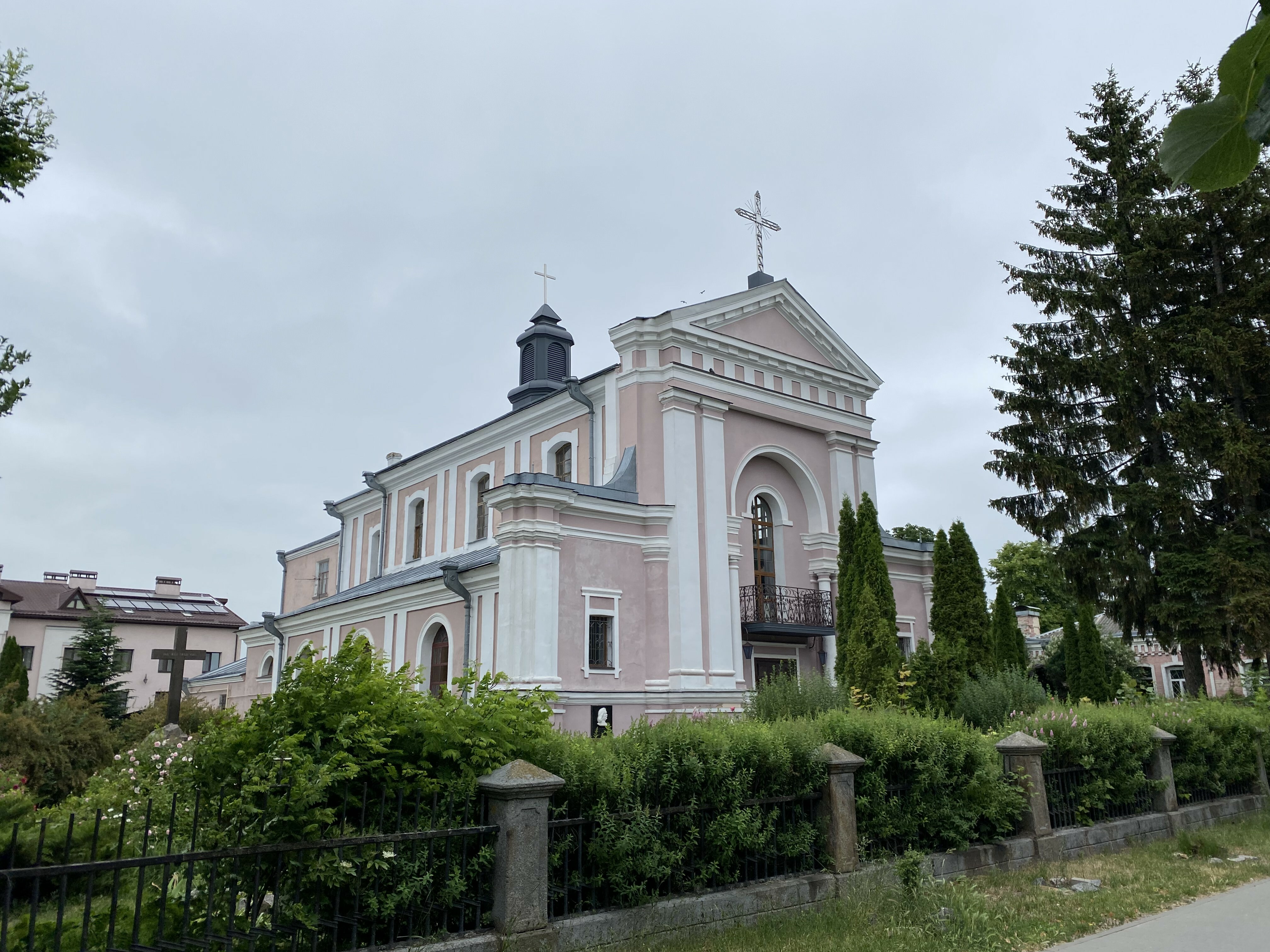
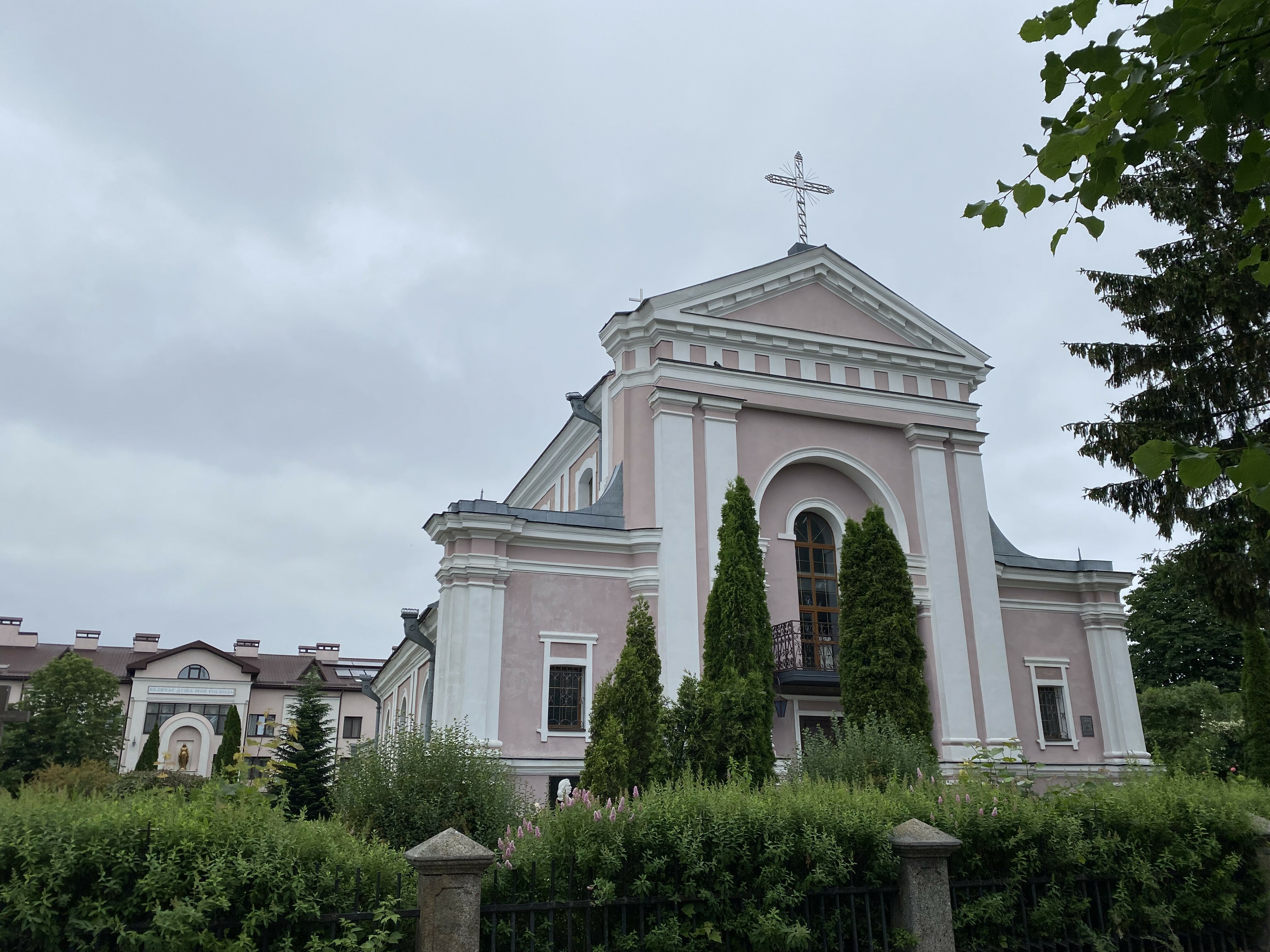
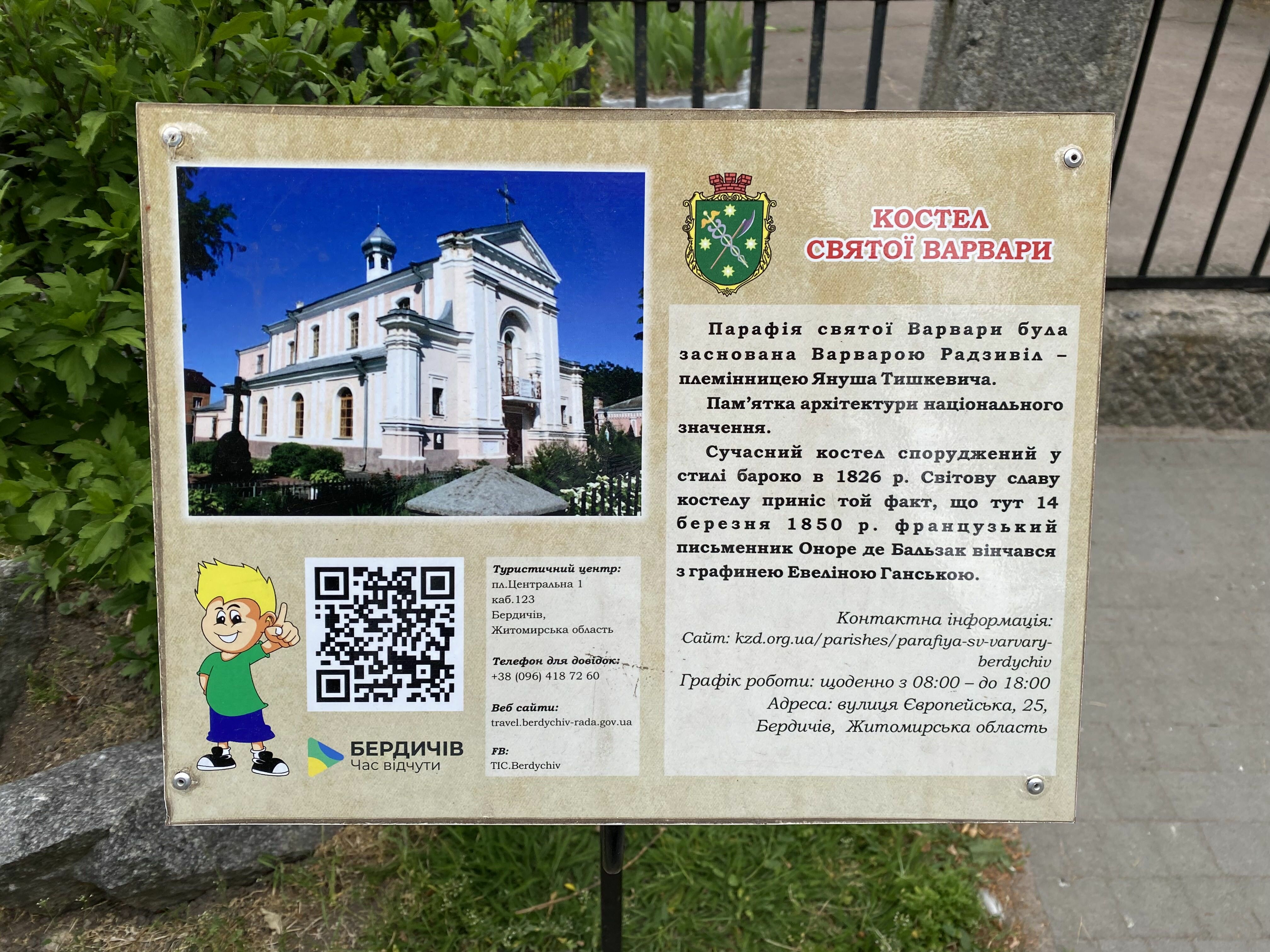
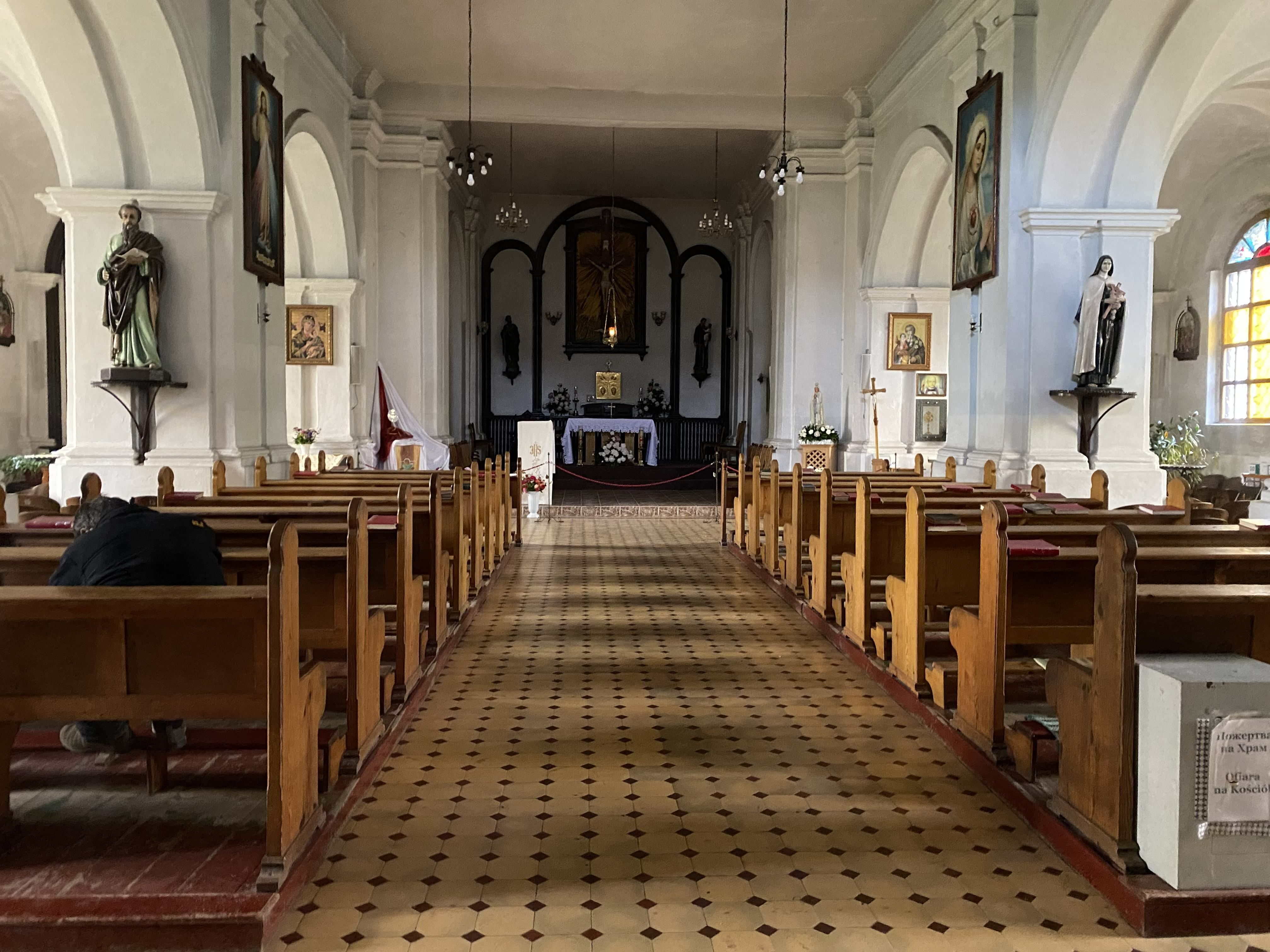
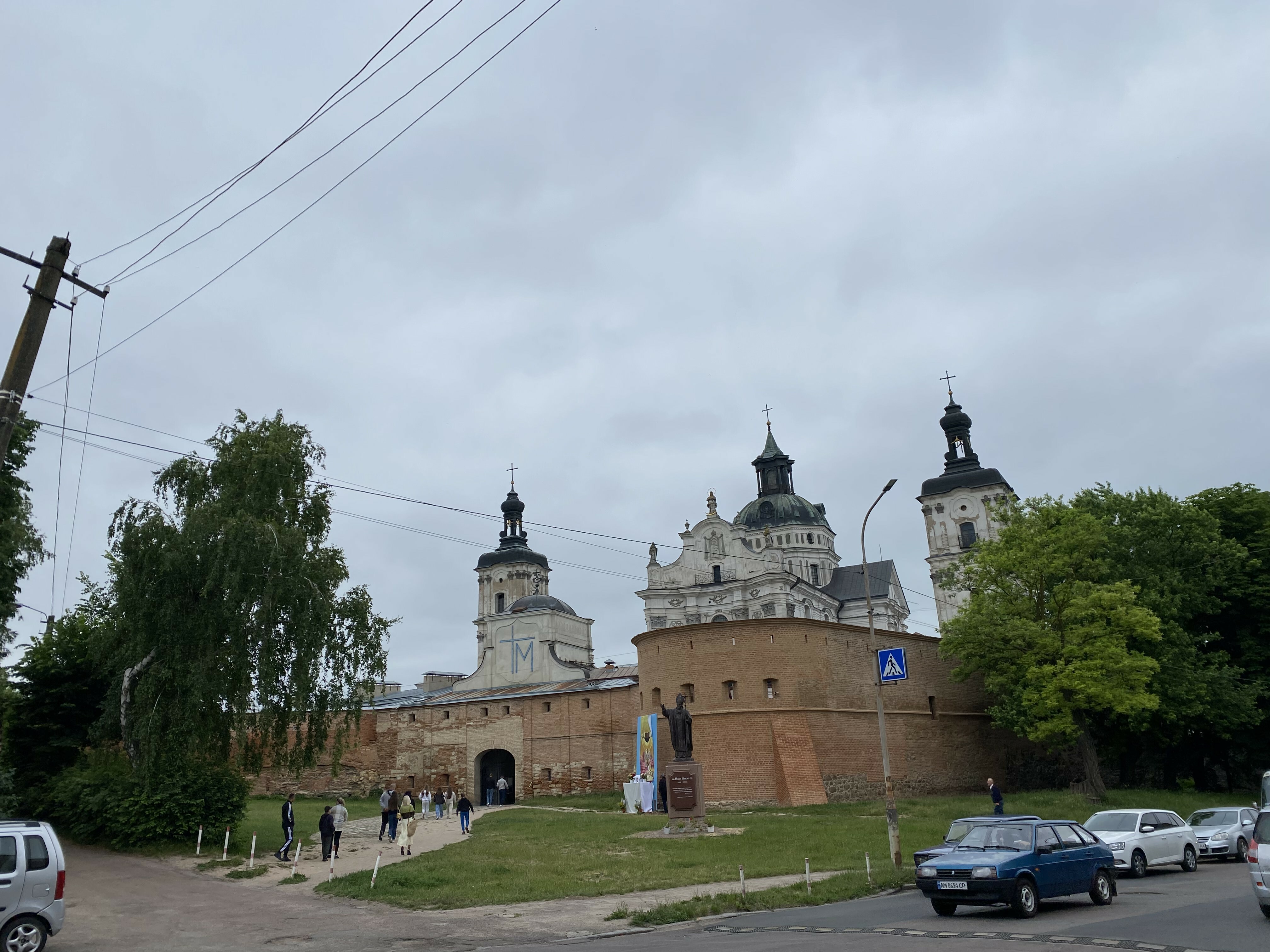
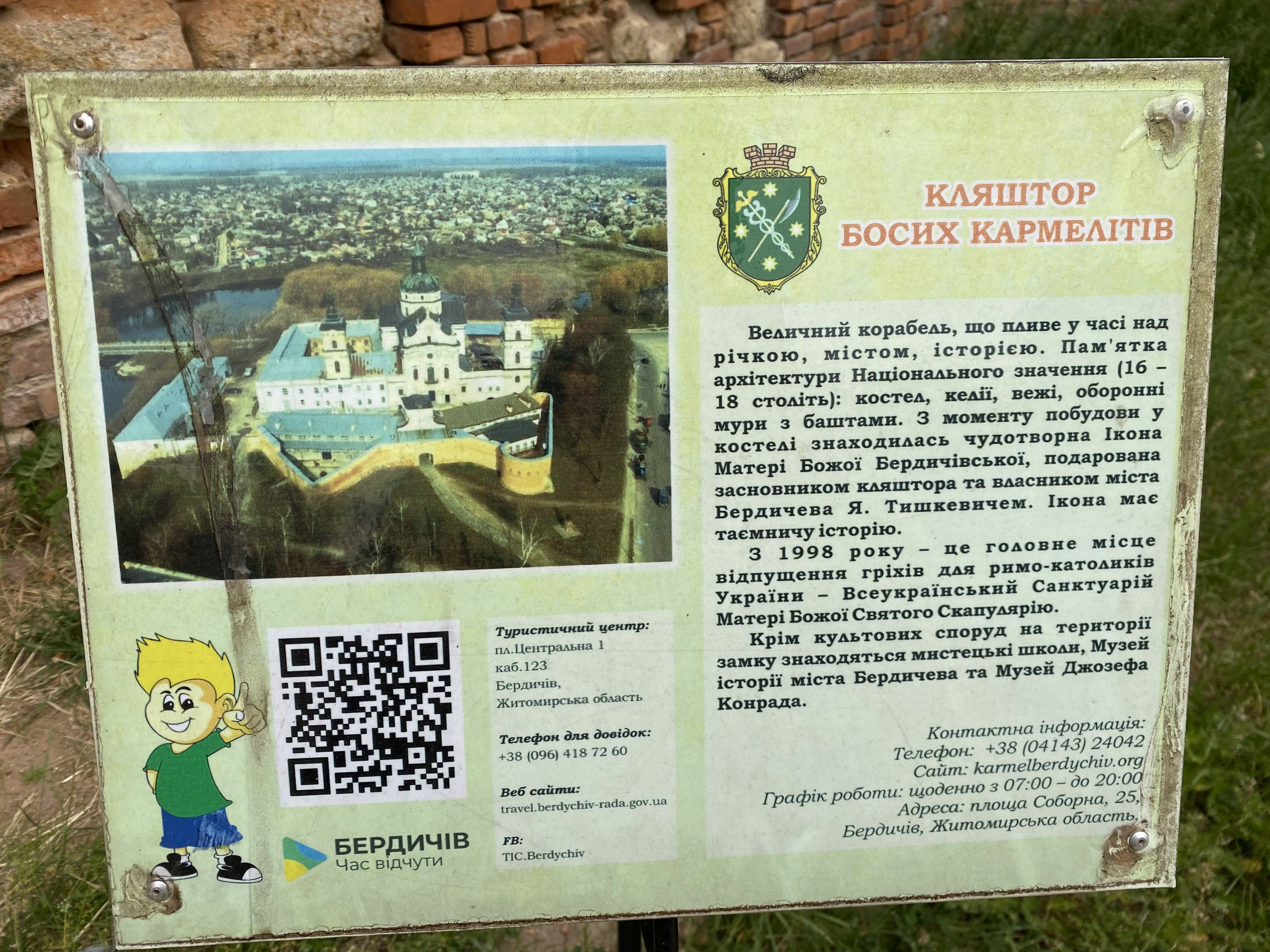
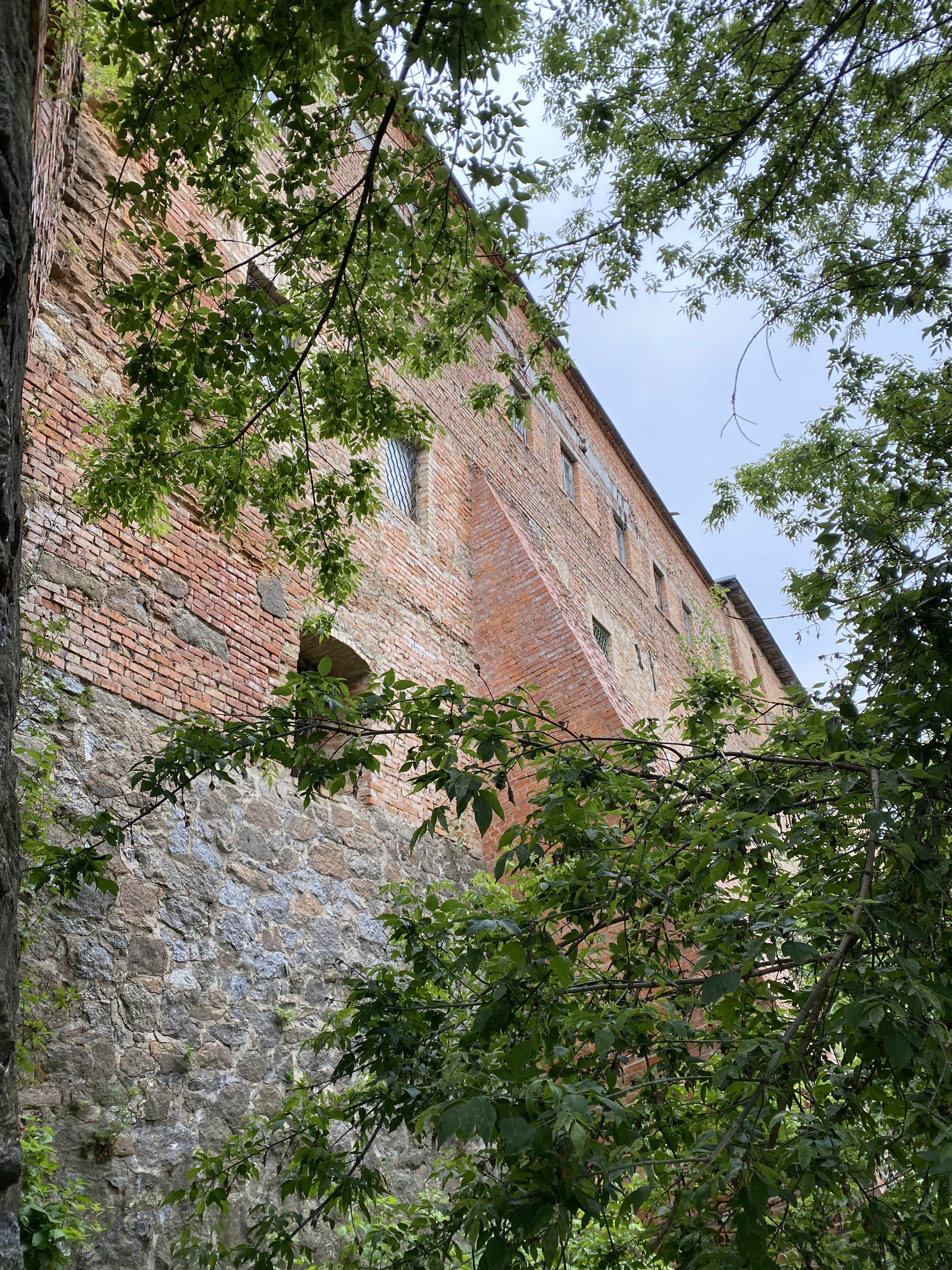
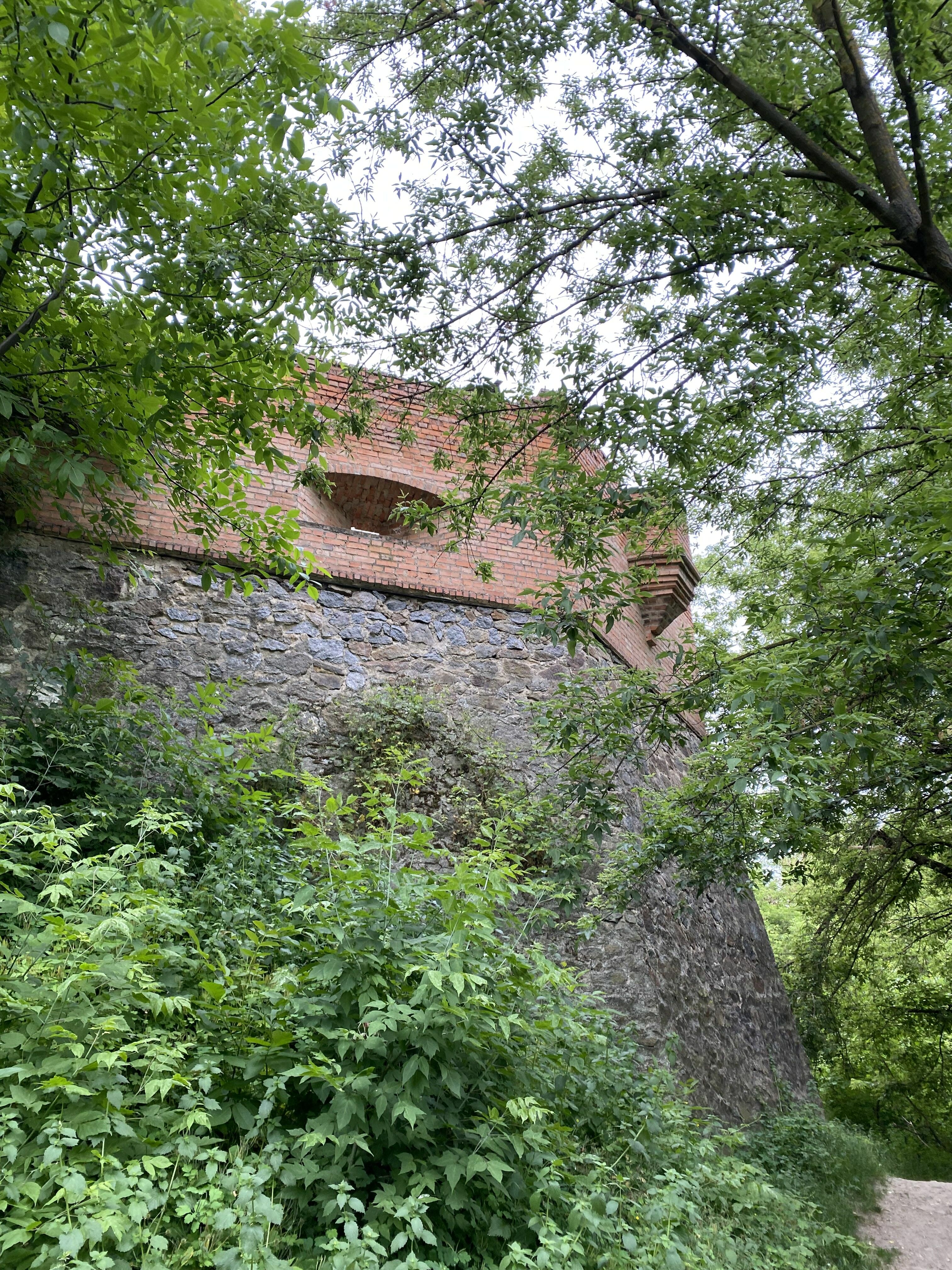
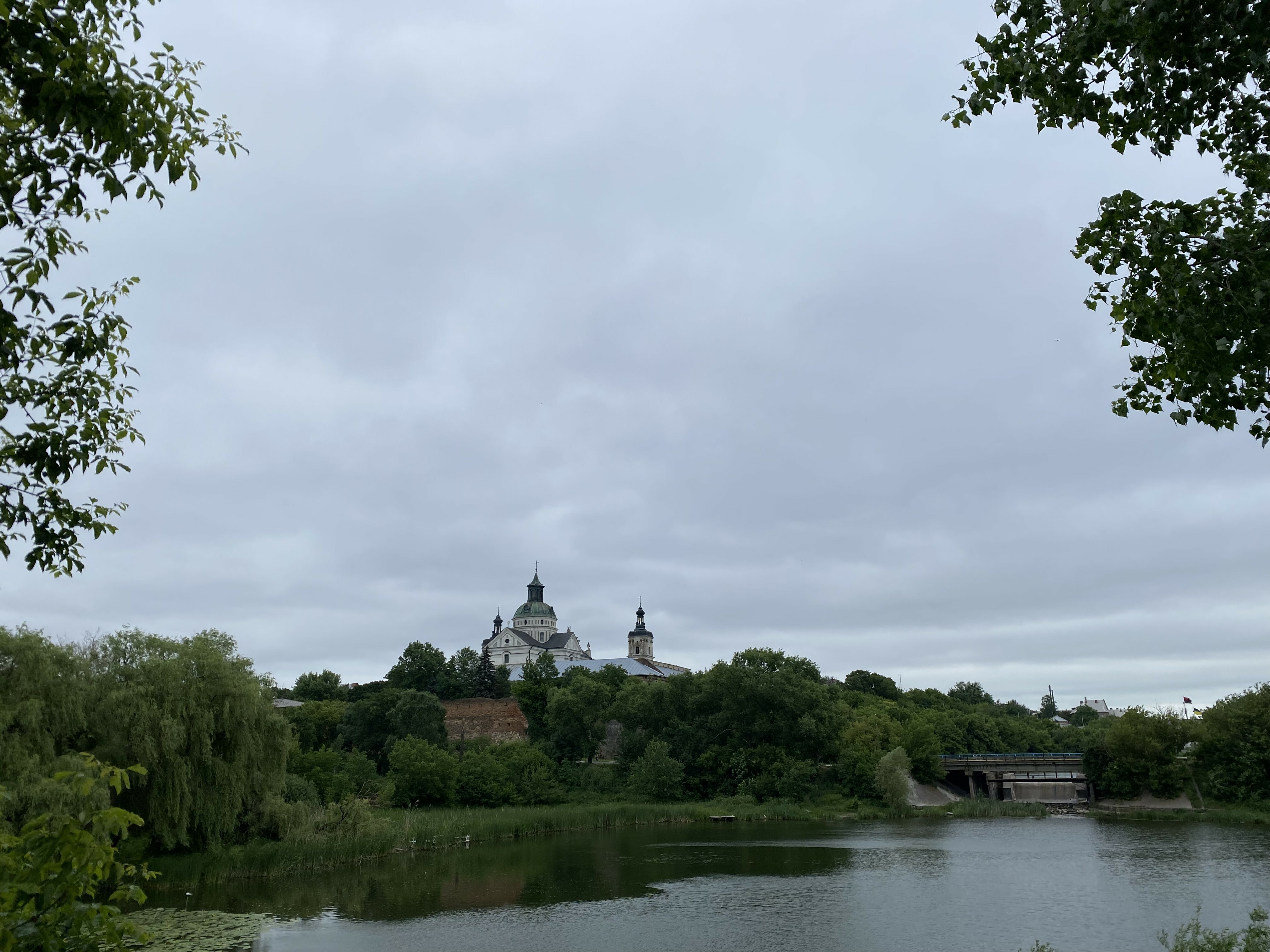
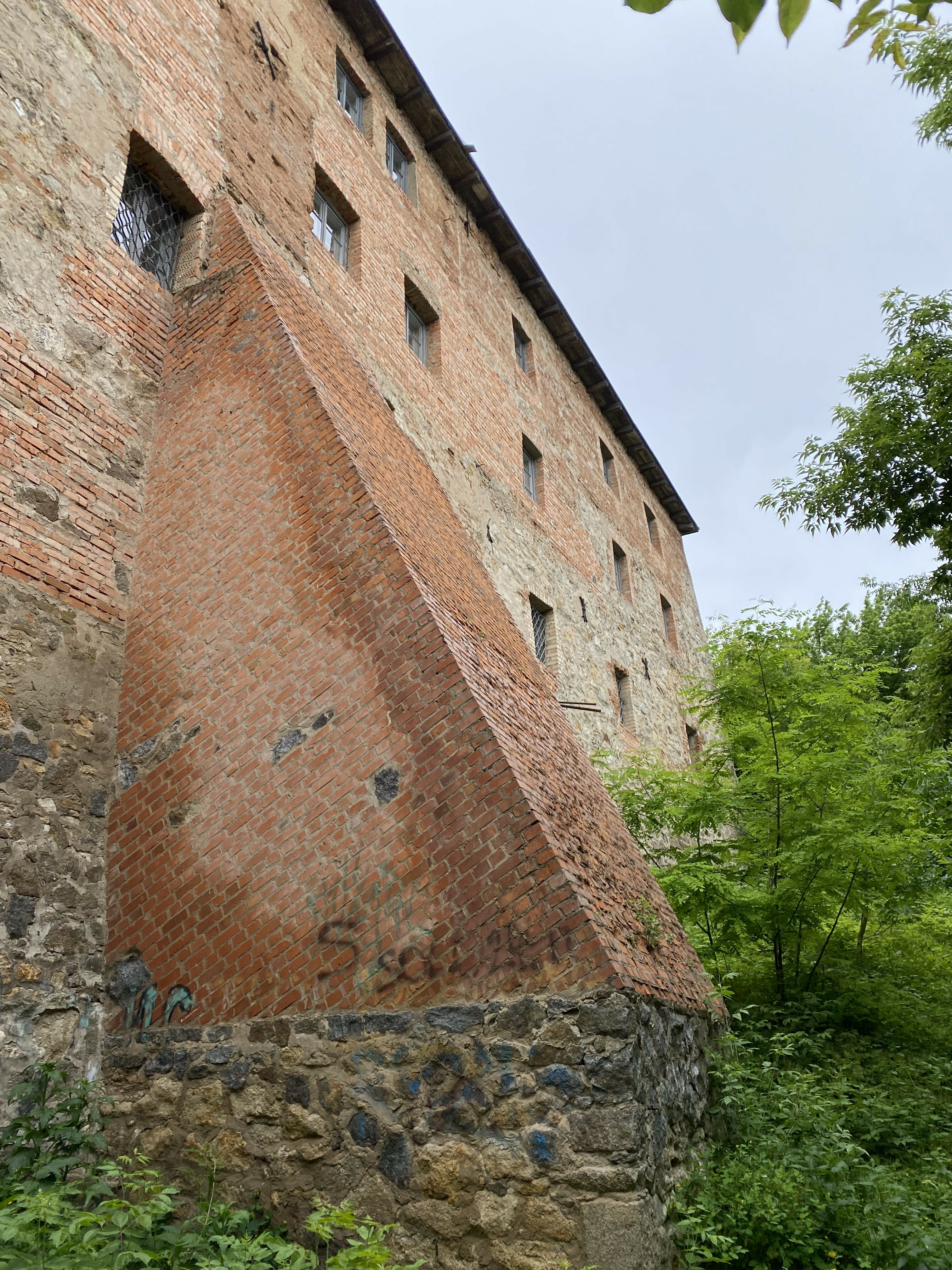
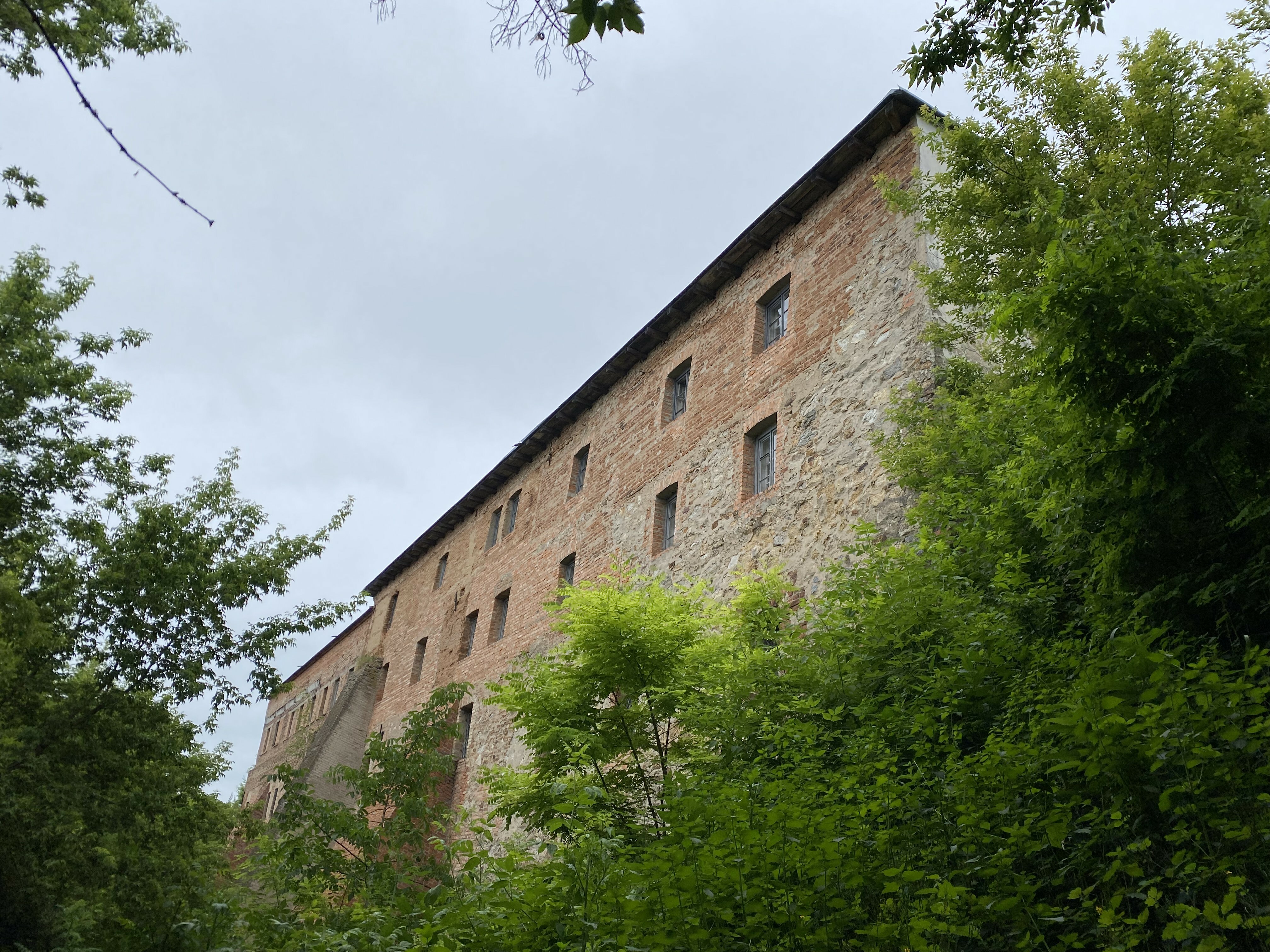
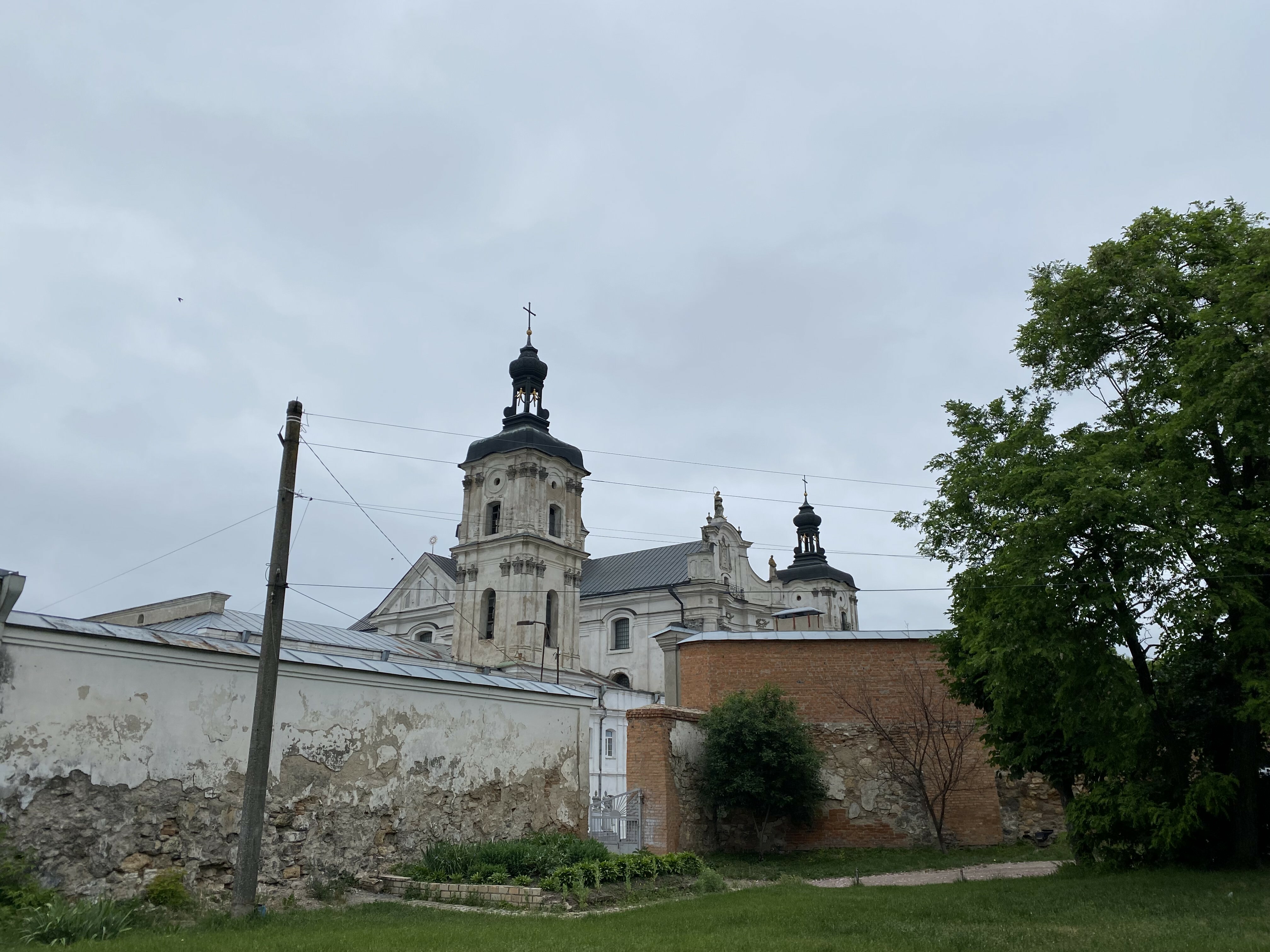
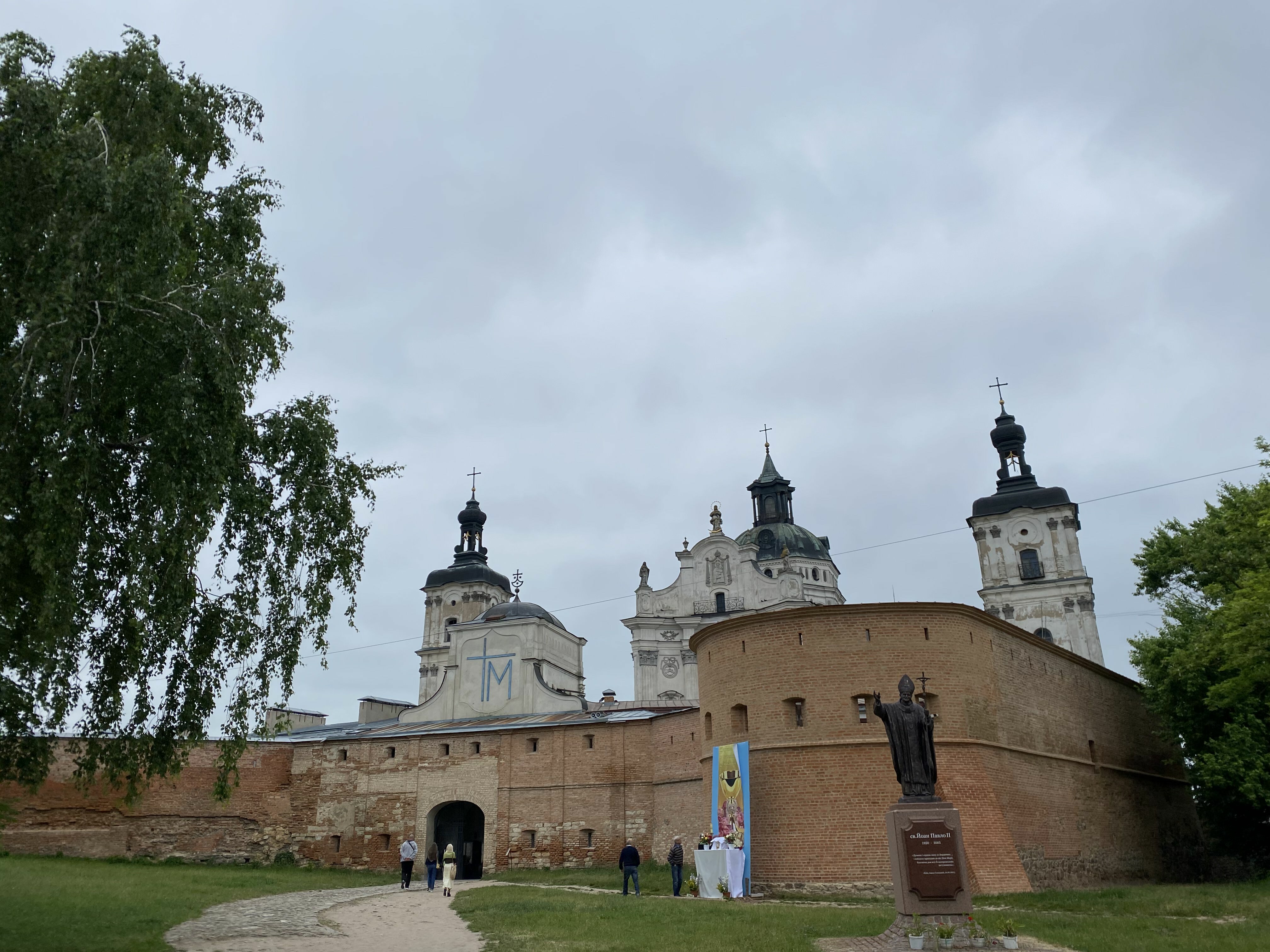
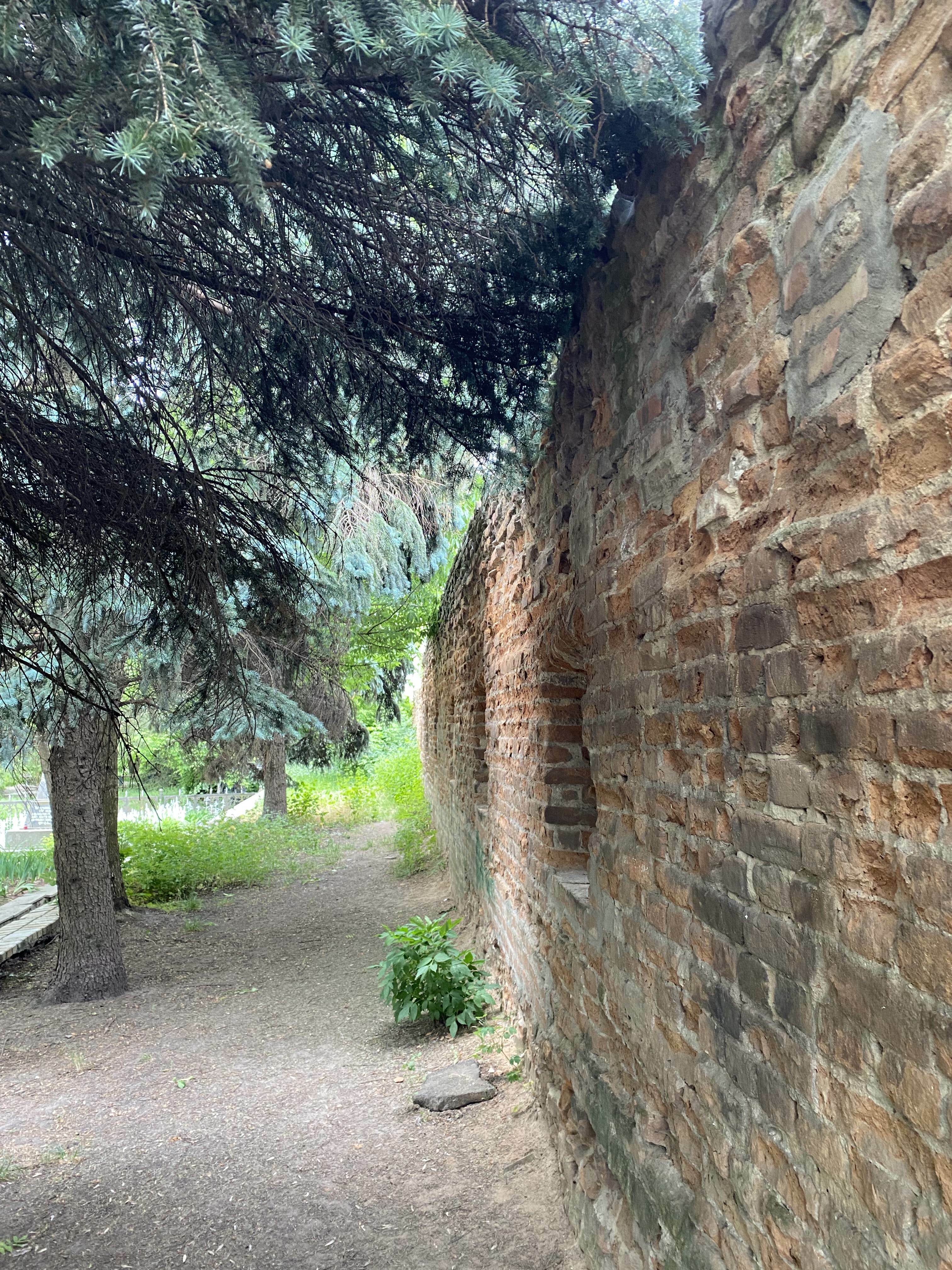
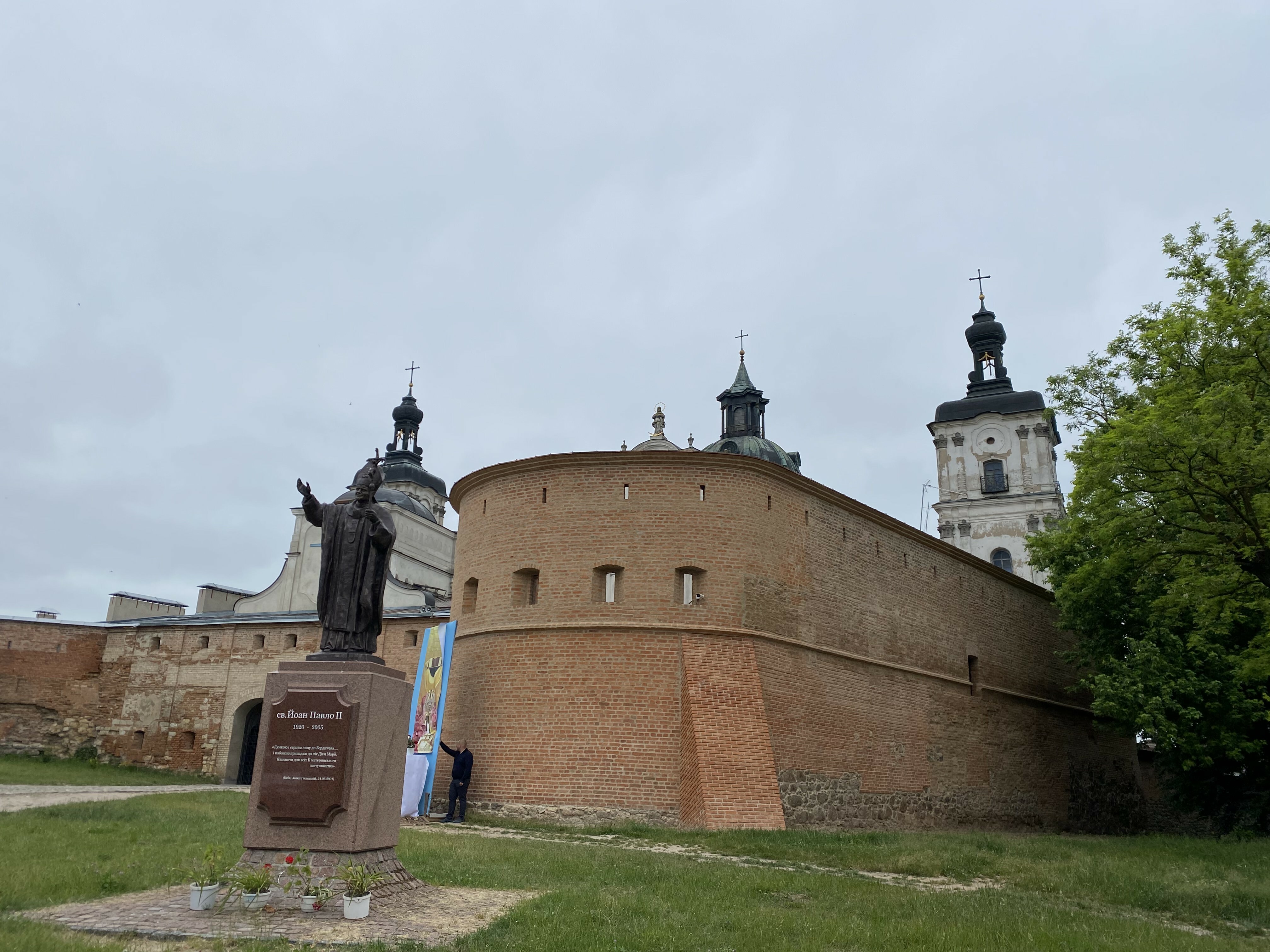
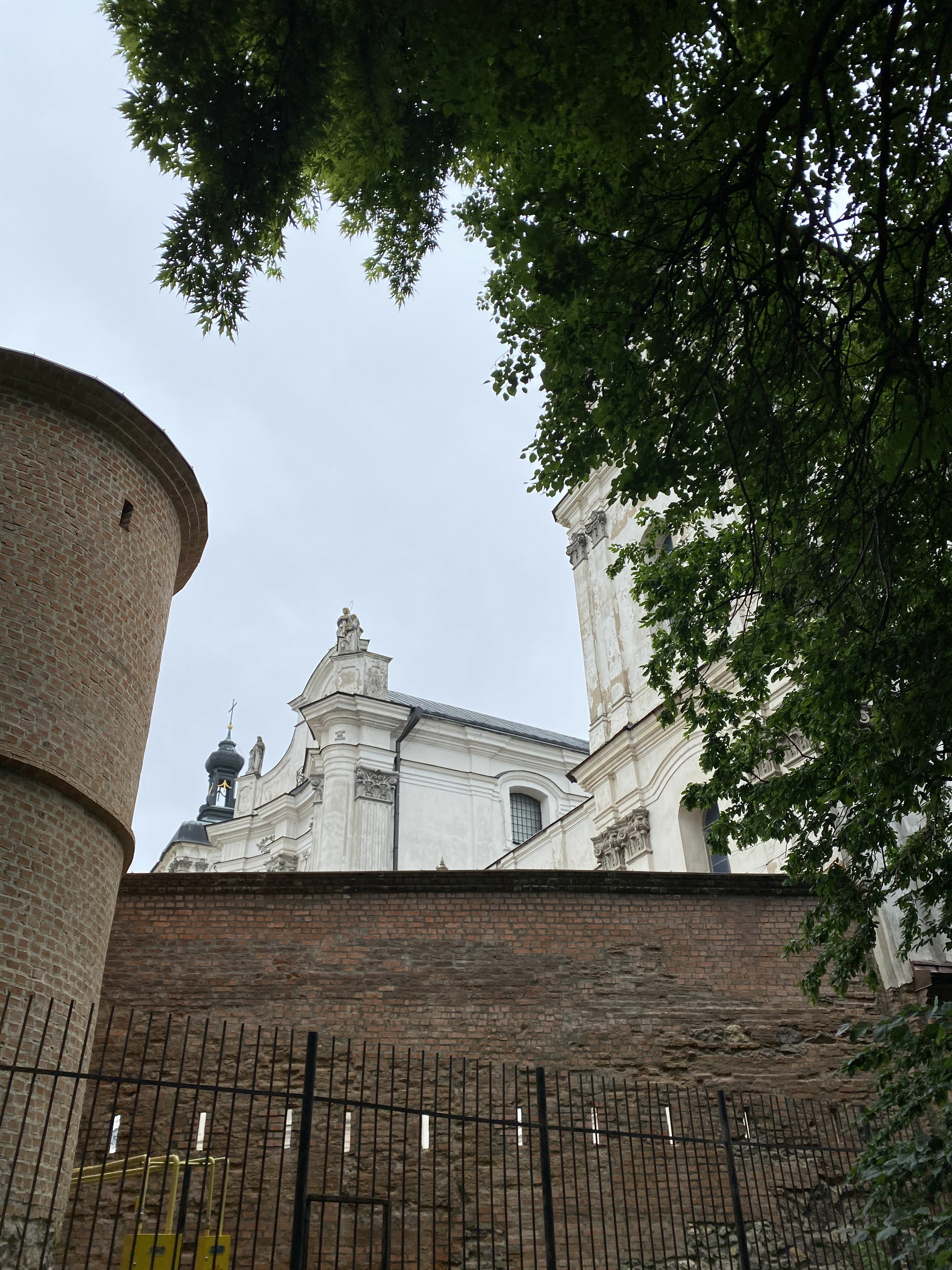
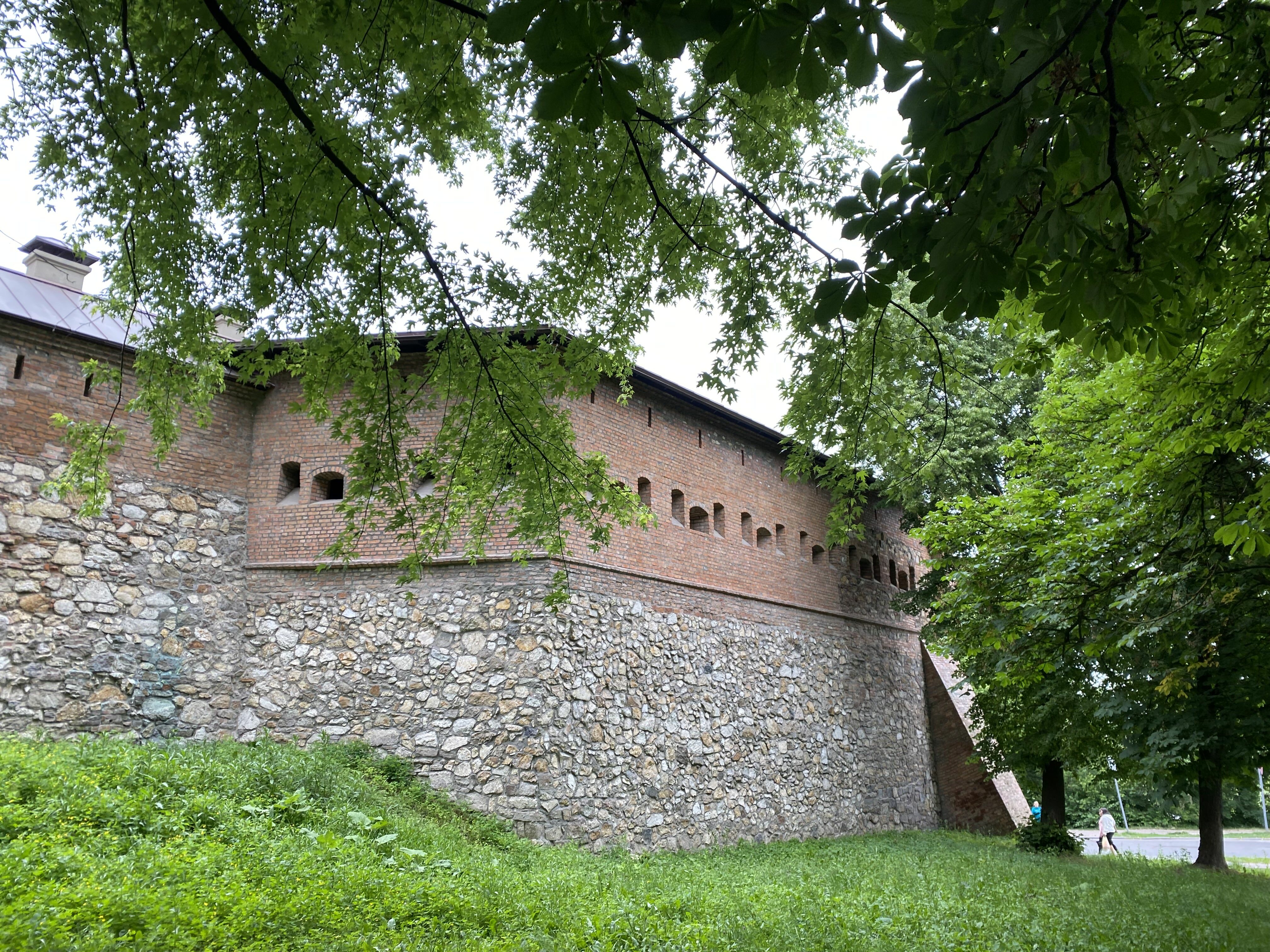
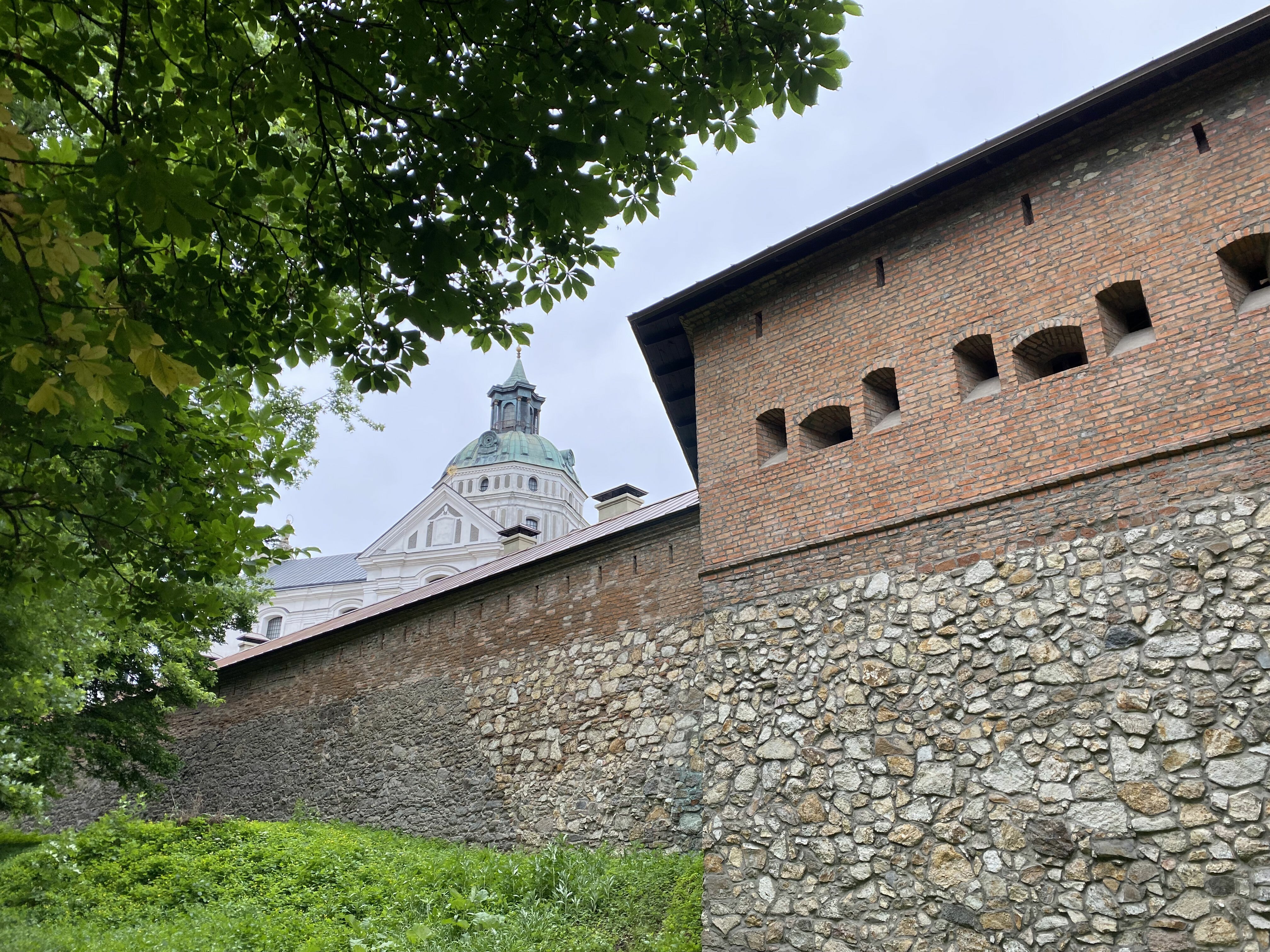
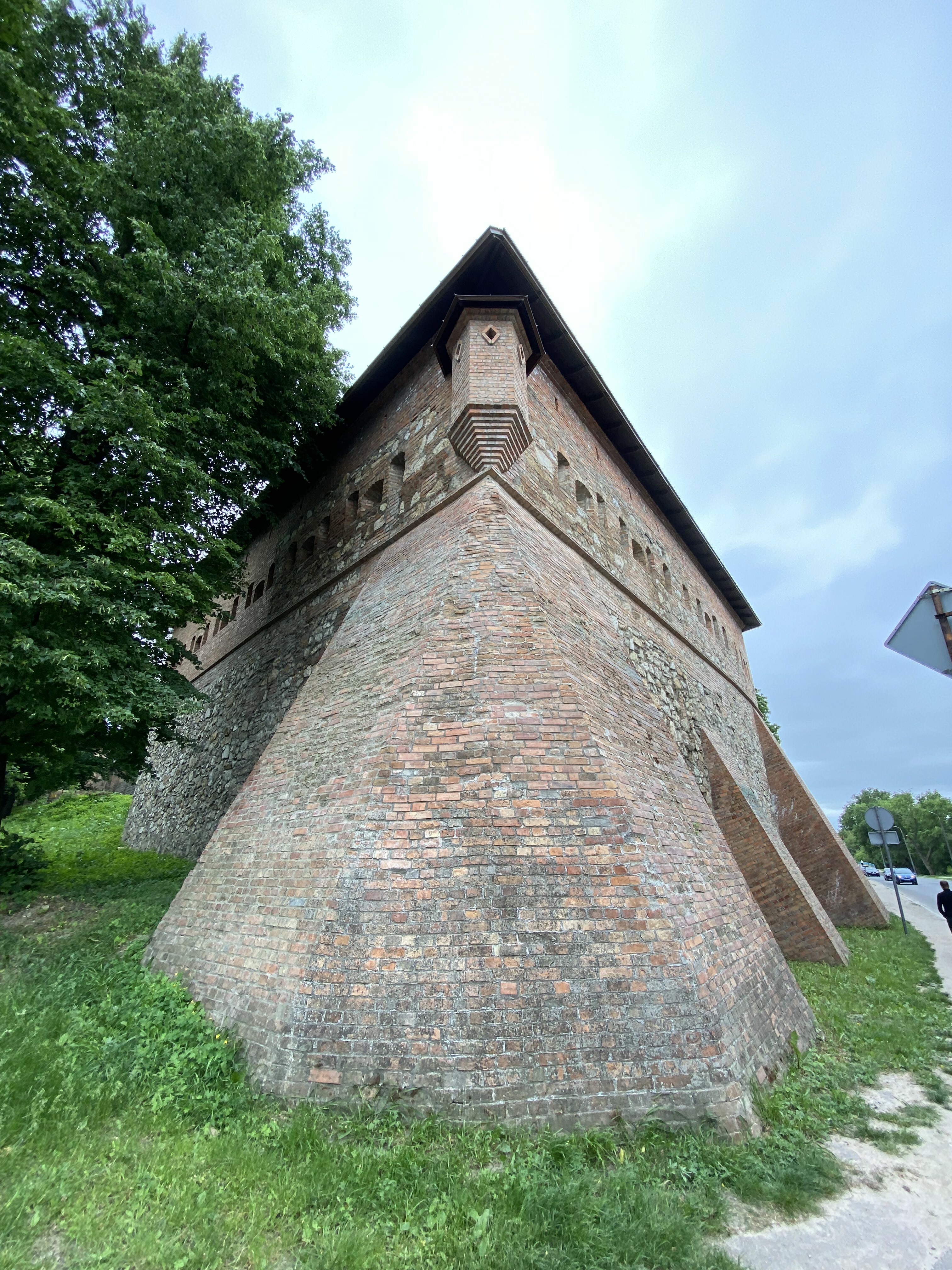
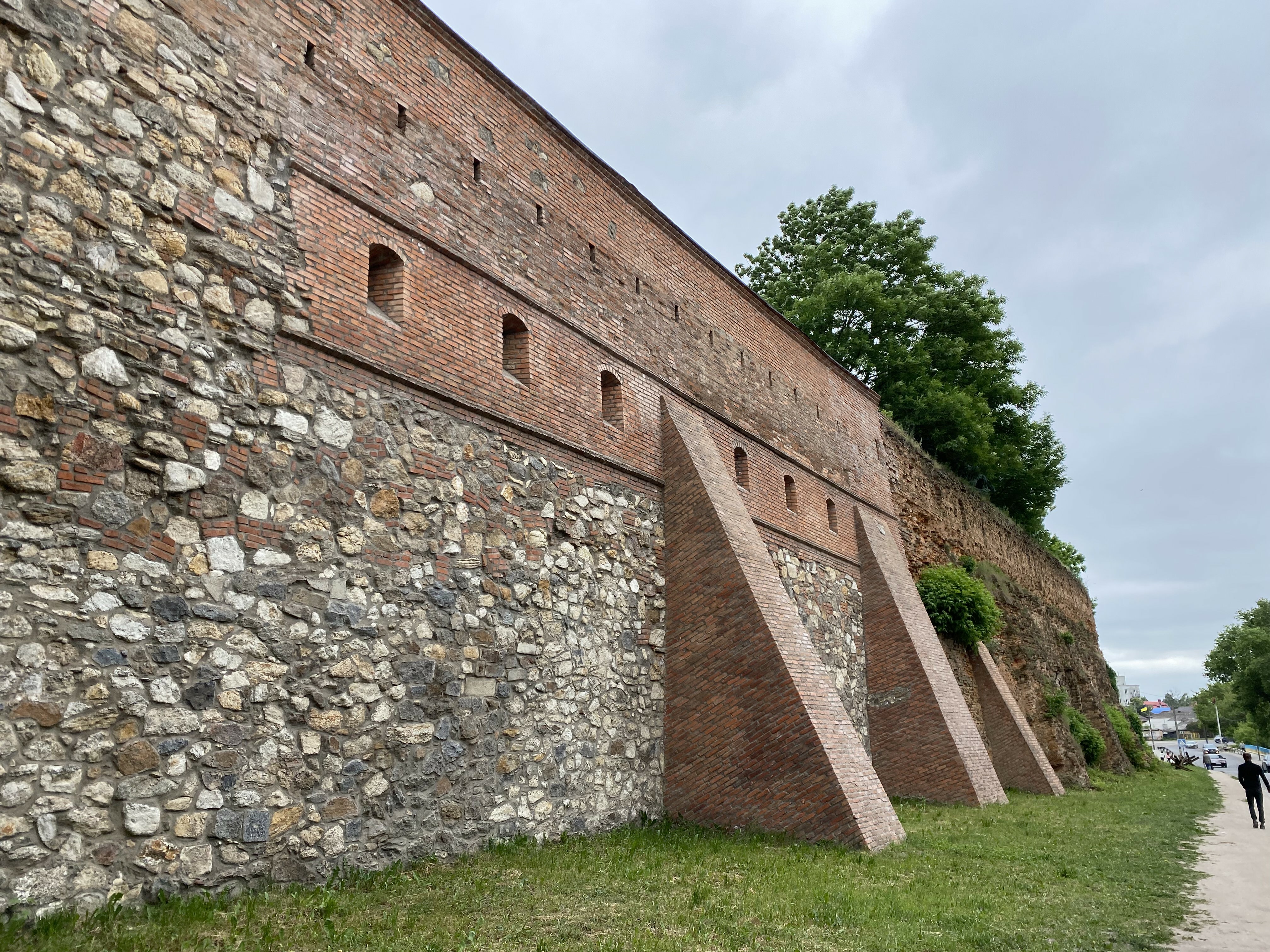
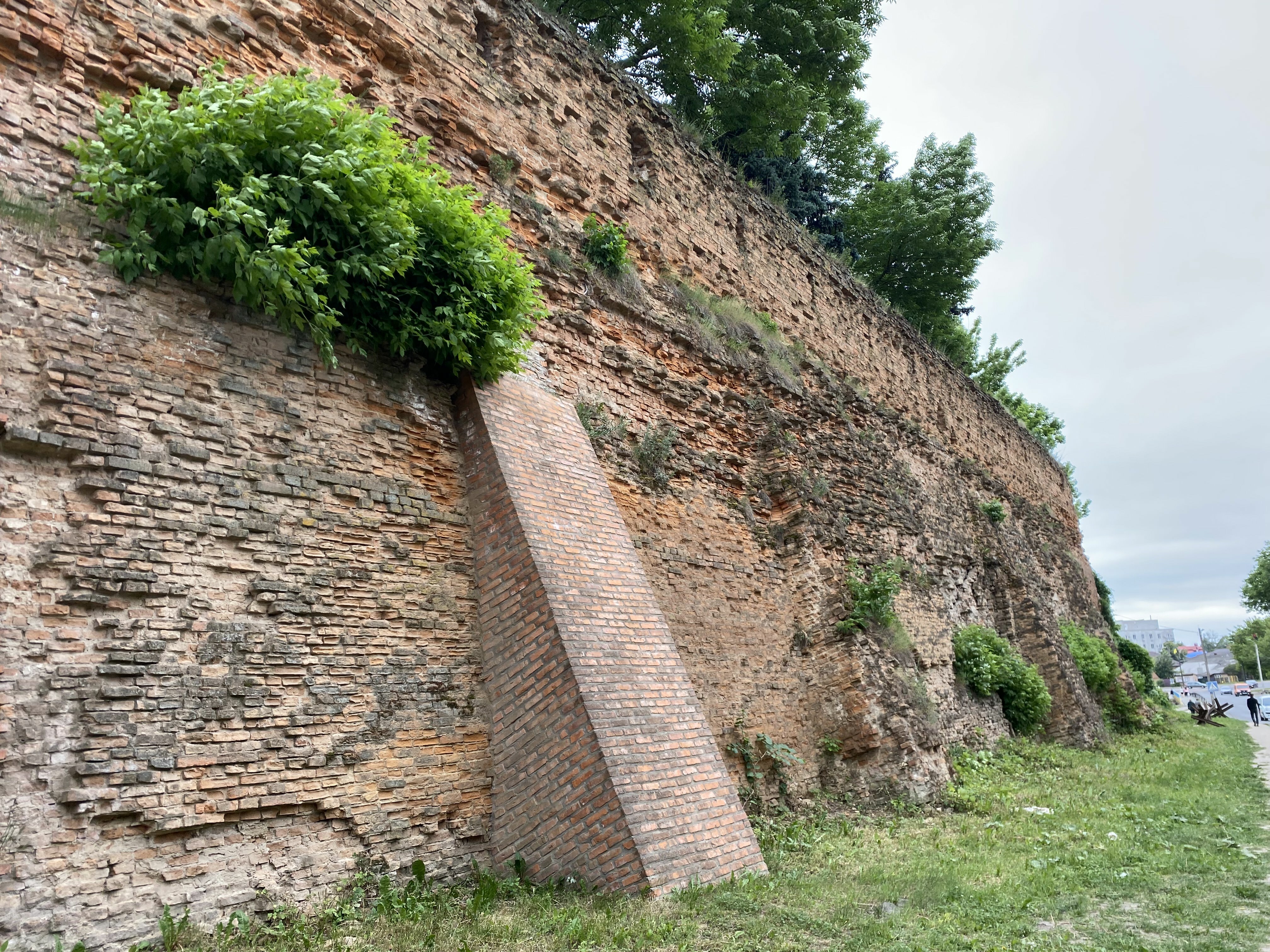
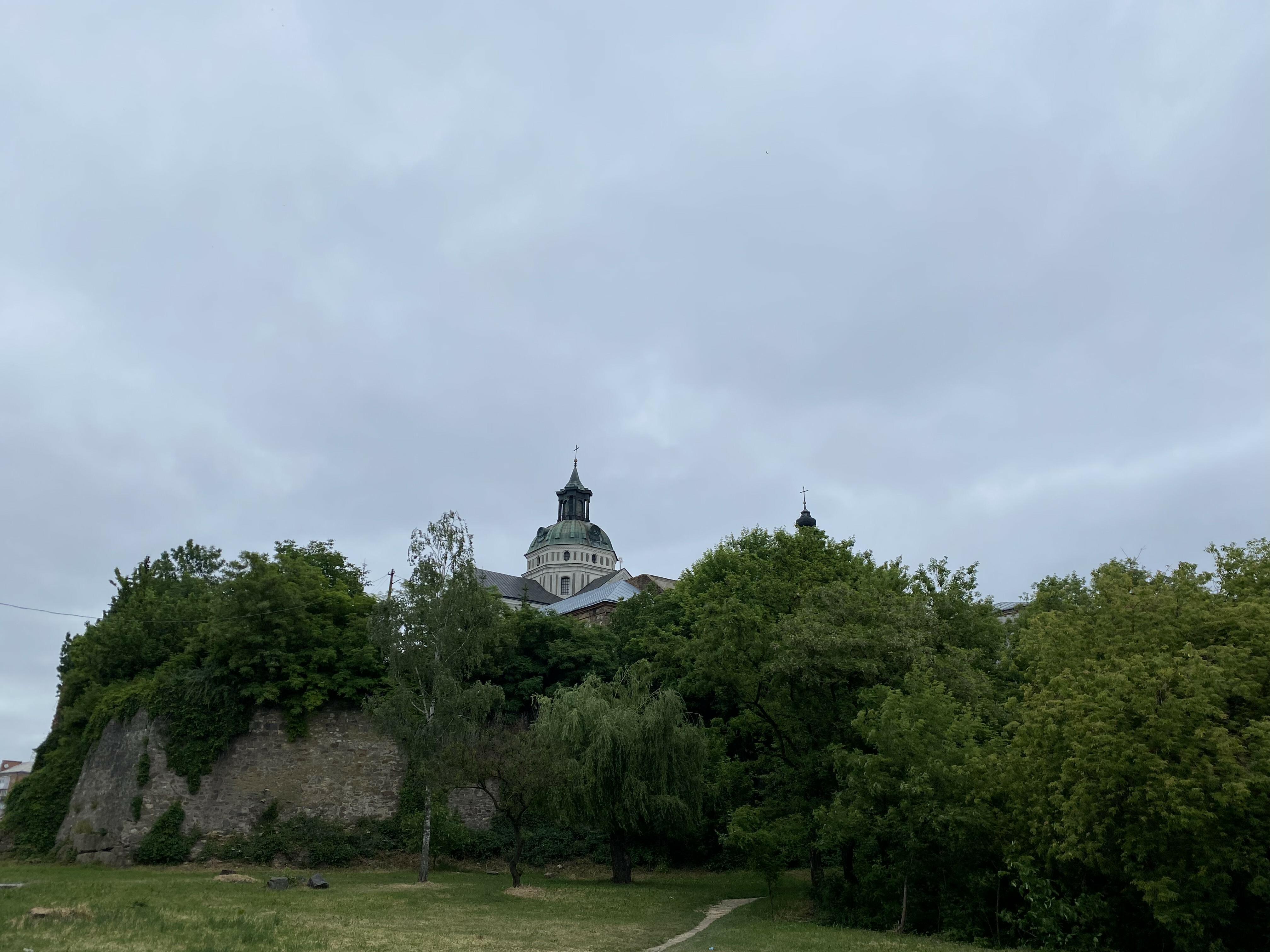
The Barefoot Carmelite Monastery was founded in 1627. Later, it turned into a fortress, which for almost two centuries was considered the most powerful in the region. The walls of the fortress monastery still look very impressive. Local residents do not call the monastery a monastery, more often they simply say "fortress".
The Berdychiv monastery (monastery-fortress) of the order of the Bare Carmelites was founded in 1627 by the voivode and chief general of the Kyiv region, Yanush Tyshkevich, as a vow for release from Tatar captivity.
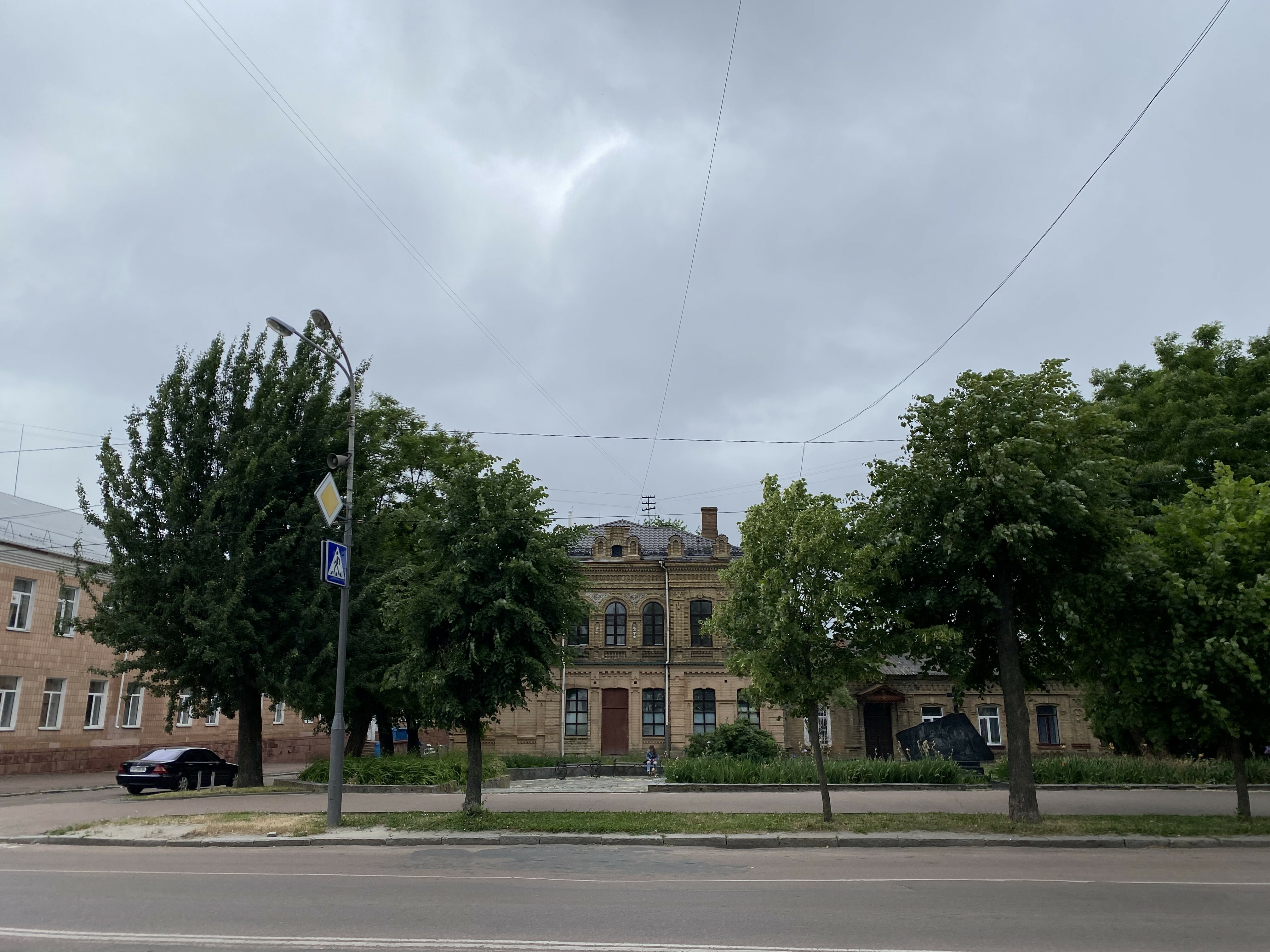
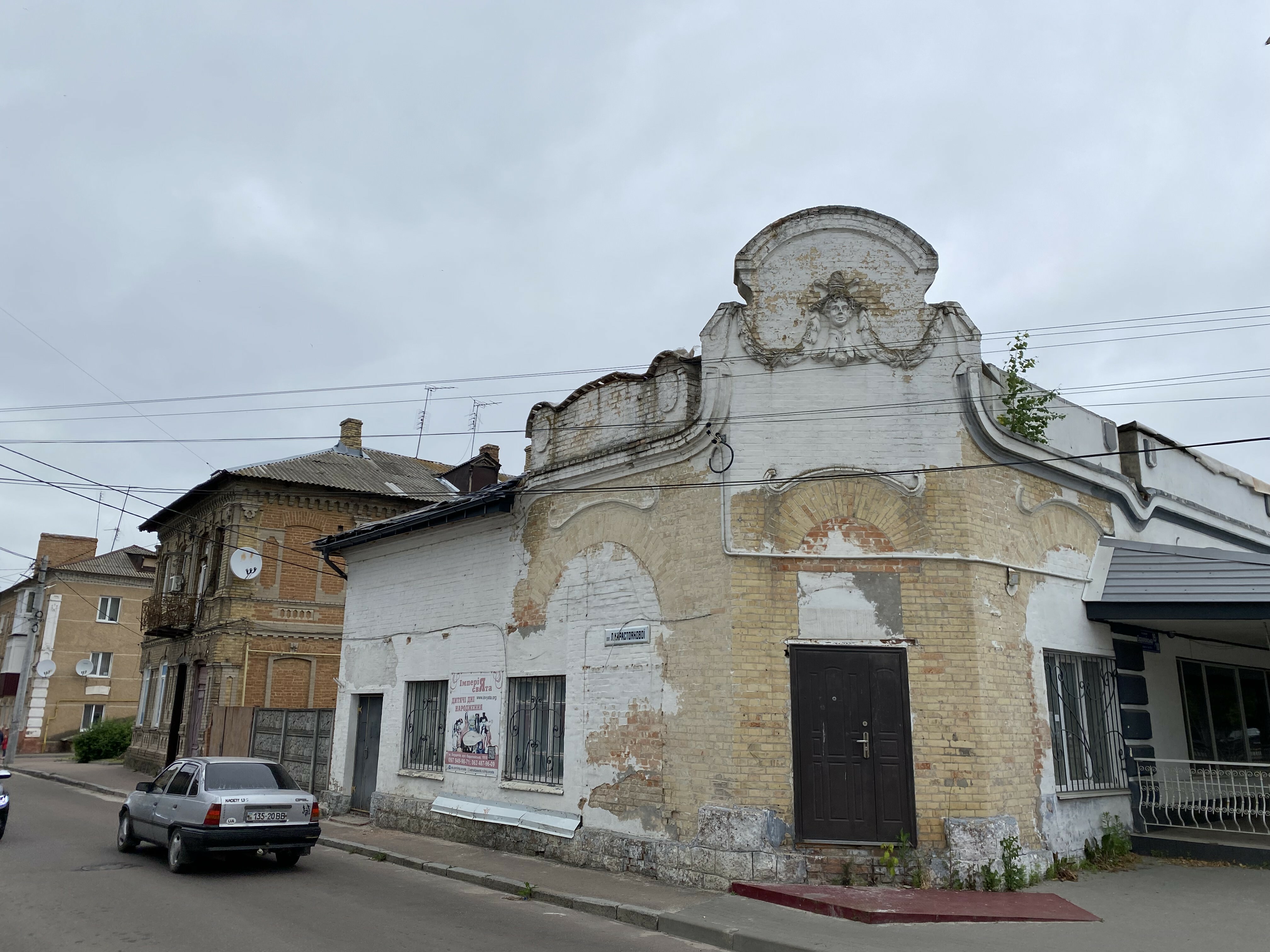
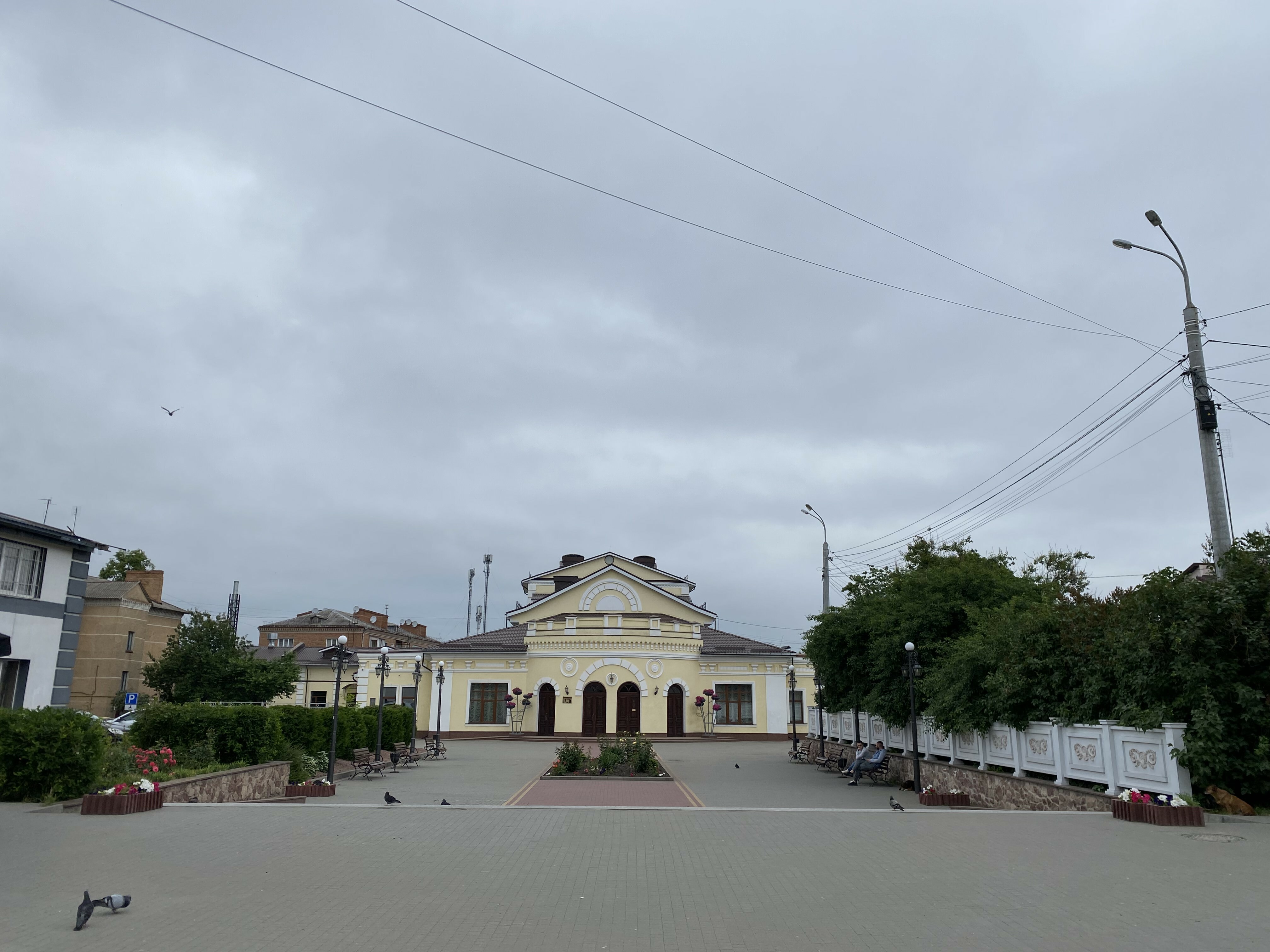
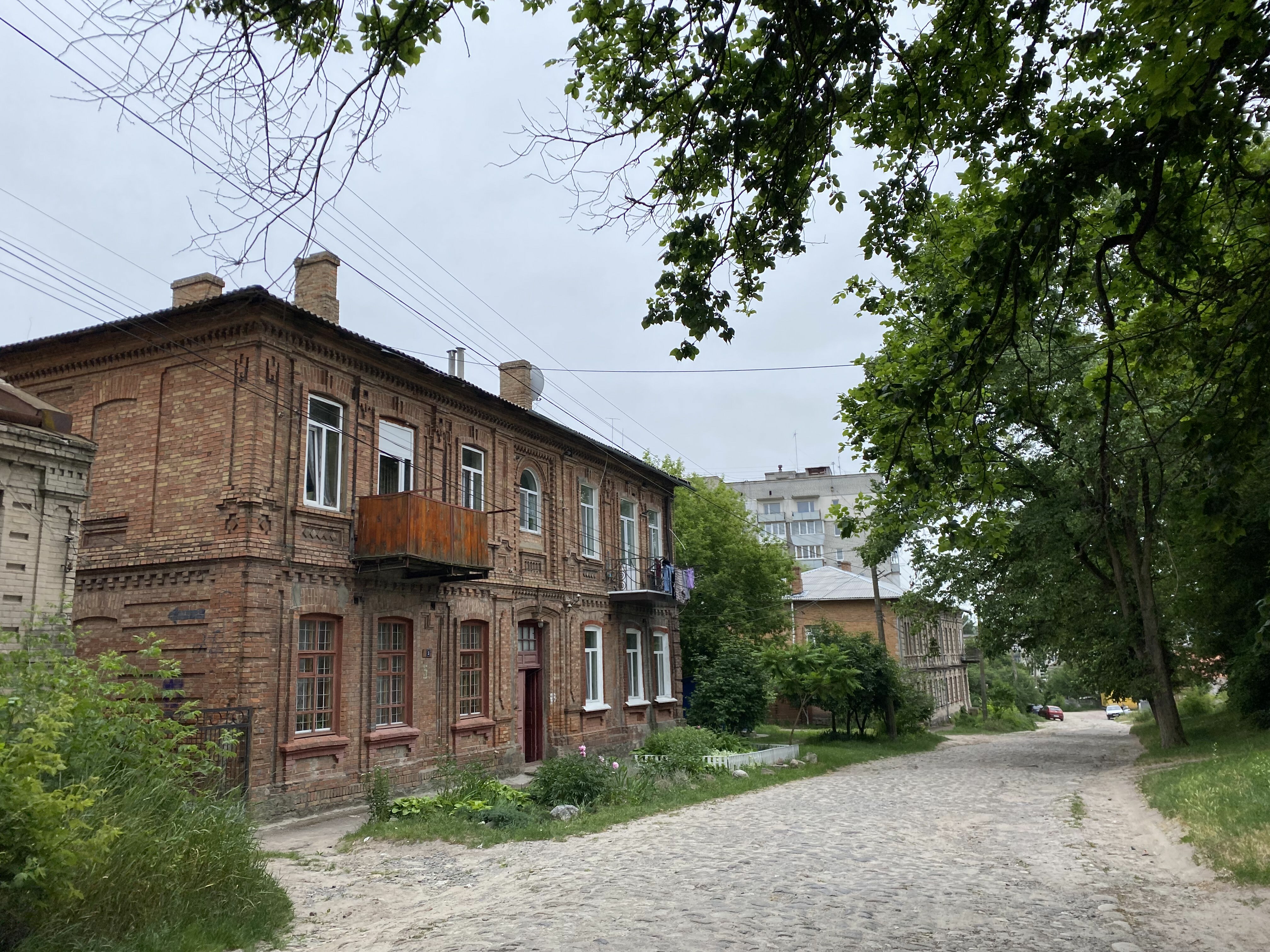
In 1630, Tyshkevich transferred his Berdychiv castle-manor with several nearby villages to the monastery and as the basis of the monastery's economy, as well as other manorial and monetary foundations.
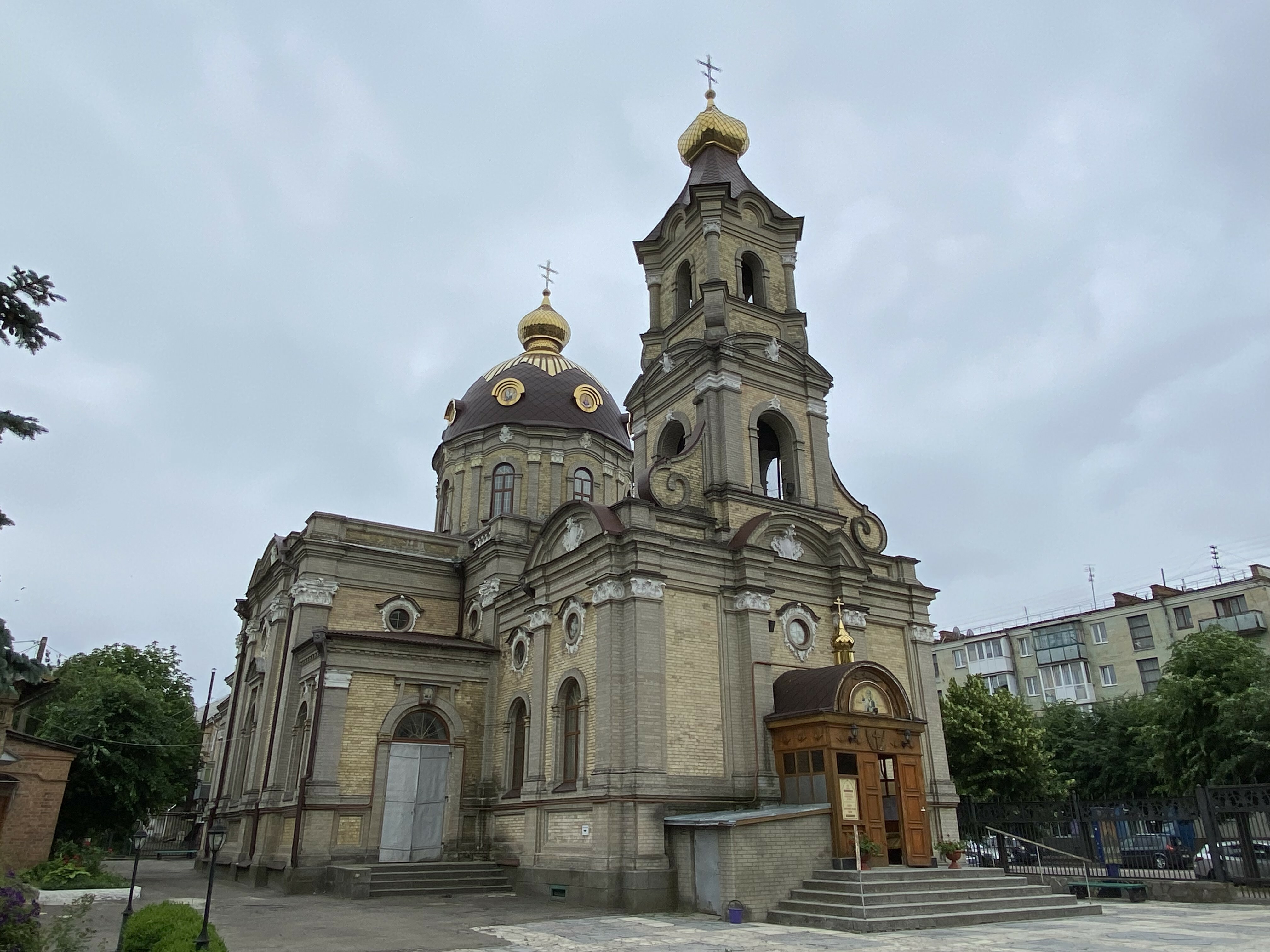
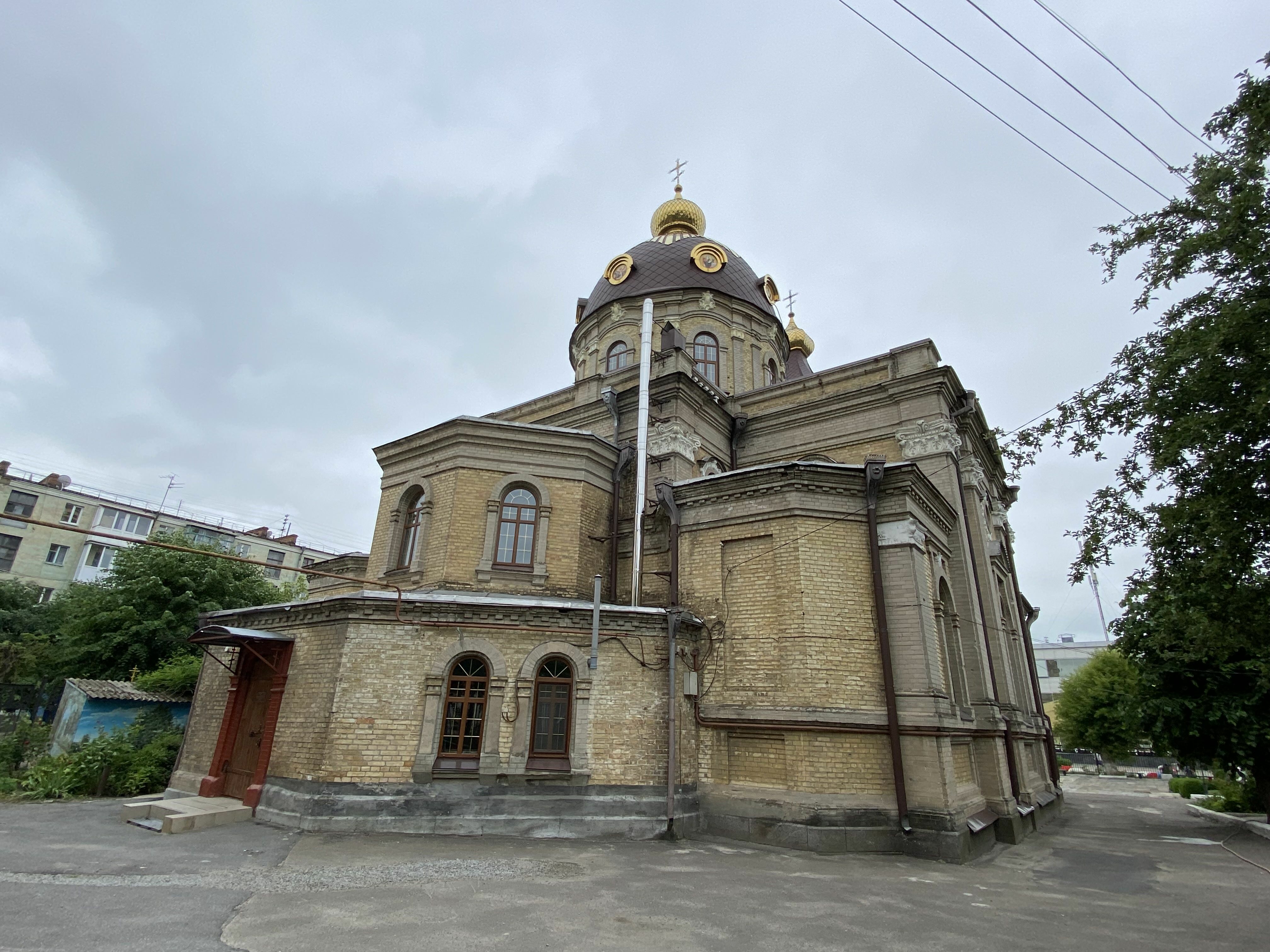
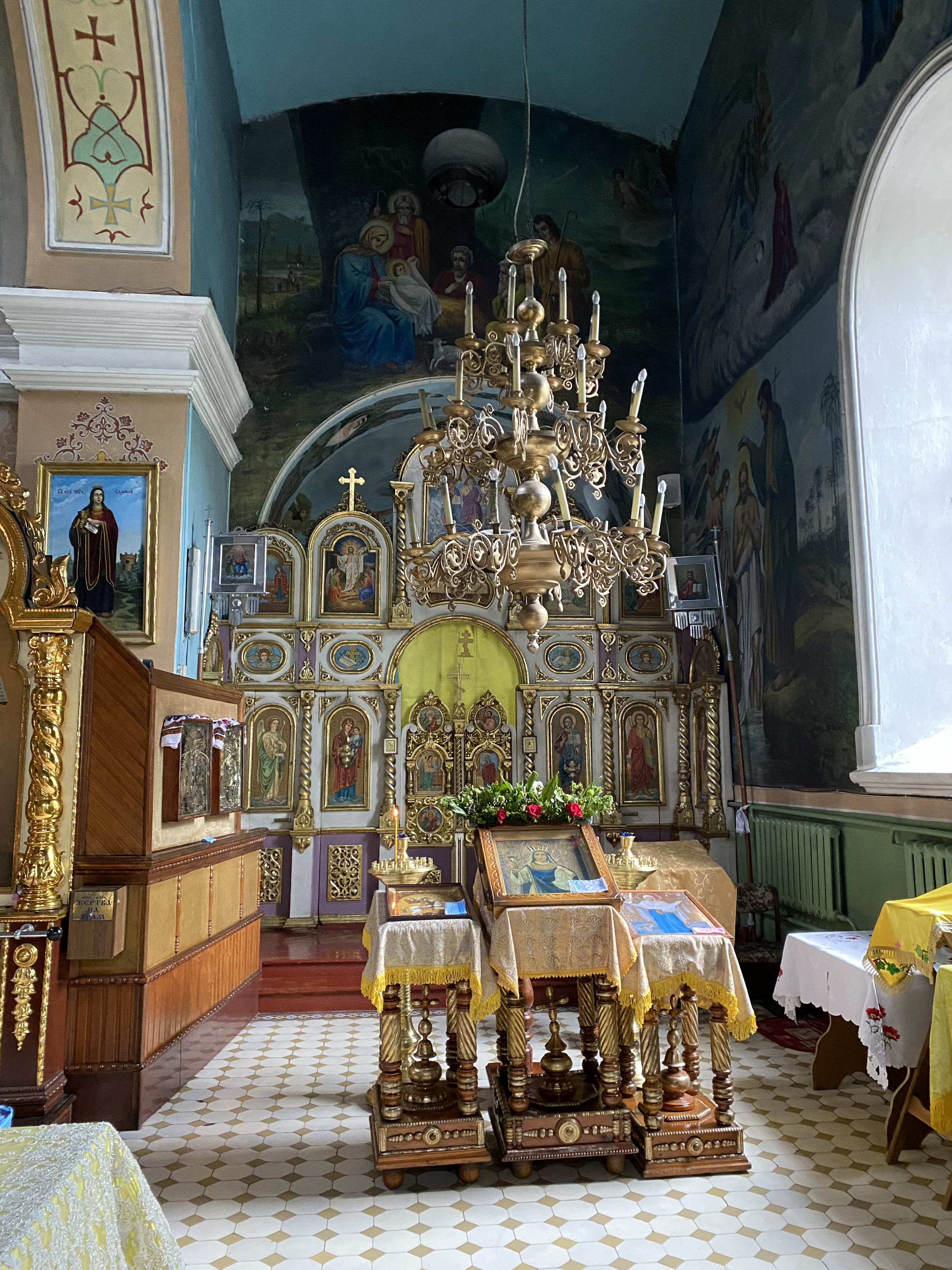
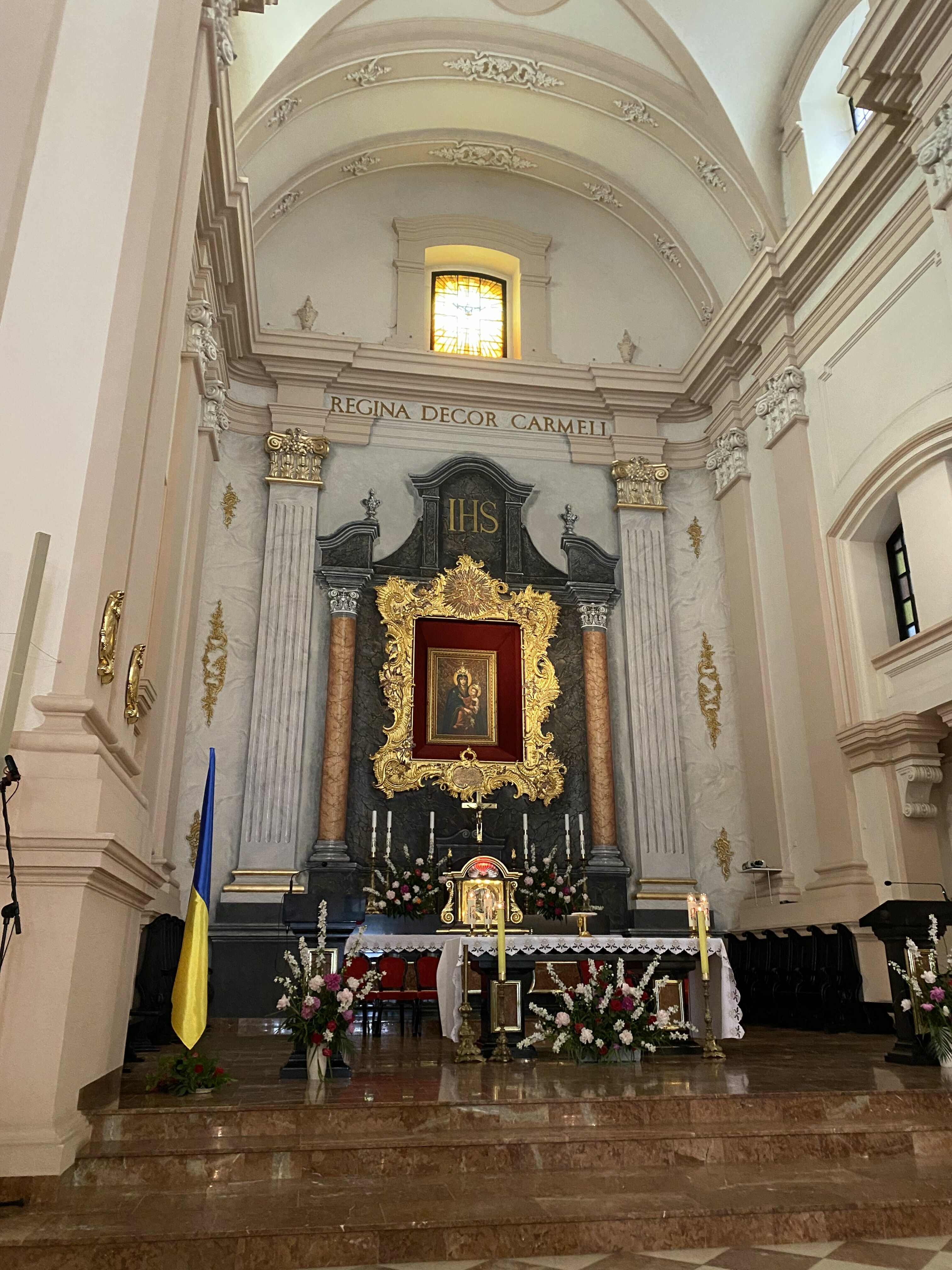
In 1634, the Berdychiv Carmelites founded the "lower" (underground) Mariinsky church, built trading crypts, shops and other commercial buildings, and expanded the fortress walls. Construction lasted eight years. The solemn opening of the monastery and the consecration of the lower church took place on July 22, 1642. At this ceremony, the founder made a sacrificial gift for the new church - an icon of the Blessed Virgin Mary, long known in the Tyshkevych family for its grace. (According to information disseminated in Soviet times, in order to increase the profitability of the church, the Carmelites forcibly took the image of the Mother of God, which was famous as miraculous, from the Orthodox Michael Church and moved it to the church).
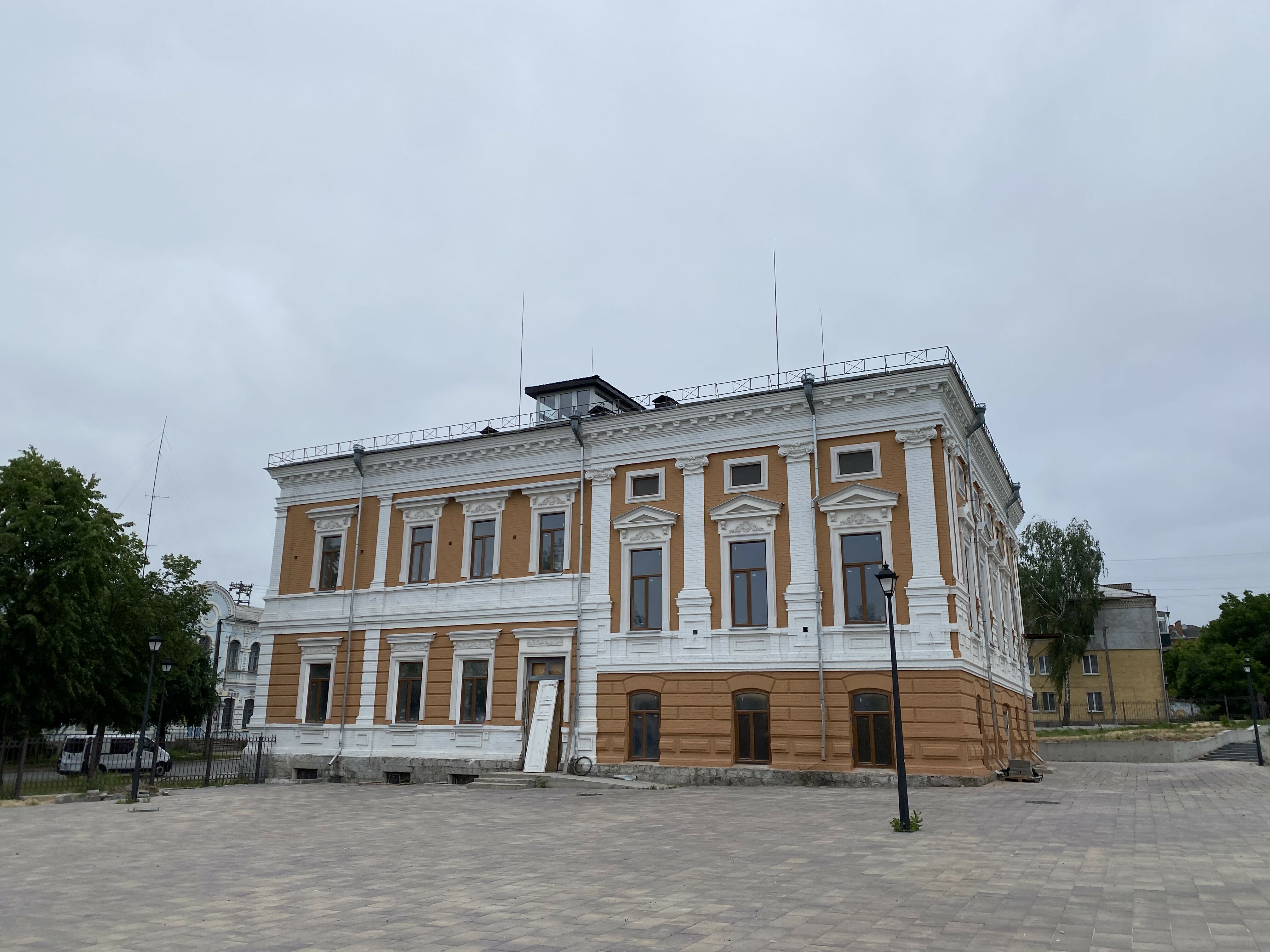
Soon the monastery acquired the importance of a large economic center. In connection with this, the city of Berdychiv is growing, it is populated by craftsmen and merchants, and crowds of pilgrims are coming to Berdychiv.
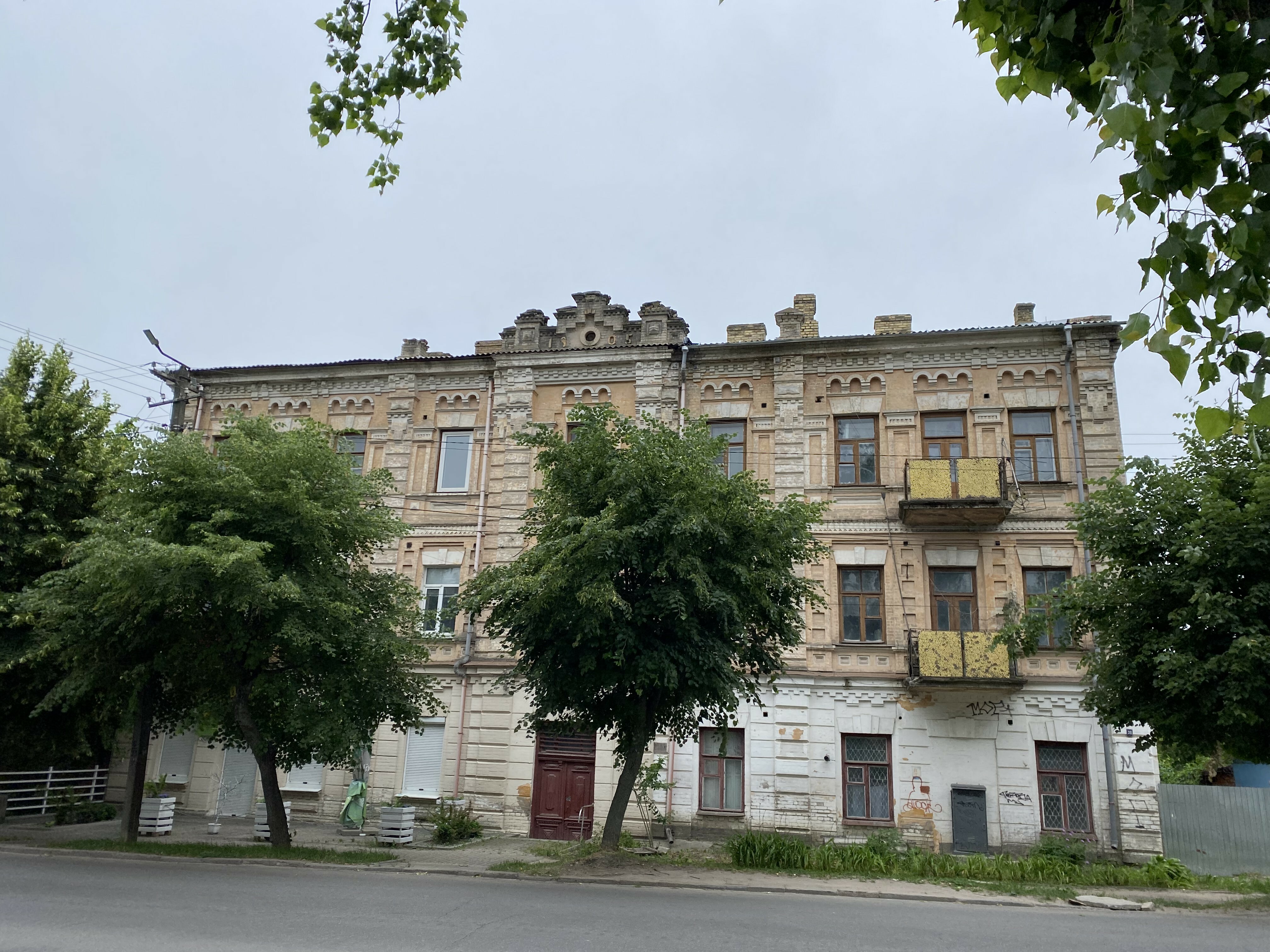
The Polish royal authorities take into account the colonizing role and importance of the monastery and attach great importance to it as an advanced outpost of Polish statehood in Ukraine. The state also helps strengthen the military power of the monastery: it repairs the fortress and provides the monastery with cannons and a permanent garrison.
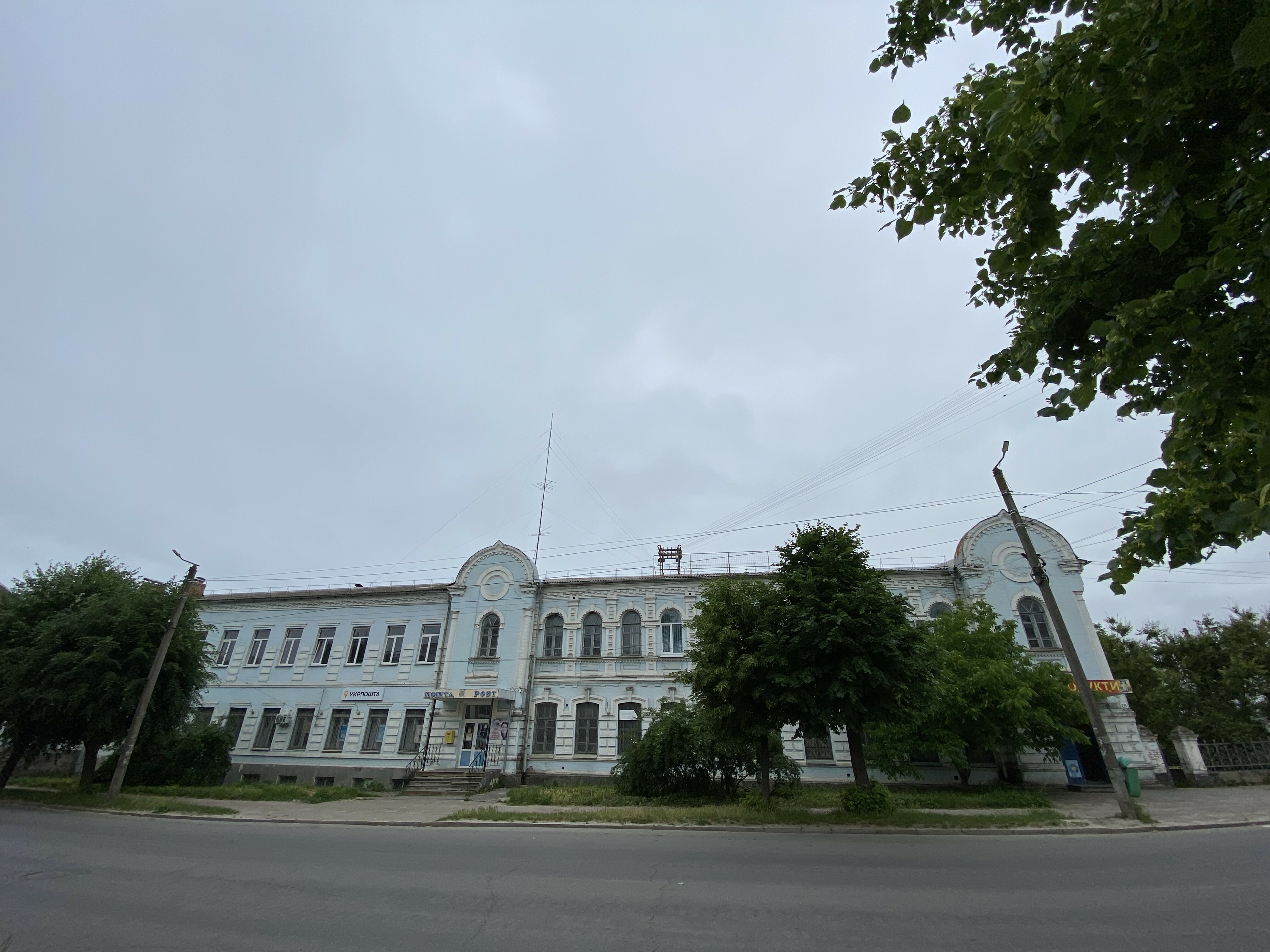
The struggle of the Carmelites with Orthodoxy, the forced spread of the union, economic and legal extortion of the population turned the monastery into an object of social hatred of the entire local population. Therefore, when, as a result of complex social contradictions, the "Cossack" revolution of 1648 broke out in Ukraine, the monastery was almost completely destroyed by the rebels. The fortress of the Barefoot Carmelites, together with the military forces of voivode Tyshkevych, tried to resist the Cossacks, but in the battle near Makhnivka, the Polish forces were completely defeated, and the monastery and estates of the Tyshkevychs were taken by Khmelnytskyi's troops, who were on their way to Zborov.
The Carmelites, fleeing from Berdychev, took the image of the Mother of God to Lviv. For 73 years, the icon was in the monastery of the Discalced Carmelite Sisters, until 1721. In 1663, the monks returned to Berdychiv. When they rebuilt the ruined monastery, in 1684 they were forcibly expelled by the heirs of Janusz Tyszkiewicz.
And only by a decree of 1717, the Lublin Tribunal ordered the owners of Berdychiv to return the seized property to the monks and compensate for the damages. In the same period of time, the Carmelites rebuilt the monastery and returned the image of the Mother of God to Berdychiv.
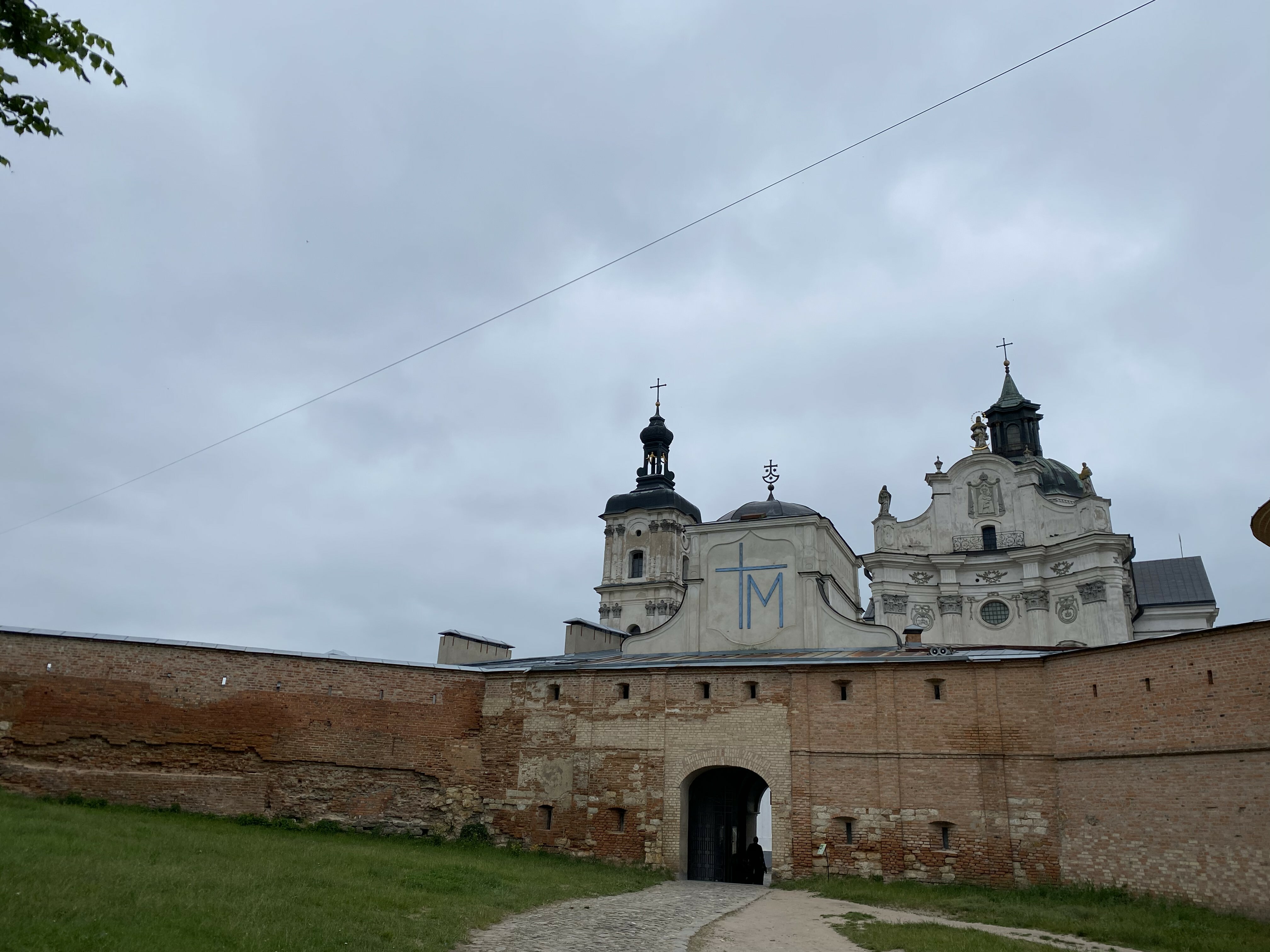
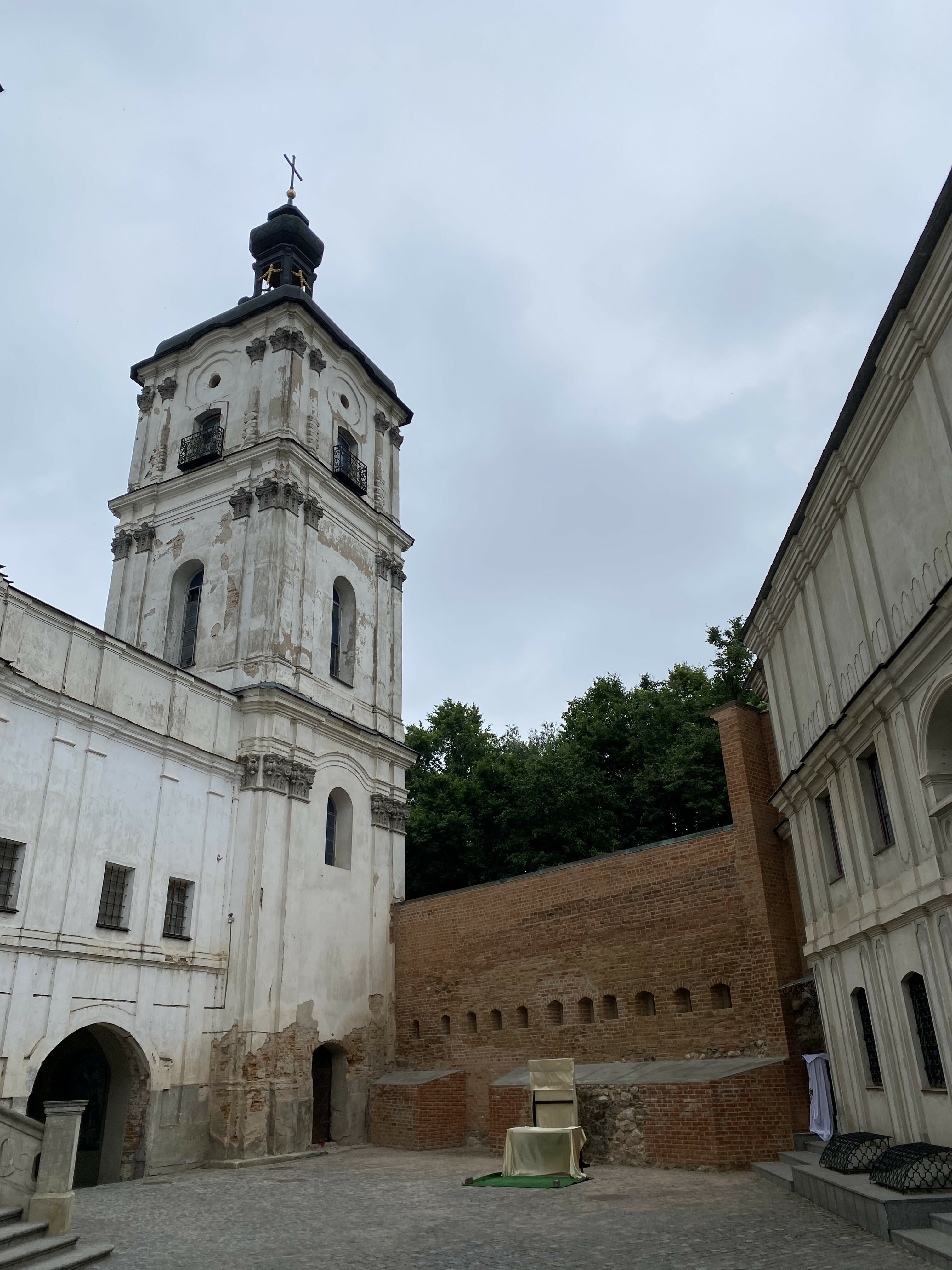
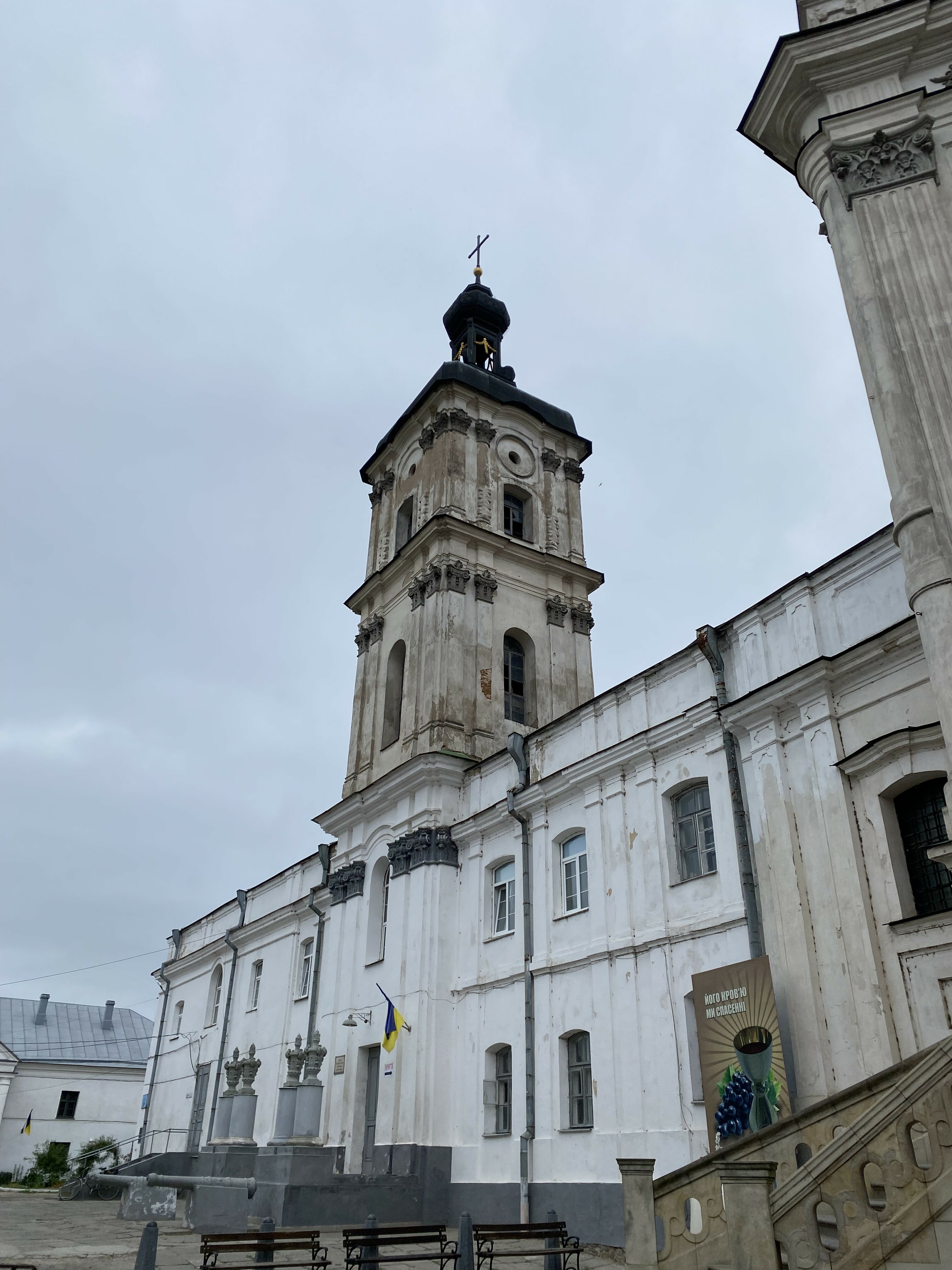
Only in 1717, after the suppression of the popular uprising, the Carmelites again firmly settled in Berdychiv and in 1721 returned the image of the Mother of God from Lviv.
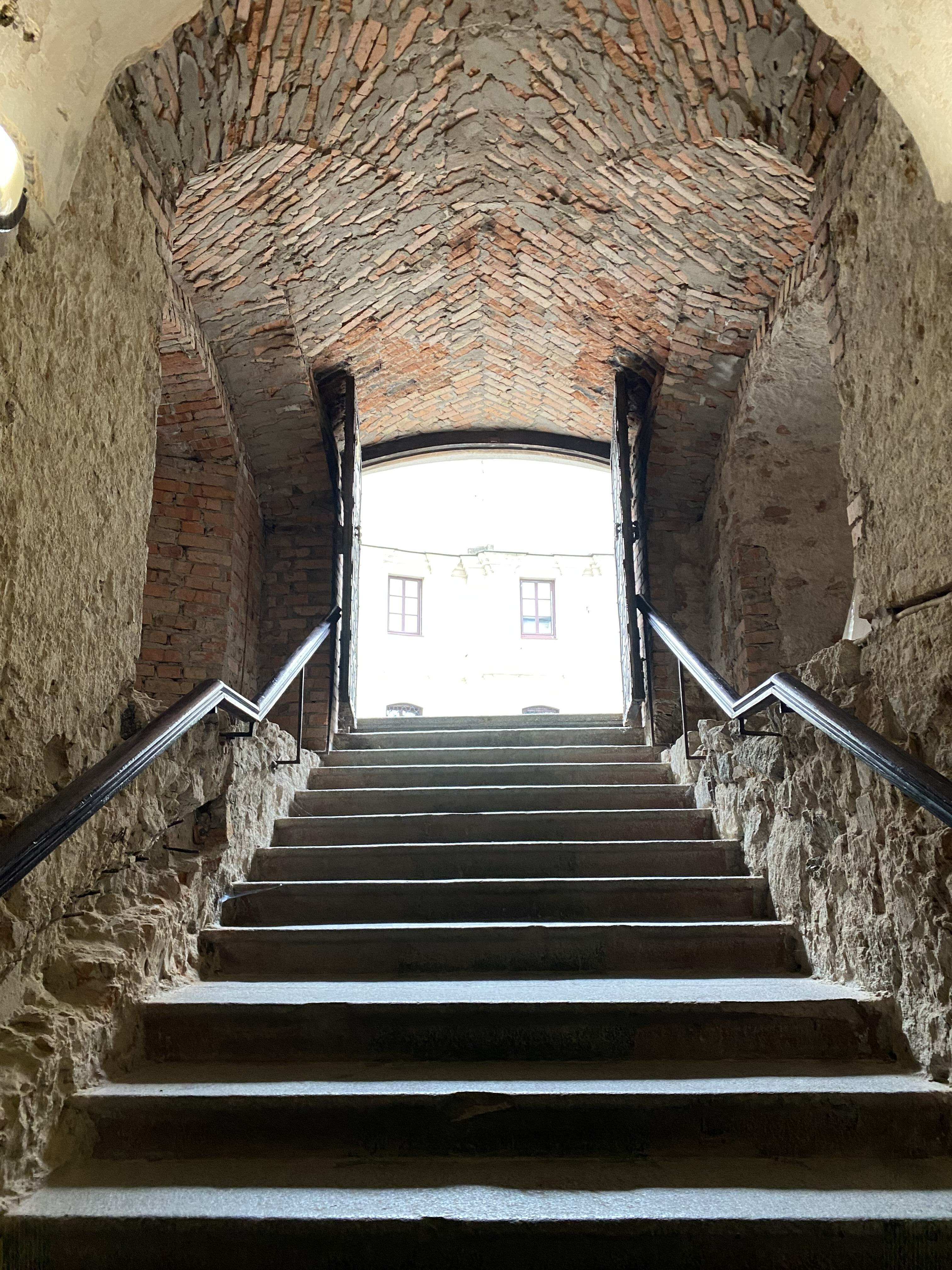
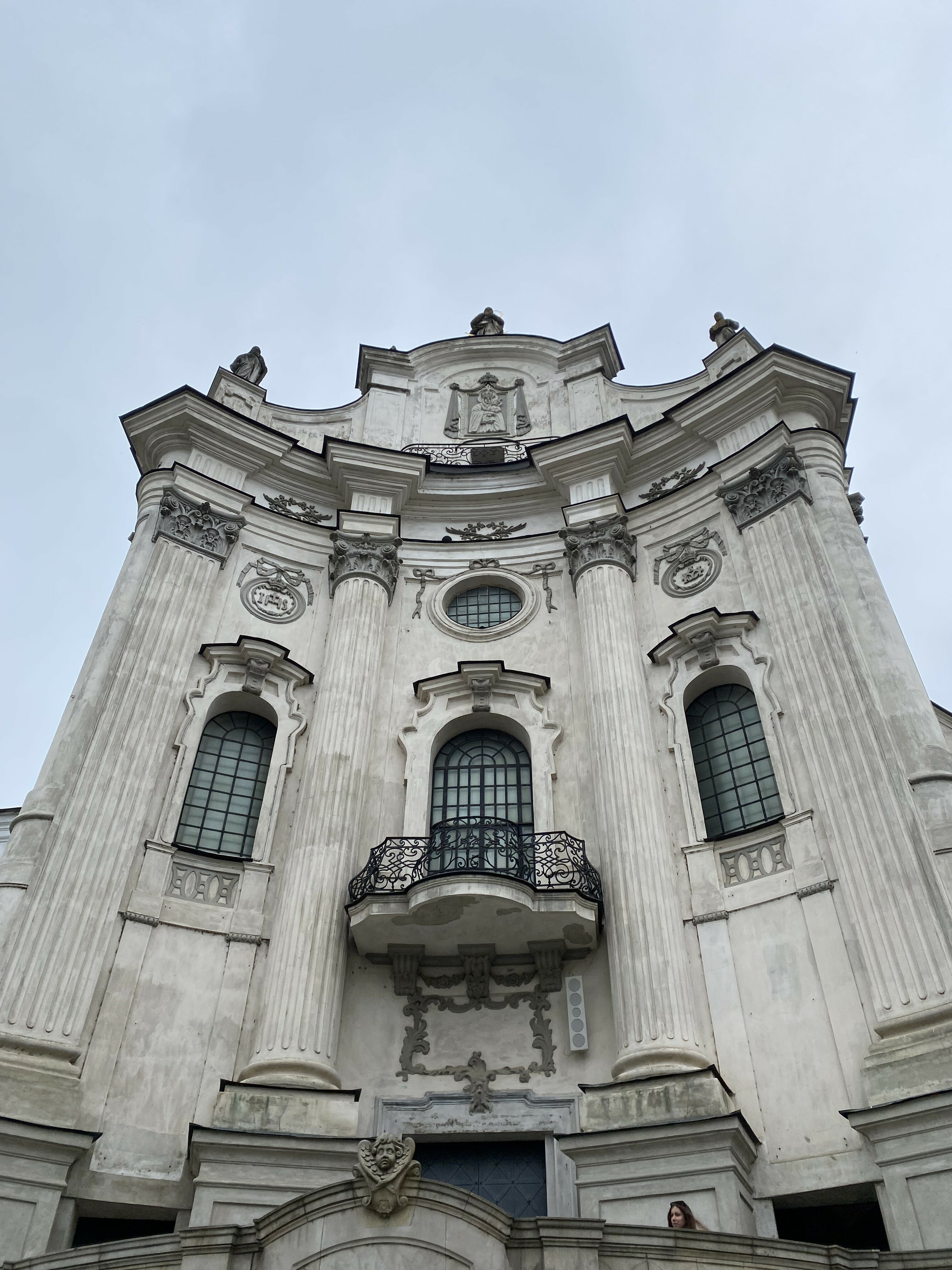
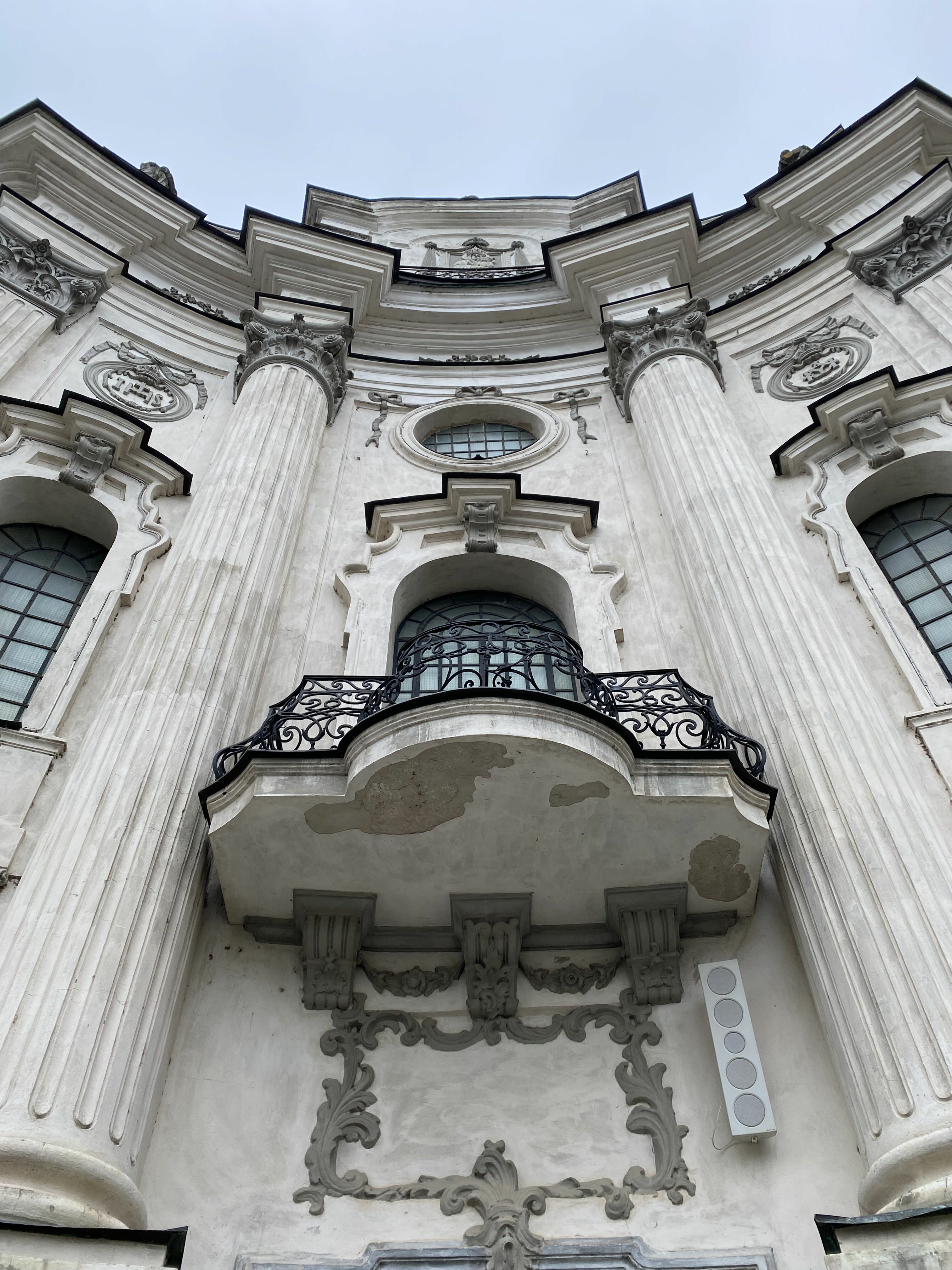
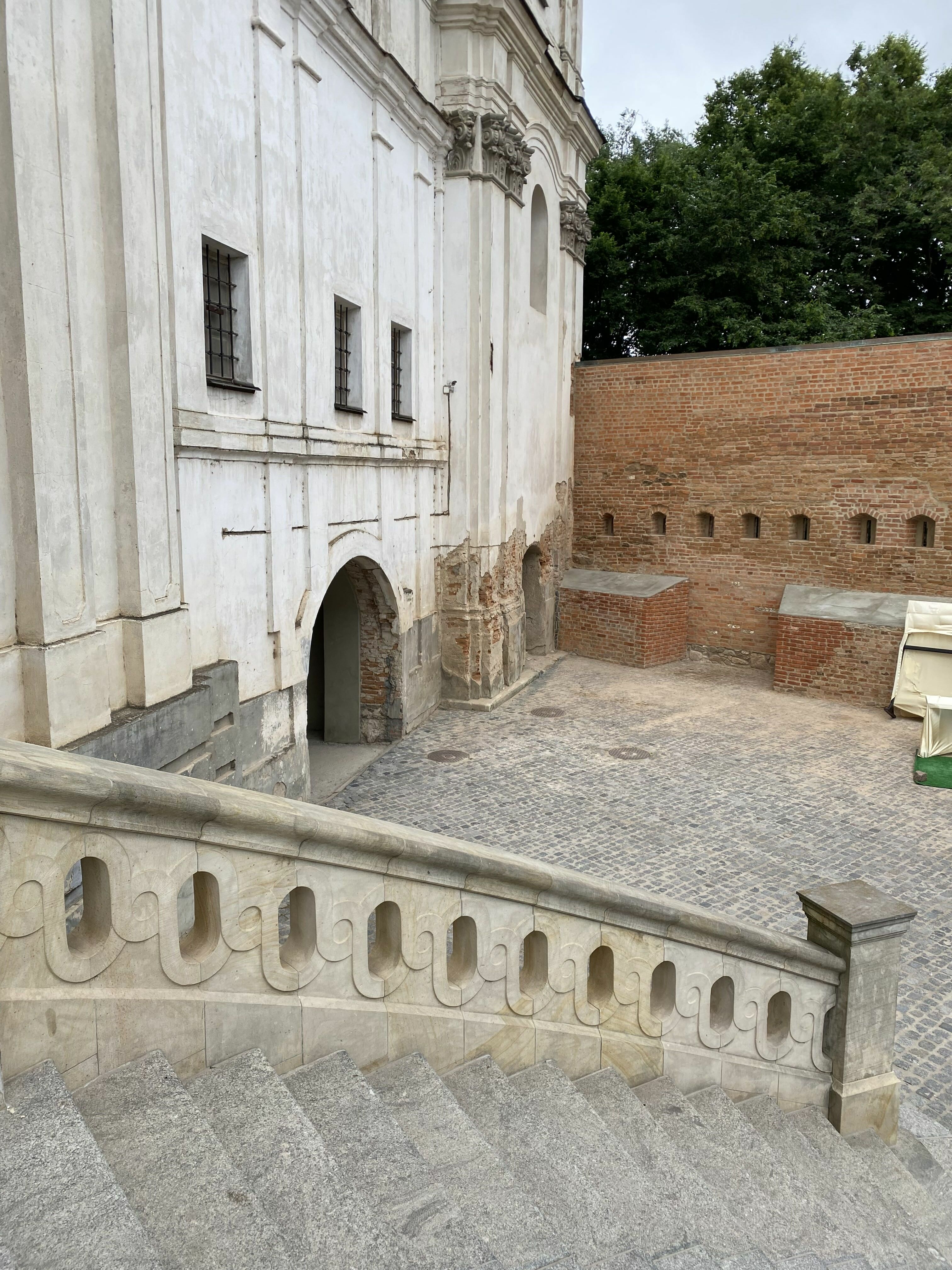
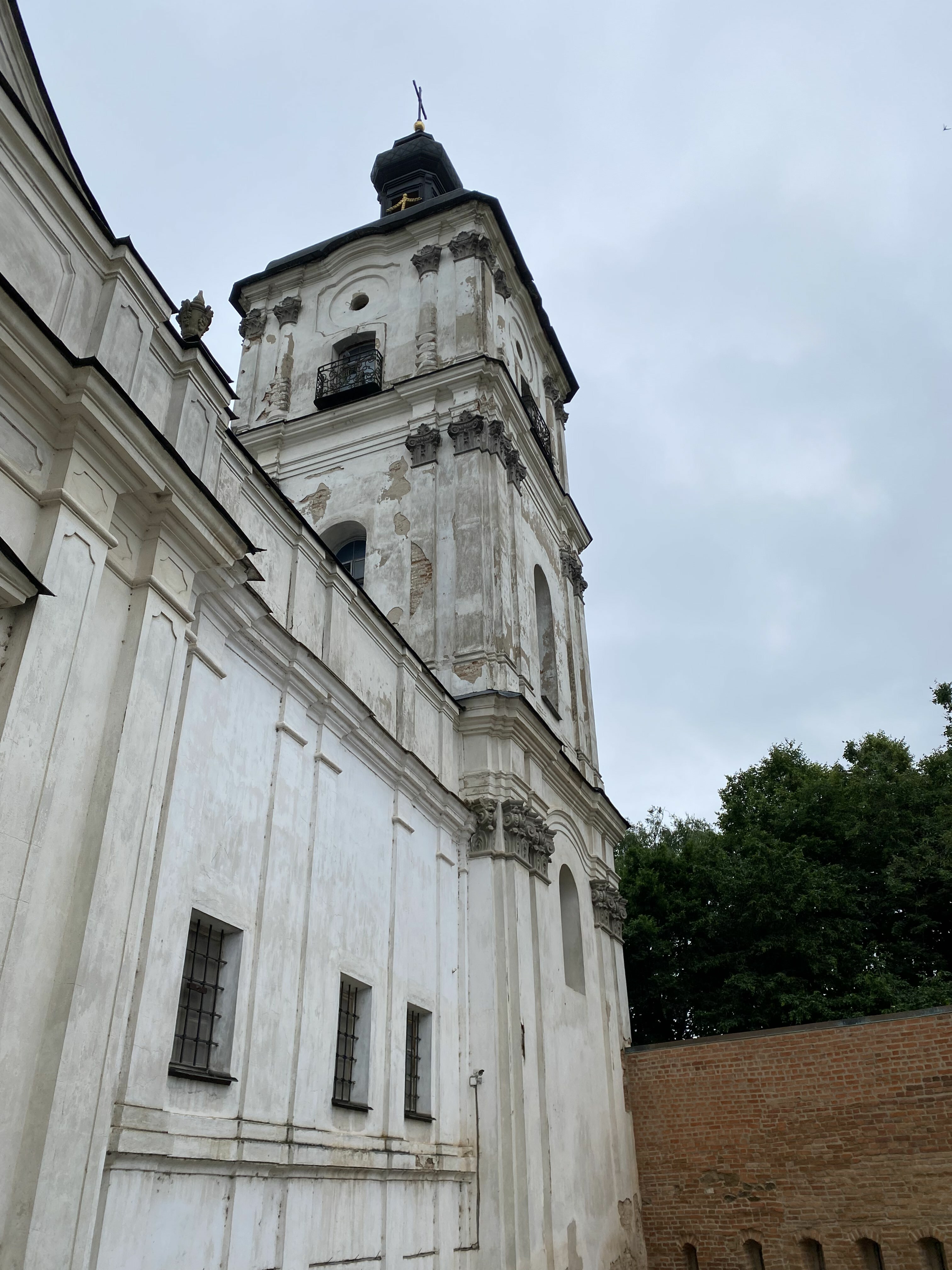
The Carmelites paid special attention to the reconstruction of the fortress. The old walls were repaired and greatly expanded; with the help of the royal authorities, the fortress was armed with strong artillery, a reinforced garrison was installed, and the fortress itself was given the name "Fortress of the Most Holy Virgin Mary". The fortress became a significant military stronghold on the Right Bank.
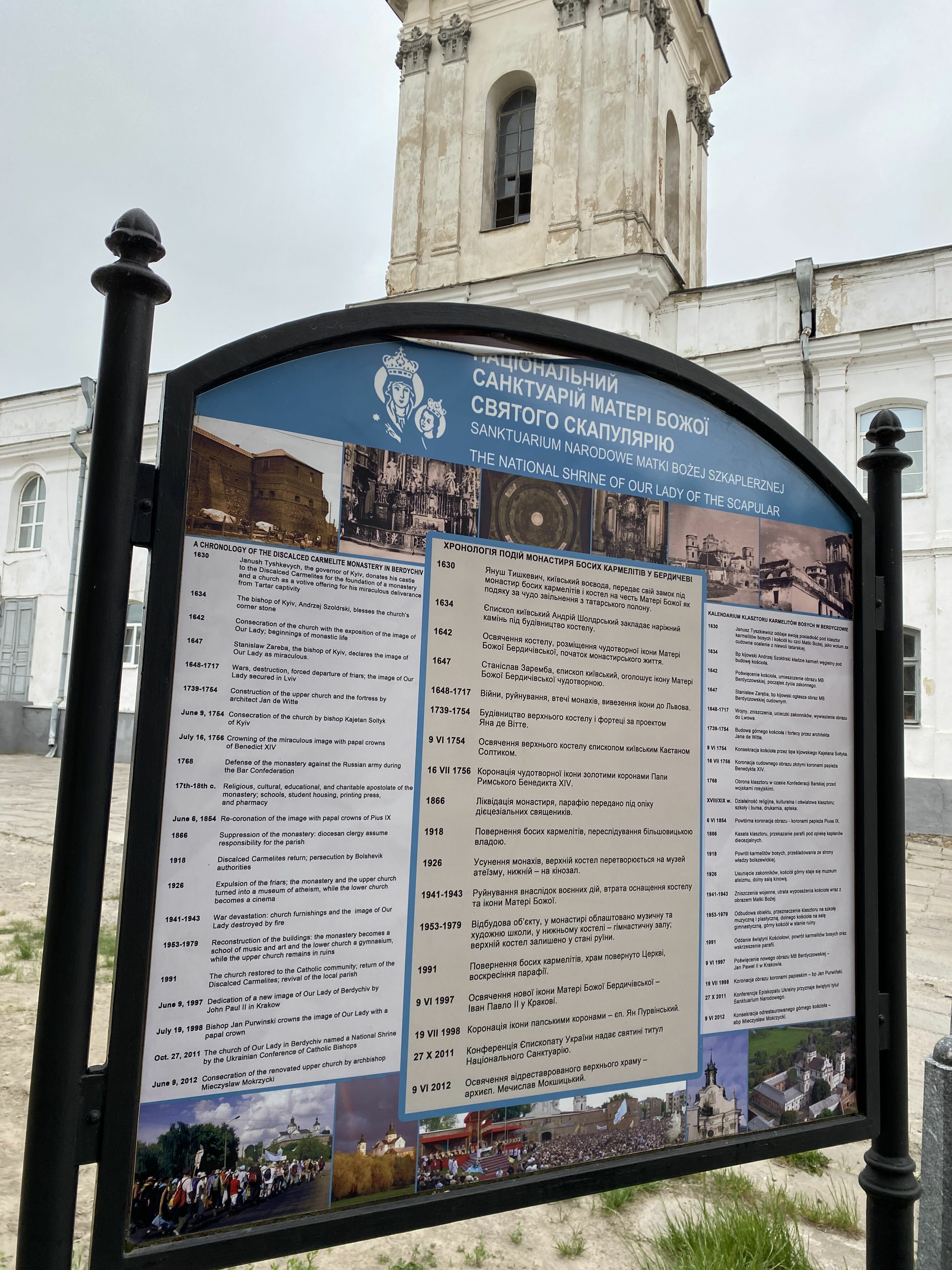
From 1739 to 1754, the Carmelites, taking advantage of the relative peace in the region, built a new large church over the old "lower" church. The Carmelites spared no expense for its construction and invited famous architects Jan de Witte and Grigory Tarnovsky from Germany and Poland; the famous artist Veniamino Frederiche was summoned from distant Italy; Carmelites founded in the village. There are large brick factories in Bystrica, stone in slabs, etc., were brought from Podillia.
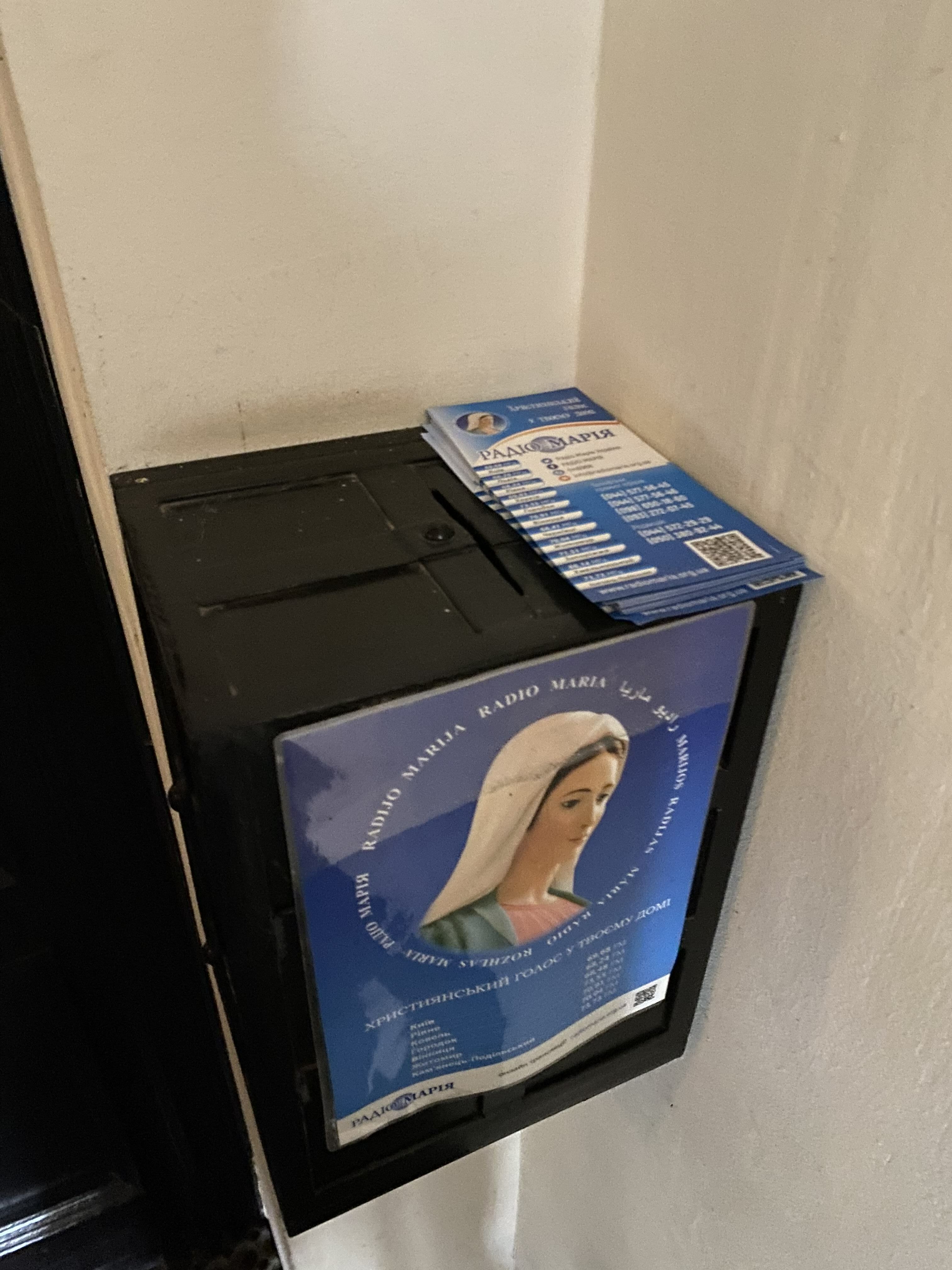
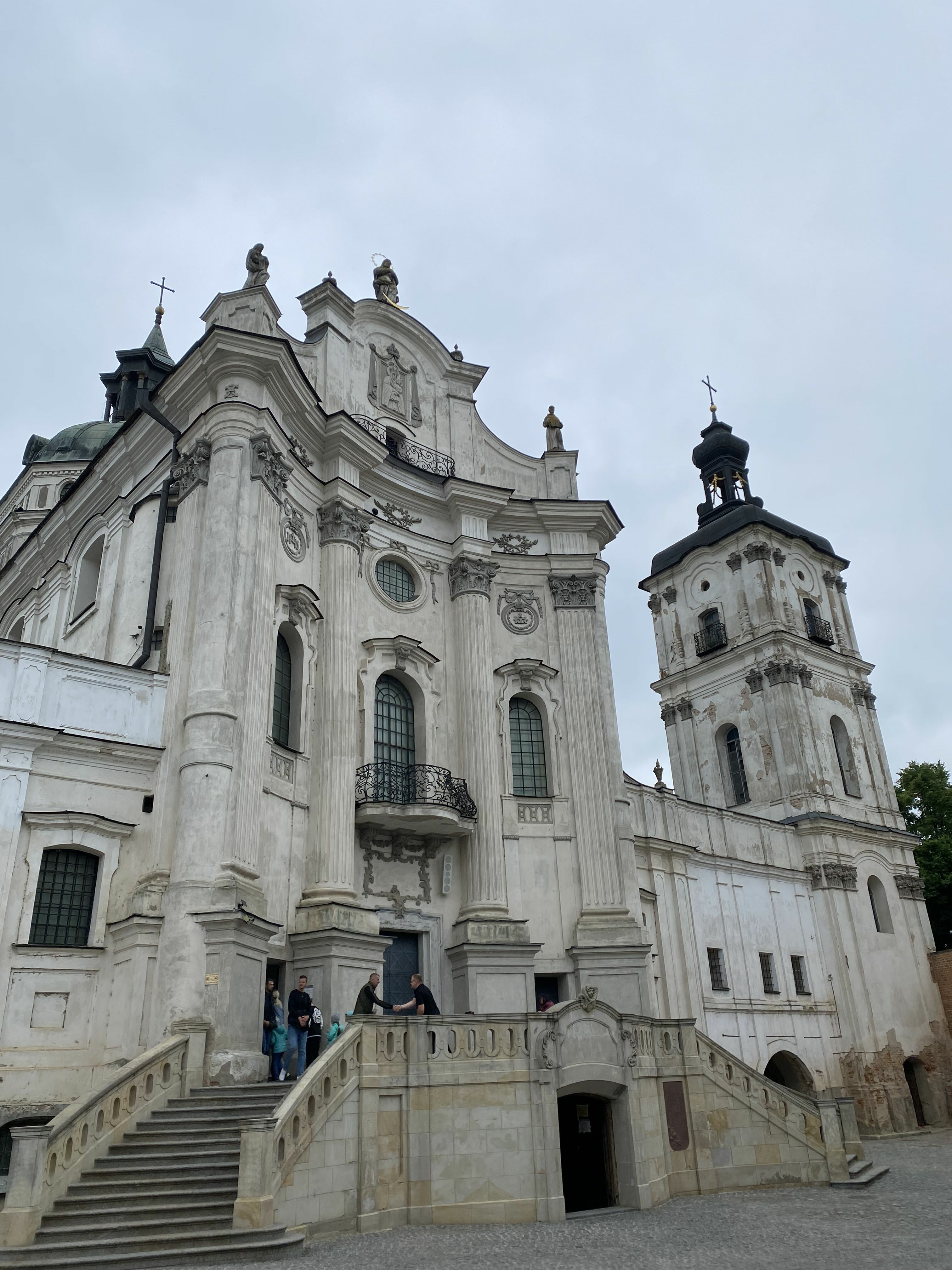
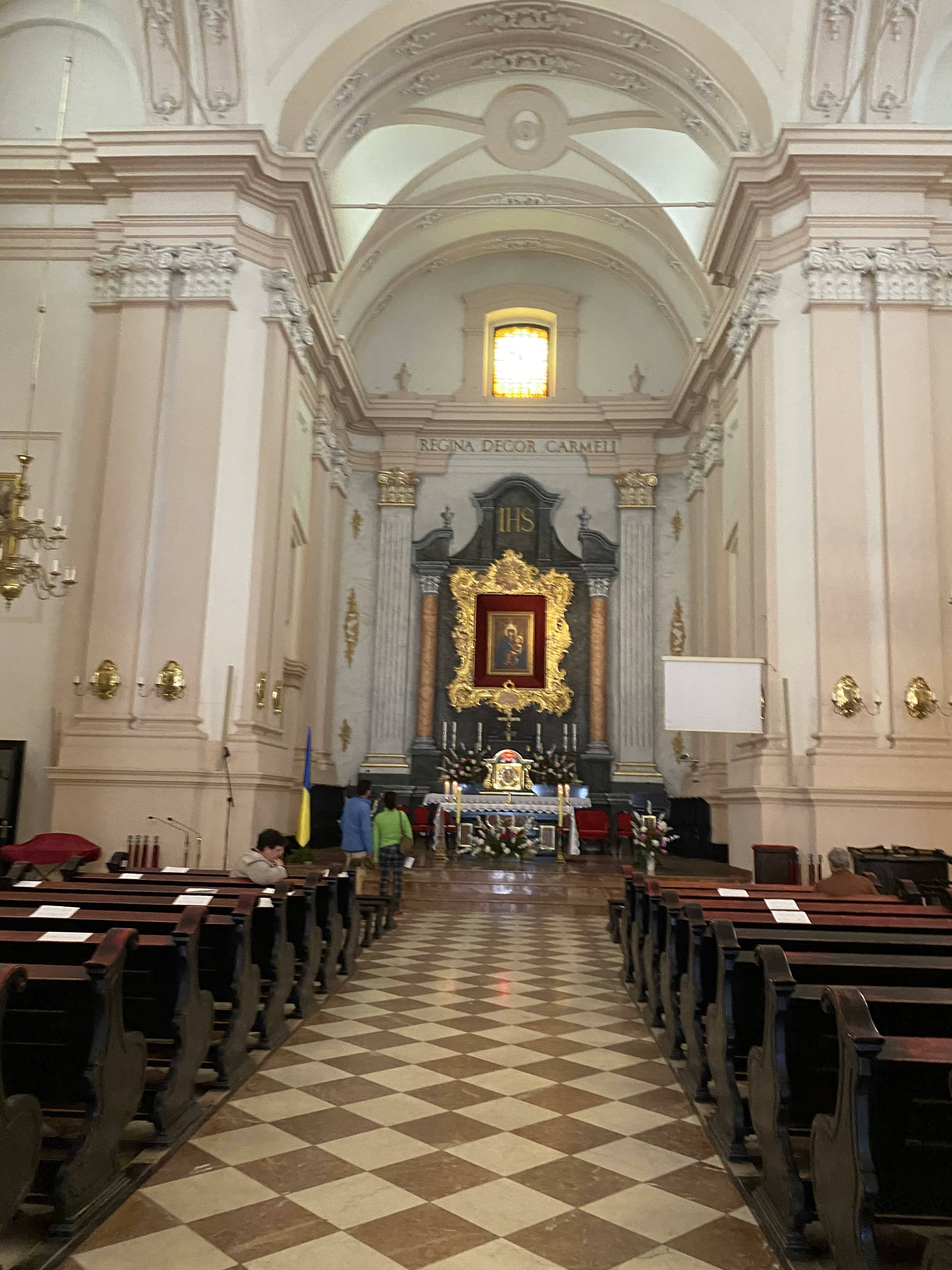
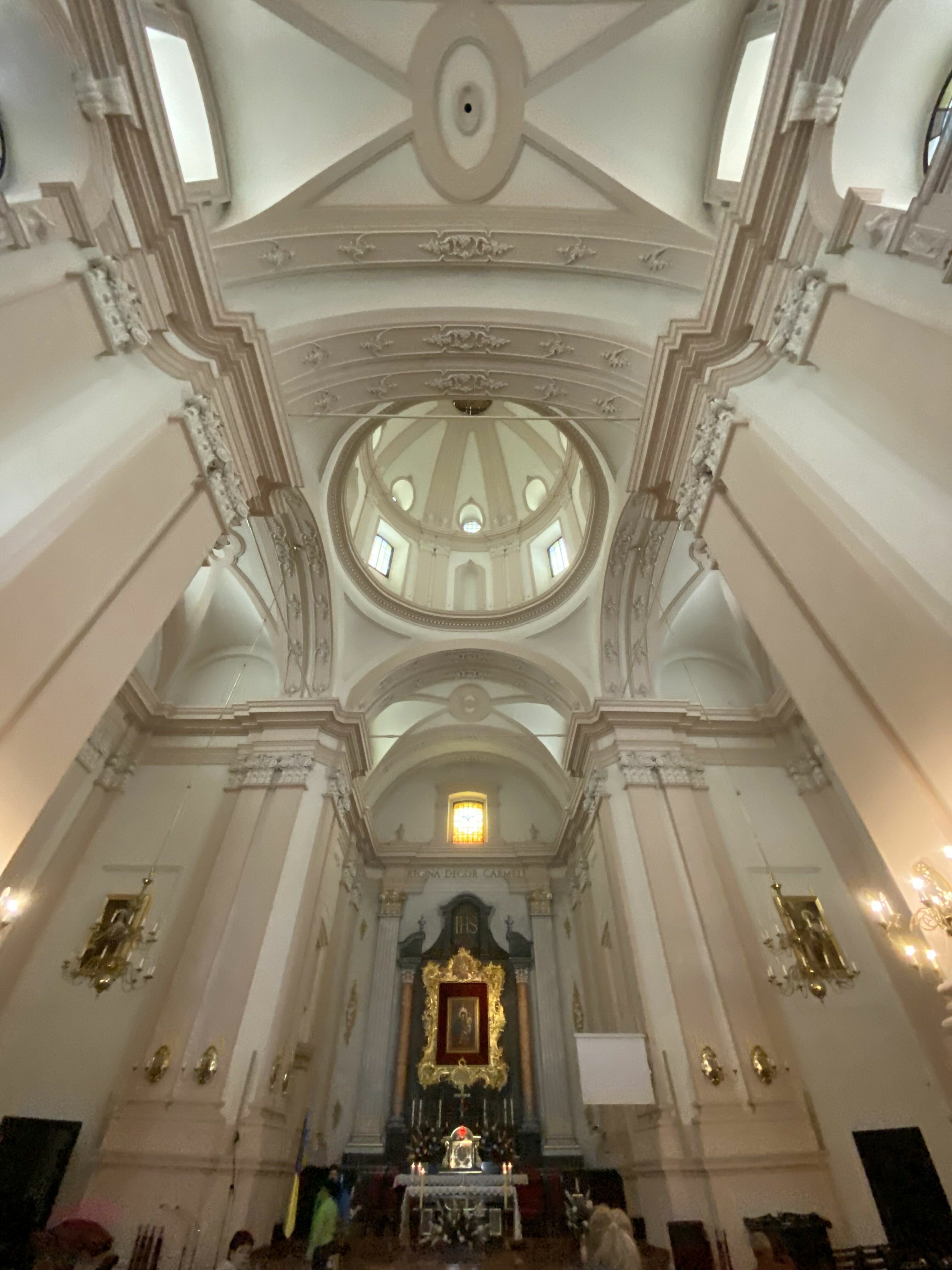
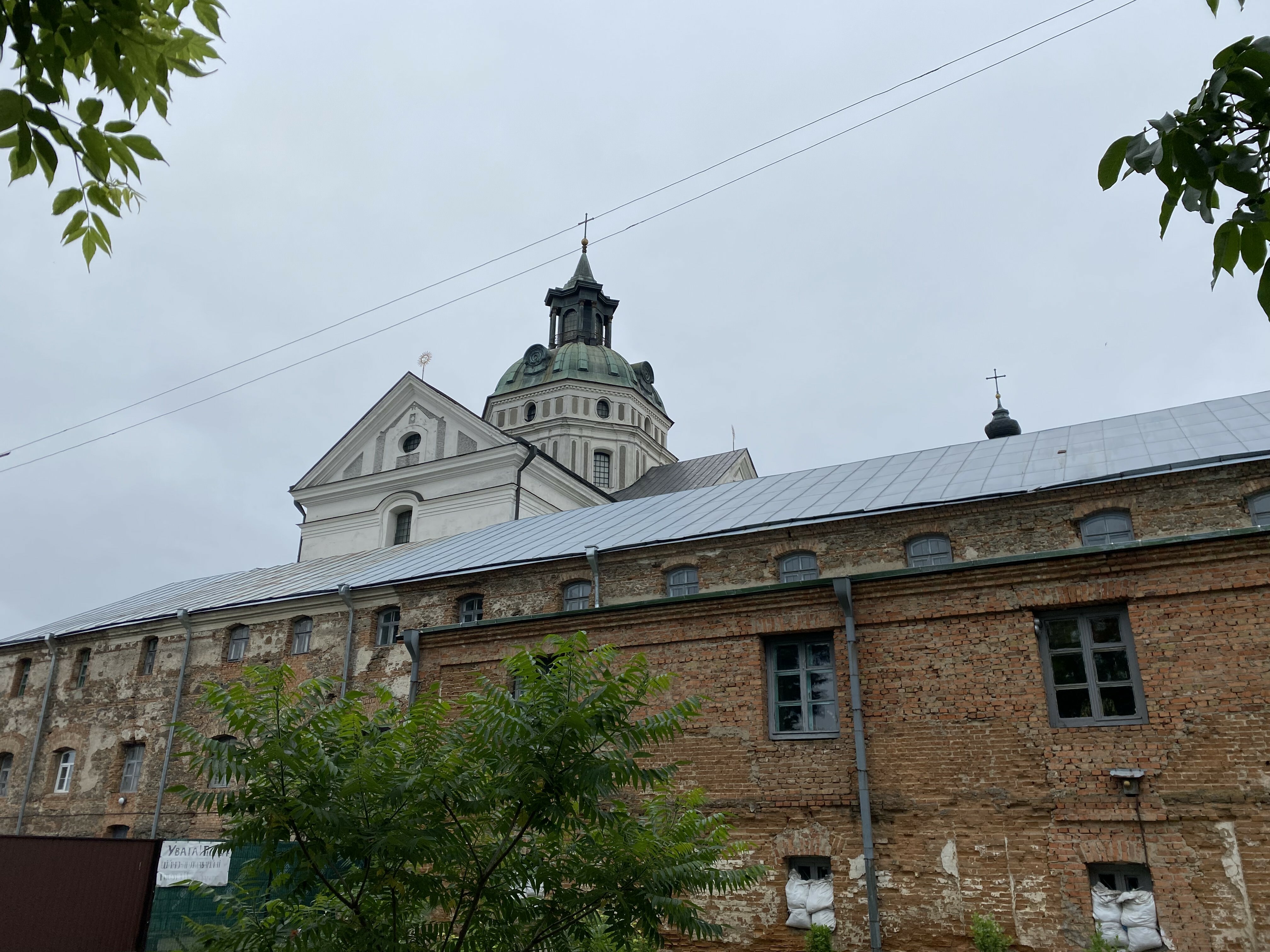
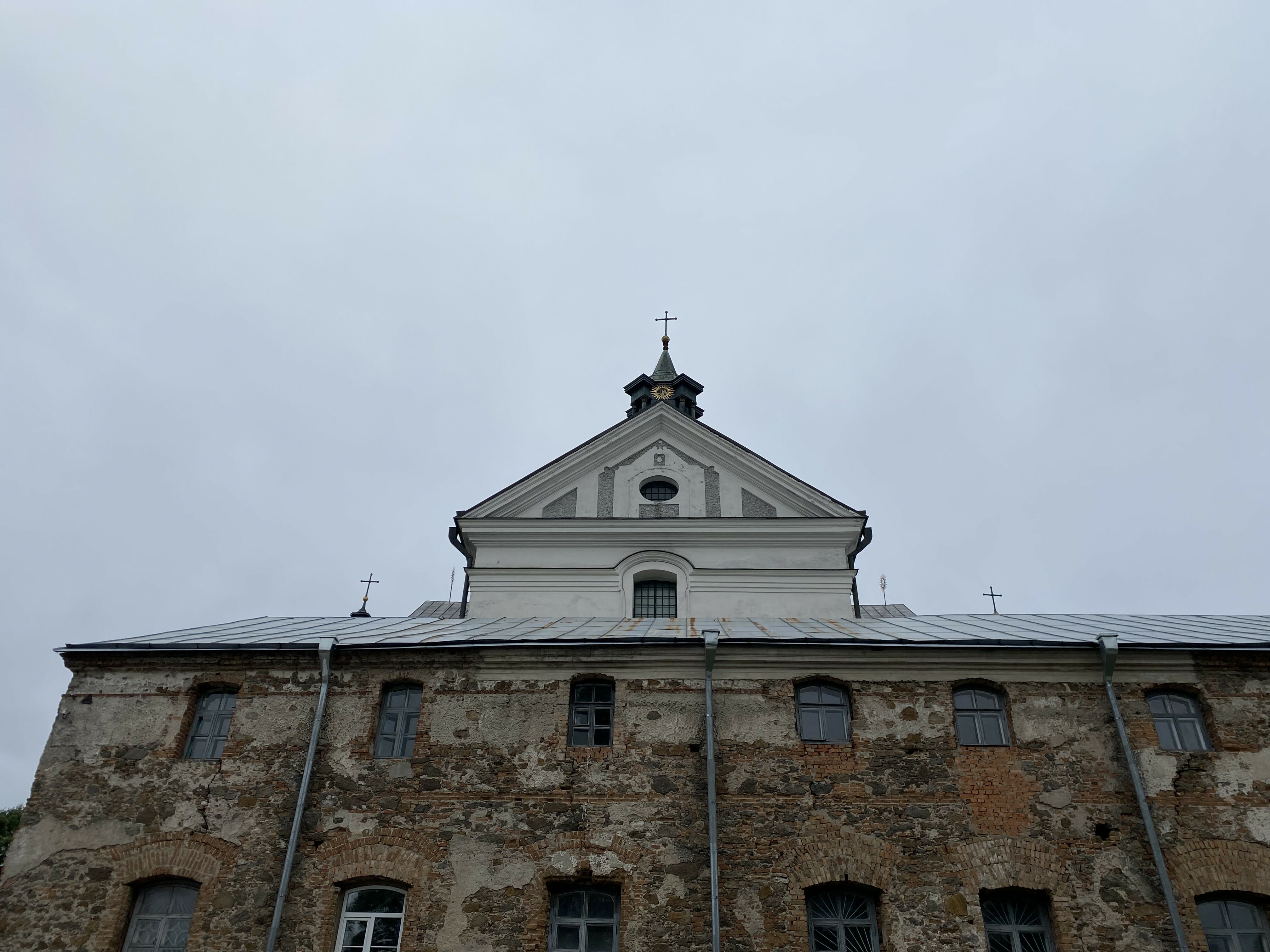
The church was built in the Baroque style, with a large central bathhouse and two tall side towers. The interior of the church, where the baroque base was harmoniously combined with the rocaille style, was especially richly decorated with gilding, moldings, carvings and "al fresco" drawings.
In 1754, Pope Benedict XIV sent golden crowns decorated with precious diamonds to the Berdychiv church for a wonderful image and, in particular, for protection from the Haydamaks, relics from the legendary holy warriors Fedor and Yuri.
In 1755, the icon was crowned. The magnates Lubomyrski, Pototski, Sangushka, Radzyvila, Slugotski, Khoietski, Voronichi and hundreds of other voivodes, elders, castellans, marshals, etc. came to the coronation - with their crown and court troops; monastic groups of Jesuits, Basilians, Dominicans, PRs, Carmelites and others arrived; 72 different religious brotherhoods arrived.
After the partition of Poland in 1772 and the destruction of Zaporizhzhya Sich in 1775, Russia completely mastered Ukraine. In 1792, the fortress of the Barefoot Carmelites in Berdychiv was finally liquidated.
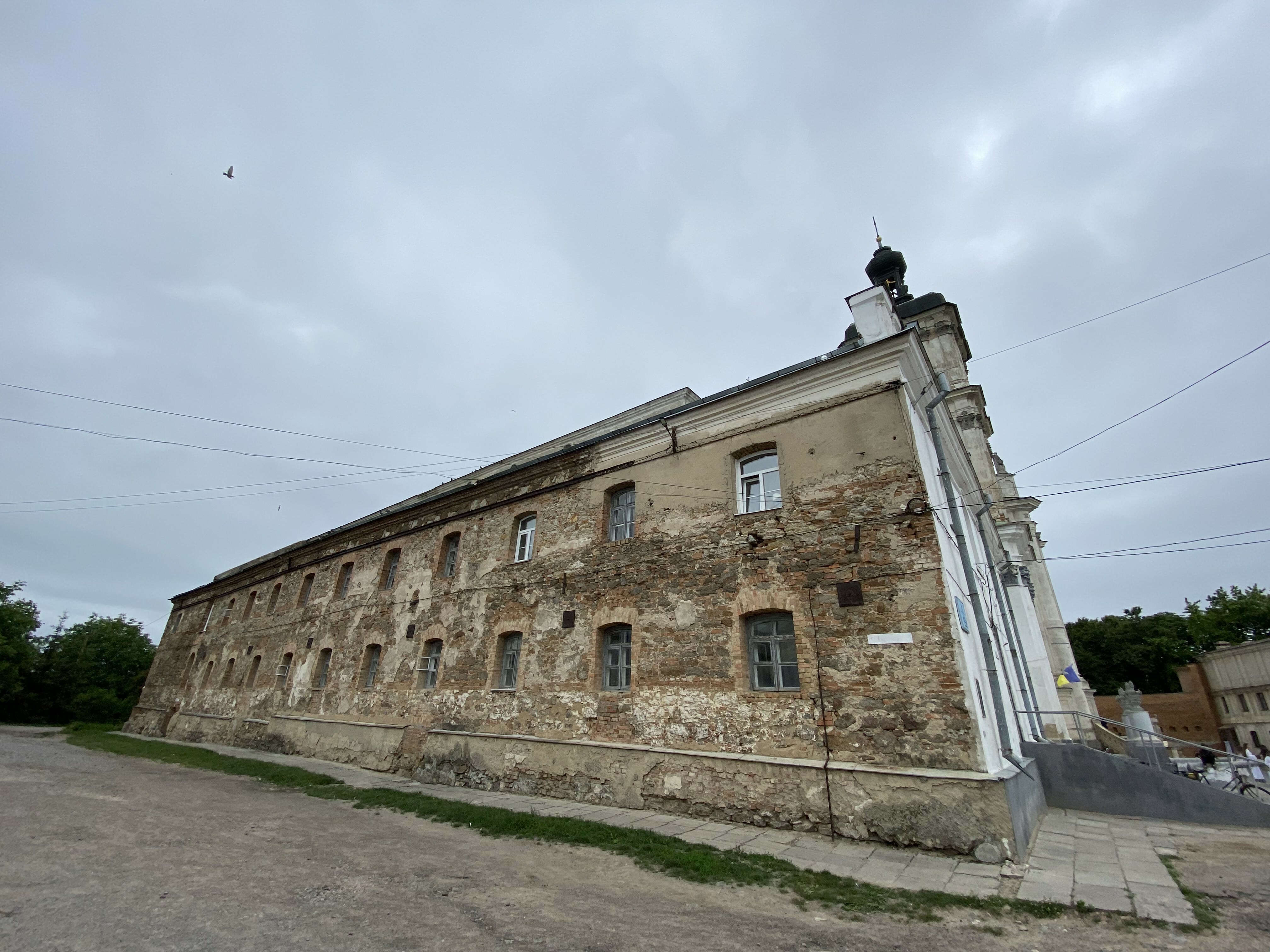
In the following years of the 19th century, the monastery still played its political role during the "lordly riots" of 1831 and 1863. After the suppression of the Polish uprisings, the Russian government took revenge on the monastery with a series of repressions. In 1832, the Carmelite schools were closed, in 1844 the printing press was banned, in 1864 the publication of the Berdychiv calendars in Zhytomyr was banned due to their political content, and finally, in 1866, the monastery itself was abolished. In the same year, 1866, the Kyiv Governor-General Bezak arrived in Berdychiv with a military unit and, having dispersed the Carmelites, confiscated the monastery buildings for the needs of various state institutions (police, fire department, military presence, pharmacy), and transferred part of the buildings to local merchants as cellars for a store . Land and industrial estates of the Carmelites were also confiscated.
During 1970-1980, the administrative authorities of Berdychiv, under the supervision of restorers of architectural monuments from Kyiv, ensured the preservation of the church by rebuilding the vaults, laying a new roof made of galvanized iron on the church and its dome. Burnt cells were also rebuilt, which housed secondary schools - music and art, which still occupy and use the monastery premises for pedagogical and educational purposes.
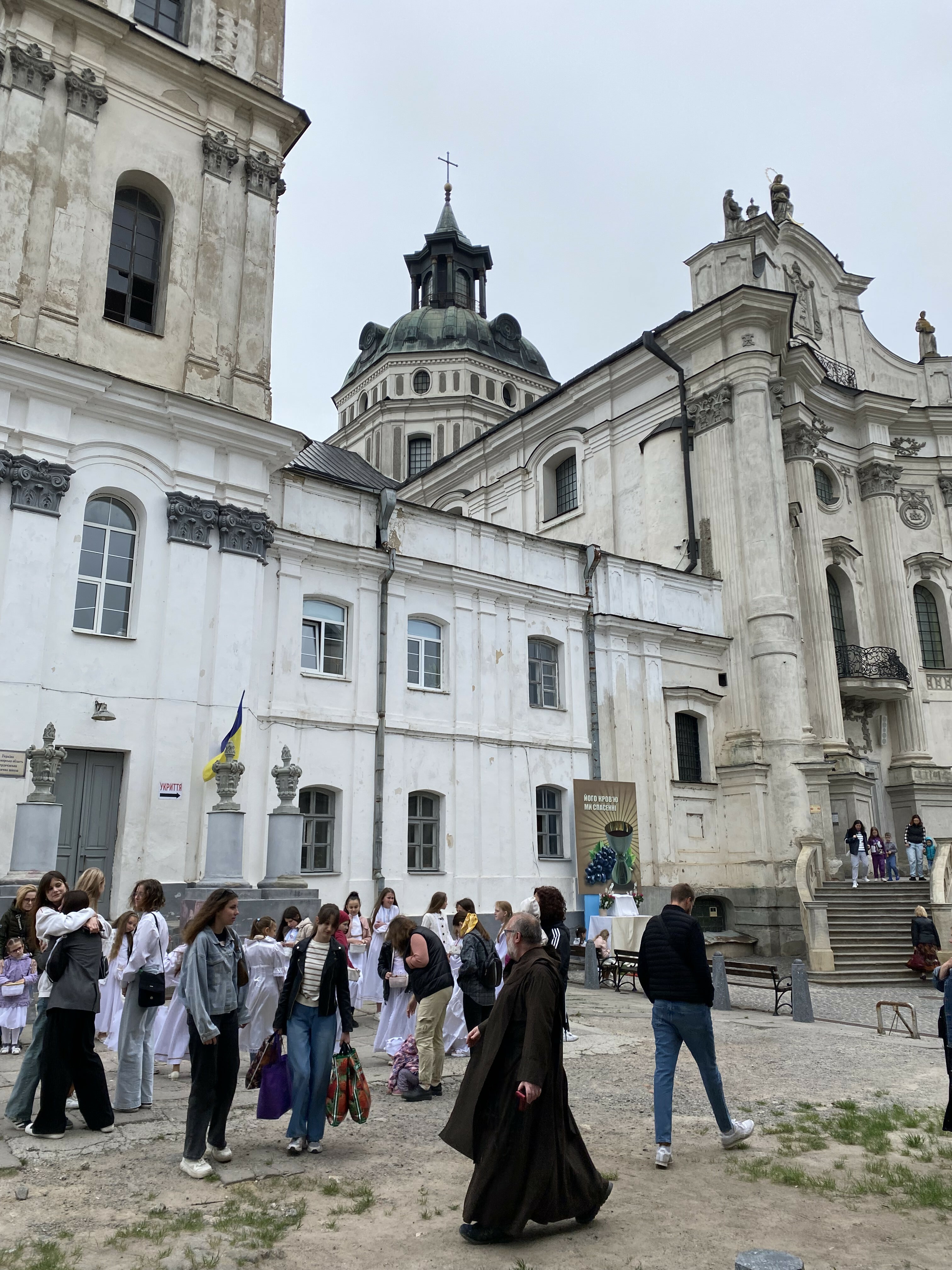
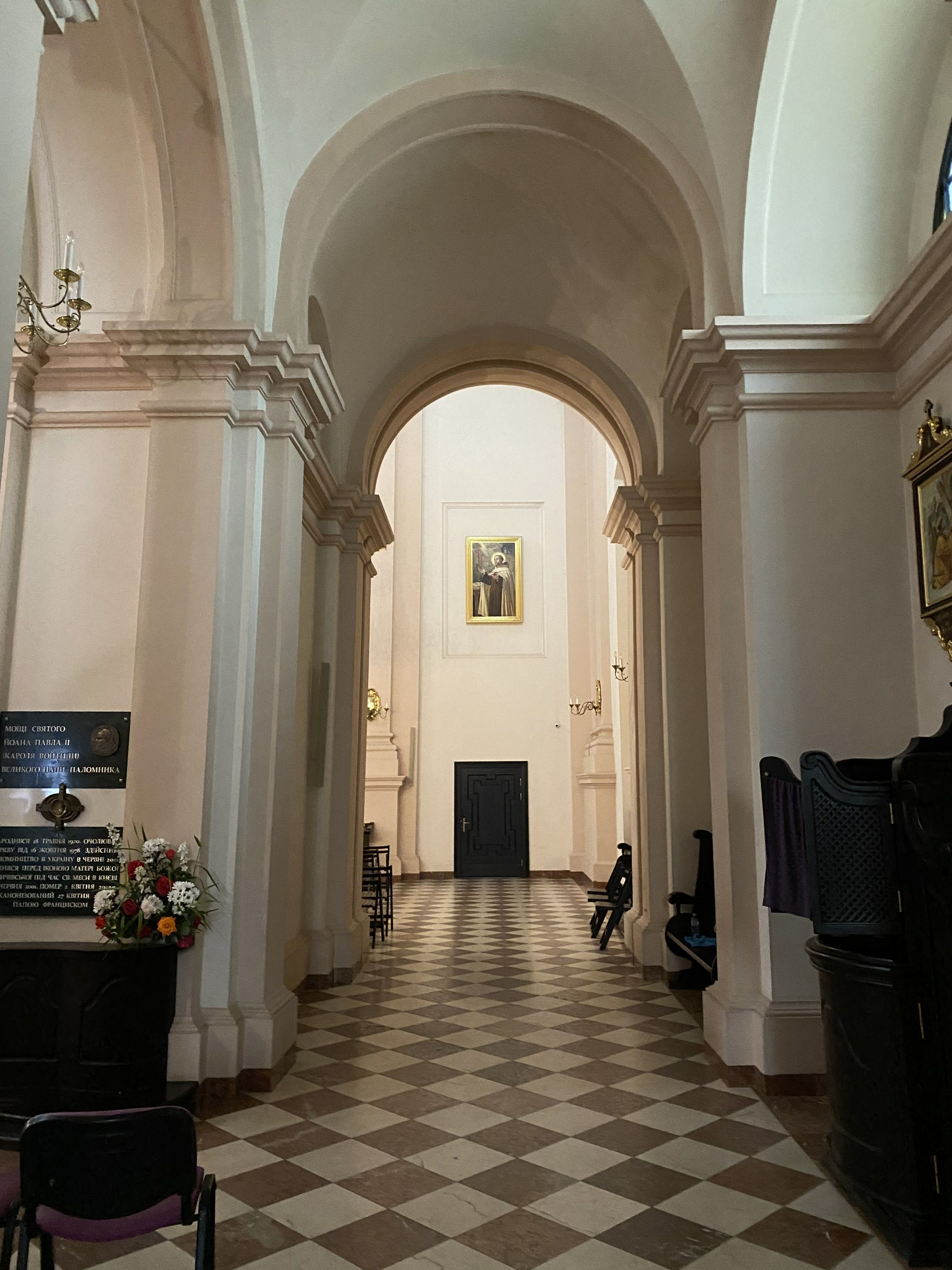
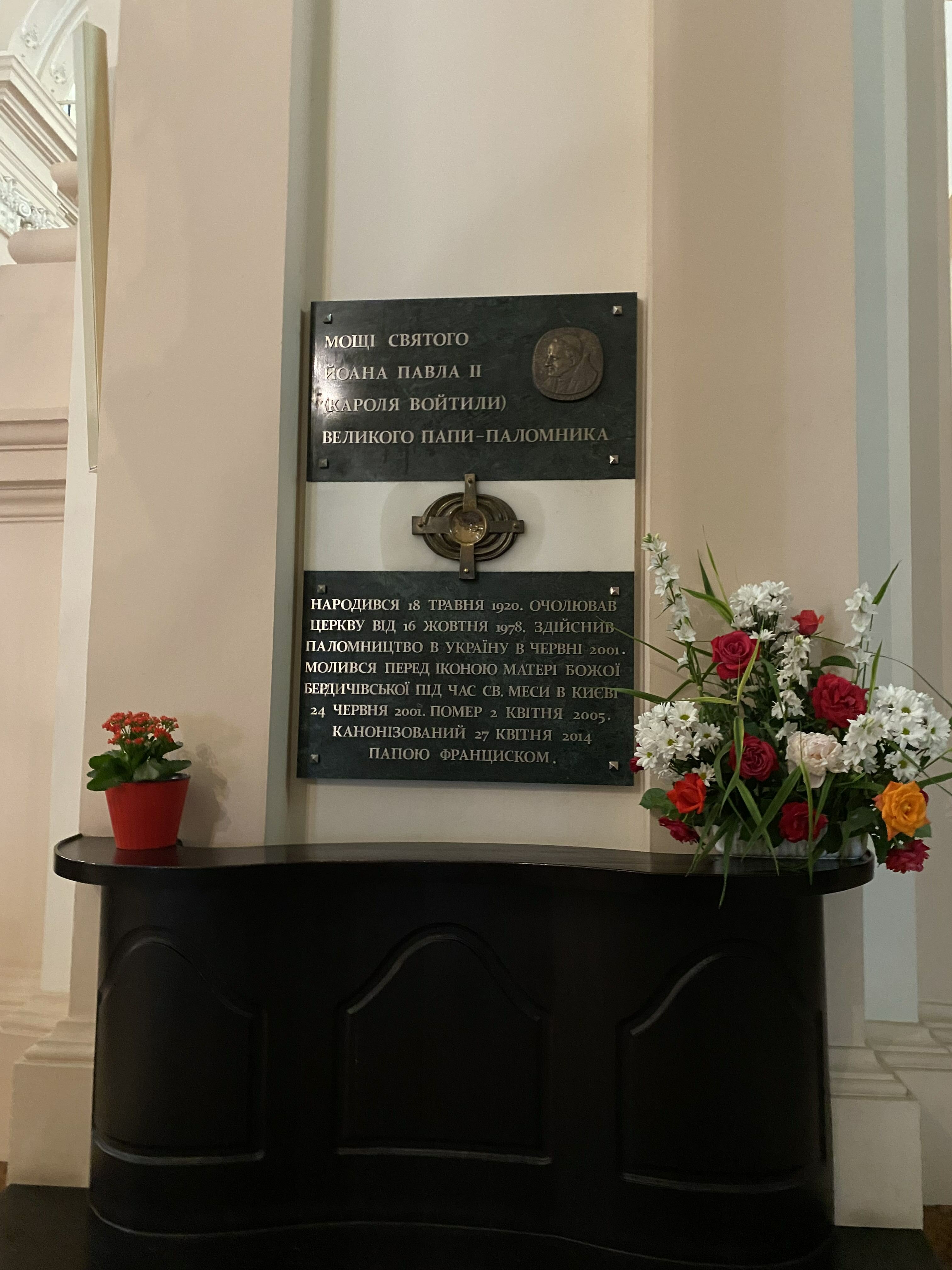
In 1991, the state bodies of Zhytomyr and Berdychiv transferred the upper and lower churches of the monastery to the religious Catholic community. In July 1992, father Tobias Zazhetskyi arrived in Berdychiv, who, in addition to pastoral activities, was entrusted with the management of repair and restoration and construction works.
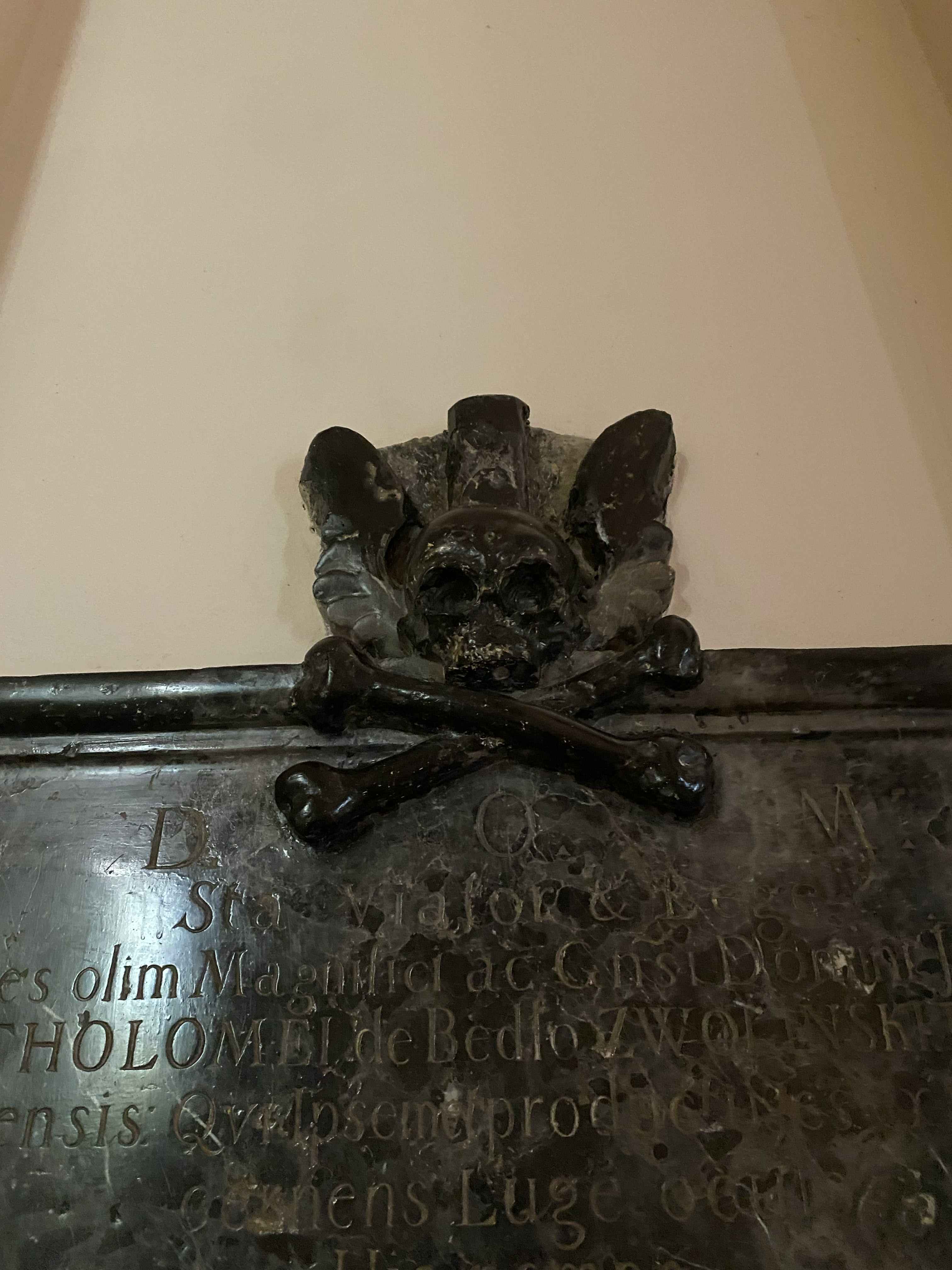
During the cleaning of the dungeons and buried canals, a large number of human bones and skeletons were found, for which a mass grave - ossarium - was created in the crypt under the central nave of the lower church.
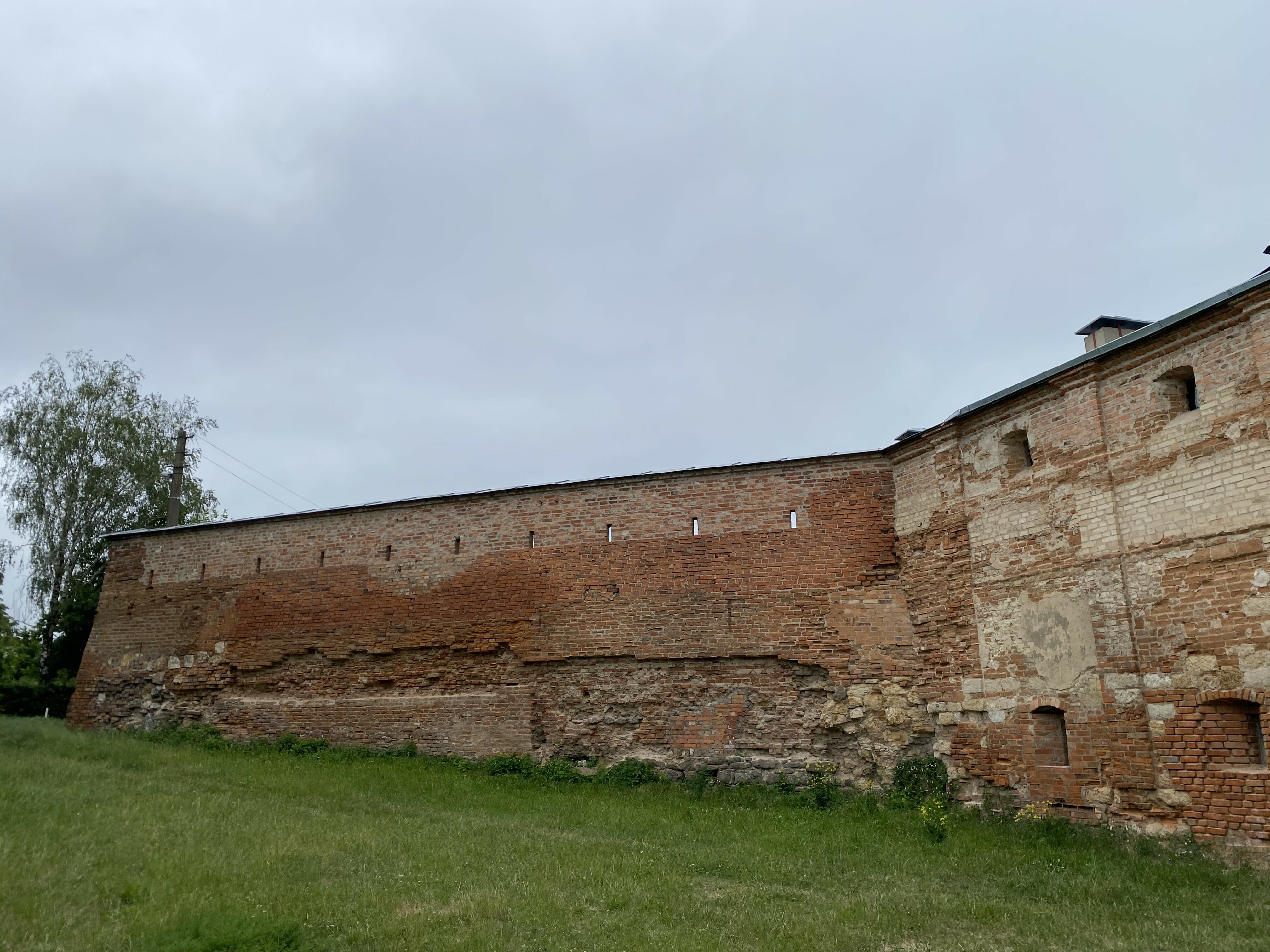
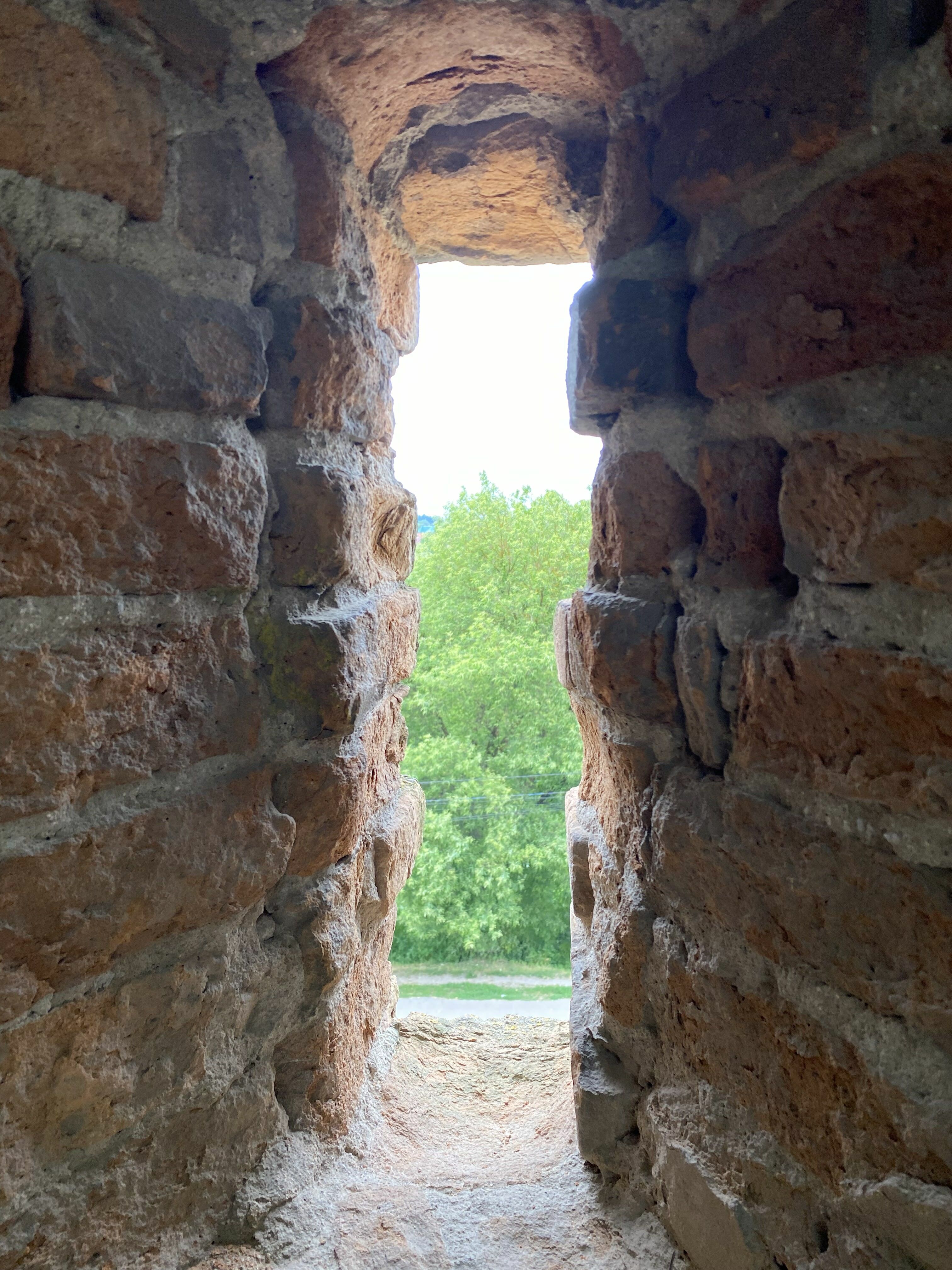
The gesture of the Berdychiv city government, which at its own expense restored the fortress walls from the side of the main facade of the church and monastery, also deserves great respect.
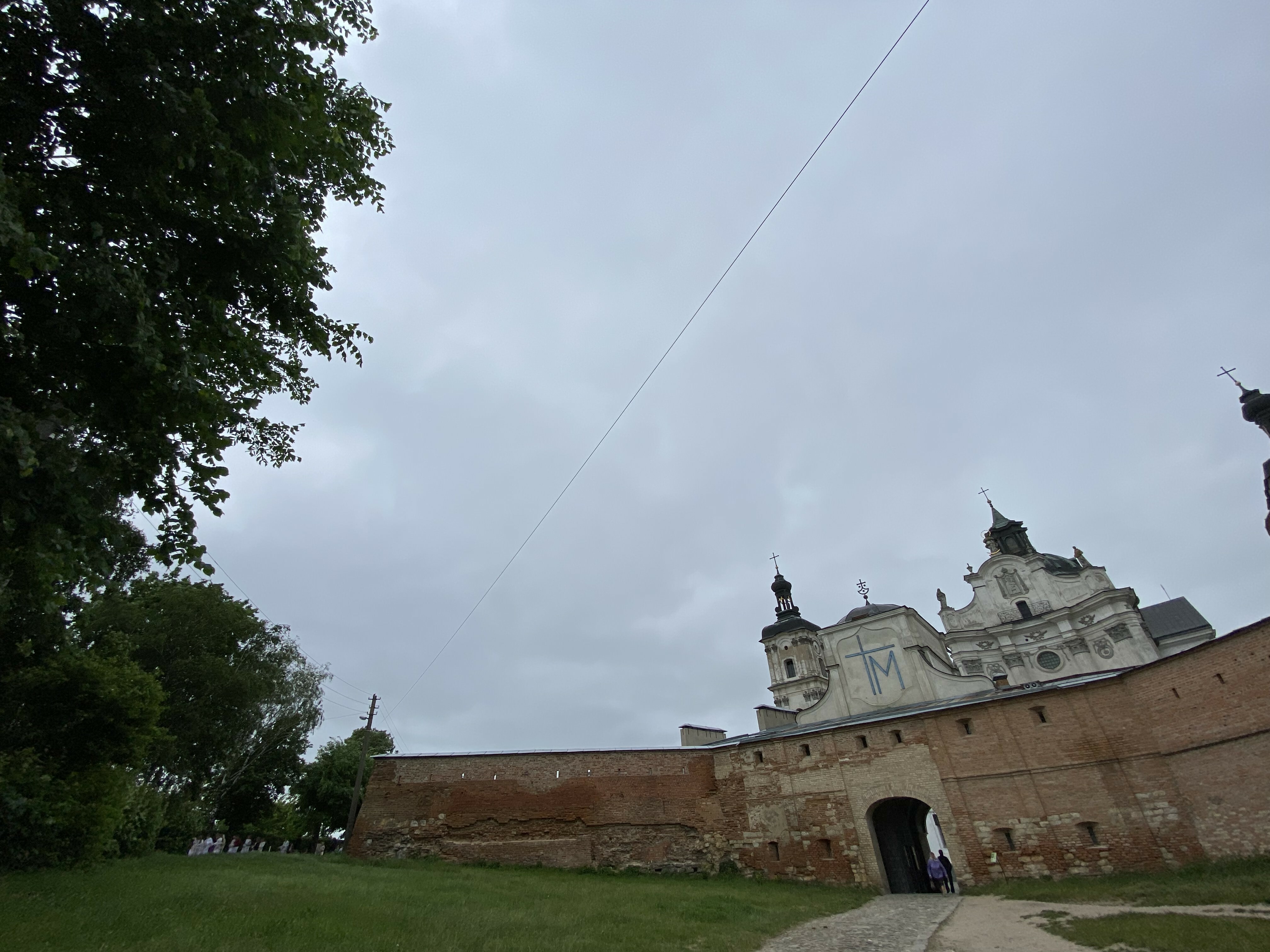
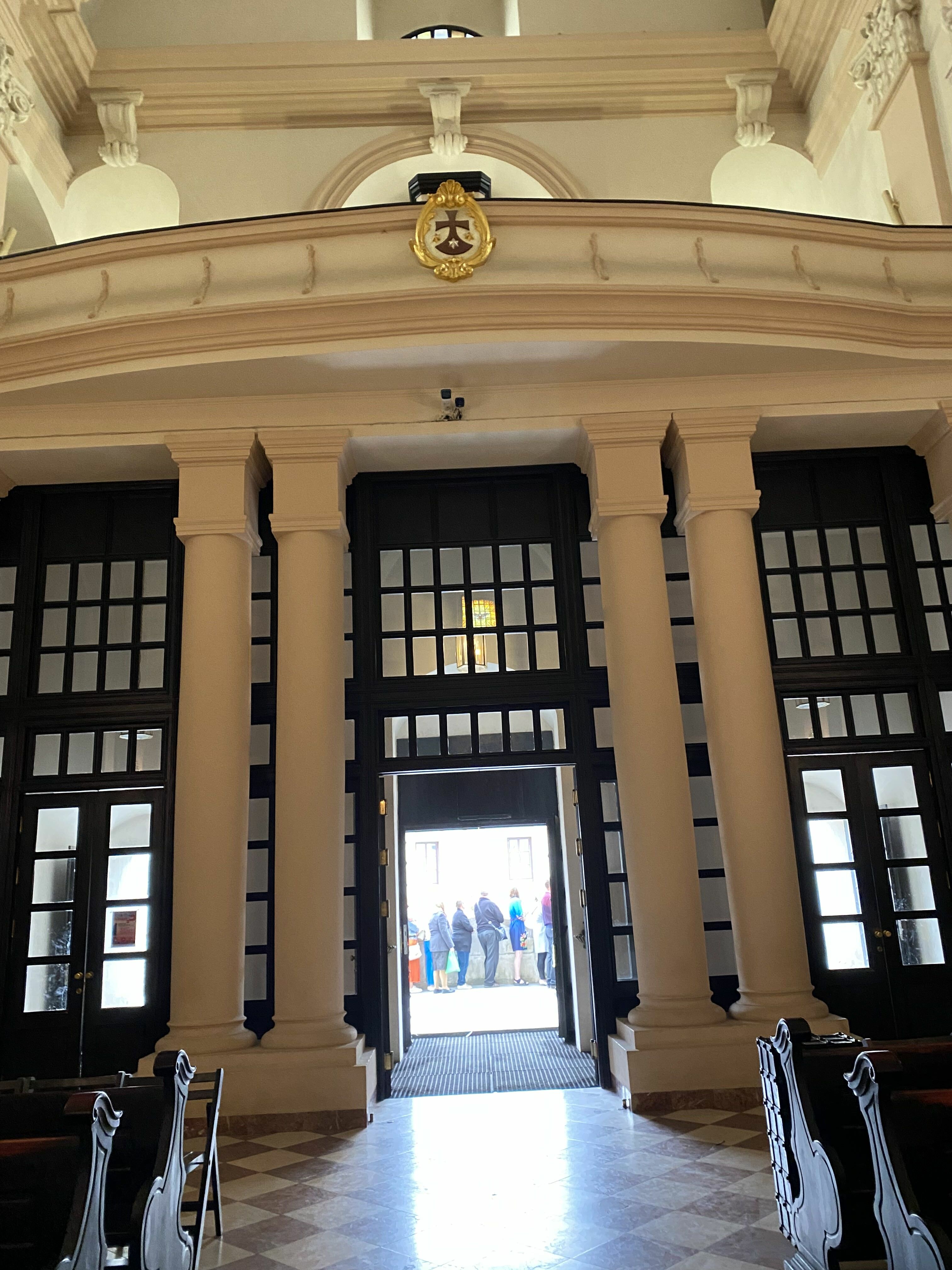
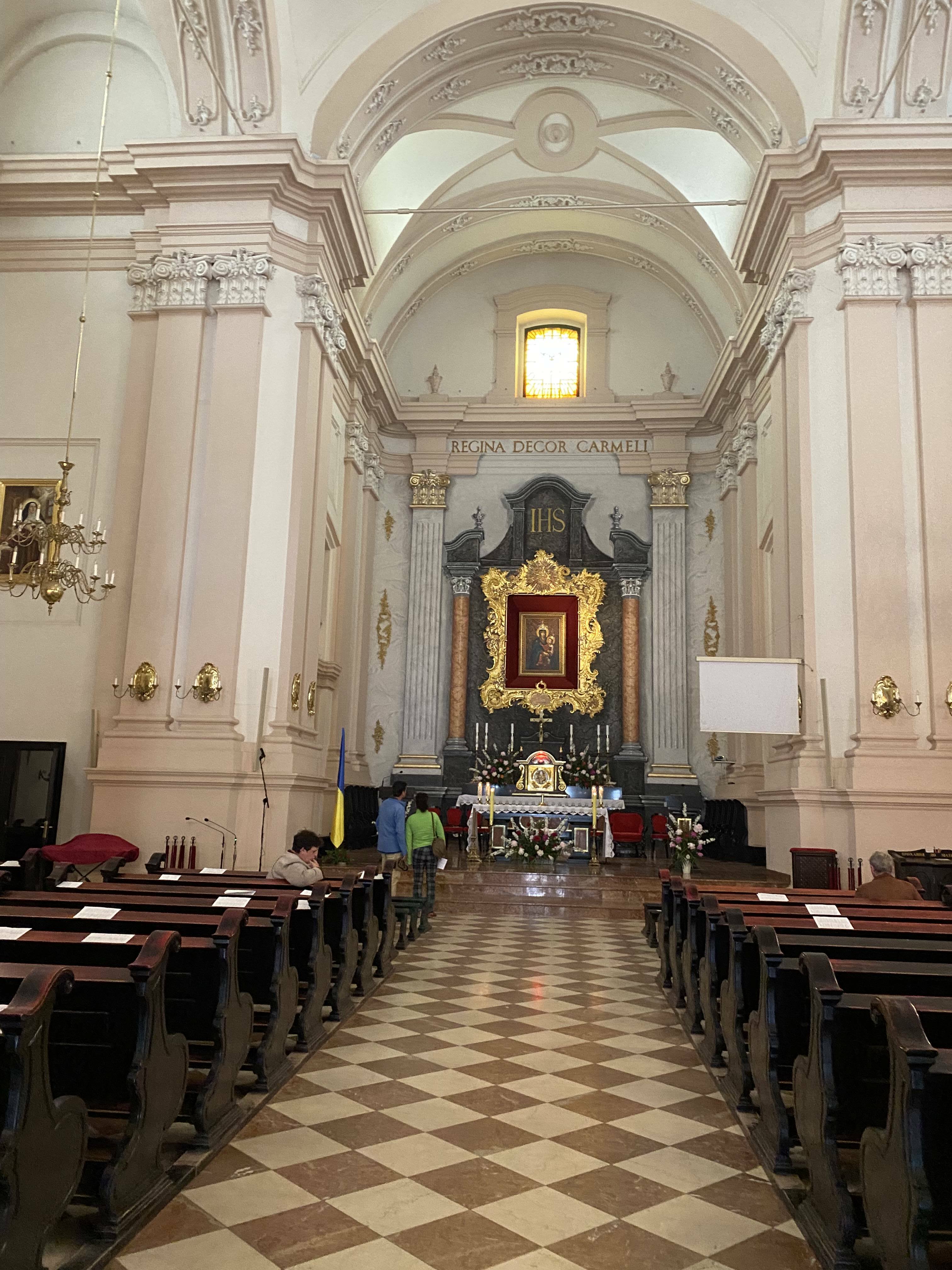
The upper church, built in 1739-1754 according to the project of the architect Jan de Witte for the donations of the believers and the savings of the monastery, was prepared for the consecration of the glorified icon of the Mother of God with the aim of creating a shrine of Mary. The main volume of the church is three-nave with a dome at the intersection of the transept with the central nave. The side naves are a series of chapels. The walls of the central nave and the transept are divided by double pilasters with Corinthian capitals, and the cylindrical vault is by harnesses.
The altar part is rectangular, single-tiered with dimensions of 9.9 m wide, 11.0 m long, its floor is raised to the height of two steps from the floor level. The main nave, 10 m wide, 19 m long, 16.25 m high, has choirs above the arches of the chapels. The shoulders of the transept are single-tiered.
The length of the transept is 23 m, and the width is 9 m. The church is well lit inside by 10 windows and light from the dome. The vaulting in the side naves is cross-shaped, and in the central nave, it is cylindrical with boxwork. In 1802, the interior walls were covered with paintings. Since 1803, the church had a marble floor.
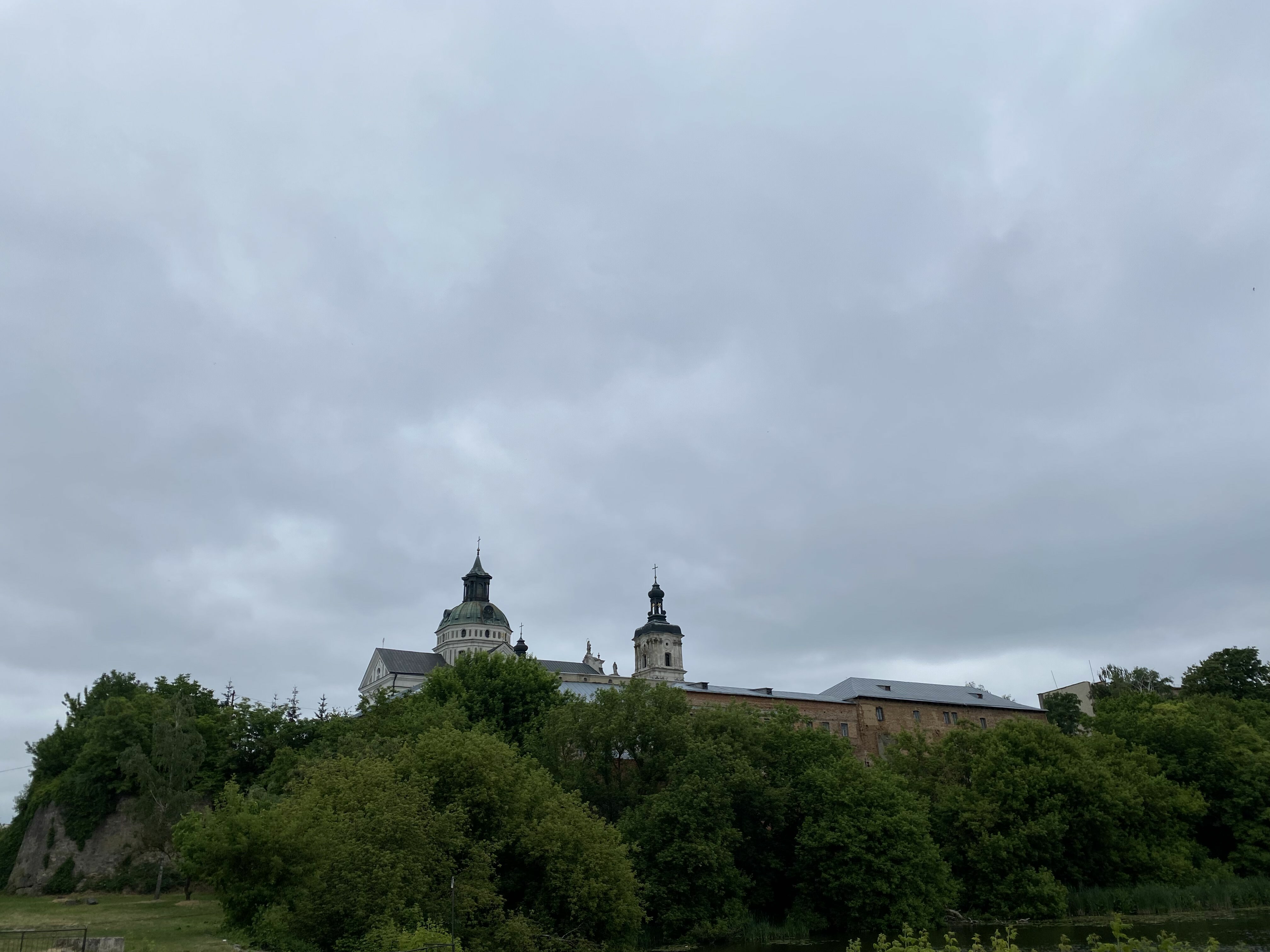
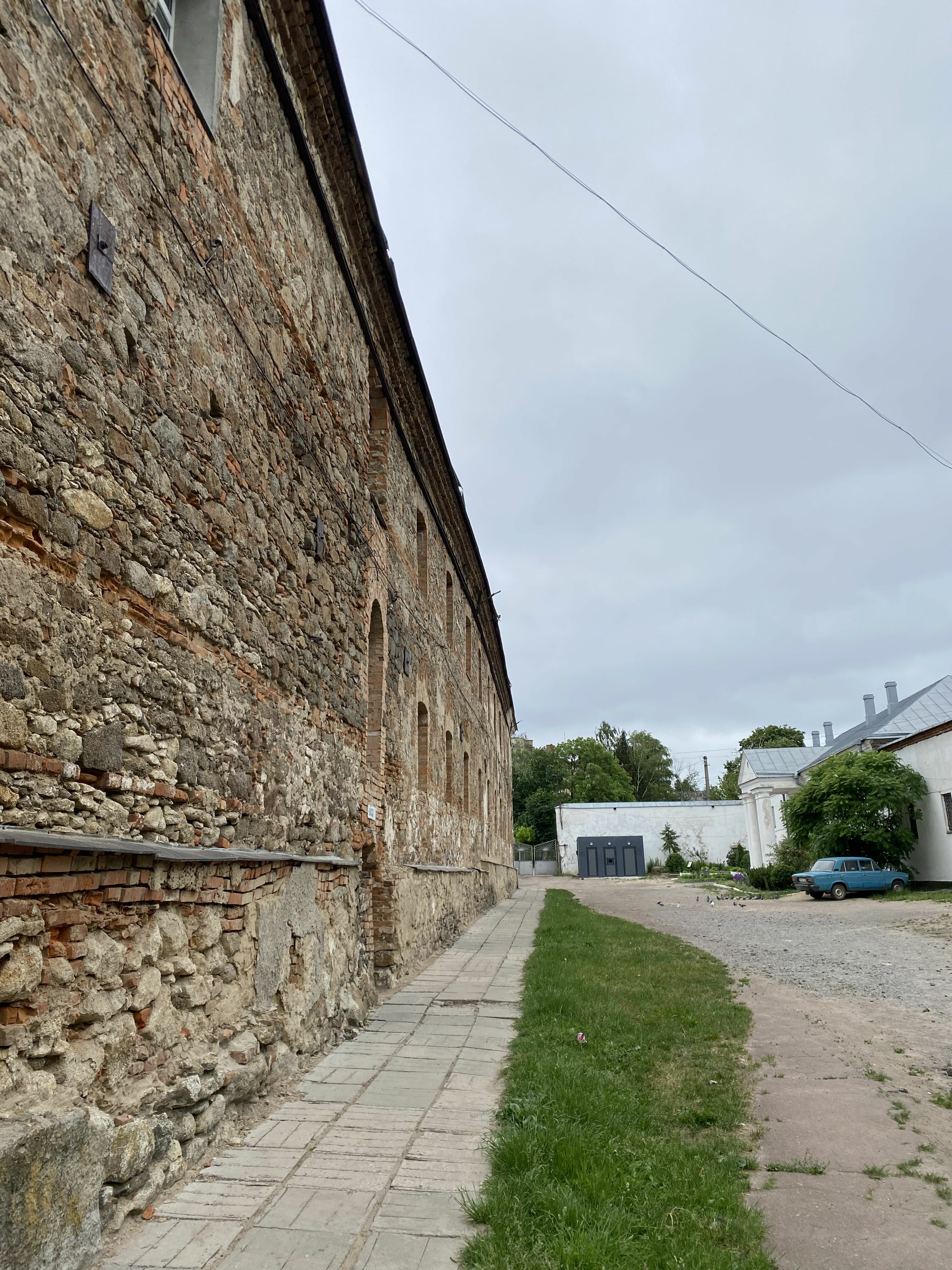
The monastery was one of the largest and had more than 40 monastic cells, a large refectory measuring 6.86 m x 14.80 m, a kitchen, and a sacristy (4.80 m x 10 m). Above the sacristy, there were rooms for the monastery choir with windows to the altar, a hall for relaxation, and a library, which in 1841 had 2,078 titles of books. Corridors are covered with cylindrical vaults with formwork, and other rooms are cross-shaped or cylindrical. The main entrance to the cells is on the lower floor of the watchtower. A staircase with a porch decorated with vases on plinths leads to the entrance. On both sides are bronze cannons, the remains of an ancient fortress.
Also in Berdychivy is the museum of Joseph Konrad-Kozhenovsky.
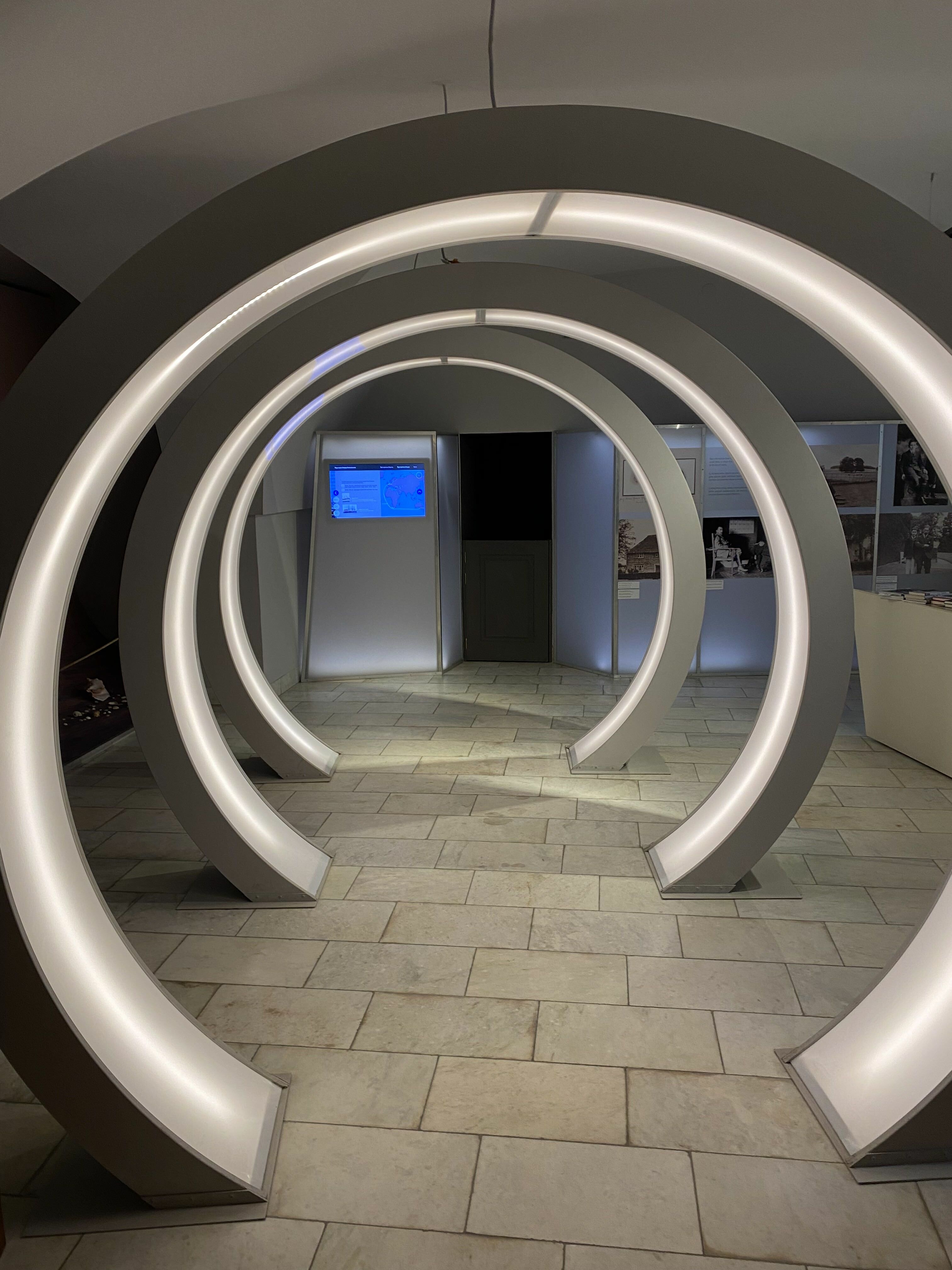
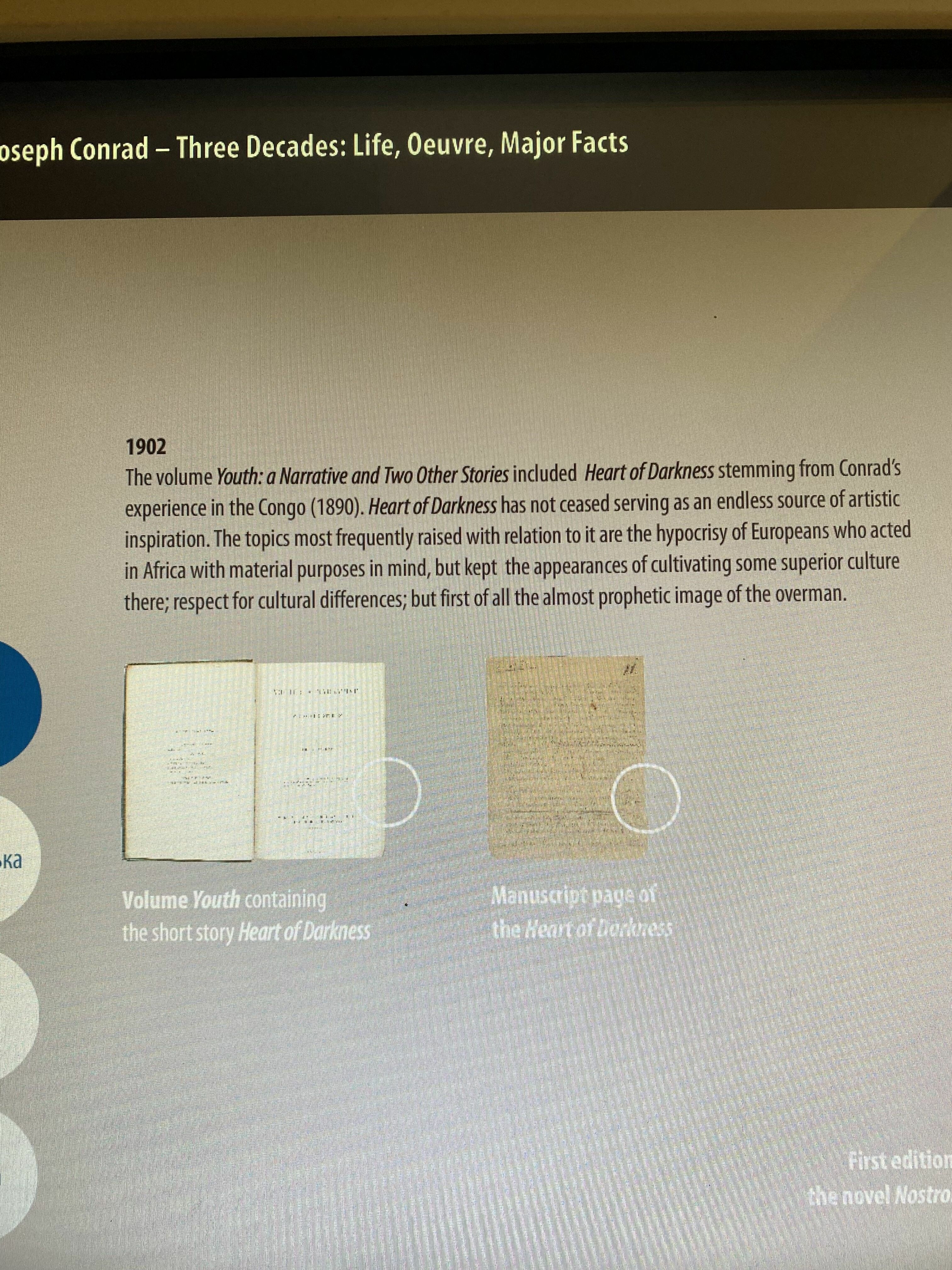
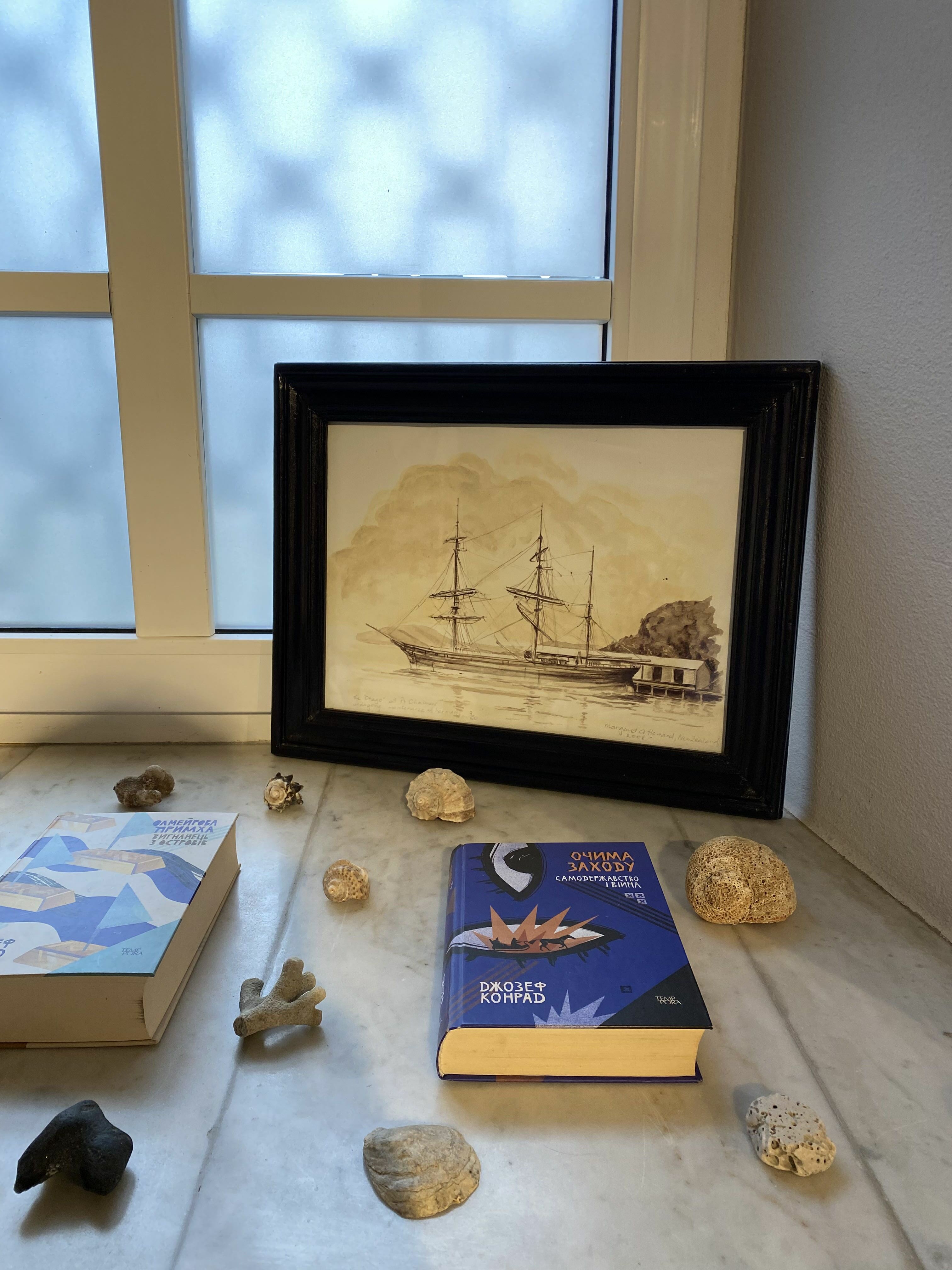
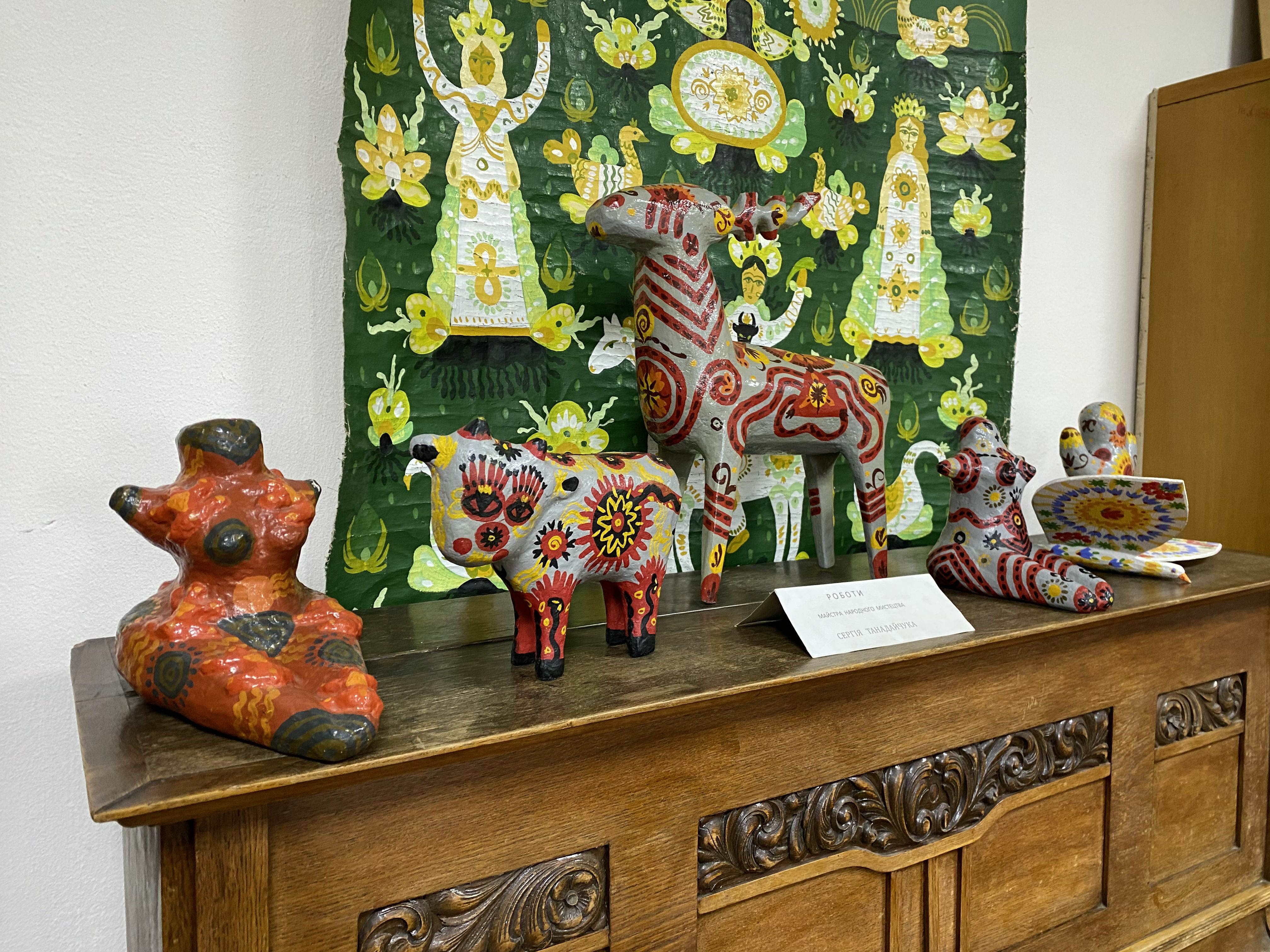
The exhibition in the museum is a story about the great Pole and outstanding representative of English literature of the 20th century, Joseph Konrad-Kożenowski. The museum tells not only about the fate and creativity of the writer himself, but also about the history of his family.
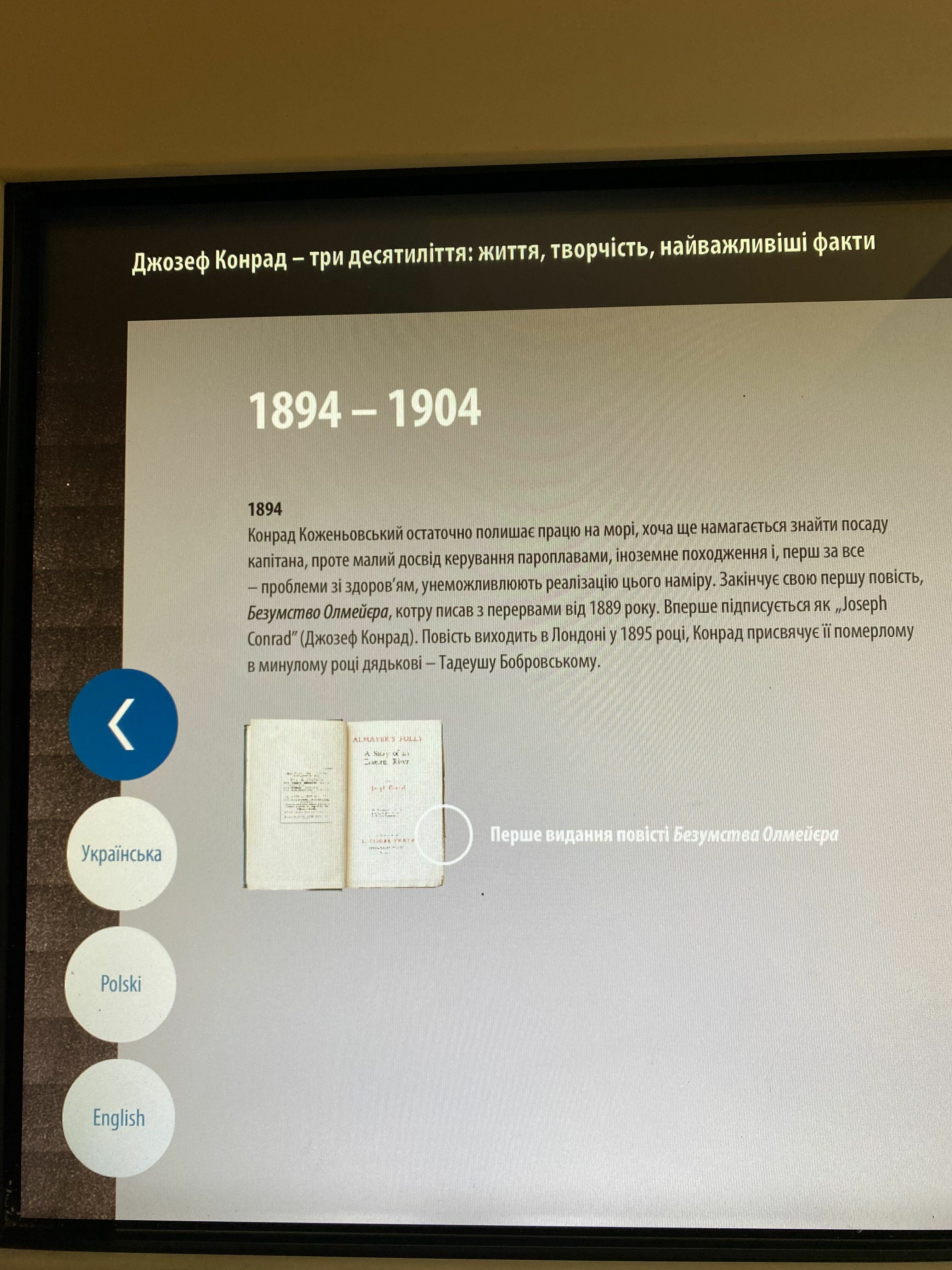
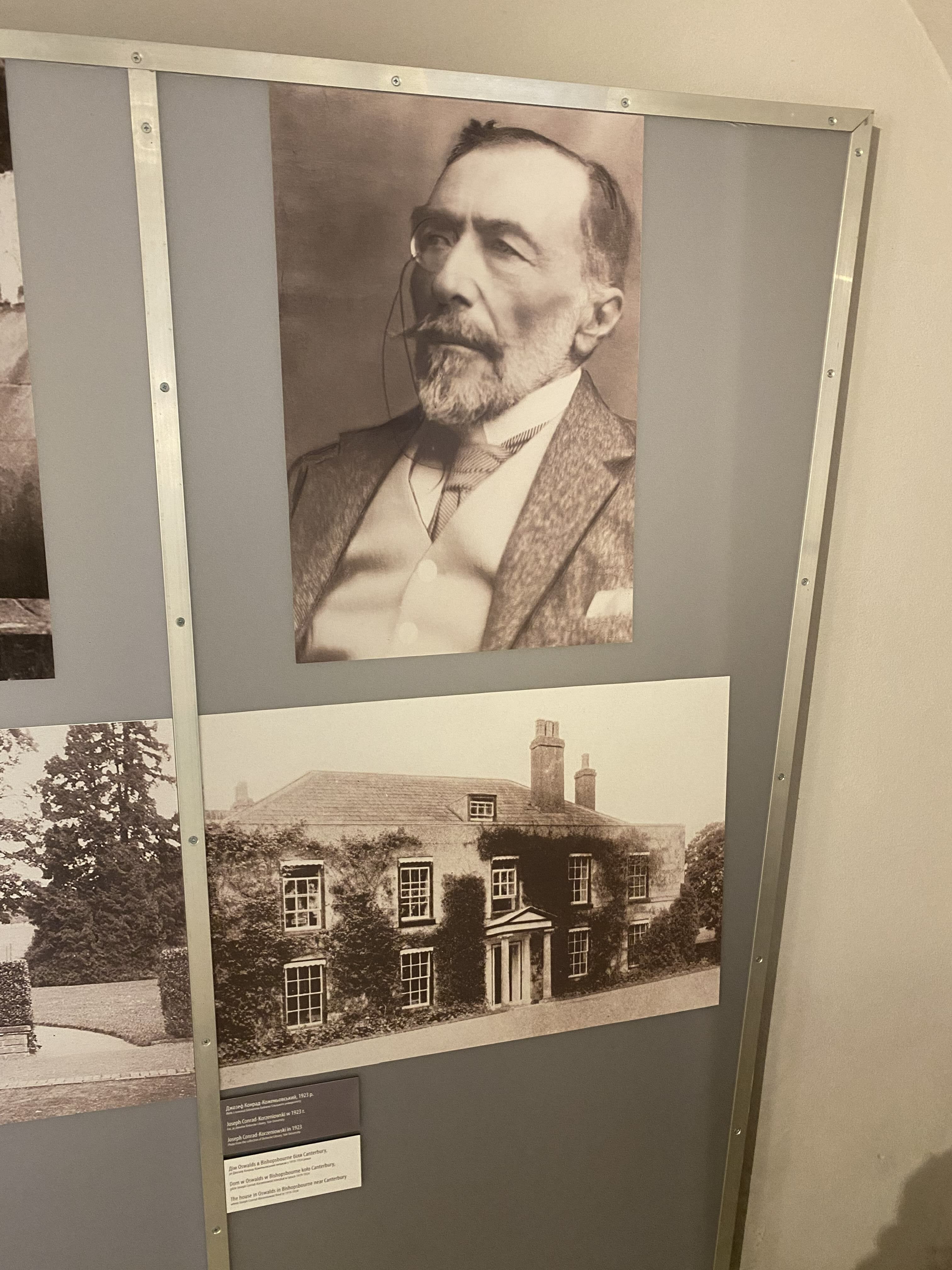
A peculiarity of the museum is that almost all materials are presented in electronic form or in the form of copies. The museum has collected a large number of photographs and archival materials in Ukrainian, Polish and English.
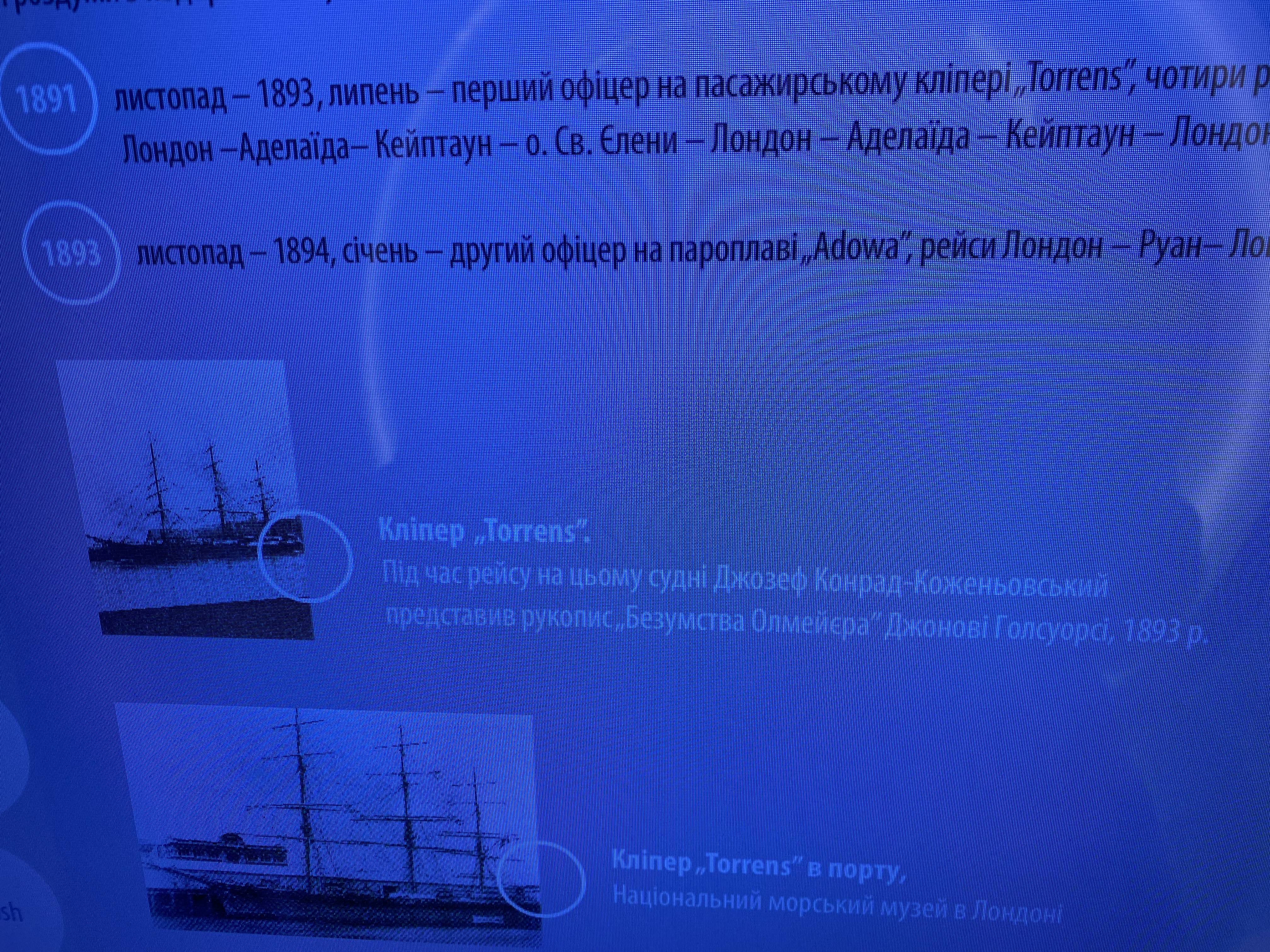
The exhibition is divided into three parts: the writer's childhood, departure to Marseille, decision to become a sailor; sea voyages; literary heritage of the author. There is one more interesting thing in the museum exhibition - a fragment of the ship "Otago", the captain of which was Joseph Conrad.
Berdychiv is located here: