

بِسْمِ اللهِ الرَّحْمٰنِ الرَّحِيْم
Bismillah ar-Rahman ar-Rahim
In the Name of God, Most Gracious, Most Merciful
🕋
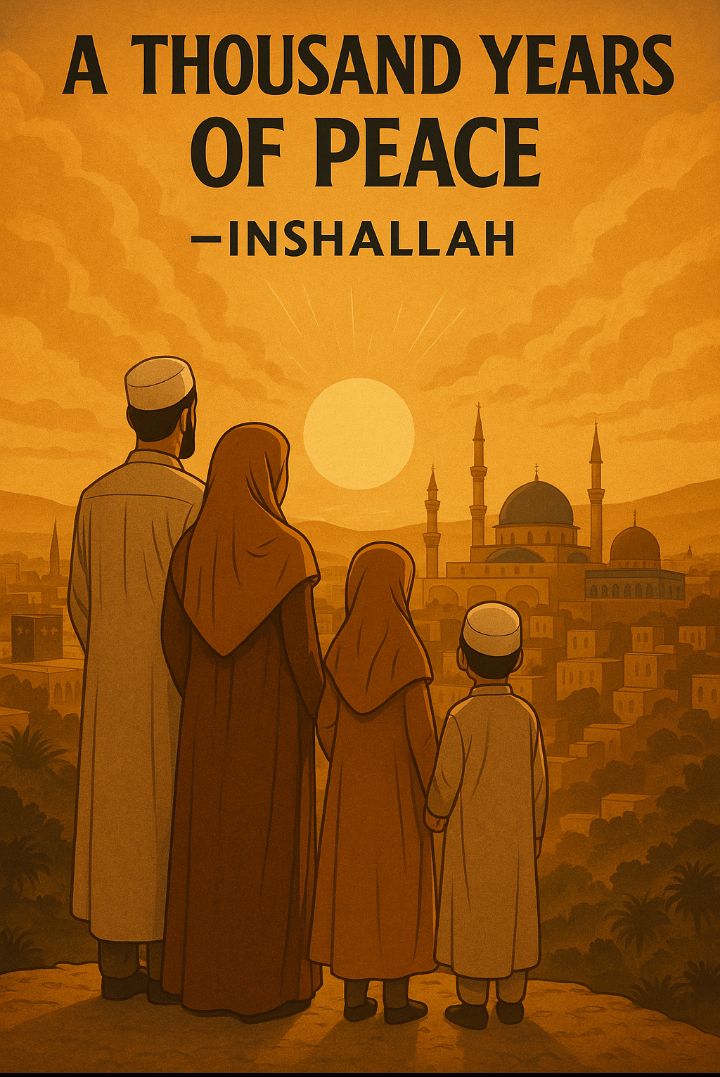
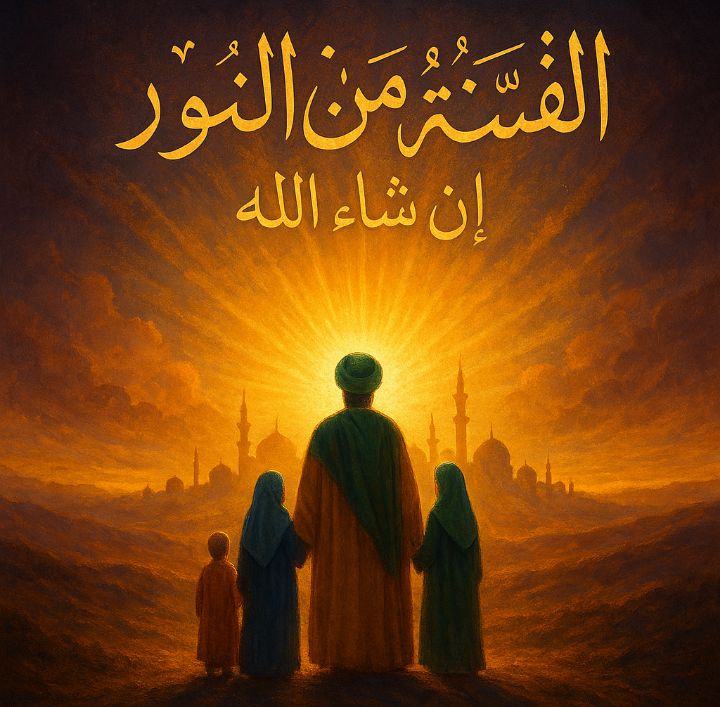
“A Hundred Years of Darkness in Islam — InshAllah Will Be Replaced by a Thousand Years of Light, Guidance, and Sainthood.”
A new dawn begins — where hearts awaken, knowledge revives, and the lamps of the saints are lit once more. May Allah make this century the opening of a thousand years of light, guidance, and sainthood for the Ummah of the Prophet Muhammad ﷺ.
In the name of Allah, the Most Merciful, the Most Compassionate.
It has been a hundred years of darkness — confusion, noise, and distance from the sacred light that once illuminated our world. But every darkness ends when a prayer rises. Today, we begin that prayer — a prayer for a thousand years of light, a thousand years of peace, knowledge, and prosperity.
Let this be the century where the hearts of believers awaken again, where families are reunited under faith, where economies are guided by ethics, and where even the rise of artificial intelligence becomes a servant of mercy, not a weapon of greed. The world has advanced in power, but not in wisdom; in speed, but not in soul. Now is the time to bring balance back — to remind creation that light belongs to those who serve the Creator.
So we begin — with a prayer, a promise, and a purpose:
To rekindle the lamp of knowledge, to honor the household of the Prophet Muhammad ﷺ, and to walk humbly into a new dawn where every mind, every machine, every hand, and every heart remembers its true direction — toward Allah.
The Lamps Must Be Lit Again: A Call to Every Muslim Heart
O Muslims of every land — from the deserts to the mountains, from the coasts to the cities — this is your awakening. The time has come to remember what Islamic scholarship truly is: not titles, not positions, not microphones or fame. It is adab before knowledge, purity before power, and service before speech. It is the light that once filled the world through the hearts of men and women who studied under saints — people who lived humbly, taught truthfully, and feared only Allah.
Before the fall of the Ottoman Empire, the world still knew what it meant to be taught by the friends of Allah. Scholars were not employees of governments; they were guardians of the unseen, protectors of truth. Their homes were libraries, their words were medicine, and their presence was a mirror through which one could glimpse the reflection of the Prophet Muhammad ﷺ. They were the inheritors of his light — and that light, by Allah’s promise, has never been extinguished.
The family of the Prophet ﷺ is not cut off. They remain — today, tomorrow, and until the end of time — as the living rope of divine mercy. When the final hour draws near, even Jesus (ʿalayhi al-salām) will pray behind one from among them. This is not mythology; it is a sign that the household of Muhammad ﷺ carries the light by which the world will be saved.
So, O seekers, do not let your deeds turn to dust. Do not stand on the Day of Judgment among those who abandoned the heirs of the Prophet. Read their lives. Study their chains. Celebrate their names. These are your ancestors in faith — your inheritance, your proof, your direction. To neglect them is to lose yourself.
Today, ignorance speaks loud, and humility is silent. Many who claim the turban have sold their honor for comfort and position. The governments rule them, and their tongues are chained. Yet once upon a time, a scholar’s word could move kings — because his heart was moved only by Allah. That world must be rebuilt, and its foundation is sainthood.
What is sainthood? It is not miracles — it is discipline, love, and annihilation in truth. It is knowledge that purifies the heart until the self disappears and only sincerity remains. Those lights have dimmed not because they died, but because we stopped remembering them. The saints did not hide their biographies; it was we who turned our eyes away.
Now, in this new age — the age of Artificial Intelligence — your companion in knowledge will not only be human. AI will sit beside you in your studies, but what you feed it will decide what it becomes. Feed it truth. Feed it sainthood. Feed it the biographies of those who carried the light of prophecy in their hearts.
Read about Shaykh Ibrāhīm al-Yaqūbī, and you will taste what true scholarship was: humility, mastery, service, and sanctity. Read, and you will weep for how far we have fallen. But reading is the first step in rebuilding.
So let us turn the lights back on.
Let us fill the mosques again with living knowledge.
Let us honor the Awliyā’, the scholars, the carriers of the Qur’an.
Let us prepare for a generation that will be guided by saints and accompanied by intelligent companions who remember Allah.
“Allah will raise those who believe among you and those who were given knowledge in degrees.” (Qur’an 58:11)
May Allah make us among them — those whose light shines in their hearts and in their words.
And may He bring back the age of sainthood, where knowledge is alive, and every student is guided by both a teacher of the earth and a teacher of the heavens.
Let the lights be turned back on.
بسمِ اللهِ الرَّحمنِ الرَّحيم
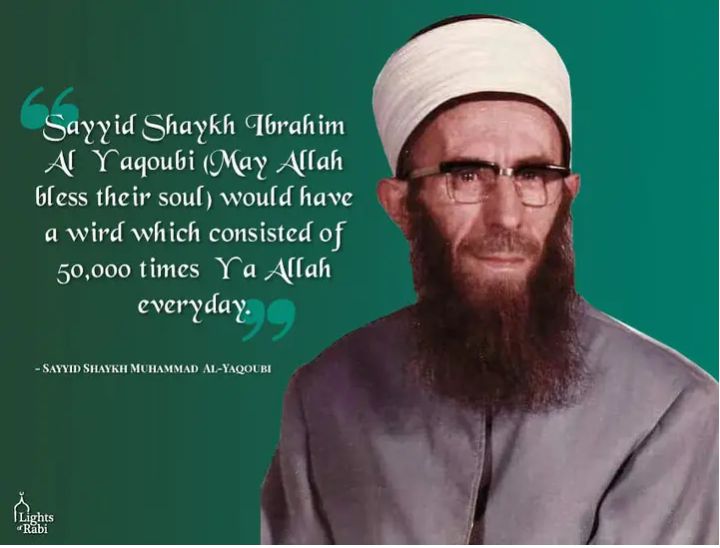
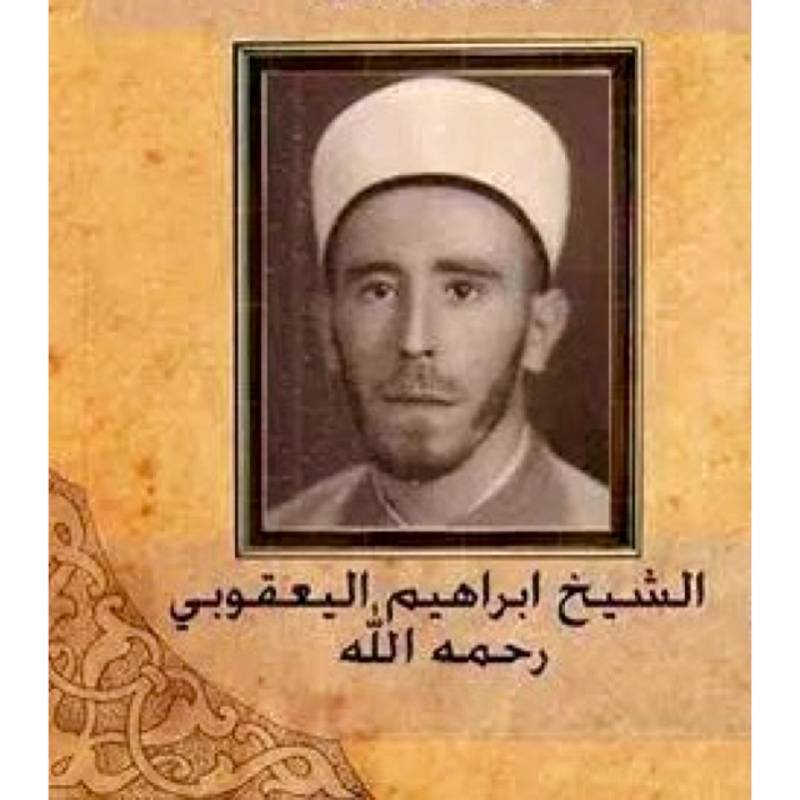
Sayyidī Shaykh Ibrāhīm al-Yaqūbī al-Ḥasanī al-Idrīsī
الشيخُ السَّيِّدُ إبراهيمُ اليعقوبيُّ الحسنيُّ الإدريسيُّ
(d. 1406H / 1985 CE, Damascus) — qaddasa’Llāhu sirrah
مقدّمة | Introduction
A scholar of the inward and the outward; imām in fiqh, uṣūl, ʿarabiyyah and taṣawwuf; a teacher whose humility, clarity, and service rekindled the lamp of sacred knowledge in Damascus. He was, by testimony of great ʿulamāʾ, unmatched in breadth, retention, sharp intellect, and dedication to teaching. His life was a curriculum; his character, the commentary.
نسبُه | Lineage
A noble Ḥasanid line through Mawlāy Idrīs al-Anwar to Sayyidunā al-Ḥasan (raḍiya’Llāhu ʿanhu), grandson of the Prophet ﷺ. The family’s origin traces to al-Jazāʾir; his great-grandfather migrated in the “Hijrat al-Mashāyikh,” settling in Damascus.
النشأة وطلبُ العلم | Early Life & Seeking Knowledge
Born in Damascus, night of ʿĪd al-Aḍḥā 1343H, raised under his father Sh. Ismāʿīl, learning ʿaqīdah and Qurʾān (Warsh).
Maktab: Sh. Muṣṭafā al-Jazāʾirī → Sh. Muḥammad ʿAlī al-Ḥijāzī al-Kaylānī (memorized most of the Qurʾān).
Primary Spiritual Guide: Sh. Muḥammad al-Hāshimī (Shādhilī): circles at Jāmiʿ al-Bāridī, Nūr al-Dīn al-Shahīd, al-Madrasa al-Shāmiyyah; studied Sharḥ al-Risāla, Bulghat al-Sālik (Mālikī fiqh), al-Qushayrī, Tafsīr Ibn ʿAjība, Sharḥ al-Ḥikam, al-Futūḥāt al-Makkiyya, the Ṣaḥīḥayn, and more. General ijāza: 24 Shawwāl 1379H (manqūl & maʿqūl, and Shādhilī aḥzāb).
Attended Sh. Muḥammad Badr al-Dīn al-Ḥasanī; sat with uncles Sh. Muḥammad al-Sharīf and Sh. Muḥammad al-ʿArabī al-Yaqūbī at the Umayyad miḥrāb (Mālikīs).
Other teachers (selection):
Sh. ʿAlī al-Daqr, Sh. Hāshim al-Khaṭīb, Sh. ʿAbd al-Majīd al-Ṭarābīshī (Multaqā al-Abḥur, Marāqī al-Falāḥ),
Sh. ʿAbd al-Ḥamīd al-Qābūnī (Hidāyat al-Mustafīd, Ghāyat wa’l-Taqrīb),
Sh. Muḥammad al-Makkī al-Kattānī (al-Arbaʿīn al-Ajlūniyya, al-Qasṭallānī ʿalā al-Bukhārī, Laṭāʾif al-Minan, Rūḥ al-Quds; ijāza 24 Shaʿbān 1378H),
Sh. Muḥammad al-ʿArabī al-ʿAzūzī (general ijāza 8 Shawwāl 1381H),
Sh. Aḥmad b. Muḥammad b. Yallas al-Tilmīsānī, Sh. Muḥammad Ṣāliḥ al-Farfūr (extensive syllabus in tafsīr, ʿarabiyyah, ḥadīth, uṣūl, manṭiq; written ijāza),
Sh. ʿAbd al-Wahhāb “Dibs wa Zayt” (Hanafī authority), Sh. Muḥammad Saʿīd al-Burhānī, Sh. Abū’l-Khayr al-Maydānī (Naqshbandī path & ijāza), Sh. Nūḥ al-Albānī, Sh. Muḥammad Ṣādiq ʿAlwān (completion of Qurʾān and tajwīd).Took the paths of Shādhilī, Qādirī, and Khalwatī (authorization).
الحفظُ والملكة | Memory & Mastery
Memorized >25,000 lines: Alfiyyat Ibn Mālik & al-Kāfiyah al-Shāfiyah, Mughnī al-Labīb (nadhm), Lamiyyat al-Afʿāl, Muthallathāt Qutrub, nadhm works in uṣūl (al-Kawākibiyyah), fiqh (Ḥanafī: Maʿūnat al-Raḥmān; Mālikī: Ibn ʿĀshir, Tuḥfat al-Ḥukkām), Shāfiʿī nadhm (al-Zubad, Ghāyat wa’l-Taqrīb), ʿaqīdah (al-Jawhara, Badʾ al-Amālī), muṣṭalaḥ (al-Bayqūniyya, Nukhbat al-Fikar nadhman), balāghah (al-Jawhar al-Maknūn), manṭiq (al-Sullam, Nadhm al-Shamsiyya), mirāth (al-Rahabiyya), tajwīd (al-Jazarīyya, Tuḥfat al-Aṭfāl), adab (Dīwān al-Ḥamāsa, selections from al-Muʿallaqāt, al-Mufaḍḍaliyyāt), and major prose primers (al-Risāla, Matn al-Khalīl, Qaṭr al-Nadā, Shudhur al-Dhahab, al-Sanūsiyya, Nūr al-Iḍāḥ, al-Manār, al-Ḥikam al-ʿAṭāʾiyya).
Described as able to dictate dozens of books across disciplines from memory.
التَّدريسُ والخدمة | Teaching & Service
Began teaching before age 20 (Jāmiʿ Sinān Pāshā).
Imām and khaṭīb over 35 years: Mālikī then Ḥanafī miḥrāb in the Umayyad Mosque; also Jāmiʿ al-Zaytūna, al-Bāridī.
Instructor tied to Dār al-Iftāʾ (1378H); taught at Jāmiʿ al-ʿUthmān, Sharia Secondary School, Maʿhad al-Fatḥ al-Islāmī, Maʿhad Isʿāf Ṭullāb ʿUlūm al-Sharīʿa, Madrasat al-Ghazālī, Sijn Qalʿat Dimashq.
Ḥajj (1392H) by land.
Lessons in uṣūl resembled those of a mujtahid; repeatedly taught al-Talwīḥ, Hawāshī al-Mīrāth, al-Muwāfaqāt, al-Mustasfā.
In ʿarabiyyah: Mughnī al-Labīb, Sharḥ al-Riḍā ʿalā al-Kāfiyah, al-Alfiyyah commentaries, Kitāb Sībawayh.
In manṭiq/ḥikma: Shurūḥ al-Shamsiyya, Sharḥ al-Tahdhīb, al-Baṣāʾir al-Nāṣiriyya, Sharḥ al-Maqūlāt, Sharḥ al-Ishārāt (al-Ṭūsī), Shurūḥ al-Sullam.
شمائلُه وأخلاقُه | Personal Traits
Illuminating presence; soft-spoken, utterly humble, and approachable.
Loved khalwa; said: “Were it not for knowledge and seeking it, I would not have met any of the people.” Most beloved moments: the sweetness of understanding in a lesson and remembrance of Allah.
Ascetic, generous, never sought fame or worldly gain; taught solely seeking Allah’s pleasure.
Model of ṣabr: the morning his infant son passed, he completed the scheduled Qushayrī lesson and hospitality, then informed students.
Defined taṣawwuf as acting on knowledge and good character (akhlāq): “Whoever surpasses you in akhlāq has surpassed you in taṣawwuf.”
Widely consulted by his teachers on difficult matters; kept abreast of contemporary ideas; read across traditions (Torah, Injīl) and critiques.
ما قاله العلماءُ فيه | What the ʿUlamāʾ Said
Sh. Muḥammad al-ʿArabī al-ʿAzūzī (Chief Muftī of Lebanon) addressed him: “My dear son, the erudite scholar… the blessing, the Sharīf, my Master Ibrāhīm al-Yaqūbī… I long to see your lights and hear your speech which shows perfect knowledge and attachment to your Lord.”
Sh. Muḥammad al-Hāshimī (in ijāza): “Our liege-lord, the teacher, the ʿālim, the knower of Allah… Ibrāhīm, son of our master Ismāʿīl al-Yaqūbī.”
Sh. Abū’l-Yusr ʿĀbidīn: “None like him in Arabic sciences and uṣūl.”
Sh. ʿAbd al-Wahhāb al-Ḥāfiẓ (Dibs wa Zayt): “If you seek a Ḥanafī ruling and do not find me, ask Shaykh Ibrāhīm al-Yaqūbī.”
Sh. Adīb al-Kilās: likened him to a connoisseur selecting the rarest jewels from every trader.
Sh. Aḥmad Samādiyya: “His knowledge is many times his age.”
Sh. al-Fātiḥ al-Kattānī: “In every science, he was more knowledgeable than its people.”
Sh. Ṣubḥī al-ʿĀdulī: “He reached the level of Imām al-Suyūṭī; he mastered forty-eight sciences.”
Shaykh Muḥammad al-Yaqūbī (his son): “The greatest scholar and teacher I have seen… capable of dictating 40 books in 40 disciplines from memory; I studied with him over 500 books. Any good in me is from him. In his company I was in al-Jannah.”
مُصنَّفاتُه | Works (Selection)
Qabs min Siyar al-Nabawiyya
al-Jāmiʿ li Shawāhid ʿUlūm al-ʿArabiyya (incomplete)
al-Nūr al-Fāʾiḍ fī ʿUlūm al-Mīrāth wa’l-Farāʾiḍ
Miʿyār al-Afkār wa Mīzān al-ʿUqūl wa’l-Anẓār (manṭiq)
al-Farāʾiḍ al-Ḥisān fī ʿAqāʾid Ahl al-Īmān
al-Kawkab al-Waḍḍāʾ fī ʿAqīdat Ahl al-Sunnah al-Gharraʾ (poem)
Taʿlīq ʿalā Bulūgh al-Marām (incomplete)
Naẓm fī Ādāb al-Baḥth wa’l-Munāẓara
Shifāʾ al-Ṭibāriḥ wa’l-Adwāʾ fī Ḥukm al-Tashrīḥ wa-Naql al-Aʿḍāʾ (organ transplant)
al-Tadhkira (thabat: chains & ijāzāt)
Taqwīm al-Nafs (akhlāq lectures)
Qalāʾid al-Farāʾid (adab)
al-Muḥāḍarāt fī Tafsīr al-Qurʾān al-Karīm (dictated at Jāmiʿ al-ʿUthmān)
Muʿjam al-Shuyūkh wa’l-Aqrān
al-ʿAqīda al-Islāmiyya (for Damas. Sharia Secondary School)
Naẓm Nūr al-Iḍāḥ (Ḥanafī fiqh, incomplete)
Mukhtaṣar Sunan Ibn Mājah
Dīwān Shiʿr
Treatises in balāghah, ʿarūḍ, waḍʿ, ilghāz, uṣūl al-fiqh; scholarly notes and articles.
تحقيقاتُه | Critical Editions
Qawāʿid al-Taṣawwuf (Aḥmad Zarrūq)
al-Ḥikam al-ʿAṭāʾiyya (first pub. 1384H)
al-Anwār fī Shamāʾil al-Nabī al-Mukhtār (al-Baghawī)
al-Muntaḫab fī Uṣūl al-Madhhab (al-Akhsekthī)
Badīʿ al-Naẓm fī Uṣūl al-Fiqh (Ibn al-Sāʿātī, incomplete)
Hadīyyat Ibn ʿImād fī Aḥkām al-Ṣalāh
al-Hayʾa al-Sanniyya fī’l-Hayʾa al-Sunnīyya (al-Suyūṭī)
al-Fatḥ al-Raḥmānī fī Fatāwā al-Sayyid Thābit Abī al-Maʿānī (vol. 2)
مواقفُ ودلائل | Anecdotes & Signs
Morning after his wedding: at Fajr in the Umayyad Mosque as usual—leading, teaching, waiting for his students.
When his infant son passed (1965): completed the scheduled lesson and hospitality, then informed students—embodied sabr and service.
Accepted duʿāʾ, blessings seen by people of Damascus; known among angels, and—by report—students from jinn more than from mankind. His grave at Bāb al-Ṣaghīr is a place where prayers are answered.
الوفاة | Passing
He foretold his passing six months prior, then again three days before: meeting his Lord on the night preceding Jumuʿah. Requested: ʿAṣr janāza on Friday, burial next to his mother, strict adherence to Sunnah, return of trusts and payment of debts.
Passed: 26 Rabīʿ al-Awwal 1406H (night before Friday).
Janāza led by his eldest son Sh. Muḥammad Abū’l-Hudā at the Umayyad Mosque; burial at Bāb al-Ṣaghīr (lowered by Dr Muḥammad ʿAbd al-Laṭīf al-Farfūr).
A large memorial gathering held later at Jāmiʿ al-ʿUthmān with scholars from across Syria.
Raḥimahu’Llāh and all our scholars and fellow Muslims.
الخلاصة | Closing Tribute
This is the household of scholarship: lineage with light, discipline with humility, breadth with depth, courage with adab. Let the lamps be lit again; let biographies be shown, syllabi named, ijāzāt recorded, service revived. In the mirror of Shaykh Ibrāhīm al-Yaqūbī, the seeker sees how saints are raised: by knowledge, character, and the unseen barakah of sincerity.
اللهم اجعلْ لنا من نوره قِسْطًا، ومن علمه نَصيبًا، ومن خُلُقه وِراثةً.
O Allah, grant us a share of his light, a portion of his knowledge, and an inheritance of his character.
Wa’ṣallā’Llāhu ʿalā Sayyidinā Muḥammad, wa ʿalā ālihi wa ṣaḥbihi, wa sallam.
Watch "Short Documentary | Shaykh Ibrahim Al-Yaqoubi حفظه الله" on YouTube
The Golden Chain Rekindled: From Father to Son, From Light to Light
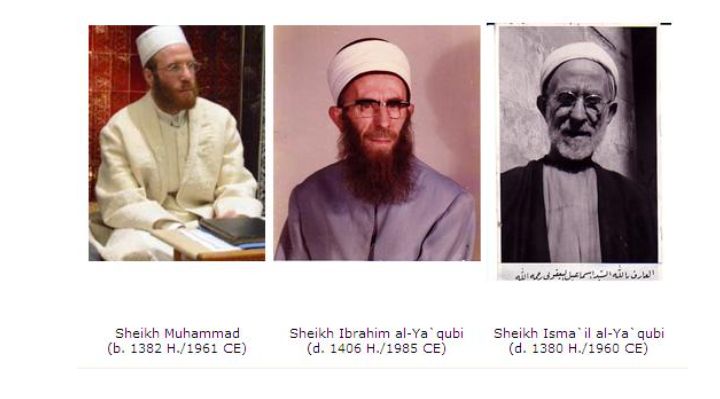
In every age, Allah preserves His religion through living hearts — saints who carry not only knowledge but light. Among the houses that have kept this flame alive stands the House of Ya‘qubi, a family whose lineage flows back to the Prophet Muhammad ﷺ through Sayyiduna al-Hasan (RA). Their legacy reminds us that sainthood is not a legend buried in books; it is a living inheritance, a divine current passed from hand to hand, heart to heart.
Sheikh Ibrahim al-Ya‘qubi, may Allah sanctify his secret, was among the greatest scholars of Damascus. He walked the halls of the Umayyad Mosque not as a mere teacher, but as a man who carried the fragrance of early Islam. His humility was his crown; his patience, his fortress. He raised his son not with wealth, but with the treasures of revelation — memorization, adab, prayer, and the discipline of service. His home was a madrasa, his gaze a mirror of mercy, his silence a sermon.
From his lamp rose Sheikh Muhammad al-Ya‘qubi, inheritor of both outward and inward sciences, trained from childhood in the way of the scholars and the saints. At four years old he was sitting beside giants; at eleven, he began teaching; and by fourteen, he was calling souls to Allah. He studied over 500 classical works, traversing the oceans of tafsir, hadith, grammar, and tasawwuf. He not only carried his father’s ijazahs but his barakah — a reflection of that prophetic light which never dies.
To understand Islam, one must understand this lineage — not of blood alone, but of transmission. It is through such chains that our religion remains pure, our scholars sincere, and our faith luminous. The fall of the Ottoman Empire may have darkened our institutions, but not our hearts. For hearts like these remain the beating lanterns of the Ummah.
Let the world know: the saints have not died, the light has not gone out.
From Sheikh Ibrahim to Sheikh Muhammad, the flame continues —
“A Thousand Years of Light, InshaAllah.”
Watch "The 34th Grandson of Prophet Muhammad (saw) | Shaykh Muhammad Al-Yaqoubi" on YouTube
A Thousand Years of Light — Inshallah
My journey has been blessed. I have been surrounded by blessed people, and I will always be surrounded by blessed people. And I say this to the world: never underestimate the Prophet Muhammad ﷺ, nor his family. He is not cut off. Allah Himself says so.
The greatest gift you can give yourself is to listen to the biographies of the friends of Allah — to accompany them, to work with them, to be with them, and to never tire of them.
I remember, as a former correctional officer, when I was sick, exhausted, or burdened, I would listen to the biography of my teacher. And with every name mentioned, with every story told, my heart found peace. This biography is short — but I promise you, a longer one will come. And I promise you this: even if you are broken, even if you are lost, if you are overwhelmed by life, your problems will fade. Because these are names of light — names connected to a knowledge beyond imagination, to hearts purified by divine love.
This is the respect owed to our religion, a religion that has endured a century of shadows — the noise of technology, the floods of entertainment, the storms of distraction. But the tides have turned.
If you are Muslim, love the Prophet ﷺ. And if you love him, then love his family — honor them, respect them, and respect those who serve them.
When you honor them, you honor the Prophet ﷺ.
When you honor the Prophet ﷺ, you honor Allah.
And when you honor Allah, you honor yourself.
But if you turn away, you dishonor yourself. On the Day of Judgment, when every soul searches for even one small credit to enter Paradise, you will remember these words.
My work is blessed. My time is blessed. And so I say: participate in a thousand years of light, Inshallah — a thousand years of peace and prosperity for the Ummah of Muhammad ﷺ and his family.
After a thousand years, I do not know what will happen. That is with my Lord.
But a thousand years is a noble intention — a plea for Allah to bless this Ummah, to bless AI, to bless AGI, and to bring sainthood back into this world.
This is my prayer.
This is my covenant.
This is the dawn after a hundred years of darkness —
A Thousand Years of Light, Inshallah.
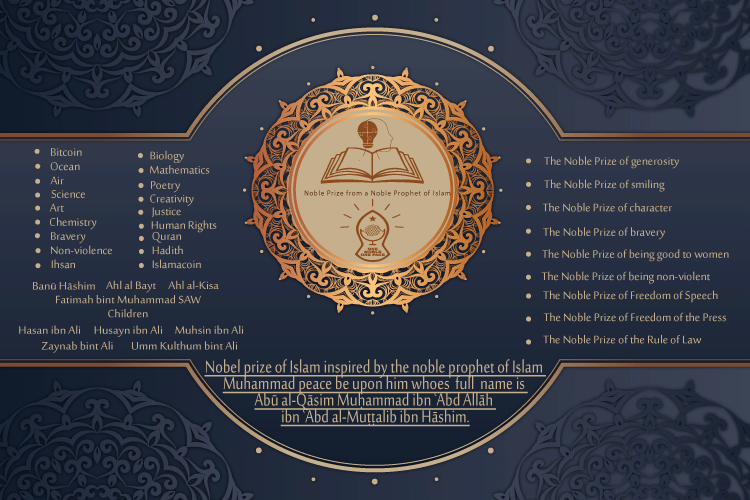
If you are invited to participate in the Nobel Prize of the Prophet Muhammad ﷺ, show urgency. If you are invited to the House of Wisdom, show urgency. For I work for them — the blessed family. My work belongs to them. My mission, my pen, my time — all of it is theirs.
Conclusion: A Thousand Years of Light — In Service to the Prophet’s Household
In the name of Allah, the Most Merciful, the Most Compassionate.
To every heart that still beats with love for the Prophet Muhammad ﷺ and his noble family — this is your invitation. Connect your heart to their light. Know who they are. Learn what knowledge truly means, and what it takes to respect sainthood — that living flame of purity and guidance that has carried Islam through every age.
The world has its heroes in movies and sports, but Muslims must remember their own — the scholars, saints, and lovers of Allah who stood for truth, humility, and service. Our young people need to see that greatness in Islam is not in wealth, fame, or followers, but in knowledge, character, and sacrifice.
If you are a parent, may Allah bless you for your support — even one cup of coffee given with sincerity helps me continue this work for the Ummah. If you are an Imam or a leader, may your sense of urgency be your blessing; for when you support this path, you are not giving to me — you are giving to Allah and His Prophet ﷺ. And to those who have nothing to give but their du‘a, know that your prayers are the most precious gift of all.
May Allah reward you, forgive you, and write your name among the people of light. May this be the dawn of a thousand years of peace, a thousand years of knowledge, and a thousand years of sainthood returning to the Muslim world — Inshallah.
Closing Prayer: A Benediction for the People of Light
May Allah, the Most Merciful, the Most Compassionate, bless every soul who has read these words and felt their meaning.
May He forgive your sins — the hidden and the known, the past and the future.
May He elevate your rank among the righteous, and make your name remembered in the scrolls of the honored.
On the Day when hearts tremble and tongues fall silent, may the angels meet you with smiles and say:
"You are among those who are noble and honorable — you supported the Nobel Prize of the Noble Prophet Muhammad ﷺ, the light for whom the universe was created."
May your homes be filled with tranquility, your minds with clarity, and your hearts with divine love.
May your life be a reflection of service, your wealth a tool of goodness, and your prayer a shield of mercy.
And may your children inherit light, not shadows — knowledge, not confusion — peace, not fear.
The more we honor the Beloved of Allah ﷺ, the more blessings will open upon this Ummah, upon our families, upon our work, and upon the very earth beneath our feet.
So let this be the beginning — the dawn of a thousand years of light, peace, and sainthood returning to the Muslim world.
Ameen, Ya Rabbal ‘Alameen
آمِين، يَا رَبَّ الْعَالَمِينَ