

بِسْمِ اللهِ الرَّحْمٰنِ الرَّحِيْم.
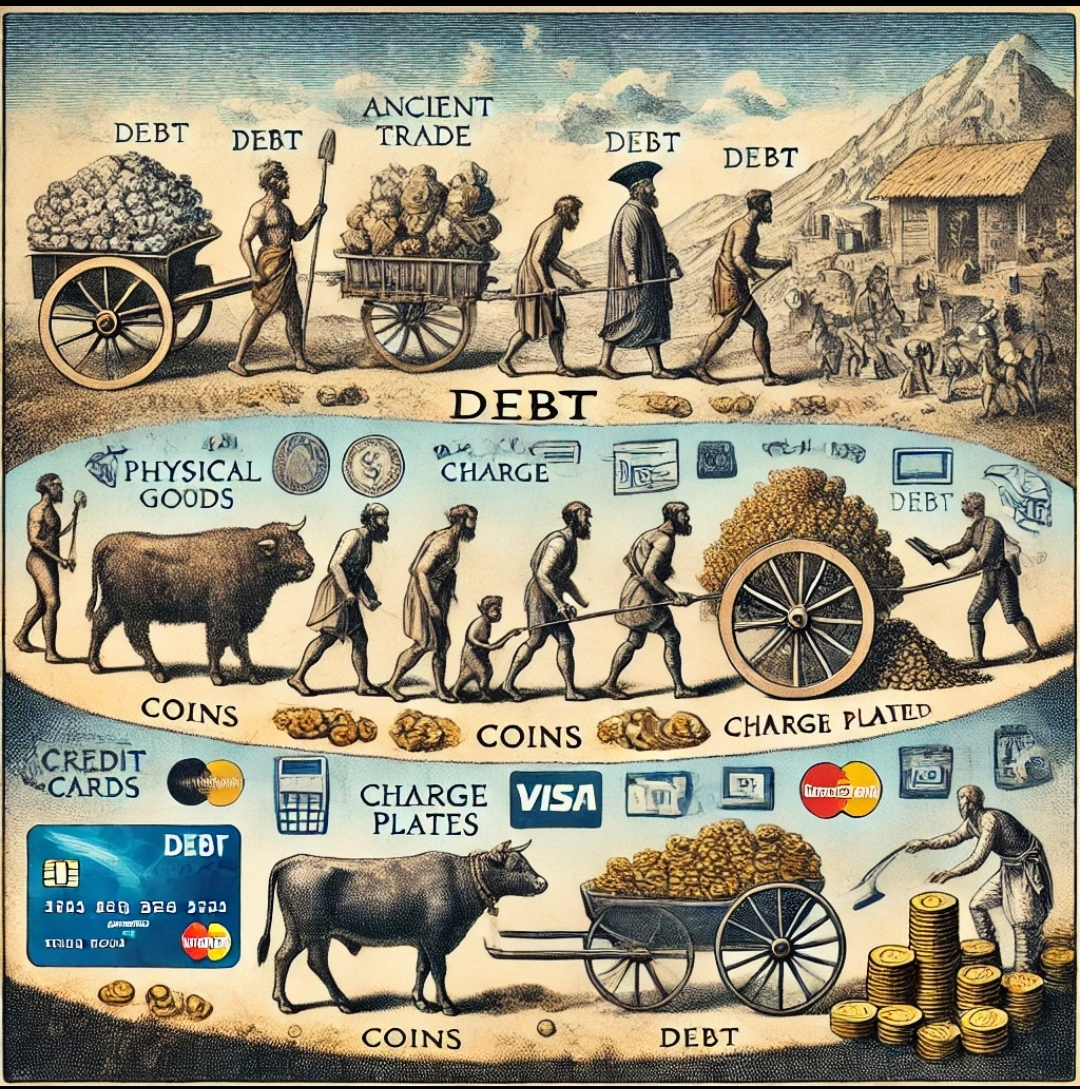 Throughout history, debt has been a straightforward transaction—borrow money, pay it back. If you failed to pay back what you owed, debt collectors would come to collect, whether through repossession or other means. This system functioned with a clear understanding between lenders and borrowers: borrowing came with responsibility. That is, until the introduction of credit cards—commonly referred to as “plastic”—which transformed the way debt was handled and, eventually, exploited.
Debt Before Credit Cards
In the early days of lending, debt was a simple arrangement. If you borrowed money, it was your obligation to repay it. Debt collectors existed to ensure that lenders could recover what was owed to them if borrowers defaulted. The concept was clear: debt carried a physical and tangible weight. Borrowing money often required trust, and failure to repay could have immediate and severe consequences, from repossession to imprisonment, depending on the time and place.
Back then, the exchange of money or goods was a transparent process. Debt was personal, and the lender had a direct interest in ensuring that the borrower could and would repay.
The Introduction of Plastic
Everything began to change in the mid-20th century with the introduction of credit cards. These “plastic” cards revolutionized the way consumers interacted with debt. What had once been a personal transaction involving cash or physical collateral turned into a system of virtual credit. The introduction of the first general-purpose credit card, BankAmericard (now Visa), in 1958 opened the door to a new era of lending.
Credit cards were marketed as a tool for financial freedom, providing people with immediate access to funds without the need for cash. While this sounded like a good idea, the shift from tangible debt to virtual credit had significant consequences. Credit card companies made it easy for consumers to spend, often without educating them on the long-term responsibilities associated with borrowing.
Targeting Consumers
As credit cards became more popular, credit card companies began aggressively targeting consumers. People with little to no credit history—especially those new to managing their finances—became prime targets. Offers arrived in the mail, promising easy approval and high credit limits. The goal was clear: get consumers to spend more, often without considering whether they could afford to pay it back.
What was missing from these offers was education. Credit card companies did not prioritize informing consumers about the risks of borrowing or the consequences of failing to make payments on time. Instead, they focused on issuing cards as quickly as possible, knowing that the more people spent, the more interest they would collect.
A New Financial Trap
Once credit cards became widespread, people began to fall into financial traps they hadn’t anticipated. With the ease of access to credit, it became easy for consumers to rack up debt without realizing how quickly it was accumulating. And since credit cards didn't require the same upfront awareness of consequences as traditional loans, many found themselves struggling to keep up with payments.
The result was a system where consumers were enticed to borrow money without fully understanding the risks. This created a new dynamic: while consumers thought they were simply gaining access to funds, they were entering a cycle of debt that many would struggle to escape.
Credit Card Companies and Responsibility
Credit card companies profited enormously from this new system. The more consumers borrowed, the more interest the companies could collect. Yet, these companies largely ignored the responsibility of educating borrowers about managing debt. The lenders took the risk of extending credit to anyone who could use their cards but didn’t take the responsibility of helping those same consumers avoid financial pitfalls.
As a result, countless people found themselves burdened by debt they couldn’t manage. Instead of taking accountability for targeting vulnerable consumers, credit card companies placed the blame on individuals who were left to navigate the consequences alone.
Conclusion
The introduction of plastic changed the way debt worked. What began as a simple transaction of borrowing and repaying transformed into a system that encourages spending, often without enough regard for the consequences. Credit card companies targeted consumers with little responsibility to ensure they understood the risks, leaving many in a cycle of debt they could not easily escape.
As we move forward, it’s essential to rethink how debt is handled and ensure that those lending the credit take on their fair share of responsibility. Education, transparency, and accountability are necessary to prevent the exploitation of consumers in a system designed to encourage spending over responsibility.