

بِسْمِ اللهِ الرَّحْمٰنِ الرَّحِيْم
The Court of Divine Law: Understanding the Legal Verses of Surah Al-Baqarah (2:219-237)
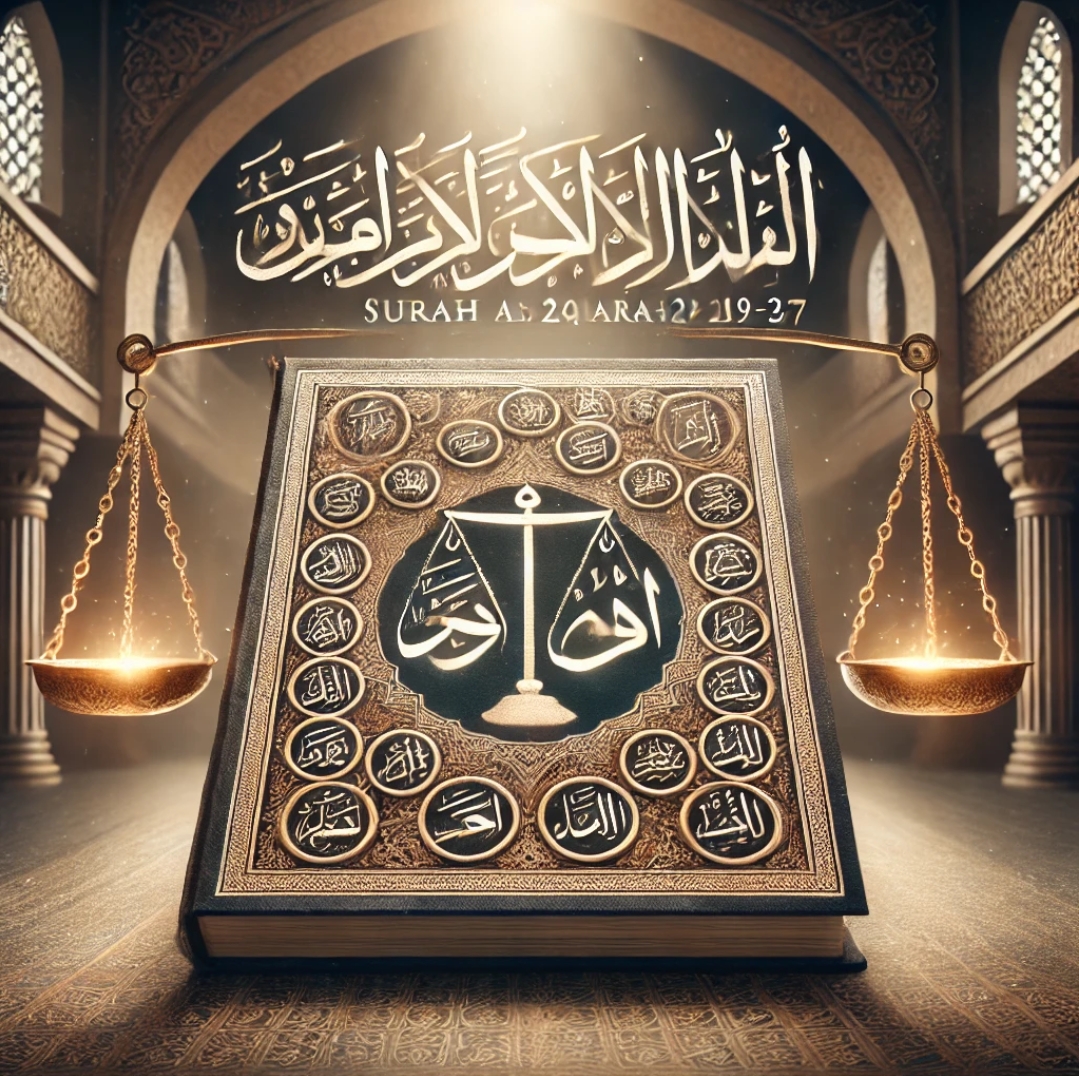
Surah Al-Baqarah transitions into a critical phase: The Revelation of Divine Law. The passage from verse 219 to verse 237 marks the establishment of key legal rulings—covering financial ethics, family matters, marriage, divorce, and societal conduct.
For new Muslims, this section serves as a window into Islamic law, providing answers to real-life questions asked by the early Muslim community. Every verse was revealed with a purpose, shaped by specific events, and addressing genuine concerns.
---
📜 Arabic & English Translation of Verses (2:219-237)
1️⃣ The Prohibition of Intoxicants and Gambling
📖 وَيَسْأَلُونَكَ عَنِ ٱلْخَمْرِ وَٱلْمَيْسِرِ ۖ قُلْ فِيهِمَآ إِثْمٌۭ كَبِيرٌۭ وَمَنَٰفِعُ لِلنَّاسِ وَإِثْمُهُمَآ أَكْبَرُ مِن نَّفْعِهِمَا ۗ
"They ask you about intoxicants and gambling. Say, 'There is great sin in both, as well as some benefit for people. But their sin is greater than their benefit.'" (2:219)
💡 Context: The companions asked about drinking and gambling. Though the final prohibition came later, this verse was the first warning, indicating that their harm outweighs any perceived gain.
2️⃣ Spending in the Way of Allah & Charity
📖 وَيَسْـَٔلُونَكَ مَاذَا يُنفِقُونَ ۖ قُلِ ٱلْعَفْوَ ۗ
"They ask you what they should spend. Say, 'Whatever you can spare.'" (2:219)
💡 Context: Muslims wanted guidance on charity. This verse encourages generosity without hardship.
---
3️⃣ Family & Marriage Laws Begin (2:221-230)
📖 وَلَا تَنكِحُوا۟ ٱلْمُشْرِكَٰتِ حَتَّىٰ يُؤْمِنَّ ۚ وَلَأَمَةٌۭ مُّؤْمِنَةٌ خَيْرٌۭ مِّن مُّشْرِكَةٍۢ وَلَوْ أَعْجَبَتْكُمْ ۚ
"Do not marry polytheist women until they believe. A believing slave woman is better than a polytheist, even if she pleases you." (2:221)
💡 Context: The ruling was revealed to ensure the faith was preserved in families.
📖 وَيَسْـَٔلُونَكَ عَنِ ٱلْمَحِيضِ ۖ قُلْ هُوَ أَذًۭى فَٱعْتَزِلُوا۟ ٱلنِّسَآءَ فِى ٱلْمَحِيضِ ۖ وَلَا تَقْرَبُوهُنَّ حَتَّىٰ يَطْهُرْنَ ۖ
"They ask you about menstruation. Say, 'It is harmful, so keep away from women during it and do not approach them until they are pure.'" (2:222)
💡 Context: A common concern about relations during menstruation led to divine guidance.
📖 وَإِذَا طَلَّقْتُمُ ٱلنِّسَآءَ فَبَلَغْنَ أَجَلَهُنَّ فَأَمْسِكُوهُنَّ بِمَعْرُوفٍ أَوْ سَرِّحُوهُنَّ بِمَعْرُوفٍ
"When you divorce women and they have reached their waiting period, either retain them in kindness or let them go with kindness." (2:231)
💡 Context: Divorce laws were refined to protect women from mistreatment.
---
4️⃣ Rights of Women, Widows & Orphans (2:232-237)
📖 وَٱلْوَٰلِدَٰتُ يُرْضِعْنَ أَوْلَٰدَهُنَّ حَوْلَيْنِ كَامِلَيْنِ لِمَنْ أَرَادَ أَن يُتِمَّ ٱلرَّضَاعَةَ ۚ
"Mothers may nurse their children for two full years if they wish to complete the nursing period." (2:233)
💡 Context: Guidelines were given for child-rearing and parental responsibility.
📖 وَٱلَّذِينَ يُتَوَفَّوْنَ مِنكُمْ وَيَذَرُونَ أَزْوَٰجًۭا يَتَرَبَّصْنَ بِأَنفُسِهِنَّ أَرْبَعَةَ أَشْهُرٍۢ وَعَشْرًۭا
"If any of you die and leave widows behind, they must wait for four months and ten days before they remarry." (2:234)
💡 Context: This verse clarified the waiting period (iddah) for widows before remarrying.
---
🔍 Insights & Reflections for New Muslims
💡 Why These Laws Were Revealed
Early Muslims sought guidance on social, financial, and family matters.
The Quranic laws were revealed gradually, reflecting divine wisdom in transforming society.
💡 Key Lessons in These Verses
1️⃣ Islamic law is based on real-life concerns. It provides practical guidance for daily life.
2️⃣ Justice and mercy are central. Family laws ensure fairness to women, children, and orphans.
3️⃣ The Quran answers real questions. Many of these laws were revealed after someone asked the Prophet (PBUH) for guidance.
---
📌 Final Thoughts: The Divine Court of Law
For new Muslims, reading these verses is like stepping into a divine courtroom—where justice, morality, and social ethics are established directly by the Creator. These laws shape a fair, just, and compassionate society.
As you read these laws, reflect:
How does divine law shape human life?
What values of justice and mercy do these rulings emphasize?
How does the Quranic legal system balance human rights and spiritual responsibility?
Surah Al-Baqarah isn't just revealing rules—it's crafting the foundations of a civilization.
📖 "And Allah knows, while you do not know." (2:232)
💡 What part of Islamic law surprised or intrigued you the most? Share your thoughts below!
A Practical Guide to Surah Al-Baqarah (Verses 219-237): Understanding & Applying Islamic Laws for New Muslims
بِسْمِ اللهِ الرَّحْمٰنِ الرَّحِيْم
For a new Muslim, encountering Islamic laws in Surah Al-Baqarah (2:219-237) may feel overwhelming. These divine rulings address practical aspects of life—family, finance, ethics, marriage, and social justice. This guide simplifies these verses, explains why they were revealed, and how to apply them in real life.
---
1️⃣ Intoxicants & Gambling (2:219) – Why Are They Prohibited?
📖 "They ask you about intoxicants and gambling. Say, ‘There is great sin in both, as well as some benefit for people. But their sin is greater than their benefit.’" (2:219)
🛠 How Does This Apply to You?
Alcohol and drugs: Forbidden because they harm the mind, body, and soul.
Gambling: Leads to financial ruin and addiction.
Prophet Muhammad (PBUH) said:
📜 "Alcohol is the mother of all evils." (Ibn Majah)
💡 Practical Steps for a New Muslim:
✅ Avoid places where drinking/gambling is common.
✅ Seek alternatives (halal drinks, healthy hobbies).
✅ If struggling with addiction, seek support (Islamic or professional).
---
2️⃣ Charity & Financial Responsibility (2:219, 2:233-234)
📖 "They ask you what they should spend. Say, ‘Whatever you can spare.’" (2:219)
🛠 How Does This Apply to You?
Charity (Zakat and Sadaqah) is an obligation and purifies wealth.
Helping orphans, the needy, and your family strengthens your faith.
📜 Prophet Muhammad (PBUH) said:
"The best charity is that given when one is in need but still gives." (Bukhari)
💡 Practical Steps:
✅ Set aside a portion of your income for charity.
✅ Support family first, then others.
✅ Small acts of kindness count—giving water, sharing meals, helping a neighbor.
---
3️⃣ Marriage & Choosing a Spouse (2:221-222)
📖 "Do not marry polytheist women until they believe... A believing slave woman is better than a polytheist, even if she pleases you." (2:221)
📖 "They ask you about menstruation. Say, ‘It is harmful, so keep away from women during it.’" (2:222)
🛠 How Does This Apply to You?
Marriage in Islam is a sacred bond based on faith and values.
Physical relations have boundaries (e.g., during menstruation).
📜 Prophet Muhammad (PBUH) said:
"The best among you is the one who is best to his wife." (Tirmidhi)
💡 Practical Steps:
✅ Choose a pious partner—someone who shares your values.
✅ Respect Islamic boundaries in marriage.
✅ Communicate openly about faith, finances, and family.
---
4️⃣ Divorce & Separation (2:231-232)
📖 "When you divorce women and they have reached their waiting period, either retain them in kindness or let them go with kindness." (2:231)
🛠 How Does This Apply to You?
Divorce is allowed but should be the last option.
Islam promotes reconciliation first before separation.
A waiting period (iddah) allows time for reflection and possible reunion.
📜 Prophet Muhammad (PBUH) said:
"Among lawful things, divorce is the most disliked by Allah." (Abu Dawood)
💡 Practical Steps:
✅ If problems arise, seek marriage counseling.
✅ Follow Islamic divorce procedures (clear intention, witnesses).
✅ If divorced, respect the iddah period and move forward with dignity.
---
5️⃣ Women’s Rights: Inheritance, Widows, & Nursing (2:233-234)
📖 "Mothers may nurse their children for two full years if they wish to complete the nursing period." (2:233)
📖 "If any of you die and leave widows behind, they must wait for four months and ten days before remarrying." (2:234)
🛠 How Does This Apply to You?
Islam protects women’s rights in marriage, divorce, and after death.
Widows have time (iddah) to grieve and make decisions.
Mothers have the right to nurse and receive financial support.
📜 Prophet Muhammad (PBUH) said:
"The most complete believers in faith are those with the best character, and the best of you are those who are best to their women." (Tirmidhi)
💡 Practical Steps:
✅ If you're a husband, support your wife financially.
✅ If widowed, respect the waiting period before remarriage.
✅ Understand your legal rights in inheritance and marriage.
---
🔍 What These Verses Teach New Muslims
1️⃣ Islam’s laws are practical and just.
They answer real-life questions about relationships, money, and social justice.
2️⃣ Islam protects the weak.
The Quran emphasizes women’s rights, family protection, and charity.
3️⃣ Faith is more than just rules.
Each law teaches spiritual discipline, responsibility, and respect.
---
📌 Final Takeaways: How to Live by These Laws
🔹 Understand the wisdom behind the laws.
Each rule has a social and spiritual benefit.
🔹 Apply Islamic teachings in daily life.
Whether it's marriage, finances, or family, seek guidance.
🔹 Seek knowledge & ask questions.
The more you learn, the stronger your faith will become.
📖 "And Allah knows, while you do not know." (2:232)
urah-al-baqarah-verses-219-237-laws-and-legislations-in-islam
---
💡 What part of Islamic law surprised or intrigued you the most? Share your thoughts below!