

بِسْمِ اللهِ الرَّحْمٰنِ الرَّحِيْم
Surah An-Nisa (4:111-120) – The Consequences of Sin, Seeking Forgiveness, and the Deception of Shaytan
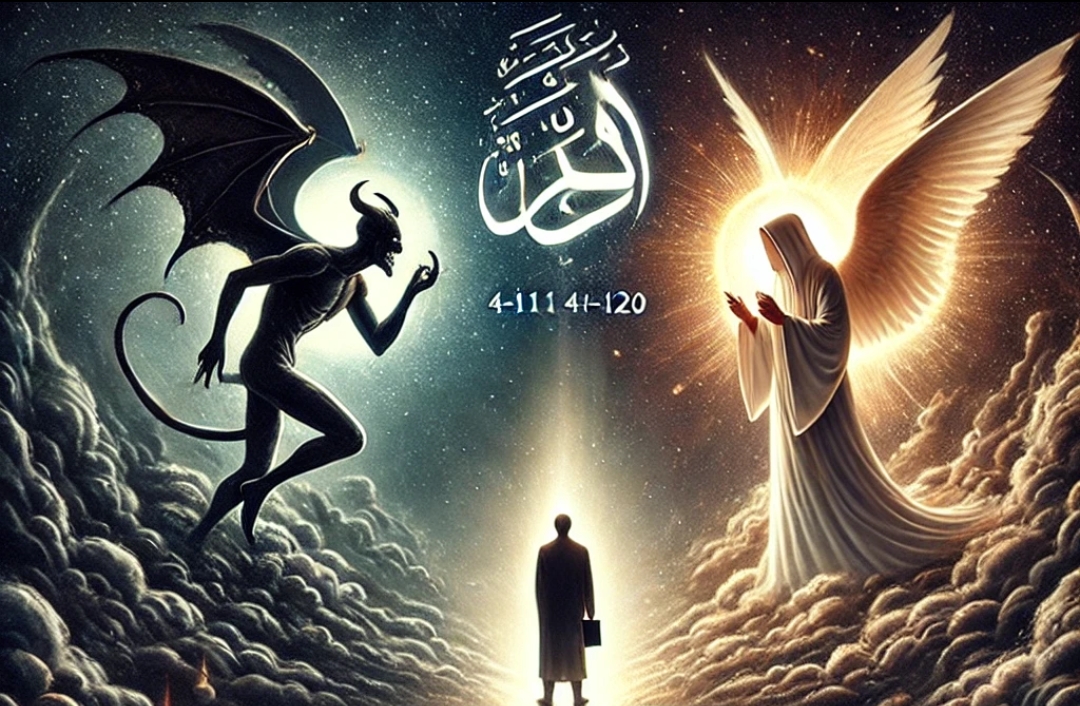
As we continue exploring Surah An-Nisa, these verses focus on the consequences of sin, the importance of seeking Allah’s forgiveness, and how Shaytan deceives humanity.
In these powerful ayat, Allah warns against self-destruction through wrongdoing, reassures believers that His mercy is always available, and exposes Shaytan’s strategies to lead people astray.
---
1. The Consequences of Sin and Personal Accountability (4:111-112)
Arabic:
{ وَمَن يَكۡسِبۡ إِثۡمٗا فَإِنَّمَا يَكۡسِبُهُۥ عَلَىٰ نَفۡسِهِۦۚ وَكَانَ ٱللَّهُ عَلِيمًا حَكِيمٗا }
Translation:
"Whoever commits a sin only earns it against himself. And Allah is All-Knowing, All-Wise." (Surah An-Nisa 4:111)
🔹 Key Insights:
Every person is responsible for their own actions—sins do not transfer to others.
No one can blame others for their own misdeeds—each soul will be judged fairly.
Lesson for New Muslims:
Personal accountability is key in Islam—we must take ownership of our choices.
Allah’s wisdom ensures justice—no one will be wronged on Judgment Day.
---
2. The Importance of Seeking Forgiveness (4:112)
Arabic:
{ وَمَن يَكۡسِبۡ خَطِيٓـَٔةً أَوۡ إِثۡمٗا ثُمَّ يَرۡمِ بِهِۦ بَرِيٓـٔٗا فَقَدِ ٱحۡتَمَلَ بُهۡتَٰنٗا وَإِثۡمٗا مُّبِينٗا }
Translation:
"And whoever earns a sin or a fault and then blames it on an innocent person has certainly taken upon himself slander and a clear sin." (Surah An-Nisa 4:112)
🔹 Key Insights:
Blaming others for one’s own sins is a major sin in itself.
Lying and false accusations cause injustice and harm in society.
Lesson for New Muslims:
Always take responsibility—never shift blame to others.
Seek Allah’s forgiveness for mistakes, rather than covering them with lies.
---
3. The Prophet’s Role as a Judge and Warner (4:113)
Arabic:
{ وَلَوۡلَا فَضۡلُ ٱللَّهِ عَلَيۡكَ وَرَحۡمَتُهُۥ لَهَمَّت طَّآئِفَةٞ مِّنۡهُمۡ أَن يُضِلُّوكَ ۖ وَمَا يُضِلُّونَ إِلَّآ أَنفُسَهُمۡ وَمَا يَضُرُّونَكَ مِن شَيۡءٖۚ }
Translation:
"Were it not for Allah’s favor upon you [O Prophet] and His mercy, a group of them would have sought to mislead you. But they do not mislead except themselves, and they will not harm you in any way." (Surah An-Nisa 4:113)
🔹 Key Insights:
The Prophet (ﷺ) was protected from deception, but others must be cautious.
No one can mislead the Messenger—but people often mislead themselves.
Lesson for New Muslims:
Follow the Prophet’s guidance carefully—he was divinely protected from falsehood.
Deception harms the deceiver more than anyone else—truth always prevails.
---
4. The Importance of Justice and Fairness (4:114-115)
Arabic:
{ لَّا خَيۡرَ فِى كَثِيرٖ مِّن نَّجۡوَىٰهُمۡ إِلَّا مَنۡ أَمَرَ بِصَدَقَةٍ أَوۡ مَعۡرُوفٍ أَوۡ إِصۡلَٰحِۭ بَيۡنَ ٱلنَّاسِۚ }
Translation:
"There is no good in most of their secret talks, except those who enjoin charity, kindness, or reconciliation between people." (Surah An-Nisa 4:114)
🔹 Key Insights:
Backbiting and secret discussions are usually harmful.
The only acceptable private talks are about charity, good deeds, or peace-making.
Lesson for New Muslims:
Avoid gossip and secrecy—they lead to division and harm.
Encourage kindness and unity—this is what pleases Allah.
---
5. The Warning Against Following a Path Other Than Islam (4:116-117)
Arabic:
{ إِنَّ ٱللَّهَ لَا يَغۡفِرُ أَن يُشۡرَكَ بِهِۦ وَيَغۡفِرُ مَا دُونَ ذَٰلِكَ لِمَن يَشَآءُۚ }
Translation:
"Indeed, Allah does not forgive associating partners with Him, but He forgives what is less than that for whom He wills." (Surah An-Nisa 4:116)
🔹 Key Insights:
Shirk (associating partners with Allah) is the one unforgivable sin if someone dies in it.
Allah forgives everything else for those who sincerely repent.
Lesson for New Muslims:
Never despair—Allah’s mercy is vast, but shirk must be avoided.
Turn back to Allah before it’s too late—forgiveness is always available.
---
6. Shaytan’s Deception and His False Promises (4:118-120)
Arabic:
{ يَعِدُهُمۡ وَيُمَنِّيهِمۡۖ وَمَا يَعِدُهُمُ ٱلشَّيۡطَٰنُ إِلَّا غُرُورًا }
Translation:
"Satan promises them and arouses desire in them. But Satan does not promise them except deception." (Surah An-Nisa 4:120)
🔹 Key Insights:
Shaytan uses false promises to tempt people into sin.
His goal is to deceive and mislead, leading people away from Allah’s path.
Lesson for New Muslims:
Do not fall for false hopes and temptations—Shaytan’s promises are lies.
Stay grounded in the Quran and Sunnah—this is the best defense against deception.
---
Key Takeaways for New Muslims
✅ Personal accountability is key—we must own our actions and seek forgiveness.
✅ Blaming others for our sins only worsens our situation—justice and truth are essential.
✅ Secret talks and gossip often cause harm—only speak what benefits others.
✅ Shaytan’s promises are lies—his goal is to make people delay repentance and fall into destruction.
✅ Allah’s mercy is vast, but shirk is the only unforgivable sin if one dies upon it.
---
Conclusion: Choosing the Path of Truth Over Deception
These verses warn believers about the dangers of self-deception, unjust behavior, and falling into Shaytan’s traps. But they also offer hope—Allah’s mercy is always near, and sincere repentance is never rejected.
📖 Reflect, implement, and seek knowledge. May Allah protect us from deception and guide us to true success. Ameen.
Understanding Surah An-Nisa (4:111-120) – A Message for New Muslims
These verses from Surah An-Nisa provide essential guidance on personal accountability, the consequences of sin, sincere repentance, and the dangers of following Shaytan’s deception. They were revealed during the Medinan period, a time when the Muslim community was establishing its legal and moral foundations.
---
1. Personal Accountability: Owning Your Actions (4:111-112)
🔹 Every individual is responsible for their own sins—no one else carries the burden of another’s wrongdoing.
🔹 Blaming others for personal mistakes is a serious sin—Allah warns against shifting blame.
Lesson for New Muslims:
Take responsibility for your actions. Islam teaches personal growth through self-reflection, not excuses.
---
2. The Prophet’s Protection from Deception (4:113)
🔹 The Prophet Muhammad (ﷺ) was divinely protected from being misled by those who tried to deceive him.
🔹 Those who attempt to mislead others only harm themselves in the end.
Lesson for New Muslims:
Follow the authentic teachings of the Prophet—Islam is based on divine truth, not human manipulation.
---
3. Justice and the Importance of Truthfulness (4:114-115)
🔹 Gossip, secrecy, and private talks are usually harmful, except when they promote charity, kindness, or peace.
🔹 Islam encourages justice and fairness—those who oppose Allah’s guidance go astray.
Lesson for New Muslims:
Avoid backbiting and divisive conversations—use your words for goodness, not harm.
---
4. The Danger of Associating Partners with Allah (Shirk) (4:116-117)
🔹 Allah forgives all sins except shirk (associating partners with Him).
🔹 People who worship false deities are being deceived—they follow delusions, not truth.
Lesson for New Muslims:
Stay away from all forms of idol worship and false beliefs—Islam is based on the absolute oneness of Allah.
---
5. Shaytan’s Deception and His False Promises (4:118-120)
🔹 Shaytan’s goal is to mislead humanity by making false promises and tempting people with sinful desires.
🔹 He deceives by making sins seem attractive, but in reality, he only brings regret.
Lesson for New Muslims:
Shaytan wants you to feel hopeless and distant from Allah—but you can always return to Allah through repentance.
---
Key Takeaways for New Muslims
✅ Islam is a religion of personal accountability—your actions define your destiny.
✅ Always seek forgiveness—Allah’s mercy is greater than any sin except shirk.
✅ Be mindful of gossip and deceit—protect your heart and your community.
✅ Never fall for Shaytan’s tricks—his promises are lies that only lead to regret.
✅ Hold on to the Quran and Sunnah—they are your best defense against deception.
---
Conclusion: The Path to True Success
These verses remind us that every person has a choice—to follow truth or deception, to repent or persist in sin, to trust in Allah or be deceived by Shaytan. New Muslims should take comfort in Allah’s mercy, remain vigilant against misguidance, and strive for honest, righteous living.
📖 May Allah guide us all on the straight path, protect us from deception, and grant us true success. Ameen.
---