

🌙 Surah Al-Baqarah (Verses 93-101): The Final Admonition to Bani Israel – In-Depth Analysis
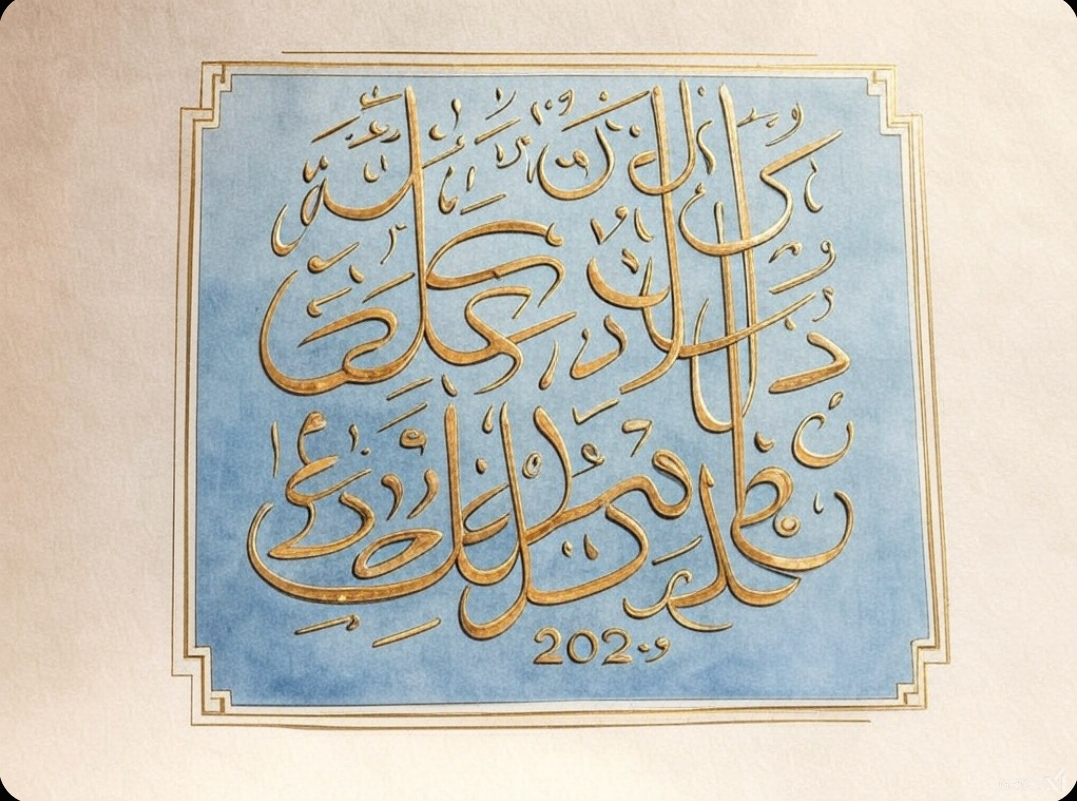
This section of Surah Al-Baqarah concludes the discourse on Bani Israel, highlighting their persistent defiance, distortion of divine revelations, and rejection of Prophet Muhammad (PBUH).
---
📜 Historical Context: The Jewish Tribes in Medina
During the 7th century CE, several Jewish tribes resided in Medina (formerly Yathrib), including:
Banu Qaynuqa: Skilled in craftsmanship and commerce, particularly as goldsmiths.
Banu Nadir: Known for their agricultural expertise.
Banu Qurayza: Occupied a strategic location in the city.
These tribes had established themselves as influential communities, engaging in alliances and treaties with the Arab tribes of Aws and Khazraj.
---
🤝 The Covenant and Its Breach
Upon Prophet Muhammad's (PBUH) migration to Medina in 622 CE, the Constitution of Medina was formulated. This document outlined mutual rights and responsibilities, aiming to ensure peaceful coexistence among Muslims, Jews, and other communities. Key stipulations included collective defense and non-aggression.
Despite this agreement, instances arose where certain Jewish tribes violated the pact:
Banu Qaynuqa: Engaged in provocations leading to tensions.
Banu Nadir: Plotted against the Prophet, resulting in their expulsion.
Banu Qurayza: Betrayed the Muslims during the Battle of the Trench, leading to severe repercussions.
---
🔍 Analysis of Verses 93-101
1️⃣ Persistent Rebellion (Verse 93)
Allah reminds Bani Israel of their historical defiance:
> “And [recall] when We took your covenant and raised over you the mount [saying], 'Take what We have given you with determination and listen.' They said, 'We hear and disobey.'”
This verse underscores their longstanding habit of acknowledging divine commands yet choosing to rebel.
2️⃣ Selective Belief (Verses 94-95)
Bani Israel claimed exclusivity over divine favor:
> “Say, [O Muhammad], 'If the home of the Hereafter with Allah is for you alone... then wish for death, if you should be truthful.' But they will never wish for it...”
Their reluctance to face accountability highlights a contradiction between their claims and actions.
3️⃣ Enmity Towards Angels (Verses 97-98)
Some among them harbored animosity towards the Angel Gabriel:
> “Say, 'Whoever is an enemy to Gabriel... Allah is an enemy to the disbelievers.'”
This enmity reflects deeper issues of rejecting divine messengers and messages.
4️⃣ Distortion of Scriptures (Verse 79)
They are admonished for altering divine texts:
> “So woe to those who write the Book with their own hands and then say, 'This is from Allah,' to exchange it for a small price...”
This act of tampering with sacred texts for personal gain led to widespread misguidance.
5️⃣ Rejection of Prophet Muhammad (PBUH) (Verses 99-101)
Despite recognizing the truth, they denied the final messenger:
> “And when a messenger from Allah came to them... a party... threw the Scripture of Allah behind their backs...”
This deliberate denial stemmed from arrogance and envy.
---
📚 Hadith Insights
The Prophet Muhammad (PBUH) emphasized the consequences of such behaviors:
> “Whoever innovates something in this matter of ours [Islam] that is not part of it will have it rejected.”
This underscores the importance of adhering to authentic teachings without alterations.
---
📝 Checklist for Review
1. Historical Background: Understand the socio-political landscape of Medina, focusing on the Jewish tribes' roles.
2. Constitution of Medina: Examine the clauses pertaining to mutual rights and responsibilities.
3. Incidents of Treaty Violations: Study specific events leading to the expulsion or punishment of the Jewish tribes.
4. Quranic Verses Analysis: Delve into the tafsir (interpretation) of Surah Al-Baqarah, Verses 93-101.
5. Hadith Correlations: Explore prophetic traditions addressing similar themes of covenant-breaking and scriptural distortion.
6. Contemporary Reflections: Reflect on the relevance of these lessons in today's context, emphasizing the importance of faithfulness and integrity.
---
By thoroughly examining these aspects, one gains a comprehensive understanding of the significance of these verses and the historical context in which they were revealed.
🌙 Surah Al-Baqarah (Verses 93-101): The Final Admonition to Bani Israel – In-Depth Analysis
This section of Surah Al-Baqarah concludes the discourse on Bani Israel, highlighting their persistent defiance, distortion of divine revelations, and rejection of Prophet Muhammad (PBUH).
---
📜 Historical Context: The Jewish Tribes in Medina
During the 7th century CE, several Jewish tribes resided in Medina (formerly Yathrib), including:
Banu Qaynuqa: Skilled in craftsmanship and commerce, particularly as goldsmiths.
Banu Nadir: Known for their agricultural expertise.
Banu Qurayza: Occupied a strategic location in the city.
These tribes had established themselves as influential communities, engaging in alliances and treaties with the Arab tribes of Aws and Khazraj.
---
🤝 The Covenant and Its Breach
Upon Prophet Muhammad's (PBUH) migration to Medina in 622 CE, the Constitution of Medina was formulated. This document outlined mutual rights and responsibilities, aiming to ensure peaceful coexistence among Muslims, Jews, and other communities. Key stipulations included collective defense and non-aggression.
Despite this agreement, instances arose where certain Jewish tribes violated the pact:
Banu Qaynuqa: Engaged in provocations leading to tensions.
Banu Nadir: Plotted against the Prophet, resulting in their expulsion.
Banu Qurayza: Betrayed the Muslims during the Battle of the Trench, leading to severe repercussions.
---
🔍 Analysis of Verses 93-101
1️⃣ Persistent Rebellion (Verse 93)
Allah reminds Bani Israel of their historical defiance:
> “And [recall] when We took your covenant and raised over you the mount [saying], 'Take what We have given you with determination and listen.' They said, 'We hear and disobey.'”
This verse underscores their longstanding habit of acknowledging divine commands yet choosing to rebel.
2️⃣ Selective Belief (Verses 94-95)
Bani Israel claimed exclusivity over divine favor:
> “Say, [O Muhammad], 'If the home of the Hereafter with Allah is for you alone... then wish for death, if you should be truthful.' But they will never wish for it...”
Their reluctance to face accountability highlights a contradiction between their claims and actions.
3️⃣ Enmity Towards Angels (Verses 97-98)
Some among them harbored animosity towards the Angel Gabriel:
> “Say, 'Whoever is an enemy to Gabriel... Allah is an enemy to the disbelievers.'”
This enmity reflects deeper issues of rejecting divine messengers and messages.
4️⃣ Distortion of Scriptures (Verse 79)
They are admonished for altering divine texts:
> “So woe to those who write the Book with their own hands and then say, 'This is from Allah,' to exchange it for a small price...”
This act of tampering with sacred texts for personal gain led to widespread misguidance.
5️⃣ Rejection of Prophet Muhammad (PBUH) (Verses 99-101)
Despite recognizing the truth, they denied the final messenger:
> “And when a messenger from Allah came to them... a party... threw the Scripture of Allah behind their backs...”
This deliberate denial stemmed from arrogance and envy.
---
📚 Hadith Insights
The Prophet Muhammad (PBUH) emphasized the consequences of such behaviors:
> “Whoever innovates something in this matter of ours [Islam] that is not part of it will have it rejected.”
This underscores the importance of adhering to authentic teachings without alterations.
---
📝 Checklist for Review
1. Historical Background: Understand the socio-political landscape of Medina, focusing on the Jewish tribes' roles.
2. Constitution of Medina: Examine the clauses pertaining to mutual rights and responsibilities.
3. Incidents of Treaty Violations: Study specific events leading to the expulsion or punishment of the Jewish tribes.
4. Quranic Verses Analysis: Delve into the tafsir (interpretation) of Surah Al-Baqarah, Verses 93-101.
5. Hadith Correlations: Explore prophetic traditions addressing similar themes of covenant-breaking and scriptural distortion.
6. Contemporary Reflections: Reflect on the relevance of these lessons in today's context, emphasizing the importance of faithfulness and integrity.
-