

بِسْمِ اللهِ الرَّحْمٰنِ الرَّحِيْم
Surah Al-Baqarah (2:282-283): The Ethics of Debt, Contracts, and Financial Trust
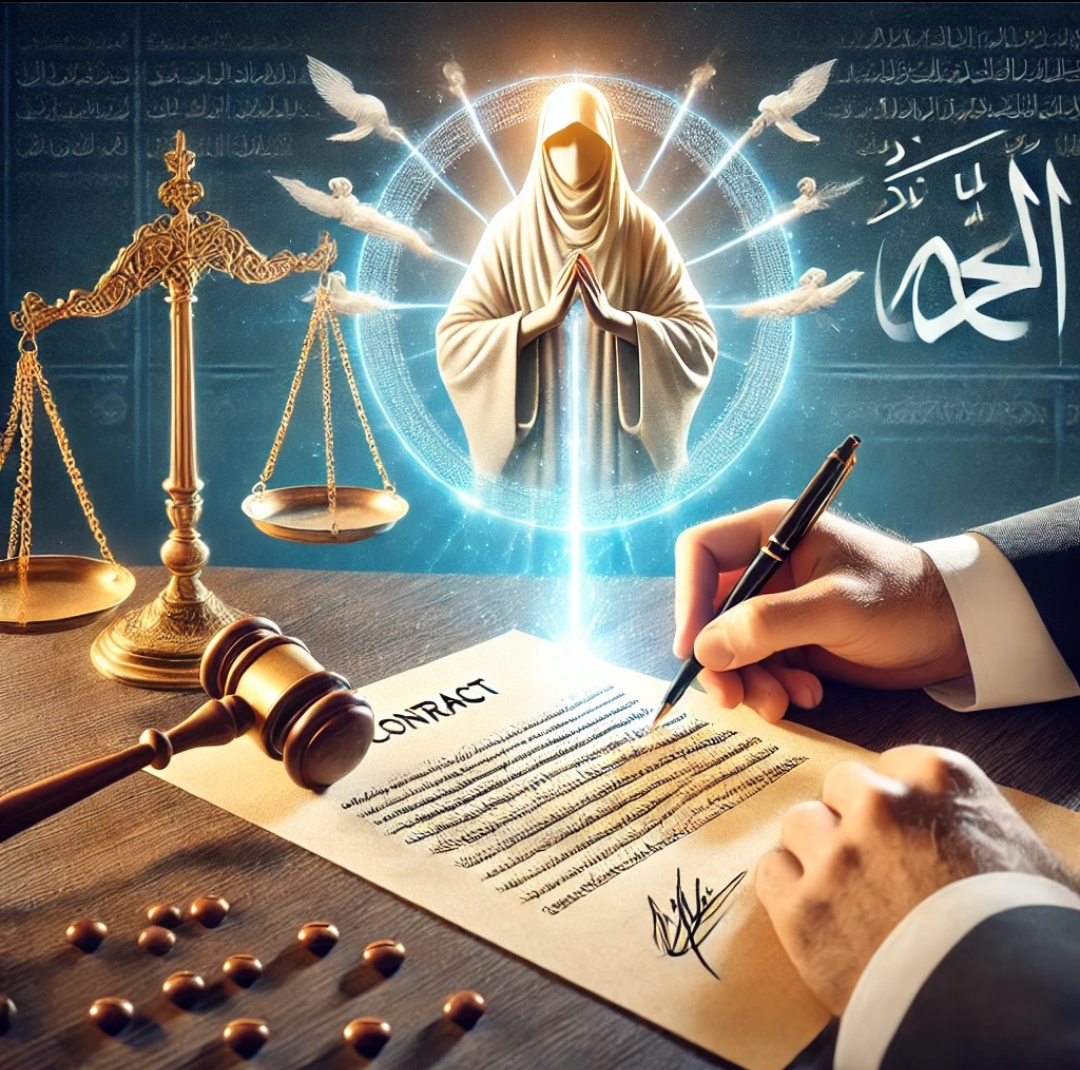
Step 1: Arabic and English Translation
Verse 2:282 – The Longest Verse in the Quran (Ayat al-Mudayana)
Arabic:
{يَا أَيُّهَا الَّذِينَ آمَنُوا إِذَا تَدَايَنتُم بِدَيْنٍ إِلَىٰ أَجَلٍ مُّسَمًّى فَاكْتُبُوهُ ۚ وَلْيَكْتُب بَّيْنَكُمْ كَاتِبٌ بِالْعَدْلِ ۚ وَلَا يَأْبَ كَاتِبٌ أَن يَكْتُبَ كَمَا عَلَّمَهُ اللَّهُ فَلْيَكْتُبْ وَلْيُمْلِلِ الَّذِي عَلَيْهِ الْحَقُّ وَلْيَتَّقِ اللَّهَ رَبَّهُ وَلَا يَبْخَسْ مِنْهُ شَيْئًا ۚ فَإِن كَانَ الَّذِي عَلَيْهِ الْحَقُّ سَفِيهًا أَوْ ضَعِيفًا أَوْ لَا يَسْتَطِيعُ أَن يُمِلَّ هُوَ فَلْيُمْلِلْ وَلِيُّهُ بِالْعَدْلِ ۚ وَاسْتَشْهِدُوا شَهِيدَيْنِ مِن رِّجَالِكُمْ ۖ فَإِن لَّمْ يَكُونَا رَجُلَيْنِ فَرَجُلٌ وَٱمْرَأَتَانِ مِمَّن تَرْضَوْنَ مِنَ ٱلشُّهَدَآءِ أَن تَضِلَّ إِحْدَىٰهُمَا فَتُذَكِّرَ إِحْدَىٰهُمَا ٱلْأُخْرَىٰ ۚ وَلَا يَأْبَ ٱلشُّهَدَآءُ إِذَا مَا دُعُوا ۚ وَلَا تَسْـَٔمُوٓا أَن تَكْتُبُوهُ صَغِيرًا أَوْ كَبِيرًا إِلَىٰ أَجَلِهِۦ ۚ ذَٰلِكُمْ أَقْسَطُ عِندَ ٱللَّهِ وَأَقْوَمُ لِلشَّهَـٰدَةِ وَأَدْنَىٰٓ أَلَّا تَرْتَابُوا ۖ إِلَّآ أَن تَكُونَ تِجَـٰرَةً حَاضِرَةً تُدِيرُونَهَا بَيْنَكُمْ فَلَيْسَ عَلَيْكُمْ جُنَاحٌ أَلَّا تَكْتُبُوهَا ۗ وَأَشْهِدُوٓا إِذَا تَبَايَعْتُمْ ۚ وَلَا يُضَآرَّ كَاتِبٌ وَلَا شَهِيدٌ ۚ وَإِن تَفْعَلُوا فَإِنَّهُ فُسُوقٌۢ بِكُمْ ۗ وَٱتَّقُوا ٱللَّهَ وَيُعَلِّمُكُمُ ٱللَّهُ ۗ وَٱللَّهُ بِكُلِّ شَيْءٍ عَلِيمٌ}
English Translation (Abdul Haleem):
"You who believe, when you contract a debt for a fixed period, write it down. Let a scribe write it down justly between you: no scribe should refuse to write, as God has taught him, so let him write. Let the debtor dictate, and let him be mindful of God, his Lord, and not diminish anything from it. If the debtor is feeble-minded, weak, or unable to dictate, let his guardian do so justly. Call in two male witnesses. If two men are not available, then a man and two women, so that if one forgets, the other can remind her. Witnesses must not refuse when summoned. Do not disdain to write down the contract, be it small or large, including the date of repayment. This is fairer in God’s sight, more reliable as evidence, and more likely to prevent doubts between you. However, if it is an immediate commercial transaction, you are not at fault for not writing it down. Have witnesses present whenever you trade, and do not harm the scribe or witness. If you do, it will be a sin against you. Be mindful of God: He teaches you. He has full knowledge of everything."
---
Verse 2:283 – The Ethics of Trust in Lending
Arabic:
{وَإِن كُنتُمْ عَلَىٰ سَفَرٍ وَلَمْ تَجِدُوا كَاتِبًا فَرِهَٰنٌ مَّقْبُوضَةٌ ۖ فَإِنْ أَمِنَ بَعْضُكُم بَعْضًا فَلْيُؤَدِّ ٱلَّذِى ٱؤۡتُمِنَ أَمَٰنَتَهُۥ وَلْيَتَّقِ ٱللَّهَ رَبَّهُۥ ۗ وَلَا تَكْتُمُوا ٱلشَّهَٰدَةَ ۚ وَمَن يَكْتُمْهَا فَإِنَّهُۥٓ ءَاثِمٌ قَلْبُهُۥ ۗ وَٱللَّهُ بِمَا تَعْمَلُونَ عَلِيمٌ}
English Translation (Abdul Haleem):
"If you are on a journey and cannot find a scribe, then let there be a pledge taken in hand. But if one of you entrusts another, let the trustee fulfill his trust and be mindful of God, his Lord. Do not conceal evidence: anyone who does so has a sinful heart. God is well aware of what you do."
---
Step 2: Historical Context & Reason for Revelation
These verses were revealed in Medina when the Muslim economy was growing, and financial dealings between believers were becoming more complex. Trade, business contracts, and lending were increasing, and disputes over loans and debts were emerging. Allah, in His wisdom, established clear guidelines to ensure justice, transparency, and accountability.
Key Contextual Points:
The Arabian Peninsula relied on oral agreements, often leading to disputes. Writing transactions protected both parties.
Women’s role as witnesses was meant to strengthen memory recall, as financial dealings were historically male-dominated at the time.
The requirement for witnesses and documentation set a legal standard that even modern economies rely on today.
The verse also provided a solution for travelers who might not have access to a scribe by allowing pledges and trusting agreements.
---
Step 3: Hadith & Scholarly Interpretations
1. Prophet Muhammad ﷺ emphasized honesty in transactions:
> "The honest and trustworthy merchant will be with the prophets, the truthful, and the martyrs." (Tirmidhi)
2. Scholars emphasize that Islam values economic justice:
Imam al-Shafi’i and Imam Abu Hanifa agreed that these rulings encourage a balanced financial system where trust, transparency, and fairness are central.
3. The Prophet warned against dishonesty in lending:
"Whoever withholds testimony, Allah will cause his heart to sin." (Sunan Ibn Majah)
---
Step 4: Explanation for New Muslims
1. Why is this verse important?
Islam is not just about worship but also about honesty in financial dealings.
Debt, if left unchecked, can destroy lives—this verse teaches us how to avoid disputes.
2. What does it mean for me as a new Muslim?
If you borrow money, ensure it is documented.
If you lend money, do it ethically without interest (riba).
If you witness a financial contract, do not conceal the truth.
3. How can we apply this today?
Always document agreements.
Never exploit someone’s need for money through interest.
Hold yourself accountable before Allah for all financial matters.
---
Conclusion: The Wisdom of Ayat al-Mudayana
This verse proves Islam’s commitment to fairness in business. Even today, in banking, real estate, and trade, these principles ensure fairness and honesty.
These laws are not just rules—they are divine protections for both rich and
poor against financial abuse.
💡 Reflection:
➡️ Are you financially honest?
➡️ Have you ever documented a
Understanding Surah Al-Baqarah (2:282-283): Guidance for New Muslims on Ethical Financial Practices
Surah Al-Baqarah, verses 282 and 283, provide comprehensive guidance on ethical financial transactions, emphasizing the importance of documentation, justice, and trustworthiness. For new Muslims, understanding these principles is crucial in aligning daily financial dealings with Islamic teachings.
1. Context and Reason for Revelation
These verses were revealed in Medina, where the Muslim community was establishing its socio-economic framework. As financial transactions became more frequent and complex, clear guidelines were necessary to prevent disputes and ensure justice. The emphasis on writing down debts, involving witnesses, and ethical conduct reflects Islam's commitment to transparency and fairness in all dealings.
2. Key Teachings from the Verses
Documentation of Debts: When engaging in credit transactions for a specified period, it is obligatory to document the agreement in writing. This practice safeguards the rights of all parties involved and minimizes potential disputes.
Role of the Scribe: A knowledgeable and impartial scribe should accurately record the terms of the agreement. This ensures clarity and prevents any form of injustice.
Witnesses: The presence of two male witnesses, or one male and two female witnesses, is required to validate the transaction. This measure ensures reliability and serves as a reference in case of disagreements.
Trustworthiness: In situations where documentation isn't possible, such as during travel, entrusting a pledge or relying on mutual trust is permissible. However, the entrusted individual must honor the trust and fear Allah in their dealings.
3. Practical Application for New Muslims
Embrace Transparency: Always document financial agreements, regardless of their size. This practice aligns with Islamic principles and promotes trust.
Ensure Fairness: Engage in transactions that are free from exploitation and uphold justice. Avoid practices like usury (riba), which are prohibited in Islam.
Honor Commitments: Fulfill all financial obligations diligently and maintain integrity in all dealings.
4. Conclusion
Islam provides a comprehensive framework for ethical financial conduct, as highlighted in Surah Al-Baqarah (2:282-283). By adhering to these guidelines, new Muslims can ensure that their financial practices are just, transparent, and in harmony with Islamic teachings.