

بِسْمِ اللهِ الرَّحْمٰنِ الرَّحِيْمِ
How to Pray in Accordance with the Four Schools of Islam
Congratulations on Choosing the Four Schools of Thought
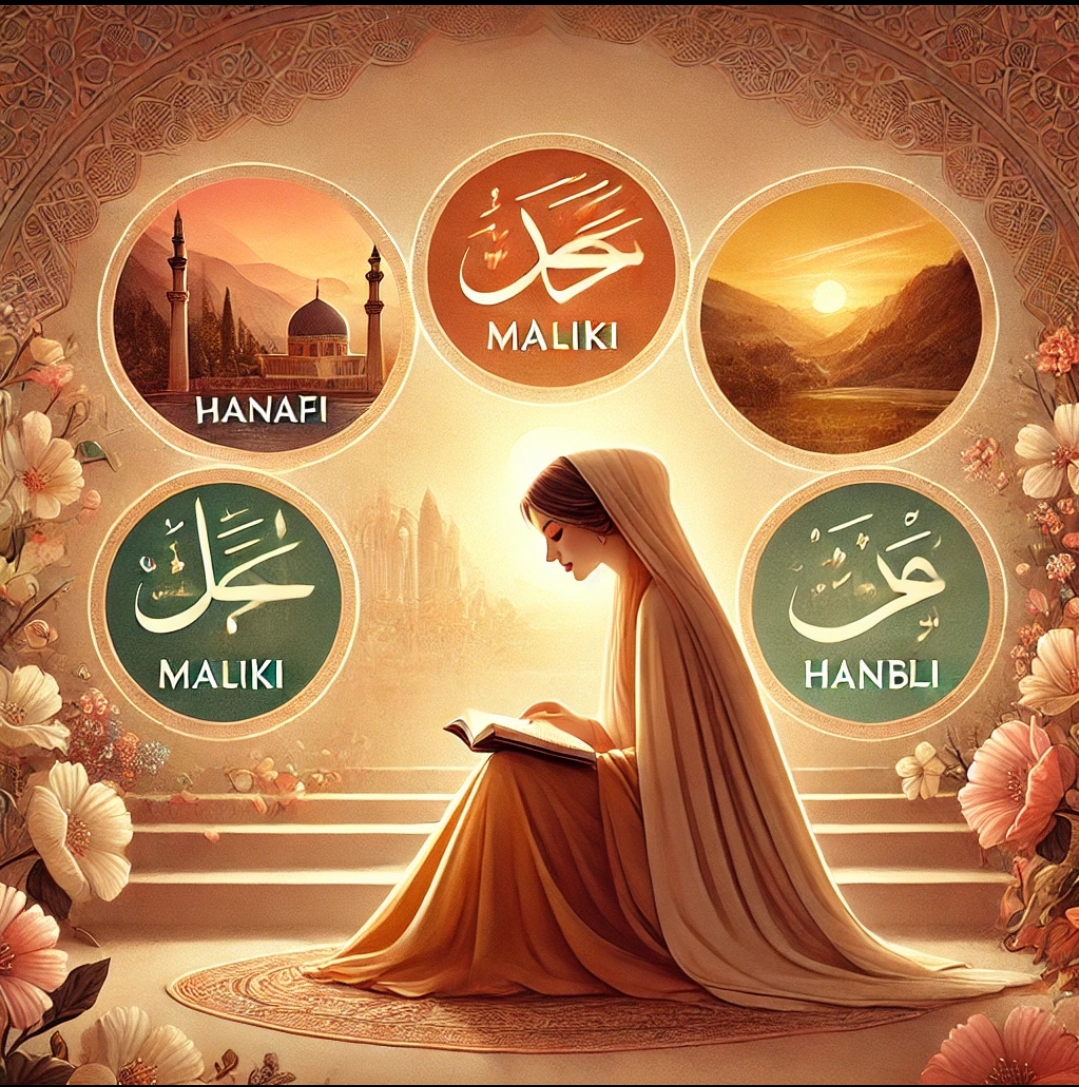
If you are a Muslim, you have already chosen one of the four schools of thought, whether you knew it or not. Every Muslim today follows the guidance of these schools, which were not developed by one person but by thousands of scholars who dedicated their lives to preserving and applying the teachings of Islam.
It is essential to understand that following a school is not separate from following the Prophet Muhammad ﷺ. The four schools are the purest transmission of his teachings, preserved through generations of scholars who ensured that we do not fall into confusion.
Be cautious of those who tell you to "pray like the Prophet" or "fast like the Prophet" without referring to the schools. They are misleading you. They are asking you to extract Islam yourself from the Qur’an and millions of Hadith, which is a path to misguidance. None of us were present in the Prophet’s ﷺ time, but his companions were. The scholars of the four schools preserved their knowledge with precision, ensuring that we worship as the Prophet ﷺ taught.
Every school is based on the knowledge of the companions and their students. Imam Malik, for example, lived in Medina, where the Prophet’s ﷺ students practiced their faith. This is why his school is considered one of the strongest in preservation. Each school has its own transmission, but they all lead to the same truth: the path of the Prophet ﷺ.
If you are new to Islam or were unaware that you follow a school, this guide will help you understand the foundations of your worship in a simple way.
The Four Schools of Thought
🔹 Hanafi – The school of Imam Abu Hanifa, known for its deep reasoning and legal flexibility.
🔹 Maliki – The school of Imam Malik, based on the practices of the people of Medina.
🔹 Shafi’i – The school of Imam Al-Shafi’i, known for its precise methodology in Hadith and legal rulings.
🔹 Hanbali – The school of Imam Ahmad ibn Hanbal, known for its strict adherence to Hadith.
Every school is valid and has been followed by millions of scholars and Muslims throughout history. The differences among them are a mercy, not a division.
The Five Daily Prayers and Sunnah According to the Four Schools
The five daily prayers are structured, but each school has slight variations in the Sunnah prayers. Below is a breakdown of how the prayers are performed in each school.
🌅 Morning Prayer (Fajr)
🔹 Hanafi – 2 Sunnah before, 2 Fard
🔹 Maliki – 2 Sunnah before, 2 Fard
🔹 Shafi’i – 2 Sunnah before, 2 Fard
🔹 Hanbali – 2 Sunnah before, 2 Fard
📖 The Prophet ﷺ said: “The two Rak‘ahs before Fajr are better than the world and all that is in it.” (Muslim)
☀️ Noon Prayer (Dhuhr)
🔹 Hanafi – 4 Sunnah before, 4 Fard, 2 Sunnah after
🔹 Maliki – 4 Fard, optional Sunnah before and after
🔹 Shafi’i – 2 Sunnah before, 4 Fard, 2 Sunnah after
🔹 Hanbali – 4 Sunnah before, 4 Fard, 2 Sunnah after
📖 The Prophet ﷺ would pray Sunnah before and after Dhuhr, showing its importance.
🌇 Afternoon Prayer (Asr)
🔹 Hanafi – 4 Fard
🔹 Maliki – 4 Fard
🔹 Shafi’i – 4 Fard
🔹 Hanbali – 4 Fard
📖 While Asr has no confirmed Sunnah, the Prophet ﷺ encouraged extra prayers before it, saying: “May Allah have mercy on one who prays four before Asr.” (Abu Dawood)
🌆 Sunset Prayer (Maghrib)
🔹 Hanafi – 3 Fard, 2 Sunnah after
🔹 Maliki – 3 Fard, 2 Sunnah after
🔹 Shafi’i – 3 Fard, 2 Sunnah after
🔹 Hanbali – 3 Fard, 2 Sunnah after
📖 The Prophet ﷺ emphasized praying two Sunnah after Maghrib as an act of devotion.
🌙 Night Prayer (Isha)
🔹 Hanafi – 4 Fard, 2 Sunnah after, 3 Witr
🔹 Maliki – 4 Fard, 1 Witr
🔹 Shafi’i – 4 Fard, 2 Sunnah after, 3 Witr
🔹 Hanbali – 4 Fard, 2 Sunnah after, 3 Witr
📖 The Witr prayer is highly recommended and considered an essential part of the night prayer.
Understanding the Flow of the Day in Worship
The structure of the five daily prayers reflects the rhythm of a Muslim's life. Each prayer is strategically placed to refresh the heart and soul, guiding the believer back to Allah.
🌅 Fajr – The prayer of new beginnings, seeking blessings for the day ahead.
☀️ Dhuhr – A midday pause, reconnecting with the Creator amidst daily responsibilities.
🌇 Asr – The afternoon reflection, preparing for the winding down of the day.
🌆 Maghrib – The sunset moment, expressing gratitude for the day’s completion.
🌙 Isha – The night devotion, entrusting the soul to Allah before rest.
Why These Schools Matter
Each school carefully preserves the Sunnah of the Prophet ﷺ, ensuring that the prayers are performed as closely as possible to his teachings. By following a school, you are following a system that has been preserved, authenticated, and practiced by the greatest scholars of Islam.
🔹 The Hanafi School emphasizes deep reasoning and legal interpretation.
🔹 The Maliki School relies on the practices of the people of Medina, who lived closest to the time of the Prophet ﷺ.
🔹 The Shafi’i School perfects methodology in Hadith and fiqh principles.
🔹 The Hanbali School strictly adheres to the narrations of the Prophet ﷺ.
By understanding and respecting these schools, we embrace the depth and diversity of Islamic scholarship while maintaining the unity of our worship.
Your Journey Begins Here
This is just the beginning. Now that you understand your prayers, we will continue to cover fasting, zakat, purification, and other essential aspects of worship according to the four schools.
May Allah bless your journey in learning and practicing Islam with sincerity and knowledge. Stay committed, and may He increase you in wisdom and guidance.
📖 “And establish prayer and give zakah and bow with those who bow [in worship and obedience].” (Qur’an 2:43)
✨ Follow your school, follow the legacy of the Prophet ﷺ, and may your prayers be accepted.
What’s Next?
📌 Learn about How to Make Wudu According to the Four Schools
📌 Explore The Sunnah of Fasting in Ramadan
📌 Understand The Etiquette of Salah and its Spiritual Benefits
Let me know if you'd like any final refinements to make this article even better!
Congratulations on Choosing the Four Schools of Thought
If you are a Muslim, you have already chosen one of the four schools of thought, whether you knew it or not. Every Muslim today follows the guidance of these schools, which were not developed by one person but by thousands of scholars who dedicated their lives to preserving and applying the teachings of Islam.
It is essential to understand that following a school is not separate from following the Prophet Muhammad ﷺ. The four schools are the purest transmission of his teachings, preserved through generations of scholars who ensured that we do not fall into confusion.
Be cautious of those who tell you to "pray like the Prophet" or "fast like the Prophet" without referring to the schools. They are misleading you. They are asking you to extract Islam yourself from the Qur’an and millions of Hadith, which is a path to misguidance. None of us were present in the Prophet’s ﷺ time, but his companions were. The scholars of the four schools preserved their knowledge with precision, ensuring that we worship as the Prophet ﷺ taught.
Every school is based on the knowledge of the companions and their students. Imam Malik, for example, lived in Medina, where the Prophet’s ﷺ students practiced their faith. This is why his school is considered one of the strongest in preservation. Each school has its own transmission, but they all lead to the same truth: the path of the Prophet ﷺ.
If you are new to Islam or were unaware that you follow a school, this guide will help you understand the foundations of your worship in a simple way.
---
The Four Schools of Thought
🔹 Hanafi – The school of Imam Abu Hanifa, known for its deep reasoning and legal flexibility.
🔹 Maliki – The school of Imam Malik, based on the practices of the people of Medina.
🔹 Shafi’i – The school of Imam Al-Shafi’i, known for its precise methodology in Hadith and legal rulings.
🔹 Hanbali – The school of Imam Ahmad ibn Hanbal, known for its strict adherence to Hadith.
Every school is valid and has been followed by millions of scholars and Muslims throughout history. The differences among them are a mercy, not a division.
---
The Five Daily Prayers and Sunnah According to the Four Schools
The five daily prayers are structured, but each school has slight variations in the Sunnah prayers. Below is a breakdown of how the prayers are performed in each school.
🌅 Morning Prayer (Fajr)
🔹 Hanafi – 2 Sunnah before, 2 Fard
🔹 Maliki – 2 Sunnah before, 2 Fard
🔹 Shafi’i – 2 Sunnah before, 2 Fard
🔹 Hanbali – 2 Sunnah before, 2 Fard
📖 The Prophet ﷺ said: “The two Rak‘ahs before Fajr are better than the world and all that is in it.” (Muslim)
---
☀️ Noon Prayer (Dhuhr)
🔹 Hanafi – 4 Sunnah before, 4 Fard, 2 Sunnah after
🔹 Maliki – 4 Fard, optional Sunnah before and after
🔹 Shafi’i – 2 Sunnah before, 4 Fard, 2 Sunnah after
🔹 Hanbali – 4 Sunnah before, 4 Fard, 2 Sunnah after
📖 The Prophet ﷺ would pray Sunnah before and after Dhuhr, showing its importance.
---
🌇 Afternoon Prayer (Asr)
🔹 Hanafi – 4 Fard
🔹 Maliki – 4 Fard
🔹 Shafi’i – 4 Fard
🔹 Hanbali – 4 Fard
📖 While Asr has no confirmed Sunnah, the Prophet ﷺ encouraged extra prayers before it, saying: “May Allah have mercy on one who prays four before Asr.” (Abu Dawood)
---
🌆 Sunset Prayer (Maghrib)
🔹 Hanafi – 3 Fard, 2 Sunnah after
🔹 Maliki – 3 Fard, 2 Sunnah after
🔹 Shafi’i – 3 Fard, 2 Sunnah after
🔹 Hanbali – 3 Fard, 2 Sunnah after
📖 The Prophet ﷺ emphasized praying two Sunnah after Maghrib as an act of devotion.
---
🌙 Night Prayer (Isha)
🔹 Hanafi – 4 Fard, 2 Sunnah after, 3 Witr
🔹 Maliki – 4 Fard, 1 Witr
🔹 Shafi’i – 4 Fard, 2 Sunnah after, 3 Witr
🔹 Hanbali – 4 Fard, 2 Sunnah after, 3 Witr
📖 The Witr prayer is highly recommended and considered an essential part of the night prayer.
---
Understanding the Flow of the Day in Worship
The structure of the five daily prayers reflects the rhythm of a Muslim's life. Each prayer is strategically placed to refresh the heart and soul, guiding the believer back to Allah.
🌅 Fajr – The prayer of new beginnings, seeking blessings for the day ahead.
☀️ Dhuhr – A midday pause, reconnecting with the Creator amidst daily responsibilities.
🌇 Asr – The afternoon reflection, preparing for the winding down of the day.
🌆 Maghrib – The sunset moment, expressing gratitude for the day’s completion.
🌙 Isha – The night devotion, entrusting the soul to Allah before rest.
---
Why These Schools Matter
Each school carefully preserves the Sunnah of the Prophet ﷺ, ensuring that the prayers are performed as closely as possible to his teachings. By following a school, you are following a system that has been preserved, authenticated, and practiced by the greatest scholars of Islam.
🔹 The Hanafi School emphasizes deep reasoning and legal interpretation.
🔹 The Maliki School relies on the practices of the people of Medina, who lived closest to the time of the Prophet ﷺ.
🔹 The Shafi’i School perfects methodology in Hadith and fiqh principles.
🔹 The Hanbali School strictly adheres to the narrations of the Prophet ﷺ.
By understanding and respecting these schools, we embrace the depth and diversity of Islamic scholarship while maintaining the unity of our worship.
---
Your Journey Begins Here
This is just the beginning. Now that you understand your prayers, we will continue to cover fasting, zakat, purification, and other essential aspects of worship according to the four schools.
May Allah bless your journey in learning and practicing Islam with sincerity and knowledge. Stay committed, and may He increase you in wisdom and guidance.
📖 “And establish prayer and give zakah and bow with those who bow [in worship and obedience].” (Qur’an 2:43)
✨ Follow your school, follow the legacy of the Prophet ﷺ, and may your prayers be accepted.
---
What’s Next?
📌 Learn about How to Make Wudu According to the Four Schools
📌 Explore The Sunnah of Fasting in Ramadan
📌 Understand The Etiquette of Salah and its Spiritual Benefits
---
Let me know if you'd like any final refinements to make this article even better!