

بِسْمِ اللهِ الرَّحْمٰنِ الرَّحِيْم
Divine Justice and the Lessons of Battle: Surah Aal-E-Imran (3:136-152)
Introduction
Faith is not just a claim—it is tested. In this passage of Surah Aal-E-Imran, Allah reminds us that trials and hardships are a necessary purification for believers. We are taken back to the Battle of Uhud, where the companions of the Prophet ﷺ faced both victory and loss, demonstrating how obedience to Allah leads to success, while disobedience can result in setbacks.
Allah also warns against complacency, arrogance, and hypocrisy, reminding us that victory is never guaranteed by numbers or strategy alone—it comes from steadfast faith.
---
Arabic & English Translation (3:136-152)
Paradise Awaits Those Who Fear Allah (3:136)
{ أُو۟لَـٰٓئِكَ جَزَآؤُهُم مَّغْفِرَةٞ مِّن رَّبِّهِمۡ وَجَنَّـٰتٞ تَجۡرِى مِن تَحۡتِهَا ٱلۡأَنۡهَـٰرُ خَـٰلِدِينَ فِيهَاۚ وَنِعۡمَ أَجۡرُ ٱلۡعَـٰمِلِينَ }
"The reward of such people is forgiveness from their Lord, and Gardens graced with flowing streams, where they will remain forever: how excellent is the reward of those who labor!"
Allah’s Way of Testing and Purifying Believers (3:137-141)
{ قَدۡ خَلَتۡ مِن قَبۡلِكُمۡ سُنَنٞ فَسِيرُواْ فِى ٱلۡأَرۡضِ فَٱنظُرُواْ كَيۡفَ كَانَ عَـٰقِبَةُ ٱلۡمُكَذِّبِينَ }
"Many ways of life have passed before you. So travel throughout the earth and see what was the fate of those who rejected the truth."
These verses highlight the cycle of history—that no nation is invincible. Every people who opposed Allah’s guidance perished, and the believers were tested to strengthen their faith.
Victory and Defeat Are in Allah’s Hands (3:142-145)
{ أَمۡ حَسِبۡتُمۡ أَن تَدۡخُلُواْ ٱلۡجَنَّةَ وَلَمَّا يَعۡلَمِ ٱللَّهُ ٱلَّذِينَ جَٰهَدُواْ مِنكُمۡ وَيَعۡلَمَ ٱلصَّـٰبِرِينَ }
"Do you think you will enter Paradise without Allah proving which of you truly struggles for His cause and who remains patient?"
This verse reminds us that faith is not just belief—it is tested through hardship and sacrifice. True patience and struggle define who the real believers are.
The Battle of Uhud and the Cost of Disobedience (3:146-152)
{ وَمَا مُحَمَّدٌ إِلَّا رَسُولٞ قَدۡ خَلَتۡ مِن قَبۡلِهِ ٱلرُّسُلُۚ أَفَإِن مَّاتَ أَوۡ قُتِلَ ٱنقَلَبۡتُمۡ عَلَىٰٓ أَعۡقَـٰبِكُمۡۚ وَمَن يَنقَلِبۡ عَلَىٰ عَقِبَيۡهِ فَلَن يَضُرَّ ٱللَّهَ شَيۡـٔٗاۚ وَسَيَجۡزِى ٱللَّهُ ٱلشَّـٰكِرِينَ }
"Muhammad is only a messenger—before him, many messengers have passed away. If he were to die or be killed, would you turn back on your heels? Those who turn back do no harm to Allah, but Allah will reward those who are grateful."
This verse was a powerful wake-up call for the companions of the Prophet ﷺ. When rumors spread during Uhud that the Prophet had been killed, some panicked and lost morale. Allah rebukes them: Islam is not dependent on one man—even the Prophet. Faith in Allah must remain unshaken.
---
Why Were These Verses Revealed?
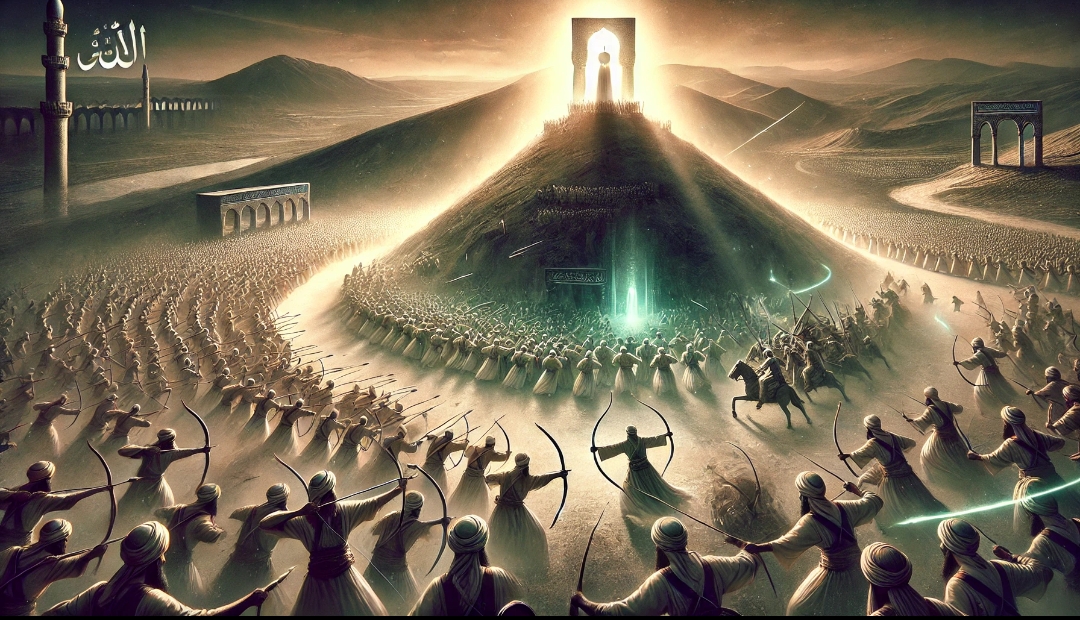
These verses directly relate to the events of the Battle of Uhud—one of the most crucial moments in early Islamic history.
📌 The Background:
🔹 Initially, the Muslims were winning the battle.
🔹 However, some archers disobeyed the Prophet’s ﷺ command and left their posts, thinking the battle was already won.
🔹 The Quraysh forces took advantage of this and launched a surprise counterattack.
🔹 This led to the Muslims suffering heavy losses, including the martyrdom of Hamza ibn Abdul Muttalib (RA).
Allah revealed these verses to remind the believers that victory only comes through obedience, patience, and unwavering trust in Him.
---
Key Lessons for New Muslims
🔹 Faith Must Be Tested:
True belief is not proven through words alone—it is revealed through action. Trials are meant to purify and strengthen us.
🔹 Obedience to Allah and His Messenger ﷺ is Key:
The loss at Uhud was not because the enemy was stronger. It was because some disobeyed a direct command. The lesson? Never underestimate the importance of following divine guidance.
🔹 Victory & Defeat Come from Allah:
Success is not about numbers, strength, or intelligence—it is about faith, patience, and obedience. The Prophet ﷺ and his companions won battles where they were outnumbered. But when they disobeyed, even a small mistake led to great consequences.
🔹 Islam is Bigger Than Any One Person:
Even if the Prophet ﷺ had died that day, Islam would continue. Our faith is in Allah, not personalities. We must always remember that Islam is a timeless truth, not dependent on individuals.
---
Conclusion
The Battle of Uhud was a defining moment that tested the faith, discipline, and unity of the Muslim community. These verses remind us that victory is not measured in numbers, but in faith and obedience.
For new Muslims, this passage is a powerful lesson on trusting Allah, standing firm in faith, and understanding that setbacks are part of the journey.
The Mercy of Allah After Defeat: A Divine Strategy in Surah Aal-E-Imran (3:136-152)
A Lesson in Leadership, Mercy, and Psychological Recovery
The aftermath of the Battle of Uhud was one of the most psychologically crushing moments in early Islamic history. The Muslims, who had been victorious at Badr, faced a painful setback—one caused by their own momentary lapse in discipline. This was not just a military defeat; it was a moral and emotional crisis that threatened to divide the community and break the spirits of the believers.
But here is where the divine strategy of Allah unfolds in a remarkable way.
1. The Psychological Toll of Defeat & Divine Healing
The losses at Uhud were severe. Seventy of the Prophet’s closest companions had been martyred, including his beloved uncle Hamza. The Muslims had to retreat to the mountains, wounded and humiliated. Many wondered, How could this happen? Was Allah not with them?
Instead of leaving the community to suffer in despair, Allah sent down revelation that did not just explain why this happened—it restored their faith and confidence. The verses (3:136-152) do not dwell on blame alone; they offer a lifeline to those who had faltered, pulling them back into the fold with reassurance.
2. The Strategic Move: Immediate Forgiveness
One of the most remarkable aspects of these verses is that Allah forgives them almost instantly. This was a divine intervention to prevent long-term psychological destruction. Had the blame been left to linger, it could have shattered the morale of the believers permanently. Allah knew that if they were left to wallow in their failure, it would create deep divisions—shame would breed resentment, and resentment would lead to further weakness.
By issuing immediate forgiveness, Allah neutralized the whispers of Shaytan, who would have used this moment to divide them further. Instead of turning on each other, they were reminded that their Lord is Merciful, and the road ahead was still open for them to redeem themselves.
3. Leadership Lessons: The Prophet’s ﷺ Unwavering Mercy
Despite his own personal grief—the loss of his uncle, his own injuries, and the betrayal of his archers—the Prophet ﷺ did not punish or expel those who had disobeyed. Instead, he embodied the very essence of rahma (mercy). He did not allow this event to become a wedge in the community; instead, he united them once more, reinforcing that they still had a mission to accomplish.
This is a profound lesson in leadership: Great leaders do not hold grudges. They do not let failures define the future. Instead, they rebuild their people. The Prophet ﷺ did not see Uhud as the end; he saw it as a test of resilience. And with Allah’s revelation supporting him, he ensured that the believers walked away with a lesson—not just wounds.
4. The Hidden Wisdom: Why the Family of Imran?
A curious thing about this surah is that before discussing Uhud, it spends extensive time on the family of Imran—the lineage of Maryam (Mary) and Isa (Jesus), peace be upon them. Why?
Because this was also a lesson in divine selection. Just as Allah chose the family of Imran and granted them miraculous victories, He had also chosen the believers of Muhammad ﷺ to carry forward the final message. The mention of Imran was not random—it was a reminder that struggle is part of divine history.
Victory comes after trials. Maryam faced hardship before she was honored. Isa faced rejection before he was raised. And now, the Prophet Muhammad ﷺ and his followers were facing their own test. The question was: Would they lose hope, or would they prove worthy of their mission?
5. The Ultimate Takeaway for Muslims Today
This passage is a divine blueprint on how to recover from failure. It teaches that:
Failure does not define you—what you do after does.
Leadership requires mercy—a divided team is a defeated team.
Unity must be protected at all costs—Shaytan thrives on division.
Allah’s plan is bigger than our setbacks—we just have to trust Him.
The Battle of Uhud was a temporary wound. The real victory came when the Muslims refused to break apart. And through these verses, Allah ensured that even in their moment of defeat, they were still His chosen people.
This is why the Surah is called Aal-E-Imran—a reminder that divine selection is real, but it requires faith and perseverance.
And for every believe
r today, these lessons remain as powerful as ever.
📖 “Do not lose heart or despair, for you will be victorious if you are truly believers.” (3:139)
✨ Next Steps: Reflect on these lessons. How do they apply to your life? What tests are shaping your faith today?
---
Next: Surah Aal-E-Imran (3:153-169) –
The Aftermath of Uhud: Mercy, Lessons, and Hope
🔹 Stay tuned for the next deep dive!