

بِسْمِ اللهِ الرَّحْمٰنِ الرَّحِيْم.
In the Name of God, Most Gracious, Most Merciful.
Creativity and Leadership in Islam: A Pathway to Innovation and Personal Growth
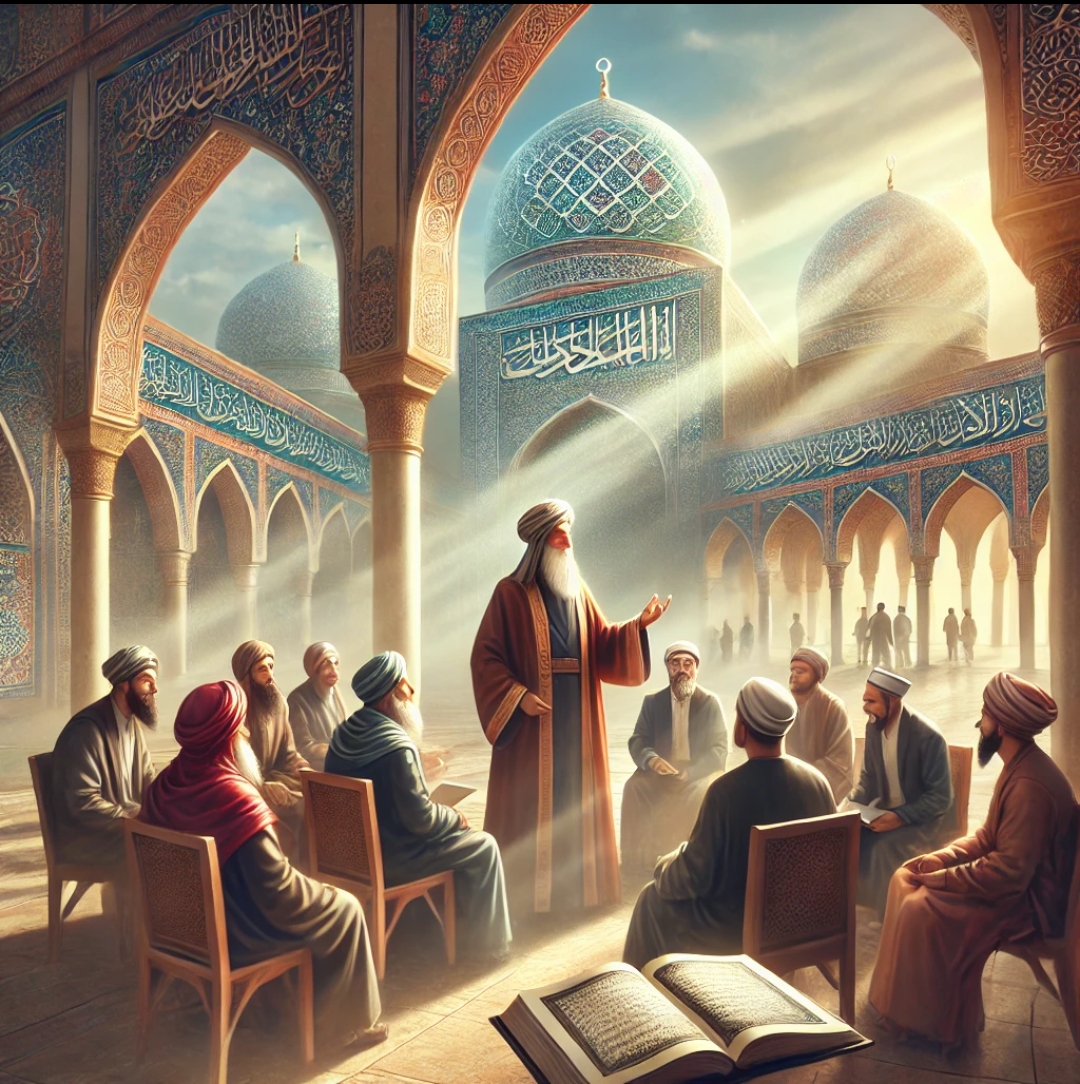
What is the true essence of creativity, especially when framed within the principles of Islamic leadership? Creativity in Islam is much more than innovation; it’s about cultivating the right environment for divine inspiration to flourish. The Prophet Muhammad (PBUH) offers a timeless example of how creativity, humility, and leadership can come together to form solutions that benefit the community, ensuring that leadership is not just about control but about creating space for others to contribute their ideas and wisdom.
Creativity Through Consultation and Humility
In Islam, leadership is deeply tied to consultation, known as Shura. The Prophet (PBUH) constantly consulted with his companions, even in times of battle, diplomacy, or personal challenge. One famous example is the Battle of Badr, where the Prophet made a decision regarding troop placement. When a companion asked if the choice was divine revelation or strategic decision-making, the Prophet (PBUH) acknowledged that it was the latter and immediately accepted the advice when a better suggestion was made. This moment is an example of true humility, where leadership doesn't stem from personal ego, but from listening to others and valuing their input.
The Quran emphasizes this principle of consultation as well:
“And consult them in the matter. Then when you have taken a decision, put your trust in Allah.” (Quran 3:159)
This verse highlights that creativity comes when leaders listen to the wisdom of others, and through collaboration, better solutions are discovered.
Rabbani Leadership: A Framework for Creativity
Rabbani leadership, a model of Islamic leadership, involves balancing divinity, humanity, and personal development. This leadership approach fosters creativity by encouraging leaders to act with justice, integrity, and ethical behavior. Leaders with Rabbani characteristics create environments where innovation and creativity can flourish because they guide their communities with the understanding that everyone has God-given potential.
A Rabbani leader understands that their role is not to dictate but to encourage growth within the community. This model is especially relevant today, where leaders can inspire innovation by creating environments that value emotional control, patience, and shared responsibility.
Discipline as a Source of Creativity
Islamic teachings also emphasize the role of personal discipline in fostering creativity. The Prophet (PBUH) frequently emphasized the importance of controlling one’s emotions, especially anger, and using that self-restraint as a means for personal development. Creativity thrives when people can channel their emotions productively.
In one Hadith, the Prophet (PBUH) said:
“The strong man is not the one who is good at wrestling, but the strong man is the one who controls himself in a fit of rage.” (Sahih Bukhari)
Discipline and emotional intelligence are essential aspects of Islamic leadership, allowing individuals to focus on solving problems instead of being distracted by negative emotions. This focus leads to more creative, innovative solutions in both personal and professional contexts.
The Quran: The Ultimate Source of Creative Guidance
At the heart of Islamic creativity is the Quran itself, which is often referred to as the most creative and divinely inspired book. The Quran encourages reflection, exploration, and the search for solutions to life’s challenges. It does so not through rigid instructions but through stories, parables, and divine wisdom that invite believers to think deeply.
“Do they not reflect upon the Quran, or are there locks upon their hearts?” (Quran 47:24)
This verse underscores the need for reflection, which is at the core of creativity. The Quran invites Muslims to look for creative solutions to problems, from personal struggles to societal challenges, by understanding the deeper meanings of life.
The Quran also presents stories of Prophets who demonstrated immense creativity in their leadership. For instance, the Prophet Yusuf (Joseph) used creative dream interpretation and economic planning to save Egypt from famine. Similarly, Prophet Musa (Moses) displayed creativity in leading his people out of oppression, relying on divine guidance to navigate seemingly impossible situations.
Leadership and Creativity: The Role of Trust and Integrity
In addition to emotional control and reflection, Islamic leadership is also built on trust and integrity. Trust forms the foundation of creative environments. When people feel valued and respected, they are more likely to share innovative ideas. Leaders who demonstrate integrity and fairness inspire loyalty, which fosters collaboration and collective problem-solving.
As the Quran states:
“Indeed Allah commands you to deliver the trusts to their [rightful] owners, and when you judge between people, to judge with fairness.” (Quran 4:58)
Justice and fairness create the space for creativity to flourish. When leaders are trustworthy, they establish an environment where ideas can be shared openly, and where innovation is not stifled by fear or inequality.
Creativity and Leadership: The Prophet's Example of Emotional Intelligence
The Prophet Muhammad (PBUH) exemplified creativity by controlling his emotions, maintaining humility, and always seeking new ways to approach problems. When his companions struggled with homesickness during the pilgrimage and refused to shave their heads, the Prophet (PBUH) didn’t impose his will. Instead, he sought advice from his wife, who suggested that he lead by example. The Prophet followed her advice, and soon after, the companions complied. This story highlights the importance of emotional intelligence in leadership, where understanding and responding to the emotions of others can lead to creative and effective solutions.
Conclusion: Creativity in Islamic Leadership
Creativity in Islam is not just about solving problems but about creating environments where people are inspired to contribute their ideas. Islamic leadership encourages consultation, humility, and emotional control, fostering a space where innovation can thrive. The Quran, as the most creative and divine book, guides Muslims toward reflection, discipline, and personal growth, all of which are essential elements of creativity.
The Prophet Muhammad (PBUH) demonstrated time and time again that creativity is about listening, adapting, and leading with integrity. By following these principles, Islamic leaders can create communities where creativity flourishes, solutions are found, and personal growth is achieved.