

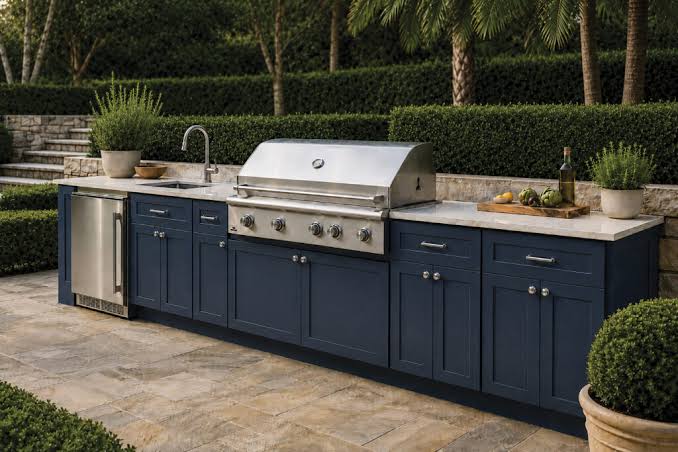
Planning a project with a custom cabinet maker starts with knowing what you want, setting a clear budget, and finding the right person for the job. Measure your space, gather photos of styles you like, and decide how you will use the cabinets day to day. Then meet with a custom cabinet maker, share your ideas, ask for a written quote, and agree on a timeline before any work begins. Good planning at the start saves you money, stress, and delays later.
That short answer covers the basics, but there is more to it than a checklist. Custom cabinets are a big spend, and unlike store-bought units, they are built once and built for your space alone. The planning stage is where you shape the whole outcome. A cabinet maker can build almost anything, but they can only build what you describe. The more thought you put in before the first cut, the closer the finished product will match the picture in your head. Below is a step-by-step guide to help you plan the project the right way, from first ideas to final install.
Start with How You Live, Not How It Looks
Most people begin by browsing photos of pretty kitchens. That is fine, but function should come first. Think about your daily habits. Do you cook often? Do you need deep drawers for pots or tall pull-outs for pantry goods? Is someone in the house left-handed? Do you want a spot to hide the coffee machine or charge your phone? Write these things down.
A skilled custom cabinet maker will ask you questions like this in your first meeting. If you already have answers, the design process moves faster and the result fits your life better. Cabinets that look good but work poorly will annoy you every single day. Cabinets that work well feel invisible in the best way.
Set a Real Budget Early
Custom work costs more than flat-pack cabinets, and prices vary a lot based on materials, hardware, finishes, and size. Before you meet anyone, decide on a number you can spend without pain. Then hold back about 10 to 15 percent as a buffer for surprises, because renovation projects almost always have a few.
Be honest about your budget with your cabinet maker. Some people hide the number, fearing the quote will magically rise to meet it. In practice, an honest budget helps the maker guide you. They can tell you where to spend (drawer runners, hinges, and the carcass material) and where to save (you may not need the most expensive timber for painted doors). If your budget and your wish list do not match, it is better to learn that in week one than in month three.
Find the Right Cabinet Maker for the Job
Not every workshop suits every project. Some focus on kitchens, others on wardrobes, offices, or entertainment units. Start by searching for a custom kitchen cabinet maker nearby and look at their past work. Local matters more than people think. A maker close to you can visit the site easily, take accurate measurements, and fix small issues after install without a long wait.
Check reviews, but read them with care. Look for comments about communication, timelines, and how problems were handled, not just praise for the finished product. Ask to see a current or recent job if possible. Talk to at least two or three makers before choosing one. Price matters, but so does how well they listen. If a maker talks over you in the first meeting, expect the same for the whole project.
Measure and Share the Details
Your cabinet maker will do the final measurements themselves, but rough numbers help early talks. Note the width, height, and depth of the space. Mark where windows, doors, plumbing, and power points sit. Take photos from several angles. If you are renovating a kitchen, mention appliances by brand and model, since ovens, fridges, and dishwashers all have set sizes that the cabinets must fit around.
Bring your inspiration photos too. A picture says more than a paragraph. Point out what you like in each one: the door profile, the handle style, the color, the way the shelves are arranged. This gives the maker a clear target instead of a vague one.
Understand the Quote Before You Sign
A proper quote should list materials, finishes, hardware brands, the number of cabinets, delivery, and installation. If a quote is a single line with one price, ask for a breakdown. You want to compare quotes fairly, and you cannot do that if one includes soft-close hinges and install while another does not.
Ask about payment terms as well. Most makers ask for a deposit, a progress payment, and a final payment on completion. Be wary of anyone who wants the full amount upfront. Also ask what happens if something arrives damaged or if a measurement is off. A good maker will explain their process for fixing mistakes without you having to push.
Agree on a Timeline and Stay in Touch
Custom cabinets take time. Depending on the workshop, expect anywhere from four to twelve weeks from sign-off to install. Ask for key dates: when drawings will be ready, when materials will be ordered, when the build starts, and when install happens. If your cabinets are part of a bigger renovation, share the full schedule so the maker can plan around trades like plumbers and electricians.
Once the project starts, check in at sensible points rather than daily. Approve the drawings carefully. This is your last easy chance to change things. Moving a drawer on paper costs nothing. Moving it after the build costs money and time. Read every drawing, ask about anything unclear, and only sign when you are sure.
Prepare Your Space for Install Day
A little prep makes install day smooth. Clear the room, remove old cabinets if that was agreed, and make sure there is easy access from the street to the space. Confirm that power and water are ready if the job involves appliances or sinks. Ask the maker how long install will take and whether you need to be home. Most kitchen installs run one to three days.
After install, walk through the job with the maker before final payment. Open every door and drawer. Check the finish in good light. Point out anything that seems off. A reliable maker wants to hand over a job you are happy with, and small fixes are easiest while their tools are still on site.
Final Thoughts
Planning a project with a custom cabinet maker comes down to a few simple habits: know what you need, be honest about your budget, choose a maker whose past work and communication style suit you, and put every detail in writing. The homeowners who end up happiest are rarely the ones who spent the most. They are the ones who planned well, asked questions, and stayed involved at the right moments.
If you are ready to start, search for a custom kitchen cabinet maker nearby, shortlist two or three, and book a first chat. Bring your measurements, your photos, and your list of daily needs. From there, the maker's skill and your clear brief will do the rest, and you will end up with cabinets built for your home, your habits, and your budget, made to last for decades rather than years.
Adamah Co
(650) 382-3405