

High Country Homestead with Susan H Shaw
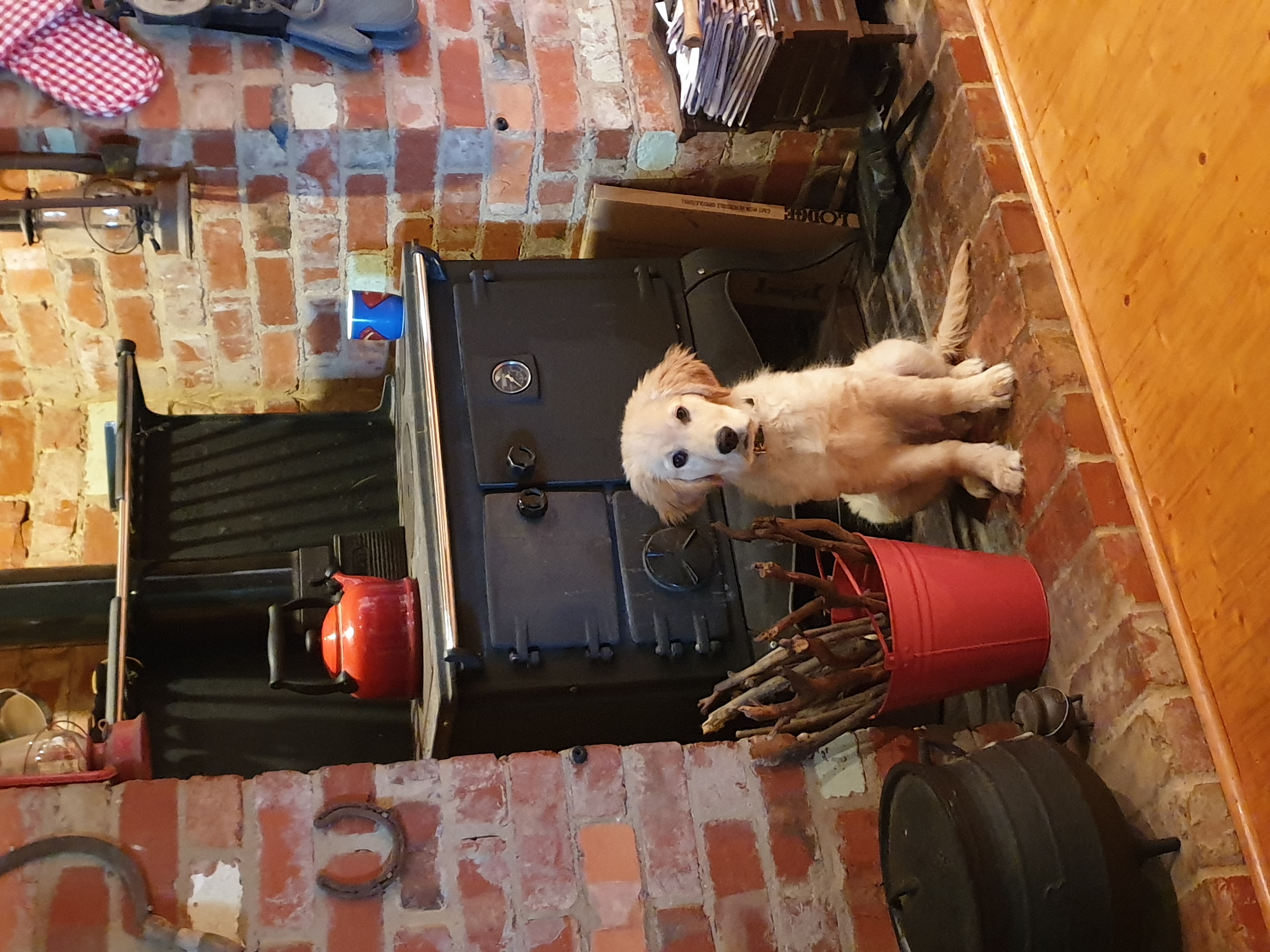 There is a particular sort of optimism that arrives with spring.
The mornings are getting lighter, the days warmer and, for the first time in months, I can look at the woodstove without immediately thinking about whether I should put another log on it.
Unfortunately, this is also the time of year when I have to look rather more closely at the stove itself.
Our Waterford Stanley Errigal has been here since the house was built. It is one of those old, dependable members of the household that simply gets on with its job without asking for much attention. It heats the house, heats our water and, throughout winter, quietly eats its way through an impressive amount of firewood.
But even old faithfuls need a little love occasionally.
And mine has reached the stage where “a little love” is looking suspiciously like a second mortgage.
Now that the weather is warming up, I have been thinking about the bigger maintenance jobs. Not the little jobs that can be done while the stove is still in use, but the ones that take the whole thing out of commission for a couple of weeks.
First on the list are the fire bricks. They have seen a lot of action and are ready for replacement. Then there are the rope seals, which have certainly earned their retirement. The grate isn't looking particularly flash either, and the rather important “thingy” that holds the grate in place has also decided that it has had quite enough of this heat business.
So, naturally, I started pricing the parts.
This is where the story became interesting.
There appears to be one place in the whole country where I can buy the complete set of bits I need. Yep you read that right, just one! Which gives me a much greater appreciation for anyone who has made a business out of keeping old stoves alive.
Just the fire-brick set, which includes the four-kilogram bucket of stove cement and postage, is around $1,600. Because the combined weight is over Australia Post's limit for a single parcel, it has to come in three separate packages.
The grate and its holder are another $600.
The rope seals and glue come in at approximately $280.
That brings me to $2,480 plus shipping for the other items, and I still have to organise the chimney cleaning.
At this point, I did what any sensible country person would do.
I went to our local Facebook noticeboard and asked for advice.
And this is where country ingenuity really shines.
Because within minutes, the suggestions started to roll in.
A few came up with buying generic firebrick material and cutting it to size.
Someone else offered to cut the pieces for me.
Another person offered advice about suitable alternatives.
And, perhaps my favourite suggestion of all, someone offered to show me how to make my own fire bricks.
Now, I have to admit that “making my own fire bricks” was not on my list of things I expected to be doing this spring.
I had been thinking more along the lines of planting vegetables, spraying thistles and enjoying the sunshine.
But this is what I love about living in the country. When something breaks, wears out or costs an eye-watering amount of money, somebody will usually say, “Hang on. I reckon we can work something out.”
Of course, whatever solution I come up with has to be up to the job. Fire bricks have to cope with extraordinary temperatures, seals need to seal properly, grates need to withstand a serious amount of heat and chimneys definitely deserve professional attention. There’s a difference between finding a clever alternative and simply hoping for the best.
So I am not quite ready to declare war on the spare-parts industry and start manufacturing stove parts in the backyard. Not quite. But I am certainly going to investigate the alternatives.
After all, there is something rather satisfying about keeping an old appliance going. This stove has been part of this house from the beginning. It has heated generations of cold mornings, provided hot water, and kept us warm through more winters than I care to count.
It deserves to be maintained, and maintained well.
I’m all for keeping old things going, but preferably without requiring quite so much financial creativity, ingenuity and general lateral thinking.
But with spring finally here, I do have the luxury of a little time to work out exactly how I am going to keep our old Stanley working for another winter.
For the moment though, I think I’ve done enough calculating, comparing and contemplating. I think it’s time to put the kettle on, the electric one of course.. and have a coffee, because sometimes the best solutions arrive when you stop looking for them.