

I opened the styrofoam box and was immediately greeted by a wave of warm, curry-scented air that rushed up and hit me in the face. Inside was my usual order: curry chicken glowing a deep golden yellow, spilling over a mountain of white rice that was greedily soaking up the sauce. And tucked on the side were four slices of perfectly dark, caramelized sweet plantains.
Even before I took a bite, the smell alone made me feel ten times hungrier. The chicken looked so tender it was basically falling apart just from existing. The plantains were glossy, soft-looking, and sweet-smelling in a way that made me think, I should pace myself, even though I absolutely didn't.
In what seemed like thirty seconds, I looked down at an empty container. Once again, I’d devoured a whole "large" meal in one sitting.
The more I eat Jamaican food, the more intensely I crave it. And unfortunately, it’s hard to satisfy my cravings. My favorite Jamaican restaurant is only around 15 minutes away, but it's on a side of town my family rarely visits. That means we only get to eat there as an occasional treat, but that’s not enough for me.
Whenever my craving gets particularly strong, I tend to complain to my mom about my desperate need for more Jamaican. She usually makes excuses for why she doesn’t want to drive to the restaurant, but one day she said, "Why don't you just make it at home?" That idea stuck with me. My mind was soon set: in order to fulfill my cravings, I would just have to make it myself. What better way to start than making Jamaican-style fried sweet plantains?
There was only one problem: my cooking knowledge is pretty much limited to baking. Cookies, cakes, ice cream, brownies, I make those all the time. But plantains? I didn't even know that plantains were different from bananas yet. All I knew was that I loved Jamaican food, I had a mission, and I was committed to eating home-cooked plantains.
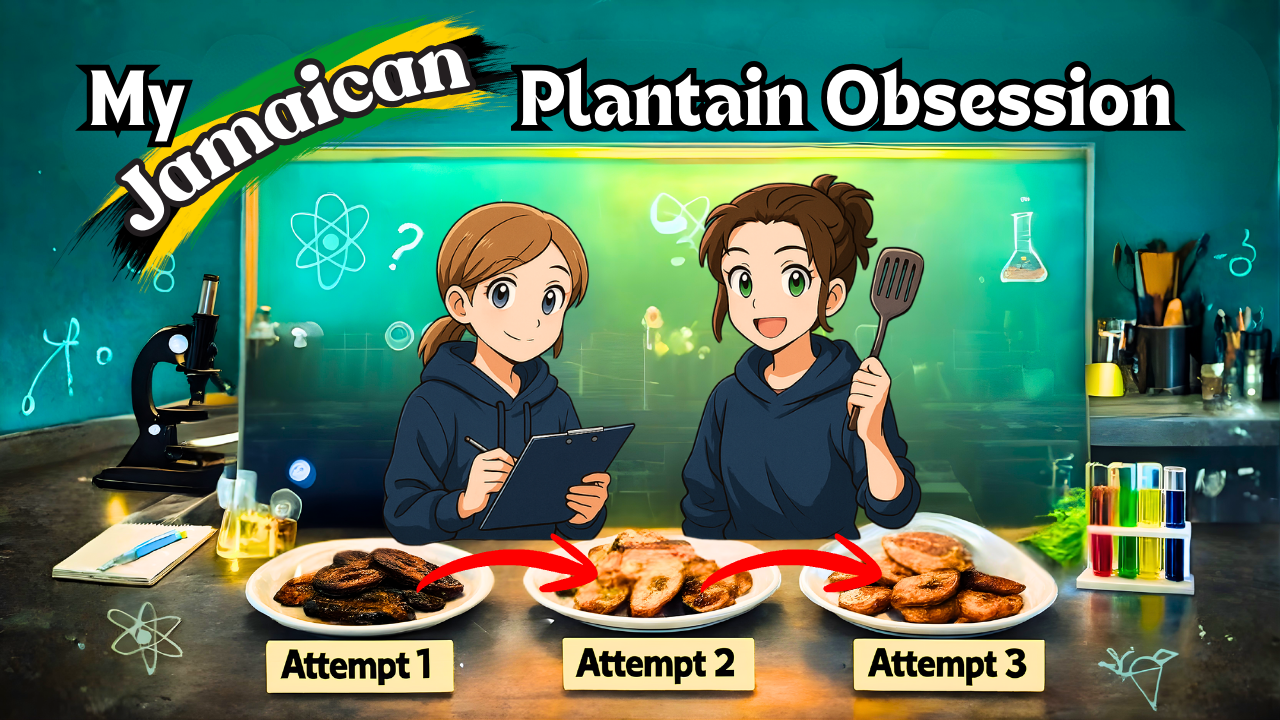
Attempt #1: A Starchy Disaster
Now that I knew what I wanted to do, my first step was to find a recipe. I typically get my recipes from ChatGPT, and this attempt was no different. I asked for a simple sweet plantain recipe and grabbed what I thought were ripe plantains from the local grocery store…
The first thing I learned is that you do not peel a plantain the way you peel a banana. You’re supposed to cut off the ends, slice lengthwise down the plantain, and remove the skin. My approach was closer to peeling a potato: using my knife to try to scrape the skin away. It was a struggle. With each plantain I peeled, I got slightly better, but the process was extremely inefficient. Eventually, after cutting all the plantains, I heated the coconut oil and began to cook.
My recipe advised using medium heat, but I couldn't seem to cook the inside without burning the plantain slices. Even after dropping the heat down, I struggled to find a balance.
By the end of the first attempt, I had a plate of unappetizing plantains. They were dry, hard, starchy, and entirely flavorless. They tasted like really unripe bananas that were slightly burnt. They were incomparable to the perfectly soft, caramelized slices from the restaurant. Attempt #1 was a fail.
Attempt #2: A Flicker of Hope, Then Charcoal
Despite the disappointment of Attempt #1, I was still committed to making plantains. The craving was just that strong. This time, I knew ChatGPT wouldn’t help; I needed a real, human-tested recipe.
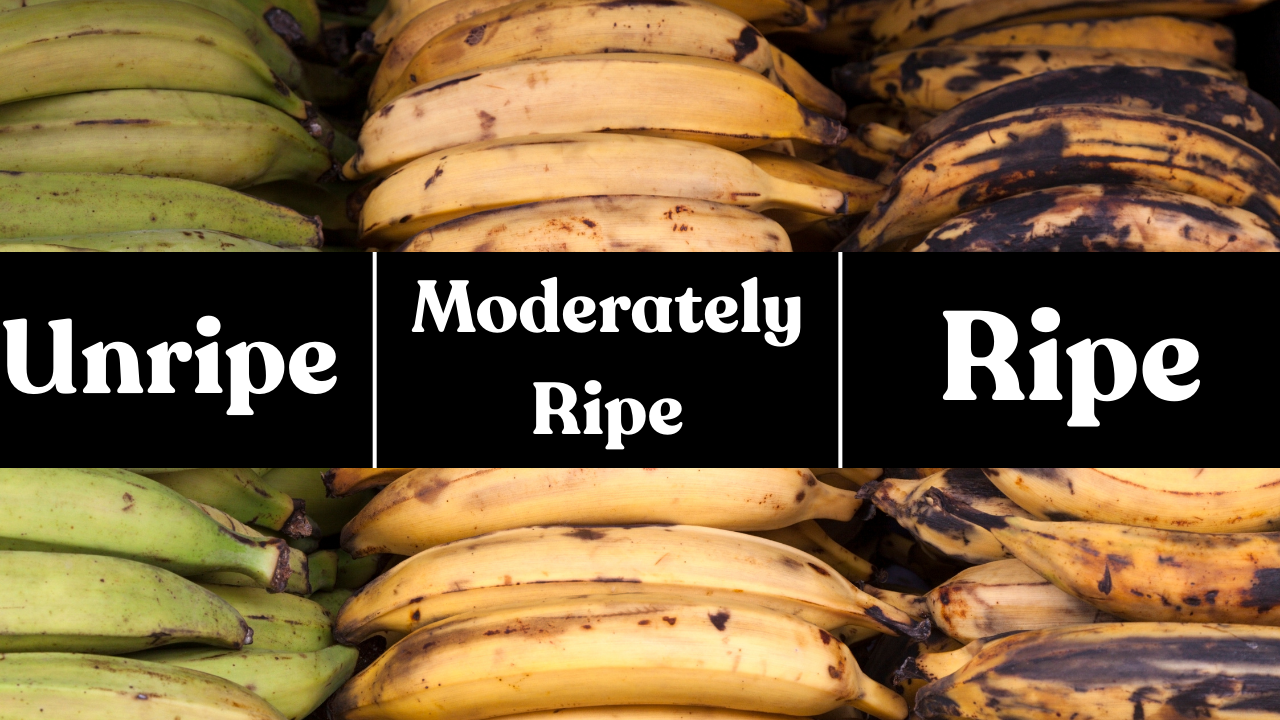
I did some actual research and found where I’d gone wrong: I’d used unripe plantains. Having grown up around bananas, I thought yellow plantains were ripe. However, ripe plantains have mostly black skin and are incredibly soft.
Using my new knowledge, I returned to the store and carefully selected the ripest plantains available. I also decided to switch my cooking medium, using avocado oil instead of coconut oil, just to see if it would make a difference.
The peeling process was so much easier this time. I managed to peel an entire plantain in a single, satisfying piece; something I never could’ve imagined when peeling the first batch. I proceeded to cut them into neat, diagonal slices and placed them into the warmed oil.
 My excitement grew. This was the moment. I’d finally get to eat some sweet plantains.
Yet, despite my efforts, I still couldn’t cook them long enough without the edges burning. Out of four plantains, there were only around five or six slices that were cooked reasonably well. And even those weren't the restaurant quality I wanted.
I felt defeated. All I wanted were the plantains from my favorite restaurant, and this "simple" dish wasn’t going too well.
Attempt #3: Success!
At this point, I’d had 6 plantains' worth of dry, starchy slices. I didn’t want any more failed batches or wasted plantains. I had to get it right.
The first thing I did was more research. I watched 5 videos and read 2 articles in the hopes of understanding where I’d gone wrong. My research led me to my next decision: I needed better ingredients. I begged my mom to take me to the local Jamaican store, a small market across the street from my favorite restaurant. No more chain grocery store plantains; I needed authentic, expert-approved plantains. The real deal.
Inside the store, the cashier was incredibly kind. She was a plantain expert and was excited to help me find the best-looking, darkest plantains. With her help, I picked out two, then learned about a three-for-$5 deal, so I grabbed another. As I was leaving, the cashier handed me two extra plantains for free because she could see my enthusiasm for Jamaican food. (If you’re the cashier and you’re reading this, thank you!!)
Now the stakes were even higher. I couldn’t let these Jamaican store plantains go to waste.
After picking up Jamaican food from the restaurant and studying it (by that I mean eating it all before I even knew what happened), I was ready to try again.
This third attempt was different for a few reasons:
Ingredient Quality: Authentic plantains straight from the Jamaican store.
Different Oil Type: Swapping coconut/avocado oil for vegetable oil.
Emotional Support: I convinced a friend to help me fry the plantains.
Oil Thickness: I used a thicker layer of oil.
When we went to peel the plantains, the difference in ripeness was incredible. The skins all slid off with minimal effort. Completely different from my first attempt and easier than my second attempt.
Through my research, I’d seen several different ways to cut the plantains, so I decided to experiment and see which one fried best: long slices lengthwise, diagonal cuts, or simple circles?
As I placed the first slice into the frying pan, it immediately began to sizzle. I watched carefully as I had flashbacks to my previous attempts. Having a friend help me time the turning of plantain slices and talk things out with was crucial because I was impatient and kept trying to flip them too early (partly because I was traumatized by all the plantains I’d previously burned).
After the very first batch was done, I tasted one.
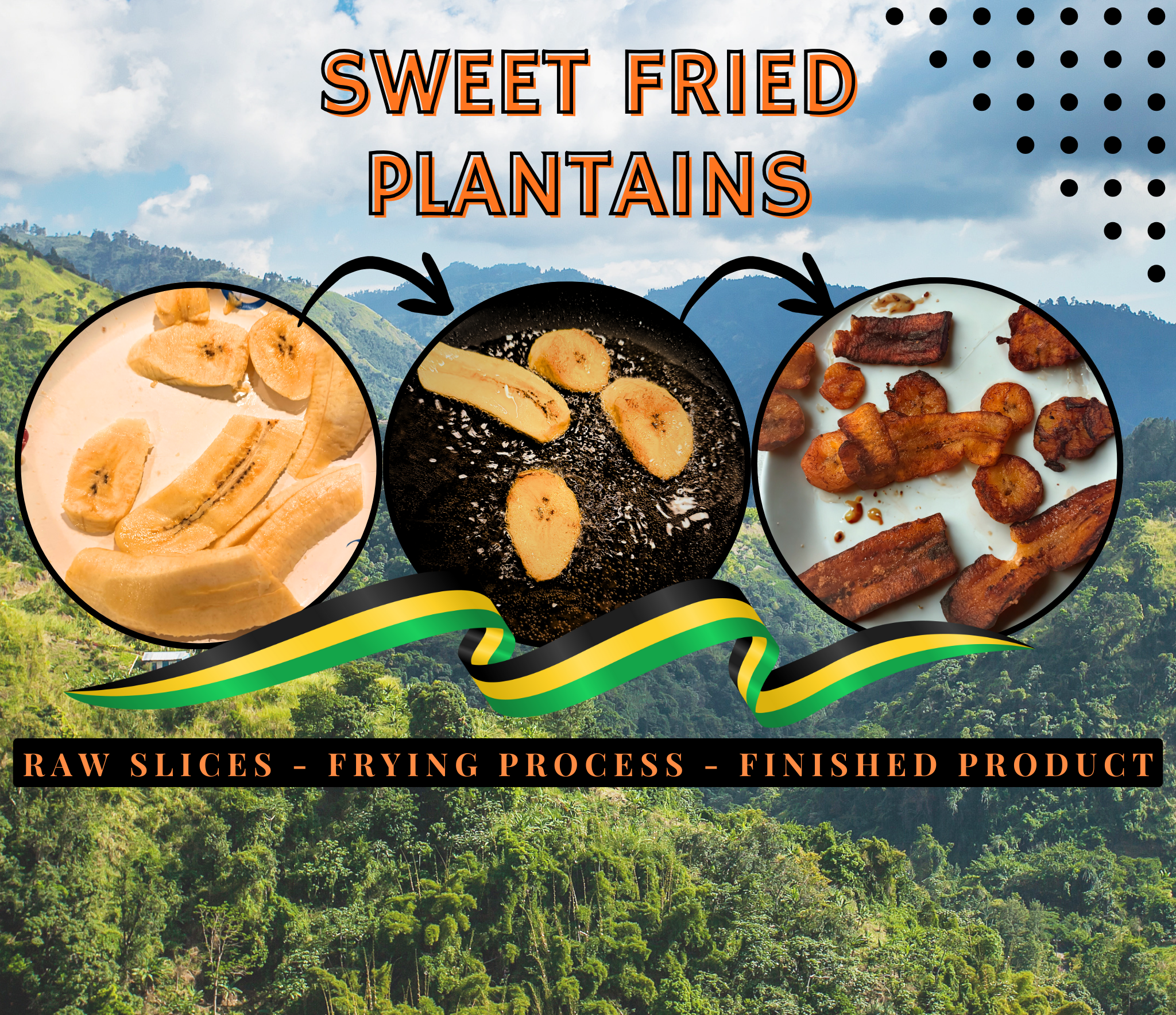 It was actually alright. It had flavor! It wasn't just raw starch! The inside was cooked through!
There was so much to be excited about.
The initial batch wasn't perfect, but they were 1,000,000% better than my previous, tragic attempts.
As we cooked, my friend and I found our rhythm. In total, we spent three hours rotating between slicing the plantains, adding brown sugar, and flipping batches until all five were fried. We found a few tricks for maximizing the caramelization, flavor, and crispiness as we went.
Overall, I'd rate the batch a solid 7/10 (with 10 being the restaurant quality I dream of, and 0 being attempt #1). The flavor profile was finally there, the inside was soft and fully cooked, but there’s still room for improvement when it comes to the crispy edges. I also want to try frying them thicker next time.
Most importantly, they actually satisfied my craving, and I would eat these again. I think the main thing that set this batch apart from the rest was the better ingredient quality and having someone to talk things out with and give advice.
Now that I’d overcome the side dish of sweet fried plantains, all I had left was the curry chicken and rice to go with it.
Curry Chicken
After spending weeks perfecting the plantains, I was ready for the main course: the curry chicken and rice. I had learned from my previous attempts, and instead of using an AI-generated recipe, I found one on a site called ”The Kitchn” for Jamaican chicken curry. Then, I used ChatGPT to modify the ingredients I was missing and to accommodate extra potatoes (I had 4 pounds of potatoes that I needed to put to use).
I decided to use my Thanksgiving break as a time to cook this recipe. Unlike the challenge of making plantains, the cooking process for the curry chicken went incredibly smoothly. After a day of prep work and some cooking, I successfully created a delicious Thanksgiving dinner of homemade Jamaican curry!
I could smell the warm aroma of simmering curry drifting up into my room as I was in a writing session, working on this post. My house was soon filled with the smell of allspice, savory-sweet onions, and scallions as they simmered. While the weather outside was cold, inside felt cozy. It was as if the smell of spices provided a little portal into the Caribbean, bringing some warmth and humidity to my house.
It was hard to resist running downstairs and opening the pot while it cooked.
 Once it was done, the chicken was soft and fell apart. The rice absorbed every drop of the rich sauce, and the flavor profile was amazing.
While it wasn’t exactly the same flavor profile as the restaurant curry (they must have some secret spice blend I haven’t figured out), I’d still rate this a solid 9/10. The only adjustments for next time would be making it a bit spicer, cooking the potatoes a little longer, and ensuring that I don’t lose the habanero while cooking (my dad bit into it unsuspectingly at work while he was eating leftovers).
I will definitely be keeping this recipe, and maybe I'll even make it again for Christmas!
Final Thoughts
My journey of fulfilling this intense craving for Jamaican food has been long and filled with challenges. Yet, it’s also been very rewarding and taught me a lot. I learned the difference between plantains and bananas, the value of having someone supportive in the kitchen to talk things out with (and make it more fun), how to properly break down a whole chicken, and, most importantly, I gained confidence in my cooking skills. I am no longer limited to desserts!
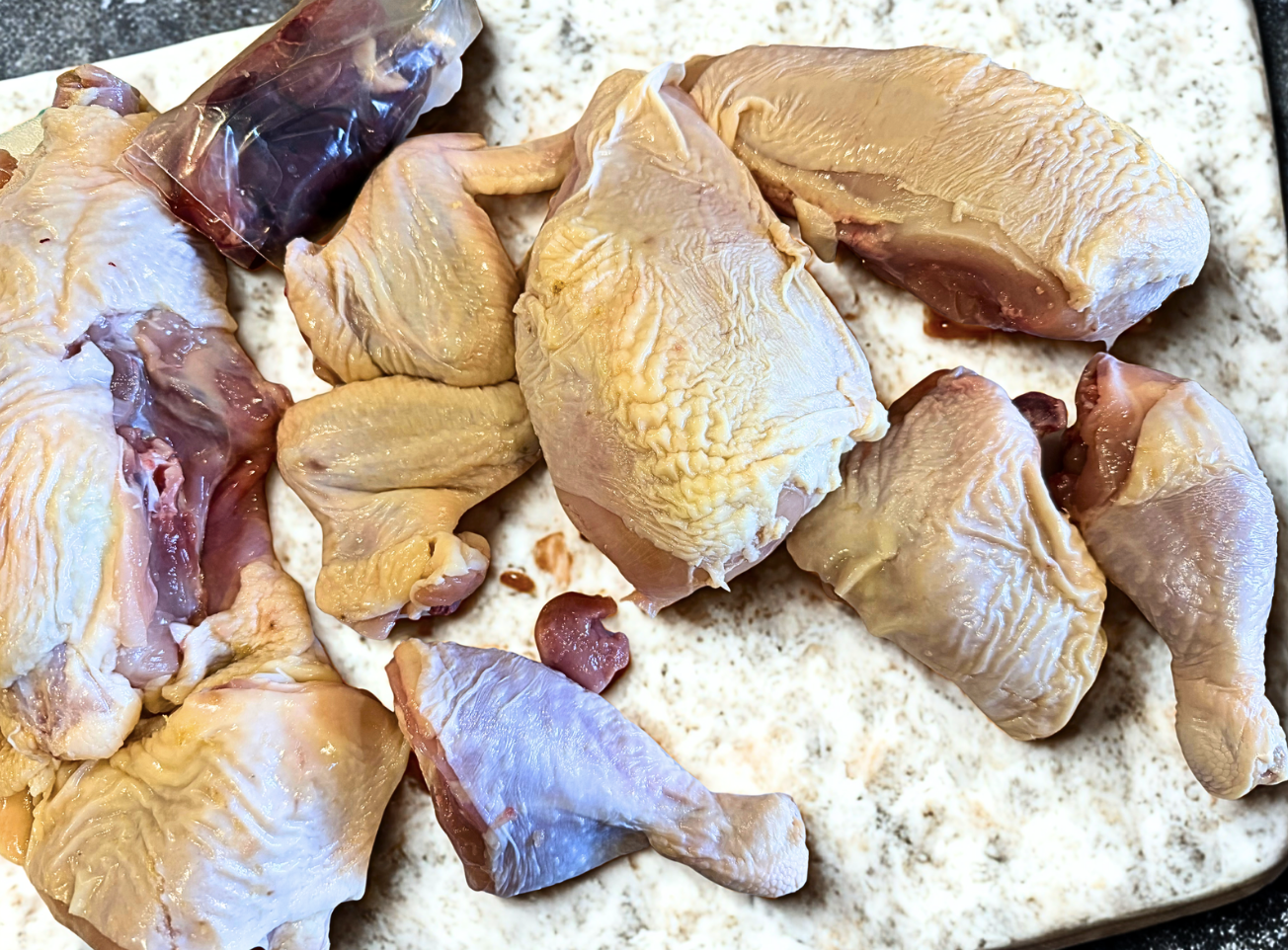 My first time breaking down a chicken - it was confusing & slightly disturbing
Now, whenever I’m craving for Jamaican, I have the power to make it in my own kitchen, while still eating the occasional treat from my favorite restaurant.
I want to give a huge thanks to my mom for the initial encouragement and buying ingredients, the amazing lady at the Jamaican store who helped me find the right plantains, my friend for cooking with me and making the process more fun, and, as always, my writing mentor for giving me the tools and space to work on my blog.
If you’re interested in making some Jamaican plantains for yourself, I’ve linked to all my research and recipes below. Feel free to check them out!
Naturalist Adventure’s Perfect Sweet Plantain Recipe
Soft, caramelized, restaurant-level Jamaican-style sweet plantains.
 Sources
I wasn’t exaggerating when I said I did a lot of research. Here are all my sources:
Deddy’s Kitchen – “How to Fry Sweet Plantain!”
Pay attention to how ripe the plantains are (mostly black, soft) and how gentle the sizzle is.
Jehan Powell – “How to Make Perfect Fried Sweet Plantains”
Simple, step-by-step; focuses on pan-frying (not deep-frying) with moderate oil and careful flipping.
Jody’s World – “HOW TO FRY SWEET PLANTAINS JAMAICAN STYLE”
Shows dark caramelized edges and talks about heat control so they don’t burn.
TaShonda Renae — “How to Fry Sweet Ripe Plantain | Jamaican Favorites”
Very straightforward: just oil, salt, ripe plantains. Good for seeing slice thickness and color change.
Butter Be Ready – “Fried Sweet Plantains (15 Minutes!)”
Focuses on getting crispy edges with a soft, sweet center.
Butter Be Ready – Fried Sweet Plantains (Blog Post Version)
Talks about medium heat, shallow frying, and waiting for deep golden brown.
Explains that you want brown/black-spotted plantains.
Orchids + Sweet Tea – Fried Sweet Plantain
Emphasizes caramelization: low-to-medium heat, patience, and flipping for even browning.