

Ever wondered how fast you'd have to fly to turn a red star blue?
I've been busy volunteering/assisting at sailing camps over the last weeks; however, I wanted to write a short post about creating a physics simulation site as a follow-up to my last post on beating ChatGPT.
On the final day of my Advanced Physics class last month, my physics teacher challenged us to create something that explained a concept we learned this semester. My mind immediately jumped to the Doppler Effect on light waves. Honestly, this was one of those topics that seemed really complex until Hannah explained it, but as I began to grasp the concept, it became something I enjoyed thinking about, because I hadn't thought of the relationship between velocity and color before.
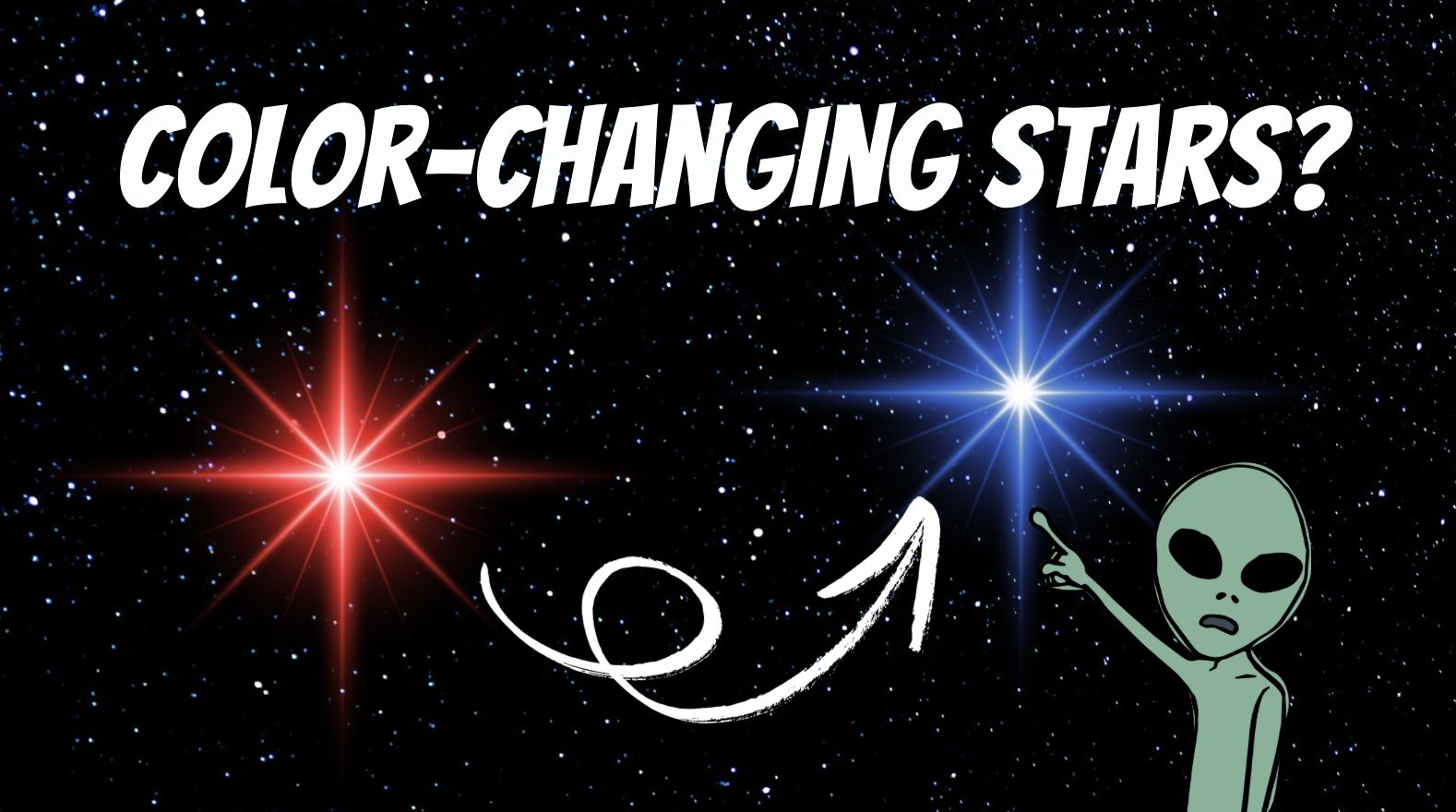
If you're interested, the Doppler Effect explains how velocity changes a wave’s frequency and wavelength. For light, this results in colors shifting dramatically. Imagine zooming through space and seeing stars glow in shades of blue or red depending on your speed and direction!
To bring this concept to life I used v0.dev, the same AI-powered tool I used for my robotic bee website in my previous post. In just a few hours, I had a fully functional physics simulation website up and running, blending my newfound physics knowledge with some AI-generated code.
Building this simulation was not only fun but also taught me some great lessons:
Combining AI with foundational physics makes even complex coding surprisingly approachable.
Seeing abstract ideas visually can make everything click.
Interactive features like challenge modes seriously boost how quickly and deeply you learn.
Sharing with the Recess helped my presentation skills and gave me valuable feedback.
This project became really exciting to me because it showcases how interactive tools like this can truly revolutionize learning complicated concepts, making them much less intimidating and way more fun for kids like me.
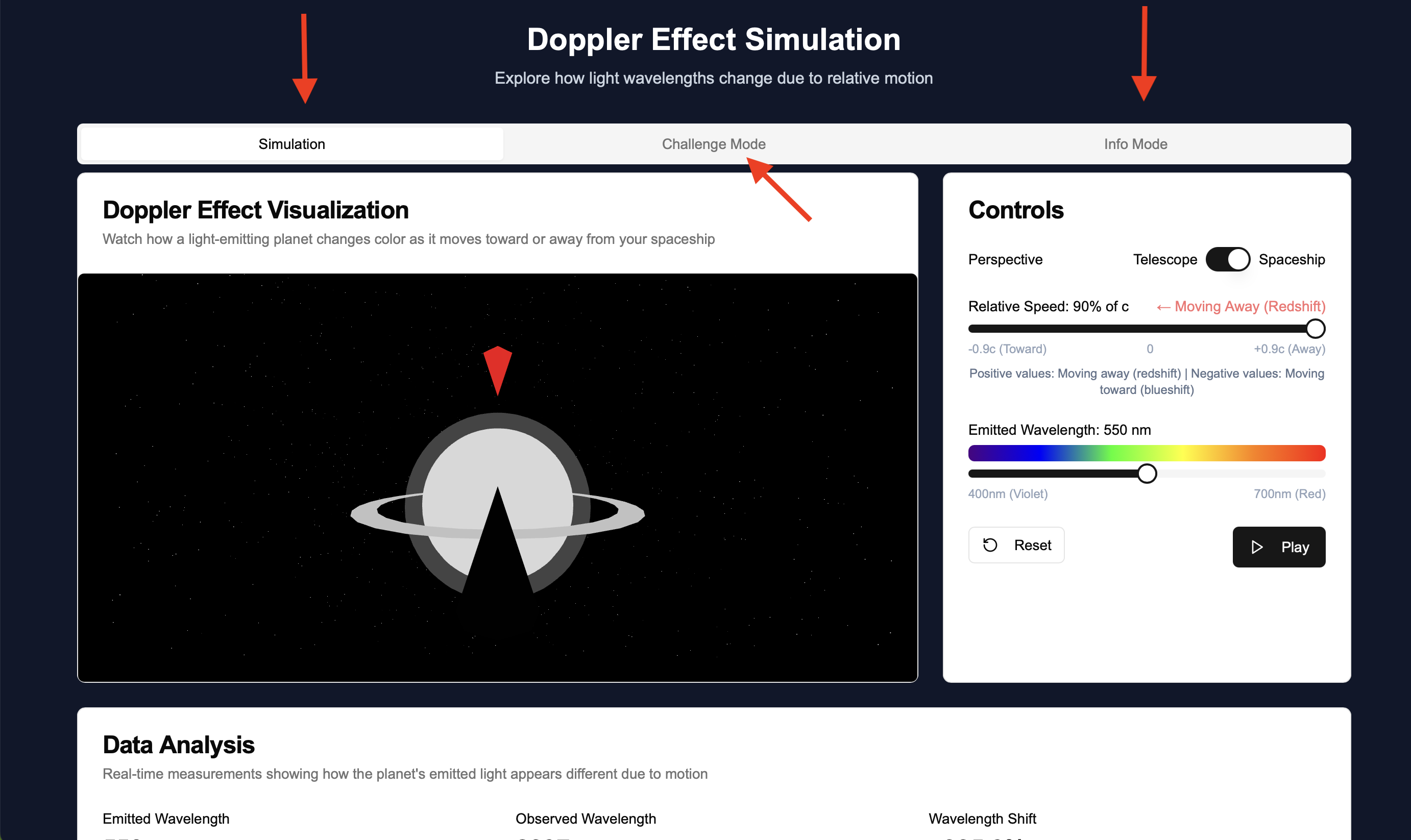
My Doppler Effect website has three fun and engaging modes:
Info Mode
Discover exactly what the Doppler Effect is, how to calculate it, and real-world examples.
Simulation Mode
See the Doppler Effect in action and play with the simulation.
Challenge Mode
Test your knowledge with interactive questions. Can you get three in a row right?
After creating this site I was asked to present about it to the Recess community, which was so much fun! A huge shoutout to Hannah for teaching the Advanced Physics class on Recess and making physics both understandable and exciting! I can’t wait to continue as your student next semester.
Ready to experience the Doppler Effect firsthand? Click the link below and see if you've got what it takes to get three in a row correct in the challenge mode: