
There’s a stark contrast between people who sleepwalk through life and those who’ve found profound meaning: the latter see the world differently than those around them.
They perceive things differently, act differently, and navigate life differently. They stay true to themselves, no matter what.
Ramana Maharshi sat in isolation and meditated for 20 years.
Meister Eckhart stood up against the Church and held radical — but correct — views about God.
Jiddu Krishnamurti dedicated his life to waking people up from social conditioning.
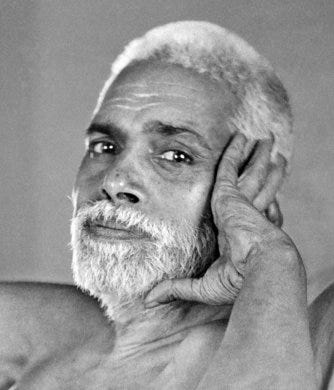
Their desire for truth far outweighed any need to conform to societal standards. They didn’t do these things just to be different—nonconformity was simply a byproduct of their unwavering dedication to the path.
The ability to see the world like these great minds doesn’t usually come naturally. It’s cultivated — through openness, through studying those who’ve walked the path before, and through relentless questioning.
Those who stay plugged into the same dead-end conversations, who consume low-conscious content, who let others do their thinking for them — rarely develop the capacity or the courage to truly wake up.
This doesn’t mean you have to rebel just for the sake of rebelling. Some will misinterpret this as a call to fight every authority or trust no one. But this path requires nuance. Real change feels natural, not forced.
As I often say, awakening isn’t always about what you do — it’s about how you think.
I’m especially drawn to spiritual examples, but this applies throughout all of history. Anyone who truly lived did so because they had the courage to walk their own path.