

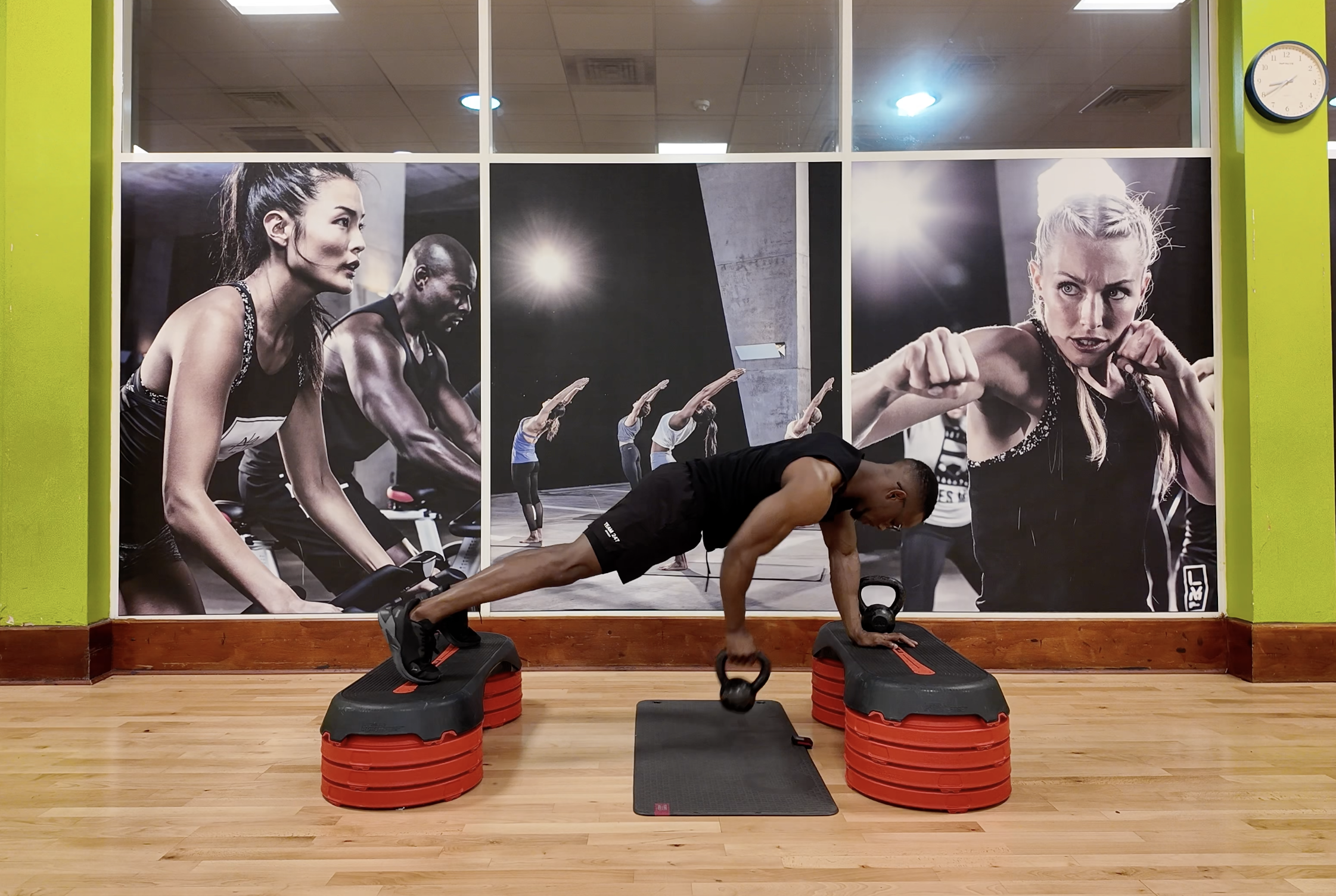
Kettlebell training is an excellent way to build strength, improve endurance, and boost overall fitness. However, if you're new to kettlebells, selecting the right weight can be a little daunting. Choosing a kettlebell that's too light might limit your progress, while one that's too heavy could lead to poor form or injury.
Here's a comprehensive guide to help you make the best choice.
STEP 1: UNDERSTAND YOUR FITNESS LEVEL
Your fitness background plays a significant role in selecting the right kettlebell weight.
Active Individuals: If you regularly engage in strength or endurance training, you may start with a slightly heavier weight.
New to Fitness or Returning from a Break: If you’re just starting or coming back after a long time off, begin with a lighter weight to ensure safety and build proper technique.
STEP 2: CHOOSE BASED ON THE EXERCISE
Kettlebell exercises can vary widely in terms of difficulty and the muscles they target.
FOR UPPER-BODY MOVEMENTS: (e.g., overhead presses, rows): Start lighter because these require more control and shoulder stability.
Suggested weight: 8–12 kg (18–26 lbs) for men; 4–8 kg (9–18 lbs) for women.
FOR LOWER-BODY MOVEMENTS: (e.g., goblet squats, deadlifts): Your legs can handle more weight.
Suggested weight: 12–16 kg (26–35 lbs) for men; 8–12 kg (18–26 lbs) for women.
FOR DYNAMIC MOVEMENTS: (e.g., kettlebell swings):
These exercises engage your entire body, requiring good control but allowing for slightly heavier weights.
Suggested weight: 12–16 kg (26–35 lbs) for men; 8–12 kg (18–26 lbs) for women.
STEP 3: PRIORITISE FORM > WEIGHT
As a beginner, the focus should always be on mastering proper form before increasing weight. Improper technique can lead to injuries, especially with complex movements like swings or snatches. Start with a manageable weight and consult a coach or watch instructional videos for guidance.
STEP 4: TEST THE WEIGHT
If you have access to a range of kettlebells, test a few options:
Static Lifts: Pick up the kettlebell and hold it in front of your chest (goblet position). It should feel challenging but manageable.
Repetition Test: Perform 5–10 reps of the intended exercise. If you struggle to maintain form by the 5th rep, go lighter. If it feels too easy, consider going heavier.
STEP 5: PLAN FOR PROGRESSION
As you build strength and confidence, you’ll need to increase the weight to continue challenging your muscles. Beginners often outgrow their initial kettlebell within 1–3 months, so consider investing in a few different weights or an adjustable kettlebell.
SUMMARY OF RECOMMENDED STARTING WEIGHTS:
EXERCISE TYPE
UPPER-BODY MOVEMENTS:
Suggested Weight (Men): 8–12 kg (18–26 lbs) // Suggested Weight (Women): 4–8 kg (9–18 lbs)
LOWER-BODY MOVEMENTS:
Suggested Weight (Men): 12–16 kg (26–35 lbs) // Suggested Weight (Women): 8–12 kg (18–26 lbs)
DYNAMIC MOVEMENTS:
Suggested Weight (Men): 12–16 kg (26–35 lbs) // Suggested Weight (Women): 8–12 kg (18–26 lbs)
FINAL THOUGHTS:
Selecting the right kettlebell weight as a beginner is all about balancing challenge with safety. By considering your fitness level, the type of exercise, and your ability to maintain good form, you can find the perfect starting weight to launch your kettlebell journey.
Take your time learning the movements and remember that progress is more important than perfection. With the right kettlebell and consistent practice, you’ll see incredible results in no time.
Thank you for reading.
My name is Mwechezi, and I’m here to help you make fitness simple, effective, and sustainable.
Drop your questions or goals in the comments, and let’s keep the conversation going. See you in the next post.