

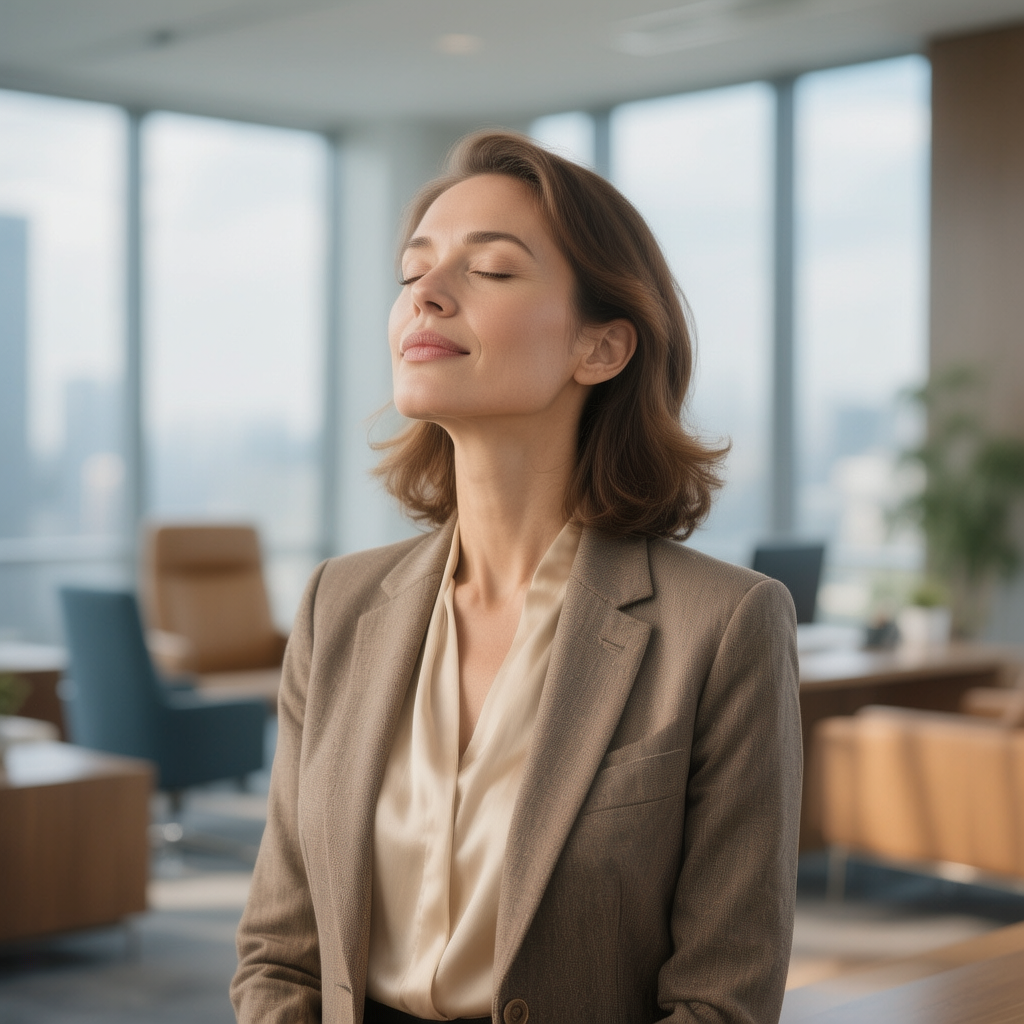
Anxiety can strike without warning, transforming an ordinary moment into an overwhelming experience. Whether you're facing a critical presentation, navigating social situations, or dealing with unexpected stressors, having immediate relief strategies at your disposal can make the difference between spiraling into panic and regaining control. This comprehensive guide presents ten scientifically-backed techniques that can reduce anxiety symptoms within minutes, providing you with a practical toolkit for emotional regulation.
Understanding the Anxiety Response
Before diving into relief tactics, it's crucial to understand what happens in your body during anxiety. When your brain perceives a threat, it triggers the sympathetic nervous system, releasing stress hormones like cortisol and adrenaline. This cascade creates physical symptoms including rapid heartbeat, shallow breathing, muscle tension, and racing thoughts. The tactics presented here work by interrupting this stress response and activating your parasympathetic nervous system, which promotes calm and restoration.
1. The 4-7-8 Breathing Technique
This powerful breathing pattern, developed by Dr. Andrew Weil, acts as a natural tranquilizer for your nervous system. Unlike medications that lose effectiveness over time, this technique becomes more potent with practice.
Begin by exhaling completely through your mouth. Close your mouth and inhale quietly through your nose for four counts. Hold your breath for seven counts. Then exhale completely through your mouth for eight counts. This constitutes one breath cycle. Repeat the pattern three more times for a total of four cycles.
The extended exhale activates your vagus nerve, which signals your body to relax. The counting aspect gives your mind a focal point, interrupting anxious thought patterns. Initially, you might feel slightly lightheaded, which is normal as your body adjusts to increased oxygen levels. Practice this technique twice daily, and it will become a reliable tool for instant anxiety relief.
2. Progressive Muscle Release
Progressive muscle release works on the principle that physical relaxation leads to mental calm. This technique systematically tensions and releases muscle groups, creating a wave of relaxation throughout your body.
Start with your toes. Curl them tightly for five seconds, then release suddenly. Notice the contrast between tension and relaxation. Move up to your calves, thighs, buttocks, abdomen, hands, arms, shoulders, and face. With each muscle group, create maximum tension without causing pain, hold briefly, then release completely.
This practice accomplishes multiple objectives simultaneously. It releases physical tension that accumulates during anxiety, increases body awareness, and provides a structured activity that redirects your focus from worried thoughts. The entire sequence takes approximately ten minutes but can be shortened by focusing on areas where you hold the most tension.
3. The 5-4-3-2-1 Grounding Technique
Grounding techniques anchor you in the present moment, interrupting the future-focused worry that characterizes anxiety. The 5-4-3-2-1 method engages all your senses systematically.
Identify five things you can see. Look for details you might normally overlook: the grain in wood, shadows on walls, or colors in a painting. Name four things you can touch, and actively feel their textures. Is the surface smooth or rough, warm or cool? Acknowledge three things you can hear, from obvious sounds to subtle background noise. Recognize two things you can smell, even if it's just the air around you. Finally, identify one thing you can taste, whether it's a lingering flavor or simply your mouth's neutral taste.
This technique works because anxiety often involves dissociation from your immediate environment. By methodically engaging your senses, you reconnect with reality and demonstrate to your nervous system that you're safe in this moment.
4. Cold Water Immersion
The mammalian diving response is an evolutionary mechanism that immediately slows your heart rate and redirects blood flow to vital organs. You can trigger this response with cold water, providing rapid anxiety relief.
Fill a bowl with cold water and add ice if available. Take a deep breath and immerse your face for 15-30 seconds. Alternatively, splash cold water on your face repeatedly, or hold a cold compress against your temples and wrists where blood vessels are close to the skin surface.
For a less intensive approach, run cold water over your wrists or hold ice cubes in your hands. The shock of cold interrupts your body's stress response and forces your nervous system to reset. This technique is particularly effective for acute anxiety or panic attacks when you need immediate relief.
5. Bilateral Stimulation
Bilateral stimulation, the foundation of EMDR therapy, involves alternating stimulation of the brain's hemispheres. This can be achieved through various methods accessible anywhere.
Cross your arms over your chest, placing each hand on the opposite shoulder. Alternate tapping your shoulders rhythmically, maintaining a steady pace of about one tap per second. Continue for 30-60 seconds while breathing normally. Alternatively, practice bilateral walking by taking deliberate steps while focusing on the sensation of each foot touching the ground.
You can also use eye movements by holding your finger about 12 inches from your face and slowly moving it from side to side while tracking it with your eyes. Keep your head still and move only your eyes. This bilateral activation helps integrate emotional experiences and reduces the intensity of anxious feelings.
6. Cognitive Reframing
Anxiety often stems from catastrophic thinking patterns that spiral out of control. Cognitive reframing involves consciously challenging and restructuring these thoughts.
When anxiety strikes, identify the specific thought causing distress. Write it down if possible. Then ask yourself: What evidence supports this thought? What evidence contradicts it? What would I tell a friend experiencing this worry? What's the most likely outcome, not the worst-case scenario?
Transform absolute statements into balanced perspectives. Replace "This presentation will be a disaster" with "I'm prepared and have handled challenging situations before." This isn't about forced positivity but rather accurate assessment. By examining thoughts objectively, you reduce their emotional impact and regain perspective.
7. Acupressure Points
Traditional Chinese medicine identifies specific pressure points that can alleviate anxiety when stimulated. These points are easily accessible and can be activated discretely.
The most effective point for anxiety relief is located in the webbing between your thumb and index finger. Apply firm pressure with your opposite thumb and index finger, massaging in small circles for 30 seconds on each hand. Another powerful point sits three finger-widths below your wrist crease, between the two tendons on your inner forearm. Press firmly and massage for one minute.
The third point is found at the center of your chest, level with your heart. Place three fingers here and apply gentle pressure while taking deep breaths. These acupressure points help regulate energy flow and promote relaxation through your body's meridian system.
8. Mindful Movement
Gentle, intentional movement combines physical activity with mindfulness, providing dual benefits for anxiety relief. Unlike intense exercise, mindful movement can be performed anywhere without special equipment.
Stand with feet hip-width apart. Slowly raise your arms overhead while inhaling, then lower them while exhaling. Focus entirely on the sensation of movement. Roll your shoulders backward in slow circles, feeling the release of tension. Gently twist your torso from side to side, keeping your hips facing forward.
Practice walking meditation by taking extraordinarily slow steps, feeling each component of the walking motion. Lift your heel, roll through your foot, shift your weight, and place your foot down mindfully. This deliberate movement anchors you in your body and present moment while releasing physical tension.
9. Aromatherapy Activation
Scent directly impacts the limbic system, your brain's emotional center, making aromatherapy a powerful tool for rapid anxiety relief. Certain essential oils have proven anxiolytic properties.
Lavender oil is the most researched anti-anxiety scent. Place a drop on your wrists or temples, or inhale directly from the bottle. Bergamot oil combines citrus uplift with calming properties. Frankincense promotes deep breathing and mental clarity. Ylang-ylang reduces heart rate and blood pressure.
Create a portable anxiety kit with essential oil rollerballs or inhalers. When anxiety strikes, take three deep breaths of your chosen scent. The olfactory system's direct connection to emotional processing makes this an exceptionally fast-acting intervention.
10. Visualization and Safe Space Creation
Visualization harnesses your imagination's power to create physiological calm. This technique involves constructing a detailed mental sanctuary where you feel completely safe and peaceful.
Close your eyes and imagine a place where you feel utterly secure and calm. This might be a real location or entirely imaginary. Engage all your senses in building this space. What colors dominate? What's the temperature? What sounds are present? What textures can you feel? What scents fill the air?
Make this visualization as detailed as possible. If it's a beach, feel the sand's warmth, hear specific seabirds, smell salt air mixed with sunscreen. The more vivid your safe space, the more effectively it counters anxiety. Practice visiting this place daily when calm, so it's readily accessible during anxious moments.
Integration and Long-Term Success
These ten techniques provide immediate relief, but their true power emerges through consistent practice. Not every method will resonate equally with everyone. Experiment to discover which techniques work best for your specific anxiety patterns.
Create a personalized anxiety response plan. Choose three primary techniques that consistently help you. Practice them daily when calm, building muscle memory for stressful moments. Keep written reminders or phone apps with guided exercises readily available.
Remember that seeking professional support isn't a sign of weakness but of wisdom. These techniques complement but don't replace therapy or medical treatment for anxiety disorders. If anxiety significantly impacts your daily functioning, consult with a mental health professional who can provide personalized strategies and support.
Conclusion
Anxiety doesn't have to control your life. With these ten proven tactics, you possess a comprehensive toolkit for rapid relief. Each technique offers a different pathway to calm, ensuring you have options regardless of your situation. Whether you're in a crowded office, alone at home, or anywhere in between, these strategies provide accessible, immediate support.
The key to success lies not in perfect execution but in consistent practice. Start with one or two techniques that appeal to you. As they become familiar, expand your repertoire. Over time, you'll develop an intuitive sense of which method to employ in different situations.
Your journey toward anxiety management is unique, and these tools are meant to support, not prescribe, your path. Trust your experience, be patient with yourself, and remember that each time you successfully manage anxiety, you're building resilience and confidence for future challenges.