

You shoulder your backpack. It might be a quick weekend escape with just a couple of nights under sil-nylon or dyneema, or it might be the start of an epic adventure stretching over weeks. Either way, there comes a point when something changes.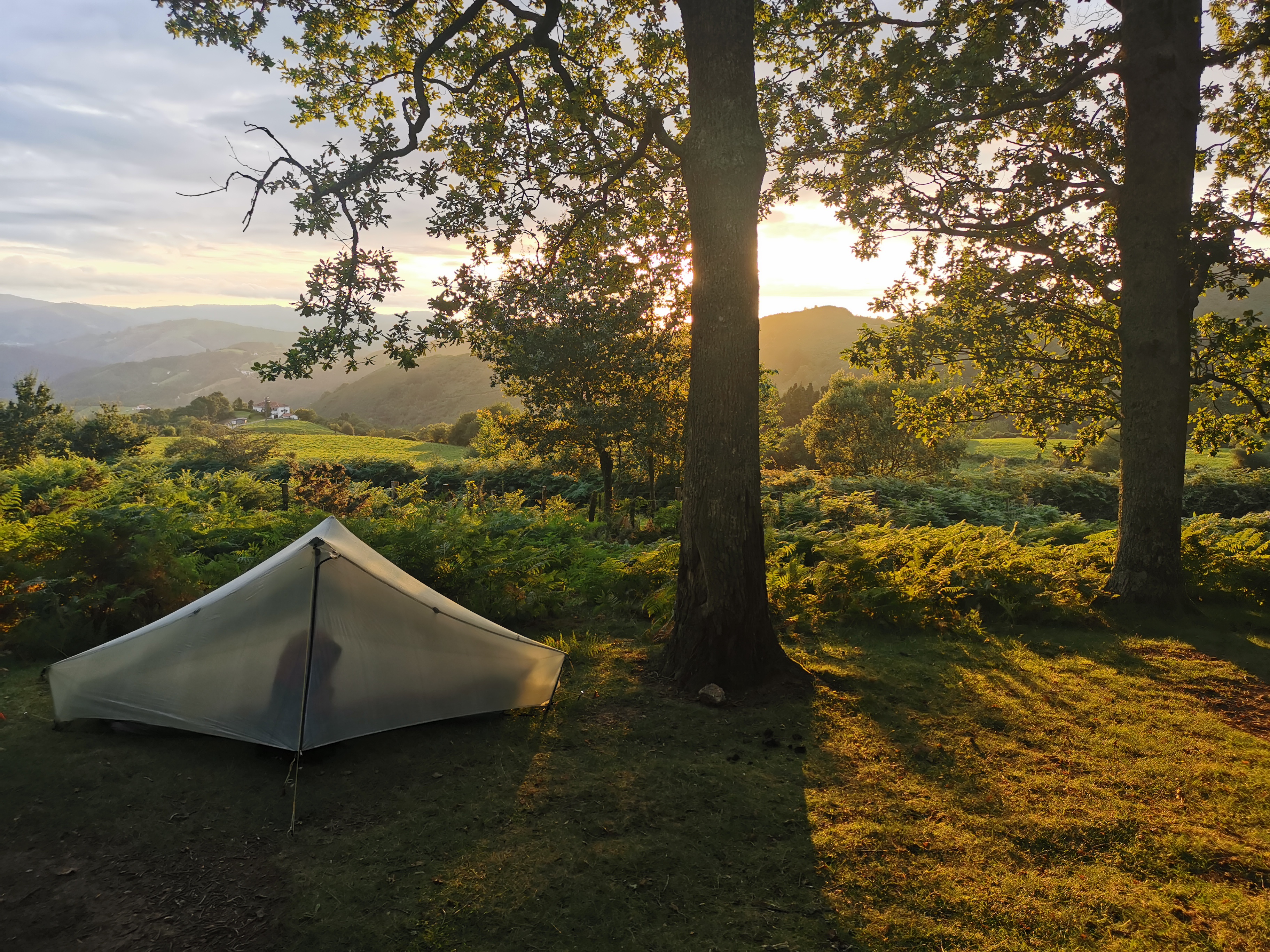 But when do you know you've truly acclimatised? When does life on trail stop feeling like a temporary escape and start feeling...normal? When can you honestly say that you belong in the landscape you're walking through, rather than simply passing across it?
It's a question I've found myself asking more and more. Despite spending hundreds of nights away from home and loving every adventure, there's one thing that rarely comes easily in the first few days: sleep. I might be physically exhausted after twenty miles of climbing, descending and convincing myself that this hill really is the last one. Yet my brain often has other ideas.
Then, almost without noticing, it happens. One night I simply sleep.
That's when I know I'm acclimatised.
There are, of course, the usual things to contend with. Is the ground flat enough? Is my sleeping mat inflated enough? Am I warm enough? Too warm? And perhaps most importantly, what exactly was that noise outside the tent? (Spoiler: it's almost always a sheep. Sheep seem to enjoy midnight patrols.)
If we look at Maslow's Hierarchy of Needs, most of these concerns sit firmly at the bottom of the pyramid. As hikers, we need shelter, food, water and good sleep if we're going to function well. Before we can drift off, we also need to feel safe. Until those basic needs are met, genuine rest can be surprisingly elusive.
For me, that feeling of safety is often tied to where I'm camping. Regardless of how carefully I choose a pitch, I rarely feel completely relaxed until darkness falls. Once night arrives, I know I'm unlikely to be seen.
This is particularly true when I'm stealth camping in England and Wales, where wild camping is generally prohibited. Like many long-distance backpackers, I spend each night quietly bending the rules simply because, after a long day's walking, eventually gravity wins and lying down becomes non-negotiable.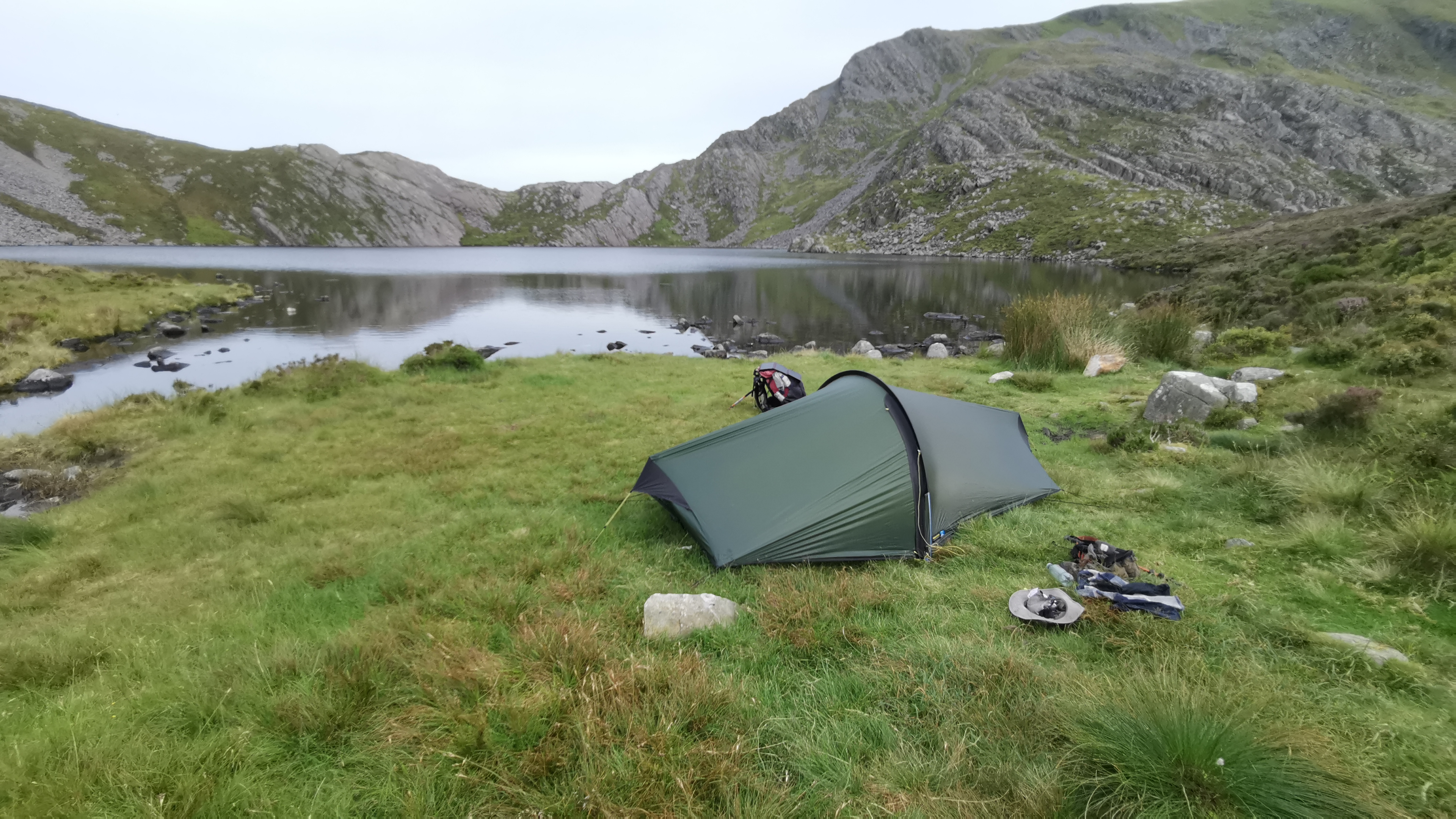 Interestingly, I notice this anxiety almost disappears in countries where wild camping is accepted or at least tolerated. Suddenly, I'm not listening out for footsteps or wondering whether an early morning conversation with an irritated landowner is about to become part of breakfast.
The strange thing is that, objectively, I have very little to complain about. My air mattress is comfortable. My quilt, yes quilt, because I finally admitted I was tired of wrestling sleeping bags at 2 a.m is warm and roomy. My shelter keeps the weather out. I've usually eaten well enough to convince my legs they'll survive another day in the mountains.
So why don't I sleep as deeply as I do at home?
I think the answer is simple.
We become attached to our nests.
Our homes are places of complete familiarity. Every creak is recognisable. Every sound has an explanation. Our minds stop scanning for threats because they've already decided we're safe. Only then do we truly switch off.
Life on trail is different. Every campsite is new. Every night sounds different. Every breeze across the tent fabric briefly convinces your imagination that you're starring in your own wilderness documentary.
Yet the routine stays the same. Pitch the shelter. Inflate the mat. Lay out the quilt. Cook dinner. Put everything in its familiar place. Little by little, those routines replace the certainty of home.
Eventually, the mind catches up.
For me, the moment I know I've fully settled into trail life is surprisingly specific. I sleep through the entire night without waking to turn over. It sounds trivial, but it's become my own measure of acclimatisation.
On my recent Hexatrek journey through the Pyrenees, that moment came after nine nights. I was camped beside Ibon de Acherito, one of those places where the scenery almost seems too perfect to be real. That evening I climbed into my tent, closed my eyes and...nothing.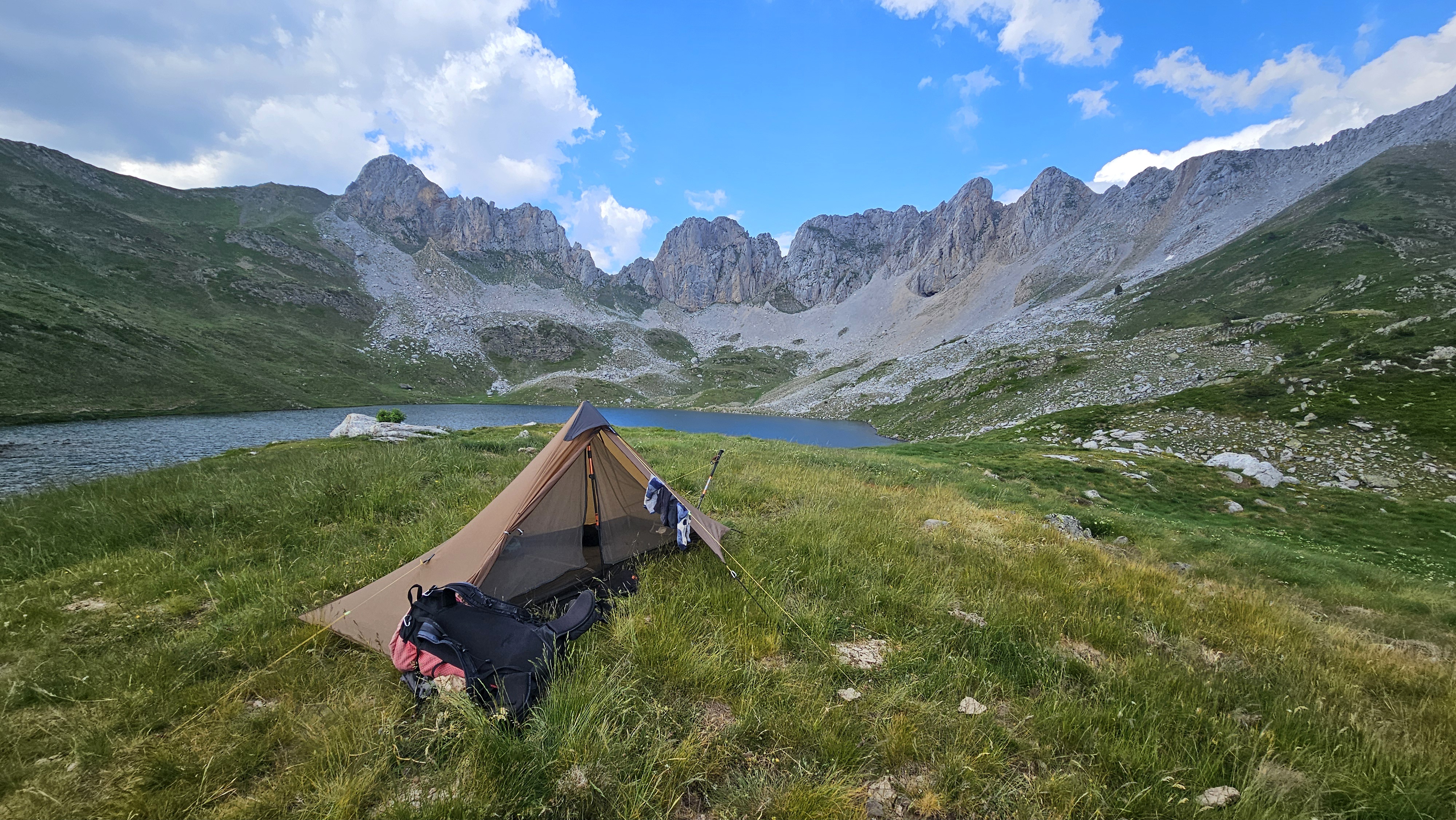 No waking in the middle of the night.
No checking the time.
No wondering what that rustling noise was.
I simply opened my eyes shortly before 6 a.m., feeling genuinely rested and ready for another day.
That, for me, was the moment I realised I was no longer visiting the mountains.
For a little while, I was living in them.
We're all different, though. Some people seem capable of sleeping soundly from the very first night, apparently immune to uneven ground, curious wildlife and the symphony of flapping nylon that accompanies every gentle breeze. I remain quietly envious of those people.
How about you? When do you feel acclimatised on trail? Do you sleep soundly from day one, or does it take a few nights before your mind finally relaxes? I'd love to hear how you sleep when you're out on the trail.