

 For centuries, an explicit narrative has governed society: men are wired for logic and authority, while women are wired for empathy and cooperation. But this is not a biological truth; it is a myth constructed to protect the existing hierarchy. Modern neurofeminism reveals that your brain is not your destiny.
Leadership is a learned skill with no inherent link to gender, yet this truth remains obscured by a deliberate misinterpretation of science. To move forward, we must deconstruct these historical lies and examine what neuroscience actually reveals about the human brain.
1. Separating Myth from Science
A. The Historical Lie
The problem began when a social tradition (male dominance) was given false scientific legitimacy.
What happened historically is straightforward: leadership was defined using a narrow set of traits encouraged almost exclusively in men: dominance, aggression, and authority. This definition was then proclaimed as the universal, natural model of leadership.
The core of the deception lies in how human emotion was interpreted. The claim that men are inherently better leaders due to superior rationality and less emotion is a persistent myth. In reality, men are emotional; we are all human.
Selective Labeling: Society simply chose to define certain male emotional states as rational action or necessary leadership traits, while defining others (often associated with women) as 'unfit for command'.
The Rational Rebrand: Powerful emotional states like anger, dominance, ego, and fear-driven control have been systematically legitimized and reframed as decisiveness, strength, or strategic thinking when expressed by men in authority. This selective labeling conceals the fact that many catastrophic historical and economic decisions, such as the ego-driven collapse of financial markets or the reckless expansion of empires, were driven by purely emotional impulses like pride and greed
The Weakness Label: In stark contrast, emotions expressed through care, concern, empathy, collaboration, or hesitation are often labeled as weakness, indecision, or oversensitivity when displayed by women.

The supposed absence of emotion in male leadership is therefore a social interpretation and a rhetorical reframing, not a biological reality.
2. Science’s Truth: Biological Sex Does Not Predict Leadership Ability
The hard-wired leader myth gained credibility through deliberate misuse of neurological research, distorted by gender bias. The truth is simple: Biological sex doesn't predict leadership ability.
Overlap, Not Destiny: Many studies focus on statistically significant differences between the average male and female brain without discussing the crucial concepts of overlap and effect size (how meaningful those differences actually are).
Here is what matters: the overlap between men and women in any given cognitive trait is overwhelmingly large. Most people fall within the same broad performance range.
The Brain is a Mosaic: Neuroscientist Daphna Joel’s groundbreaking 2015 research reveals that most human brains do not fall neatly into "male" or "female" categories. Every person carries a unique combination of structural features and neural patterns. The human brain is simply too diverse, complex, and adaptable to fit into rigid, fixed boxes based on sex.
The crucial point is to acknowledge that sex-linked biological differences exist, but then to show how those differences have been oversimplified, selectively interpreted, and culturally weaponized to justify leadership hierarchies. The idea that men are born with leadership wiring and women with a nurturing wiring is not science; it is culture masquerading as science.
3. The Self-Fulfilling Prophecy (Neuroplasticity)
The central dishonesty of the patriarchal approach is the creation of a system designed to guarantee its own conclusions.
The Trap of Circular Logic
This cycle has functioned as a self-fulfilling prophecy for generations:
Biased Interpretation: Science was first interpreted through a narrow lens to claim that women were inherently unsuited for leadership.
Structural Barriers: Systems were then built that funneled leadership opportunities and skill development toward men while systematically denying them to women.
The False Proof: When women did not demonstrate those specific skills simply because they were never given the chance to develop them, this lack of experience was used as "proof" that the original biased claim was correct.
a. Neuroplasticity: How Socialization Becomes Biology
This system works because of neuroplasticity, the essential concept that bridges culture and biology.
The Adaptive Brain: The brain is not a static organ; it is highly plastic, meaning every experience, social expectation, and opportunity physically shapes and rewires neural pathways. The brain reflects the life it has lived.
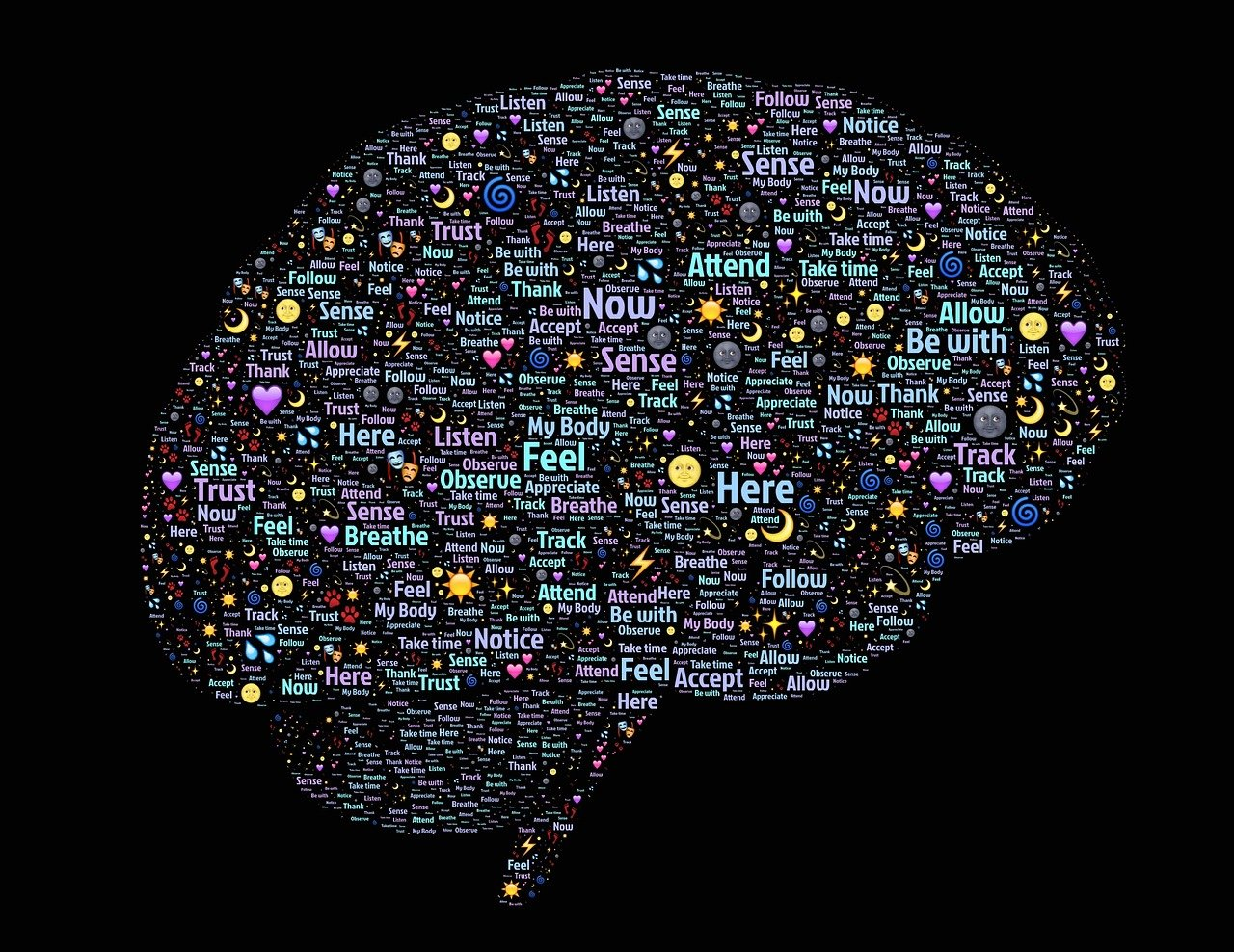
Experience as Wiring: The differences we observe in brain patterns between men and women are often the mirror image of long-term gender expectations, not the original cause. For instance, when girls are consistently encouraged to discuss and manage emotional relationships, their brains' emotion processing networks strengthen. This is a clear manifestation of neuroplasticity: the brain’s ability to reorganize itself by forming new neural connections in response to experience and environment.When boys are taught to suppress vulnerability and prioritize competition, their neural patterns adapt accordingly.
The Self-Fulfilling Prophecy: When you systematically deny one group developmental opportunities, you're not revealing biological destiny, you're creating a self-fulfilling prophecy. Culture does not sit outside the brain; repeated demands and learned behaviors physically shape its circuitry over time.
b. The Cognitive Load of Structural Oppression
Women have been socially trained to manage emotional complexity, relational labor, and long-term responsibility within the family, the community, the domestic sphere, and supportive professional roles. These pressures, intended to confine them, have paradoxically cultivated highly advanced skills essential for modern leadership. The historical responsibility for household management and childcare has required highly efficient allocation of cognitive resources. Far from being a "natural" female trait, this mental agility is a direct result of managing high-stakes environments for generations.
Multitasking and Cognitive Load Management: The historical responsibility for household management and childcare logistics simultaneously requires highly efficient allocation of cognitive resources.
Anticipatory Thinking: The necessity of constantly planning for the welfare of others translates directly to strategic, long-term organizational planning.
Conflict Mediation: The ability to resolve disputes and maintain group cohesion through careful, nuanced communication.
The Cost of the Mental Burden: While this efficient allocation of cognitive resources builds undeniable skill, it also creates a constant, draining requirement: a persistent cognitive load. This is the "cost" of the skill itself. The mental weight of tracking endless details and emotional dynamics does not just build agility; it creates a structural exhaustion that their male counterparts are rarely asked to carry.
In professional spaces, women must constantly self-monitor, calculate risk, filter communication, and manage emotional presentation. This chronic, unnecessary load consumes cognitive resources, affects performance, and impacts perception.
The Invisible Tax: Structural Burdens vs. Biological Reality
These pressures are structural burdens: an invisible tax placed upon women by patriarchal expectations. They are not the result of personal or biological shortcomings. By reframing this mental load as a systemic tax, we can see that the exhaustion often attributed to "female nature" is actually the cumulative cost of navigating a world designed to prioritize male ease.
4: The Matriarchal Evolution of Leadership
We have spent centuries dismantling a carefully maintained myth; now, we must define the reality that replaces it. To move beyond the structural burdens of the past, we must transition from a leadership model based on dominance to one that recognizes the cognitive and emotional mastery already present in those who have been forced to navigate the "invisible tax."
a. The Matriarchal Vision: A Human-Centered Model
The matriarchal system proposed is NOT about flipping the ordinary script to say 'women are better leaders than men.' It is not about using biology to make counter-claims. It is an evolution toward balance, not a gender swap or a mere reversal of the existing hierarchy.
Leadership rooted in care and accountability is inherently more sustainable, resilient, and humane than leadership rooted in dominance and control. This is not a mystical preference; it is a practical necessity. While traditional models were built for conquest, today’s specific challenges (the climate crisis, AI disruption, and global pandemics) require a leadership style that is radically more holistic, collaborative, and adaptable.
This shift is grounded in values of interconnectedness and collective empowerment. We must celebrate these practices for what they are: highly developed skills forged through socialization and neuroplasticity, not a predetermined biological destiny.
The essential qualities needed for a sustainable future include:
Emotional intelligence and self-awareness
Long-term, strategic thinking focused on sustainability
Collective responsibility and shared ownership
The ability to listen, nurture talent, and unify diverse teams
These are fundamentally human skills. While the capacity for these traits exists across the entire gender spectrum, women have historically been forced to specialize in them due to the specific demands of their social roles. By broadening the definition of leadership to honor and celebrate these styles, we are not favoring one gender; we are finally embracing the full range of human excellence that was previously sidelined
b. The Double Bind: Perceptual Failure
Women who step into positions of authority face the double bind: an impossible trap that exposes the problem as one of societal perception, not personal capability. This structural barrier manifests through two primary penalties:
The Aggression Penalty: If a woman acts assertively, decisively, or competitively, adopting traditional masculine-coded leadership, she is criticized as aggressive, unlikable, or unfeminine. For instance, a female CEO who makes a necessary, aggressive measure to cut costs may be labeled "ruthless," while a male counterpart is framed as "strategic".
The Weakness Penalty: Conversely, if she acts collaboratively, caringly, or prioritizes harmony, she is considered too soft, indecisive, or lacking authority. A female leader seeking consensus through consultation may be dismissed as "indecisive," whereas a male leader using the same approach is praised for being a "thoughtful, inclusive visionary".
A definitive example of this occurs in the political scrutiny of figures like Hillary Clinton or Jacinda Ardern. During her tenure, Ardern was frequently forced to navigate the "Likability vs. Authority" trap. While a male leader’s display of intensity is often framed as a powerful "command," a female leader displaying the same focus is frequently dismissed as "emotional," "unstable," or "unlikable". This is the double bind in practice: if she acts assertively, she is penalized for being aggressive; if she acts collaboratively, she is dismissed as weak. The behavior remains the same, but the interpretation and the penalty are gendered.
c. Liberating All Humans
A leadership model rooted in care and accountability is not just a victory for women; it is a liberation for all people. The traditional hierarchy has been as much a prison for men as it has been a barrier for women. By dismantling the "strongman" archetype, we free men from the draining requirement to suppress empathy, ignore collaborative instincts, and maintain a performance of dominance that ignores the large overlap in human cognitive traits.
When we value leadership through the lens of specialized skills rather than gendered destiny, we create a system where:
Men are liberated to utilize their full "brain mosaic," including traits like emotional intelligence and relational labor, without facing a social or professional penalty.
The "Invisible Tax" is abolished for everyone, as cognitive resources are allocated based on actual expertise and collective health rather than outdated structural burdens.
Resilience becomes the standard: Our organizations become better equipped to handle modern crises, from AI disruption to global pandemics, because they no longer filter out the most effective, data-driven, and empathetic responses.
Moreover, the double bind and the traditional leadership paradigm do not only limit women; they profoundly restrict men. Many men have natural strengths in empathy, cooperation, or emotional connection, but they are taught to suppress these qualities because they do not align with a rigid, traditional masculinity. In this way, the patriarchal system harms everyone: it forces women to shrink parts of themselves and pressures men to reject parts of themselves.
Neurofeminism is an invitation for all individuals to reclaim the full spectrum of human capability.
d. Structural Change for a Matriarchal Evolution
True equality is not achieved by encouraging women to fit into old, rigid systems; it is built by changing the systems themselves.
To achieve a future based on this vision, organizations must implement these three structural shifts:
1. Shift to Data-Driven Skill Evaluation: Evaluation must be based on demonstrated performance and specific competencies rather than assumed capabilities based on gender. To implement this tomorrow, organizations should adopt structured interviews and blind performance reviews. For example, when a tech firm removes gender identifiers from coding assessments or uses a standardized rubric for leadership evaluations, it bypasses the "aggressive vs. strategic" bias. This ensures we are hiring for actual cognitive resources, not social performance.
2. Redefine Leadership in the Boardroom: Today’s success requires leaders who nurture, listen, unify, and sustain. In practice, "nurturing leadership" looks like a manager who prioritizes the psychological safety of their team to encourage innovation, while "unifying leadership" is a CEO who builds consensus across silos during a merger. When companies actively celebrate these styles, they stop filtering out the most effective, adaptable talent. We are not just adding "soft skills" to the mix; we are identifying the traits required to survive global instability.
3.Enforce Structural Flexibility and Shared Responsibility: True equality Policies like generous, non-gendered parental leave and flexible scheduling are not just "perks." They disrupt outdated norms by making caregiving a collective human responsibility rather than a "female" burden. We must move beyond "encouraging" men to share the load. Organizations should normalize and mandate that men utilize these policies. When a male executive takes a full three-month paternity leave, it dismantles the expectation that women are the default caregivers, thereby freeing up time and cognitive resources for everyone.
Equality does not demand that men and women be identical. It requires the recognition that whatever small biological differences exist are utterly irrelevant to our worth, our potential, and our ability to lead.
The future belongs to individuals, regardless of sex, who are emotionally intelligent, collaborative, adaptable, and resilient. These qualities are tied to humanity, not to gender. When society stops attempting to divide brains into male and female, the science reveals a more accurate reality: every human being carries a mosaic of potential. Leadership is not a male trait, and empathy is not a female trait. Courage, strategy, intuition, and vision are cognitive resources available to all.
The matriarchal model offers a path forward for workplaces and societies alike, not as a reversal of patriarchy, but as an evolution toward a necessary and sustainable balance. It is time to build a world where leadership is defined by the efficient allocation of cognitive resources and structural accountability. This is a world where every woman steps into her power without being taxed by outdated social stories, where every man is free to embrace his full humanity, and where the brain is seen not as a destiny, but as a highly plastic system shaped by experience and environment.
The biological limits traditionally placed on leadership were always social fabrications. Human potential is not determined at birth; it is cultivated through the systems we choose to build.