

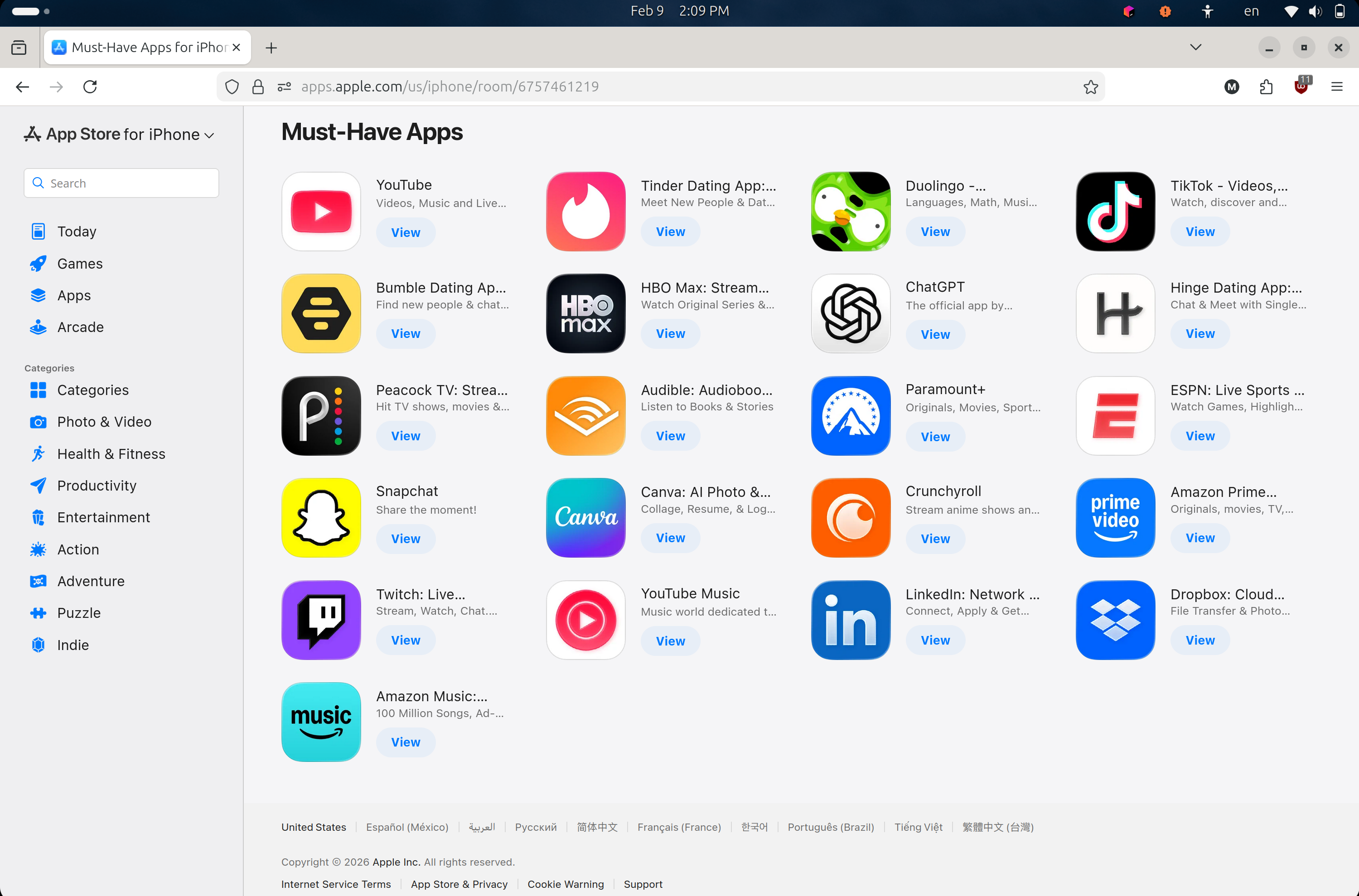
 (Figure 1 - Apple's "Must-Have Apps" showcases a selection of popular paid and free apps on iOS.)
In 2026, the top free and paid apps all have an open secret: open source software is the foundation.
For example, OpenSSL is a software library used to provide secure connections between networked computers. OpenSSL is used in countless products. The project is massive, with over a thousand contributors (i.e., people fixing bugs, adding features, and reviewing code changes) to date on GitHub (a modern social coding hub). Given the volunteer nature of the work, the history of open source, and the increasing number of Black software developers participating in open source projects, providing an attribution page for software built on top of an open source foundation is the bare minimum.
Open source software is a worldwide movement. In the U.S., the culture of open source began to solidify in the late 1970s, materializing out of a set of technical experiments undertaken and cultural norms established at both Bell Labs and UC Berkeley, which produced, among other things, UNIX and BSD. Fast forward to today, and corporations large and small rely on open source software. A study published by Harvard Business School researchers found that Open Source software contributed almost $9 trillion in economic value for U.S. companies.
Always remember that software is a tool and that humans excel at building and using them. Developing software requires applying concepts from theoretical computer science, but there are aspects that require design principles as well. Building software could therefore be considered a craft—an endeavor requiring a combination of art and science knowledge. When we develop a methodology, take human factors into account, and apply those formal methods in a consistent manner, a craft becomes an engineering discipline. A problem arises when a for-profit entity uses paid volunteer work as a write-off for their software development and engineering costs without crediting volunteers and/or giving back to the community.
Black History Month is a time to recognize and celebrate Black inventors, artists, and engineers. With more Black (and Brown) software developers and engineers coming online, discovering open source, and gaining the ability to participate in and contribute to building open source software, it's important to be able to recognize how technical decisions made in engineering departments and boardrooms at for-profit entities echo history.
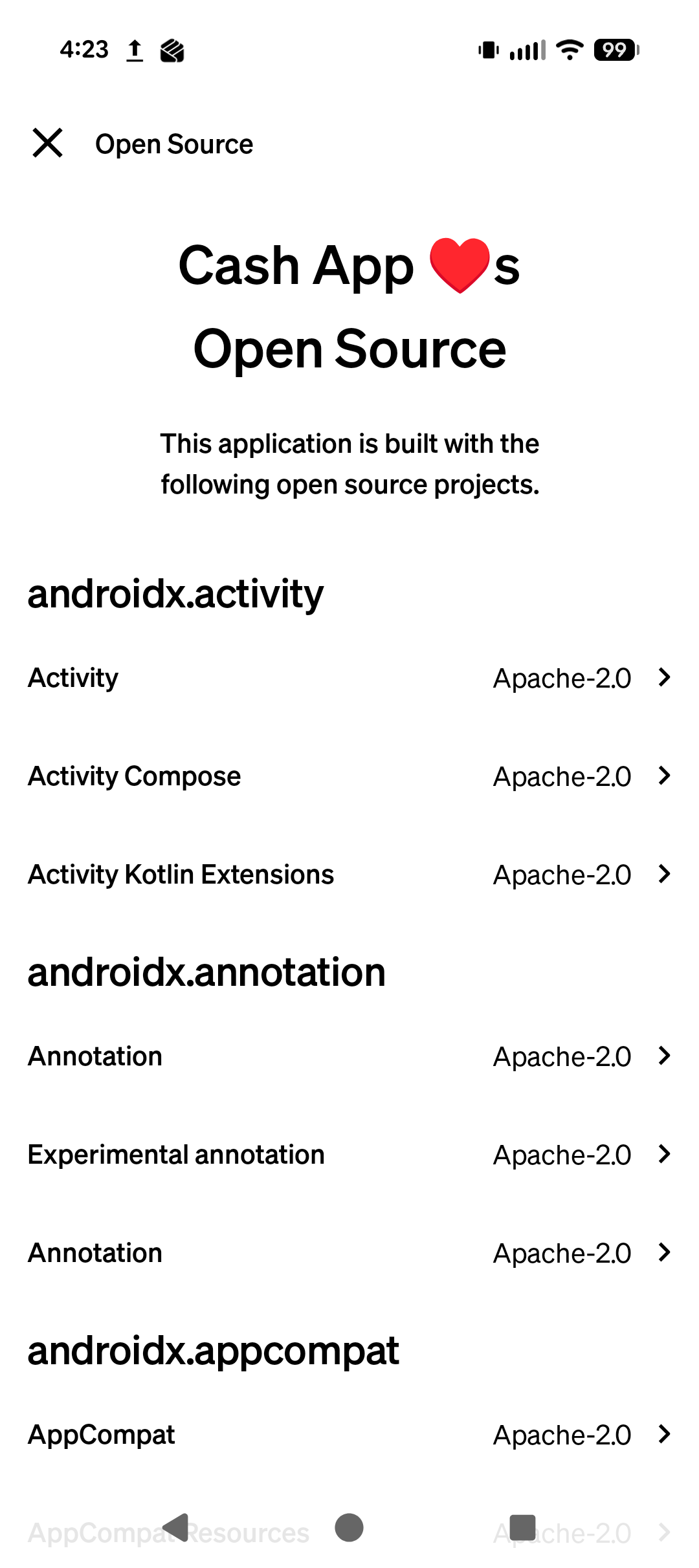 (Figure 2 - Cash App's Open Source page under the "About" section is an excellent example of how to do attributions.)
Believe it or not, engineering teams at major Silicon Valley firms aren't the issue here. The problem arises with your VC-backed startups adhering to the "move fast and break things" philosophy (see the screenshot below), in addition to multinationals. Engineering requires an ethical framework. The fields of software engineering, research, and development are no different. Under these data-driven profit optimization schemes, however, volunteer labor has the same price as unpaid labor, leading to the creation of a problematic pipeline. Profit scenarios and Q2 forecasts go in, and a serendipitous scenario (for the corporation) emerges—this is the conflation of volunteer work with unpaid labor. Black Americans aren't too fond of a lack of attribution for their work—not to mention unpaid labor.
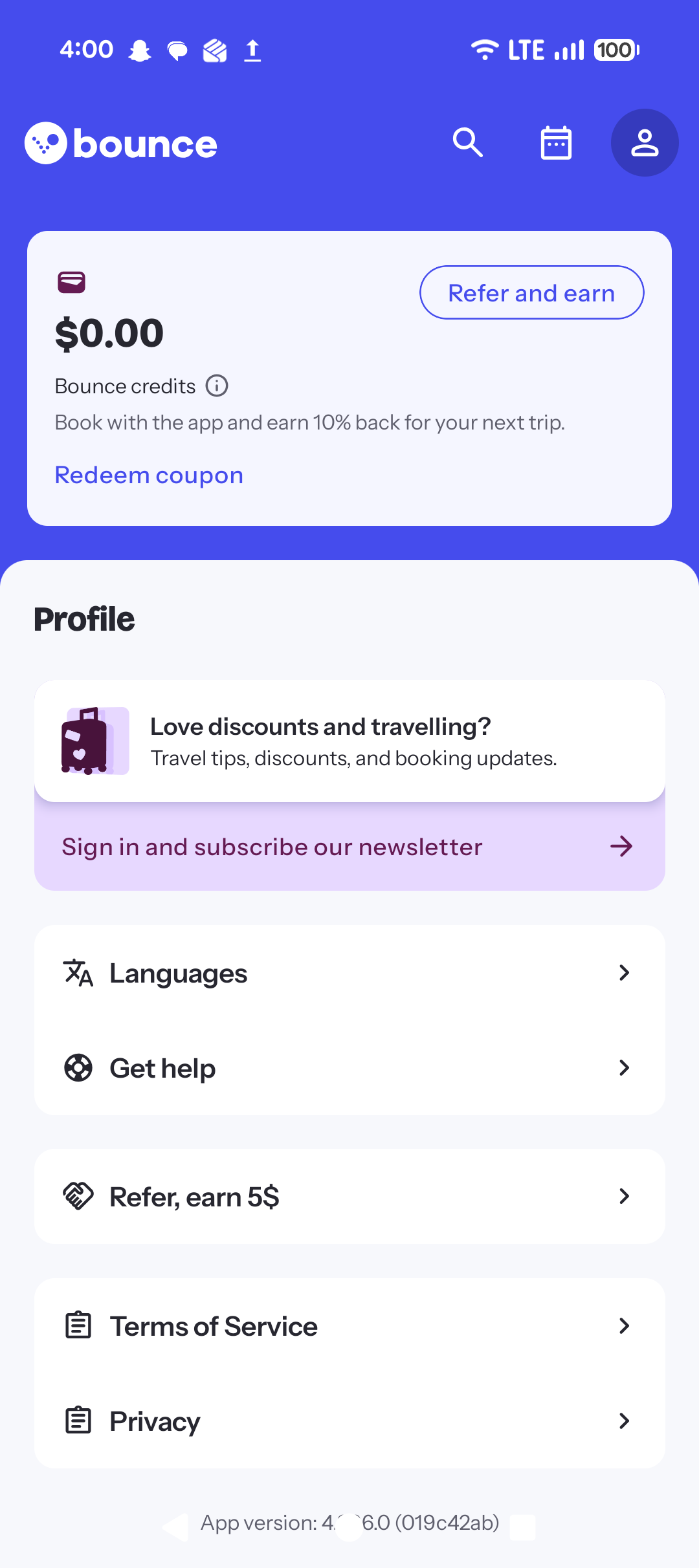 (Figure 3 - Bounce's Mobile App makes no mention of open source software.)
Hip-hop artists (big and small) acknowledge their influences and credit samples used in their work. Why? Well, because they're a part of a community—the hip hop community. Startups and Fortune 500 companies alike engaging with the open source community through their use of open source software must (at a bare minimum) acknowledge the foundation upon which they build. After all, many open source projects also started in academia, often publicly funded, also another community. It's also worth noting that copyleft provides de facto legal permission to use an open source software component as long as there is attribution. It is a harrowing ordeal to witness companies ignore the ethical and legal ramifications that stem from a simple lack of attribution.