

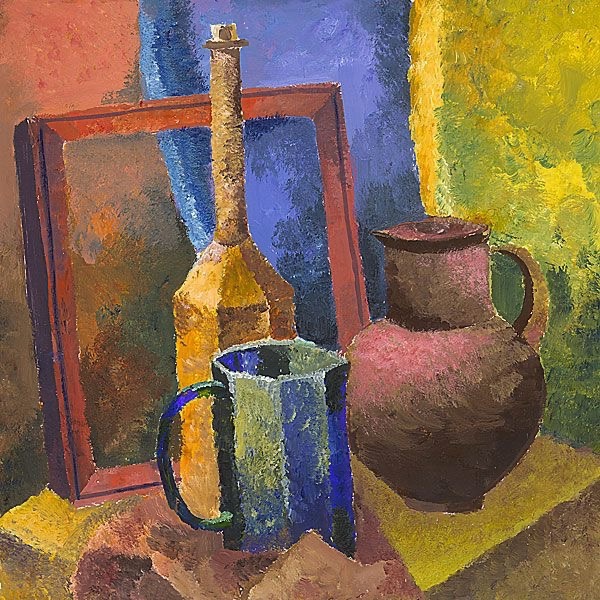
Let’s talk about something simple — and powerful: the decorative still life.
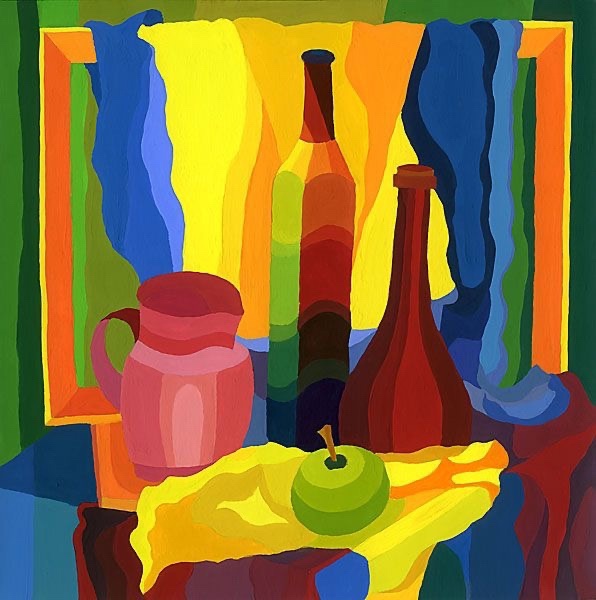
Unlike realistic still life, where the goal is to copy what you see as closely as possible, the decorative approach simplifies and stylizes. You break down real objects into clear, structured shapes — often geometric, faceted, and even flat. Think of it as training your eyes to see the essence, not the details.
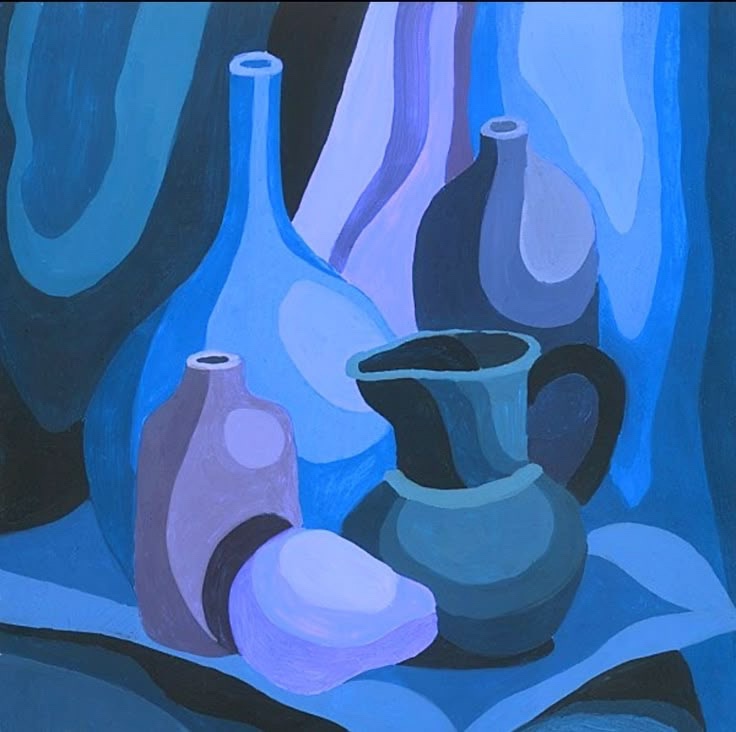
Why is this important? Because seeing objects as volumes and planes is a core skill in drawing. When you learn to mentally break a mug or an apple into planes — top, side, shadowed edge — you start to understand form. You stop seeing "a cup" and start seeing how light touches a cylinder.
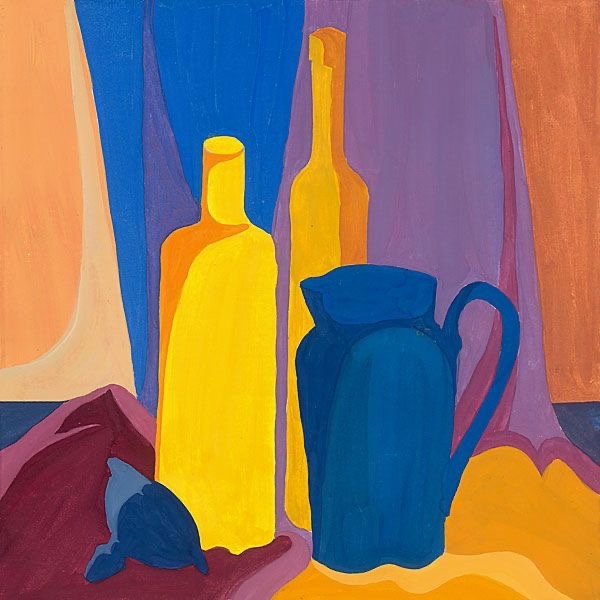
This approach helps you:
Understand light and shadow logically
Control your composition more intentionally
Transition from copying to creating
Develop a graphic, stylized visual language (great for illustration and design)
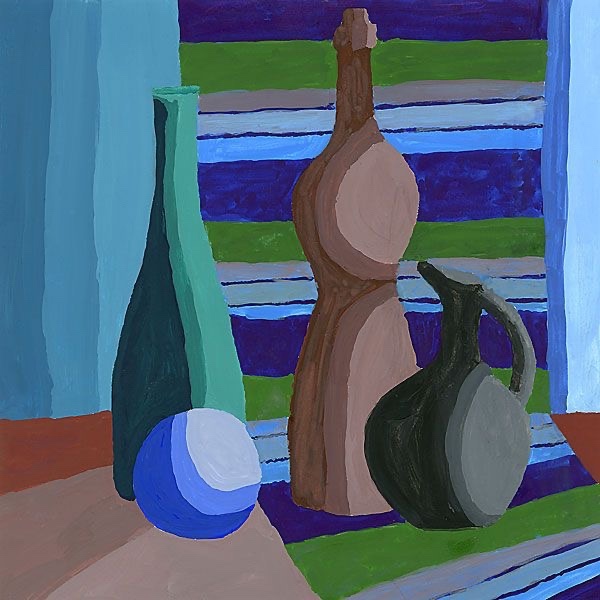
Exercise:
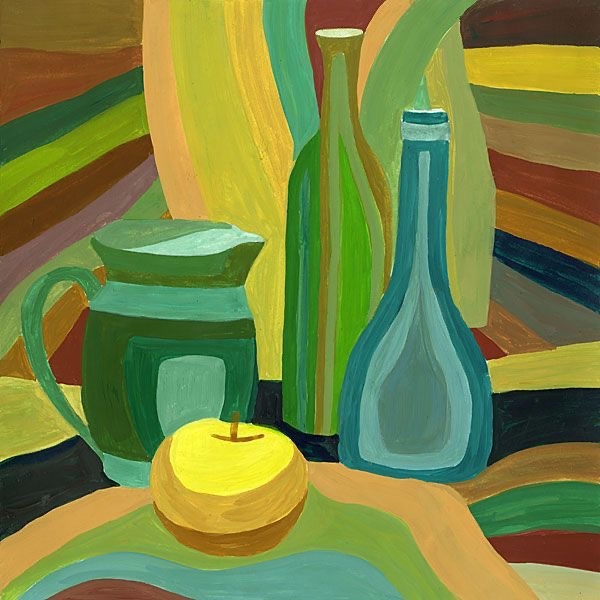
Try to recreate one of the decorative still lifes I’ll be posting here.
Choose one you like — and copy it not line by line, but by breaking it into planes and tonal blocks. Focus on structure, light, and stylization.
Use pencil or whatever medium you like — and don’t worry about being perfect.
🫶🏻 Share your version with me! I'd love to see how you interpret it.
Mary 🫗