

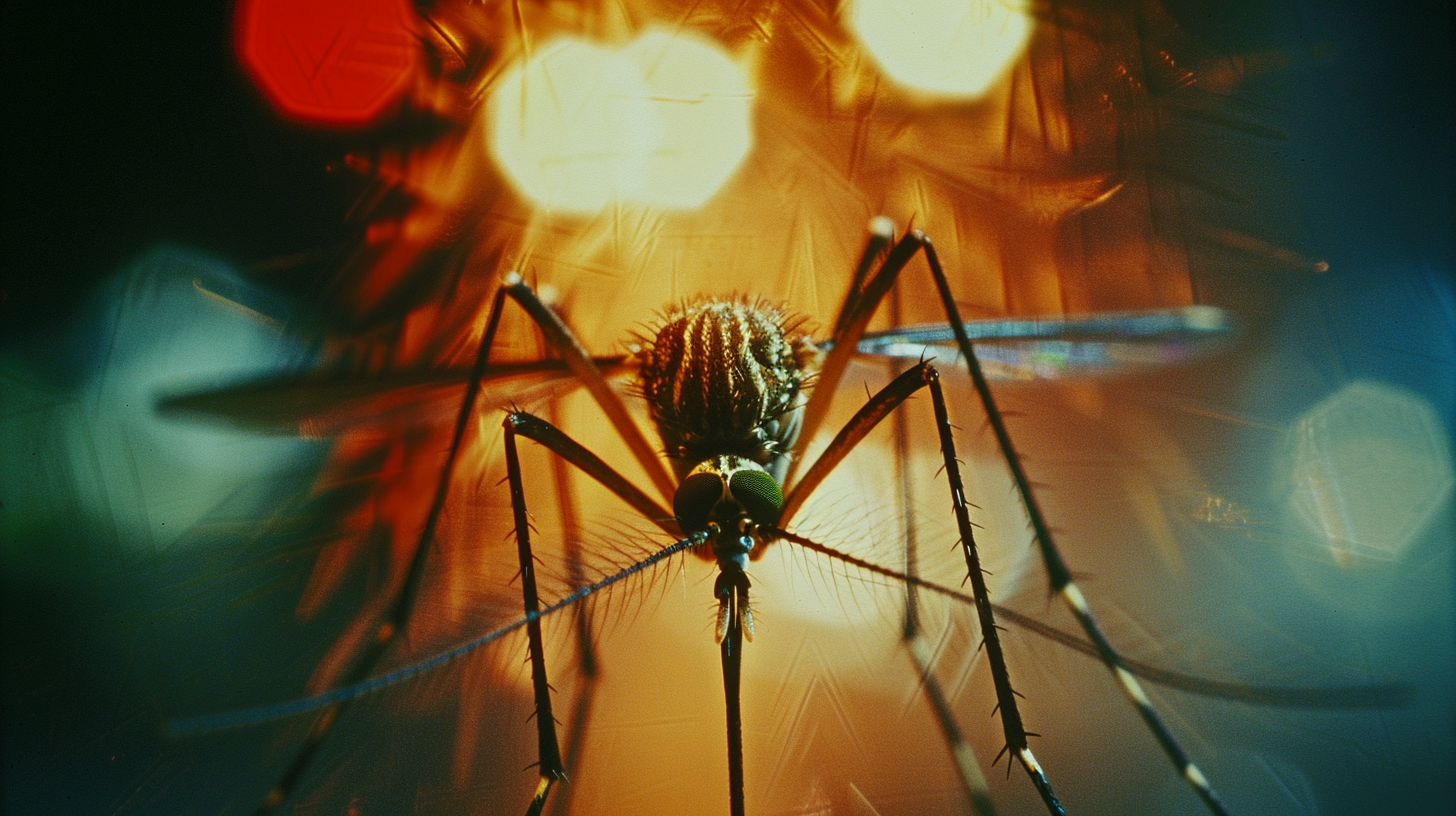
As the sun sets on another sweltering summer day, my mind can't help but drift back to a season marked not just by the warmth of the sun but by a lurking danger often overlooked: the West Nile virus. For many, the mention of this virus brings to mind nothing more than a distant concern, but for someone who has watched its impact up close, it's a significant threat that deserves more attention.
In educating others about this virus, I've encountered all sorts of bloodsuckers, and I'm not just talking about mosquitoes. You might chuckle, but they're not nearly as pesky as those notorious Florida divorce lawyers. Anyway, I remember the first time I heard about West Nile virus. It was in the late '90s, and news had just begun to spread about a new mosquito-borne illness that had made its way to the United States. At first, like many others, I didn't give it much thought. After all, mosquito bites were a common annoyance, not a cause for alarm. But all that changed in the summer of 2002, when the virus hit our community hard.
The Spread Across America
Since its introduction to the U.S. in 1999, West Nile virus has not only taken root but has spread with alarming speed across the entire country, barring only Alaska, Hawaii, and Maine. Initially concentrated in the eastern and central regions, it's now increasingly detected even in the western parts of the country. The spread has been so rapid and extensive that no state is truly free from the threat it poses during the mosquito season, which typically runs from June to October, influenced by regional weather patterns.
For the most accurate and up-to-date information, resources like the CDC's West Nile Virus Data and Maps provide invaluable insights into the prevalence and spread of the virus across different states.
My Personal Encounter
It was a typical summer evening when I first noticed the symptoms in a close friend. What started as a simple headache and fever quickly escalated into something far more severe. Watching someone go through the pain and uncertainty of severe symptoms associated with West Nile virus was a wakeup call for me and my community. The experience was eye-opening, underscoring the importance of taking preventive measures seriously.
Understanding the Threat
Most people infected with West Nile virus won't even know it. They'll experience no symptoms or only mild ones, like fever, headache, body aches, joint pains, vomiting, diarrhea, or rash. However, about 1 in 150 infected people will develop a severe illness affecting the central nervous system, such as encephalitis (inflammation of the brain) or meningitis (inflammation of the membranes surrounding the brain and spinal cord).
Prevention: More Than Just Bug Spray
Preventing West Nile virus starts with understanding how it spreads. Mosquitoes, the primary vectors, become infected when they feed on infected birds. Infected mosquitoes can then spread the virus to humans and other animals through their bites, making mosquito control and personal protective measures crucial.
Here are some effective strategies to reduce your risk:
Eliminate standing water: Mosquitoes breed in standing water, so regularly check and empty out water from pots, buckets, gutters, and anything else that can hold water in your yard.
Use insect repellent: Repellents containing DEET, picaridin, IR3535, or oil of lemon eucalyptus are effective against mosquitoes.
Wear protective clothing: Long sleeves and pants can help prevent bites, especially during peak mosquito activity at dusk and dawn.
Secure your environment: Use screens on windows and doors to keep mosquitoes out of your home.
While these measures may seem simple, their effectiveness cannot be overstated. Embracing these practices not only protects you and your loved ones from West Nile virus but also contributes to the broader effort to control mosquito populations and reduce the spread of this disease. By taking proactive steps today, we can ensure a safer tomorrow for everyone in our communities. Stay vigilant and remember, prevention is our most powerful tool against the threats posed by these tiny but formidable foes.
Final Thoughts
West Nile virus may not be at the forefront of public consciousness like other health threats, but it is a potent reminder of our vulnerability to the forces of nature, even in our modern, everyday lives. My personal experience and the ongoing risk it poses to our communities compel me to advocate for greater awareness and preventive measures. After all, prevention is not just about avoiding bites. It's about safeguarding our community's health and well-being against invisible threats that loom in the background of our lives.