

The global shipping industry is navigating rough seas, with Singapore at the epicenter of a major crisis. Shipping delays have more than doubled, causing ripple effects across supply chains worldwide. Let's dive into what's happening and why it matters to you.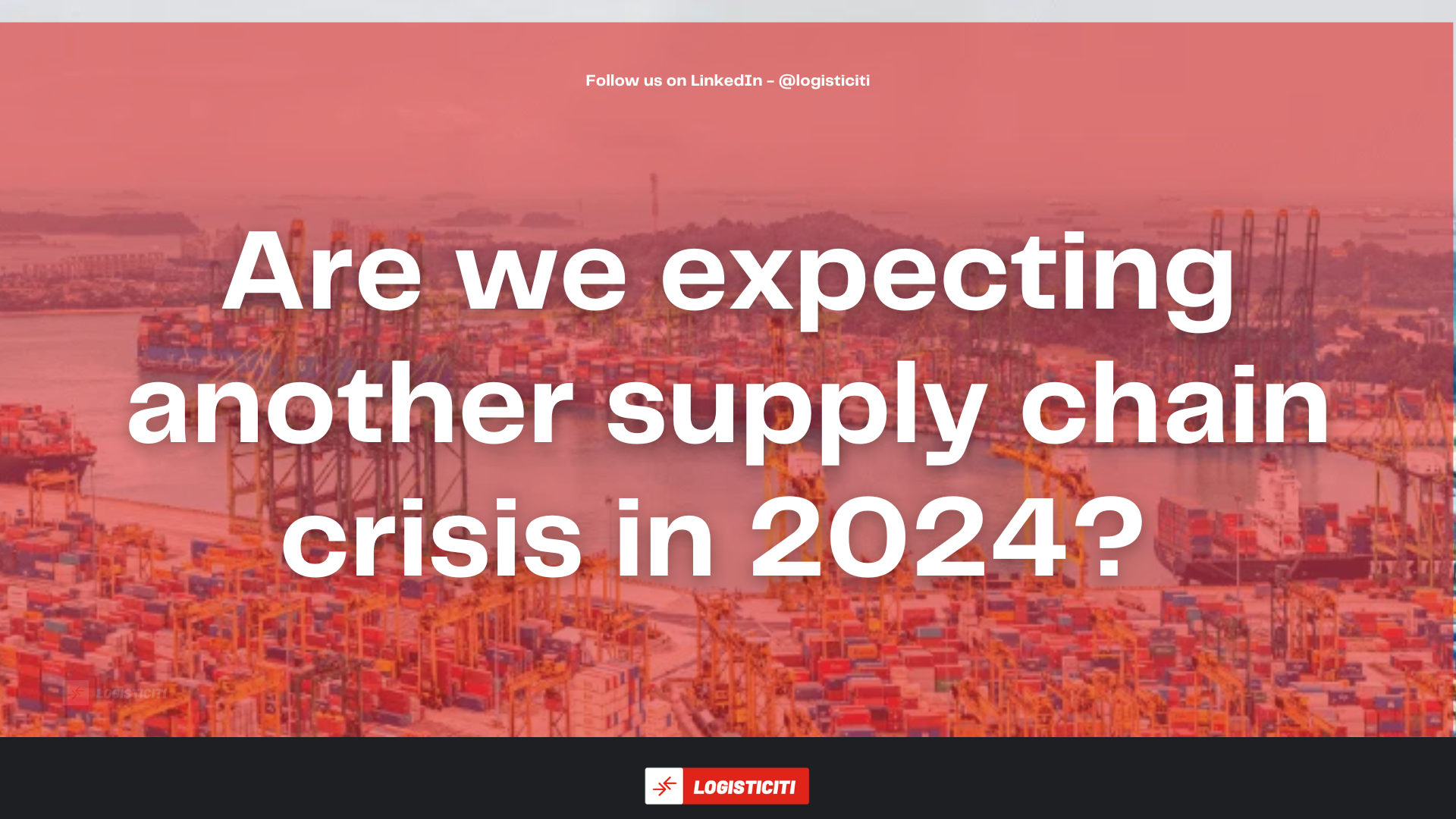
Current Scenario: Shipping Delays and Costs Skyrocket
🚢 Singapore's Port Congestion: Once a model of efficiency, Singapore's ports are now struggling with delays up to seven days. Ships that once waited a day or two are now stuck for a week. This bottleneck is driven by a shortage of ships, containers, and the sheer volume of cargo.
📈 Skyrocketing Container Prices: Container prices in China have surged by 88% over the past two months. Exporters, eager to beat new trade restrictions, are adding to the congestion. The result? A mad scramble for containers and space on ships.
Fun Fact: Imagine trying to fit an elephant into a Mini Cooper—that's what it feels like for shippers right now trying to find container space!
Implications for Global Supply Chains
🌍 Global Impact: The bottlenecks aren't just Singapore's problem. Ports across ASEAN are feeling the squeeze. Ships diverted around southern Africa are compounding delays, especially in major Chinese ports like Ningbo, Dalian, and Guangzhou. Even inland hubs like Wuhan and Chongqing are seeing container shortages.
Curious Insight: Ever wondered why your new gadget is taking so long to arrive? Blame it on a container that's stuck halfway around the world!
📦 Higher Shipping Costs: Freight forwarders are facing three-fold increases in shipping costs, particularly for bulky items like cars. This spike could mean higher prices at the checkout for consumers.
Sector-Specific Impacts
🏭 Manufacturing Woes: Sectors like consumer electronics and electric vehicles are hit hardest. Delays in getting parts can halt production lines, turning a smooth-running factory into a chaotic puzzle.
🛋️ E-commerce Delays: Larger items like furniture are taking longer to ship, and smaller items are increasingly sent via expensive air freight, cutting into profit margins.
Economic Ramifications
💰 Inflation Worries: The shipping crisis is expected to push prices higher in Singapore. From food to transport, consumers might feel the pinch in their wallets as businesses pass on the higher shipping costs.
🌟 Singapore's Economic Vulnerability: The supply chain mess highlights how delicate Singapore’s manufacturing sector can be. Heavy goods production might struggle to stay competitive with ongoing delays and increased costs.
Possible Solutions and Strategies
🔄 Alternative Routes and Modes: Shippers are exploring alternative routes and modes of transport. Smaller parcels might take to the skies while larger shipments look for less congested ports.
🤝 Collaboration is Key: Greater teamwork between shippers, carriers, and ports can help navigate these choppy waters. Flexibility and adaptability are the new watchwords.
📊 Investing in Capacity: More investment in shipping capacity and container availability is crucial. Liner operators are rushing to secure new containers and charter additional ships to keep up with demand.
Impact of Biden's Big China Tariffs
The bottlenecks at Singapore are due to various factors, from the diversions caused by unrest in the Red Sea to Chinese exporters scrambling to ship goods ahead of trade curbs. Earlier this month, the United States announced that it will raise tariffs on US$18 billion worth of imports from China, targeting strategic sectors such as electric vehicles (EVs), batteries, steel, and critical minerals.
The tariff rate on EVs is set to quadruple to 100 percent this year, while the one for semiconductors will surge from 25 percent to 50 percent by next year, said the White House on May 14.
Curious Insight: Why the rush? Chinese exporters are now in a mad dash to beat these looming trade restrictions, leading to container prices in China spiking by 88 percent.
Typically, these ships take routes like the Strait of Malacca, where they dock in Singapore. But the growing volume of vessels has caused heavy congestion. Currently, it takes around seven days for each vessel to be berthed, instead of one to two days previously.
So far this month, Singapore’s port has already received about 1,000 ships, compared with just 639 in April.
Fun Fact: Ever tried getting a table at a popular restaurant without a reservation? That’s what Singapore’s port feels like right now for these ships!
Expert Insight: “There isn't a lot of spare capacity available to accommodate the increase in volumes,” said Mr. Tan Hua Joo, a container shipping market analyst at data platform Linerlytica. “Port users will therefore need to build in delays to their cargo movements and forecasts in the next few months.”
As vessels remain at sea for longer periods, exporting countries face a shortage of ships and container equipment.
Left with Little or No Space to Ship
For freight forwarders of large products like cars, the price to ship goods has risen three-fold. This means they have to either absorb costs or pass them down to consumers.
“We are left with little or no space to ship,” said Ms. Pelaris Cheng, managing director of Singapore-based freight forwarding firm Hermes Logistics. “That’s why we have to beg the carriers to give us some space, (without even talking about) the price.”
She told CNA that the vessels are “too full to accommodate our cargo.” “They are over tonnage because China’s cargo loading is so much that they already took out, I think, most of the space in the vessel,” Ms. Cheng added. “So we are left with very little space left. We only prioritize those that are very urgent to ship, and it is at a premium price, like three times what we usually pay.”
Comments from Industry Experts on LinkedIn
Here’s a daily schedule update for just one of the vessels in our AGA service:
“Vessel is undergoing cargo ops at JEA ETD 30-May (Port stay of approx. 89hrs). Vessel badly delayed due to NGB port closure / SHA/SHK congestion. Simulated 48hrs berth delay at CMB due to berth congestion (and heavy Monsoon winds/rain). SIN e/b will omit due to 5-7 days congestion.”
As you can deduce from the above, every port in the pro forma schedule faces significant delays. You can pretty much allow 8-10 days delay in a normal 35-day roundtrip.
“It also results in severe 'bunching' of vessels. So instead of a nice weekly frequency, we end up with '3 vessels in 8 days' 😂😂 difficult for both shippers and ourselves. The extra cost for above is significant, and our equipment management is 'out the window'—it’s impossible to get boxes to the right place at the right time. With omittance of port calls, we also lose revenue of course. So bottom line: much higher cost, and less revenue. Not the best combination for any business 😂”
By now, there should not be any forwarder or importer “unaware” of this very “across the board” situation. Do not plan, promise, or expect “just in time.” It’s more likely to snow in Dubai in June!
Call to Action
As we brace for potential supply chain disruptions in 2024, it's crucial to stay informed and proactive. Share your thoughts and strategies on mitigating these challenges in the comments below. Let's collaborate to navigate these turbulent times effectively.
Support Our Efforts
Your engagement helps us continue providing valuable insights into the logistics industry. Consider supporting our work by buying us a coffee—a small contribution that makes a big difference.
Click here to support us : https://buymeacoffee.com/logisticiti
For more detailed analysis and updates, check out the comprehensive report by Channel News Asia (CNA), which delves into the complexities of the current shipping delays and their broader implications.
CNA News Link for your ref: https://www.channelnewsasia.com/singapore/shipping-delays-freight-rates-containers-ports-asia-singapore-congestion-e-commerce-4371021