

How Hidden Subsidies Distort What We Buy
When a Shirt Costs Less Than a Sandwich
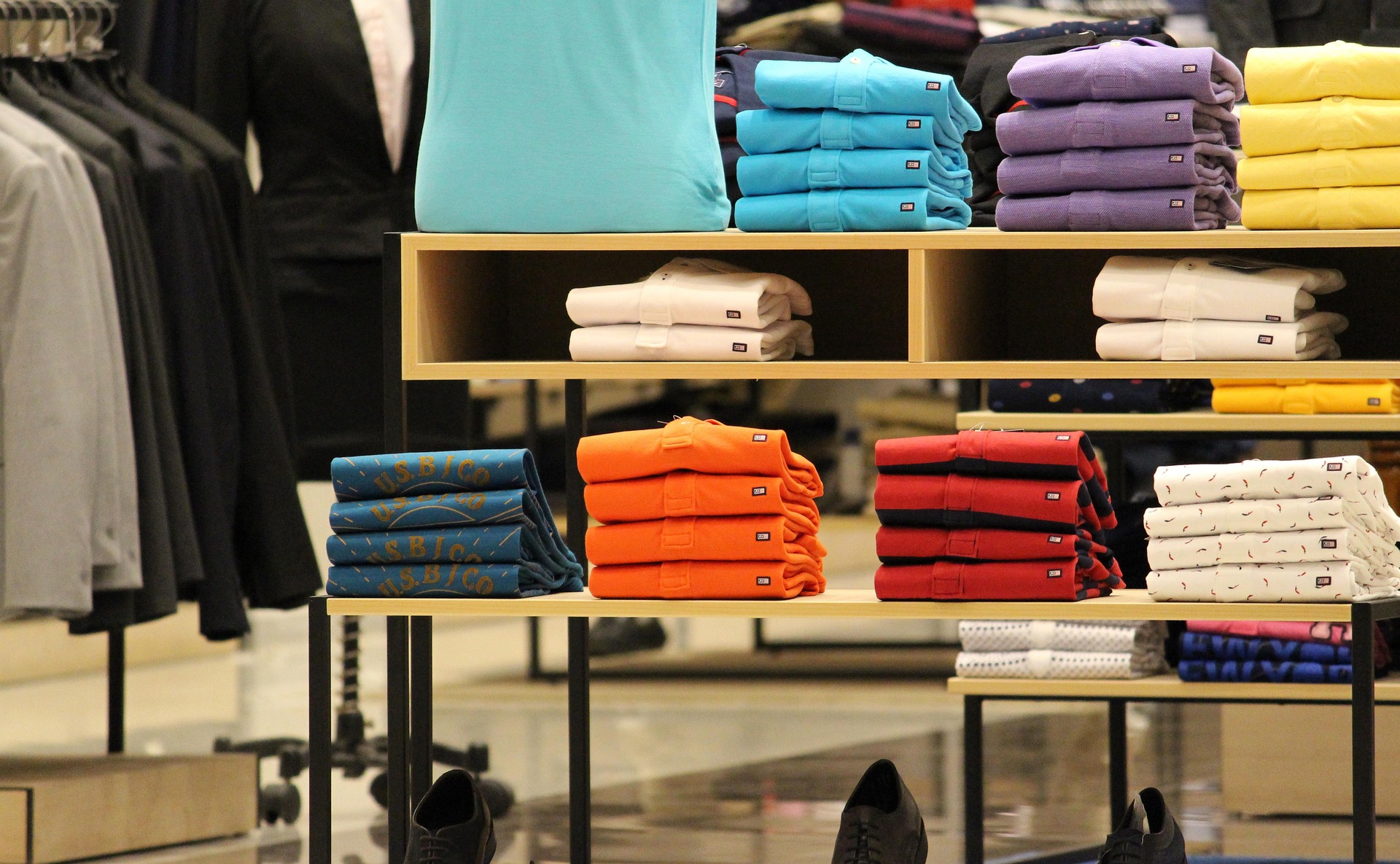
I once picked up a T-shirt for less than the price of a sandwich. Six dollars. A bargain, right?
Except cotton was grown with subsidized water. The polyester blend was made from heavily subsidized fossil fuels. Coal-fired electricity powered the factory. A container ship carried it halfway across the world. That $6 shirt didn’t cost less. It simply shifted its real costs out of sight.
This is the illusion of cheapness. The price tag looks like a gift, but the bill comes due elsewhere.
Subsidies That Shape Our Choices
Globally, trillions of dollars flow into subsidies that keep certain industries looking “cheap.”
Fossil fuels receive direct subsidies and tax breaks.
Industrial agriculture benefits from fertilizer and water programs.
Global shipping is effectively subsidized by weak regulation.
These subsidies don’t make things free. They simply move the costs into other ledgers: taxpayer dollars, health systems, and environmental cleanup.
That $6 shirt is cheap because governments, and ultimately citizens, pick up part of the tab.
Plastics in Our Closets
Most fast fashion is not just cotton. It is polyester, nylon, acrylic — plastic fabrics spun from petroleum. Every time we wash them, microfibres shed into our water systems. Tiny threads of plastic now flow through rivers, lakes, oceans, and even human bloodstreams.
Our closets have quietly become part of the plastic pollution crisis. The subsidies that make fossil fuels cheap show up again in the leggings, blouses, and socks in our drawers.
Mountains of Waste
And here is the part most people never see. When fast fashion doesn’t sell out, it does not get recycled into next season’s line. Much of it goes straight to landfills or incinerators, often still in its original packaging. Brand-new clothes, never worn, treated as disposable.
Then there is what happens after purchase. Bargain clothes wear out quickly. Seams fray, fabrics thin, styles shift. Most are never recycled. Instead, they are dumped in landfills or shipped abroad under the label of “donations.”
Every year, the world discards 92 million tonnes of textile waste. Mountains of unsold or used clothing now choke landfills in Ghana, Chile, and beyond. Local communities are left with polluted soil and water, while wealthier countries quietly export the consequences of overproduction.
The bargain T-shirt doesn’t simply disappear once you stop wearing it. Even when it is never worn at all, it joins a growing mountain of waste. Its “cheapness” is now an environmental liability.
Who Really Pays?
We all do.
If you think the trade-off is worth it — that cheap clothes are simply subsidized by “others” — the reality is those costs already show up on your own bills. The money just comes from another side of your wallet:
Home insurance premiums rising with every climate-driven flood or wildfire.
Taxes on your paycheck that cover government deficits swollen by subsidies and disaster relief.
Healthcare costs linked to diet, air quality, and plastics moving through food chains.
Municipal fees and taxes that fund landfill expansion and waste management.
The climate bill itself, measured in higher costs for food, transport, and utilities.
Cheap is never cheap. It means you are paying in ways that are less visible, and often more painful, than the sticker price on a $6 shirt.
Rethinking Value
It is time to stop asking only “How much does it cost?” and start asking “Who pays the rest of the bill?”
True cost accounting is not just an academic idea. It is how we explain why ultra-processed food, fast fashion, and cheap fuel appear affordable while fresh produce, durable goods, and sustainable energy feel like luxuries.
When something feels “too cheap,” it usually means the costs have been shifted out of sight.
What We Can Do
Buy less, choose better. Every purchase is a signal. Fewer, longer-lasting clothes reduce demand for disposable fashion.
Support transparency. Push governments to redirect subsidies toward sustainable agriculture, renewable energy, and recycling infrastructure.
Rethink donations. Clothing donations often end up as waste abroad. Repair, repurpose, or recycle locally instead.
Talk about it. When we treat “cheap” as normal, we normalize hidden costs. Shining light on them is the first step toward change.
Back to the Kitchen Table
That $6 T-shirt looked like a bargain. But when you add in the plastic microfibres in the wash, the coal-powered factory, the container ship, the subsidies, and the landfill, it turns out to be one of the most expensive items in the closet.
The real cost of cheap is not on the price tag. It is in the water, the air, the soil, and the bills we will all face tomorrow.
💡 If this story made you think differently about “cheap” items in your life, you can help fuel more writing like this with a coffee ☕. Independent writing takes time and care, and your support keeps Between the Lines brewing fresh analysis.
👉 Buy Me a Coffee
💡 “This story also lives on Medium as part of an experiment I’m trying there. If you’d like to clap or follow me in that space, here’s the link:
https://medium.com/@leni_las/real-cost-of-cheap-8df641636a40 .