

(A Moment for Mothers: As we approach Mother's Day, let's acknowledge the immense strength and dedication of mothers everywhere. This blog post addresses a challenging topic, and it's a reminder that self-care and support are vital for everyone, especially those who nurture and care for others. May this day be a reminder to prioritize your well-being and the well-being of the mothers in your life. Happy Mother's Day! Take today and everyday and do something kind for yourself and others.)
We, as paralegals, are the backbone of many legal teams. We dive deep into case files, meticulously organize evidence, conduct research, and draft documents. We are often the first point of contact for clients, offering a listening ear and a steady hand. But what happens when the cases we work on expose us to the darkest corners of human experience? What happens when we carry the weight of other people's trauma? 
The legal profession is often associated with high stress, long hours, and demanding clients. However, a lesser-discussed but equally significant challenge is vicarious trauma, also known as secondary traumatic stress. This occurs when we are exposed to the traumatic experiences of others, leading to symptoms similar to those experienced by the directly traumatized individual. For paralegals, who often spend countless hours immersed in graphic details, the risk of vicarious trauma is particularly high. 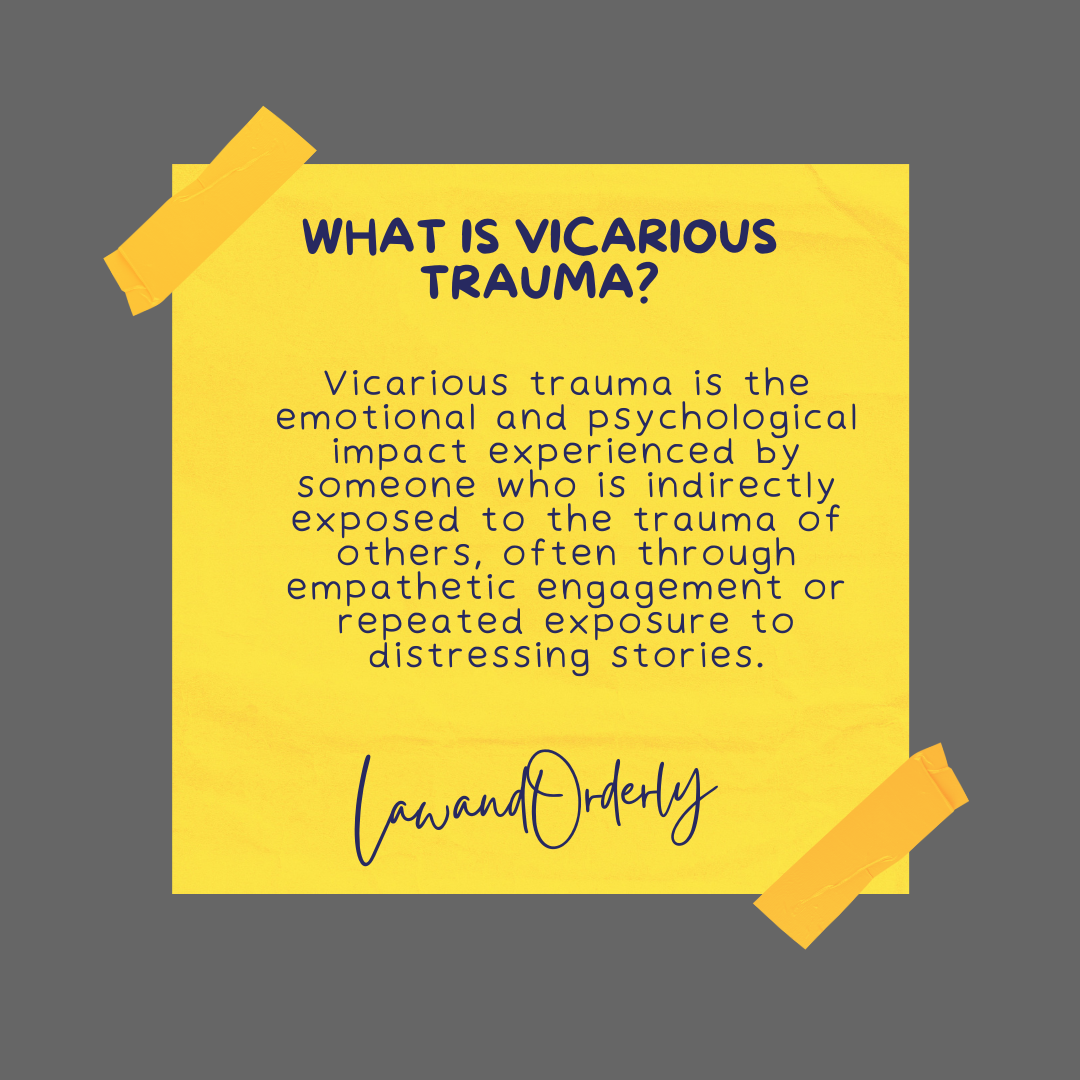
But it's not all darkness. For me as paralegal: "When I learn about true crime cases, I don’t just see the violence — I see the people affected. It pushes me to be more empathetic and aware of how crime changes lives." This empathy, while a strength, also makes us vulnerable.
The Nature of the Beast: What Does Vicarious Trauma Look Like?
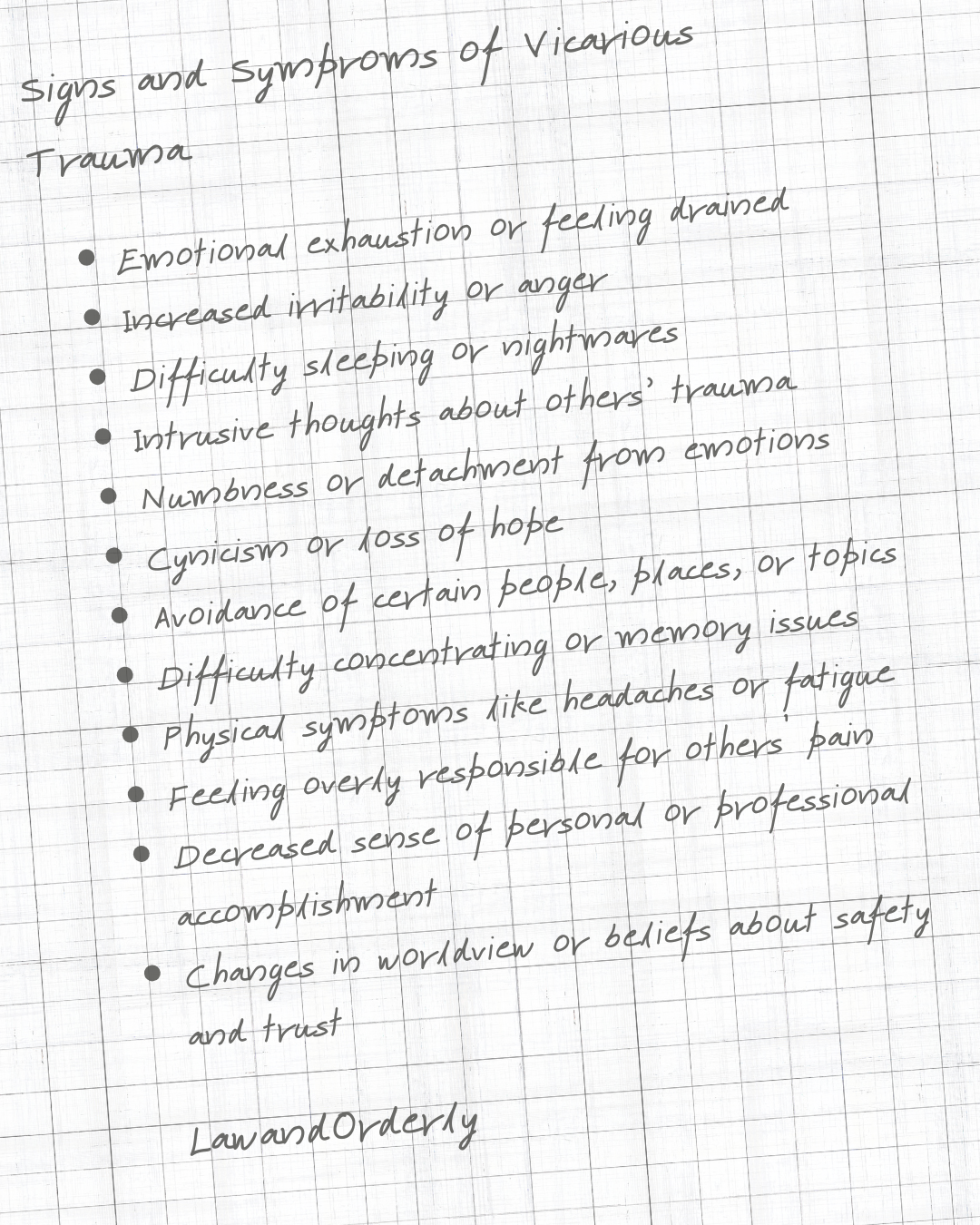
Vicarious trauma isn't just feeling "sad" about a case. It's a profound shift in our worldview, our sense of safety, and our emotional well-being. It can manifest in a variety of ways, including:
Emotional Numbness: Feeling detached, emotionally flat, or unable to experience joy.
Intrusive Thoughts and Nightmares: Reliving the details of a case, even when we're not at work.
Increased Anxiety and Irritability: Feeling on edge, easily agitated, or overwhelmed by everyday tasks.
Difficulty Sleeping: Experiencing insomnia or restless sleep due to the stress of the cases.
Changes in Beliefs: Questioning our faith in humanity, feeling cynical, or losing trust in others.
Physical Symptoms: Headaches, stomach problems, and other physical ailments related to stress.
Withdrawal: Isolating ourselves from friends, family, and activities we once enjoyed.
Burnout: Feeling exhausted, depleted, and unable to cope with the demands of the job.
As another paralegal insightfully stated, "Oddly enough, hearing about traumatic stories helps me process my own emotions. It’s like facing fear through knowledge — it doesn’t make the pain go away, but it makes it easier to understand." However, this coping mechanism can also lead to vicarious trauma if not managed carefully.
The Cases That Haunt Us: A Glimpse into the Paralegal's Reality
As paralegals, we often work on cases involving:Child Abuse and Neglect: Reviewing graphic photographs and testimonies of child victims.
Domestic Violence: Reading detailed accounts of abuse and control within intimate relationships.
Sexual Assault: Examining evidence and preparing cases involving sexual violence.
Homicide: Dealing with crime scene photos, autopsy reports, and witness statements related to violent deaths.
Personal Injury: Reviewing medical records and testimonies detailing severe injuries and suffering.
These cases can take a significant toll on our emotional well-being, even if we are not directly involved in the traumatic events. "For me, following true crime isn't about fear — it's about learning. Understanding how these things happen helps me feel more prepared and aware in my own life," one paralegal noted. But this awareness comes at a cost.
Why Paralegals Are Particularly VulnerableSeveral factors contribute to the heightened risk of vicarious trauma among paralegals:
Exposure to Graphic Details: We often spend hours immersed in the most disturbing aspects of a case.
Emotional Labor: We are expected to be empathetic and supportive to clients, while also maintaining a professional distance.
Lack of Control: We often have little control over the types of cases we work on.
Limited Training: Many paralegal programs do not adequately address the issue of vicarious trauma.
Stigma: There can be a stigma associated with seeking help, leading some paralegals to suffer in silence.
High Workload: Overwork and tight deadlines can exacerbate the effects of vicarious trauma.
Despite the challenges, many find purpose in their work. "Hearing the stories of people who survive tragedy or fight for justice, like the families in these cases, makes me realize that strength can come from even the worst experiences. That inspires me," a paralegal shared. And, as another added, "What I didn’t expect was how many people connect through true crime. There’s there’s a real sense of community in sharing these stories, supporting victims, and trying to make sense of the world together."
Protecting Ourselves: Strategies for Coping with Vicarious Trauma
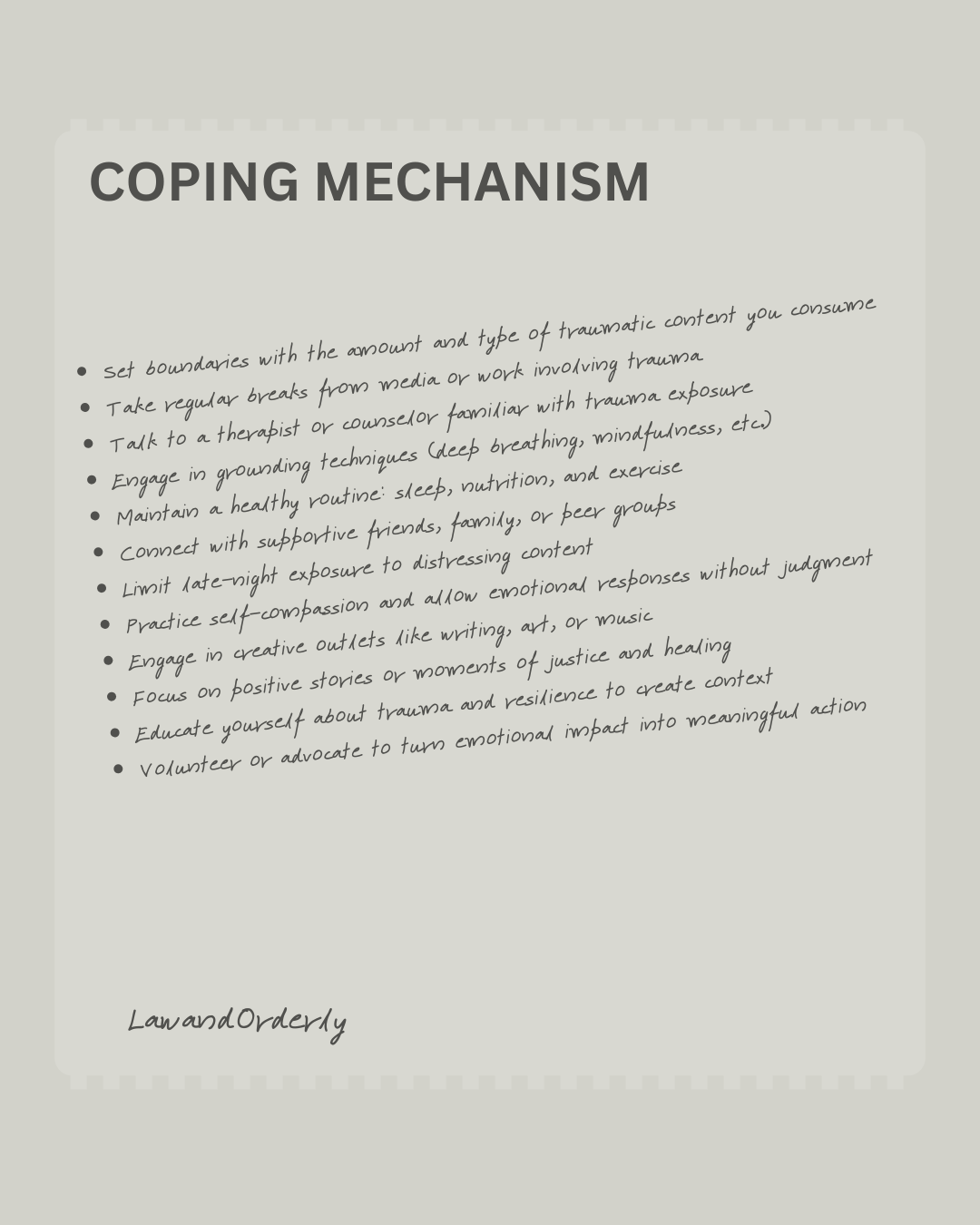
While vicarious trauma is a serious issue, it is not insurmountable. There are several strategies that paralegals can use to protect themselves:
Self-Awareness: Recognizing the signs and symptoms of vicarious trauma is the first step in addressing the problem.
Setting Boundaries: Establishing clear boundaries between work and personal life is crucial. This may involve limiting the amount of time spent on emotionally demanding cases, avoiding work-related discussions outside of the office, and creating a dedicated workspace.
Self-Care: Engaging in activities that promote well-being, such as exercise, meditation, spending time in nature, and pursuing hobbies.
Seeking Support: Talking to a therapist, counselor, or trusted friend or family member can provide valuable emotional support.
Peer Support: Connecting with other paralegals who understand the challenges of the job can be incredibly helpful.
Mindfulness: Practicing mindfulness techniques can help us stay present in the moment and avoid getting overwhelmed by our thoughts and emotions.
Professional Development: Seeking out training and resources on vicarious trauma can help us better understand and cope with the issue.
Advocating for Change: Encouraging law firms and legal organizations to address the issue of vicarious trauma and provide support to their employees.
A Call to Action: Creating a More Supportive Legal Community
Vicarious trauma is a serious issue that affects many paralegals. By raising awareness, promoting self-care, and advocating for change, we can create a more supportive and sustainable legal community for everyone. It's time to acknowledge the unseen toll of our work and prioritize our well-being, so we can continue to serve our clients and uphold the principles of justice. We deserve to be healthy, both physically and emotionally, and it's time we started prioritizing our own needs. 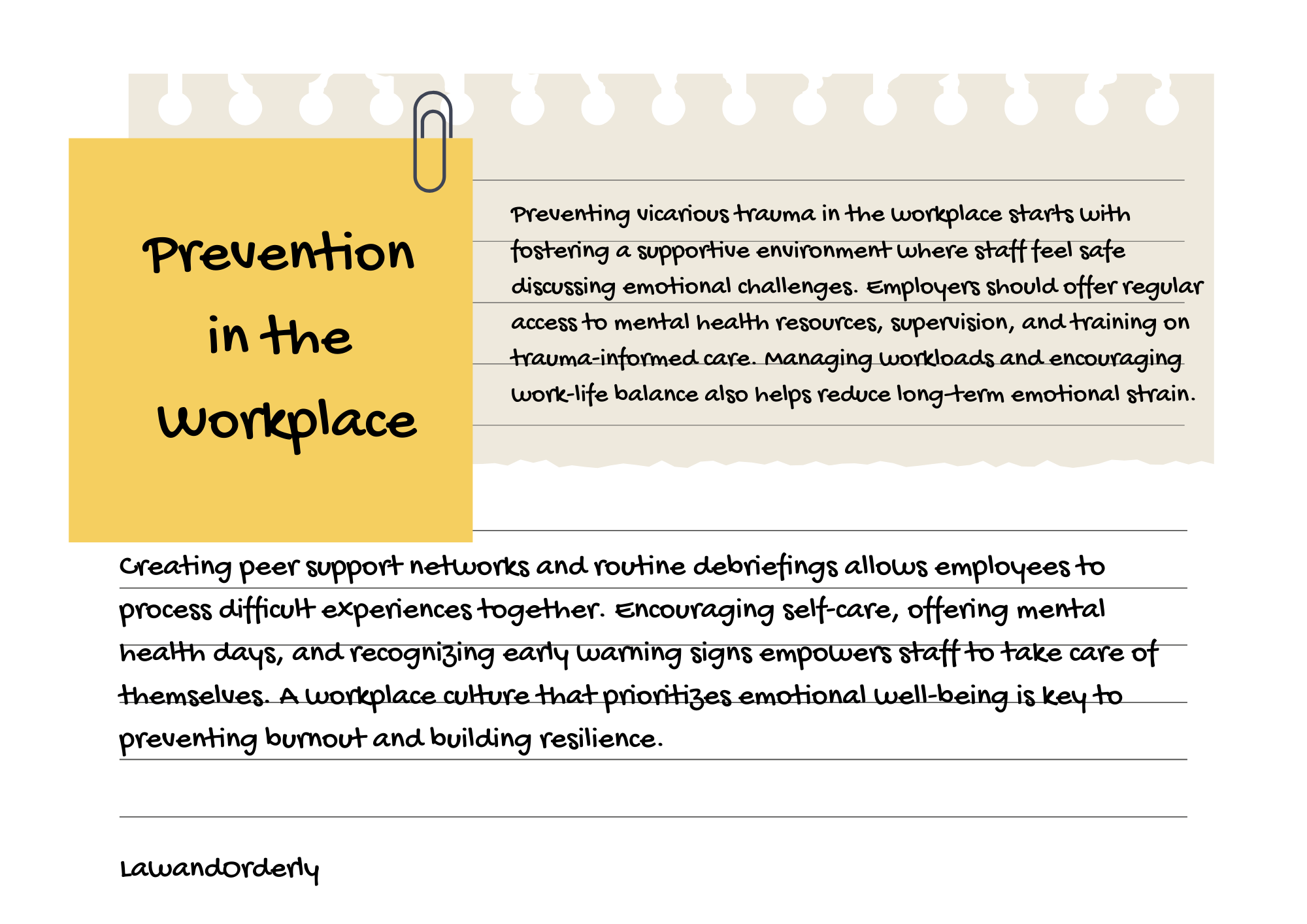
Resources for Help with Vicarious Trauma
Understanding and addressing vicarious trauma is crucial for paralegals and other legal professionals. Here are some valuable resources and sources of support that can help you navigate the challenges associated with vicarious trauma:
Educational Resources
The Vicarious Trauma Toolkit: This comprehensive toolkit provides insights into vicarious trauma, its effects, and strategies for coping. It includes resources specifically tailored for various professions, including victim services and law enforcement, which can be applicable to paralegals working with trauma cases.
[https://ovc.ojp.gov/program/vtt/what-is-vicarious-trauma]Introduction to Vicarious Trauma for Legal Professionals: This resource offers an overview of vicarious trauma specifically for those in the legal field, discussing its impact and coping strategies.
[https://www.americanbar.org/groups/domestic_violence/Initiatives/five-for-five/vicarious-trauma]The Secondary Effects of Helping Others: A bibliography that compiles scholarly publications related to compassion fatigue, secondary traumatic stress, and vicarious trauma, providing a wealth of information for further reading.
[https://ovc.ojp.gov/sites/g/files/xyckuh226/files/media/document/vtbibliographyonvtsts-508.pdf]
Support ServicesEmployee Assistance Programs (EAPs): Many law firms offer EAPs that provide confidential counseling and support services for employees dealing with stress and trauma. Check with your employer to see what resources are available.
Peer Support Groups: Connecting with colleagues who understand the unique challenges of working in the legal field can provide emotional support and practical coping strategies. Consider forming or joining a peer support group within your workplace.
Therapeutic Resources: Seeking professional help from a therapist or counselor who specializes in trauma can be beneficial. Look for mental health professionals who have experience working with legal professionals or those exposed to trauma.
Self-Care StrategiesMindfulness and Stress Management Techniques: Engaging in mindfulness practices, such as meditation or yoga, can help mitigate the effects of vicarious trauma. Resources like apps or local classes can guide you in these practices.
Work-Life Balance: Establishing clear boundaries between work and personal life is essential. Make time for activities that bring you joy and relaxation outside of work.
Professional Development: Attend workshops or training sessions focused on vicarious trauma and self-care strategies. Many legal organizations offer continuing education opportunities that address these topics.
By utilizing these resources and strategies, paralegals can better manage the effects of vicarious trauma and maintain their well-being while providing essential support to clients.
Sources:
https://pmc.ncbi.nlm.nih.gov/articles/PMC8426417/
https://psychcentral.com/health/vicarious-trauma
https://www.ovcttac.gov/vicarioustrauma/?nm=sfa&ns=vt