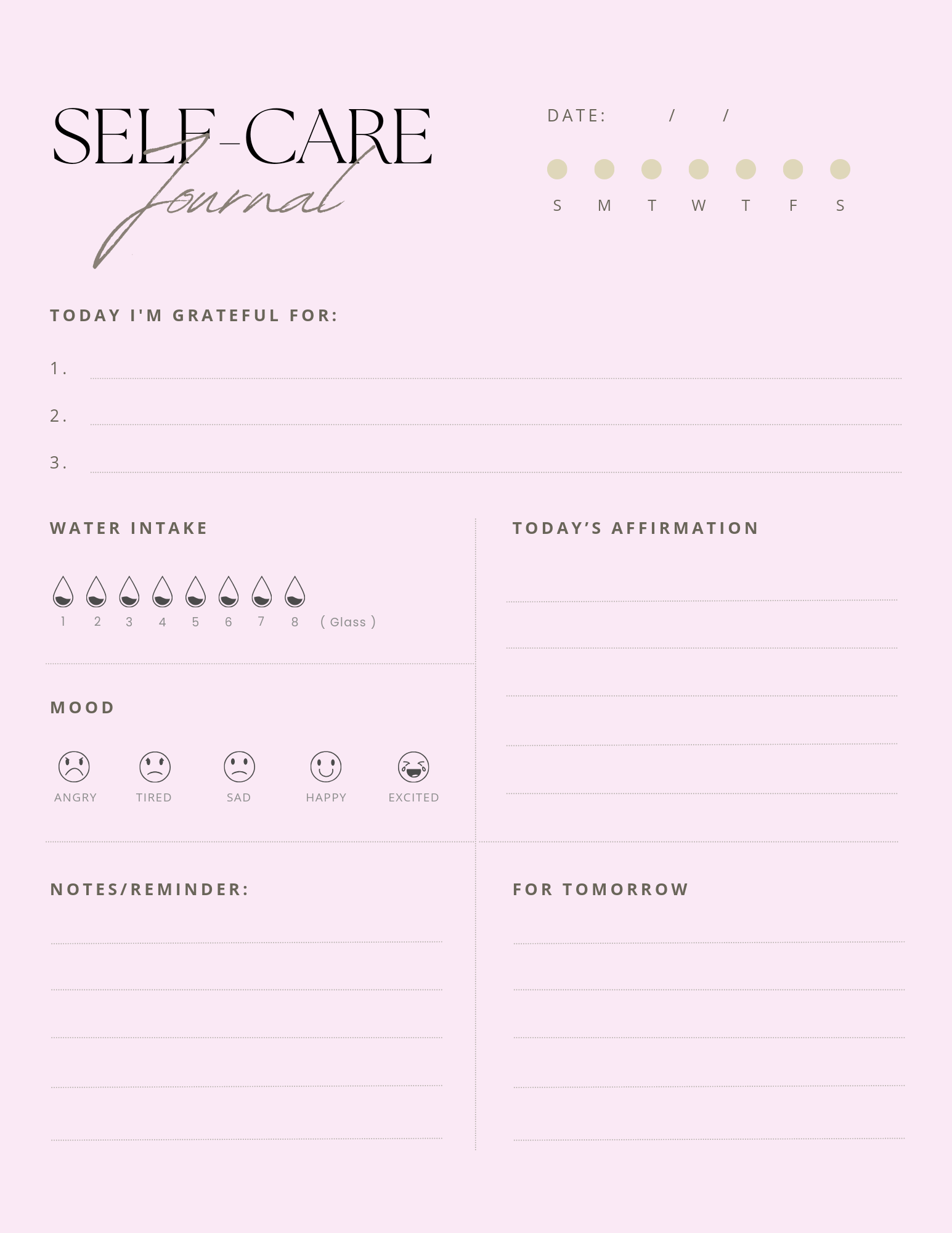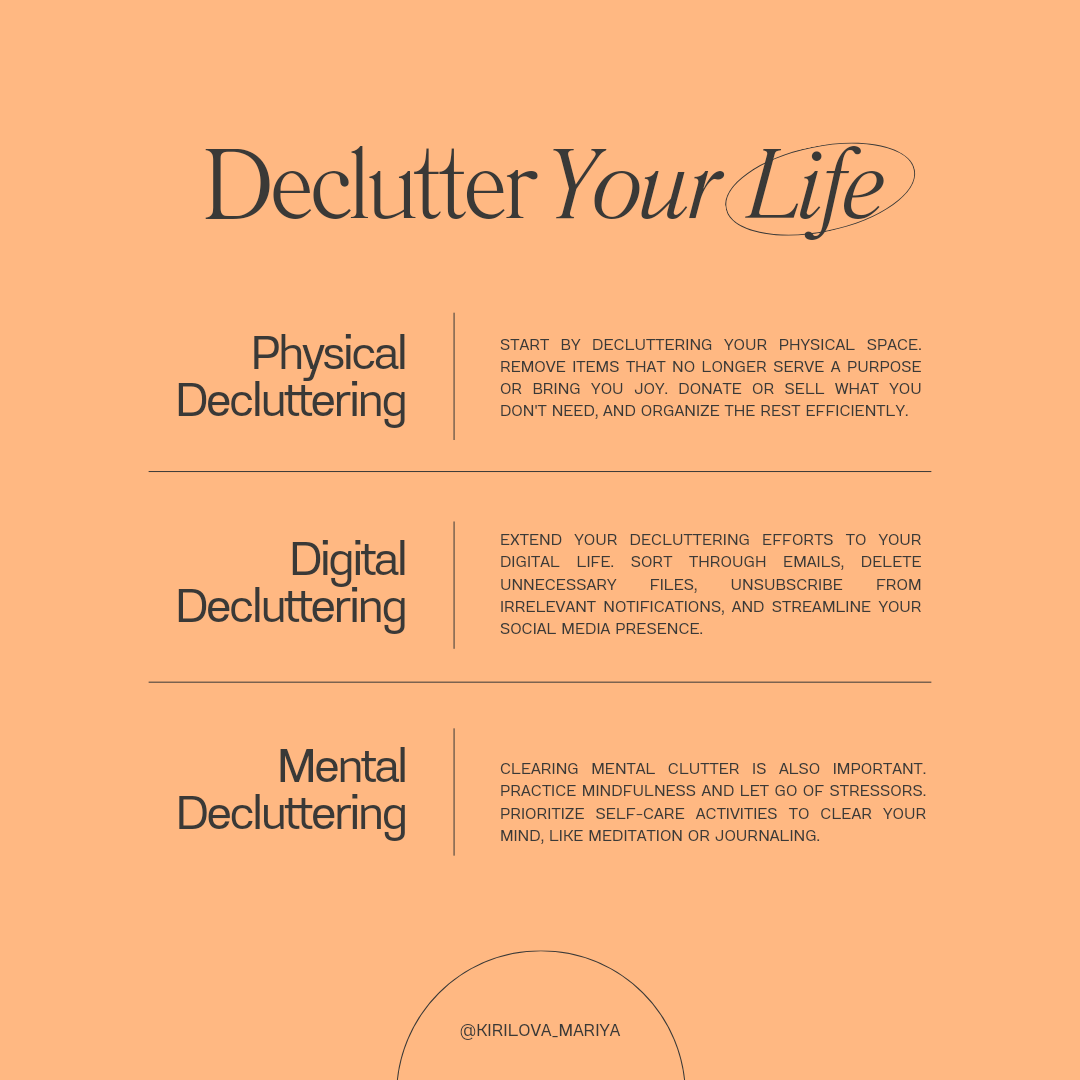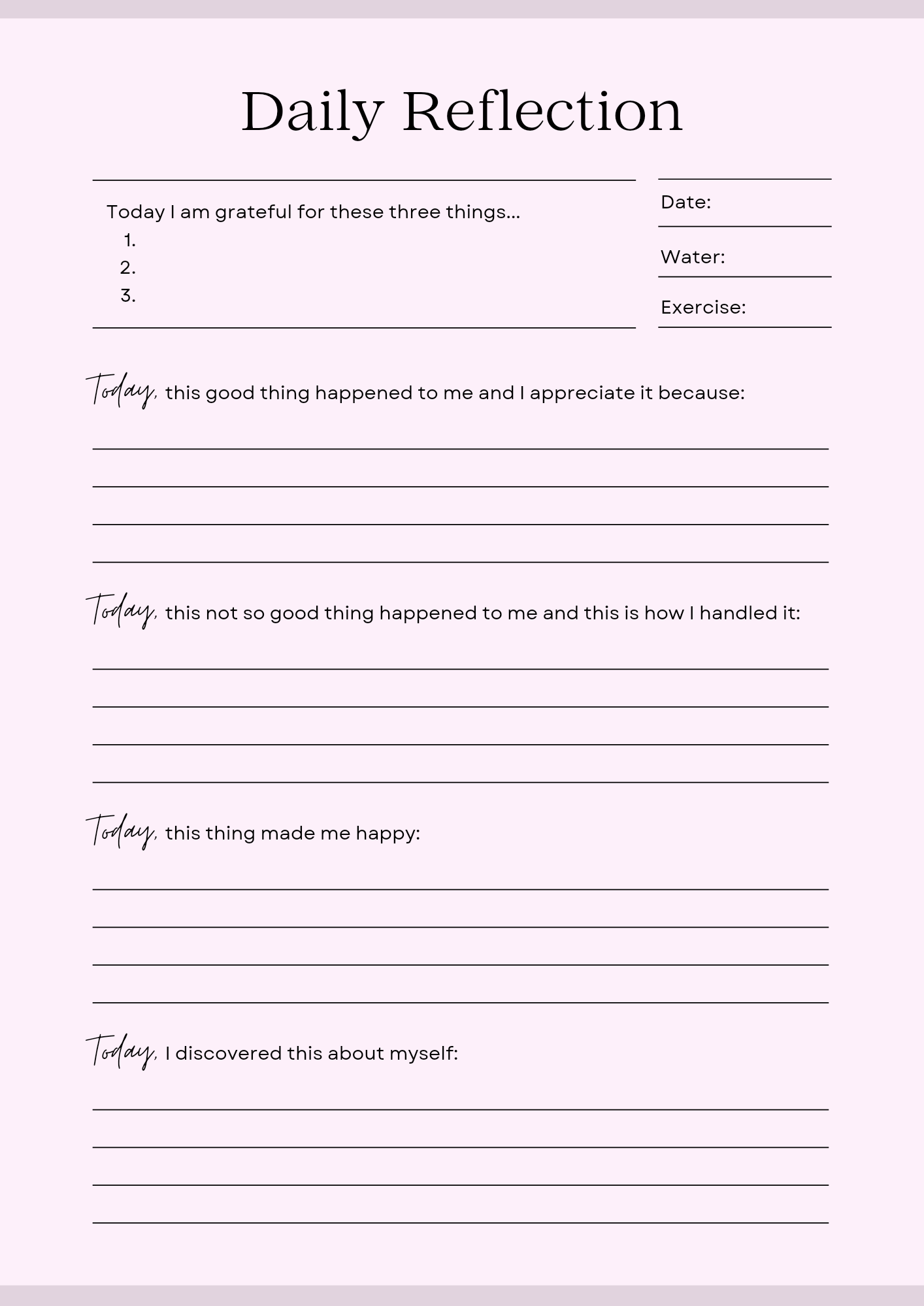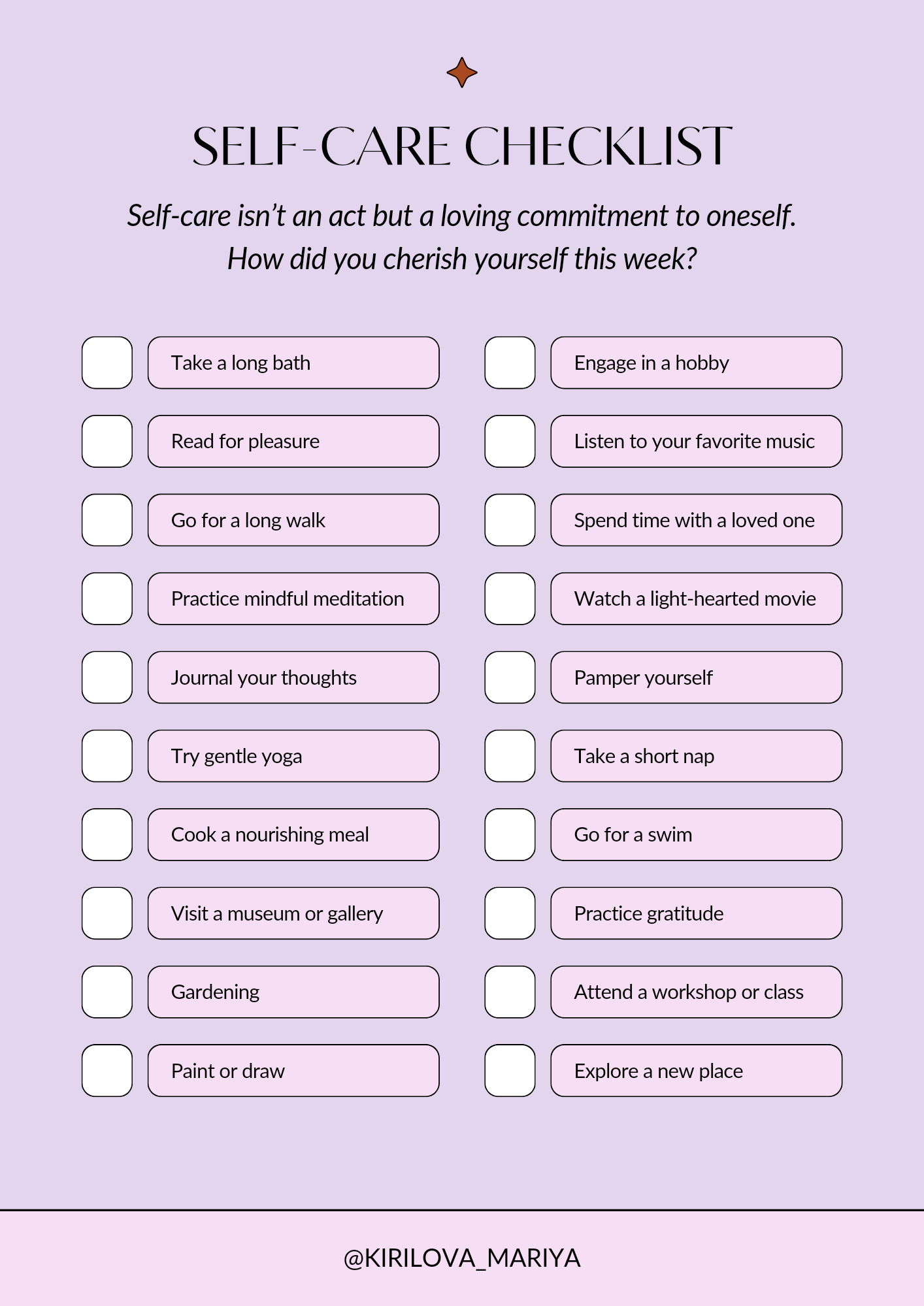
Starting a journaling practice as a beginner is a great way to improve self-awareness, reduce stress, and boost creativity. Here’s a step-by-step guide to help you get started. And as a bonus, I've included some templates to help you.
Choose Your Tools
Choosing your tools is an important first step in starting a journaling practice, and the tools you pick can affect how much you enjoy the process. First, decide whether you prefer a physical notebook or a digital journal. A notebook can feel more personal and give you a break from screens, while a digital journal is easier to organize and access on the go. Popular digital options include apps like Day One, Journey, or even simple tools like Google Docs.
If you go with a notebook, think about what kind you want. Blank pages give you space for free-form writing or doodling, while lined pages offer more structure. Bullet journals are great for those who like to combine writing with planning and organization. If you choose digital, the benefit is being able to search through your entries or add photos and other media.
Next, think about whether you enjoy writing by hand or prefer typing. Writing by hand can feel more therapeutic and may help you process your thoughts more deeply. You might want to invest in a pen that feels comfortable or use colored pens to add creativity. On the other hand, typing is faster and allows you to edit and format easily. If you type quickly, this might help you capture more of your thoughts in less time.
When choosing a journal, you can pick from pre-made options like guided journals, which come with prompts to help you get started, or goal-oriented journals, which focus on specific areas like personal growth or productivity. There are also art journals that allow space for drawing or adding photos, and some people prefer to make their own bullet journals or combine different styles.
If you’re using a digital journal, think about where your entries will be stored. Cloud-based journals let you back up your writing and access it from different devices, which is handy if you want to write on your phone while out and about. Physical journals, however, give you more privacy since they’re kept offline, but they can be harder to replace if lost.
Personalizing your journal can also make it more fun. If you’re using a notebook, you can decorate it with stickers, drawings, or washi tape. In digital journals, you can add photos, colors, or templates to make it your own. Having tools that inspire you can help you stay motivated.
Finally, consider the portability of your journal. A smaller notebook or mobile app might be best if you like to write on the go, while a larger journal may be more suitable for longer, reflective writing sessions at home.
By choosing the right tools that match your style, you’ll make journaling a more enjoyable and sustainable habit.
Decide on a Journaling Type
When starting to journal, it helps to decide what type of journaling works best for you. There are different styles, and picking one that fits your goals can make the process more enjoyable.
If you like to just let your thoughts flow, free writing is a great option. With this style, you write whatever comes to mind without worrying about structure, grammar, or sticking to a specific topic. It’s all about getting your thoughts out on the page.
For those who want to focus on positivity, a gratitude journal is a simple way to go. Each day, write down things you’re thankful for. This could be as big as your family’s support or as small as enjoying a good cup of coffee. It helps you appreciate the good in your life.
If you prefer reflecting on your day, a daily reflection journal works well. At the end of each day, write about what happened, how you felt, and anything you learned. It’s a good way to process your experiences and track your emotions over time.
If you like structure or don’t know what to write about, try prompt-based journaling. You follow specific questions or prompts to guide your writing. Prompts could include things like, "What made me happy today?" or "What are my current challenges?"
Another option is goal-oriented journaling, where you focus on tracking your progress toward specific goals. This could be related to fitness, work, or personal development. You write about your successes, setbacks, and plans for moving forward.
Pick the journaling type that feels right for you, and don’t be afraid to mix styles depending on what you need at the moment!
Set a Time and Frequency
When starting a journaling habit, it’s helpful to decide on a time and frequency that works for you. Consistency is key, but you don’t need to journal every day unless that feels right for you.
First, choose a time of day that fits your schedule and feels natural. Some people like to journal in the morning because it helps set intentions for the day and clear their mind before starting anything else. Others prefer to journal at night, using it as a way to reflect on the day’s events and wind down before bed. You could also pick a time during the day, like during lunch or after work, when you have a quiet moment.
Next, think about how often you want to journal. Daily journaling can be a great habit if you want to track your thoughts and feelings consistently, but if that feels overwhelming, try starting with a few times a week. The goal is to make journaling something you look forward to, not a chore. Even writing for 5–10 minutes can be helpful.
Find a rhythm that works for you and stick with it. Over time, it will become part of your routine.
Create a Comfortable Environment
Creating a comfortable environment for journaling can make it more enjoyable and relaxing. Find a quiet, cozy space where you can focus without distractions. This could be a favorite spot in your home, like a comfy chair, your desk, or even outside in nature.
Make sure the space feels inviting. You might want to add a few things that help you relax, like a candle, soft lighting, or calming music in the background. Some people enjoy having a warm cup of tea or coffee while they write.
Keep your journaling tools nearby—whether it’s your notebook and pen or your laptop—so you don’t have to search for them. The key is to create a space where you feel comfortable and inspired to write.
By setting up a space that feels calm and pleasant, journaling will become something you look forward to, helping you reflect and express yourself more freely.
Let Go of Perfection
When you begin journaling, it's important to let go of perfection. Your journal is a space for you to express your thoughts freely, so there’s no need to worry about spelling, grammar, or writing things "the right way." The goal isn’t to create a perfectly written piece, but to capture your feelings, ideas, and reflections in a way that’s honest and personal.
Don’t feel pressure to write long or deep entries every time. Some days, you might only jot down a few sentences, and that’s okay. Your journal is for you—it doesn’t have to look or sound perfect.
Letting go of perfection allows you to focus on the process, not the result. This mindset helps you get more out of journaling, as it becomes a tool for self-reflection rather than something that needs to be polished or impressive. Just write what’s on your mind, and know that it’s enough.
Use Prompts When Stuck
When you’re stuck and unsure what to write about, using prompts can help get your thoughts flowing. A prompt is a simple question or statement that gives you a starting point, making it easier to begin writing.
Prompts can be about anything, from your daily experiences to your emotions or goals. For example, a prompt like “What am I grateful for today?” encourages you to reflect on positive things in your life. Another prompt could be “What’s a challenge I’m facing right now, and how do I feel about it?”, which helps you process your emotions around difficulties. (I will give more examples in another post)
You can find prompts online, in journaling books, or even create your own based on what you want to explore. They’re especially helpful when you’re feeling stuck or uninspired because they guide your thoughts and provide direction.
Using prompts takes the pressure off coming up with something to write on your own, helping you stay consistent with your journaling practice. Over time, prompts can lead to deeper insights and encourage you to explore topics you might not have considered.
Reflect on Your Progress
Reflecting on your progress is an important part of journaling that helps you see how far you’ve come. After journaling for a while, take some time to look back through your old entries. This allows you to notice patterns, growth, and changes in your thoughts, feelings, and actions.
When you read back, you might see how you've handled challenges, learned new things, or changed your perspective over time. This reflection helps you understand yourself better and recognize your accomplishments, even the small ones. It also shows you areas where you may still want to grow or things you’d like to work on.
Reflecting can be as simple as revisiting a few old entries once a month or after a significant event. It’s a way to celebrate your progress and keep track of your personal growth journey. Plus, it reminds you that even on difficult days, you’re moving forward.
Be Patient
Being patient with yourself is key when starting a journaling habit. Like any new practice, it may take time to feel comfortable or natural. In the beginning, you might find it challenging to express your thoughts, or you might skip a few days here and there—and that’s okay.
Journaling is a personal process, and there’s no “right” way to do it. Some days your writing might flow easily, while other days it could feel harder to get your thoughts down. The important thing is to keep going, even if you’re only writing a little or not as often as you’d like. With time, you’ll develop your own rhythm and style.
Remember that journaling is a journey, not something that happens overnight. The more you practice, the more comfortable and beneficial it will become. Be patient with yourself and enjoy the process of self-discovery and growth.
And don't forget to LOVE YOURSELF! 💞