

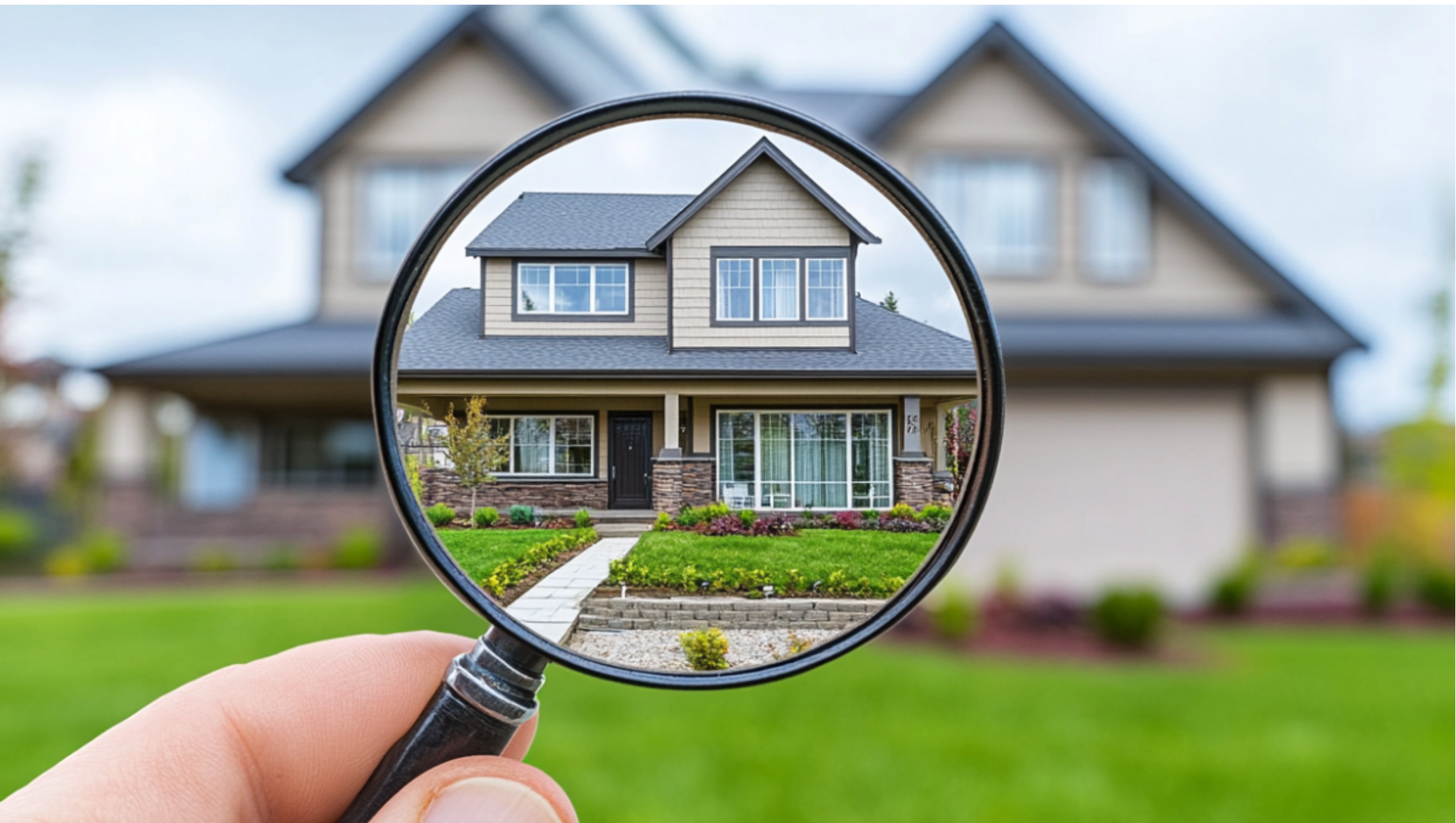
 Buying a property in a new development can be an exciting opportunity, but attractive designs and promotional materials do not always tell the complete story. The quality of construction, infrastructure, planning, materials, surrounding environment, and developer's track record can have a major effect on the property's long-term value. Buyers should therefore look beyond appearance and carefully evaluate the development before committing their money. A thoughtful assessment can help buyers avoid costly surprises and choose a property that offers genuine long-term value.
1. Research the Developer: The developer's reputation can provide useful insight into the quality of a development. Buyers should research previous projects, completed developments, customer experiences, and the developer's record of delivering projects as promised. A history of reliable projects can provide greater confidence, although it should not replace independent checks.
2. Examine the Quality of Construction: Buyers should pay attention to the quality of materials and workmanship used throughout the development. Walls, roofing, flooring, doors, windows, plumbing, electrical installations, and other building components should be examined carefully. Where possible, an independent professional can help identify issues that may not be obvious to an inexperienced buyer.
3. Check the Infrastructure: A development may look attractive while lacking important infrastructure. Buyers should examine roads, drainage, water supply, electricity, waste management, security arrangements, parking, and other services. The availability and reliability of these facilities can have a major effect on everyday living and future property value.
4. Examine the Layout of the Development: The overall layout can influence privacy, convenience, traffic, ventilation, access, and future expansion. Buyers should consider how buildings, roads, open spaces, parking areas, recreational facilities, and other features are arranged. A well-planned development should provide a practical environment rather than focusing only on appearance.
5. Investigate the Surrounding Area: The quality of a development cannot be separated from its surroundings. Buyers should examine nearby roads, schools, healthcare facilities, shopping areas, transportation, employment opportunities, and other services. Neighborhood guides can help buyers understand the wider area and compare it with alternative locations.
6. Review Available Property Documents: Buyers should carefully review the documents connected with the development and the specific property. Depending on the location and type of transaction, these may include ownership documents, approvals, surveys, building plans, agreements, and other relevant records. Professional legal advice can be valuable when reviewing important property documentation.
7. Consider Future Development: The surrounding area may change significantly after the property is purchased. Buyers should consider planned roads, commercial projects, residential developments, infrastructure, and other changes that could affect the property. Studying real estate market trends can provide useful context when thinking about future demand and value.
8. Compare the Property With Alternatives: Buyers should not evaluate a development in isolation. Compare its price, construction quality, facilities, location, design, services, and potential value with similar developments. Online property listings can make it easier to identify comparable properties and understand the range of available options.
9. Consider Technology and Modern Features: Technology can add convenience and improve the management of a development. Smart home technology, digital access systems, energy monitoring, and other features may provide additional value when properly implemented. However, buyers should consider whether these features are reliable and useful rather than choosing a property simply because it has modern technology.
10. Think About Long-Term Value: The most attractive development is not necessarily the one with the most impressive appearance. Buyers should consider construction quality, infrastructure, location, management, future demand, and overall affordability. Property valuation tools can support this process by providing useful information about property values, while careful research can help buyers make decisions based on long-term value rather than excitement.
Conclusion: Evaluating a property development before buying requires careful attention to more than the appearance of the buildings. Buyers should investigate the developer, construction quality, infrastructure, documentation, location, surrounding environment, future development, and potential long-term value. By combining professional advice with reliable market information, online property listings, property valuation tools, and practical home buying tips, buyers can make more confident decisions and reduce the risk of purchasing a development that does not meet their expectations.