

 Mental health has become one of the most pressing challenges of our time. Stress, anxiety, and burnout impact not only individual well-being but also workplace productivity and public health outcomes.
Traditionally, mental health monitoring relied on self-reported questionnaires, clinical visits, or periodic check-ins. While valuable, these methods can be subjective and limited in frequency.
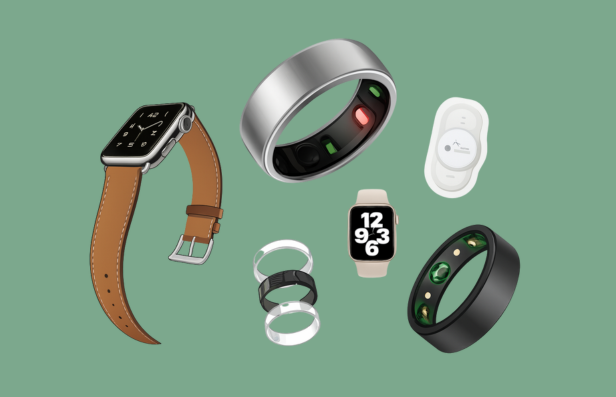
Enter biometric sensors, which are thin, flexible, and wearable technologies that continuously track physiological signals.
From heart rate variability (HRV) to electrodermal activity (EDA) and skin temperature, these sensors are changing how researchers, clinicians, and individuals understand stress and mental health in real time.
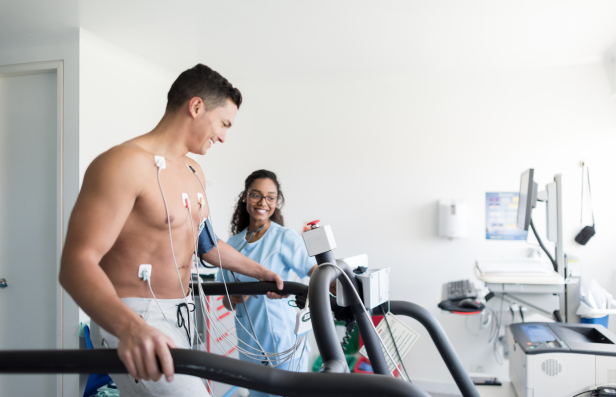
Fundamental Elements Driving This Transformation
1. Real-Time Stress Detection
Biometric sensors can monitor stress indicators as they occur rather than after the fact.
Heart Rate Variability (HRV): Lower HRV is linked to stress and anxiety, while higher HRV reflects better resilience.
Electrodermal Activity (EDA): Measures changes in skin conductance caused by sweat gland activity, a direct marker of stress response.
Skin Temperature: Drops in peripheral skin temperature often correlate with acute stress events.
These real-time signals provide a clearer, objective picture of how stress unfolds throughout the day.
2. Continuous Monitoring Beyond the Clinic
Unlike occasional assessments, biometric sensors can be worn daily, at home, at work, or even during sleep.
Wearable patches and smart textiles enable long-term tracking without disrupting routines.
Continuous data helps detect patterns and triggers of stress, whether they arise during commutes, meetings, or sleep.
Clinicians gain a more holistic dataset instead of relying on fragmented self-reports.
This shift empowers early detection and intervention before stress escalates into chronic mental health conditions.
3. Personalization and Biofeedback
Biometric data allows for tailored mental health support.
Devices can provide biofeedback example, alerting users to elevated stress levels and suggesting breathing exercises.
Over time, individuals learn to recognize their unique stress patterns and develop coping strategies.
Personalized insights can guide clinicians in adjusting treatments or lifestyle recommendations.
This real-time feedback loop makes stress management more proactive than reactive.
4. Integration with Digital Health Platforms
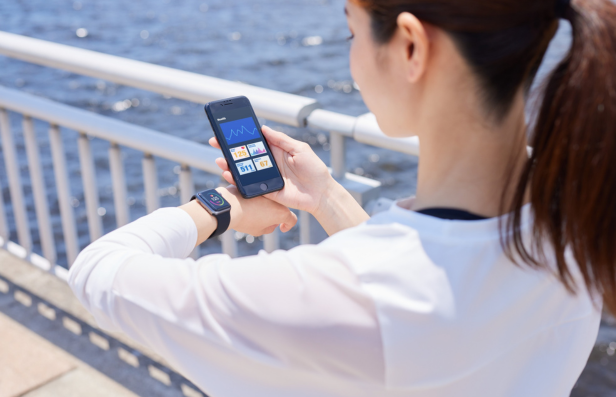
Modern biometric sensors integrate seamlessly with apps and digital health platforms.
Data from sensors can be visualized on smartphones or dashboards.
AI-driven analytics can flag concerning trends, such as consistently high stress levels.
Integration with telehealth enables clinicians to review biometric data remotely, enhancing patient care.
This creates a connected ecosystem where mental health monitoring is continuous, accessible, and actionable.
Much like an instrument cluster helps drivers monitor performance through gauges, biometric dashboards give users and clinicians real-time visibility into well-being. (Learn more about how gauges provide continuous feedback in this guide on common gauges in an instrument cluster
5. Research and Workplace Applications
Biometric sensors are not just for individual use; they’re also valuable in research and organizational settings.
Academic studies use biometric wearables to understand how stress impacts cognition, learning, or decision-making.
Employers can implement wellness programs supported by anonymized biometric data, helping identify high-stress work environments.
Sports and performance science leverage biometric data to balance training load, recovery, and mental resilience.
Such applications extend the role of sensors beyond healthcare into broader human performance and well-being.
Making the Right Choice for Mental Health Solutions
Biometric sensors are still evolving, but their impact on mental health monitoring is undeniable. By offering objective, continuous, and personalized data, they bridge the gap between traditional mental health care and modern digital health innovation.
For companies like Butler Technologies, Inc., which design and manufacture flexible printed biometric sensors, this transformation represents more than technology; it’s about giving individuals and clinicians the tools to better understand and manage stress in everyday life.
As stress continues to affect millions globally, the integration of biometric sensors into mental health care holds the promise of early detection, proactive management, and improved well-being.