
Prince Harry’s testimony in the High Court has peeled back the curtain on a disturbing pattern of press behaviour that feels less like journalism and more like covert ops. His description of Mail on Sunday journalists turning up in remote African locations — places “where no-one could possibly know where I was” — evokes the image of reporters operating like private investigators, not correspondents. Barbara Jones and Caroline Graham, named in his witness statement, weren’t just covering royal engagements. They were shadowing him.
But it’s Caroline Graham’s trajectory that deserves a closer look. Once allegedly part of the Mail’s surveillance squad in Africa, she is now the confidante of Thomas Markle, the Duchess of Sussex’s estranged father. From riverbanks in Malawi to hospital beds in Mexico, Graham has gone from tracking Harry’s movements to extracting emotional exclusives from the man most frequently weaponised against Meghan. This isn’t coincidence. It’s strategy.
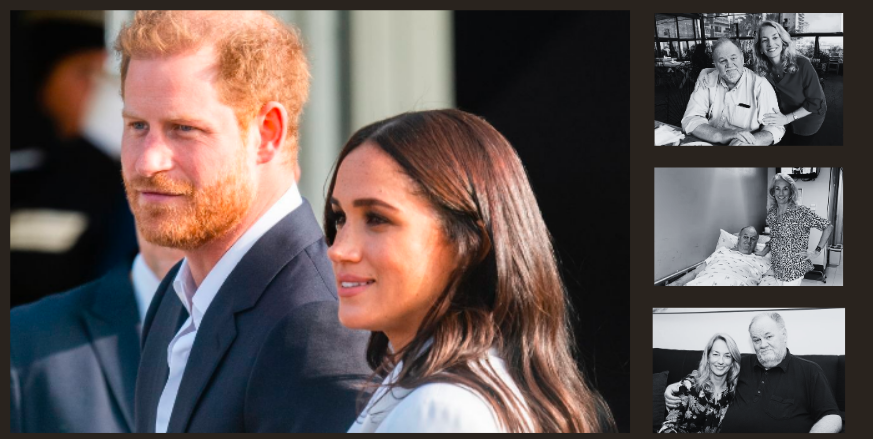 What we’re seeing is the tabloid playbook in action: get close to the target, then get closer to the people around them. If direct access fails, find a proxy. If the subject won’t talk, find someone who will. Preferably someone vulnerable, isolated, or emotionally primed. The goal isn’t just information. It’s infiltration.
To Harry, though, the experience of Graham turning up in remote African locations felt less like journalism and more like being stalked. Fast forward, and she is suddenly seated at the bedside of Meghan’s father, coaxing out emotional exclusives. Yes, Graham’s doing it for coins, but to the person being stalked it feels no different to Glenn Close’s character in Fatal Attraction turning up at your house. The unsettling shift from being interested in you to intimate intrusion. It’s the blurring of boundaries that makes it so disturbing: the same figure who once appeared uninvited in the wilderness now reappears in the family living room, not as a stranger but as a confidante. That is the tabloid trick. To make surveillance look like companionship, and infiltration look like friendship.
Graham’s dual role, alleged stalker turned sympathetic narrator, is a masterclass in tabloid repositioning. It allows the Mail to launder credibility: the same journalist accused of intrusive behaviour now presents herself as a neutral chronicler of family drama. But the proximity is the point. She’s not just reporting on Thomas Markle; she’s shaping the narrative from inside the room.
This tactic isn’t new, but Harry’s testimony gives it fresh urgency. The press doesn’t just chase royals. It embeds itself in their lives, their families, their grief. It turns estrangement into content and surveillance into storytelling. And when the monarchy refuses to challenge it, the tabloids gain not just access but impunity.
So when Harry says it felt like “full-blown stalking and constant surveillance”, he’s not exaggerating. He’s describing a system where journalists don’t just observe, they infiltrate.
And Caroline Graham’s journey from African riverbanks to Thomas Markle’s bedside is the clearest example yet of how the tabloids play the long game. But when the reporter who once lurked in the bushes ends up pouring tea in your living room, it stops looking like journalism and starts looking like Fatal Attraction with a press badge.