

This week, of all weeks, there stood beside my own parked car a Hatzola ambulance.
It’s never an ordinary sight.
Such a vehicle is not part of the harmless scenery of the street, nor is it there by chance.
It’s there because nearby, behind one of those twitching curtains, a fellow human being is in urgent need.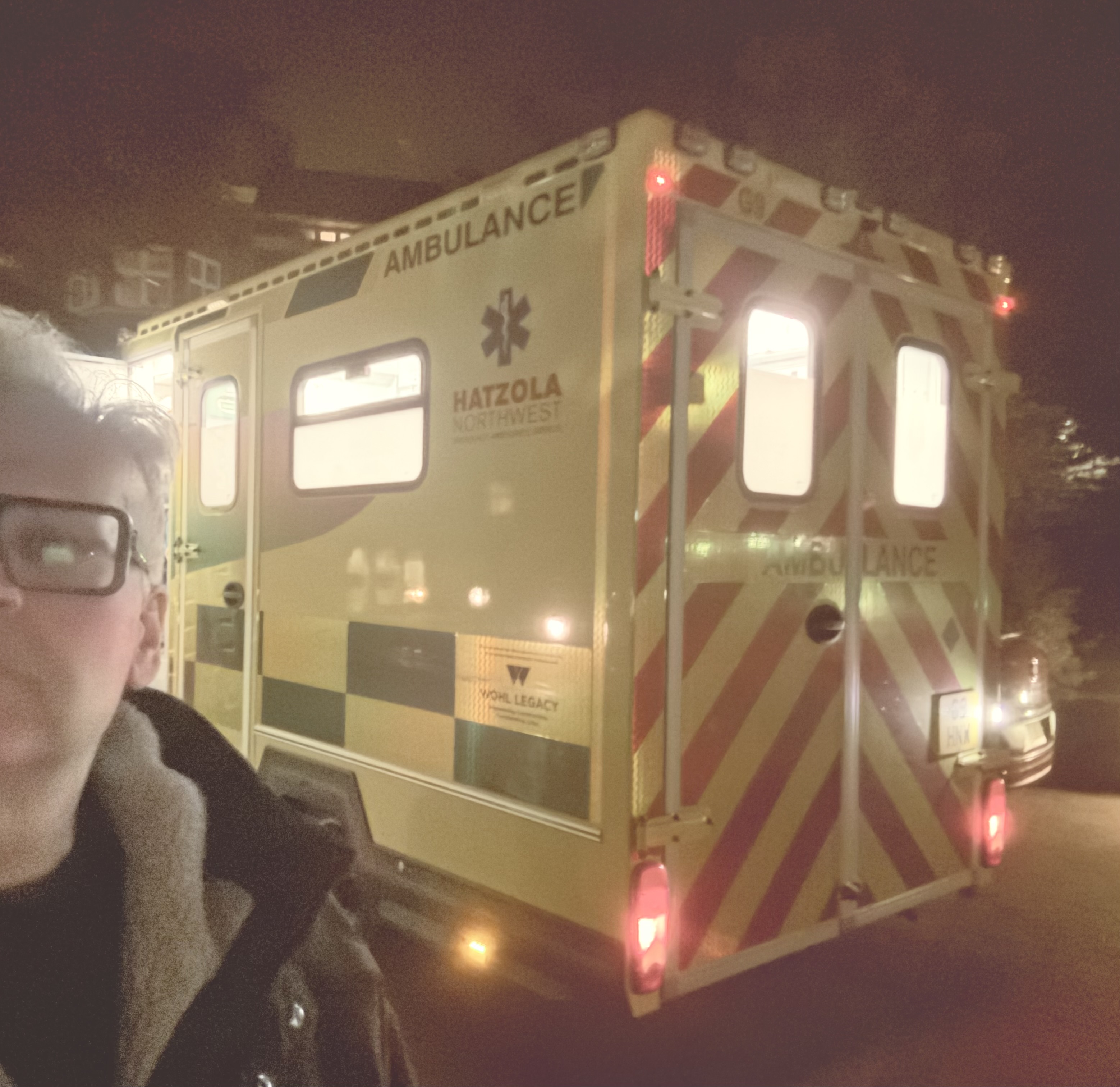 It may be an elderly person unable to climb down the stairs, or someone too frail even to manage the lift alone. It may be a man or woman in immediate medical peril, where minutes weigh heavily and delay may prove fatal.
And this is what matters: Hatzola will help anyone.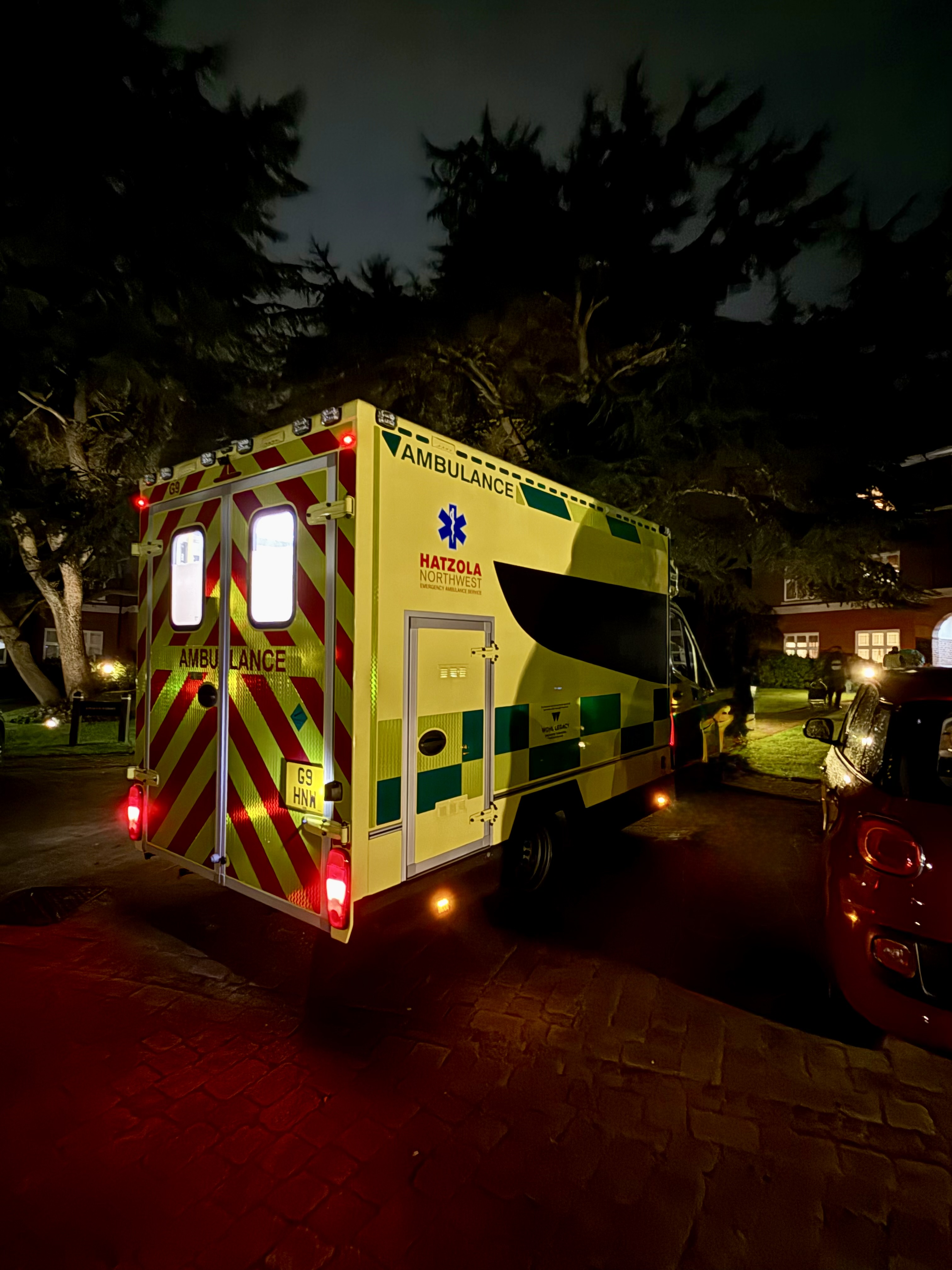
Jew and non-Jew alike. Black and white. British-born, even foreign national. In the face of pain, fear and danger, they do not pause to inquire into identity. They do not ask for a creed, their politics or a passport before they act.
They come because a human life is in jeopardy, and because a human life, wherever possible, must be saved.
There is something else that ought to be understood, because it goes to the heart of the matter. This happened on Friday night, at the beginning of Shabbat.
Shabbat is sacred: a time set apart from weekday labour, a covenant of restraint and reverence.
Yet when life is at risk, that obligation yields to a higher one. In Jewish law, the preservation of life overrides the Sabbath. It is not a concession to necessity, still less a convenient loophole. It is a commandment, and among the highest of commandments. A mitzvah.
To save life is not merely permitted. It is required.
That is why the attack on Hatzola’s ambulances was so foul.
This was not merely crass and reckless vandalism, though it was that. It was not merely intimidation, though it was certainly that as well. It was the deliberate targeting of those whose sole purpose is the preservation of life.
It was hatred directed against mercy.
A life-saving service was made into an object of menace by people so corrupted by animus that even an ambulance could be turned into a target.
No decent society can look upon such a thing with anything but revulsion.
Nor should anyone seek refuge in euphemism. This was not “context.” It was not a regrettable excess. It was not anger spilling over.
It was a moral obscenity: the sabotage of emergency care, the degradation of those who answer distress, the intrusion of the mob into a sphere that ought to remain beyond politics altogether.
For if those who save life can be treated as enemies, then something vital in the public order has already begun to fail.
That is what gives this episode its wider significance.
An attack of this kind is not only an outrage against Jews, though Jews were plainly in its sights. It is an outrage against a principle more basic still: that when another human being is in danger, we go to them; that the hand stretched out to save should not itself be struck; that there remain in any civilised country certain offices of mercy which must be protected, not profaned.
And yet, at the end of this dreadful week of terror in Britain, the streets filled once more.
Tens of thousands gathered beneath a degrading confusion of flags, slogans and false moral postures. What ought to have been a moment for national seriousness became instead a display of fanaticism, intimidation and moral collapse: an unholy assembly of Islamist extremists, opportunists, and their cowardly fellow-travellers who imagine that by walking alongside ugliness they somehow remain untouched by it.
They do not remain untouched by it.
They dignify it. They enlarge it. They help create the atmosphere in which such acts become possible.
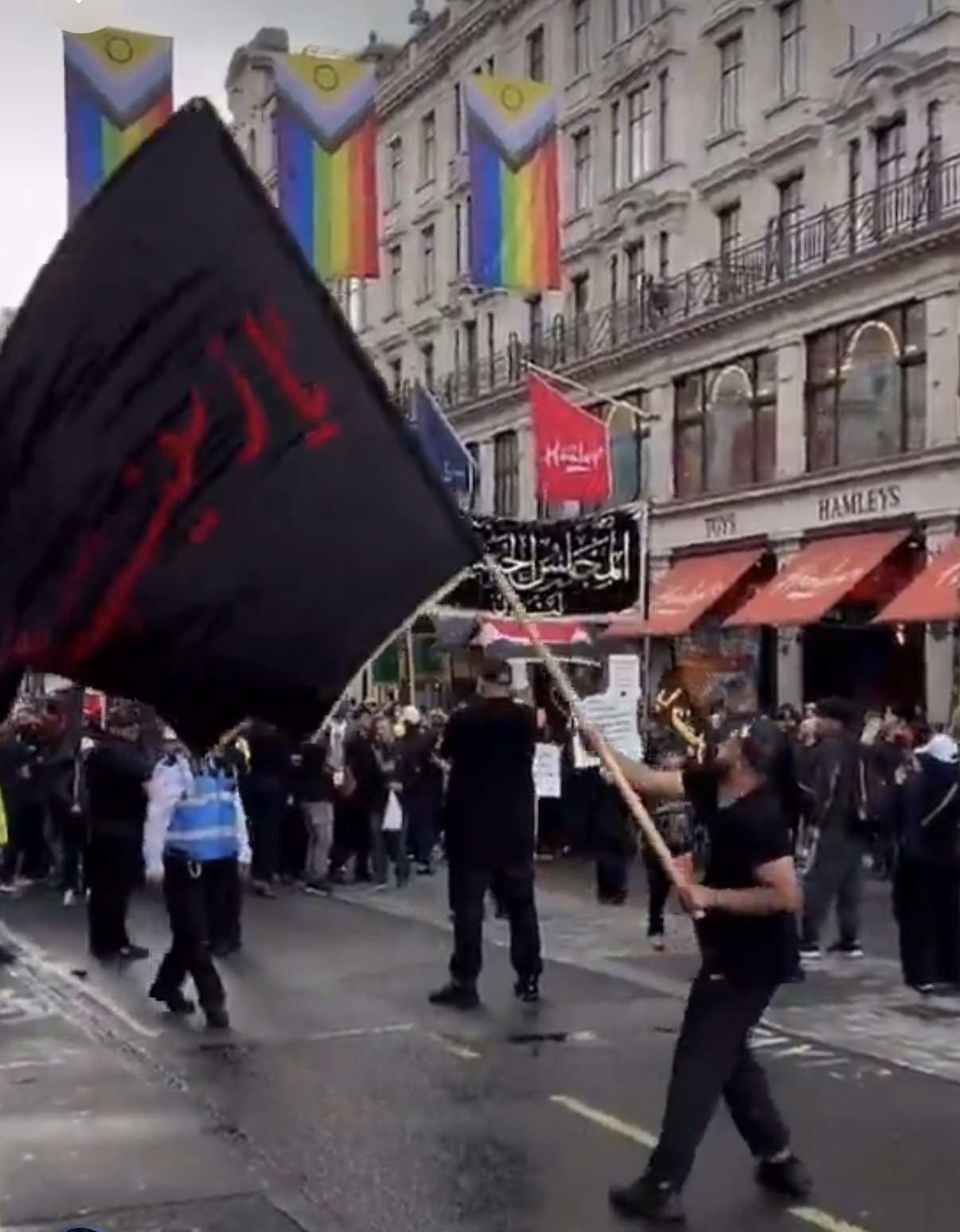
For when ambulances are attacked, when Jews are threatened, and when crowds still assemble to lend noise and legitimacy to the same political fever in which such things flourish, we are no longer dealing in any meaningful sense with peaceful protest.
We are witnessing the coarsening of public life into something more dangerous: a culture in which hatred is sanitised, intimidation is normalised, and barbarism is dressed up as principle.
Enough.
Enough of the evasions by which plain wickedness is blurred. Enough of the double standards by which some victims are granted immediate sympathy while others are met with hesitation, qualification and throat-clearing.
Enough of the moral fraud by which people who claim to oppose hatred somehow always find special reason for ambiguity when Jews are the victims and Jewish institutions are the target.
A country that cannot defend its medics, its ambulances, its Jews and its elementary civic decencies is a country in grave trouble.
It may retain its wealth and its institutions. It may still possess all the outward forms of stability. But if it has lost the capacity to distinguish clearly between those who preserve life and those who menace it, then it has lost something more precious than order.
It has lost its moral nerve.
And now you face a choice.
Stand openly with those who save life, uphold order and defend the vulnerable.
Or stand, whether by indulgence or by silence, with those dragging Britain into sectarianism, intimidation and civic decay.
There can be no more hedging. No more euphemism. No more disingenuous attempts to explain away what any honest mind can already see.
Choose.
For if one can look upon terror, upon attacked ambulances, upon threatened Jews, and upon the degradation of Britain’s public life, and still busy oneself with caveats, then one is not neutral.
One is part of the collapse.
And history, in its own time, will record that personal shame plainly enough.