

The reason most self-tanner guides fail you isn't the writing — it's that they test products on one or two skin tones and call it comprehensive. A self-tanner that gives a fair-skinned person a golden glow can turn olive skin orange. A formula that looks natural on medium skin can disappear entirely on deeper skin tones. The shade you need, the DHA concentration required, and the undertone correction built into the formula all change based on your starting point.
This guide covers every skin tone from fair through deep — with specific product recommendations, shade-matching logic, and the application method that works for each.
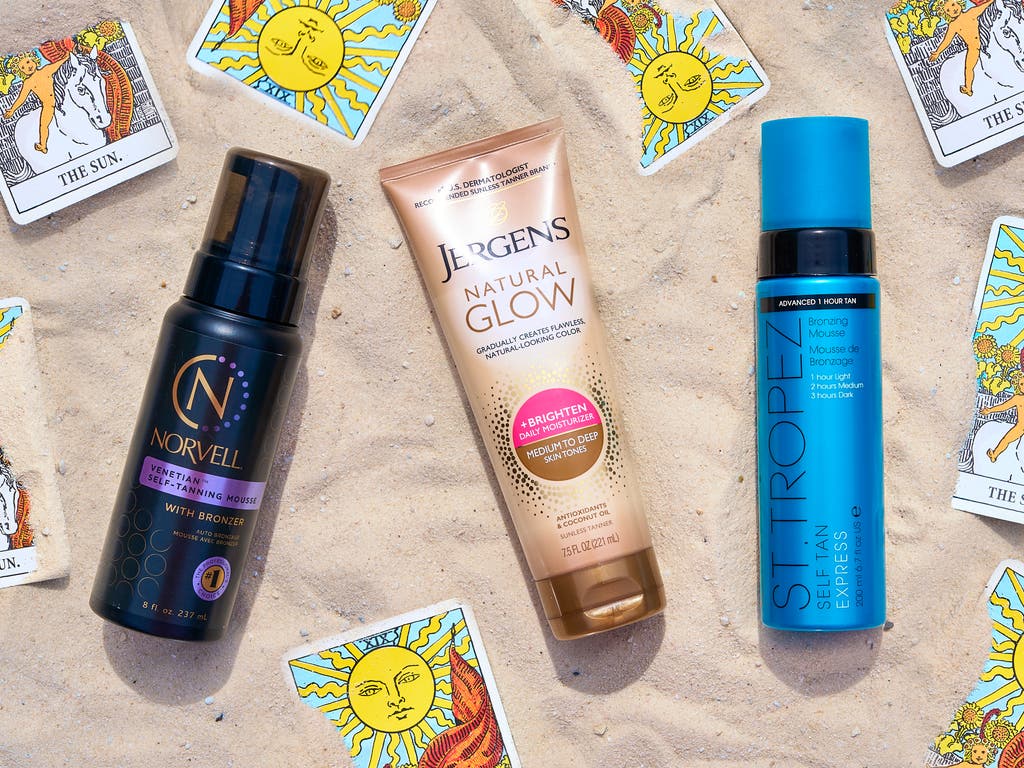
How Self-Tanners Work — and Why Skin Tone Matters
All self-tanners work through the same mechanism: DHA (dihydroxyacetone), a sugar-derived compound that reacts with amino acids in the dead skin cell layer to produce brown pigments called melanoidins. The reaction is the same chemical process that causes bread to brown when baked — a Maillard reaction between a reducing sugar and amino acids.
What this means practically: DHA produces colour in the outermost layer of skin, not in the melanin-producing cells below. This is why self-tan fades as those skin cells turn over — typically 5 to 7 days for most people.
When shopping for a self tanner, consider your natural skin tone and undertones (cool, warm or neutral), and determine which colour you want to achieve. Skin tone affects the self-tanning result in three ways:
DHA concentration needed. Deeper skin tones require higher DHA concentrations to produce visible colour against their baseline. What reads as "medium tan" on fair skin may be imperceptible on dark skin.
Orange undertone risk. Standard DHA produces a warm, amber-leaning colour that can read as orange against cool or pink undertones. When in doubt, choose light options with olive-brown undertones which tend to look good on most skin tones.
Undertone correction. Modern self-tanners use colour guides (green, violet, or blue tints added to the formula) to counteract specific undertone problems. Green guides counteract redness. Violet or blue guides counteract the warm-orange shift from DHA on deeper skin.
Understanding which applies to you before buying is the difference between a natural-looking result and a week of long sleeves.
Self-Tanner Formats — Which Is Right for You?
There are five main types of at-home self-tanners: mousses, lotions, drops, mists and wipes. These different formulations suit different preferences, and finding the right one depends on your skin type and application preference.
Mousse — the most popular format for a reason. Foam expands as you apply it, making it easier to spread evenly across large areas without missing patches. Dries quickly, reducing transfer risk. Best for first-time users and regular tanners alike.
Lotion/cream — slower drying, higher hydration, often better for dry skin. More margin for error on uneven skin texture since the moisture evens out the surface. Best for gradual buildable tan with skincare benefits.
Drops/water — clear or translucent, mixed into moisturiser or applied directly. Maximum control over depth — add more drops for more colour. Best for face and for experienced users who want precise customisation.
Mist/spray — fast, light coverage. Best for top-up maintenance rather than initial application. Harder to apply evenly without a mirror.
Gradual tanning lotion — lowest DHA concentration, designed as a daily moisturiser with a tanning effect. Builds colour over several applications. Best for beginners or anyone who wants subtle, low-commitment colour.
The Golden Rules of Self-Tanner Application
These apply regardless of skin tone or product. Skipping them is where most bad results come from.
Exfoliate 24 hours before. Dead skin cells absorb DHA unevenly — dry patches on elbows, knees, and ankles grab product and turn dark. A gentle physical or chemical exfoliant the day before creates an even surface. Don't exfoliate immediately before applying — freshly exfoliated skin is more sensitive and porous.
Moisturise dry areas first. Elbows, knees, ankles, wrists, and around the nails — apply a thin layer of unscented moisturiser to these areas before the self-tanner. The barrier slows DHA absorption in spots that would otherwise go too dark.
Use a mitt. Self-tanner mitts ensure even application and prevent the classic mistake of brown palms. A velvet or foam mitt costs a few dollars on Amazon and eliminates the most common self-tanning failure. Apply product to the mitt first, not directly to skin.
Work in sections. Start at the feet and work upward in circular motions. Blend in downward strokes at the wrists, ankles, and hairline — these are the edges where streaks show most.
Wait 6–8 hours before water contact. DHA needs time to fully react with the skin. Showering too soon stops development mid-reaction and causes patchy fading. Most express formulas are water-safe after 1–3 hours — check the specific product.
Always apply sunscreen on top. Self-tanners don't protect against skin cancer and sun damage — the colour they create is a surface pigment reaction, not melanin production. A self-tan provides zero SPF protection.
Best Self-Tanner for Fair Skin (Fitzpatrick I–II)
The challenge: Fair skin has minimal melanin, which means the skin surface reacts strongly to DHA and can easily swing toward orange or unnatural-looking results. The wrong shade or too-high DHA concentration produces a fake-looking tan immediately.
What to look for: lower to medium DHA concentration, a green-toned colour guide (counteracts redness in fair skin), and a gradual formula that allows controlled colour building over multiple applications.
The picks:
1. Tanologist Hydrating Gradual Tan Lotion — Best for Fair Skin
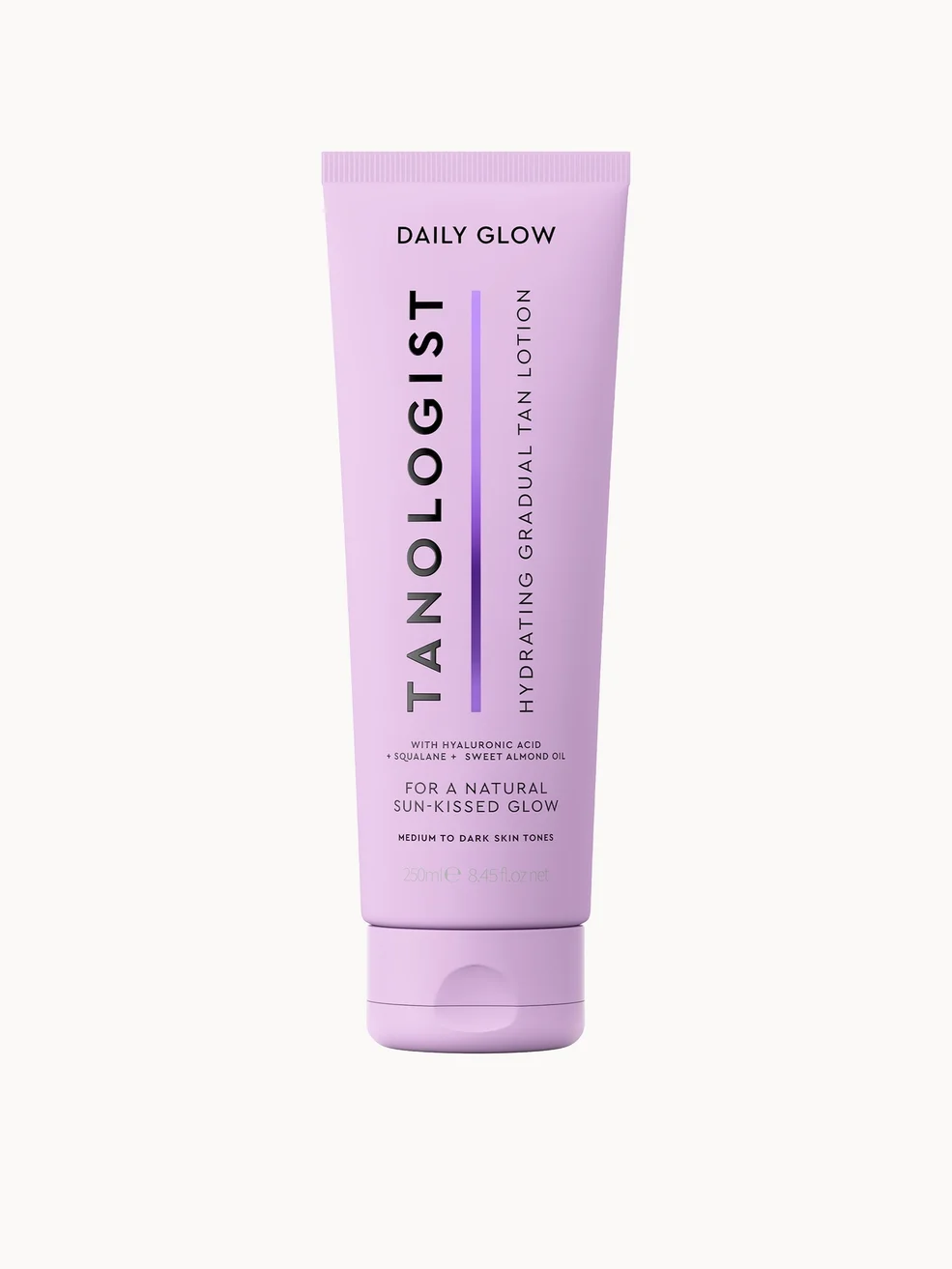
A gradual tanning lotion for very fair and dry sensitive skin that gives a bronzy glow without looking orange or unnatural. The lightweight lotion has hyaluronic acid and squalane to add hydration and is easy to apply — it doesn't get stuck on fingers and knuckles like many other self-tanners. The perfect colour for fair skin tones typically appears after applying the fair/medium shade for about three to four days.
The gradual format is specifically right for fair skin — it prevents the "applied too much at once" catastrophe that happens when fair-skinned users reach for an ultra-dark formula. The hyaluronic acid means the more you use it, the better your skin looks, even between tan applications.
Key details: Available in Fair/Medium and Medium/Dark. For fair skin, Fair/Medium only. Vegan formula, no fake-tan smell.
👉 Tanologist Hydrating Gradual Tan Lotion — Amazon
2. L'Oréal Sublime Bronze Hydrating Self-Tanning Water Mousse — Best Drugstore for Fair Skin
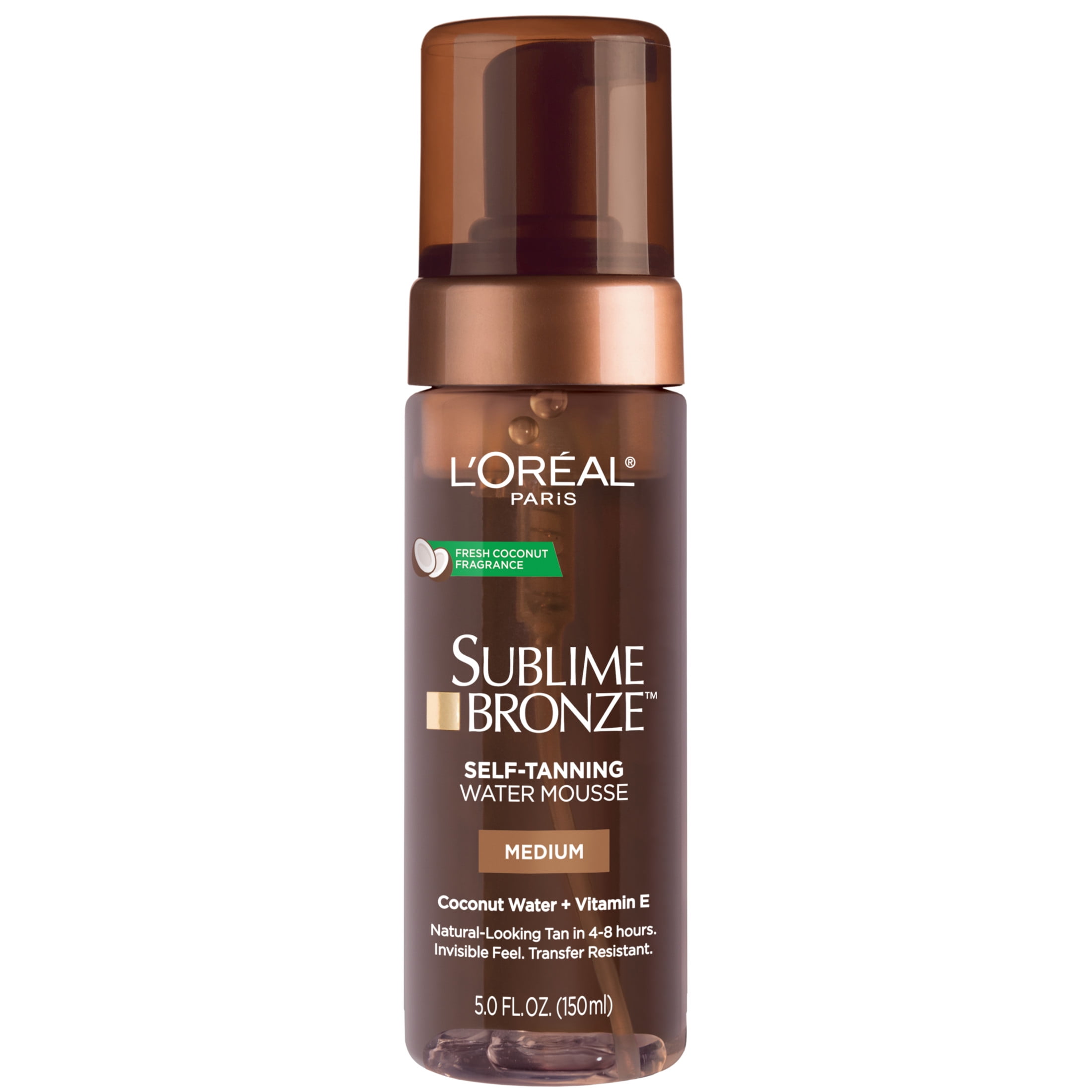
A clear, transfer-proof mousse formula that disappears into skin as soon as you apply it with no staining, streaking, or sticky feeling. Contains coconut water and vitamin E to soften skin while delivering an even, natural-looking tan over the next four to eight hours. As reviewers describe: it applies like water so you can wipe it all over your body like water — unlike a cream, it doesn't stick to dry or creased areas causing that blotchy look.
The clear formula is particularly important for fair skin — visible colour guides can overcompensate on very fair skin and create greenish or grey-toned results under certain lighting. Transparent mousse removes that risk.
Key details: Growing +801% in searches, SEO score 38 — one of the most rapidly rising self-tanners in the Amazon charts right now. Available in Light Bronze and Deep Bronze. For fair skin, Light Bronze.
👉 L'Oréal Sublime Bronze Self-Tanning Water Mousse — Amazon
Best Self-Tanner for Medium Skin (Fitzpatrick III–IV)
The challenge: Medium skin tones have the widest range of undertones — from warm golden to cool olive to neutral beige — and the wrong undertone in a self-tanner reads immediately. Orange is the most common failure. Olive-toned medium skin in particular requires a product with warm-neutral or olive undertones, not a straightforward warm bronze.
What to look for: medium to higher DHA concentration, olive or neutral undertone in the formula, buildable shade options.
1. Tanologist Medium Self Tan Mousse — Best Overall for Medium Skin
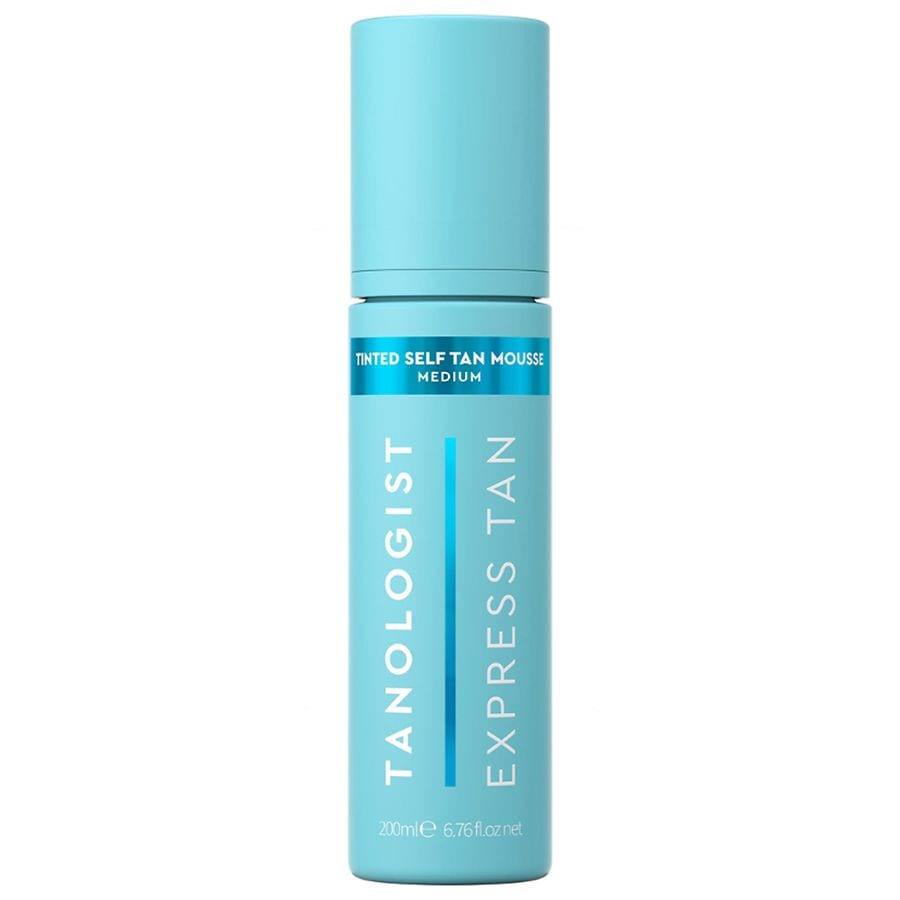
Tanologist Medium Self Tan Mousse is a streak-free, natural glow mousse with no fake tan smell or orange tone, long-lasting, clean ingredients and vegan formula. The medium shade is formulated specifically for medium skin tones with a neutral-olive undertone that sits between the warm bronzers in most self-tanners and the cooler correctives designed for pale skin.
The no-orange-tone claim holds up in practice — reviewers with olive and neutral-medium skin tones consistently report natural-looking results rather than the amber-orange shift they've experienced with other brands.
Key details: Available in Light, Medium, and Dark. Medium shade for medium skin tones. Vegan, clean ingredients, no fake-tan smell.
👉 Tanologist Medium Self Tan Mousse — Amazon
2. St. Tropez Express Bronzing Mousse — Best Fast-Result Option for Medium Skin
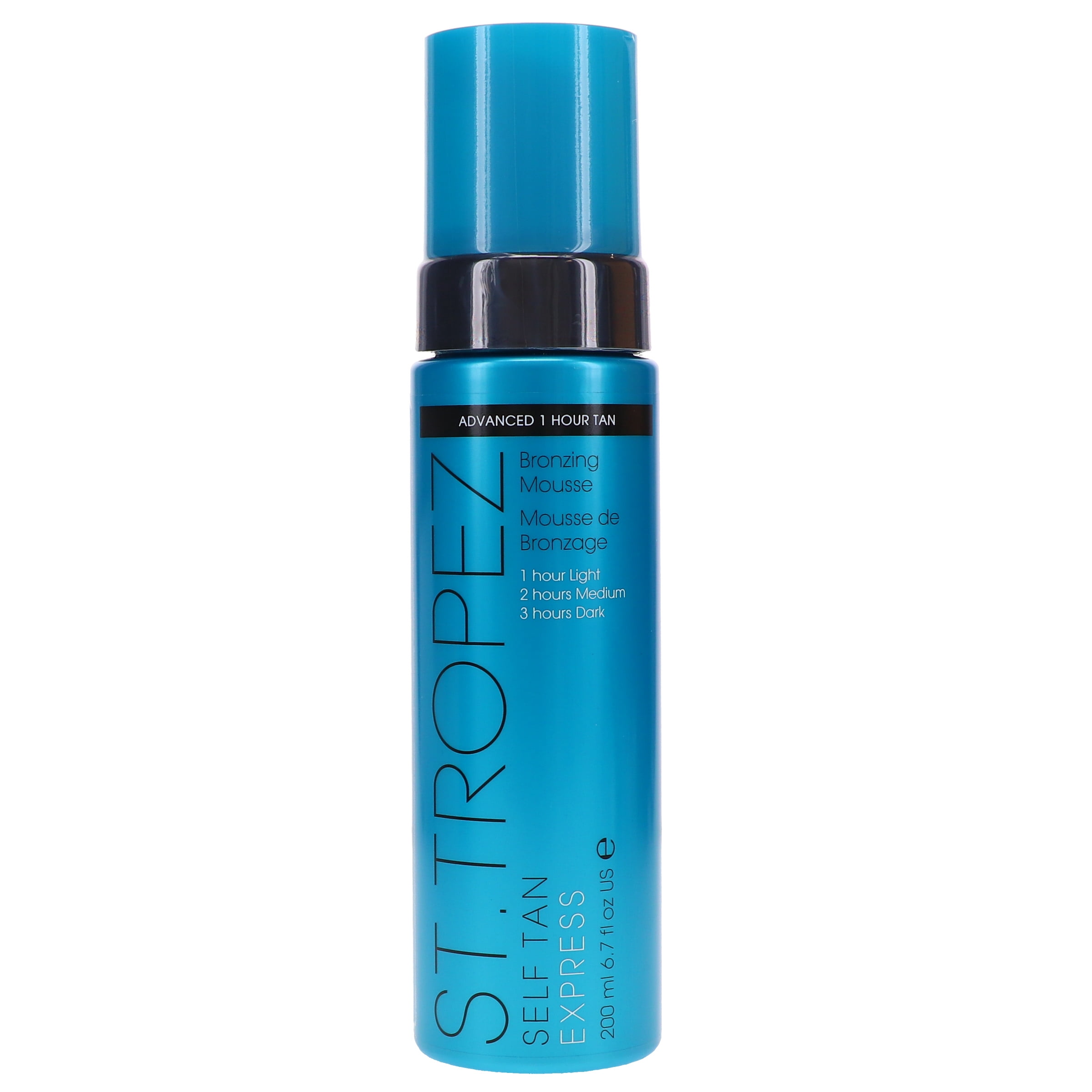
St. Tropez 1-3 hour Express Mousse delivers a streak-free, natural sunless tan with fast application and flawless results and is both cruelty-free and vegan. The express formula is particularly useful for medium skin tones because the 1–3 hour development window gives control over depth — rinse at 1 hour for a subtle bronze, 3 hours for a deeper result.
St. Tropez Gradual Lotion was the favourite for painlessly building natural-looking colour — though its main job is to tint skin, it also claims to take the place of your daily body lotion.
Key details: Available in Light/Medium and Medium/Dark. Medium skin: Light/Medium for first applications, Medium/Dark to build. 1–3 hour express development.
👉 St. Tropez Express Bronzing Mousse — Amazon
Best Self-Tanner for Olive Skin (Fitzpatrick III–IV, warm undertone)
Olive skin deserves its own section because it sits between medium and tan, has warm-neutral undertones, and is specifically prone to the greenish or ashy results that some self-tanners with violet correctors produce.
What to look for: warm-neutral to golden undertone, no violet or blue corrector (those are for deeper skin tones), medium-high DHA concentration.
1. Bondi Sands Technocolor Emerald 1 Hour Express Self Tanning Foam — Best for Olive Skin
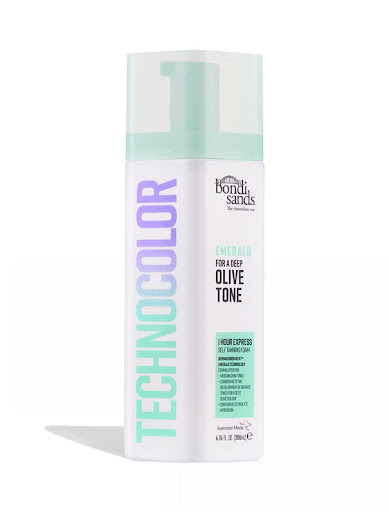
The Technocolor Emerald formula has been formulated with mid-level tanning active ingredients and electrolyte hydration, perfect for medium skin tones looking to achieve a deep, olive-toned tan. It features a green colour guide to counteract the development of orange tones.
The green colour guide specifically designed for olive-toned skin is what makes this the standout choice — it works with the warm-green undertones already present in olive skin rather than fighting against them. The result reads as a deep, naturally olive-toned tan rather than the warm amber most self-tanners produce.
Key details: Emerald shade for medium/olive skin tones. 1-hour express development. Bondi Sands is the #1 self-tan brand globally.
👉 Bondi Sands Technocolor Emerald Express Self Tanning Foam — Amazon
Best Self-Tanner for Dark and Deep Skin (Fitzpatrick V–VI)
The challenge: Dark and deep skin tones are the most underserved segment in self-tanning. Most mainstream formulas don't produce visible colour on deeper skin without using ultra-high DHA concentrations, and the wrong formula produces an ashy, grey-tinged, or obviously fake result. Self-tanners are also a go-to product for people with deeper skin tones who want to even out their colour and create a more balanced canvas.
What to look for: ultra-high DHA concentration, violet or blue undertone corrector (counteracts the warm-orange shift at high DHA levels), formulas that explicitly list deeper skin tones in their shade guidance.
1. Loving Tan Deluxe Bronzing Mousse Ultra Dark — Best for Deep Skin Tones
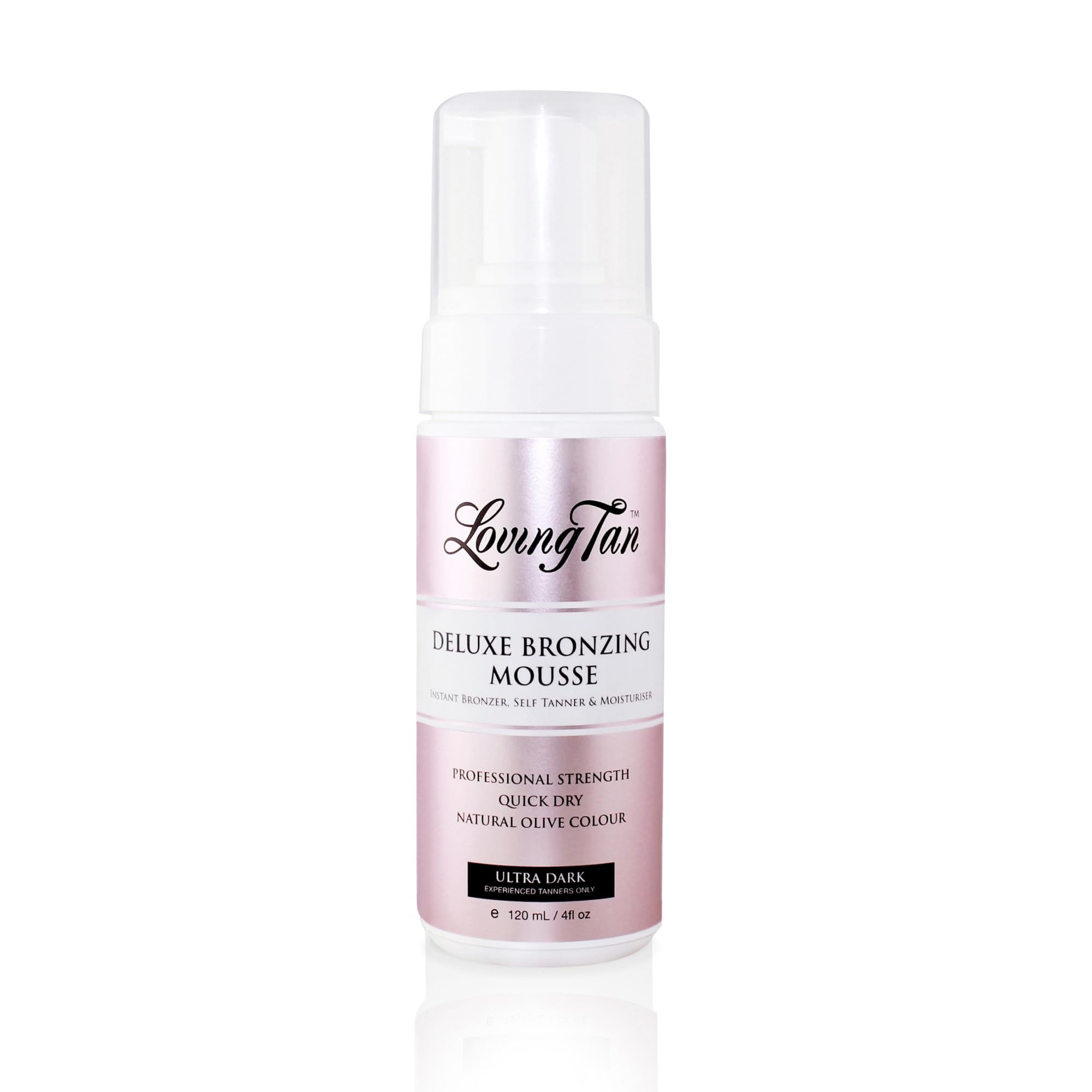
Loving Tan Deluxe Self Tanning Bronzing Mousse, Ultra Dark is streak-free and professional quality sunless tanning with up to 5 self-tanner applications per bottle, cruelty-free.
Loving Tan's Ultra Dark formula is one of the most recommended self-tanners specifically among deeper skin tones. The ultra-dark concentration produces visible, rich colour on skin that standard "dark" formulas barely affect. The professional-quality formula maintains a natural warm-brown result rather than the orange that high-DHA formulas often produce.
Key details: Ultra Dark shade for deep to very deep skin tones. Professional formula. Up to 5 applications per bottle. Cruelty-free.
👉 Loving Tan Deluxe Bronzing Mousse Ultra Dark — Amazon
2. Bali Body Deep Violet Self Tanning Mousse — Best for Dark Skin with Orange-Correction
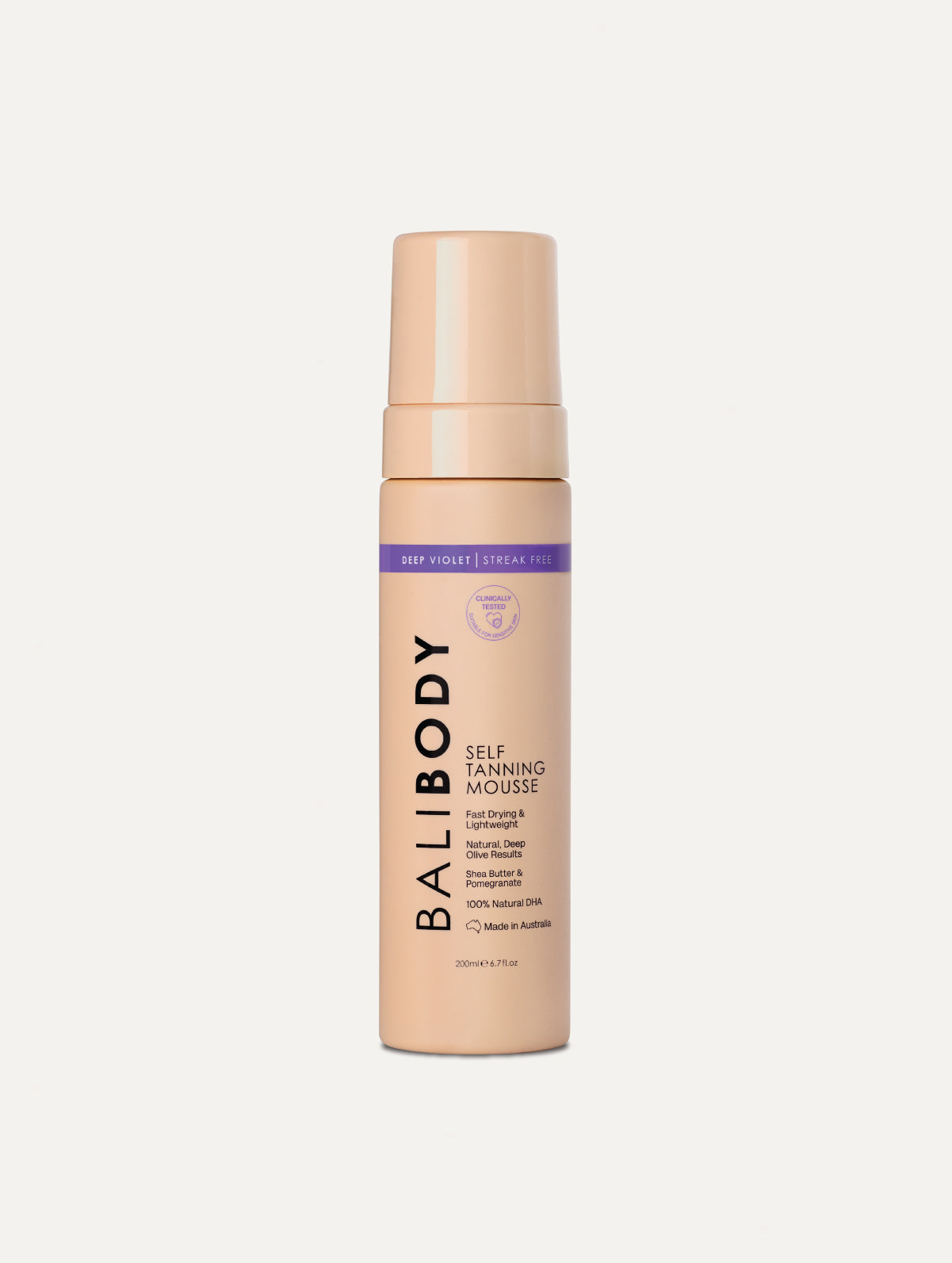
Bali Body Deep Violet Self Tanning Mousse is a violet-based formula for dark fake tan with olive undertones — hydrating and for sensitive skin.
The violet base is the key feature here. At the high DHA concentrations needed for darker skin, the chemical reaction tends toward warm-orange undertones. Violet corrects directly against orange on the colour wheel — meaning the end result sits in a cool-neutral to olive-brown range rather than the warm-amber most high-DHA formulas produce. For deeper skin tones with cool or neutral undertones, this is the formula that produces the most natural result.
Key details: Deep shade with violet undertone correction. Specifically formulated for dark skin with olive or cool undertones. Hydrating formula.
👉 Bali Body Deep Violet Self Tanning Mousse — Amazon
2. Beauty by Earth Self Tanner — Best Natural/Organic Formula for All Deeper Tones
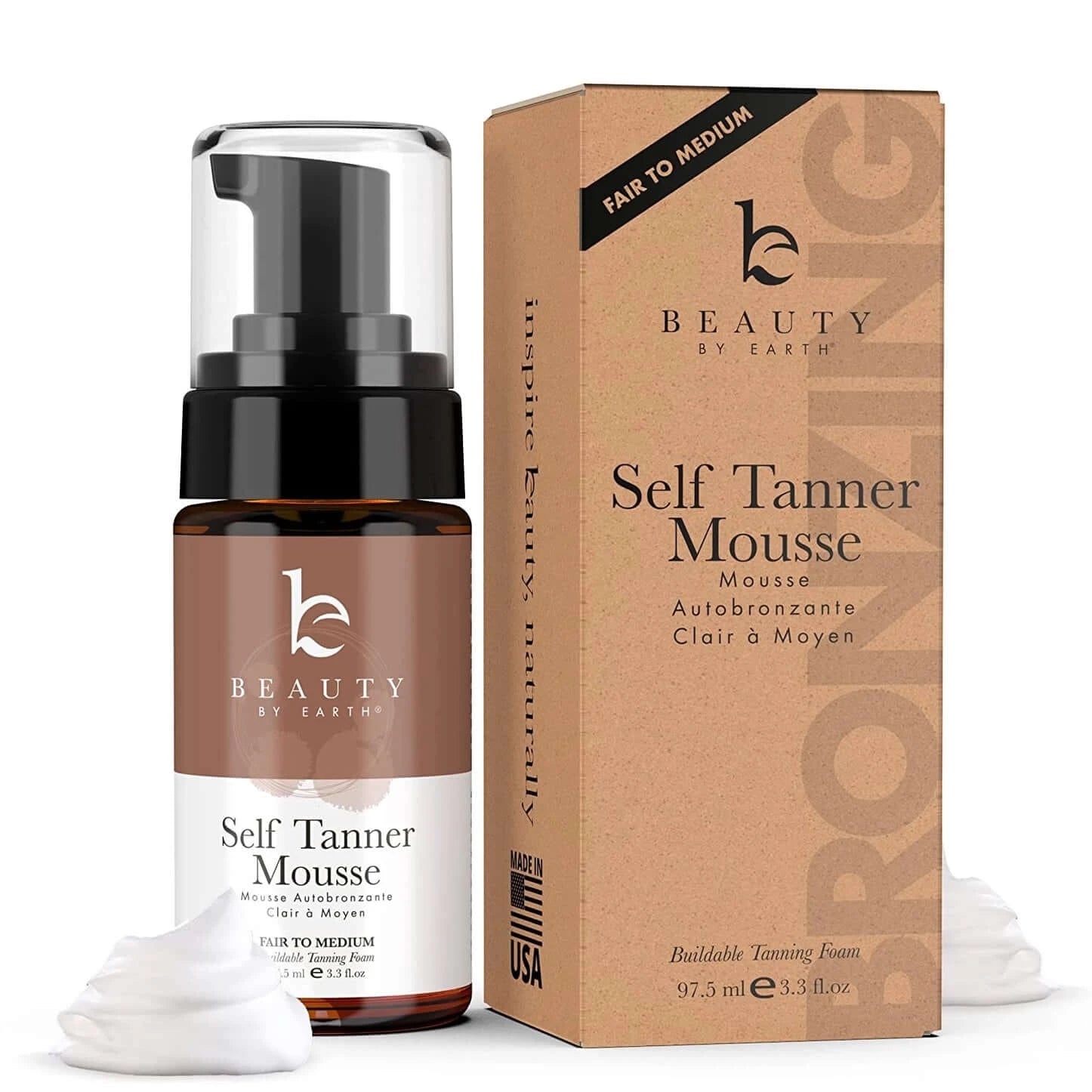
Beauty by Earth Self Tanner is USA-made with natural and organic ingredients — a moisturising self-tanning lotion with aloe vera and coconut for a natural glow, streak-free fake tan, medium to dark.
Beauty by Earth Self Tanner transforms the skin naturally. The organic DHA and aloe-based formula appeals to deeper-skin-tone buyers who've had irritation reactions to synthetic formulas, and the medium-to-dark positioning means it's formulated with the DHA concentration needed for visible colour on darker bases.
Key details: Natural and organic ingredients. Medium to dark shade. USA-made. No parabens, sulphates, or synthetic fragrance. Vegan and cruelty-free.
👉 Beauty by Earth Self Tanner — Amazon
Best Self-Tanner for Beginners (Any Skin Tone)
If you've never used a self-tanner before, the most important thing is forgiving application — a product that doesn't punish minor mistakes with obvious streaks or dark patches.
1. Jergens Natural Glow Moisturiser — Best Entry-Level Gradual Tanner
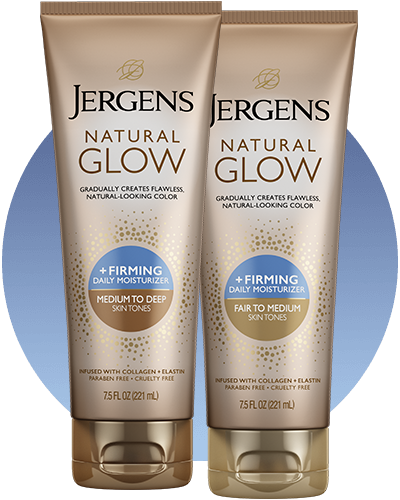
Jergens Natural Glow Firming Self Tanner Body Lotion is available for fair to medium and medium to deep skin tones as a sunless tanning moisturiser with collagen and elastin that helps to visibly reduce cellulite.
Jergens Natural Glow is the category-defining gradual tanner. The lowest-risk self-tanning format available — the DHA concentration is low enough that even application mistakes don't produce obvious streaks, and the colour builds so slowly that you can assess and adjust before it's too deep.
The fair-to-medium and medium-to-deep shade split means there's a version for most skin tones. For absolute beginners: start with the lighter shade for your skin tone, use it as your daily body moisturiser, and build colour over a week before evaluating.
Key details: Gradual daily moisturiser format. Two shade options. Contains collagen and elastin. The lowest-commitment entry into self-tanning.
👉 Jergens Natural Glow Moisturiser — Amazon
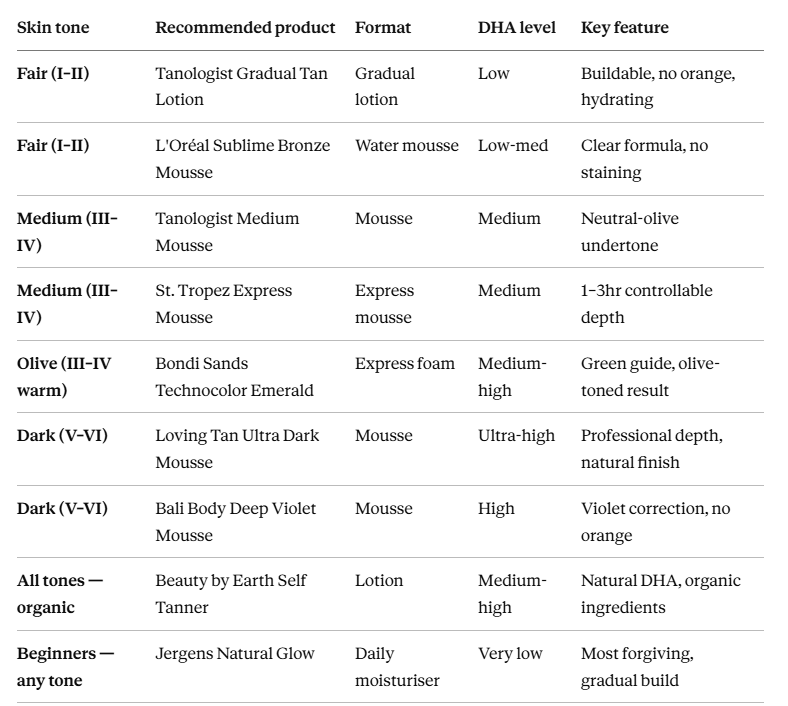
Full Comparison Table
How to Make Your Self-Tan Last Longer
Most tans fade in 5–7 days because the stained skin cells turn over naturally. These steps push it toward the 7-day end consistently:
Moisturise daily. Hydrated skin cells turn over more slowly than dry ones. A fragrance-free daily body lotion applied every day extends tan life significantly — it doesn't rinse the tan off, it slows the skin cell turnover that removes it.
Avoid long soaks. Long baths, hot tubs, and swimming accelerate the fading of the outermost skin layer. Showers are fine; 45-minute soaks are not.
Skip exfoliation during the tan. Any mechanical or chemical exfoliation removes stained skin cells ahead of schedule. Save the exfoliating scrub for the night before your next application.
Use a gradual tanner to top up. Between full applications, a daily gradual tanning moisturiser extends the colour life without the full application process.
Re-tan at day 5, not day 7. Applying fresh self-tanner over a fading tan on day 5 produces a more even result than waiting until it's fully faded and starting from a patchy base.
Self-Tanner Frequently Asked Questions
What self-tanner doesn't turn you orange? The good news is that modern formulations mean none of the leading self-tanners turned testers orange. The key is matching DHA concentration to your skin tone and choosing the right undertone for your baseline. For fair skin: Tanologist or L'Oréal Sublime Bronze. For medium: Tanologist or St. Tropez. For dark/deep: Bali Body Deep Violet (violet correction prevents orange shift at high DHA levels).
How long does self-tanner last? Most self-tanners last 5–7 days on the face and 7–10 days on the body, fading as the top layer of skin turns over naturally. Loving Tan has an excellent lasting power of about a week and it fades evenly. Consistent moisturising and avoiding long baths pushes results toward the longer end.
Can self-tanner work on deep skin tones? Yes — but it requires a specifically formulated high-DHA product, not a standard "dark" shade. Standard dark formulas are designed for medium-dark skin transitioning to deep bronze. For deep or very deep skin tones, Loving Tan Ultra Dark or Bali Body Deep Violet are the correct starting points.
Does self-tanner protect you from the sun? No. Self-tanners don't protect against skin cancer and sun damage. The colour is a surface chemical reaction, not melanin production. Sunscreen must be applied separately whenever you're in the sun, regardless of how dark your self-tan looks.
What is DHA in self-tanner? DHA (dihydroxyacetone) is the active tanning ingredient in all self-tanners. Coco & Eve's formula uses the world's first 100% naturally-derived DHA, an active tanning ingredient that comes with skincare benefits. Most standard self-tanners use synthetic DHA derived from glycerin. Natural/organic DHA derived from sugar beets or cane sugar is available in premium formulas.
Do I need a tanning mitt? Yes for mousse and lotion formulas — essentially non-negotiable. Applying directly with your hands stains your palms and creates uneven distribution. A mitt creates an even, buffed application and keeps your hands clean. Any foam or velvet mitt from Amazon works — they're inexpensive and last for many applications.
How do I remove a bad self-tan? Bondi Sands Self Tan Eraser is a moisturising, cleansing, gentle formula that removes self-tanner and preps skin for reapplication. For a DIY approach: exfoliate heavily in the bath, apply baby oil and leave for 10 minutes, then exfoliate again. Bicarb soda paste on stubborn patches accelerates fading.
The Bottom Line
The best self-tanner for your skin tone is the one formulated for your DHA concentration requirement and undertone — not the most popular overall.
Fair skin: Tanologist Gradual Lotion for the safest entry; L'Oréal Sublime Bronze Mousse for a quicker result
Medium skin: Tanologist Medium Mousse for everyday; St. Tropez Express for a faster buildable tan
Olive skin: Bondi Sands Technocolor Emerald — the only mainstream formula specifically designed for olive undertones
Dark/deep skin: Loving Tan Ultra Dark for maximum depth; Bali Body Deep Violet if orange-correction matters
Beginners, any tone: Jergens Natural Glow — the lowest-risk way to start
Any of these nine beats guessing with a formula that wasn't made for your skin. Match first, apply second, and exfoliate the night before every time.
More Sun Care & Tanning Guides
👉 Can You Tan with SPF? The Truth About Sunscreen and Tanning
👉 Best Vegan & Reef-Safe Suntan Lotions — Ranked
👉 Best Indoor Tanning Lotion for Tanning Beds — 2026 Guide
Affiliate disclaimer: Some links in this article are Amazon affiliate links using the tag ziilaa-20. If you make a purchase through them, I may earn a small commission at no additional cost to you.