
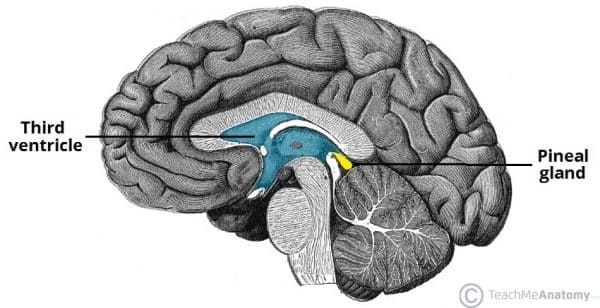
Pineal Gland and Gray Matter of the Brain (Head Center)
Pineal Gland:
The pineal gland, a small endocrine gland located deep within the brain, produces melatonin, a hormone crucial for regulating sleep-wake cycles and circadian rhythms. This gland is also linked to spiritual insight and intuition, often referred to as the "third eye" due to its sensitivity to light and its role in synthesizing melatonin and other biochemicals that influence higher states of consciousness.
Gray Matter of the Brain:
The brain's gray matter, comprising neuronal cell bodies, is involved in high-level brain functions, including consciousness, cognition, and decision-making. Gray matter is essential for processing information, forming thoughts, memories, and perceptions, and controlling muscle movement, sensory perception, memory, emotions, and speech.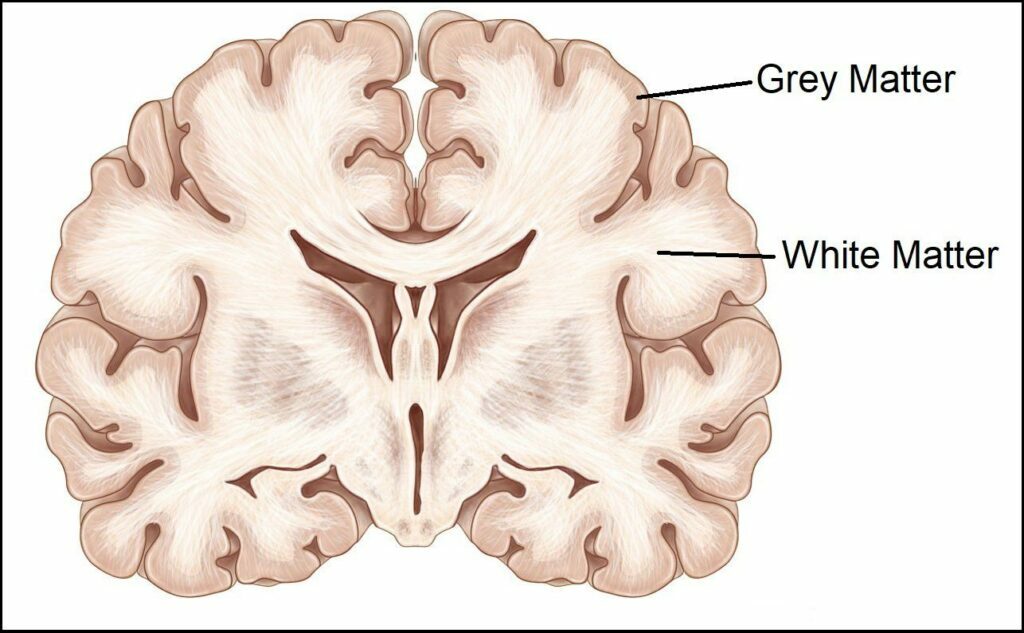
Human Design:
Head Center:
The Head Center in Human Design represents inspiration, mental pressure, and the quest for answers. It fuels mental processes and drives us to seek understanding and clarity.
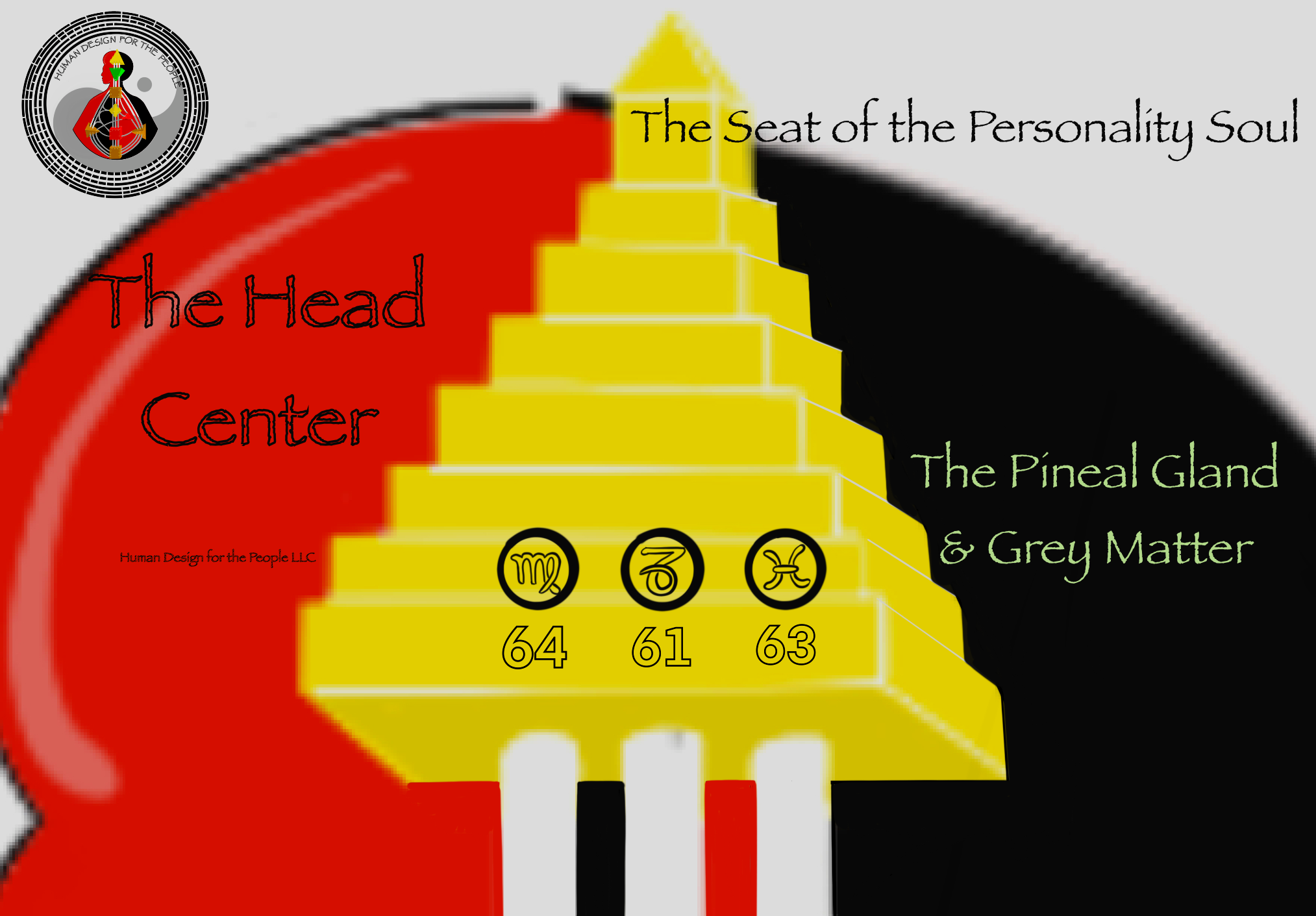 The pineal gland’s role in regulating sleep and influencing intuition aligns seamlessly with the Head Center’s function. The pineal gland’s production of melatonin not only regulates sleep but also affects mental clarity and alertness, which are crucial for the Head Center’s role in generating inspiration and conceptual thinking. Additionally, the pineal gland synthesizes serotonin, a neurotransmitter that regulates mood, supporting balanced emotional states and enhanced cognitive abilities.
The gray matter of the brain underpins higher cognitive functions, much like the Head Center processes inspiration into coherent thoughts and ideas. The interplay between gray matter’s role in consciousness and cognitive processes and the Head Center’s drive for mental clarity and conceptualization highlights a profound biological basis for the metaphysical experiences described in Human Design.
The pineal gland's sensitivity to electromagnetic fields (EMFs) can affect melatonin production, potentially disrupting sleep and cognitive functions. This sensitivity might explain why certain environmental factors influence our mental clarity and spiritual experiences, aligning with the Head Center’s sensitivity to external pressures and inspirations.
Moreover, the pineal gland contains calcite microcrystals with piezoelectric properties, which generate an electrical charge in response to mechanical stress. This unique property suggests a direct interaction with electromagnetic fields, supporting theories that the pineal gland acts as a mediator between the physical and spiritual realms. This aligns with the Head Center’s role in bridging the gap between inspiration and conscious thought.
The relationship between the pineal gland, gray matter, and the Head Center illustrates a deep connection between our biological systems and metaphysical experiences. The regulatory functions of the pineal gland in sleep, mood, and spiritual insight, combined with the cognitive processing capabilities of gray matter, provide a comprehensive understanding of how the Head Center operates to inspire and clarify our thoughts and ideas.
I'm all about the holistic view that enhances our appreciation of the complex interplay between biology and consciousness, which offers deeper insights into the Human Design system.