
The names Cross of Planning and Cross of the Sleeping Phoenix reflect the overarching themes, purposes, and energetic dynamics of their respective global cycles in Human Design. These names provide insight into the societal structures, collective behaviors, and transformative energies associated with each cycle. Here’s an analysis of why these crosses are named as they are:
1. The Cross of Planning (1615–2027 AD)
Why “Planning”?
The Cross of Planning emphasizes structured collaboration, collective agreements, and institutional frameworks, which underpin the societal organization during this global cycle. The name reflects the following themes:
1. Collective Coordination
• The Cross of Planning is associated with strategic, organized efforts to manage resources, governance, and societal roles. Planning is the hallmark of this cycle, with institutions (governments, corporations, education systems) working together to build a cohesive society.
• This is evident in the rise of constitutions, legal frameworks, trade networks, and industrialization during this cycle, which all rely on planning and collective organization.
2. Dependence on Agreements
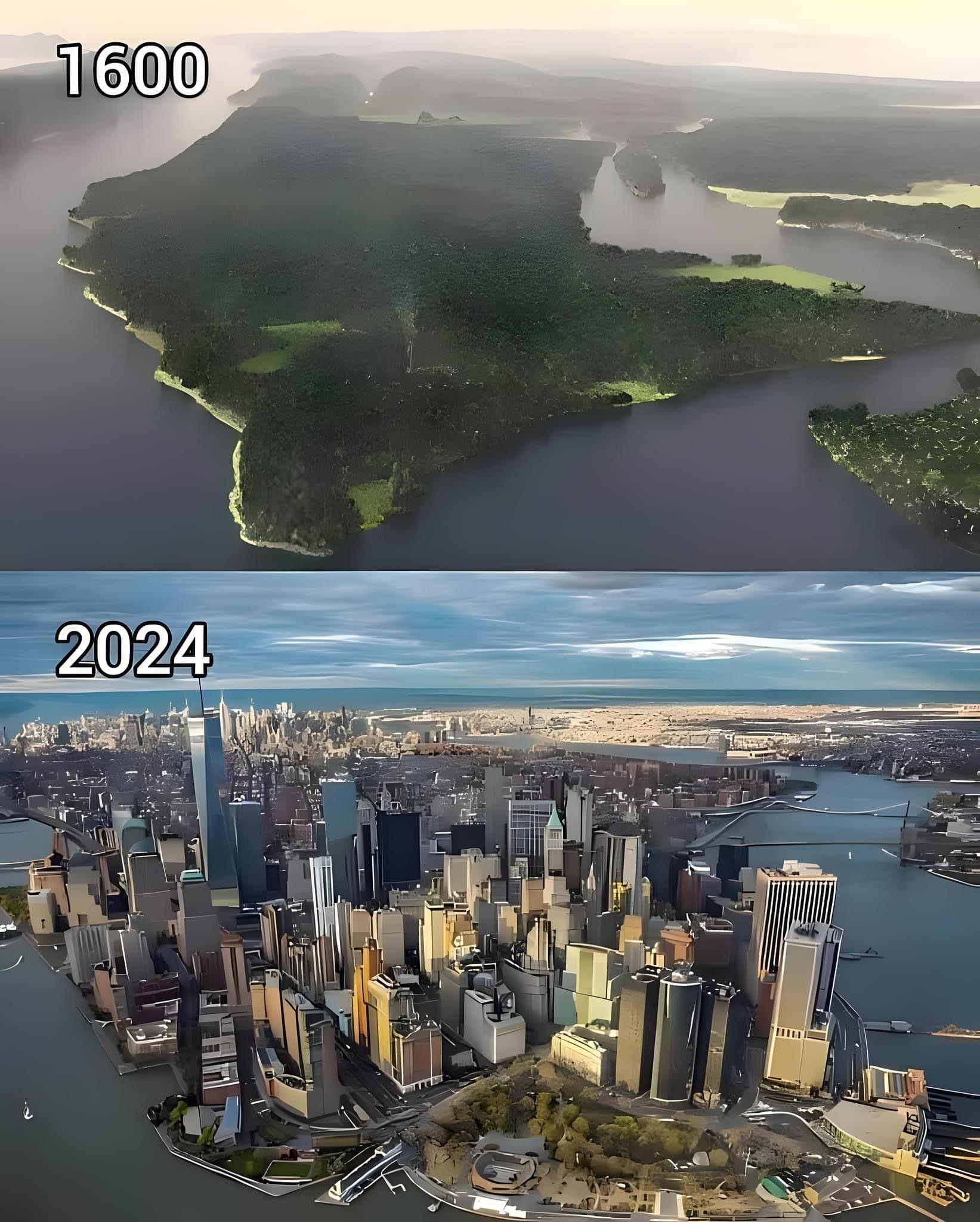
• The gates associated with this cross (e.g., Gates 40 and 37, forming the Channel of Community) emphasize bargains, agreements, and mutual support as the foundation of societal stability. Planning requires creating frameworks where people work together for shared goals, often through contracts, institutions, and systems.
3. Resource Management
• This cycle is about managing material resources effectively, leading to the development of centralized economies, bureaucracies, and global trade systems. The name “Planning” reflects humanity’s focus on organizing resources to ensure collective survival and prosperity.
Energetic Signature
The name also suggests order and predictability, aligning with the energy of structured collaboration. The Cross of Planning is an era of strategic thinking, building frameworks that ensure long-term stability, much like the deliberate act of planning itself.
2. The Cross of the Sleeping Phoenix (2027–2438 AD)
Why “Sleeping Phoenix”?
The Cross of the Sleeping Phoenix represents a transformational and individualistic era, moving away from collective dependence toward self-empowerment and decentralized systems. The name reflects the following themes:
1. The Phoenix Symbolism
• The phoenix represents rebirth and transformation. This cycle marks the end of the structured systems of the Cross of Planning and the rise of decentralized, self-sovereign ways of living. Humanity must metaphorically “rise from the ashes” of collapsing institutions and outdated collective frameworks to create a new paradigm.
• The “sleeping” aspect suggests that the energy of the Phoenix (self-sovereignty, intuitive power) has always existed but was dormant during the era of Planning, when institutions dominated collective life.
2. A Call to Individual Sovereignty
• Unlike the Cross of Planning, which emphasized collective agreements, the Sleeping Phoenix focuses on personal empowerment and intuitive action. People will no longer rely on planning or centralized systems but will awaken their inner power, represented by the Phoenix.
• This awakening requires letting go of the past cycle’s dependencies, much like the phoenix must shed its old form to be reborn.
3. Disruption and Rebirth
• The transition to the Sleeping Phoenix brings the collapse of old structures (e.g., governments, economic systems) that no longer serve humanity. This transformation may feel chaotic, but it’s necessary for the Phoenix’s rise.
• The focus shifts from collective survival to emotional sovereignty, self-sufficiency, and personal fulfillment. Individuals must adapt to a new way of being, where their inner fire becomes the source of direction and empowerment.
Energetic Signature
The name highlights the intense transformation this cycle brings. The phoenix awakens as humanity moves into an era of emotional independence, intuitive living, and decentralized systems, leaving behind the structured, planning-oriented world of the previous cycle.
Comparison of the Crosses
• Cross of Planning:
• Focus: Collective survival through institutions, agreements, and structured systems.
• Energy: Predictable, strategic, focused on external frameworks.
• Name: Reflects the deliberate, collaborative efforts to organize and manage society.
• Cross of the Sleeping Phoenix:
• Focus: Individual sovereignty and transformation through intuition and self-reliance.
• Energy: Unpredictable, disruptive, awakening dormant inner power.
• Name: Evokes the rebirth of humanity into a more intuitive and emotionally sovereign existence.
———
The names “Cross of Planning” and “Cross of the Sleeping Phoenix” are not arbitrary but symbolic of the overarching energies and themes of each cycle. The Planning cycle represents the era of strategy, collective agreements, and external organization, while the Sleeping Phoenix cycle heralds an awakening of inner power, emotional independence, and decentralized living. These names encapsulate the essence of humanity’s collective evolution through each era.