

This week I've got a knowledge drop for you on lighting for fitted furniture makers, based on years of trialing multiple suppliers. Starting with the basics - understanding colour temperature; 12 volt vs 24 volt; choice of driver.. and moving on through detailed comparisons of different suppliers and how their product ranges differ.
I'm sure there will be something to learn here for beginner or experienced tradesperson alike!
To jump straight to the audio click here, then I recommend returning to the written content below for additional information.
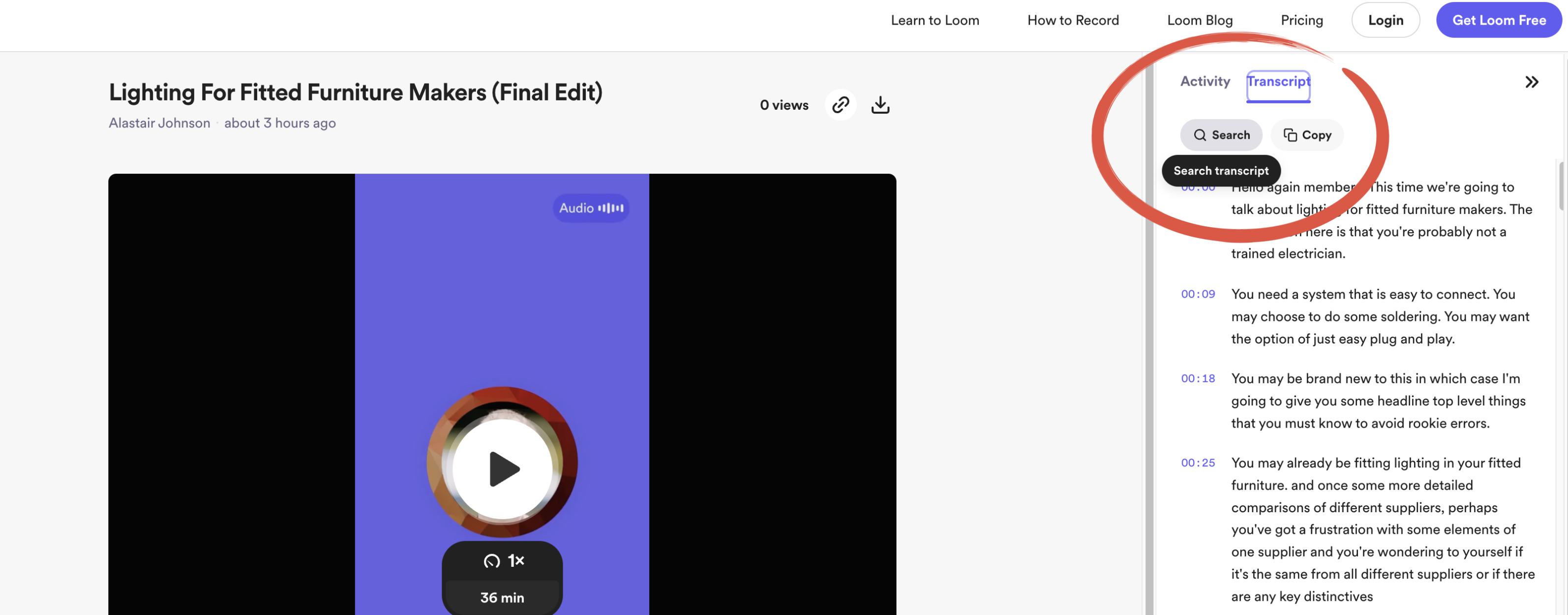
After seeing increased member engagement and excellent feedback from my previous audio post about types of MDF, I am continuing with the audio format on the Loom platform (see chapter links below). The Loom format has the added benefit of a searchable written transcript - so after listening through you can easily jump back to a topic of interest by searching for that word in the transcript. You will find this feature on the right of the screen if listening on a big screen web browser, as shown below:
This post is packed with information, to make up for the long overdue update to the Hafele loox lighting crib sheet that was emailed to you when you signed up as a member. I suggest you bookmark the original buymeacoffee post where you may find updated information in the comments section in future.
Reasons for Focusing More on Some Suppliers than Others
My aim is to give you high quality information based on real experience, so I will talk most about what I have actually used. I have no specific affiliation to suppliers. However for full disclosure:
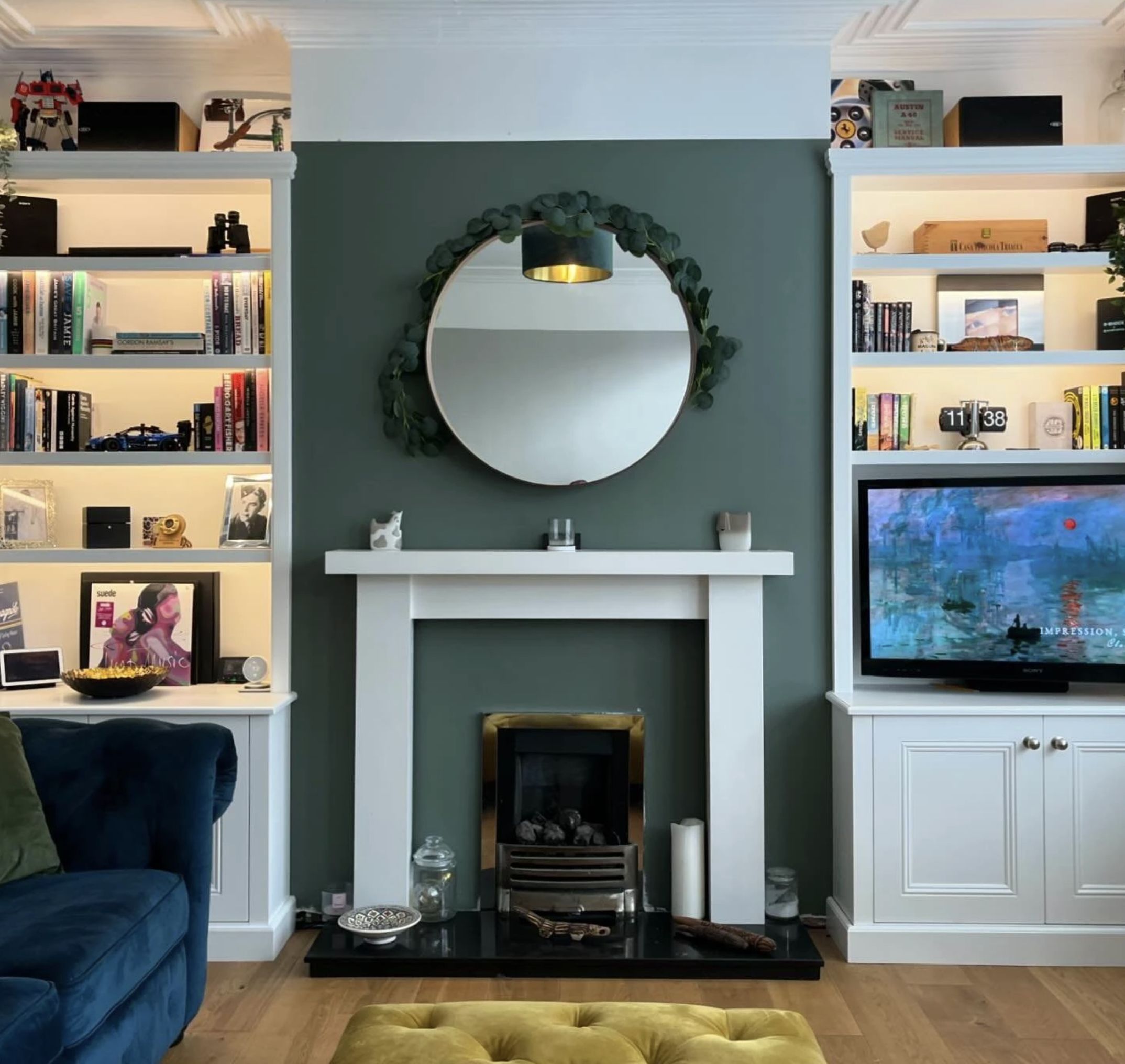
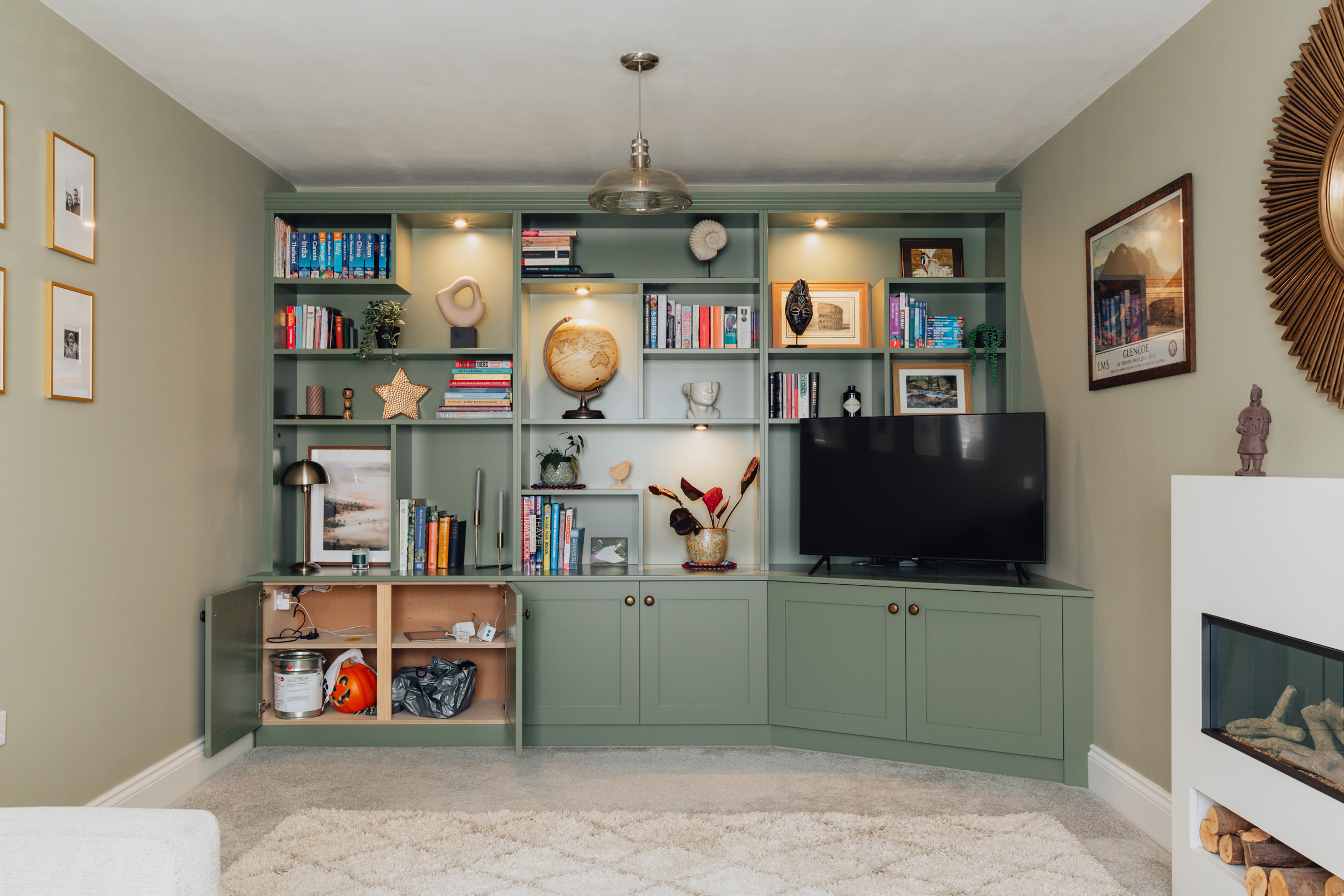
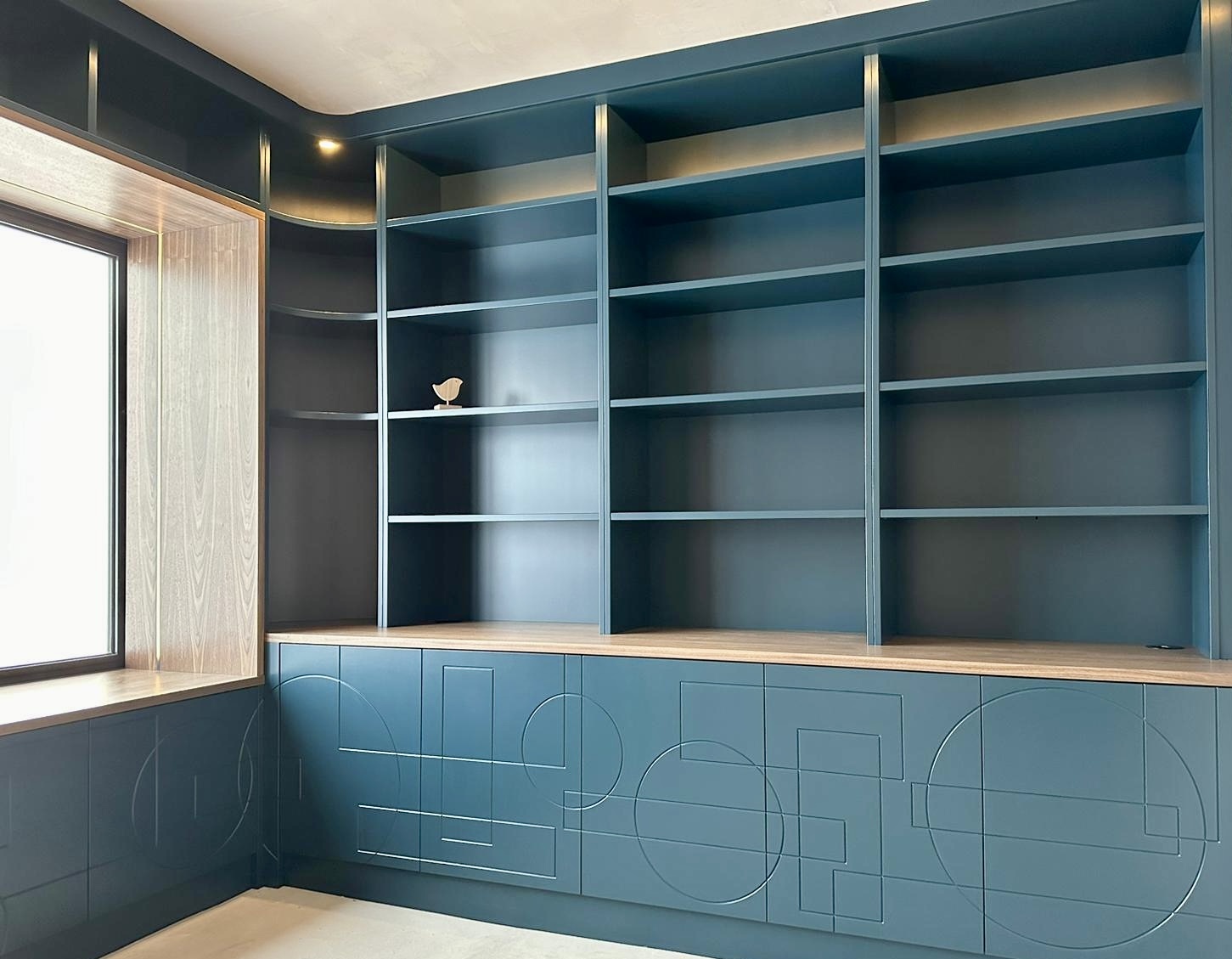
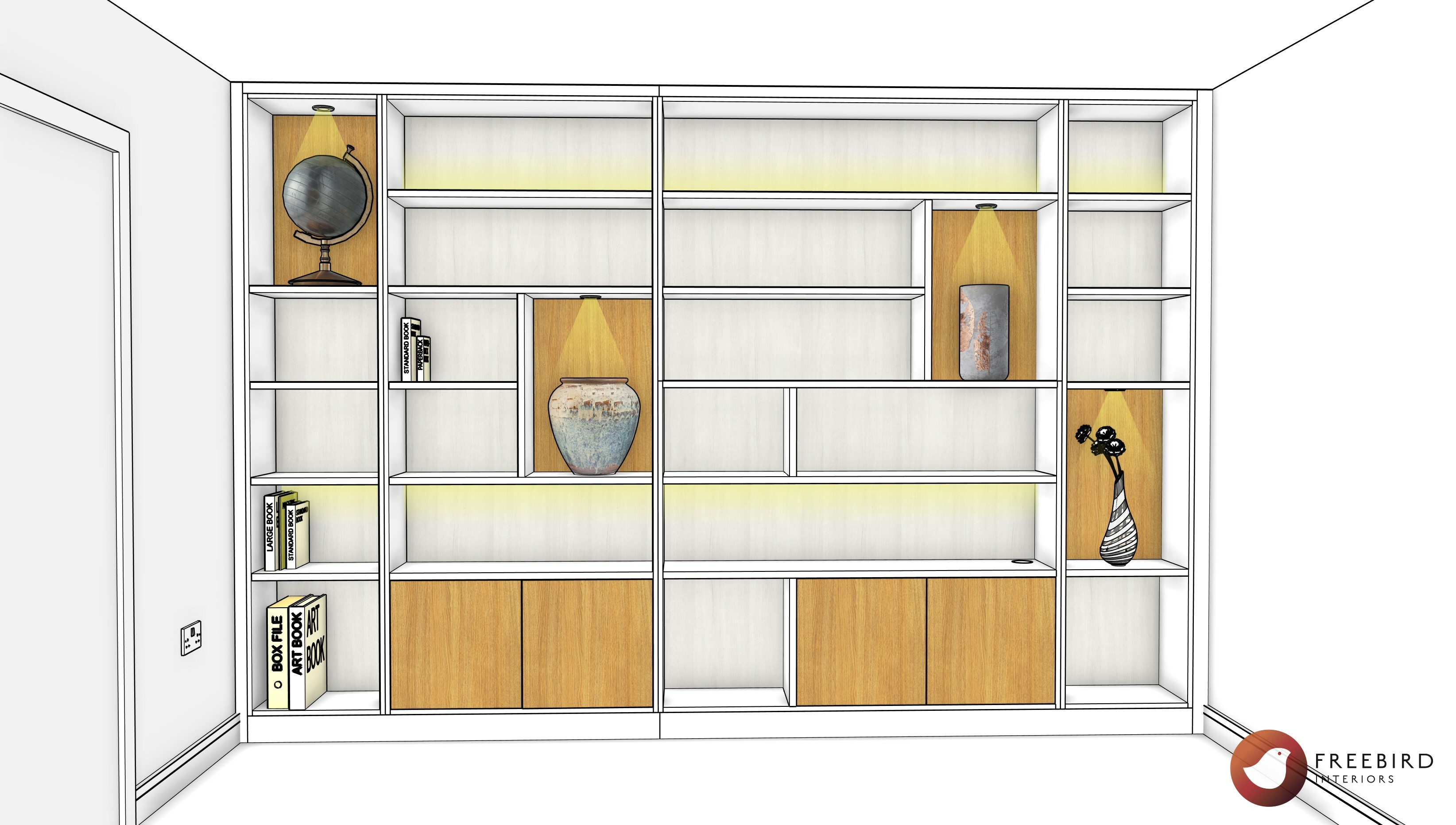
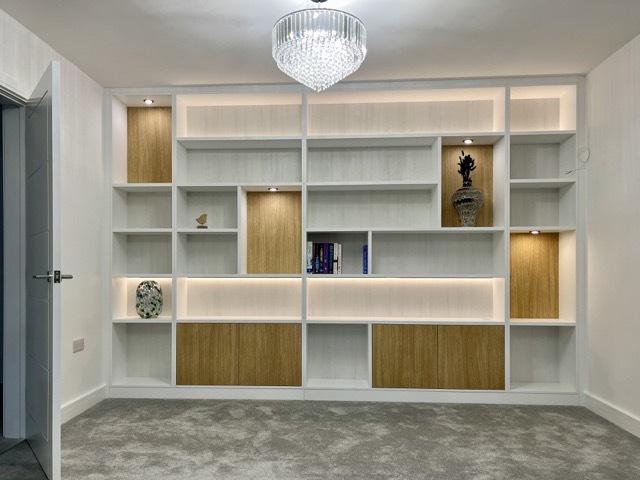
Hafele have worked with me in the past to gift the lighting for the Finsa KBB show stand and were my go-to lighting supplier for many past projects such as the one below. My rep Chris Hill has always been very helpful: [email protected] / 07966 263 030
Since then I was in talks with Hranipex to showcase their products on a gifted basis at one point, but I pulled out of the arrangement when I lost confidence in their UK advisors' technical knowledge of their range, and in their ability to provide the complexity of lighting control that I required for the project in question. However please note that this was early days for the Hranipex range in the UK and I have no doubt things have improved since then: Hranipex are a strong contender for good value lighting with some unique product options. Speak to technical manager Jason on 07917 904 038 / [email protected]
Most recently, I have been working with Sensio to test and learn about their range, providing them with detailed technical feedback, and showcasing their products to my audience, in return for gifted products but no payment at time of writing. Contact them on [email protected] and they will either respond direct or pass you onto one of their well informed distributors which include Isaac Lord and Daro.
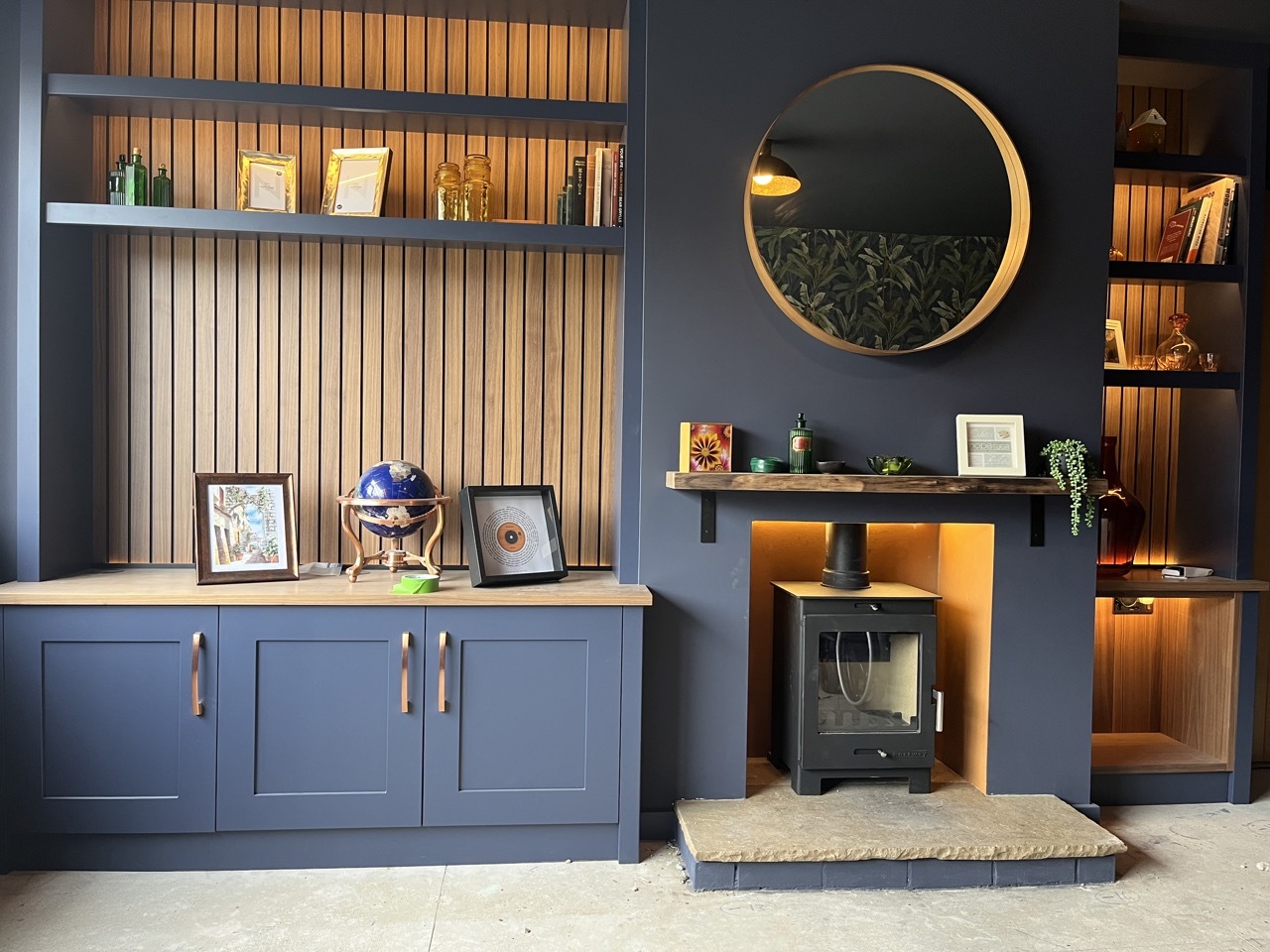
As a result of this latest partnership I am most up to date on Sensio's products, so they do feature prominently in the content here. I am impressed with them, but I won't hold back in pointing out their weaknesses, and the areas in which Hafele is stronger (and vise versa!). Stay tuned because Sensio are due to add some more products to their range quite soon.
The backstory on the connection between Sensio and Hafele's Loox range may interest you - listen to the audio. Both these brands are definitely high up for quality of components, with Hafele currently trumping Sensio for range, but bear in mind that increased range brings with it additional complexity and potential confusion. However, to counter this, Hafele is very strong on technical advice through a direct line with multiple advisors: 0800 171 2908 or email: [email protected].
I would always recommend simply asking your supplier to put together the components list for you. (See below a project outline I sent to Hafele for their advice only yesterday:)
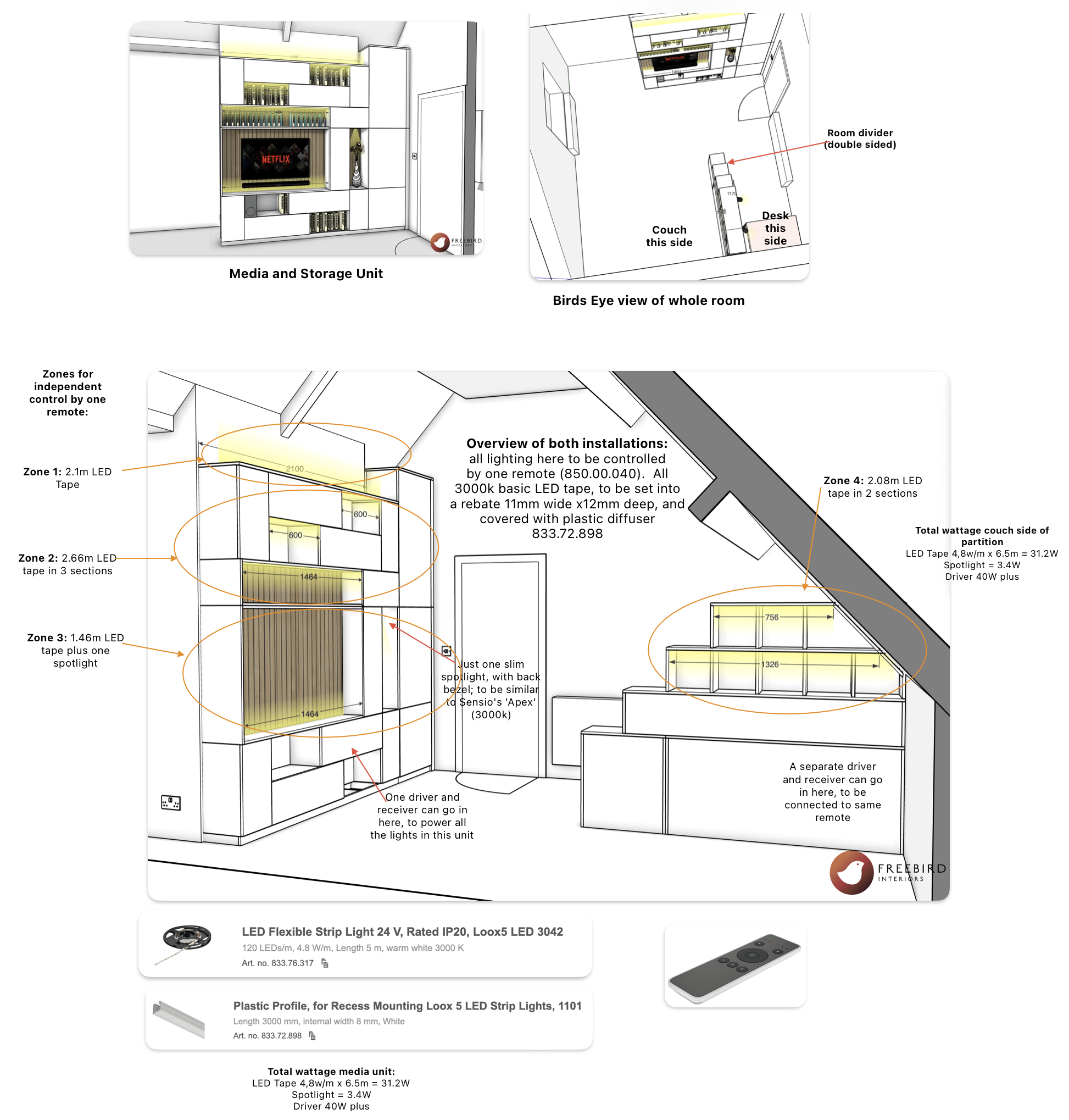
Other suppliers I have used who are mentioned in the audio include:
Light Solutions - speak to Dave on 07507 002267
Hart Wholesale - 01702 614 044
Leyton Lighting (the manufacturer/supplier to both of the above)
Newstyle Lights (for more information on them, and possible upcoming improvements to UK availability, I suggest you ask Karl Malone at Topbuild Carpentry)
JLEDS - they don't cater specifically to fitted furniture but they have solutions for specialist use-cases and you will immediately appreciate Jeff's range of knowledge if you give him a call for advice on 07761 845 502.
Audio Chapters
00:00- Introduction
00:48- Colour temperature basics and avoiding rookie errors
More info: The Kelvin (K) number is a scientific measurement of the colour of light. Lower K numbers: Warmer and more yellow light. Higher K numbers: Colder and whiter light (May appear bluish in contrast to warm white). Here are some examples of light colour temperatures: Candle light: 1500K, Incandescent bulb: 2600K-2700K, Halogen bulb: 2700K-3000K, Fluorescent light: 4500K-6500K, Daylight: 5500K-7000K
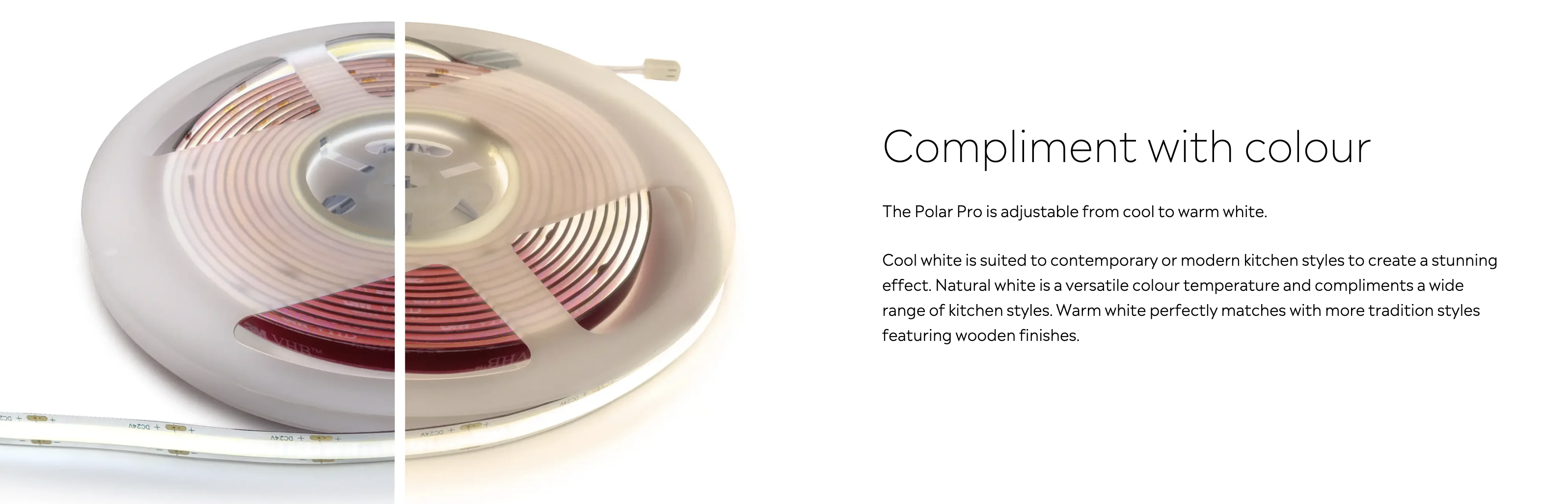
02:55- 12volt vs 24volt systems - what are the benefits?
24V LED lights are better for longer runs or larger projects. 24V LED lights are more energy efficient than 12V LED lights, as they use less current and produce less heat. 24V LED lights can save you 30% on power usage compared to 12V LED lights. 12V LED lights remain available largely because they are better suited for vehicle applications.
04:20- Basics of choosing the correct power (wattage) for your driver that controls the lights.
05:49- Basics of choosing LED Tape
Check cut point distance, spacing of light emitting diodes (closer for evenness of light - may be measured as diodes per metre), wattage and light power. Obviously, fewer diodes/wider cut points/ lower power output = cheaper tape, so if economy is your priority and the lighting is for an ambient glow only you could choose a low powered tape with widely space emitters - but make sure to set it deep within a suitable diffuser profile to avoid giving a cheap dotty appearance. If however you need bright task lighting and/or the LED tape will be a little more directly visible, then choose closer spaced diodes - or the latest silicone coated COB or flex style lights which have some level of diffusion built in, along with closely spaced diodes. (Often it is best to simply explain your use case to the technical support department and have them tell you the most appropriate choice)
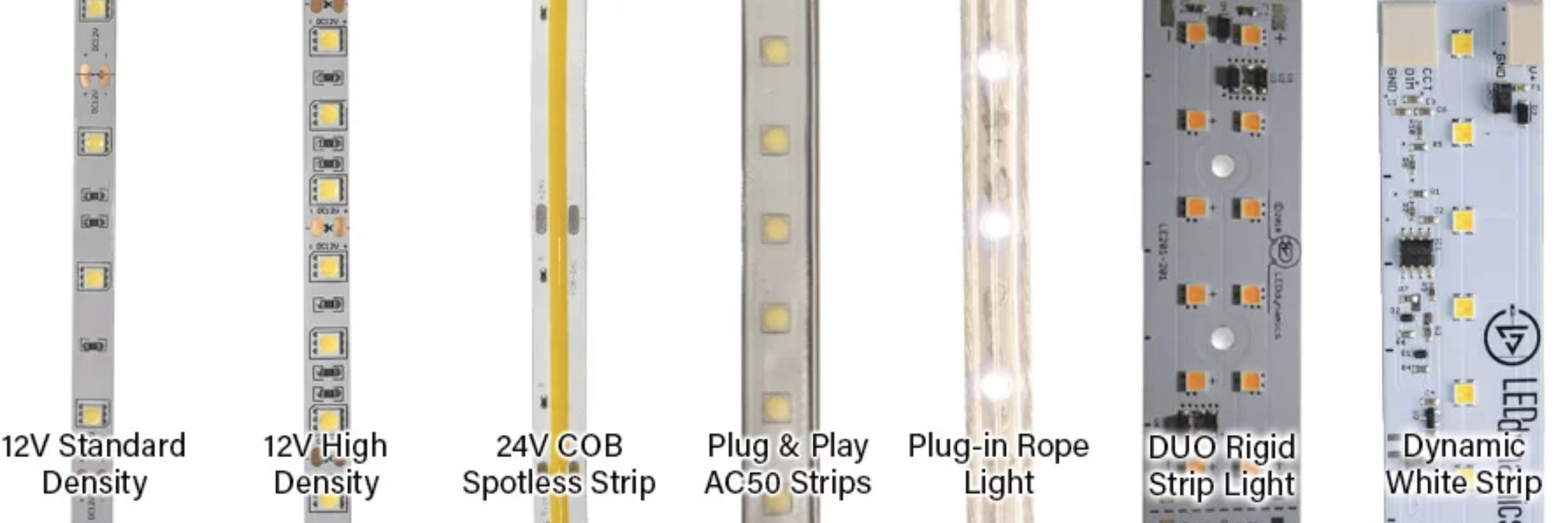
Image above is courtesy of LEDSupply.com
09:05- Widths of LED tape and the implications on choice of diffuser. Diffusers explained. Single colour vs colour changing tape.
14:05- Hafele's historical connection with Sensio - the backstory
15:56- Variation between suppliers - don't assume connectors will be cross-compatible - they aren't!!
17:17- The problem with Hafele constantly changing their range
18:32- Brief overview of various different lighting brands we have tried and their pros and cons
24:42- Identification of lower grade LED tapes
25:32- Benefits of higher quality adhesive on the back of LED tape - 3M VHB adhesive - opening up possibilities to dispense with using diffusers. See my first impressions of using Sensio's COB lighting tape with VHB adhesive and no diffuser in this short video taken from my Instagram stories: https://youtu.be/Gooi6sSO1bg
27:56- A uniquely narrow LED tape from Sensio, the 'Neutron' at only 3.5mm wide.
The closest equivalent from Hafele would be their '3040' tape at 5mm wide.
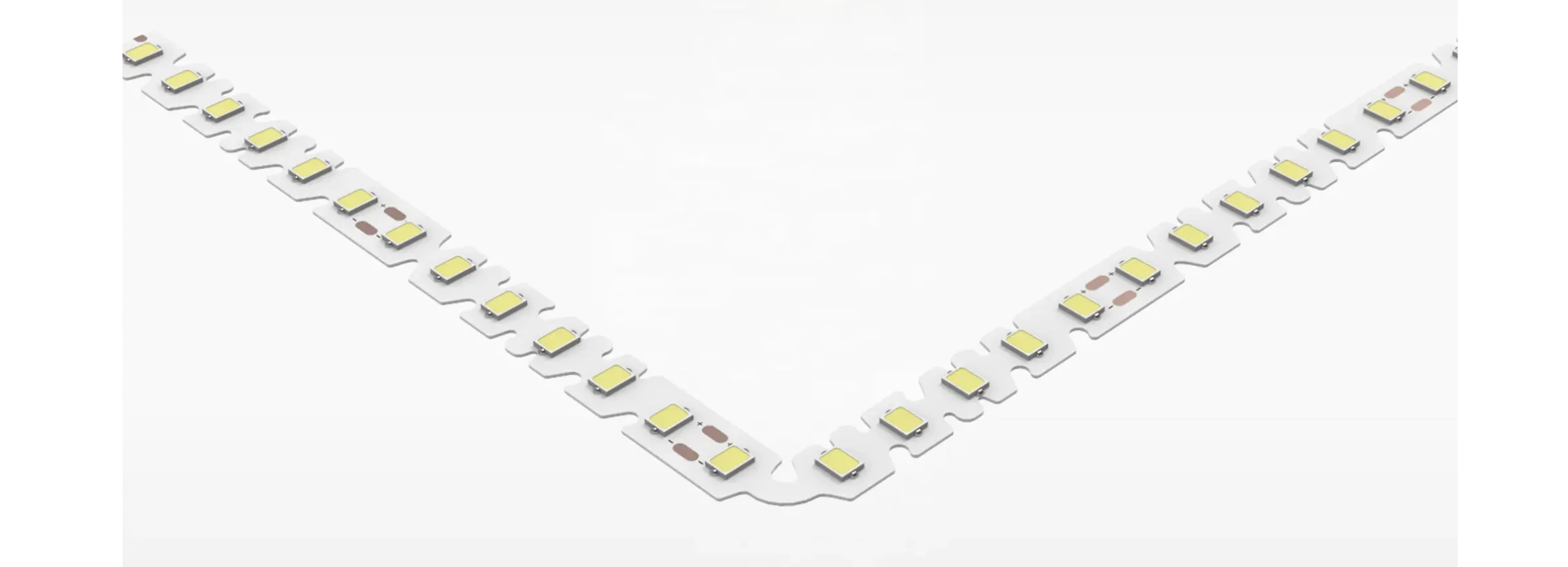
28:14- Another distinctive product from Sensio, the 'Sigma 2' tape which has special notches to allow it to be bent sideways around corners: note that in addition to this special feature, this is a good value all-purpose LED tape.
29:30- Ongoing innovation from Hafele too.
30:13- Some downsides of Sensio vs Hafele - most notably the cable connections which have a less secure hold and which are less compact for pushing through drilled holes.
31:35- A switch-product with wow-factor from Hafele: the Capacitive Dimmer Switch:

See it in use on one of our past installations from 22:59 in this video.
Unfortunately Sensio does not currently have an equivalent switch. But Hranipex does.
32:30- The kinetic switch from Sensio - clever battery free wireless control - the signal is generated by the power of the click alone. I think Leyton also offer this and in fact the concept is widely available from Toolstation and elsewhere.
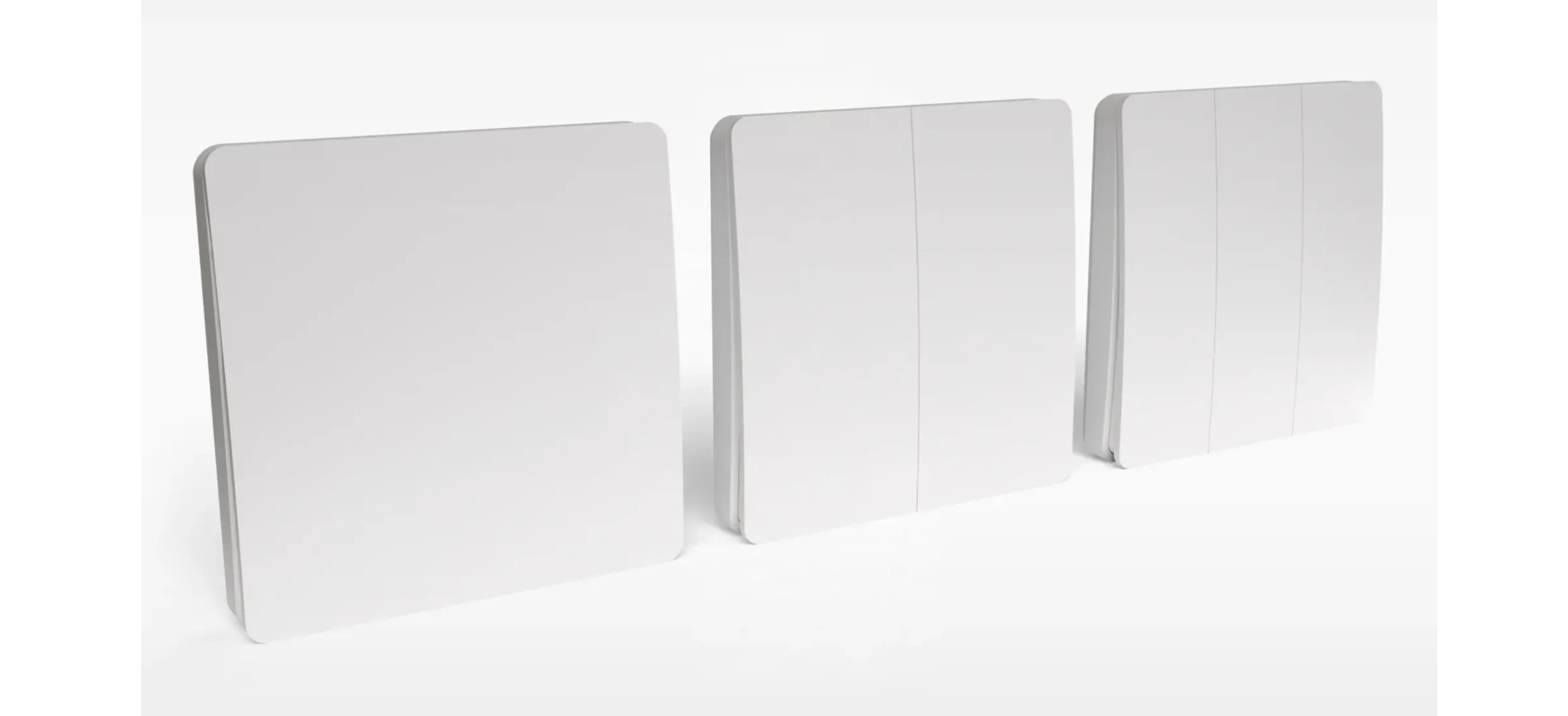
However watch out! - just because a switch of this sort looks the same does not necessarily mean it is cross compatible! And even from the same supplier, it is easy to get caught out on the choice of hardware. The Sensio kinetic switch requires their kinetic driver - it is NOT compatible with their driver for remote control. I'll say it again: it's always best to go to the supplier and ask them to draw up your components list for you.
From Hafele, the closest equivalent to the kinetic wall switch currently available in the UK is their Mesh wall switch.

However this does rely on a battery, and it is a but more 'clever clever' and does not have the elegant simplicity of the kinetic switch. You might persuade your Hafele rep to shop over their own kinetic switch option from Germany but it's not currently a standard item in the UK.
33:13- remote controls: personally I prefer the Hafele options over Sensio's single remote control option. Except for the fact that Sensio's comes with a wall mount bracket, but Hafele's doesn't! You can see a soon-to-be discontinued Hafele Loox remote in use on one of my old projects here. The latest equivalent that does the same job is this one.

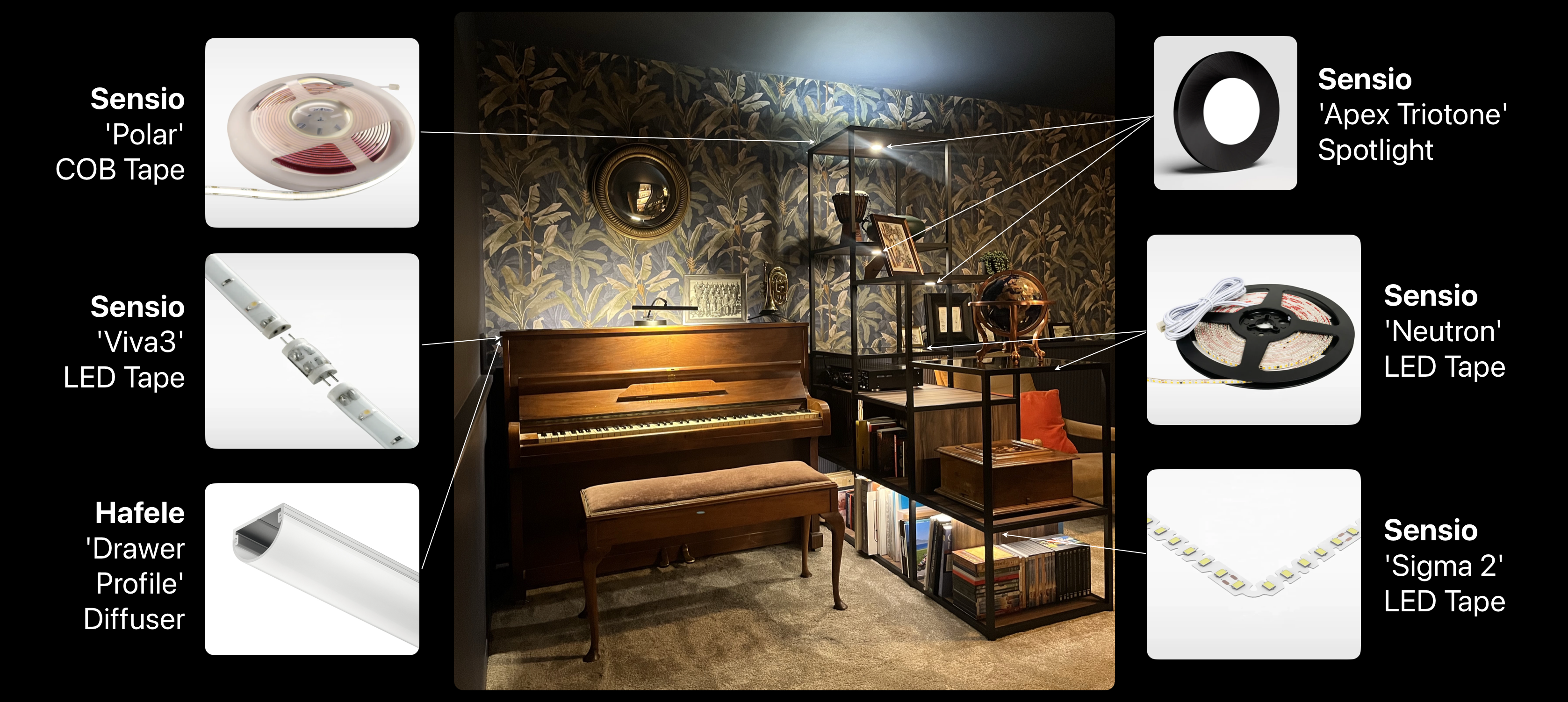
See the Sensio remote in use in this instagram reel - that project combines Sensio's slimline 'Apex triotone' spotlights (which I am a big fan of), with their Neutron light tape in an ultra slim diffuser profile called 'Gamma'.
By the way, the neutron tape and Gamma profile are a very clever design combination by Sensio - the way the narrow Neutron tape sits on an angled surface within the Gamma profile allows you to turn a 90 degree corner using this corner piece, while using a seamless strip of the LED tape and creating a continuous even light.
We used Apex Lights (with black bezels) in combination with discrete straight runs of the Neutron tape on this recent project also.
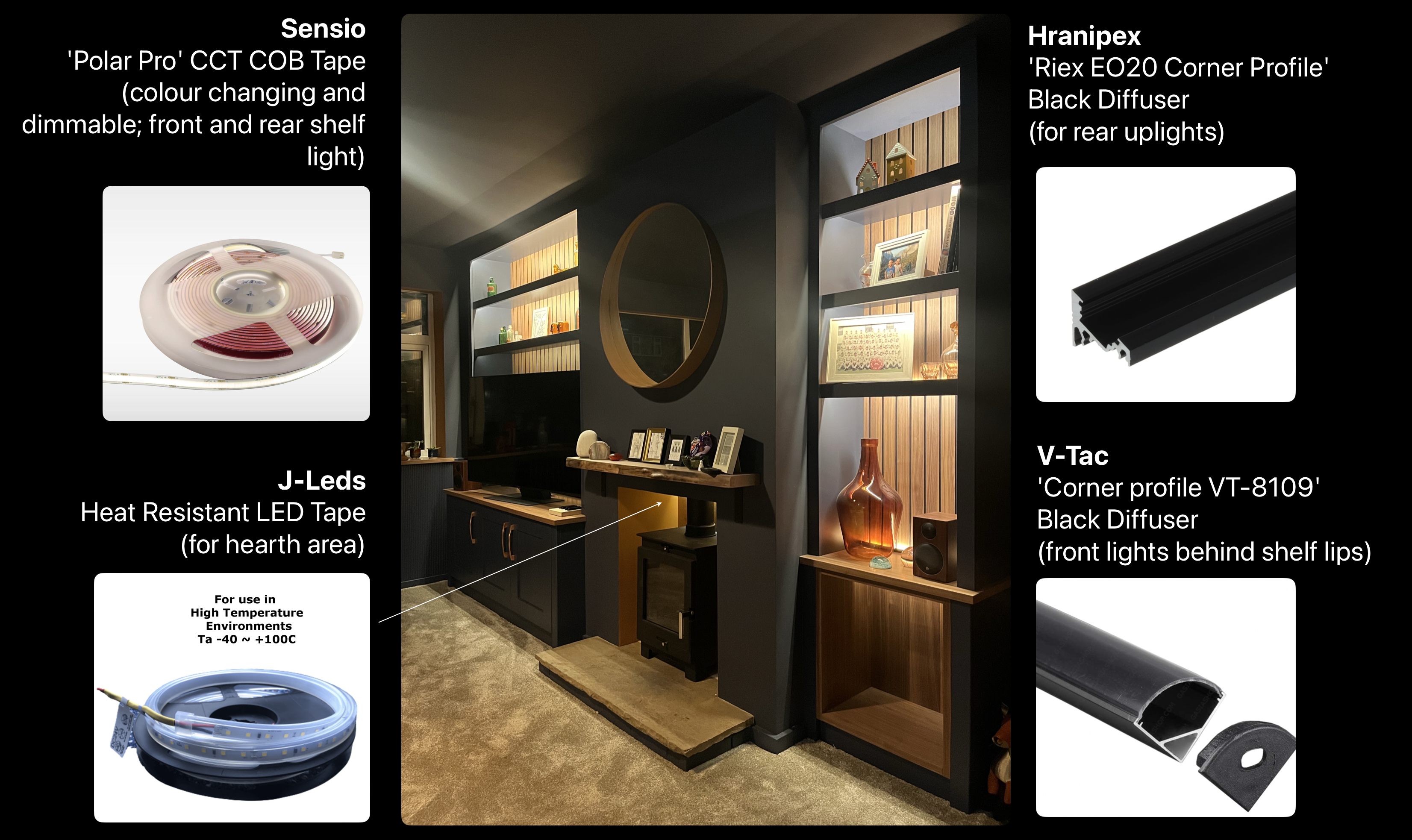
33:53- J-Leds - a supplier that is definitely worth checking out for specialist products. For example they were the only place I could find heat resistant LEDs, which I needed for the woodburner area of my living room project. I was able to simply connect their cables up to the Sensio system.
34:50- a good value supplier if you're just starting out and want to keep costs down would definitely be Hranipex, but be prepared that they may still be catching up on their technical support offering.
Please have at most 15 chapters. Chapters will not display on the video timeline.
Additional Information
Take a look through these Instagram story highlights for more detailed insights into a number of Sensio's products, which will help you understand them better, to allow you to specify the right option for your needs.
See how I used a Hranipex black angled profile to hide a light tape (Sensio) from direct view to create a glowing uplight effect here.
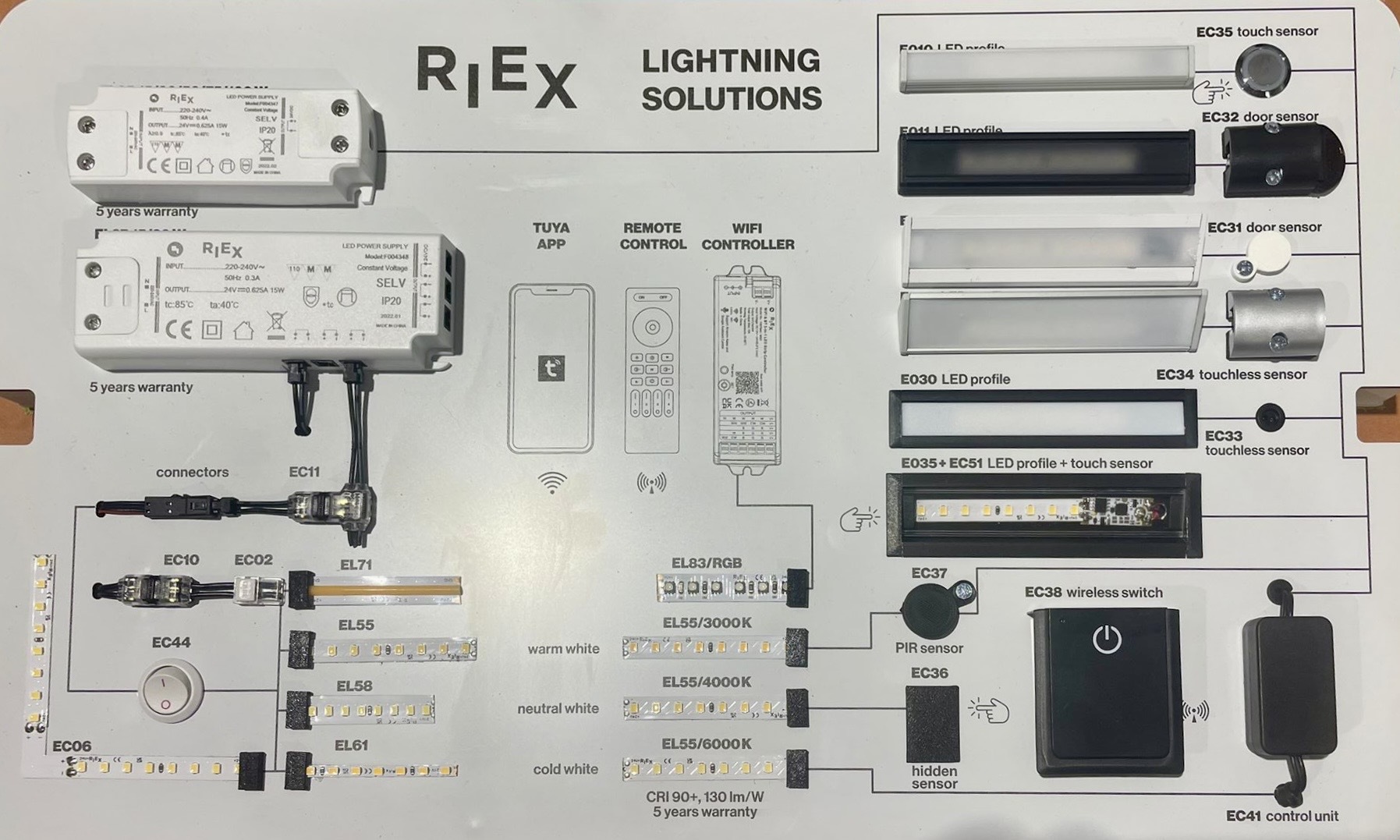
Keep an eye on Hranipex - It looks like they are improving their offering and technical support all the time (and not just for lighting, you will be surprised at the range of useful hardware available when you start browsing their site). My good friend Chris Jackson from Justwoodfurniture recently sent me a photo of Hranipex's lighting demo board which he said was very useful for understanding their lighting system:
John Penny is a big advocate of Hranipex products so he may be worth asking about their range.
Some additional insights from a recent chat with Derek Barrett:
It sounds like he is sticking with 12V and he has recently switched from using one of Hafele's Flex light variations for his long vertical runs of walk-in-wardrobe lighting, to using a cheaper dotty tape (which he has managed to negotiate a very low price on, in combination with this all-plastic diffuser profile which is designed to push directly into a groove in a wooden panel:
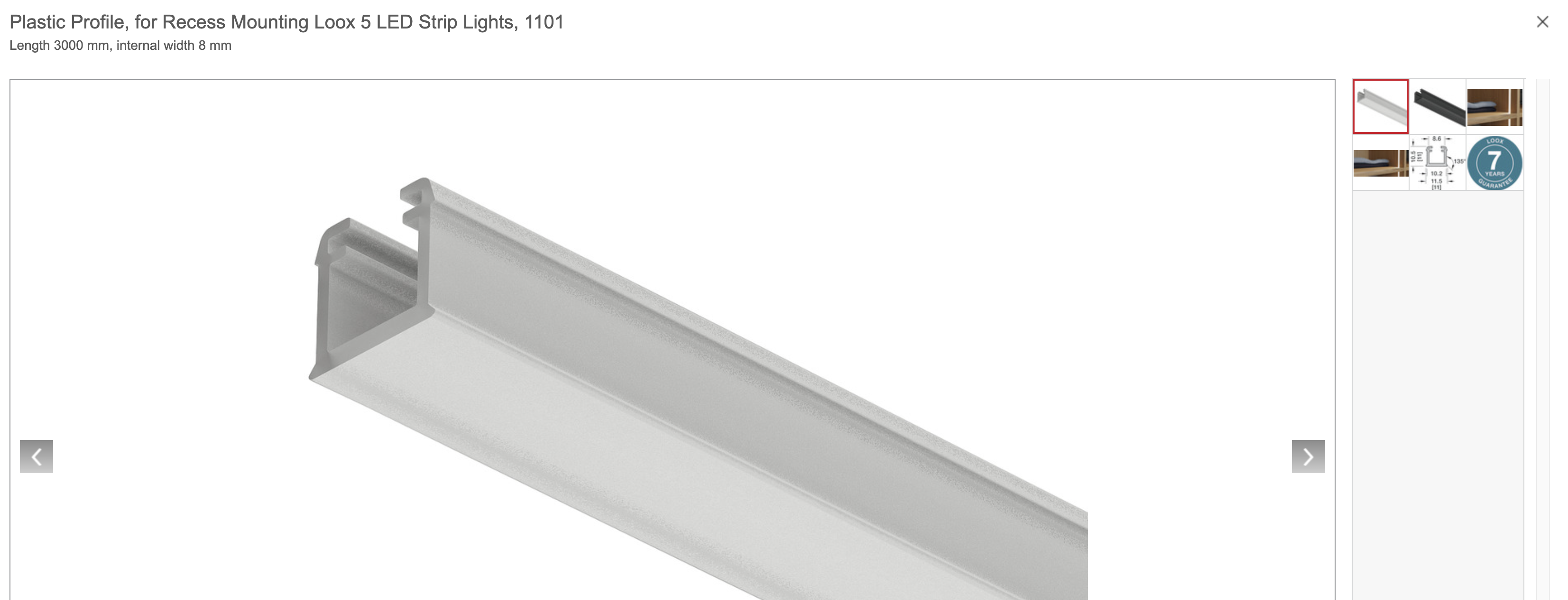
I am going to trial this approach on some upcoming jobs. His main motivation was to avoid trapping the silicone strip at top and bottom of units. By using this plastic profile instead he can cut it to the size of the internal height of the unit (allowing for possible future removal); giving access to the thin standard LED tape which was trapped at the bottom of the groove and which could then be pulled out for replacement if that ever becomes necessary.
He also mentioned that he favours this very simple remote (available from a range of suppliers) which he pairs with this controller from Amazon.
I haven't said much about the various silicone covered flexible LED tapes designed for fitting in grooves. We used this Hafele one in a 6.5 x 6mm groove in a couple of places on the Finsa KBB stand. To be honest I found the stretchiness of it problematic in some ways, and I think the rigid plastic diffuser approach will have some advantages in evenness of appearance.
Sensio has an innovation in this area, in the form of their 'Razor' super slim edge-radiant strip. You will see it a few clicks into this story highlight. This actually has a few possible uses, but it was designed to fit into a single-pass cut from a railsaw, which is a very useful feature, however **you must bear in mind that you need to peel off the adhesive backing tape altogether before trying to use it in this way** - it is designed for a tight friction fit - if you leave the tape in place it will stop you getting it in.
There's a lot of information here but we are still only scratching the surface of what's possible with LED lighting these days!
I would welcome members's own comments or tips on their preferred lighting ranges, or any topics you think I've missed - please add your comments under the original buymeacoffee post. I will also be sending this post to my contacts at the different suppliers mentioned, to request their input, which I will transcribe into comments below the post.
So if you check back in the comments under the buymeacoffee post in future you may find even more useful information!
Thanks for your ongoing membership, I appreciate it.
Alastair